Were There Female Vikings? What the Evidence Reveals
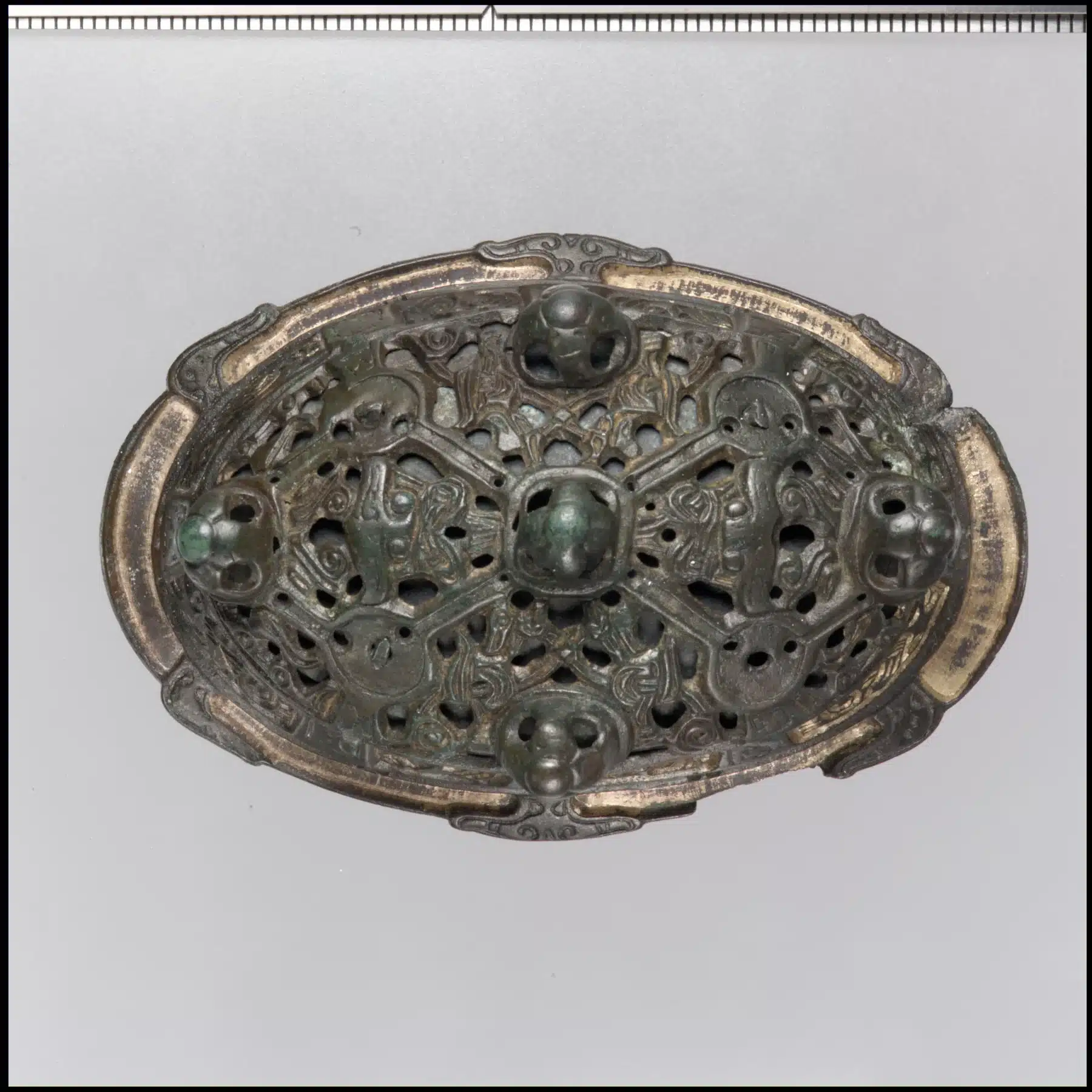
A warrior’s grave in Sweden held a female skeleton. Brooches found on the Isle of Man challenged another assumption: that Scandinavian settlers had all been men.

Women worth knowing
Extraordinary women, overlooked stories, and a more complete history. Explore the lives, ideas, and achievements that changed the world.

Keri is the founder of Amazing Women in History, established in 2011.
A warrior’s grave in Sweden held a female skeleton. Brooches found on the Isle of Man challenged another assumption: that Scandinavian settlers had all been men.

Lucy Parsons organized working women, fought her husband’s death sentence, and helped build a new union. In 1915, she led unemployed Chicagoans into the streets to demand jobs.

American women fought for control of their wages, built banks for excluded communities, and challenged lenders who treated them as dependents. Here’s how property rights, Maggie Lena Walker’s bank, and the Equal Credit Opportunity Act changed their financial lives.

Women could inherit samurai status without ever fighting. Hangaku Gozen, Nakano Takeko, and Yamamoto Yae also took up weapons, from medieval castle defenses to the battles of 1868.
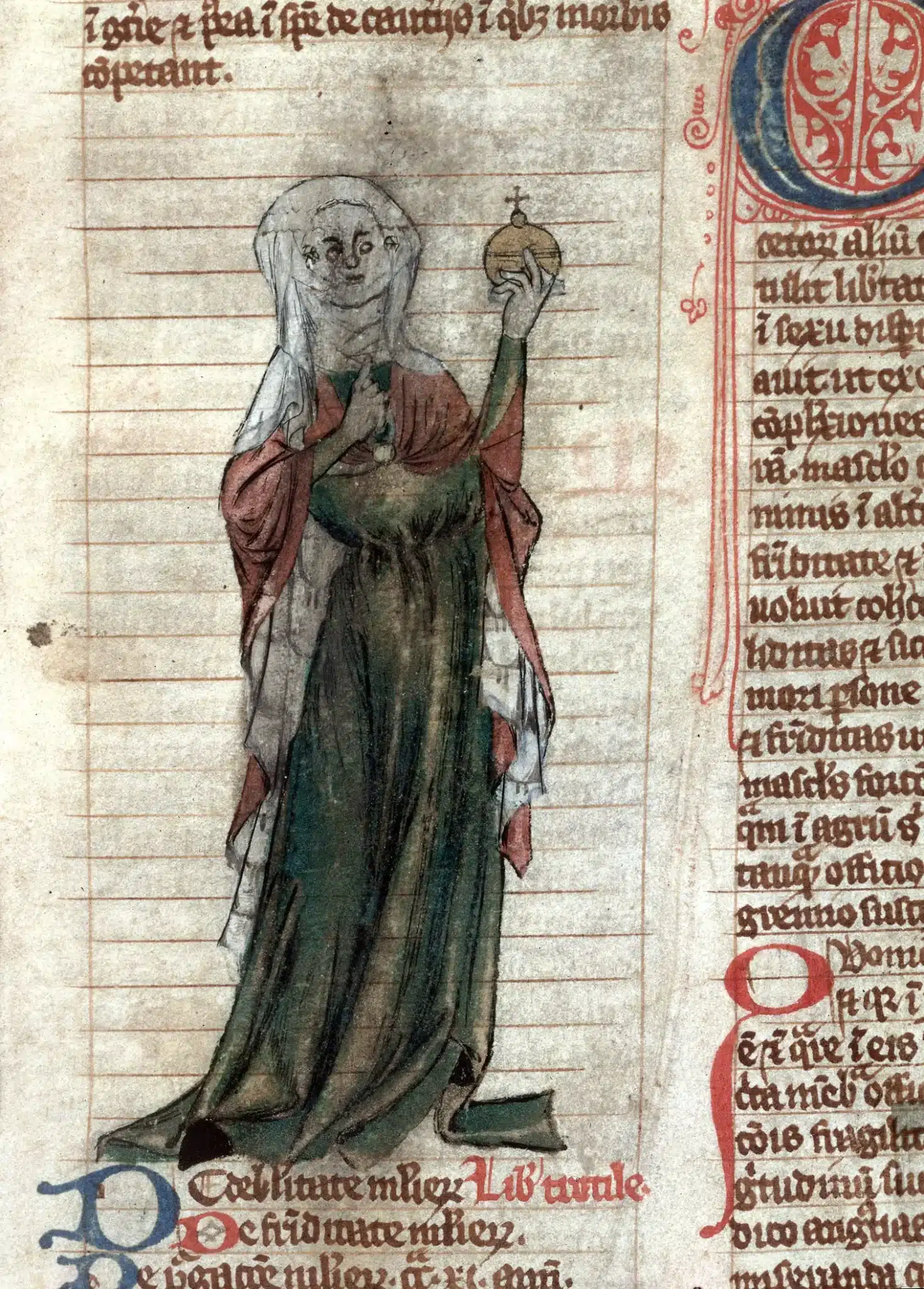
Trota of Salerno treated patients in the 1100s. Her remedies reached readers across medieval Europe through the Trotula, but it took centuries for historians to separate her work from the rest of the collection.
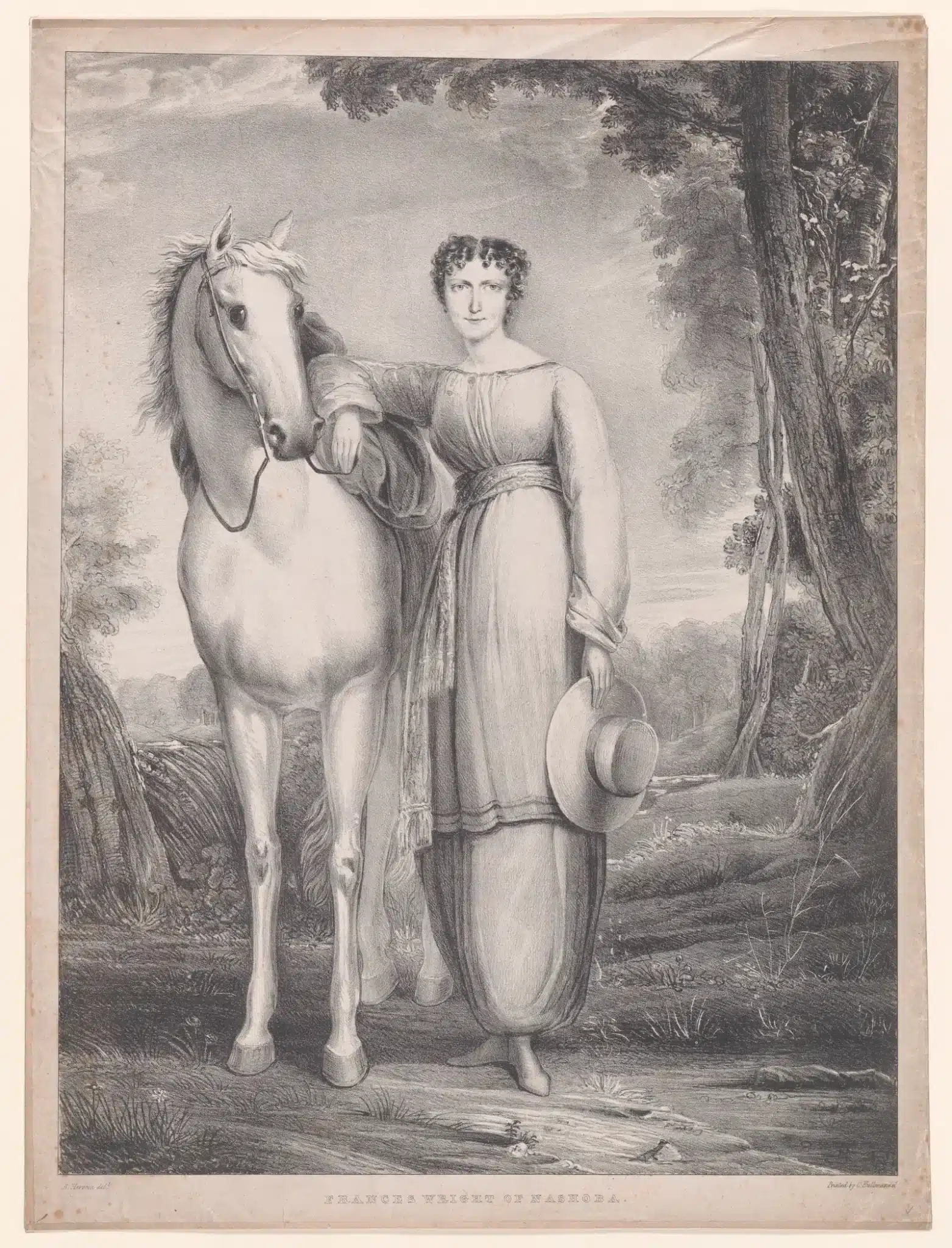
Frances Wright defended women’s right to speak in public and demanded equal education. Her 1828–1829 lecture campaign faced newspaper attacks and arson, but she kept speaking and helped establish New York’s Hall of Science.

Julia Morgan combined engineering, design, and hands-on supervision to restore San Francisco’s Fairmont Hotel and turn William Randolph Hearst’s expanding plans into Hearst Castle.

Nzinga fought Portuguese conquest through diplomacy, warfare, and shifting alliances. She offered refuge to people escaping slavery while also selling captives to Portuguese and Dutch traders.

Aphra Behn earned her living writing plays for London audiences and published poetry under her own name. Before her literary success, she worked as a spy for Charles II.
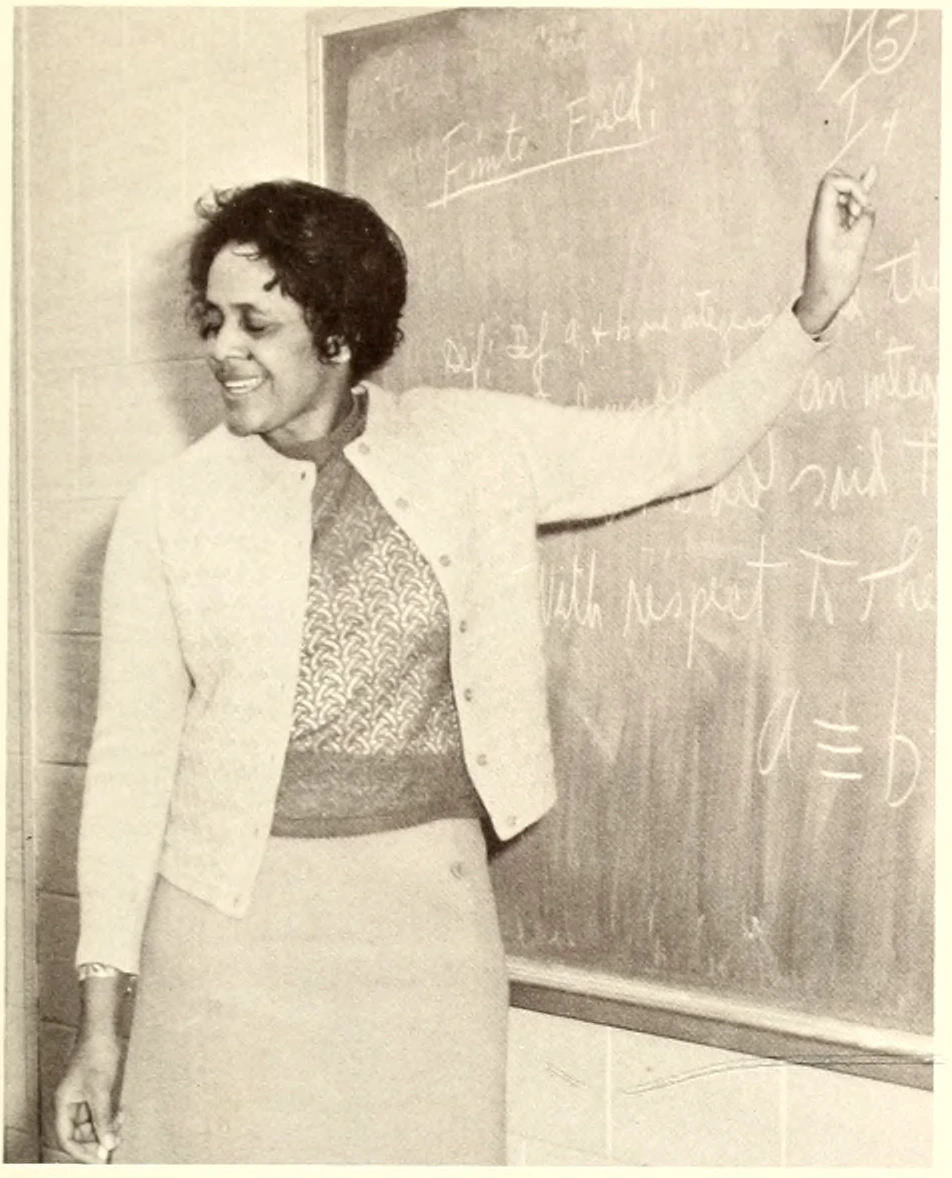
Virginia K. Newell gathered biographies, photographs, and research to document Black mathematicians’ achievements and the discrimination they faced.

Louise Otto-Peters founded a newspaper that invited women to speak for themselves. When Saxony barred women from responsible editorship, she kept the paper going beyond its borders.
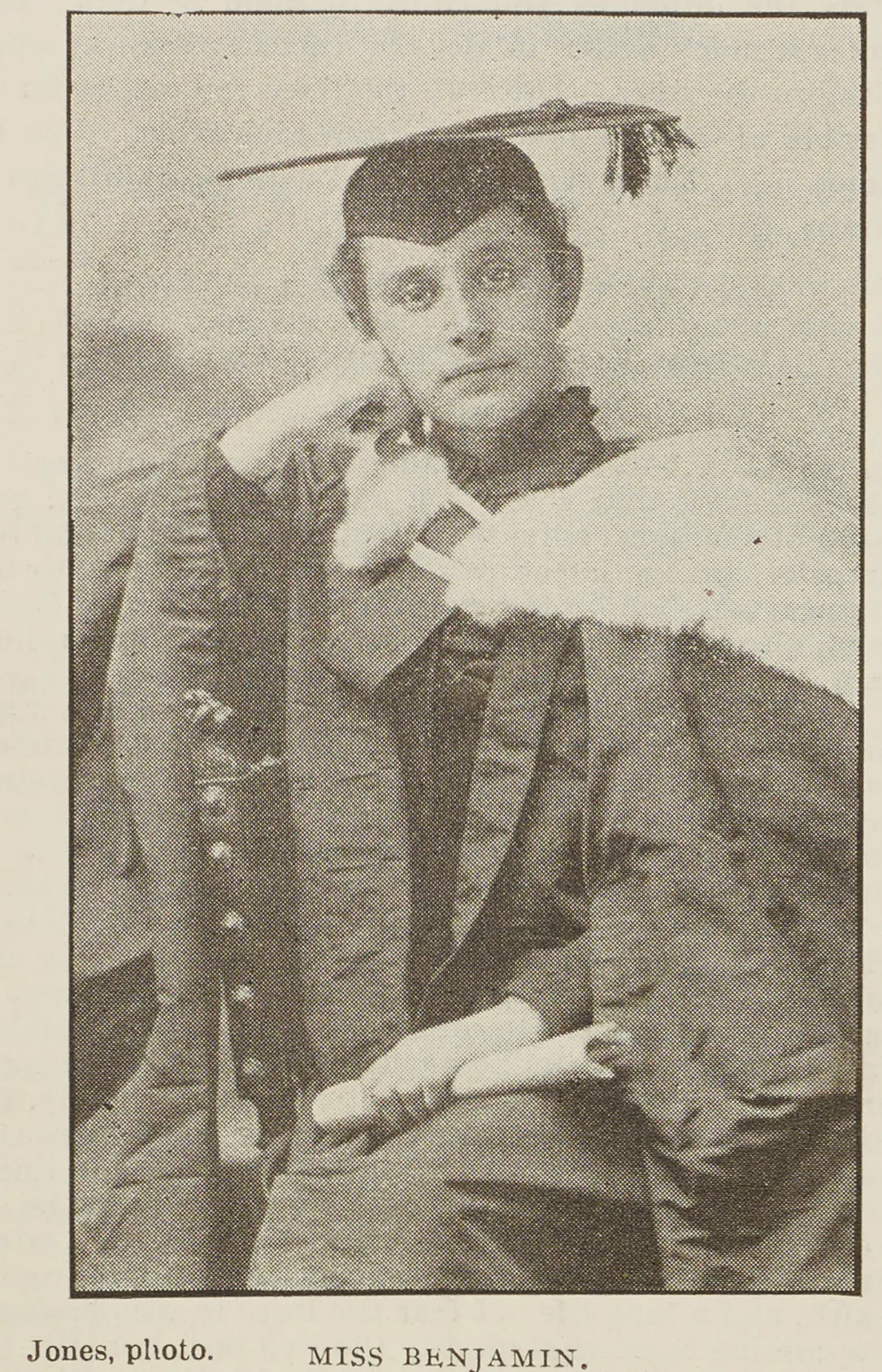
In 1897, Ethel Benjamin became New Zealand’s first woman lawyer. She built her own practice despite colleagues’ attempts to exclude her, and helped women seek financial support and separation from abusive husbands.

Gerda Lerner fought to make women’s lives count as history, gathering their words and building programs that trained others to research and teach them.

Funmilayo Ransome-Kuti united thousands of women against unfair colonial taxes and helped win them a place in Abeokuta’s government.

Izumo no Okuni turned comic scenes, dancing, and a swaggering male character into a sensation. The great tradition of kabuki began with her.
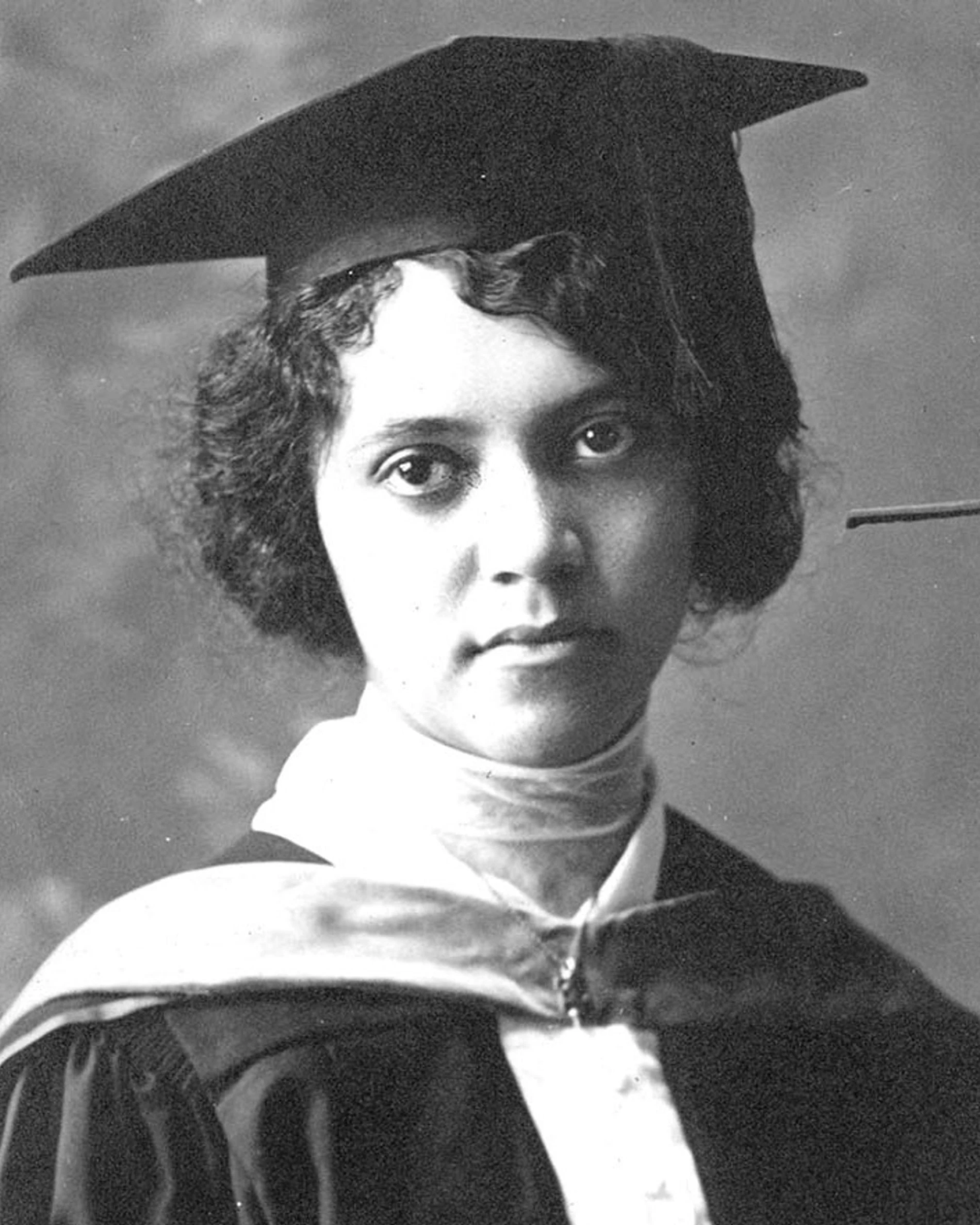
Alice Ball transformed a difficult leprosy remedy into an injectable treatment. Her work helped patients improve and return to their families.

Writing as Mountain Charley, Elsa Jane Guerin told of riverboat work, western businesses, and revenge. Her memoir leaves a tangled trail between life and legend.
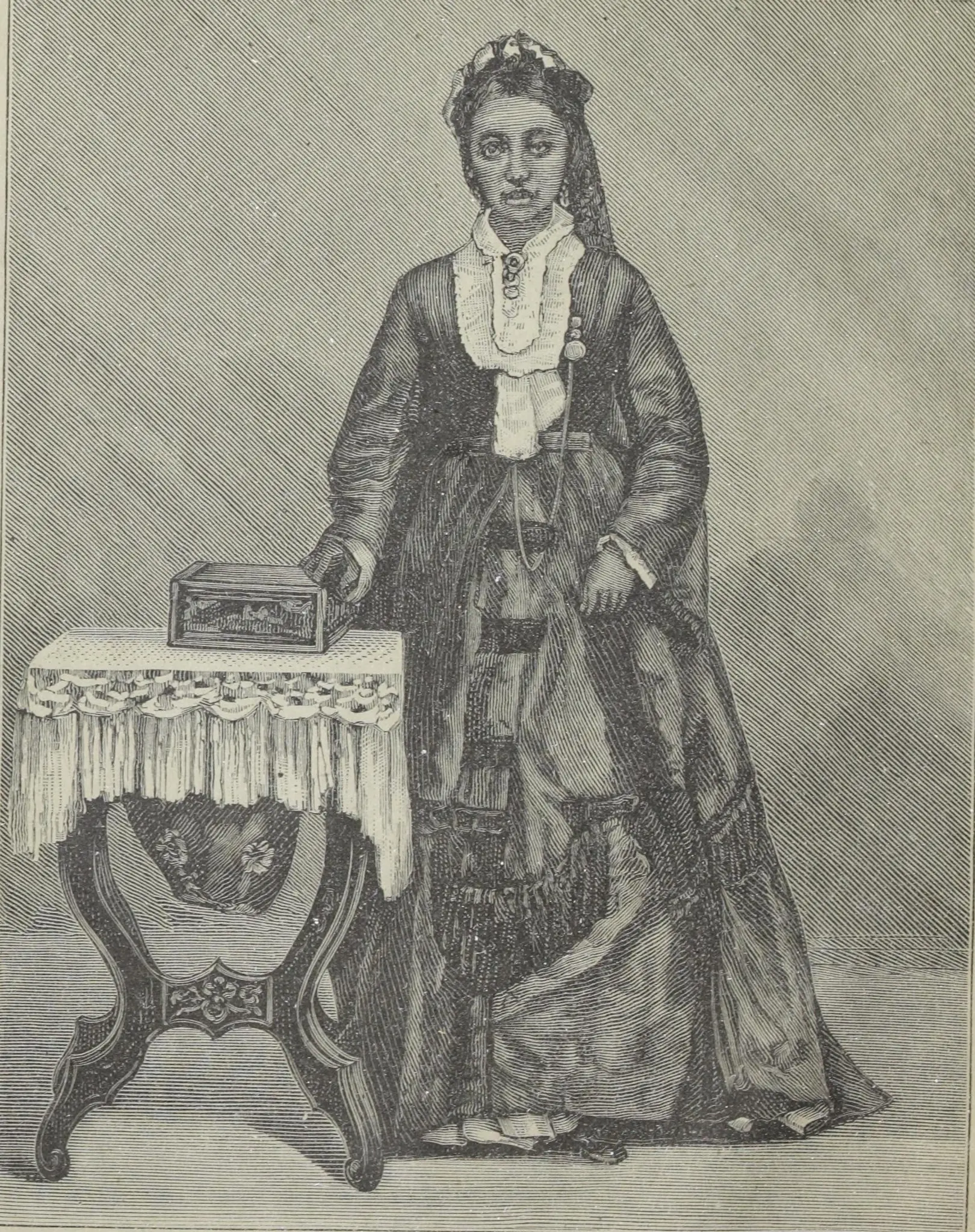
Ranavalona III became Madagascar’s last queen at 21. Her government fought and negotiated to preserve its independence through two French invasions.
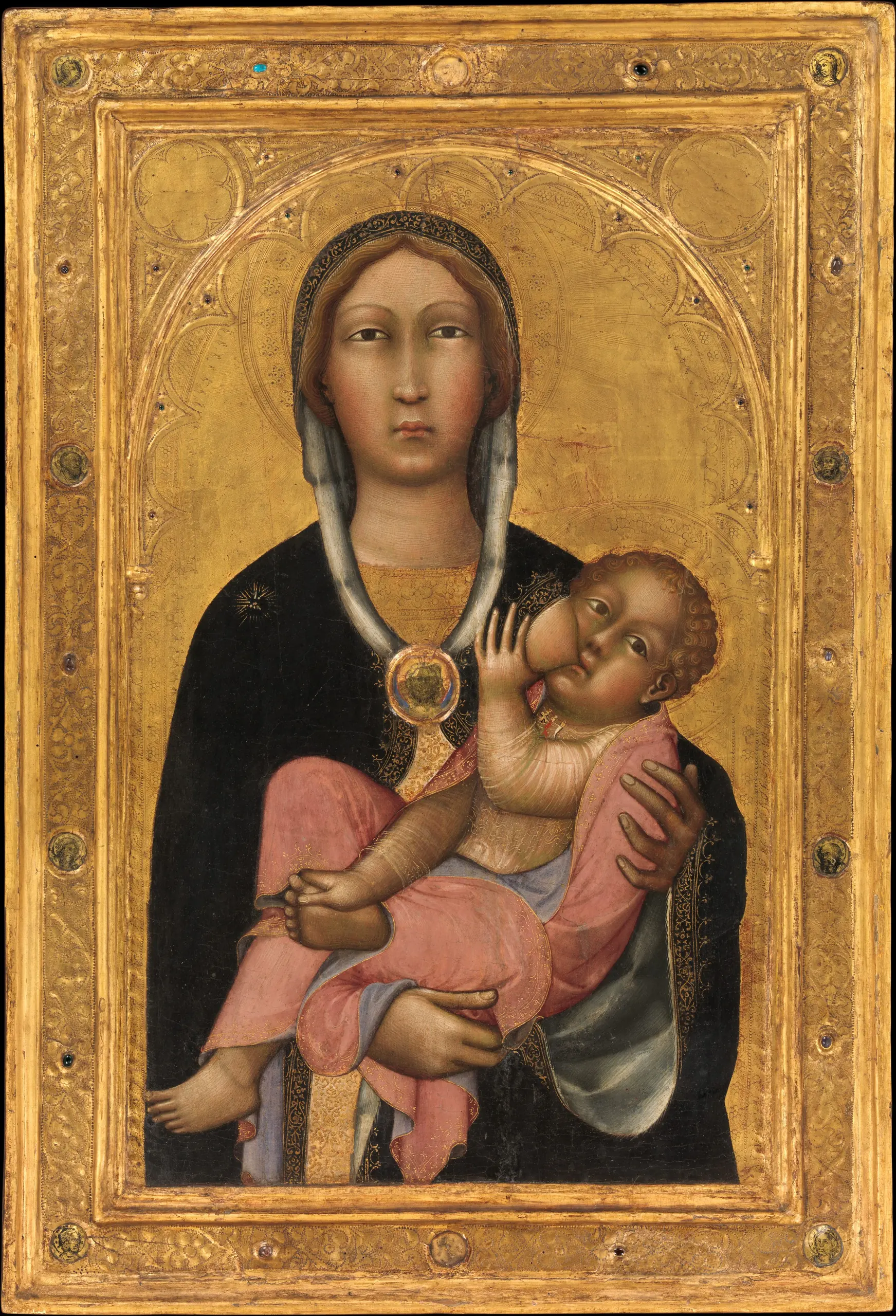
Julian of Norwich and Mechthild of Magdeburg used motherhood to describe divine power, from Christ feeding believers to a woman nourishing him.

Florbela Espanca fought to get her poems into print. Her sonnets won praise for their skill, and condemnation for giving voice to women’s desire.