
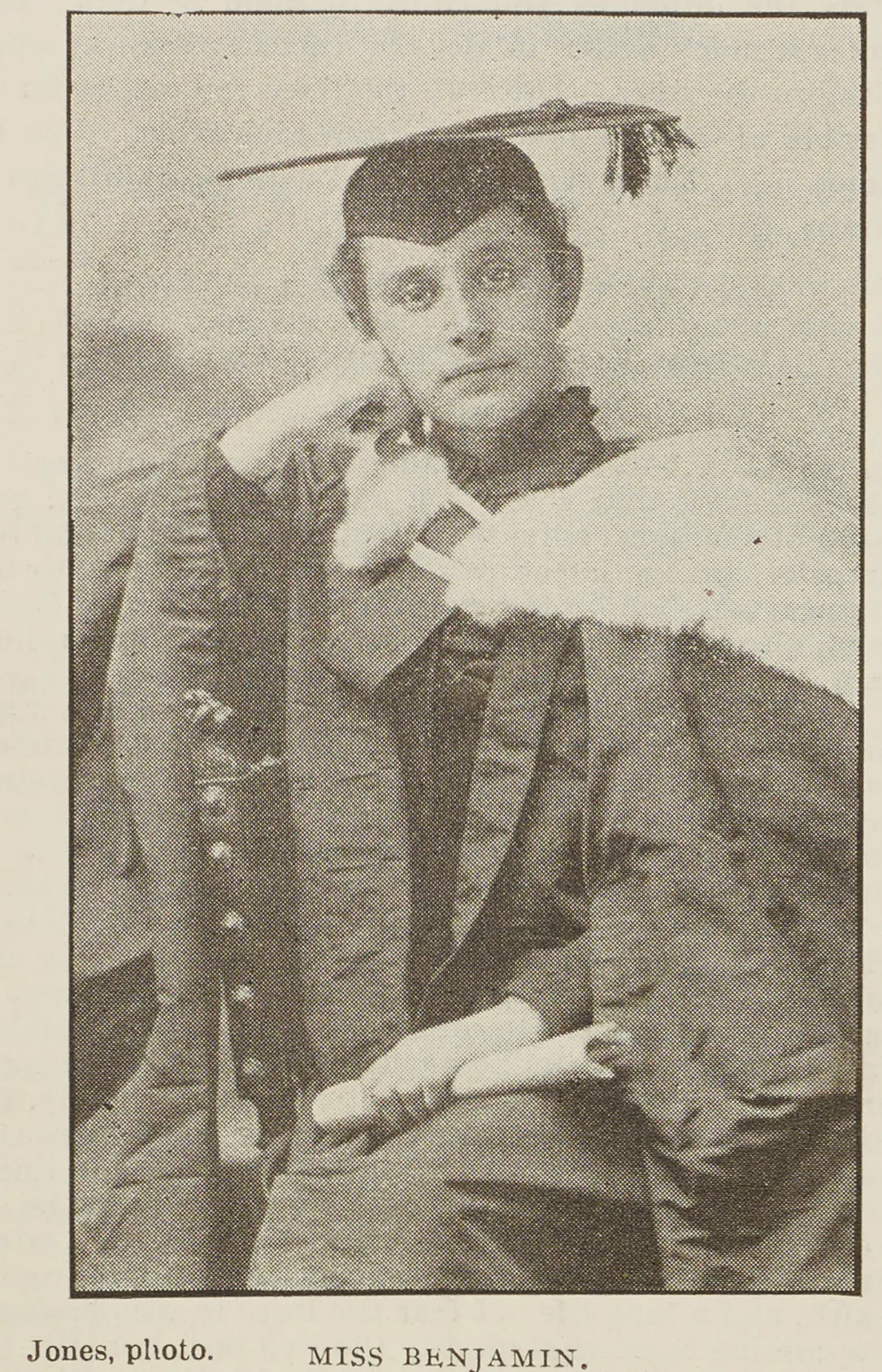
Ethel Benjamin became New Zealand’s first woman law graduate and first woman lawyer in 1897. She built a legal practice of her own, challenged colleagues who tried to exclude her, and helped women facing abusive husbands seek financial support and separation.
Studying Law Before Women Could Practice
At age eighteen, Ethel enrolled at the University of Otago in 1893 with the goal of becoming a lawyer. The university was in her hometown, Dunedin, a city on the southeast coast of New Zealand’s South Island. She’d excelled at Otago Girls’ High School and grown up in the city’s small Jewish community, where her father worked as a money-broker, arranging loans.
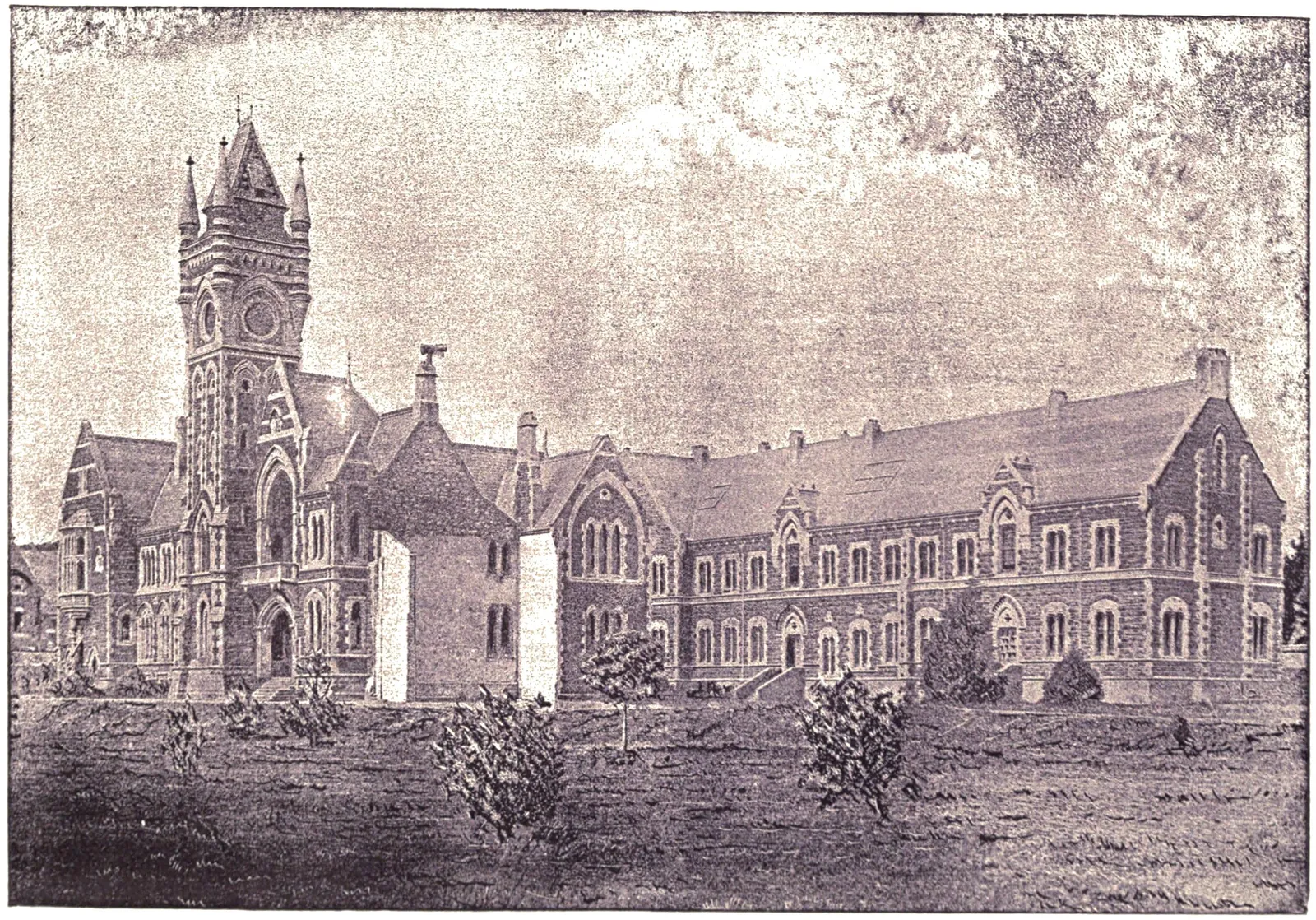
The university would teach her law, but New Zealand law still barred women from working as lawyers. Ethel began her studies before women even had the vote, trusting that the restrictions on her career would change.
Looking back in an interview in 1897, she explained her confidence:
I had faith that a colony so liberal as our own would not long tolerate such purely artificial barriers.
Ethel Benjamin, 1897 interview
For now, even getting the books she needed meant asking permission from lawyers who didn’t welcome her. In March 1895, Ethel applied to use the Supreme Court library in Dunedin. The Otago District Law Society, the local lawyers’ professional organization, ran it. The society gave her a six-month permit to read in a separate room, with permission required for each book she wanted to read.
Ethel thanked the society for letting her consult its books, while pointing out that the arrangement kept her apart from both the library and the profession.
Ethel’s examination results were outstanding. She earned the highest scores in New Zealand in ancient Roman law and in equity and evidence. She also shared first place in criminal law and property law. When asked about her results after qualifying, she modestly described them as “pretty well.”
Ethel turned out to be right about the law changing. In September 1896, before she graduated, Parliament passed the Female Law Practitioners Act. Women aged twenty-one and over could now qualify as barristers or solicitors. The requirements were the same as for men: they had to pass the same examinations, pay the same fees, and meet the same legal requirements.
Ethel Opens Her Own Law Practice
In May 1897, at twenty-two, Ethel was admitted as a barrister and solicitor of New Zealand’s Supreme Court. As a solicitor, she could advise clients and prepare legal documents; as a barrister, she could argue cases in court. In July, she formally graduated with her Bachelor of Laws degree.
The university chose her to speak on behalf of the students receiving their degrees. It was the first time a woman had made an official speech at Otago.
Ethel opened an office in the Albert Buildings on Princes Street, Dunedin. Established lawyers traditionally helped younger lawyers get started, but she received little of that assistance. It took time to build a circle of clients willing to entrust their legal business to her.
Her clients included members of the local Jewish community, married women with financial interests of their own, and the management of nearby Wain’s Hotel. Much of her income came from contracts and conveyancing, the legal work involved in transferring property.
Hotel owners also hired Ethel to handle disputes over permission to sell alcohol. She opposed prohibition, the movement to ban alcohol, and became involved in hotel management herself.
In September 1897, her first reported courtroom case concerned an unpaid bill for billiards and cigars. She represented the person seeking payment of sixteen shillings and sixpence, and won. The newspaper announcing the result called her New Zealand’s first lady lawyer.
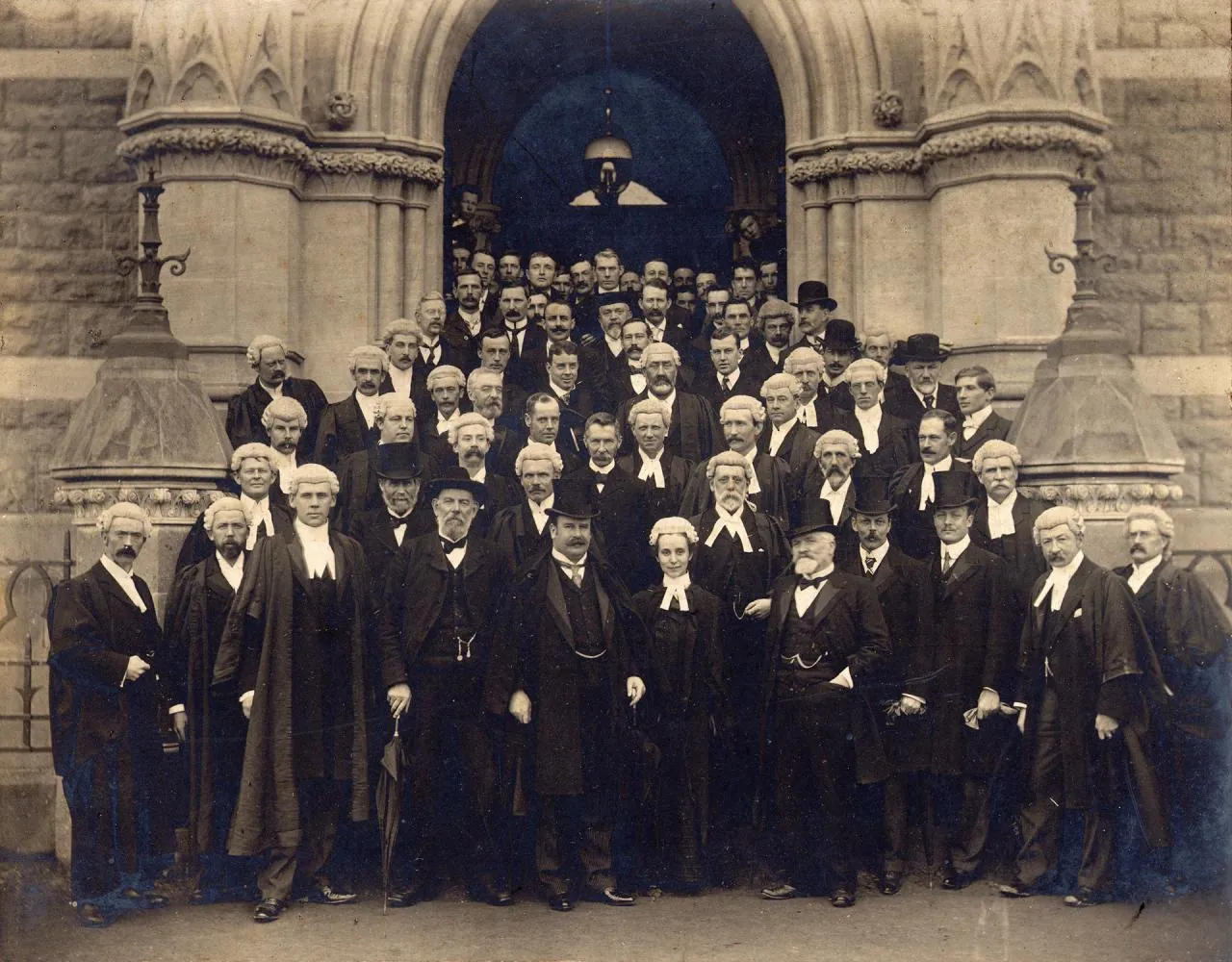
The Otago District Law Society also tried to treat her differently in court, proposing an alternative to the wig and gown lawyers customarily wore. Ethel stuck to the usual dress, and the proposal was dropped.
In 1898, the society left her out of a formal dinner for lawyers, although she’d said she wanted to attend. When she was left out again the following year, she wrote to ask why she hadn’t been notified. Whether the society ever answered her isn’t clear.
Using the Law to Help Women Leave Abusive Marriages
Ethel also became an honorary solicitor for the Dunedin branch of the Society for the Protection of Women and Children. The society arranged legal help for women facing abuse and family difficulties. Ethel’s work included separations, divorces, maintenance orders, and adoptions.
For a woman trying to leave a violent husband, getting away was only part of the problem: she might also need money to live on. Lawyers like Ethel could help those women apply for a maintenance order requiring a husband to provide financial support.
In disputes involving drunkenness and abuse, Ethel would usually first threaten legal action if the husband refused to change his behavior. If that failed, she sought a separation or divorce. A separation through the magistrate’s court could be cheaper, quicker, and less public than seeking a divorce in the Supreme Court.
Paying for legal help could itself prevent a woman from acting. Ethel’s biographer, Janet November, believes she was unlikely to have received payment for her work for mistreated women.
England Still Barred Women From Legal Practice
In July 1907, Ethel married Alfred De Costa, a stockbroker and real estate agent, and moved to Wellington, New Zealand’s capital. Now using the name Ethel De Costa, she continued her legal practice in offices near her husband’s.
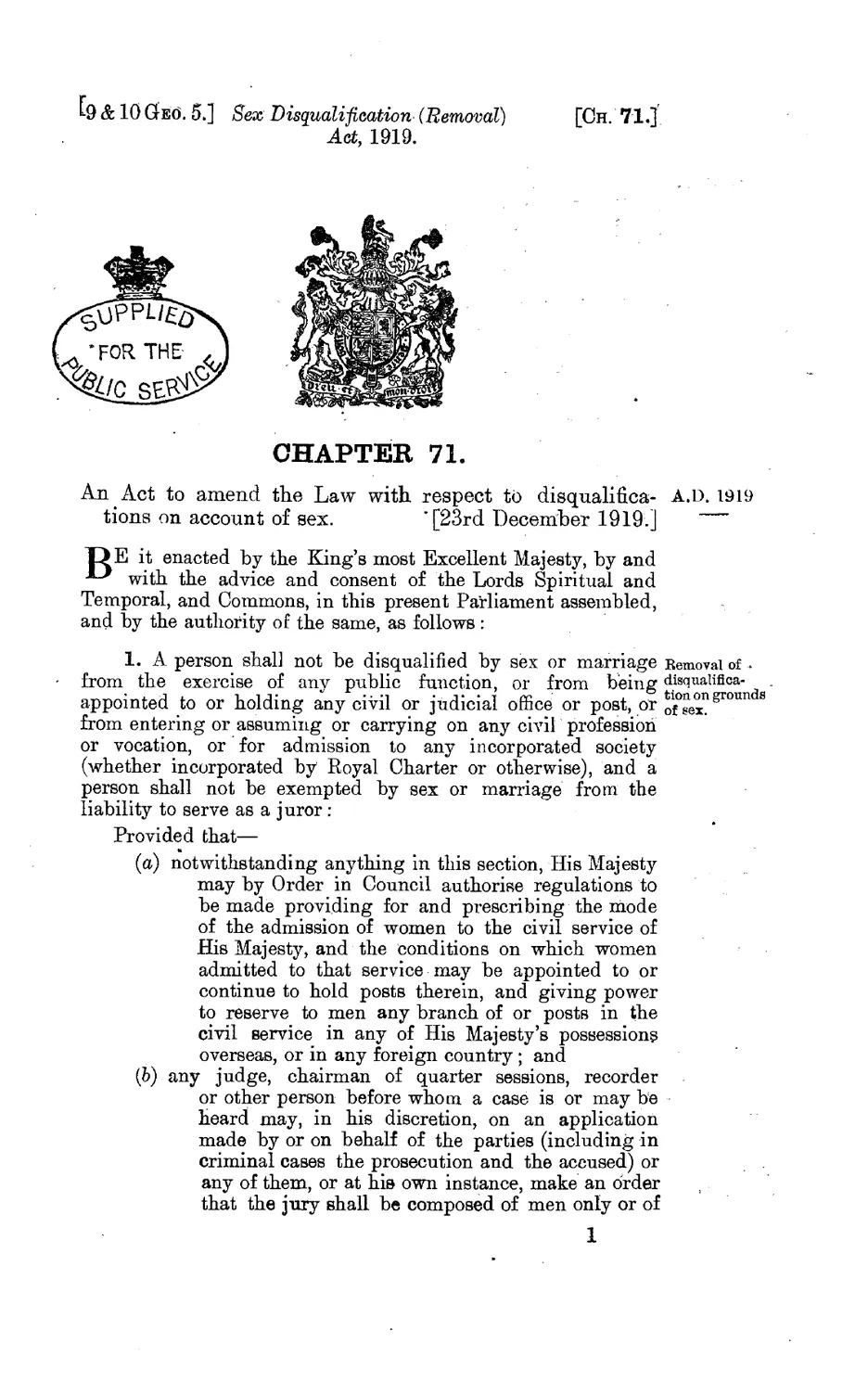
The couple closed their Wellington businesses in 1908 and joined Ethel’s family in England around 1910. There she faced a restriction New Zealand had already removed: English law still barred women from entering the legal profession. That legal barrier wasn’t removed until 1919.
Much less is known about Ethel’s later working life. During the First World War, she is reported to have managed a bank in Sheffield, in northern England. Later, she and Alfred lived in France and Italy.
On October 14, 1943, Ethel died in England after being struck by a motor vehicle. She was sixty-eight.
Women were slow to follow her into law in New Zealand. Ellen Melville, the country’s second woman lawyer, wasn’t admitted until 1906. Ethel had already shown that a woman could run her own practice and represent clients in court. Women seeking financial support or a way out of abusive marriages had a woman lawyer prepared to take their side.
Sources and Further Reading
- Carol Brown, Dictionary of New Zealand Biography: Ethel Rebecca Benjamin
- Jenny Beck, “Ethel Benjamin: A True Daughter of Eve,” New Zealand Law Journal (1997), pp. 110–111
- Janet November, The Ethel Benjamin Prize for Women (2007), p. 2
- Maisy Bentley, “My Life in the Law School?” (2024), pp. 227–229
- Hayley Marina Brown, Loosening the Marriage Bond (2011), p. 42
- “Our Letter Home,” New Zealand Mail, 30 September 1897, p. 41
- Female Law Practitioners Act 1896, section 2
- University of Otago Magazine, March 2016, p. 5
- Clarke Isaacs, review of In the Footsteps of Ethel Benjamin (2009)
- Sandra Coney, Dictionary of New Zealand Biography: Ellen Melville
- Nancy Swarbrick, Te Ara: Family violence in the 19th century
- Mari Takayanagi, “The Significance of the Sex Disqualification (Removal) Act 1919” (2019)


Beyond the article
Join the Conversation
Share your perspective, ask a question, or add something to the story.