
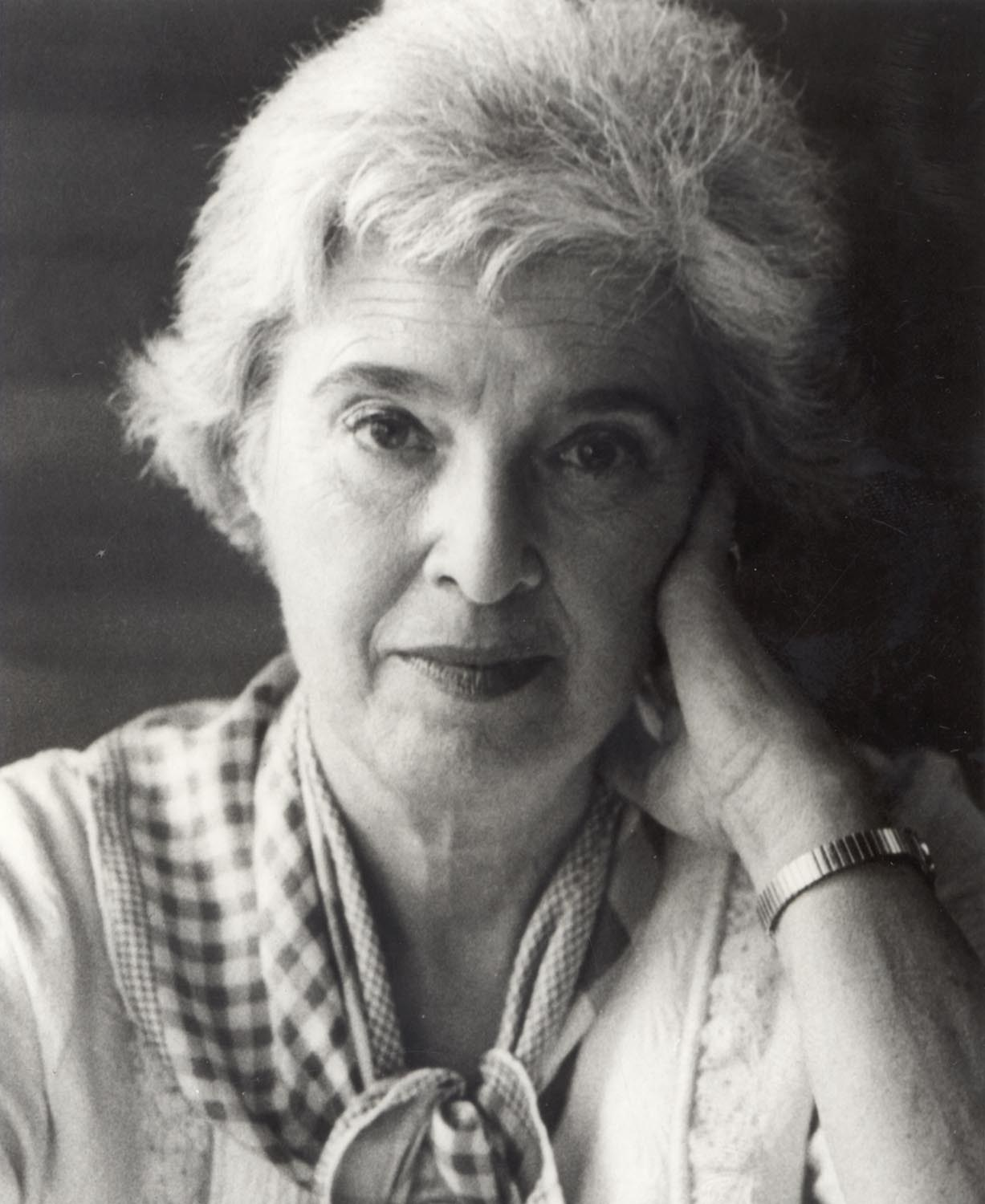
Gerda Lerner helped change what counted as history. An Austrian-born American historian, she challenged a profession that could describe the past while barely noticing half the people living in it. She gathered women’s words, fought for women’s lives to be taken seriously, and helped build the country’s first master’s program in women’s history. A subject she’d been advised to hide became one that students could earn a degree in, and teachers could bring into their classrooms.
A Historian Told to Hide Her Specialty
By the time Gerda entered graduate school at Columbia University in 1963, she was 43. She’d worked, raised two children, written fiction, and organized with other women for peace and racial justice. She came to history with plenty of experience of the people its books left out.
Her interest had already taken her back to college. At the New School for Social Research in New York, she wanted historical training for a book she was writing. But when she couldn’t find a course about women’s history, her adviser, May Edel, suggested she design one herself.
The first offering, “Great Women in American History,” didn’t attract enough students to run in fall 1962. Gerda tried again the next semester with “The Role of Women in American Culture.” Ten students enrolled. She was teaching women’s history before she’d even finished her bachelor’s degree.
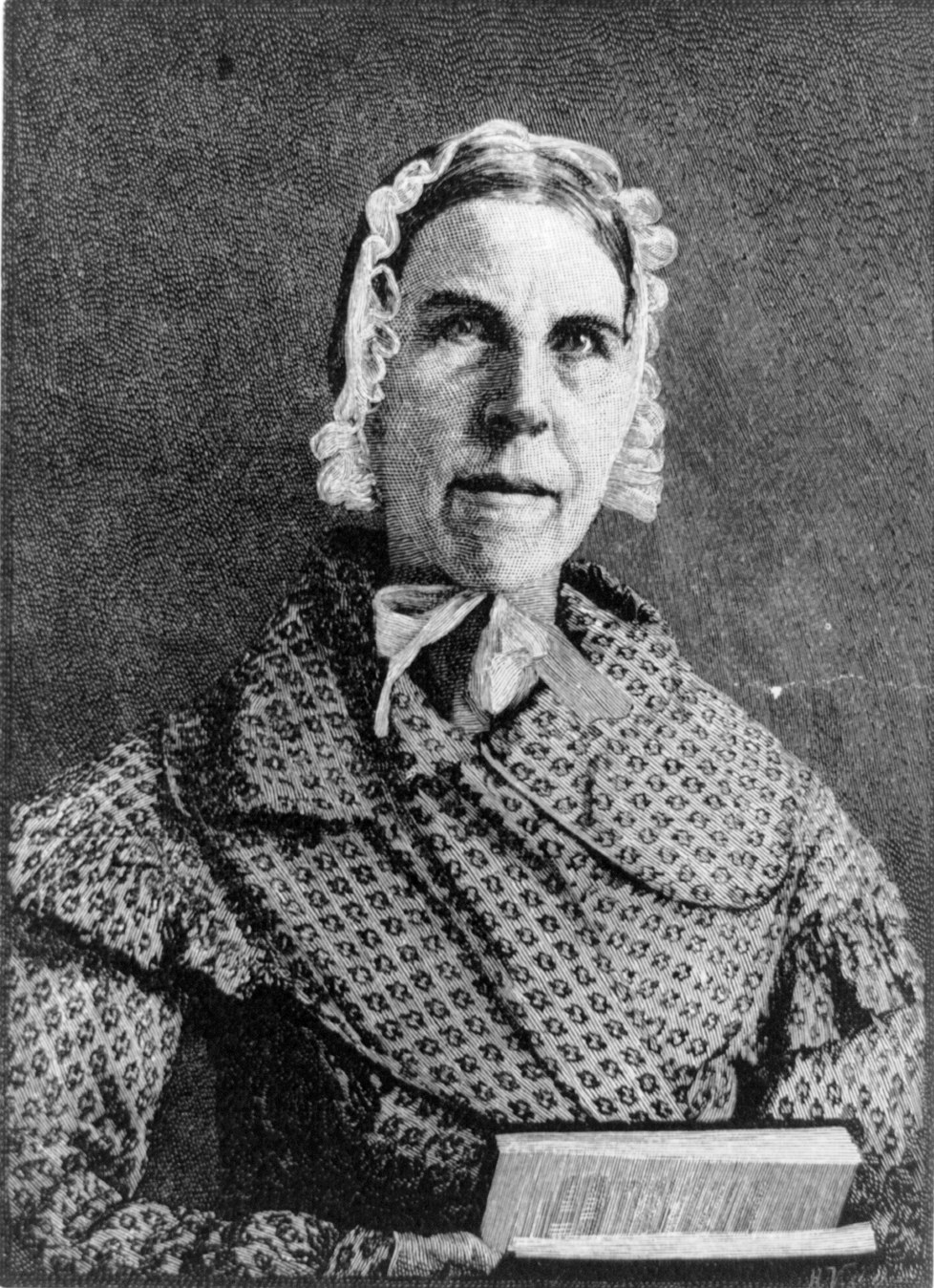
At Columbia, she researched Sarah and Angelina Grimké, sisters from a South Carolina slaveholding family who became outspoken opponents of slavery and advocates for women’s rights. Gerda completed her doctorate in 1966. The following year, Houghton Mifflin published her work as The Grimké Sisters from South Carolina: Rebels against Slavery.
She’d earned the qualifications and produced the scholarship. Still, her specialty was treated as a liability.
Gerda later recalled the advice her dissertation supervisor, historian Eric McKitrick, gave her as she prepared to look for work:
“When you go into the job market, don’t tell anyone about your exotic specialty.”
Gerda also recalled drawing up a plan in 1966: publish research, demonstrate the wealth of surviving sources, and show that students wanted to study women’s history. Courses and graduate programs would give that work a lasting place in universities. After teaching at Long Island University, she joined Sarah Lawrence College in 1968 and worked to make that ambition possible.
Finding the Women the History Books Missed
Building the field also meant putting evidence into people’s hands. Historians who dismissed women as unsuitable subjects could claim there weren’t enough records to study them. Gerda went looking for those records.
In her essay “Placing Women in History: Definitions and Challenges,” Gerda wrote:
“But men have defined their experience as history and have left women out.”
Her research became Black Women in White America: A Documentary History, published by Pantheon in 1972. It brought together accounts of Black women’s lives and work, making their words available in a collection that other people could read, study, and teach.
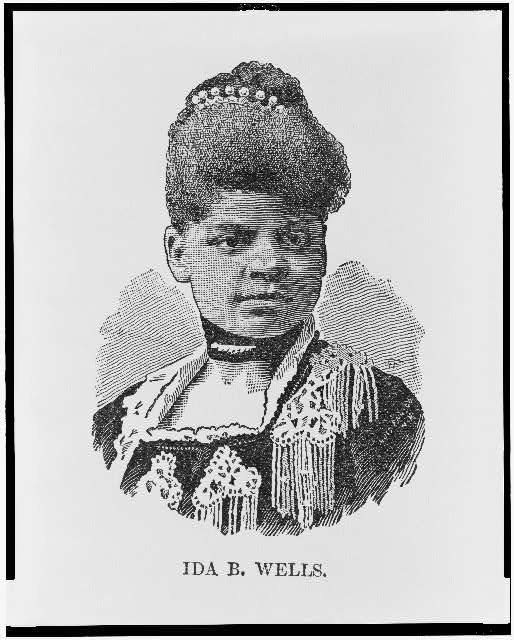
The book covered education, earning a living, political organizing, and relationships between Black and white women. It included women describing oppression and women fighting it. Journalist Ida B. Wells appeared through her campaign against lynching; accounts of domestic workers’ union organizing showed women struggling over the conditions of their paid work.
Work, education, and political action appeared as connected parts of women’s lives. Readers could encounter the women’s own accounts and arguments, rather than depend entirely on what someone else had written about them.
Gerda had personal reasons to recognize what others overlooked. Through the Congress of American Women, a left-wing organization active after World War II, she’d worked with Black women organizing in their communities. Decades later, she explained:
I always knew there was a black women’s history because I’d worked with black women.
Gerda Lerner
For the book, she also interviewed civil rights organizer Ella Baker. Baker talked at length about organizing a boycott on Harlem’s 125th Street. Gerda was asking a woman who had done the work to describe it, preserving experience that a history centered on famous leaders could easily miss.
The collection helped establish Black women’s history as a field of study. It also gave researchers somewhere to begin: documents to examine, voices to follow, and evidence that there was much more to find.
Building a Place to Study Women’s History
In 1972, Gerda helped establish the nation’s first master’s program in women’s history at Sarah Lawrence College.

Getting there took money, allies, and a fight for institutional support. Gerda secured a Rockefeller Foundation grant and developed the program with Joan Kelly, a historian of Renaissance Europe. Even at a college devoted primarily to educating women, the case for studying their history had met resistance.
The program gave women’s history a place where students could learn the craft, conduct research, and develop work of their own. Its foundation course drew on several academic subjects and was taught by a team. Alongside lectures and discussions, students presented their own research. They also took part in conferences as members of the teaching team. Faculty from neighboring institutions attended the course too.
Gerda and her colleagues also prepared bibliographies, bringing together reading that students and other teachers could use. The work gave people entering the field a way to find sources and build on one another’s research. Women’s history was gaining the support that established subjects could take for granted: courses, graduate training, colleagues, and material to teach from.
Bringing Women’s History into School Classrooms
The work reached beyond college students. In summer 1976, 43 high school teachers from 16 states came to Sarah Lawrence for three intensive weeks on integrating women’s history into their courses.
The American Historical Association sponsored the institute, with funding from the National Endowment for the Humanities. Sarah Lawrence’s graduate program helped design it. Historian Amy Swerdlow, who reported on the project, described teachers gaining the preparation and materials to correct omissions and bias in textbooks and lesson plans.
That addressed a practical problem. Teachers couldn’t teach unfamiliar history simply because someone told them it mattered. They needed historical knowledge and material they could work into their lessons. The institute put those needs at the center of its work.
Teachers from schools across the country were preparing to carry women’s history into their own classrooms.
Women’s History Becomes a Public Movement
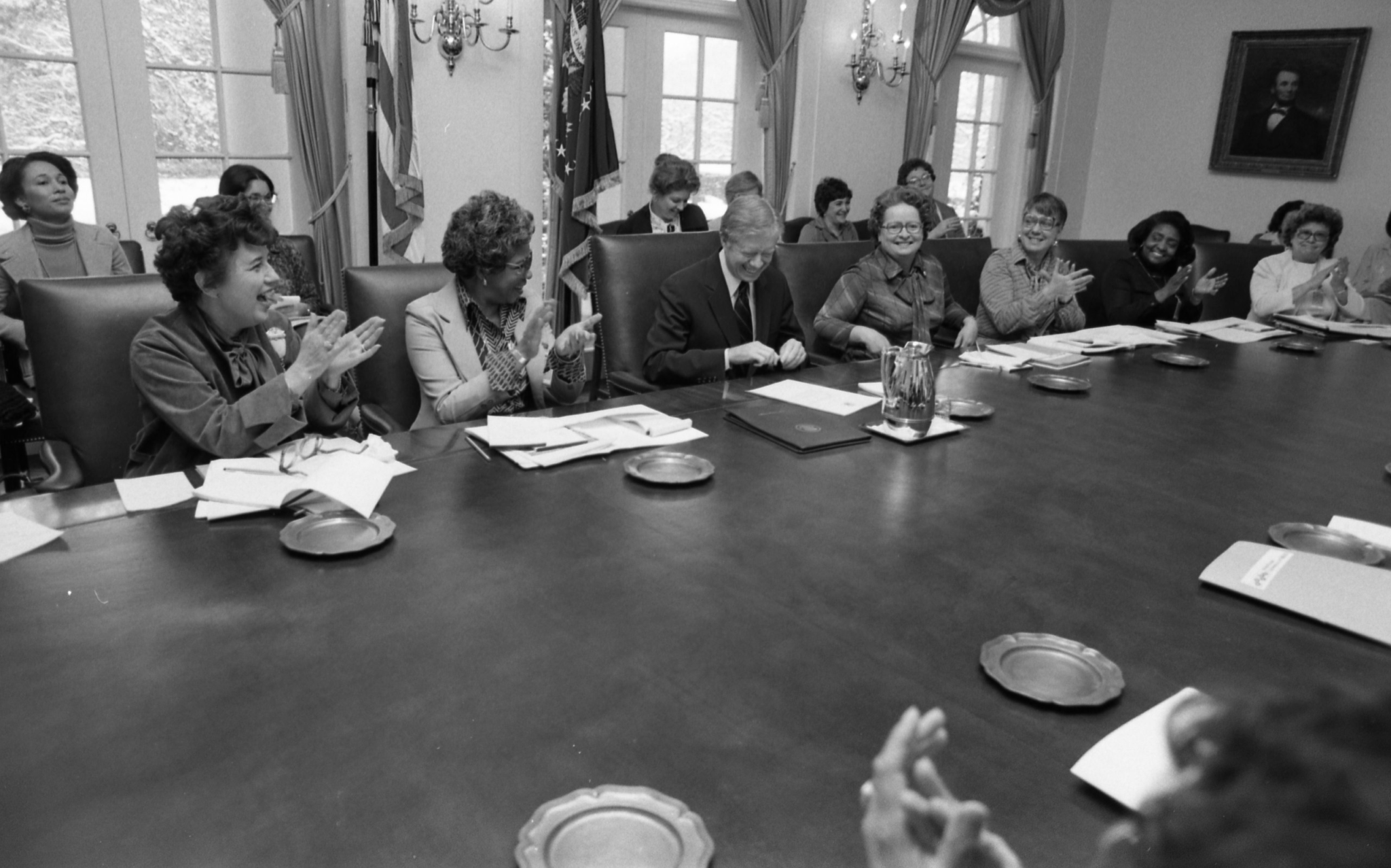
In 1979, Gerda brought leaders of women’s organizations together at Sarah Lawrence to study women’s history. They left with a project: win national recognition for Women’s History Week, which organizers in Sonoma County, California, had begun celebrating the year before. Their campaign helped secure presidential recognition in 1980. By 1987, Congress had designated March as Women’s History Month.
Gerda also kept building opportunities for historians. In 1980, she moved to the University of Wisconsin–Madison to establish a doctoral program in women’s history, training scholars who could carry the research and teaching forward.
Her own books took on enormous questions. In The Creation of Patriarchy (1986), she argued that men’s domination of women had been built through history, rather than dictated by biology. She wrote:
“The system of patriarchy is a historic construct; it has a beginning; it will have an end.”
The Creation of Feminist Consciousness (1993) followed women’s struggles for education, intellectual independence, and the right to challenge that domination.
Gerda died in Madison on January 2, 2013, aged 92. She’d helped bring women’s history into universities, schools, and public celebrations. She fought for women to have a place in history, and helped give them the training, records, and institutions to write it themselves.
Sources and Further Reading
- Gerda Lerner, A Life of Learning (2005).
- Gerda Lerner, interview with Nancy MacLean (2003), Smith College.
- Histories of The New School: Gerda Lerner.
- Linda Gordon, Gerda Lerner biography.
- Linda Kerber and Alice Kessler-Harris, Gerda Lerner, American Historical Association.
- Sarah Lawrence College, institutional history.
- Amy Swerdlow, The Sarah Lawrence Summer Institute in Women’s History (1978), repository abstract.
- Black Women in White America, contemporary Kirkus review (1972).
- Pamela S. Nadell, March: The Month for Making Women’s Histories, NYU Press.
- The Creation of Patriarchy (1986).
- The Creation of Feminist Consciousness (1993).
- University of Wisconsin–Madison, Gerda Lerner, women’s studies pioneer, dies at 92.
- Gerda Lerner, “Placing Women in History: Definitions and Challenges,” in The Majority Finds Its Past, p. 125.

Keri is a blogger and digital marketing professional who founded Amazing Women In History in 2011.
Beyond the article
Join the Conversation
Share your perspective, ask a question, or add something to the story.