
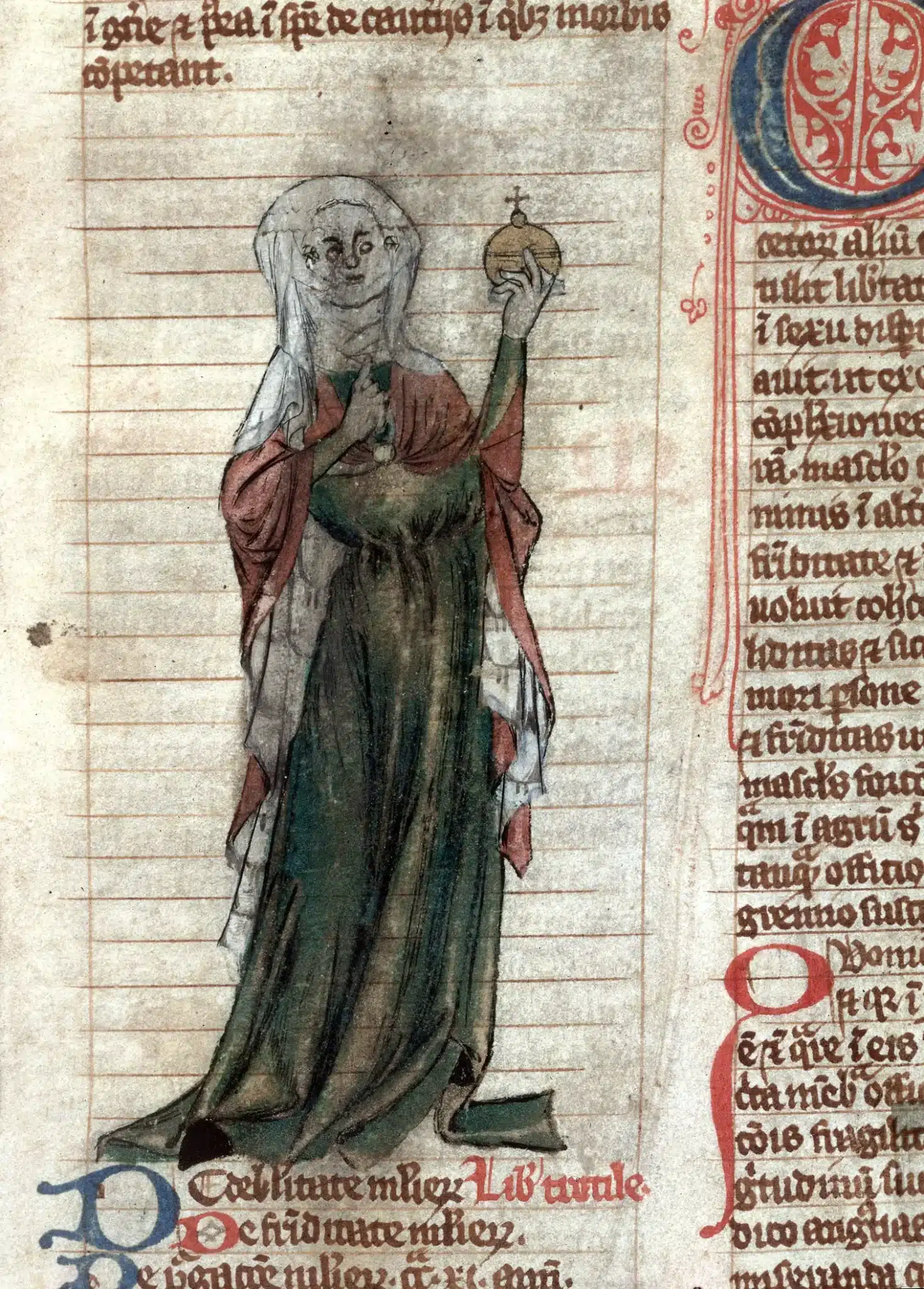
Trota of Salerno treated patients in southern Italy during the 1100s. Her treatments helped shape the Trotula, a collection of medical advice that people across medieval Europe copied and read for centuries. But as her work spread, readers confused the collection’s title with her name. They remembered a woman called Trotula, while losing track of what Trota herself had done.
Medieval Women Practiced Medicine in Salerno
Centuries before Trota’s lifetime, scholars in the Middle East had translated ancient Greek medical works into Arabic. Physicians writing in Arabic studied those works and added knowledge from their own practice. Later, translators made this growing body of medical writing available in Latin, the language used by scholars in much of western Europe.
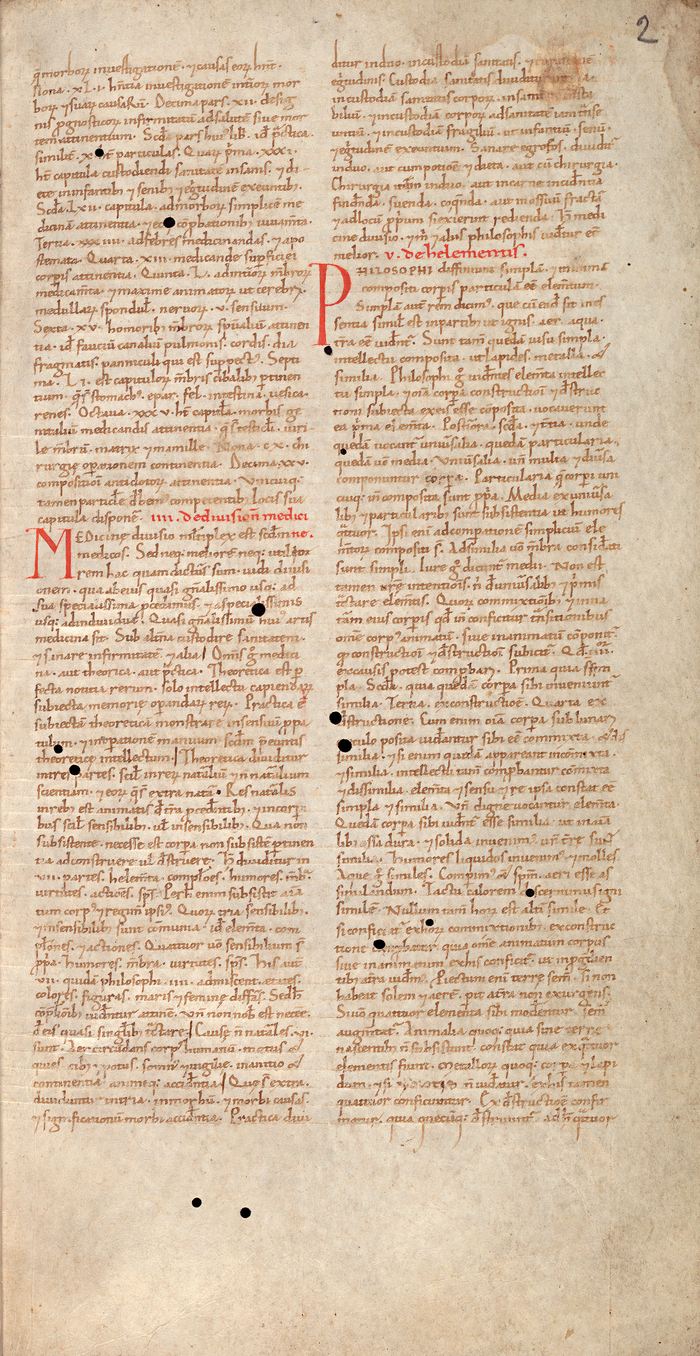
In the late 1000s, a North African scholar known as Constantine the African translated Arabic medical books at the monastery of Monte Cassino in Italy. Doctors in nearby Salerno drew on this learning alongside older medical writings and their experience treating patients. The port city became famous for medicine, attracting people who wanted to learn it.
In the early 1100s, healers didn’t need a license to treat patients. Women practiced medicine alongside men, although they lacked the same opportunities for medical education. Men who compiled medical books included remedies from both.
Trota was one of these women: a healer whose expertise extended from childbirth injuries to burns, toothache, fevers, and eye trouble. Other practitioners valued her treatments enough to record them. One compiler included her remedies in a collection drawn from seven Salernitan medical authorities. In that collection, the men received the title of master; Trota did not.
Trota Questions a Diagnosis
One account of Trota’s work describes a young woman facing a procedure for a suspected rupture inside her body. The planned treatment may have been cautery, which involved burning tissue. Before it went ahead, Trota was called in to examine her.
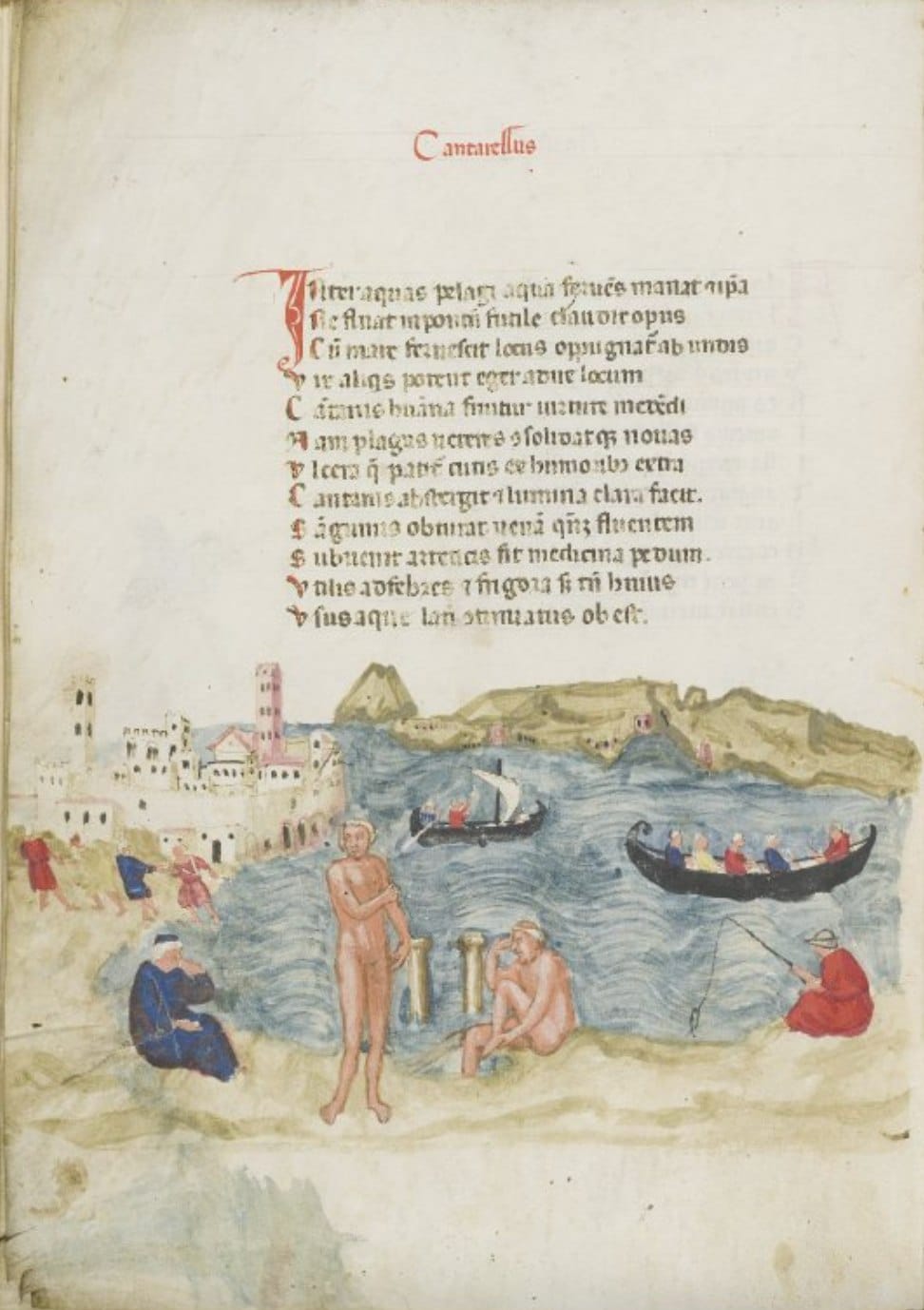
Trota doubted the diagnosis. She took the patient to her own house, where she could examine her privately, and concluded that the problem was trapped wind in the womb.
She then tried a different treatment. She had a bath prepared with herbs, including marsh mallow, and helped the young woman into it. She rubbed the patient’s limbs and let her soak for a long time. Afterward, she applied a warm mixture of wild radish juice and barley flour, then put her back in the bath.
According to the account, the young woman recovered. The writer credits Trota with recognizing the problem and treating her successfully without the planned procedure.
The story survives in a medical work called Treatments for Women. Its writer drew on Trota’s teachings and the remedies of other practitioners.
Helping Women Recover From Childbirth
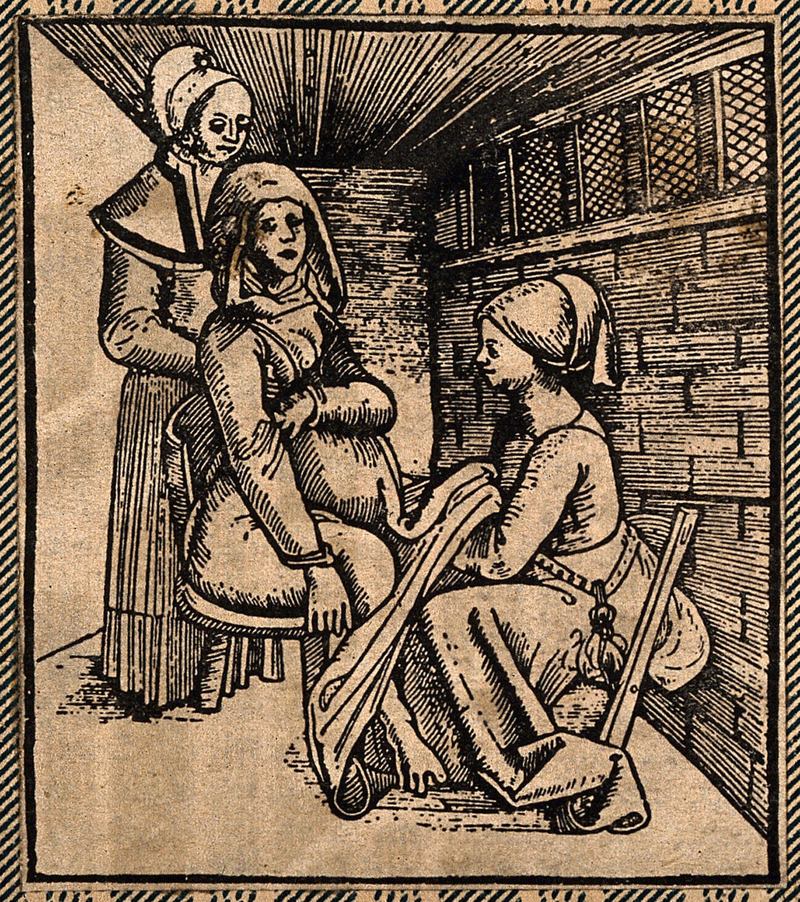
Treatments for Women includes detailed advice on caring for women after difficult births. One passage describes a severe tear, with the womb slipping down and protruding outside the body. It tells the person giving treatment to apply warm wine mixed with butter to soften the exposed womb, then gently put it back inside the body and stitch the tear with silk thread.
The patient should rest in bed with her feet raised for eight or nine days. The writer also explains how to support the injured area during a later birth to help prevent another tear.
Other advice depended on mistaken ideas about the body. The same passage recommended foul-smelling pitch to make the womb retreat, as though it could recoil from a bad smell.
Three books become the Trotula
Around the end of the twelfth century, a compiler combined Treatments for Women with two other works from Salerno. One explained women’s medical conditions; the other offered advice on cosmetics. Together, the three covered subjects from menstruation and childbirth to cleaning teeth and caring for skin and hair.
The compiler called the collection Trotula, meaning “little Trota.” Readers soon took the title for an author’s name and assumed that this woman had written all three works. Some scribes even changed Trota’s name to Trotula in the account of the young woman’s treatment.
Scribes copied the collection by hand for readers across Europe. Medieval library catalogs list Trotula texts at the Sorbonne in Paris and St. Augustine’s monastery in Canterbury. Translators reached readers in other languages, too. In the 1460s, Johannes Hartlieb translated the collection into German.
Copyists and editors also rearranged passages, shortened them, and added remedies. Their changes made it harder to recognize where one writer’s work ended and another’s began.
Printing brought the collection to more readers. In 1544, Johannes Schottus published it in Strasbourg alongside medical writing attributed to Hildegard of Bingen, a medieval abbess. Other printers issued editions in several European cities. Trota had been dead for centuries, but people were still publishing medical advice under the name associated with her.
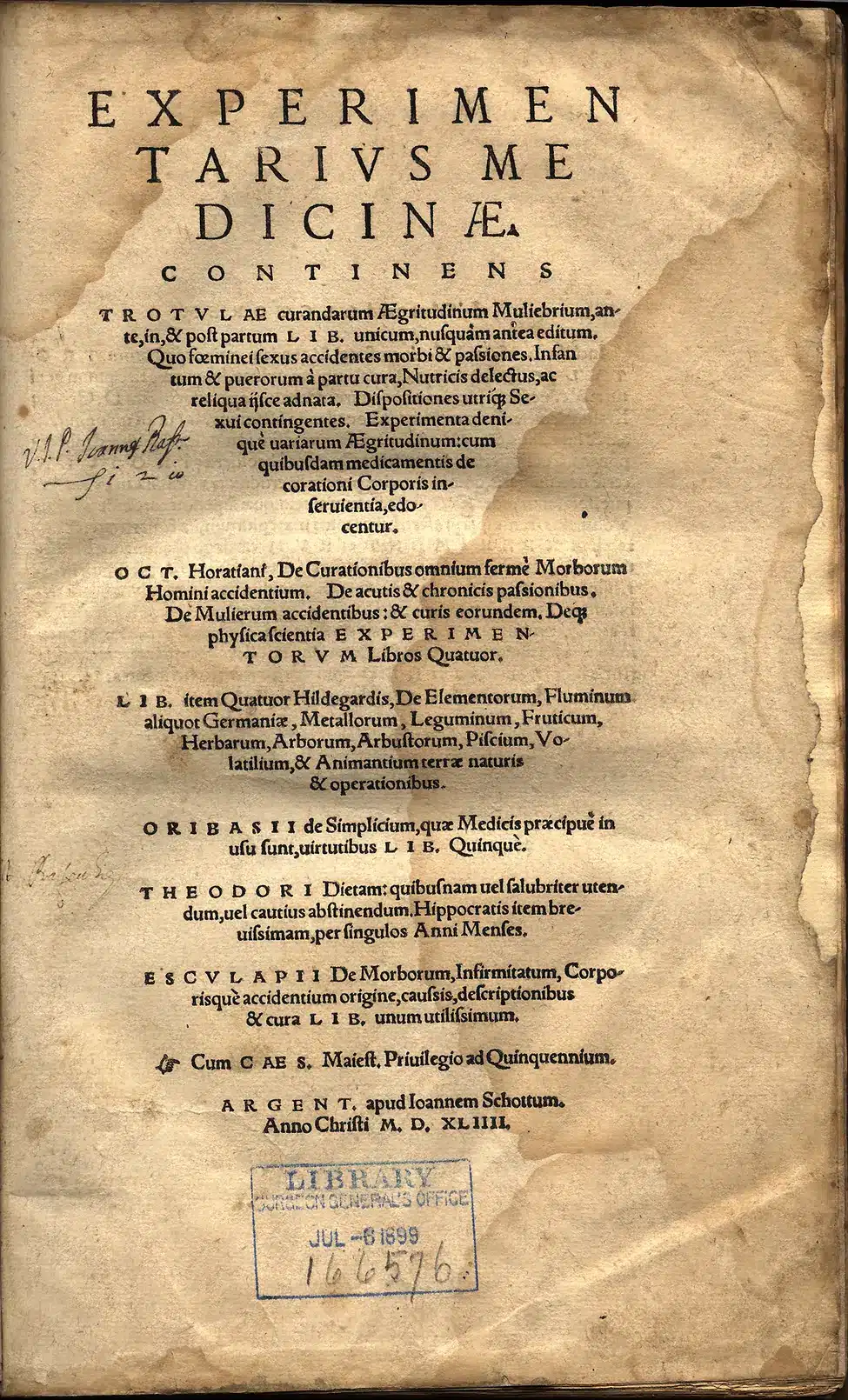
Finding Trota among the manuscripts
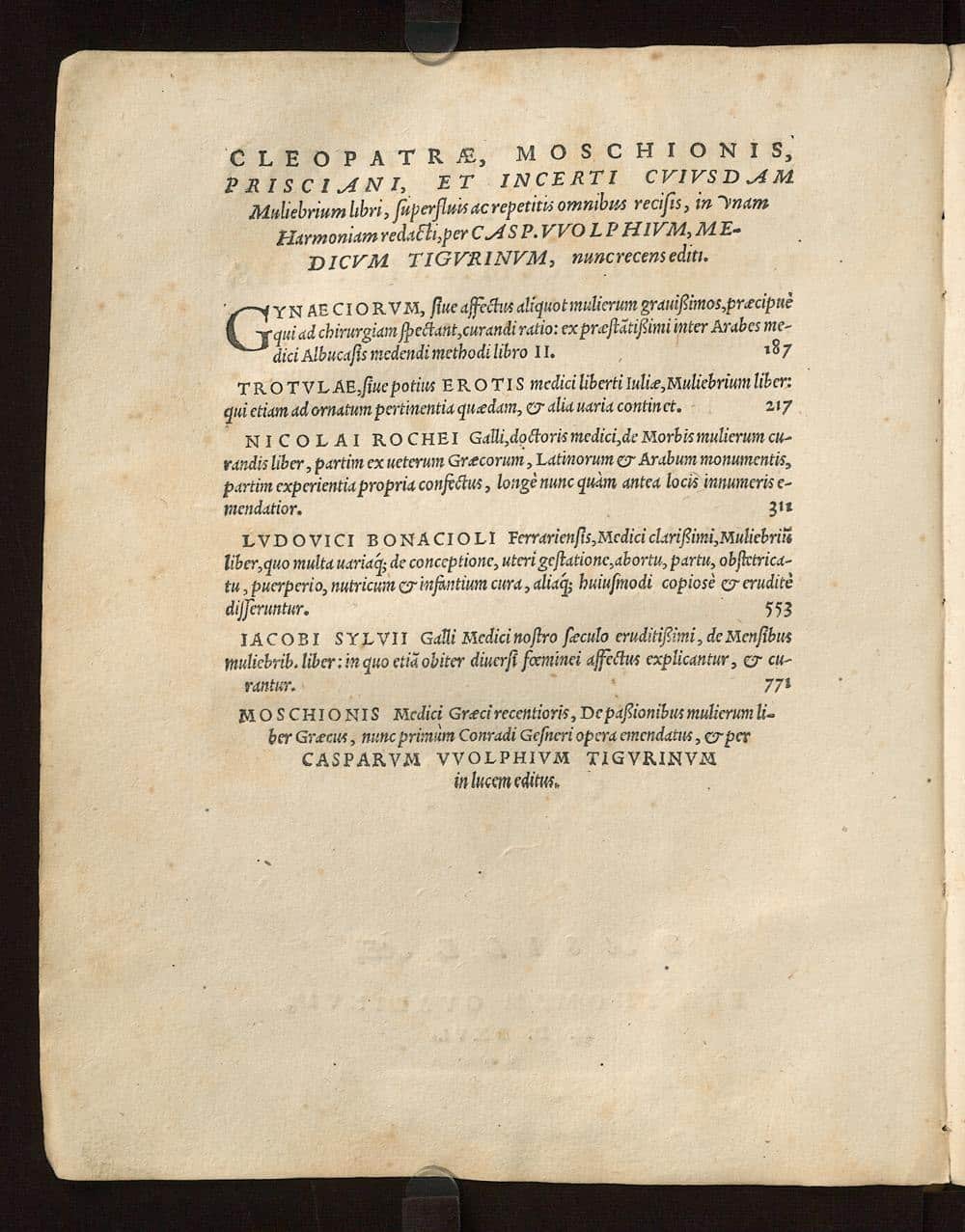
The confusion over authorship eventually led some scholars to question whether the famous woman had existed at all. In 1566, the physician and editor Caspar Wolf published the collection under the name Eros, a supposed ancient male author. He had accepted a mistaken theory about who wrote it.
Centuries later, historians found evidence that helped distinguish the real woman from the author readers had imagined. John Benton located a manuscript in Madrid containing a separate work, Practical Medicine According to Trota, and published his findings in 1985. It recorded remedies under her own name, independently of the three books called the Trotula.
Historian Monica Green then compared the surviving texts and established that Treatments for Women preserved Trota’s teachings. This explained why her name had become attached to the collection, even though she hadn’t written the whole thing.
We still don’t know who trained Trota, who her family was, or when she was born or died. But her medical work wasn’t imaginary. Her contemporaries recorded her treatments and sought her judgment when a patient was in trouble.
For centuries, readers knew her chiefly as an authority on women’s health. The records of her wider practice show how much that reputation left out. The woman behind the Trotula treated toothaches and burns as well as childbirth injuries, and other practitioners learned from her.
Sources and Further Reading
- Monica H. Green, editor and translator, The Trotula: An English Translation of the Medieval Compendium of Women’s Medicine (2002).
- Monica H. Green, Making Women’s Medicine Masculine: The Rise of Male Authority in Pre-Modern Gynaecology (2008), chapter 1.
- Monica H. Green, The Development of the Trotula (1996).
- Monica H. Green, In Search of an “Authentic” Women’s Medicine: The Strange Fates of Trota of Salerno and Hildegard of Bingen (1999).
- Monica H. Green, “Trotula” is not an example of the Matilda effect (2024).
- Cambridge University Library, catalogue of Clare College MS 12.
- Aurora Díez Baños, Mujeres en la Biblioteca Histórica: Trota de Salerno, Complutense University Library (2012).
- Arianna Bonnini, Trotula, Dizionario Biografico degli Italiani (2019).
- National Library of Medicine, Medieval Manuscripts: Salerno.

Beyond the article
Join the Conversation
Share your perspective, ask a question, or add something to the story.