


Izumo no Okuni, Founder of Kabuki
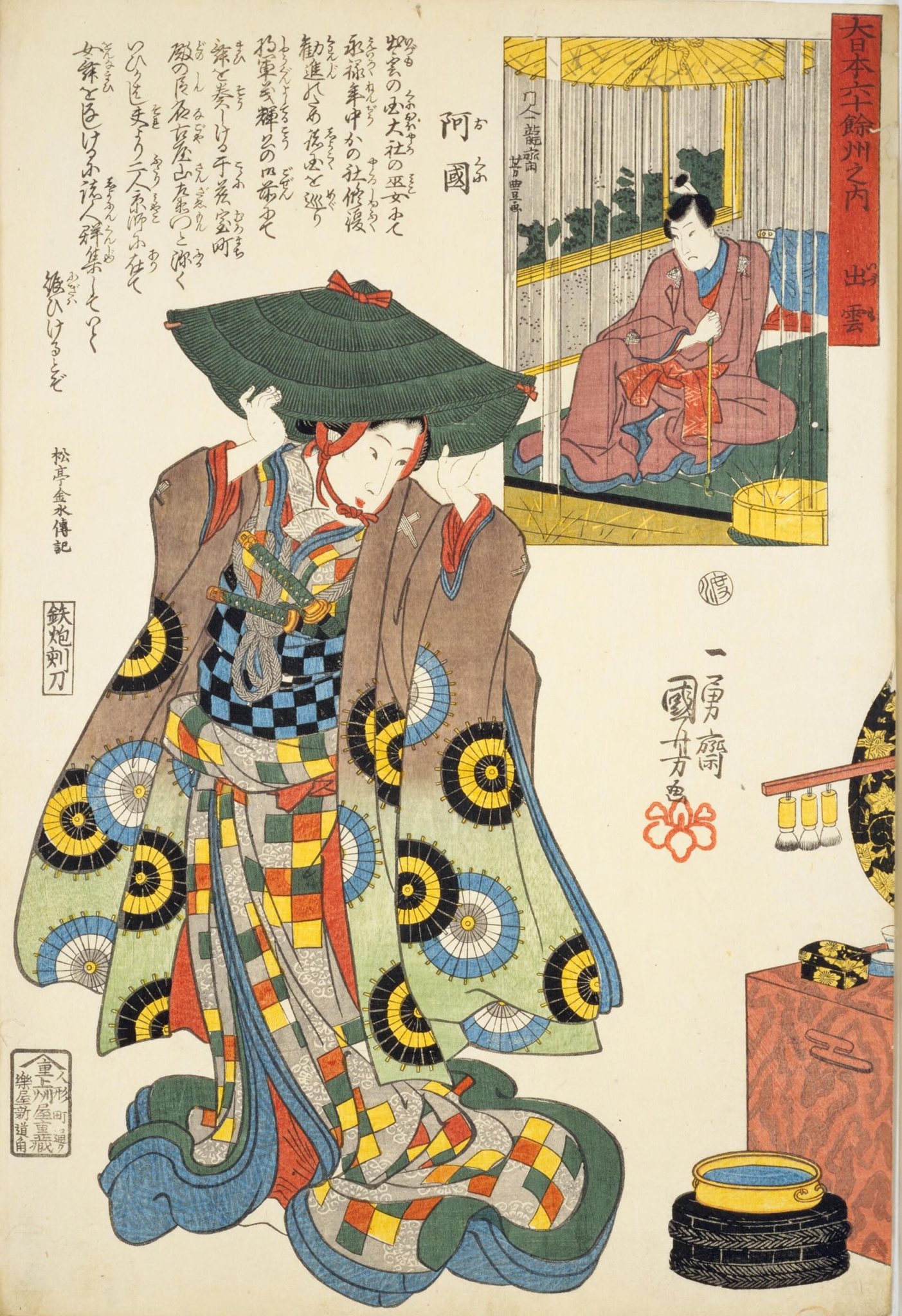
Izumo no Okuni turned comic scenes, dancing, and a swaggering male character into a sensation. The great tradition of kabuki began with her.

Women worth knowing
Extraordinary women, overlooked stories, and a more complete history. Explore the lives, ideas, and achievements that changed the world.
Women’s lives, work, and ideas, 1601–1700.
Explore the lives of women who lived during the 17th century. Discover their ambitions, achievements, and struggles through biographies and stories that bring their worlds into view.
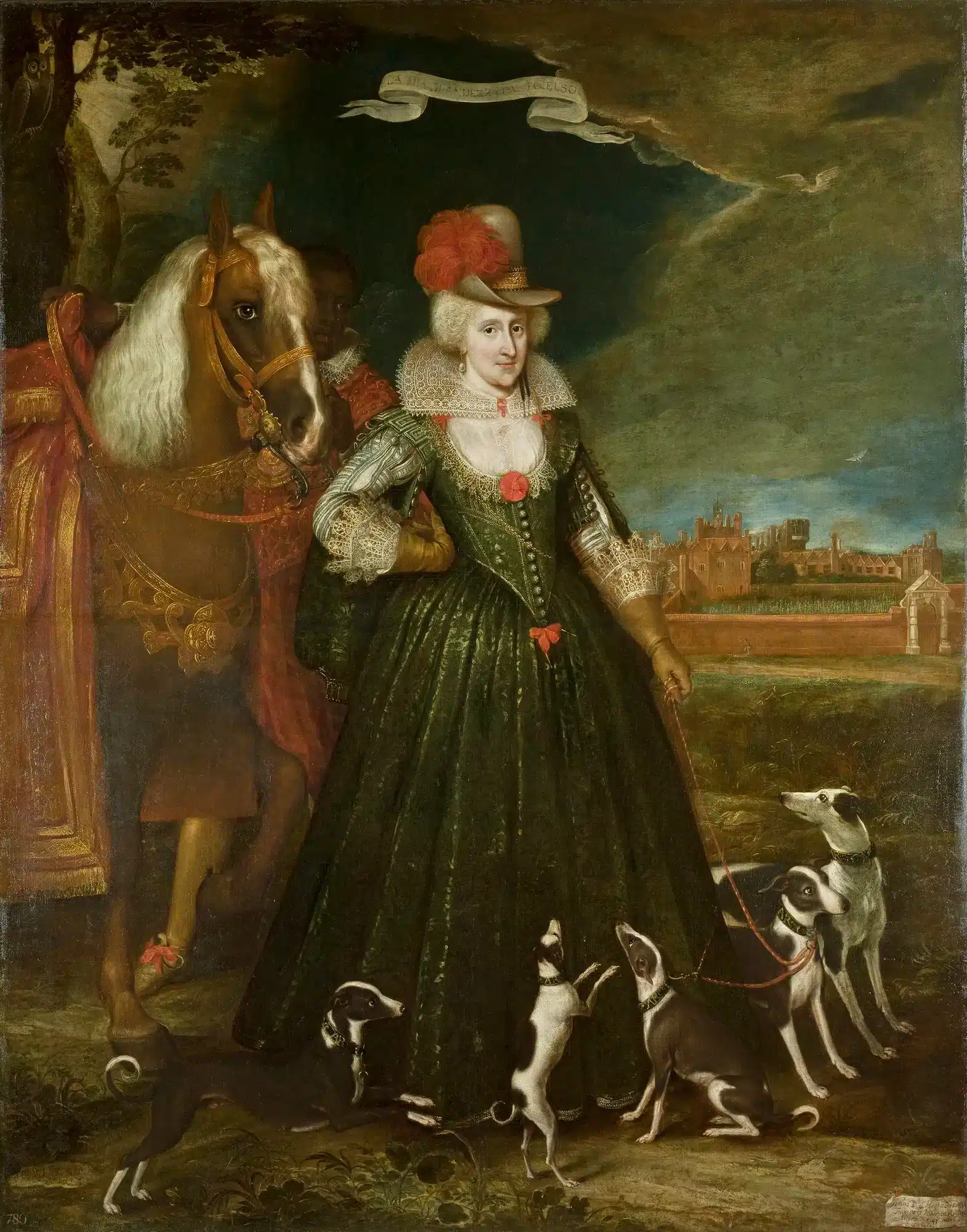
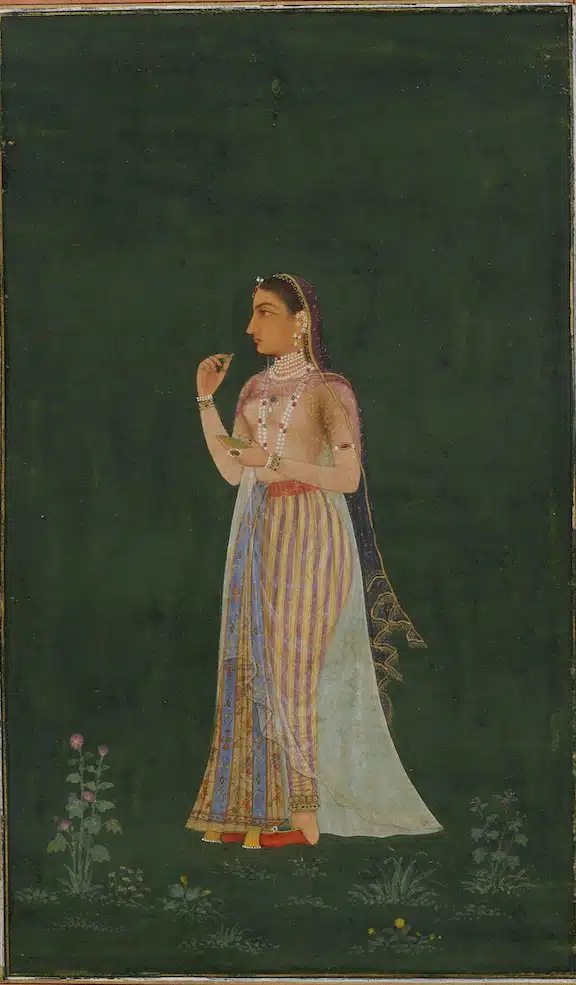
Influence took many forms. Royal women supported buildings, trade, and the arts, while finding ways to shape public life within the limits of their positions.
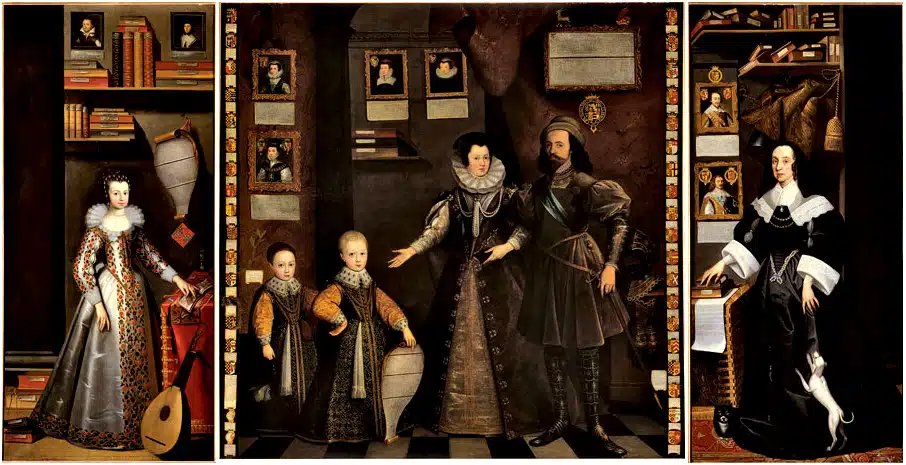
Struggles over land and authority could take women into courtrooms or onto battlefields. These lives reveal different ways of defending a claim and resisting the power of others.
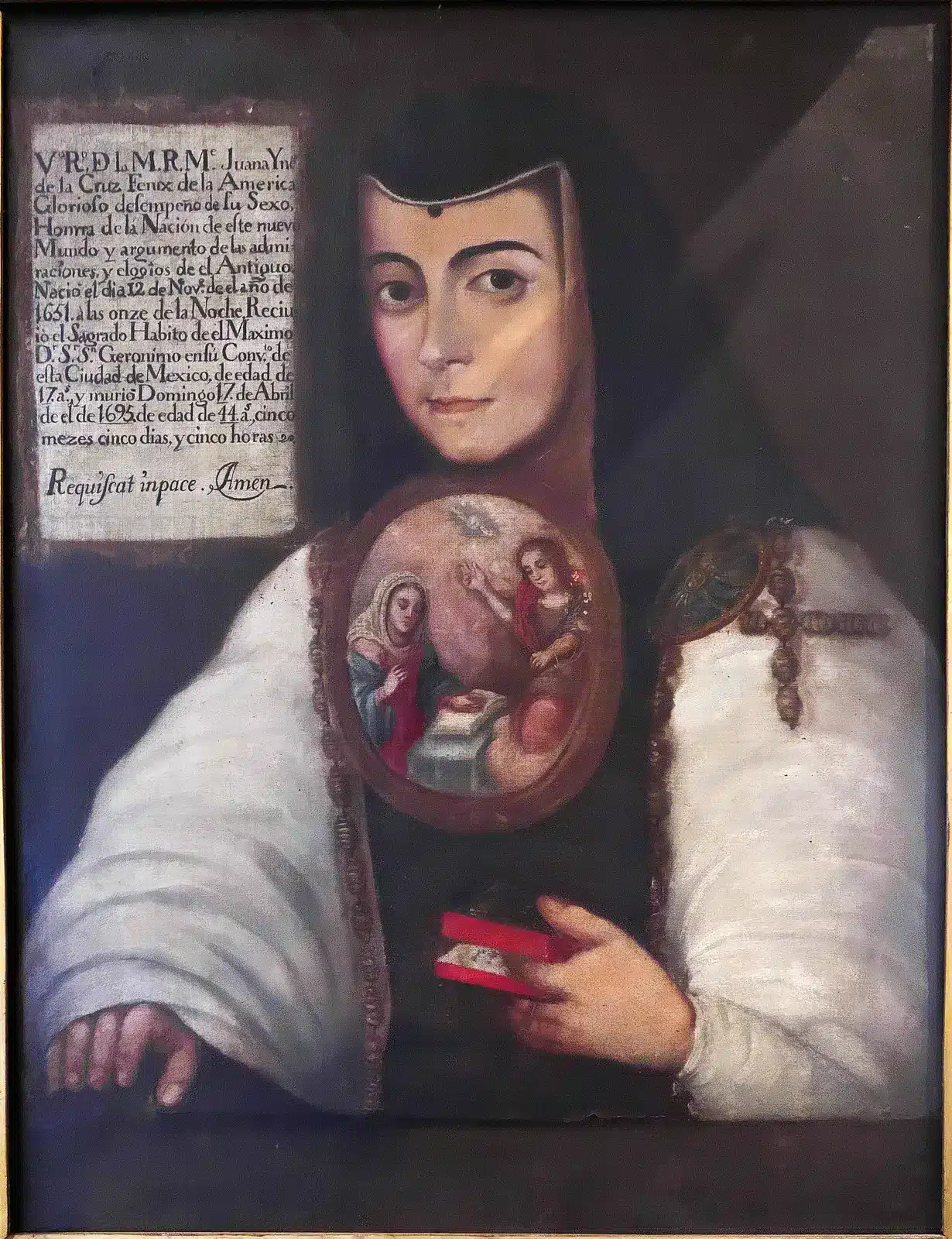
Faith and intellectual life could offer women purpose while also bringing conflict. Writing and religious accounts preserve their experiences, though those records need careful reading.
Izumo no Okuni turned comic scenes, dancing, and a swaggering male character into a sensation. The great tradition of kabuki began with her.
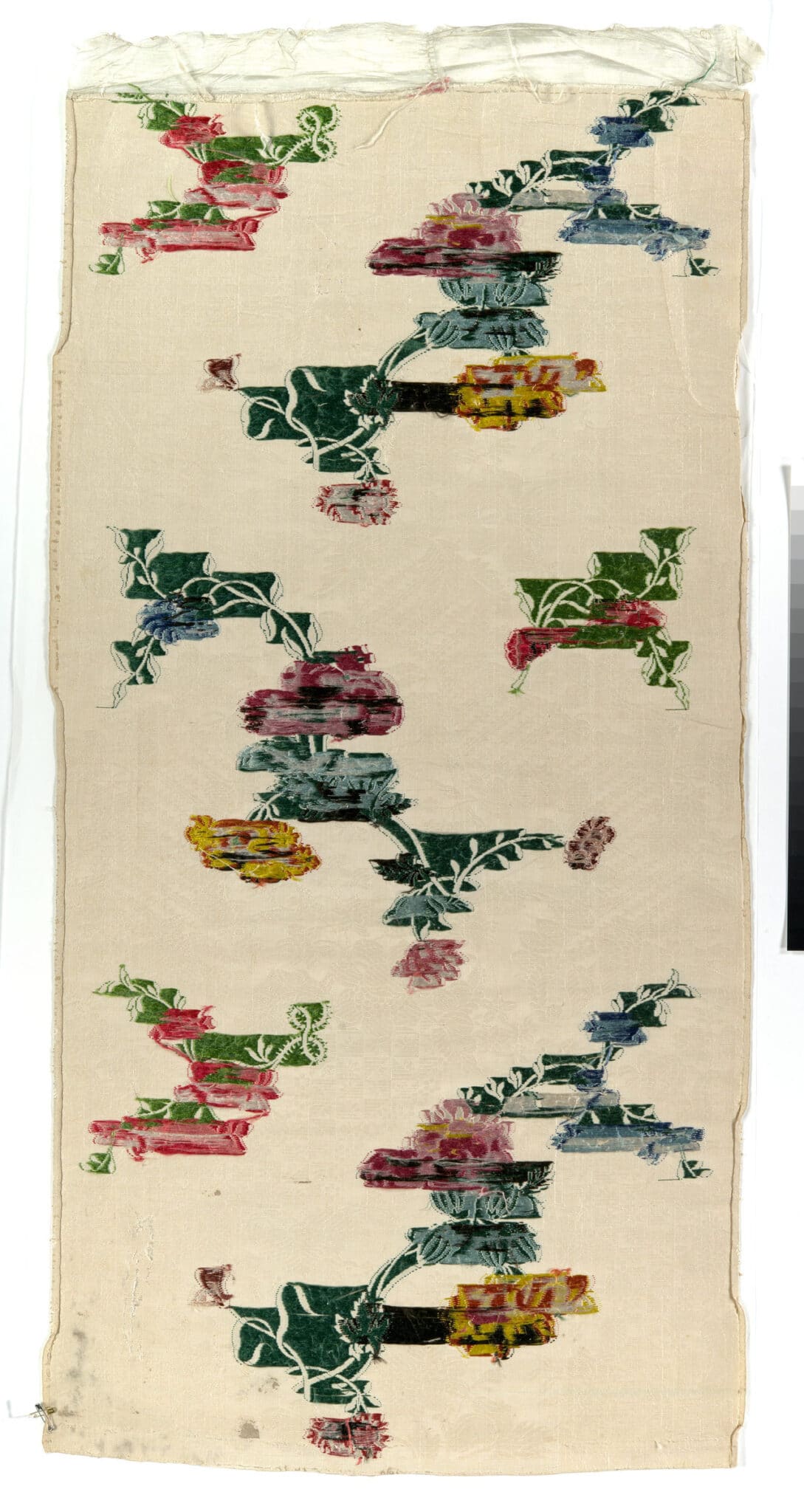
She turned observations of flowers and plants into intricate textile designs, building a successful creative career and leaving rare evidence of women’s work in the industry.

Enslaved women fought in court for their own freedom and their children’s, using legal claims to challenge a system that treated their families as property.
She used royal performances to celebrate powerful women and bring them into dramatic art, creating opportunities for participation that challenged the limits of a queen’s formal authority.
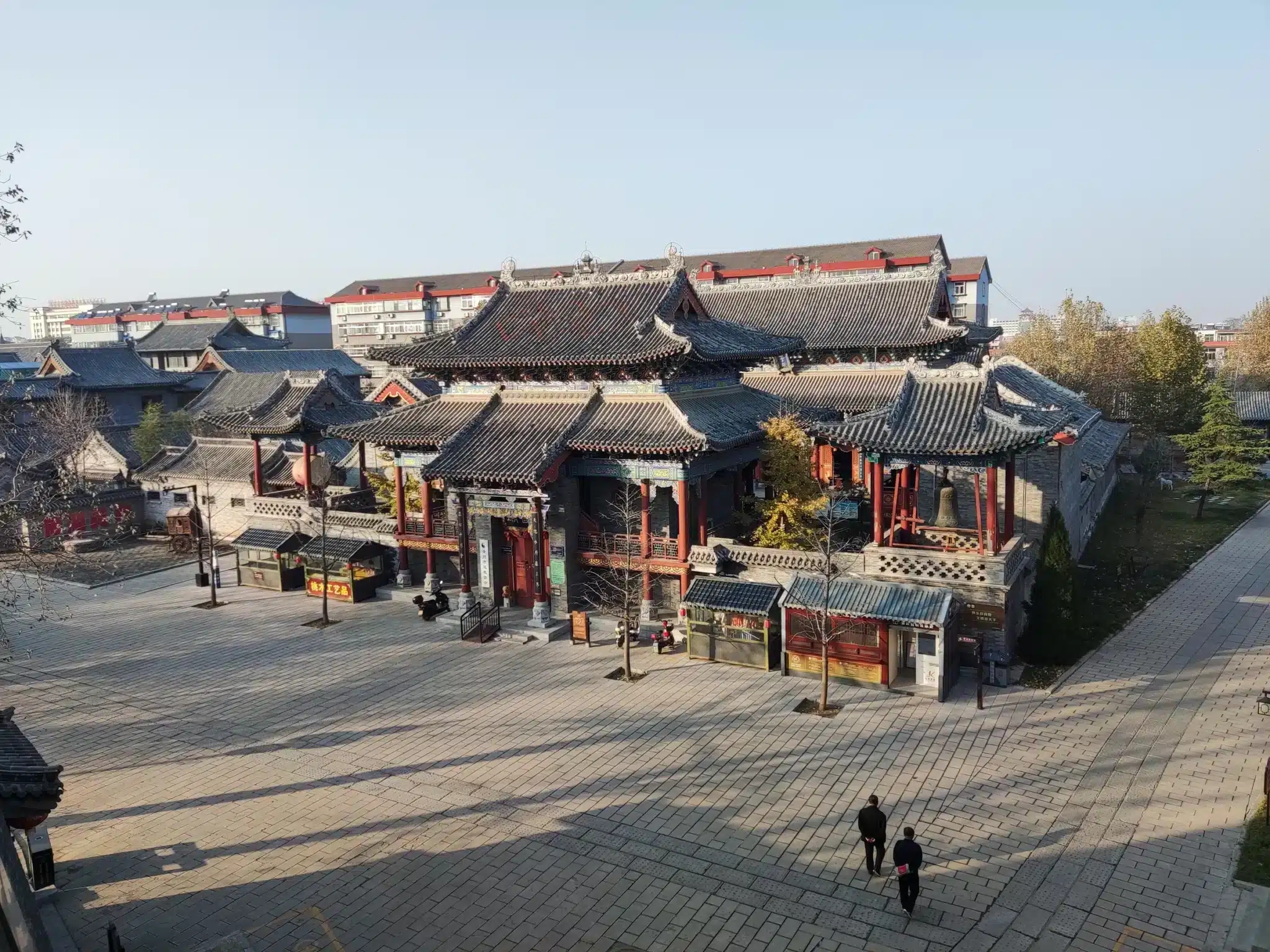
A young warrior’s leadership of women in battle placed martial skill in unexpected hands, leaving a story of courage, loyalty, and sacrifice that endured.
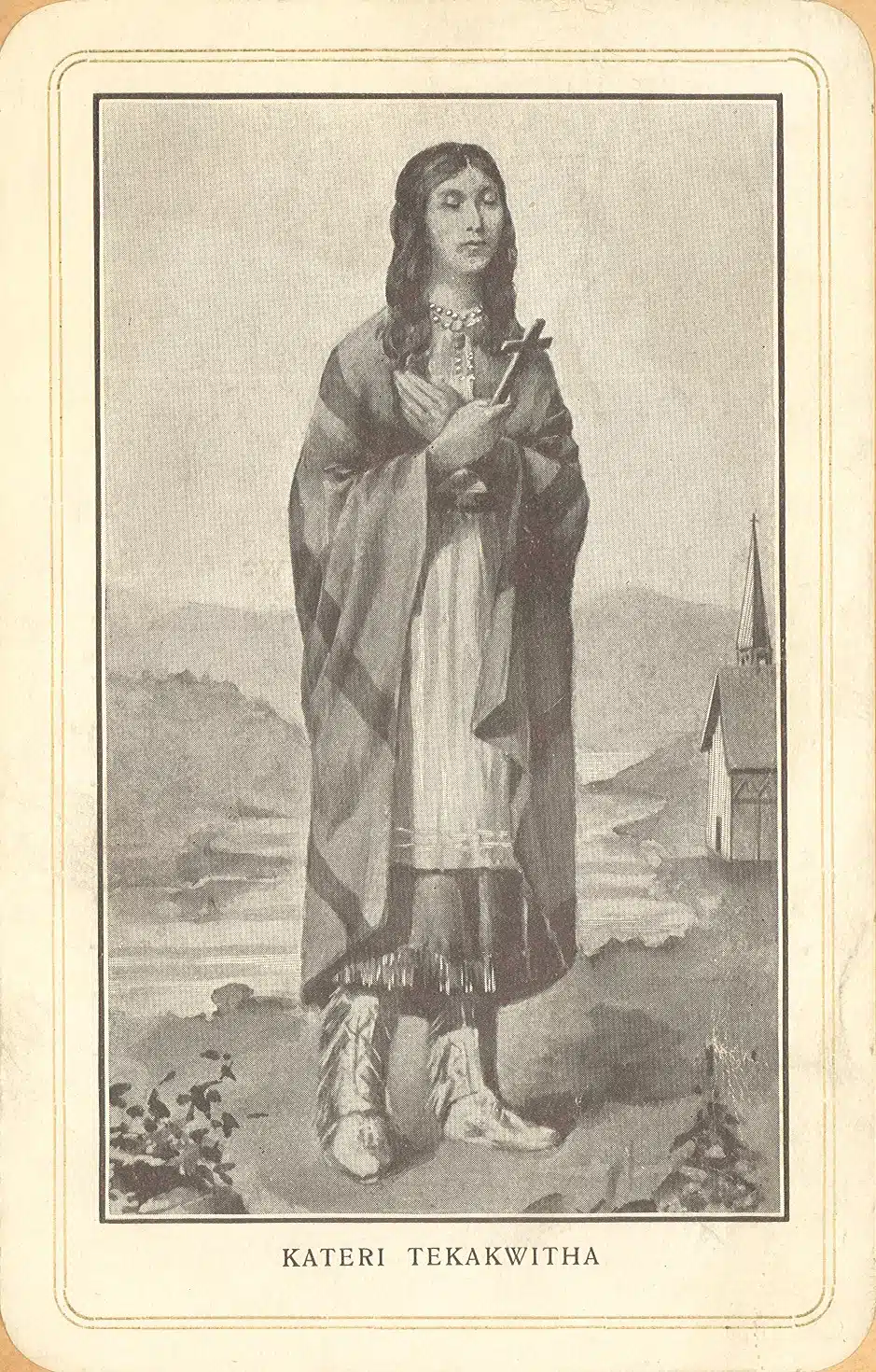
Her religious conversion unfolded amid colonial pressure and Indigenous community life, creating a spiritual legacy whose meaning continued to grow long after her death.
Royal women could shape an empire through commerce, architecture, and spiritual writing, exercising influence that reaches far beyond the familiar image of life inside a palace.
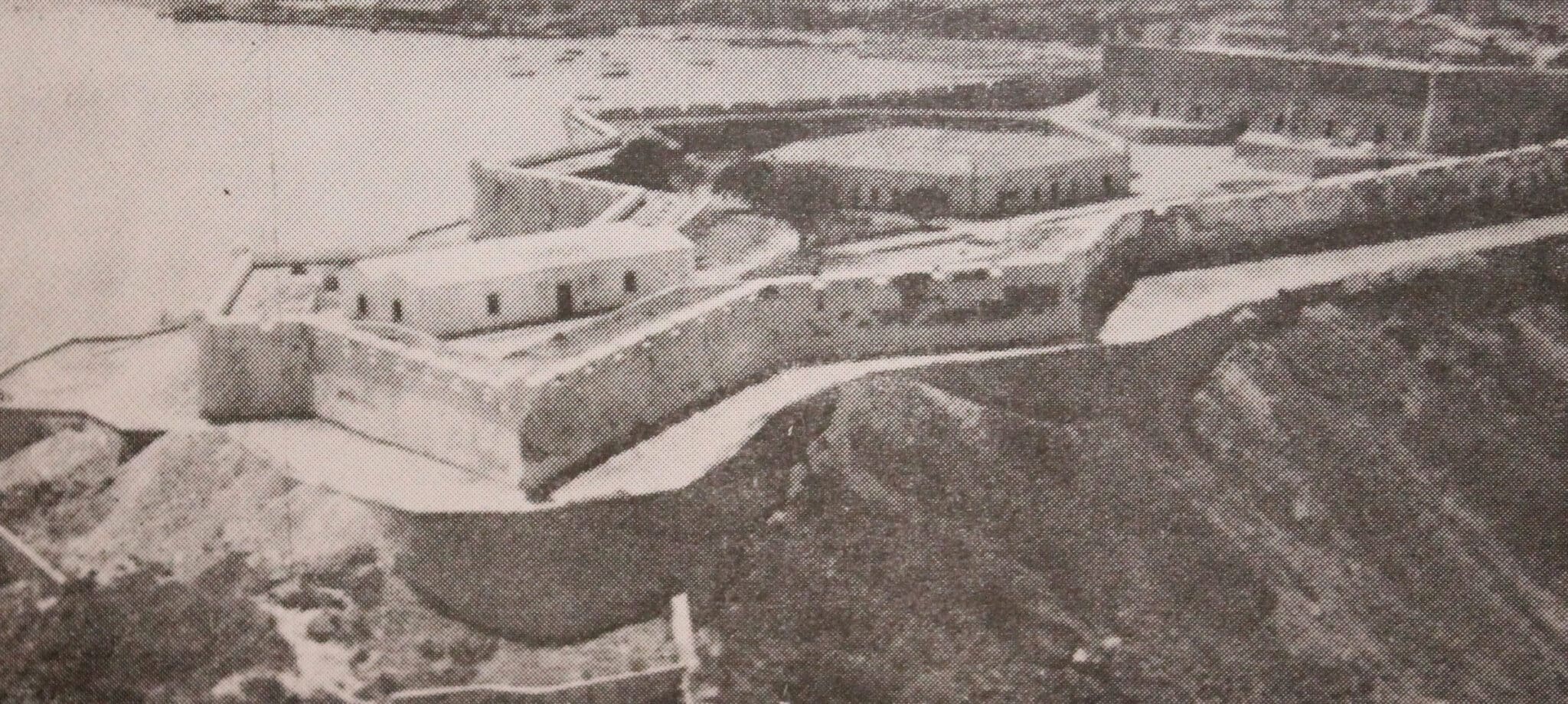
She used diplomacy, warfare, and shifting alliances to resist colonial expansion, defending her kingdoms and building the political and commercial strength needed to survive.
When religious authorities challenged her intellectual pursuits, she answered with a bold defense of women’s education, turning personal criticism into an enduring argument for equality.
She fought for an inheritance others expected her to surrender, then used her wealth to restore historic buildings and support writers and the arts.