
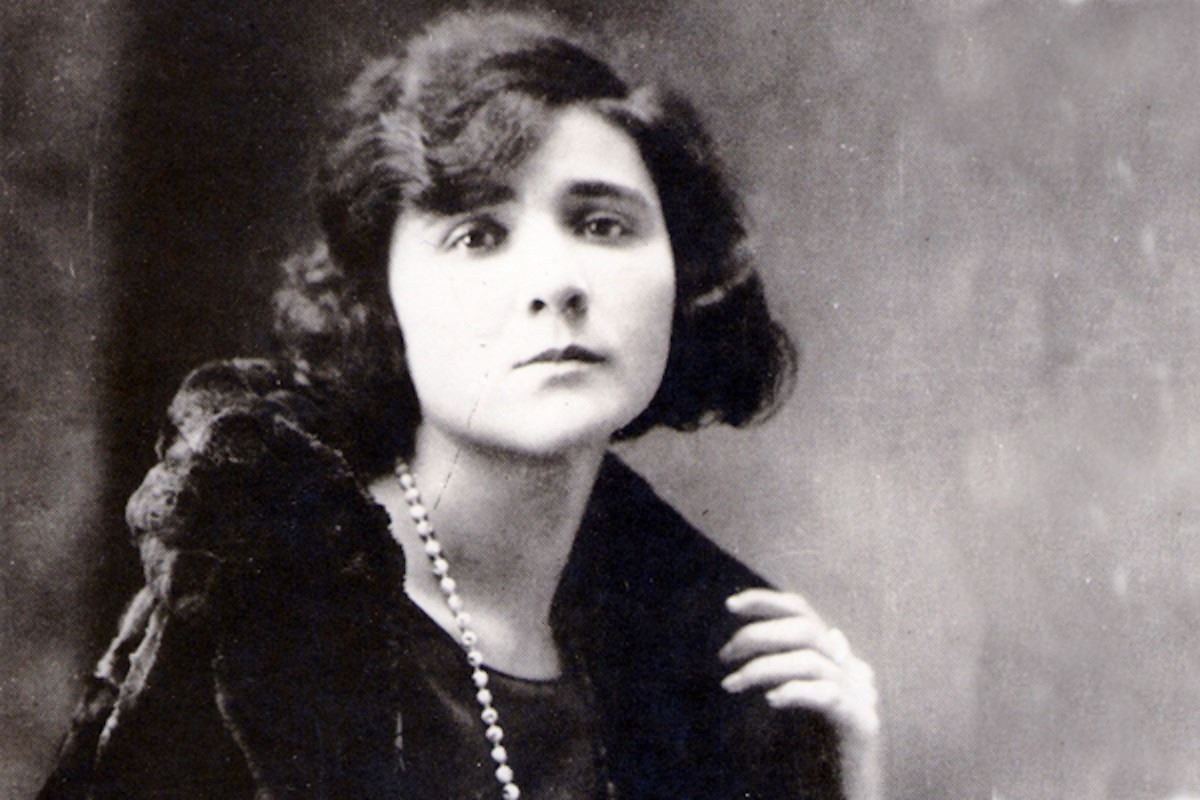
Florbela Espanca (1894–1930) was one of Portugal’s great twentieth-century poets. Her passionate sonnets about love and longing gave a powerful voice to women’s desire and ambition, challenging the narrow expectations placed on women in her time. Even a critic who praised her technical skill condemned her work as immoral.
Florbela’s Fight to Be Published
As a young woman, Florbela was determined to get her poetry into print. Books were her constant companions. Writing to her friend Júlia Alves, she explained that she admired the delicate embroidery and lace other women made, but her own hands were better suited to turning pages.
Portuguese
[…] as rendas, os bordados, a pintura, tudo isso que eu admiro e adoro em todas as mãos de mulher, não se dão bem nas minhas, apenas talhadas para folhear livros que são verdadeiramente os meus mais queridos amigos e os meus inseparáveis companheiros.
English translation
[…] lace, embroidery, painting, all those things I admire and adore in other women’s hands don’t suit my own, which were made only to turn the pages of books, truly my dearest friends and inseparable companions.
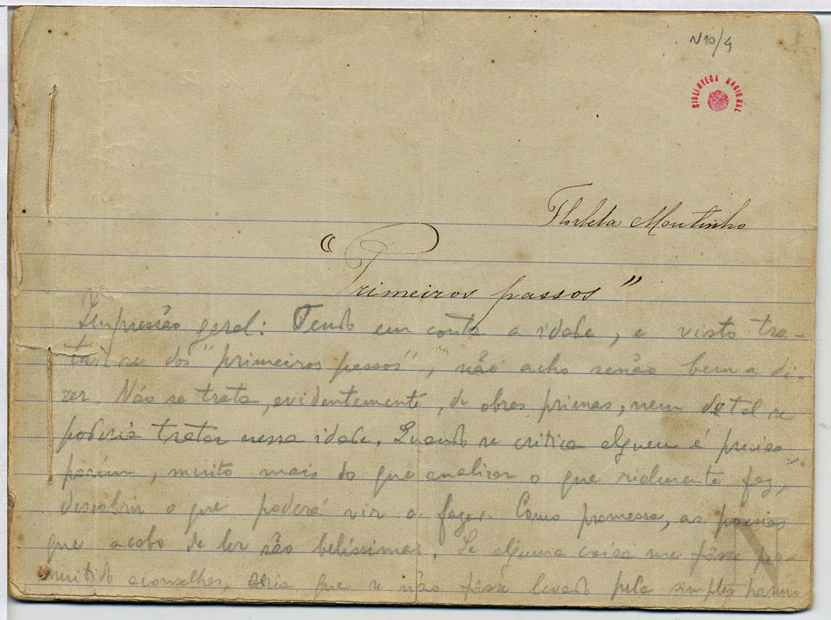
To find readers for her own writing, Florbela wrote to Madame Carvalho, an editor at Modas e Bordados, the women’s supplement of the Lisbon newspaper O Século. Alongside its advice on fashion and beauty, the supplement offered women somewhere to submit their poems.
Florbela initially signed her letters with the name of her stepmother and godmother, Mariana Espanca. In 1916, Modas e Bordados published five of the sonnets she’d submitted.
But the exchange wasn’t all encouragement. Carvalho suggested changes to her wording, which Florbela accepted. Then, after receiving a manuscript, Carvalho questioned whether the poems were really hers.
Florbela firmly defended her authorship. She knew the verses were her own, she replied, and wouldn’t stoop to taking someone else’s work. Carvalho also encouraged her to use her real name.
A Book with Her Own Name on the Cover
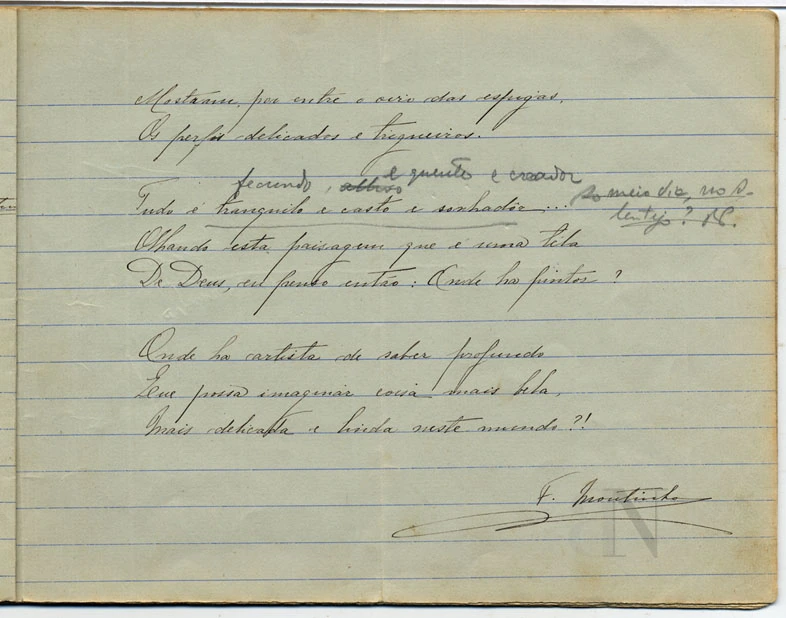
Florbela also wrote to the writer and librarian Raul Proença, whose brother was a friend of her father. She sent him a collection of poems called Primeiros Passos, or First Steps, and asked for his opinion.
Florbela was seeking more than compliments. She was putting manuscripts into experienced readers’ hands and asking them to engage with her work.
Proença read closely, penciling comments in the margins. He saw promise in her work, but urged her to look beyond how beautifully the lines sounded. A poem needed a real thought or a deeply felt emotion behind it.
Florbela took his criticism seriously, but didn’t accept every correction. In one early poem about her home region of Alentejo, she kept her own wording instead of a line he’d suggested.
His later assessments left her wondering whether she could write anything worth publishing. On May 7, 1918, she asked him:
Portuguese
“Estou bastante desanimada com tudo o que me diz dos meus versos. […] Afinal absolutamente nenhum soneto lhe pareceu bom? Quaes e quantos são os absolutamente razoaveis?”
English translation
“I’m quite discouraged by everything you tell me about my poems. […] Did you really think not a single sonnet was good? Which ones, and how many, are at least reasonable?”
She sent him two more sonnets with the letter.
Florbela published her first poetry collection, Livro de Mágoas (Book of Sorrows), in June 1919. She brought together 32 sonnets, drawing on earlier manuscripts and the poems she’d continued sending to Proença. He helped her choose and arrange the collection and looked for a publisher.
In the end, her father paid the printing costs, and Florbela published the book herself. Tipografia Maurício in Lisbon printed 200 copies. She dedicated it to her father and her brother.
Among its poems was “Vaidade” (“Vanity”), which imagined extraordinary success before ending in painful self-doubt:
Portuguese
Sonho que sou a Poetisa eleita,
Aquela que diz tudo e tudo sabe,
Que tem a inspiração pura e perfeita,
Que reúne num verso a imensidade!
English translation
I dream I am the chosen poet,
The one who says everything and knows everything,
Whose inspiration is pure and perfect,
Who gathers immensity into a single verse!
The little book did attract notice. A newspaper announcement in 1919 recognized a real artist in Florbela and praised how skillfully she wrote sonnets.
A Critic Praises Her Skill and Tells Her to Repent
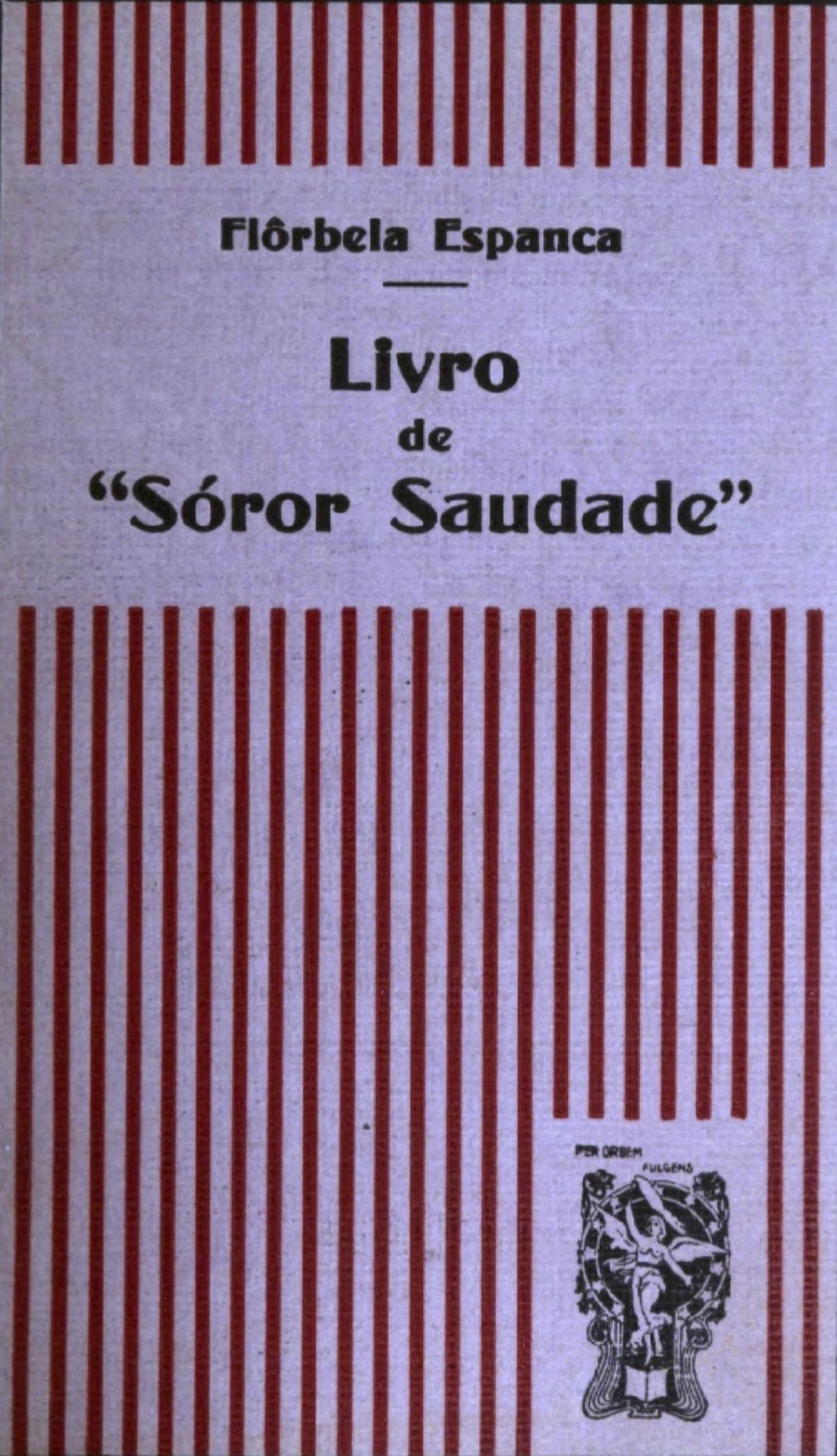
Florbela published her second collection, Livro de Sóror Saudade, in 1923. The title roughly means Book of Sister Longing, with “Sister” suggesting a nun. But the book ended with a poem full of appetite for life.
In “Exaltação” (“Exaltation”), she wrote:
Portuguese
Viver!… Beber o vento e o sol!… Erguer
Ao céu os corações a palpitar!
[…]
A glória!… A fama!… O orgulho de criar!…
English translation
To live!… To drink the wind and sun!… To lift
Florbela Espanca, “Exaltação”
Our beating hearts to heaven!
[…]
The glory!… The fame!… The pride of creating!…
Elsewhere in the same poem, God gives people arms to embrace and mouths to kiss. Florbela claimed kinship with bohemians, wanderers, and poets.
Some reviewers welcomed her work. O Século da Noite praised the spirituality of her love poem “Fanatismo.” Diário de Lisboa called her first collection promising when introducing the new book. And Gastão de Bettencourt praised “Fumo” (“Smoke”) for its superb form, beauty, and expression.
But another reviewer found her writing deeply offensive, even while acknowledging how accomplished it was. Writing as Nemo in the newspaper A Época, José Fernando de Sousa called “Exaltação” poetically perfect in its form, rhythm, and color.
Then, in the same review, he condemned it as revoltingly pagan.
His objection went well beyond a bad review. He urged Florbela to cleanse her lips with burning coal and ask God’s forgiveness for misusing the gifts she’d been given. The image echoes a Bible story in which an angel touches the prophet Isaiah’s lips with a burning coal to cleanse his sin.
Florbela Built a Life Around Writing
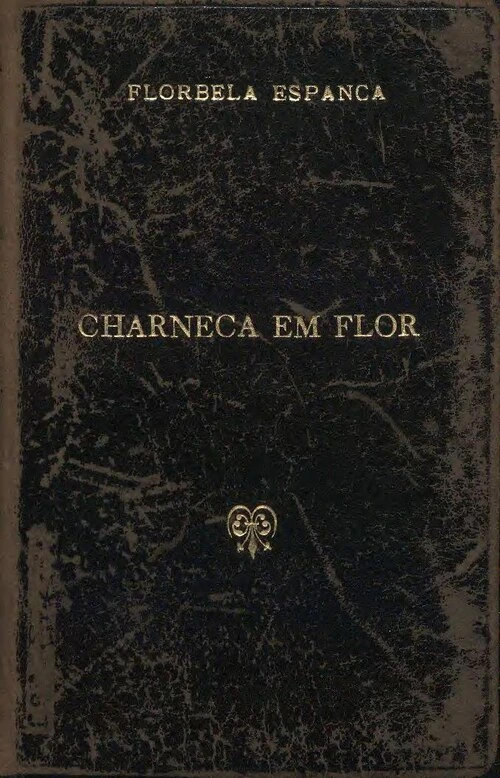
Writing was more than an ambition now: Florbela was a published poet, a short-story writer, and a paid translator. She translated ten novels into Portuguese, nine from French and one from Spanish, while continuing to write stories and poems of her own.
By 1930, she was preparing her third poetry collection, Charneca em Flor (Moor in Bloom). She arranged for a typed copy so she could keep a duplicate in case the manuscript went missing in the post. In letters to Guido Battelli, who was helping arrange publication, she discussed the cover and how the poems should sit on the page. She died that December, before she could see the finished book.
Her full recognition only came after her death. Charneca em Flor reached readers in January 1931, and her work went on to gain an established place in Portuguese literature.
Florbela’s Living Legacy
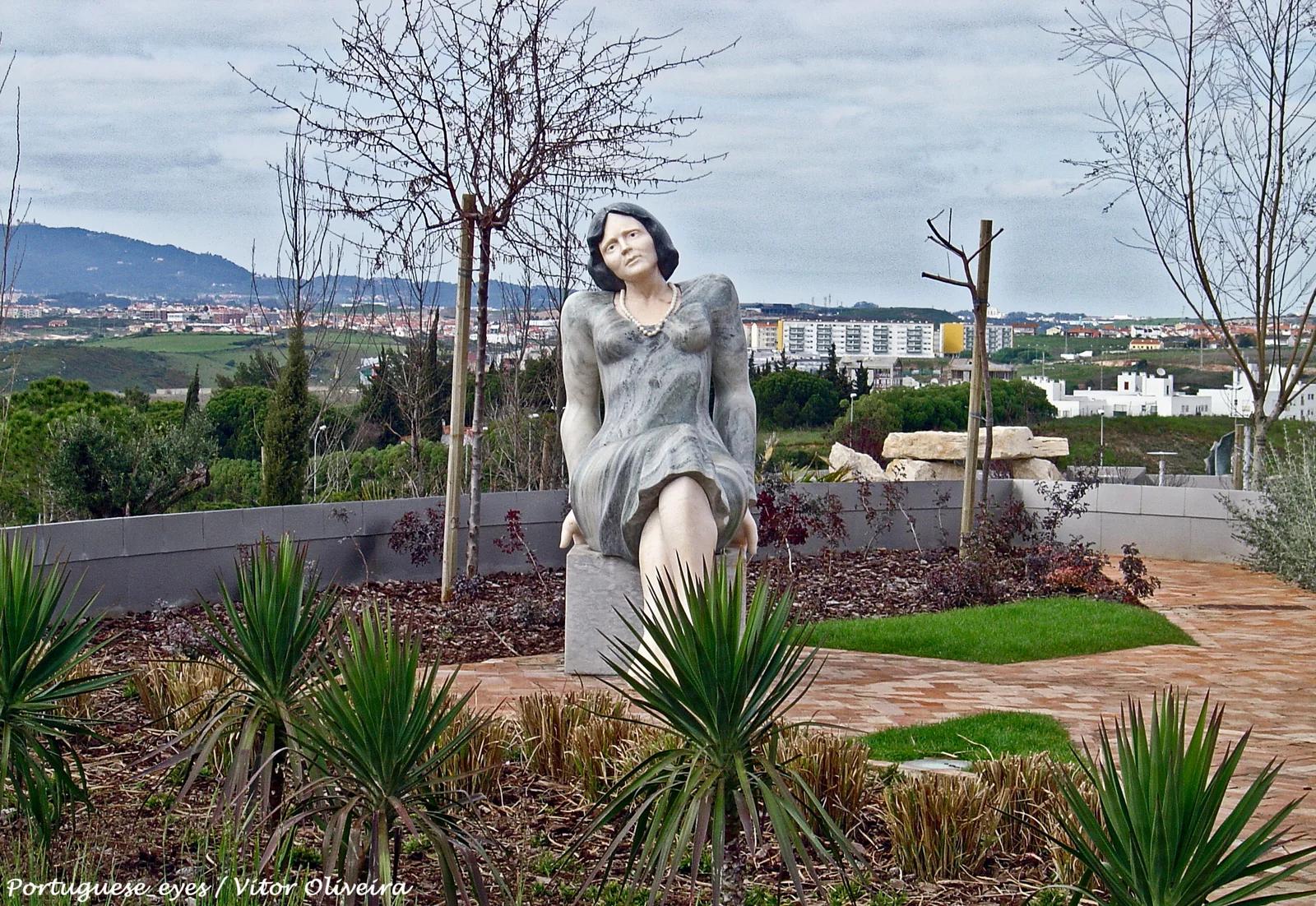
Today, Florbela’s poetry is still inspiring people to create. In March 2026, Portuguese musicians released Florbela, an album turning fourteen of her sonnets into songs. It opens with “Vaidade,” sung by IOLANDA. The poem in which she dreamed of becoming a celebrated poet has found a whole new way to reach listeners.
Her words are reaching young readers, too. Portuguese teachers can introduce seventh-year students to “Amar!” (“To Love!”) and “Ser poeta” (“To Be a Poet”), both on the national curriculum’s poetry reading list.
She’d fought for the chance to be read. Nearly a century after her death, people are still reading her, teaching her, and turning her poems into music.
Sources and Further Reading
- Florbela Espanca, Livro de Mágoas (1919).
- Mulheres Escritoras, Florbela Espanca research profile.
- Renata Oliveira Bomfim, Vozes femininas: a polifonia arquetípica em Florbela Espanca (2009).
- Dicionário de Florbela Espanca, edited by Jonas Leite and Fabio Mario da Silva, scientific direction Maria Lúcia Dal Farra (2025 digital edition).
- João Garção, Raul Proença, leitor e crítico de Florbela Espanca (2006).
- Márcia Francisco, Edição Crítica do Livro de “Soror Saudade” de Florbela Espanca (2021).
- Maria Lúcia Dal Farra, Seis mulheres em verso (2001).
- Isaiah 6:6–7, King James Version.
- Chris Gerry, Florbela tradutora (2012).
- Cláudia Pazos Alonso, Escritoras, Modernismo.
- Direção-Geral da Educação, seventh-year Portuguese curriculum and reading list.
- Universal Music Portugal, Florbela album and track listing (2026).

Keri is a blogger and digital marketing professional who founded Amazing Women In History in 2011.

Beyond the article
Join the Conversation
Share your perspective, ask a question, or add something to the story.