Funmilayo Ransome-Kuti, Nigerian Women’s Rights Leader
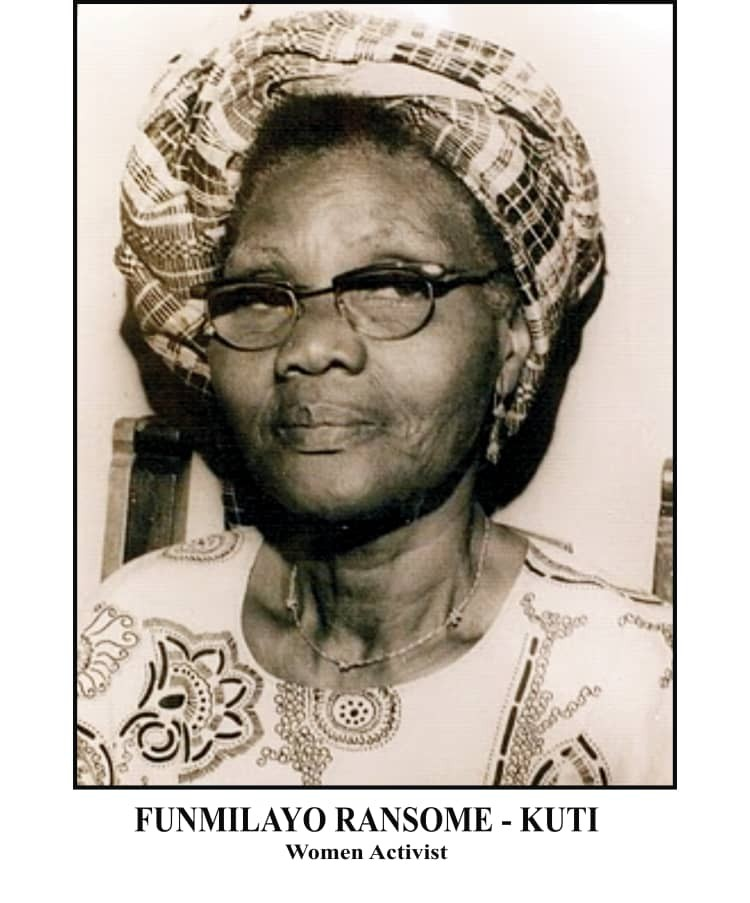
Funmilayo Ransome-Kuti united thousands of women against unfair colonial taxes and helped win them a place in Abeokuta’s government.

Women worth knowing
Extraordinary women, overlooked stories, and a more complete history. Explore the lives, ideas, and achievements that changed the world.
Funmilayo Ransome-Kuti united thousands of women against unfair colonial taxes and helped win them a place in Abeokuta’s government.
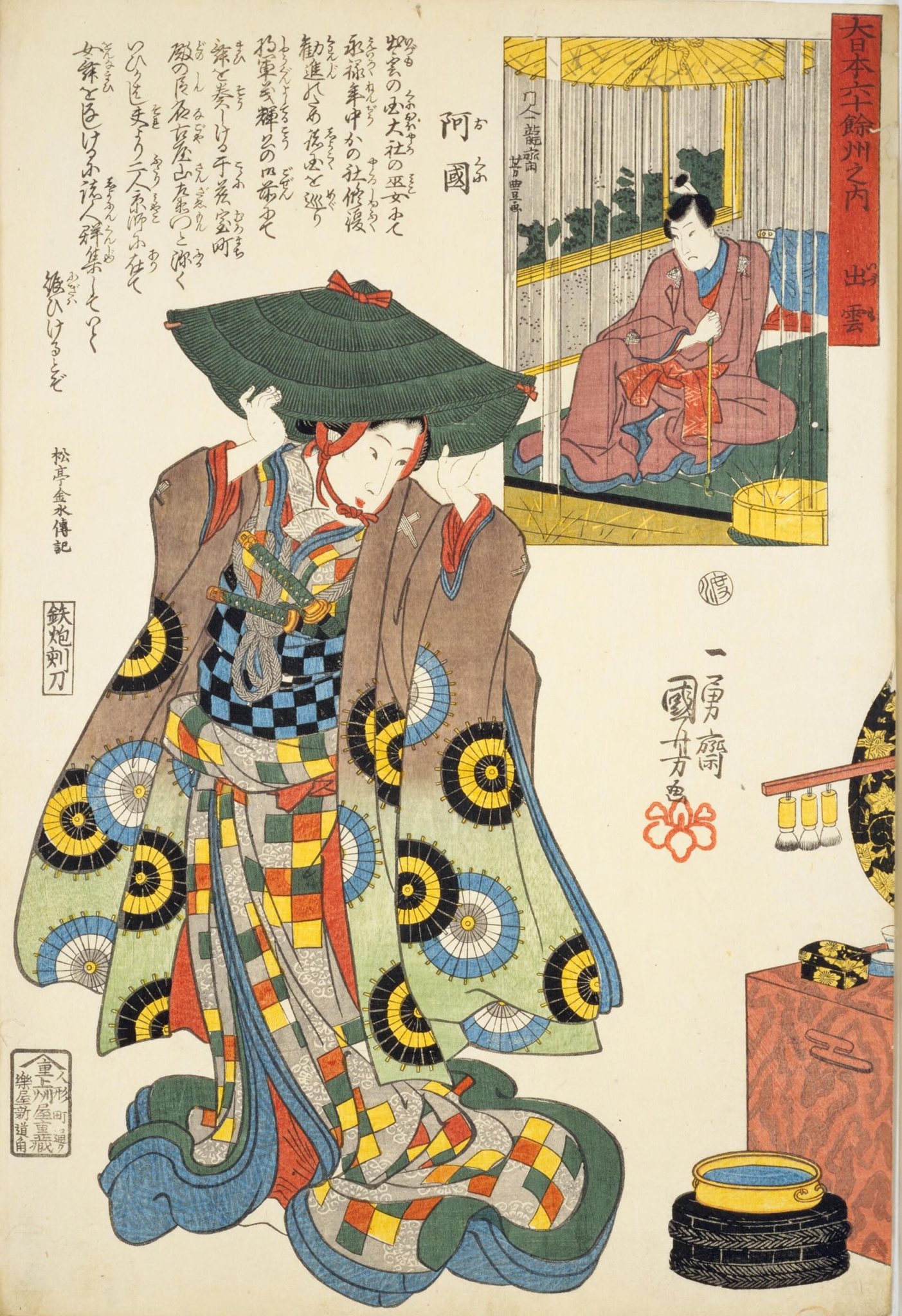
Izumo no Okuni turned comic scenes, dancing, and a swaggering male character into a sensation. The great tradition of kabuki began with her.
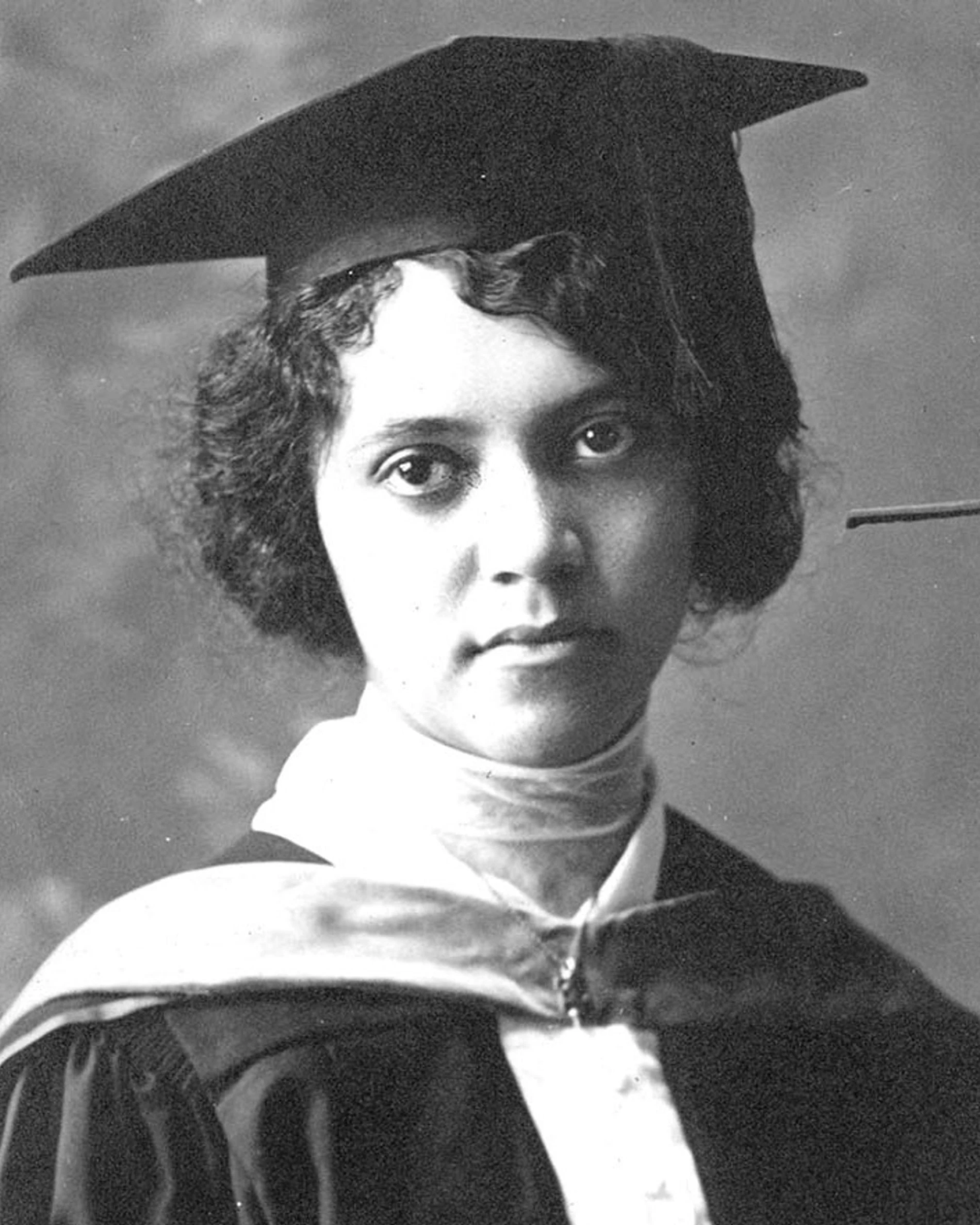
Alice Ball transformed a difficult leprosy remedy into an injectable treatment. Her work helped patients improve and return to their families.
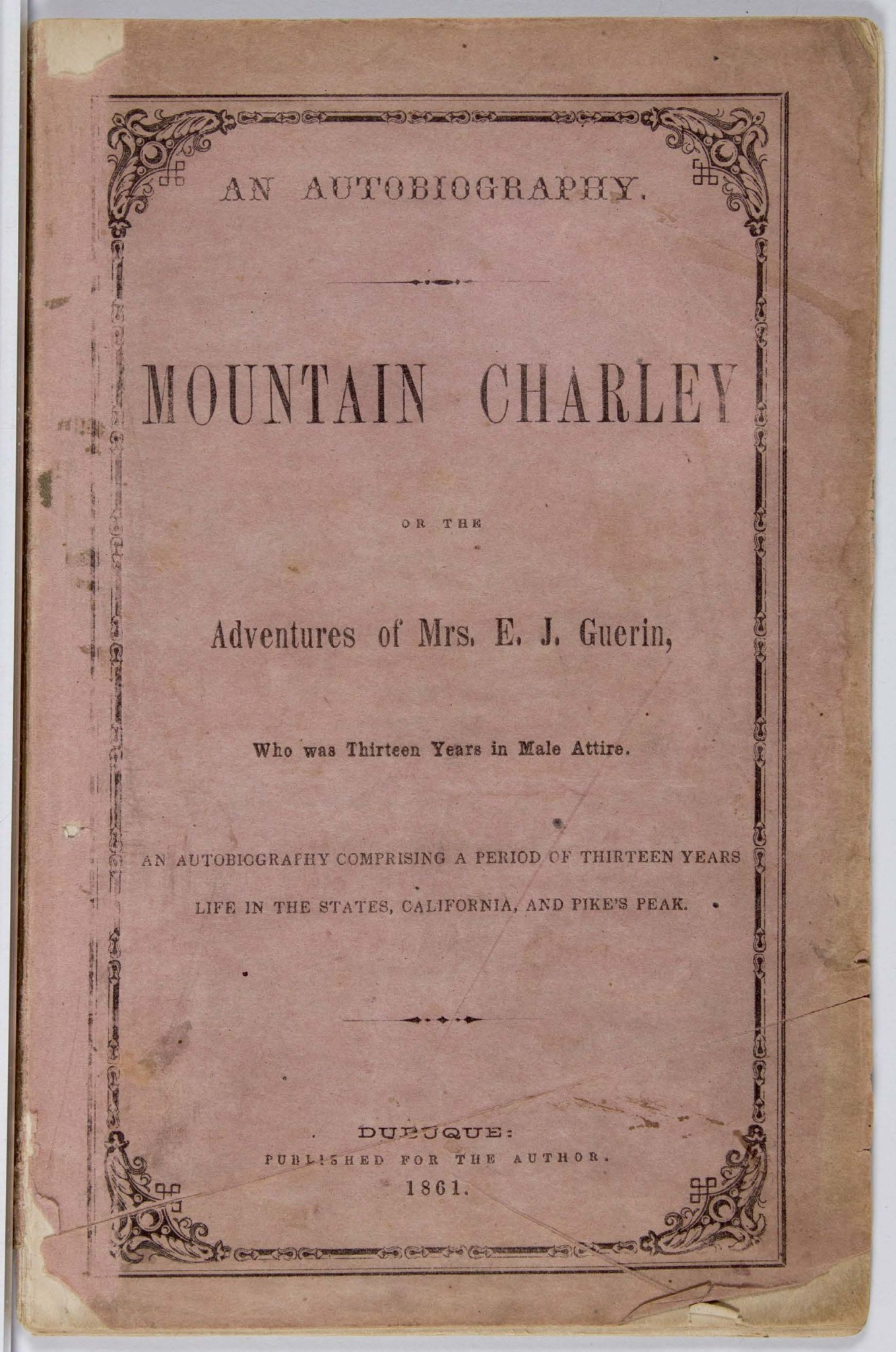
Writing as Mountain Charley, Elsa Jane Guerin told of riverboat work, western businesses, and revenge. Her memoir leaves a tangled trail between life and legend.
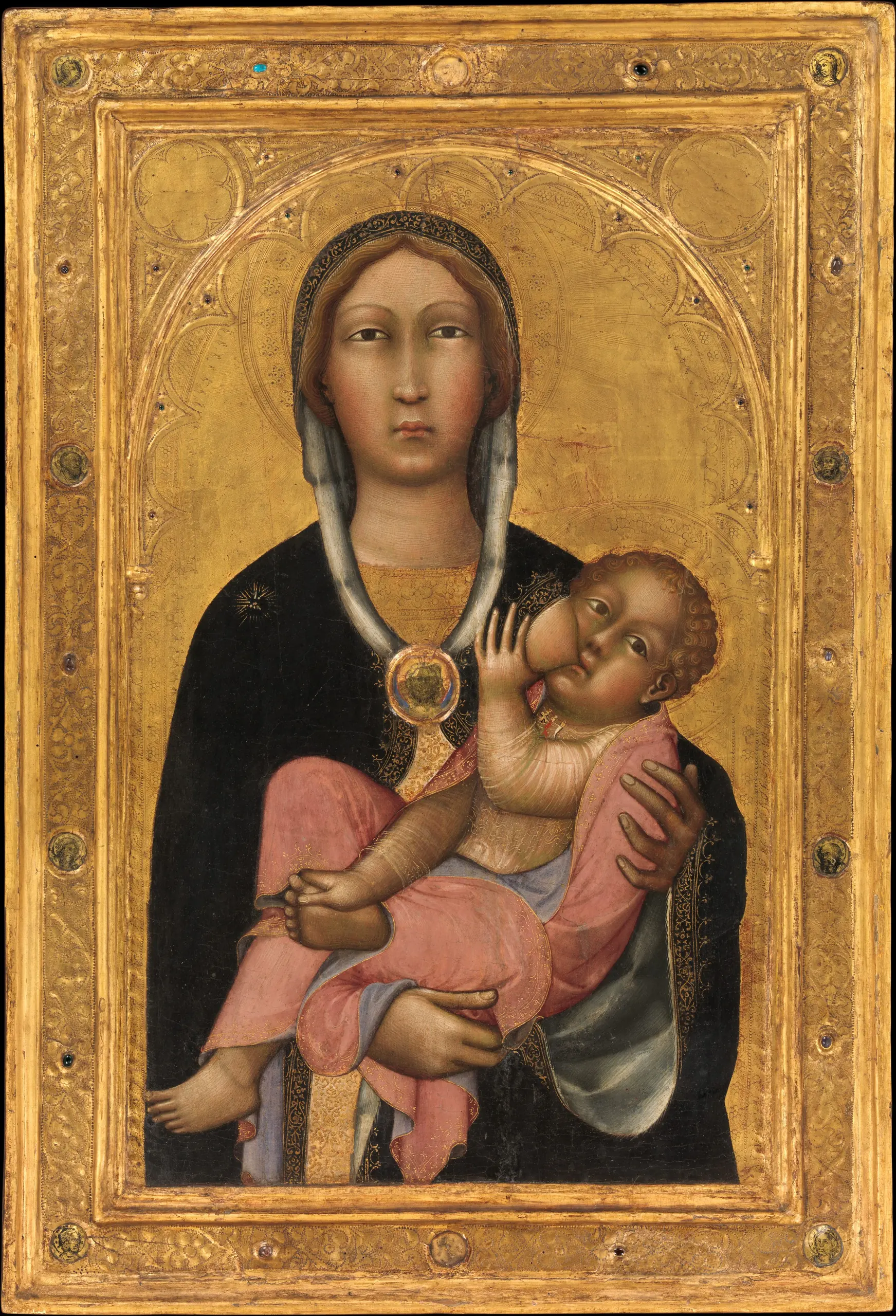
Julian of Norwich and Mechthild of Magdeburg used motherhood to describe divine power, from Christ feeding believers to a woman nourishing him.
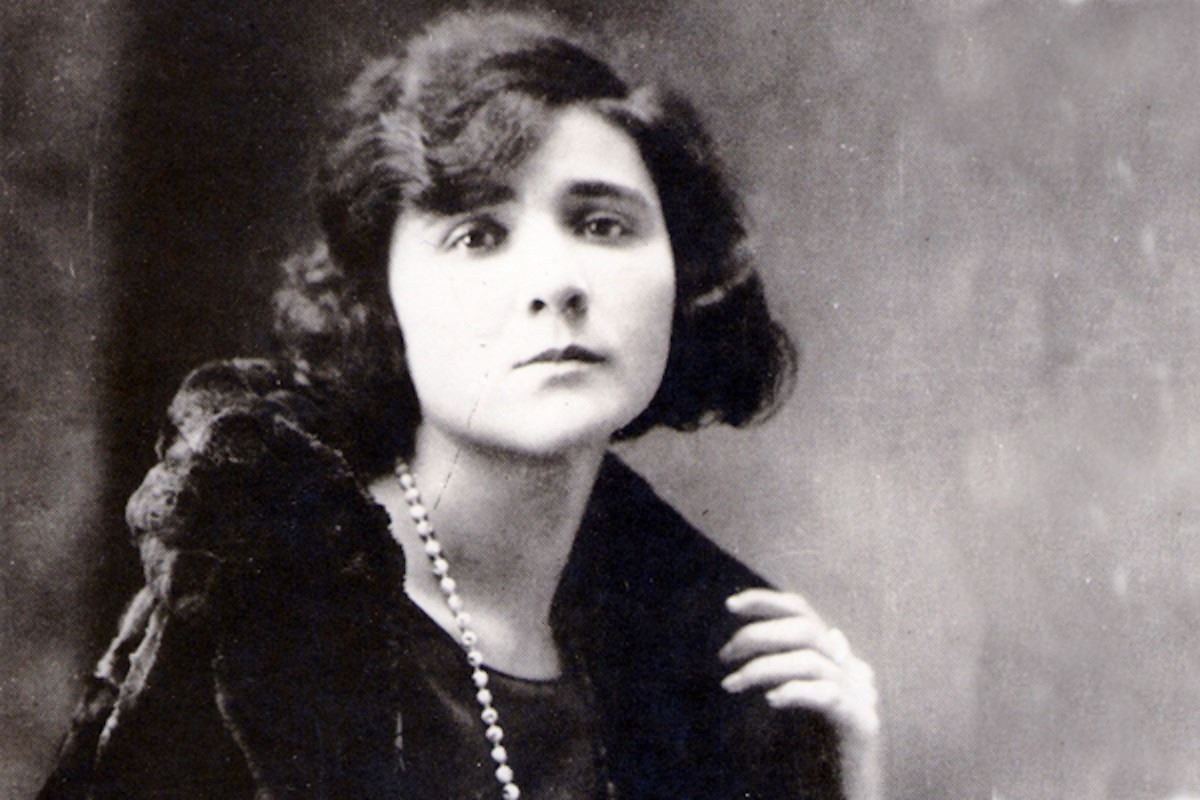
Florbela Espanca fought to get her poems into print. Her sonnets won praise for their skill, and condemnation for giving voice to women’s desire.
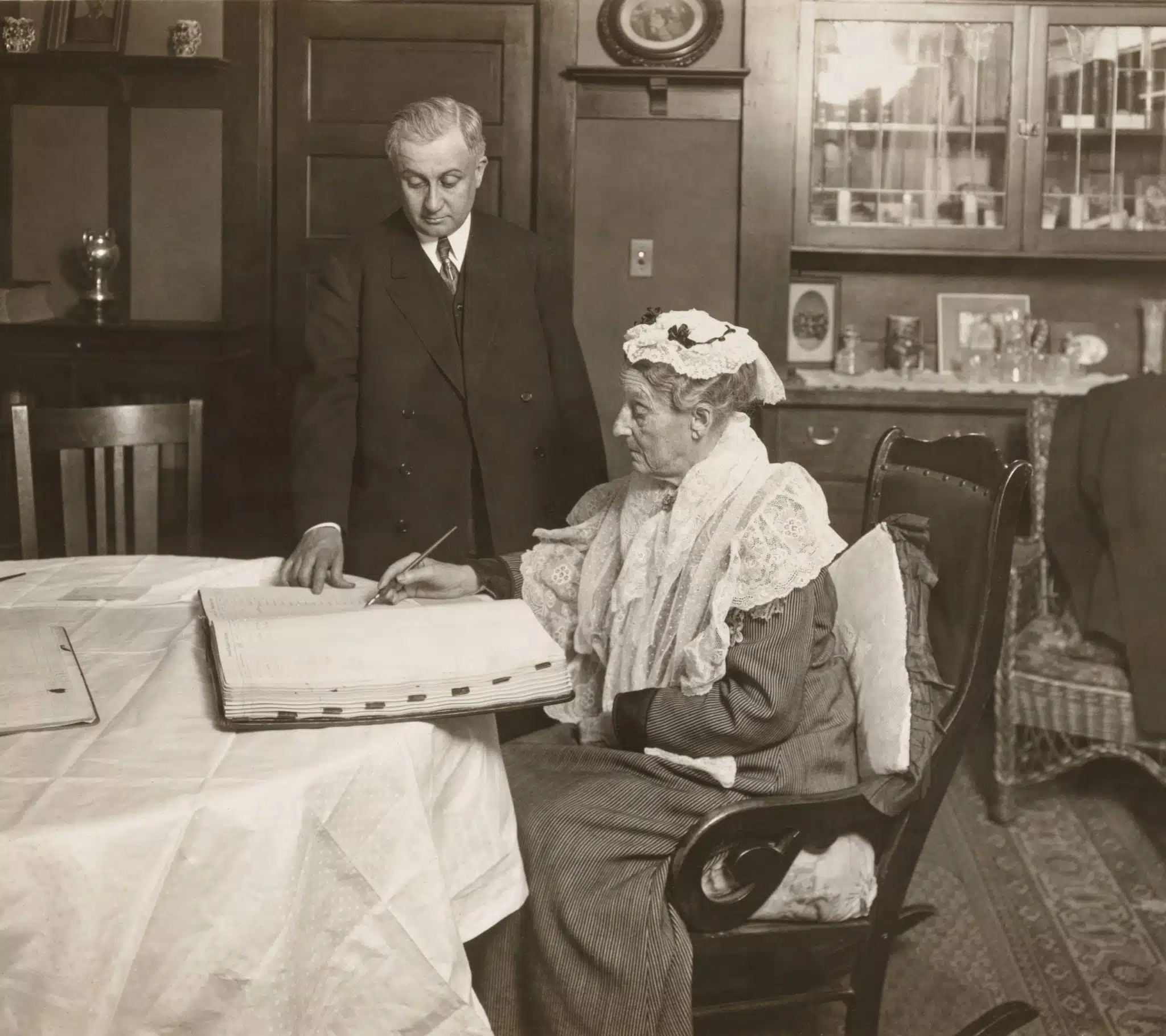
She turned women’s everyday grievances into a campaign for political rights, using journalism, organizing, and persistent lobbying to challenge restrictions on their independence.

She refused to let an authoritarian regime shape her students’ education, relocating her school and creating a home for children uprooted by persecution.
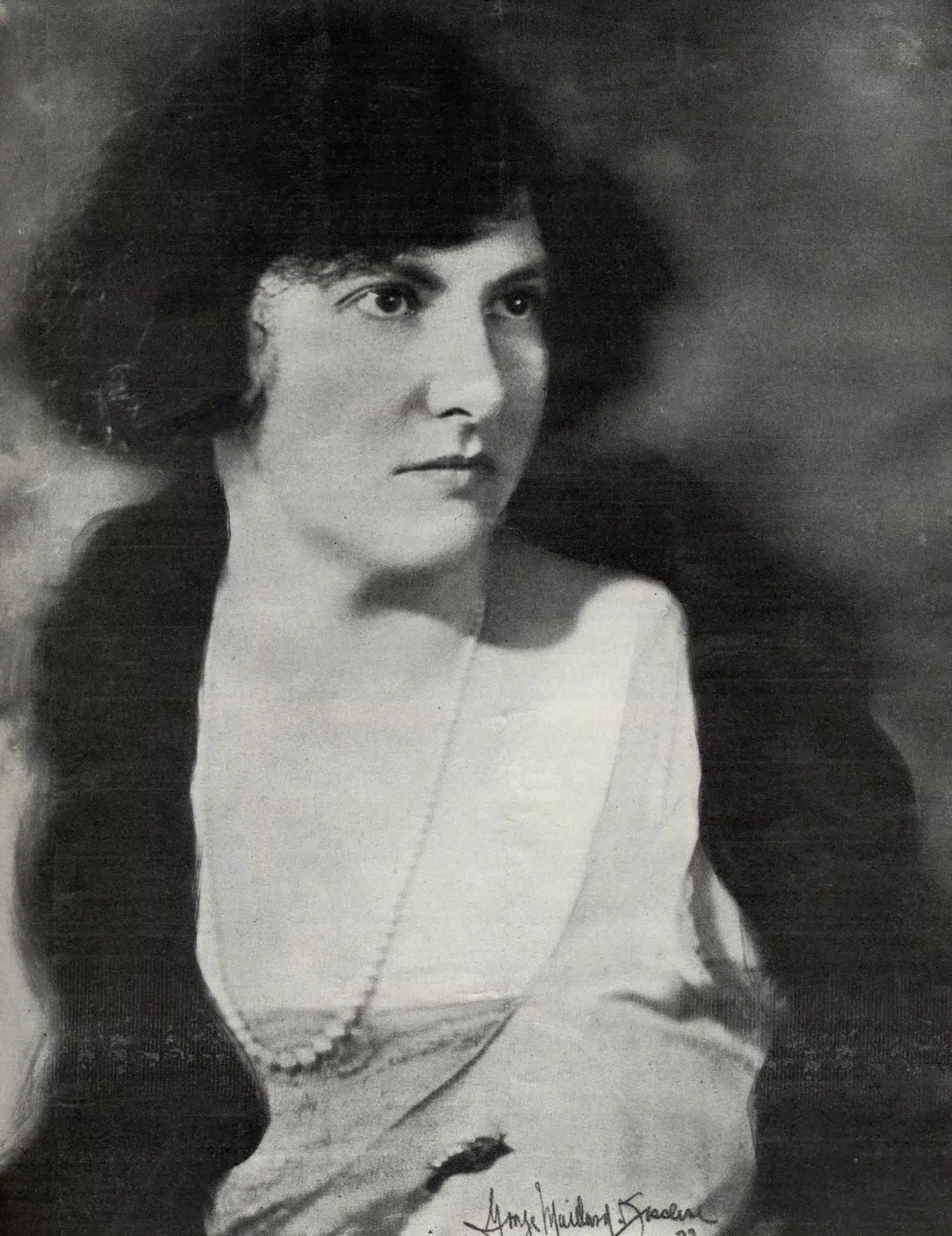
She advanced experimental classical music through composition, teaching, and criticism, helping build the institutions and professional opportunities that supported new work.
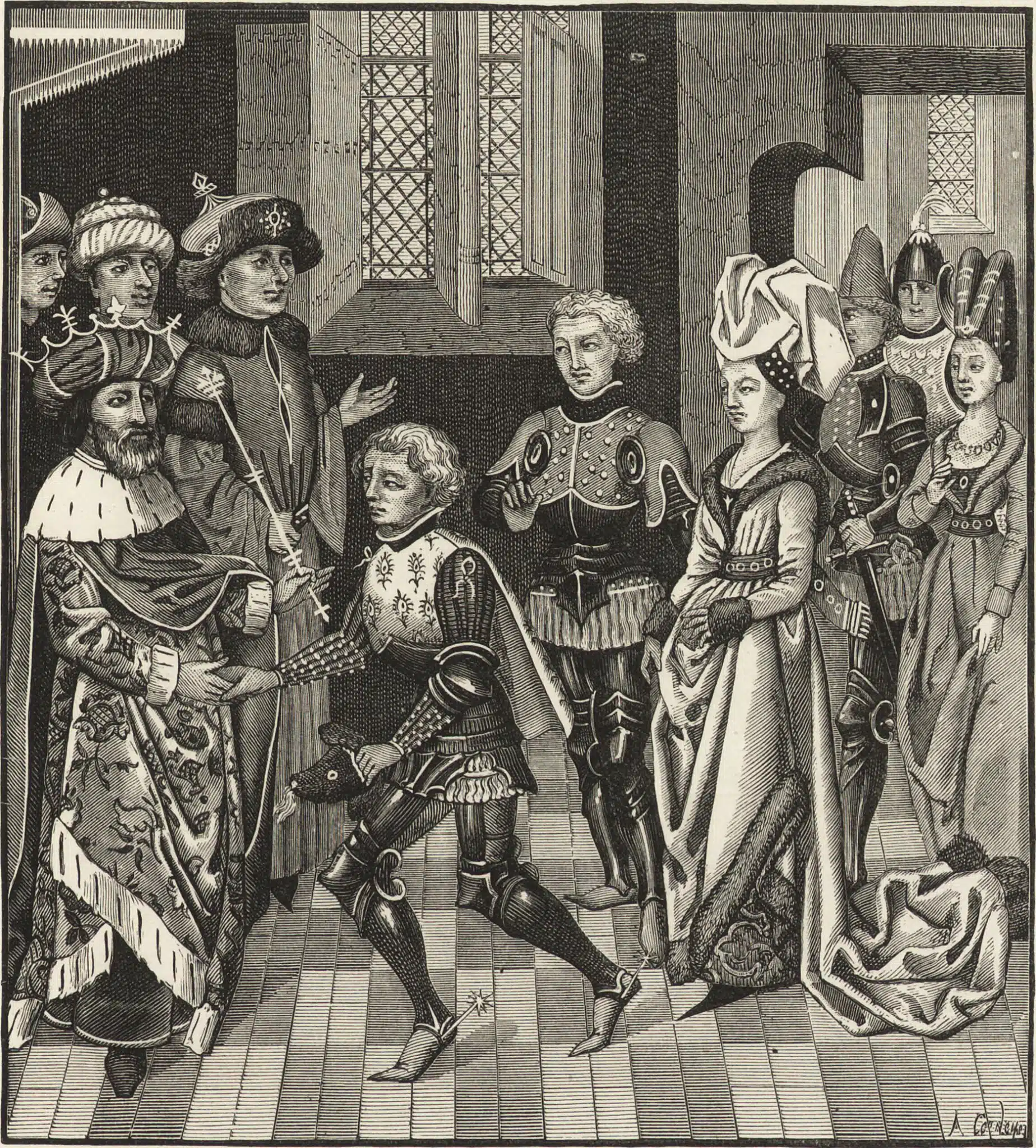
Women financed expeditions, managed territories, and supported armies on the front lines, taking part in religious wars that shaped political power across borders.
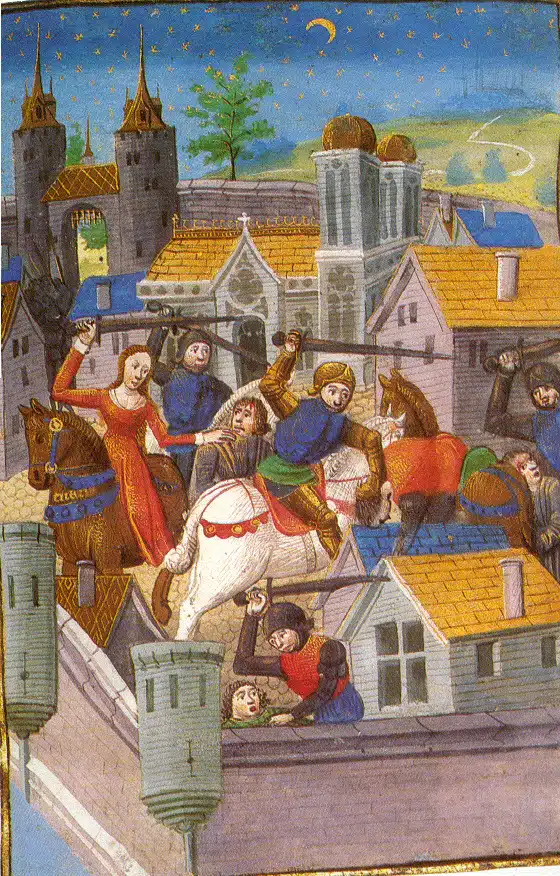
Women commanded troops, defended cities, and entered chivalric orders, challenging the familiar image of knighthood and claiming recognition for military courage and leadership.
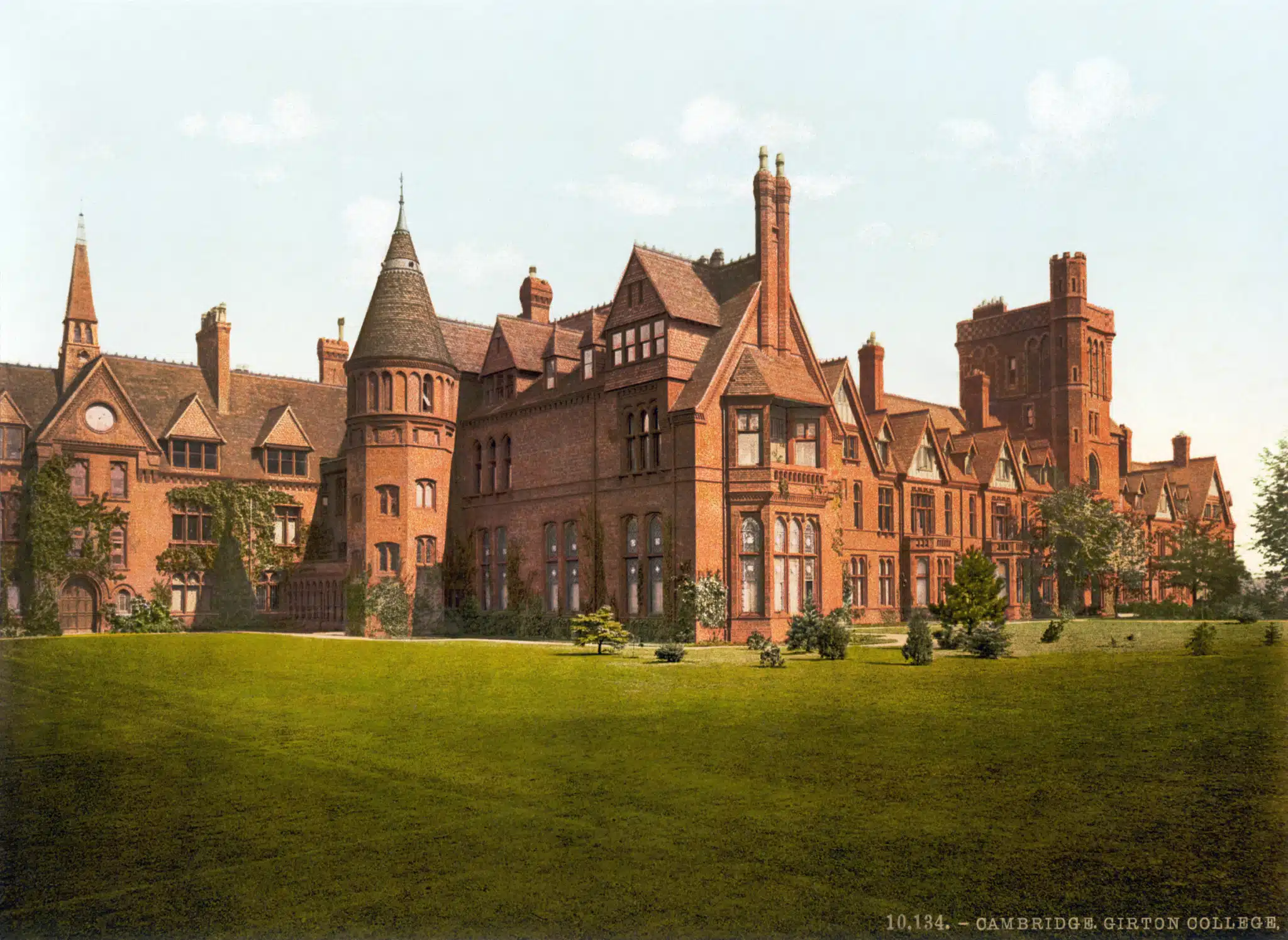
Women expanded access to education and challenged expectations of who could lead a school, creating opportunities that helped reshape learning for generations of students.
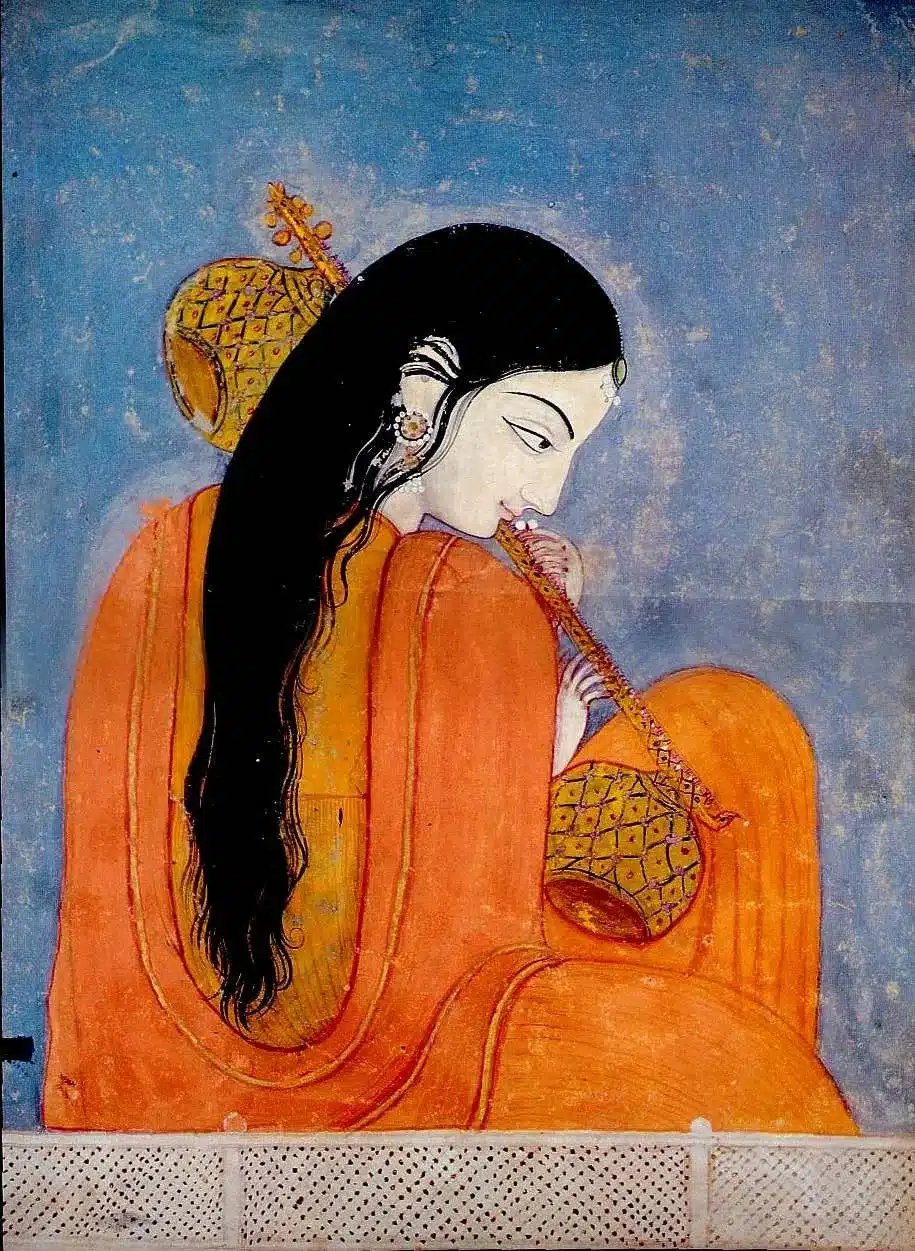
She chose spiritual devotion over royal expectations, expressing independence through poetry and song that challenged social hierarchies and carried her voice far beyond the palace.
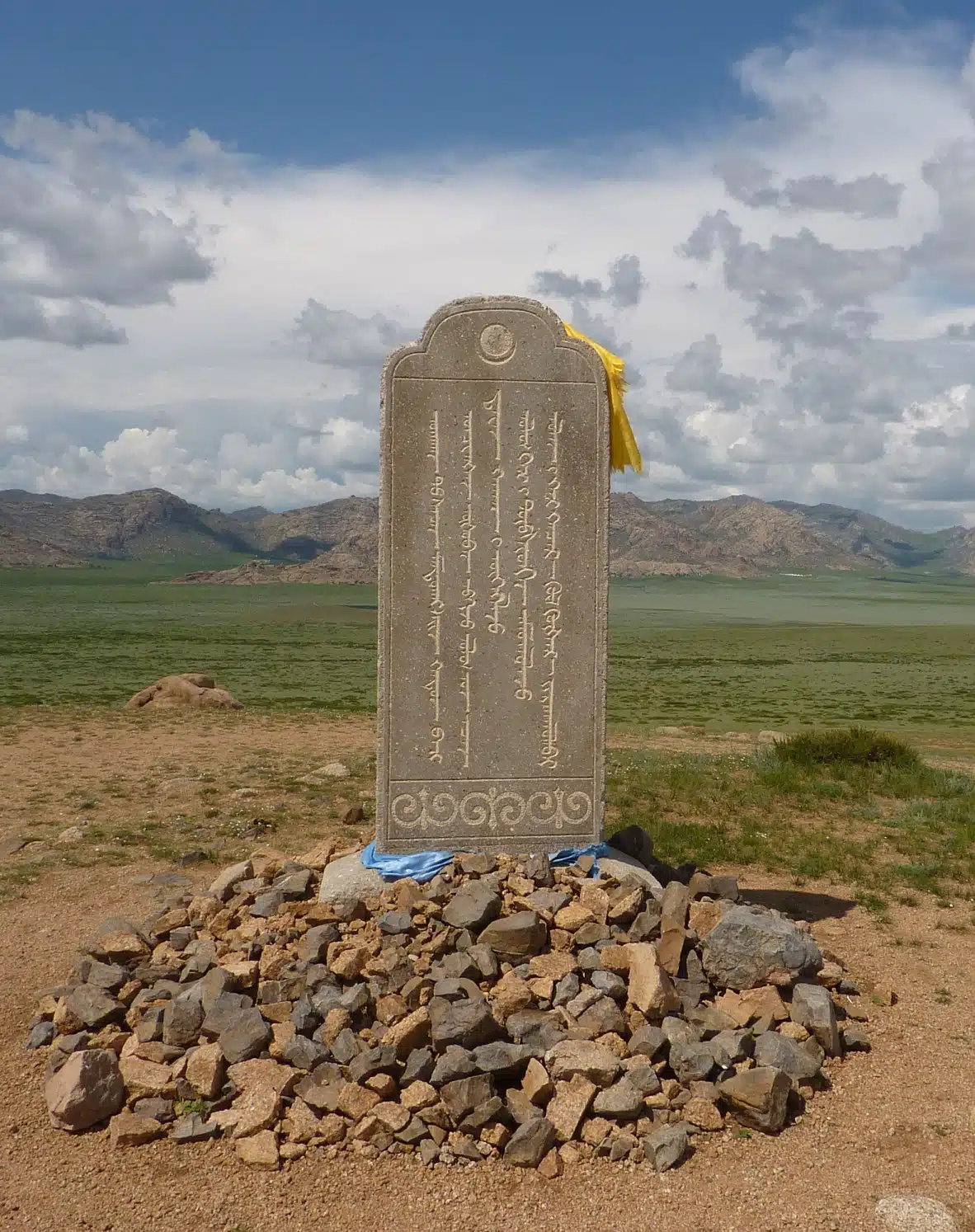
She combined military strategy with political leadership to reunite divided peoples, preserving a royal lineage and securing influence in a world shaped by warfare.
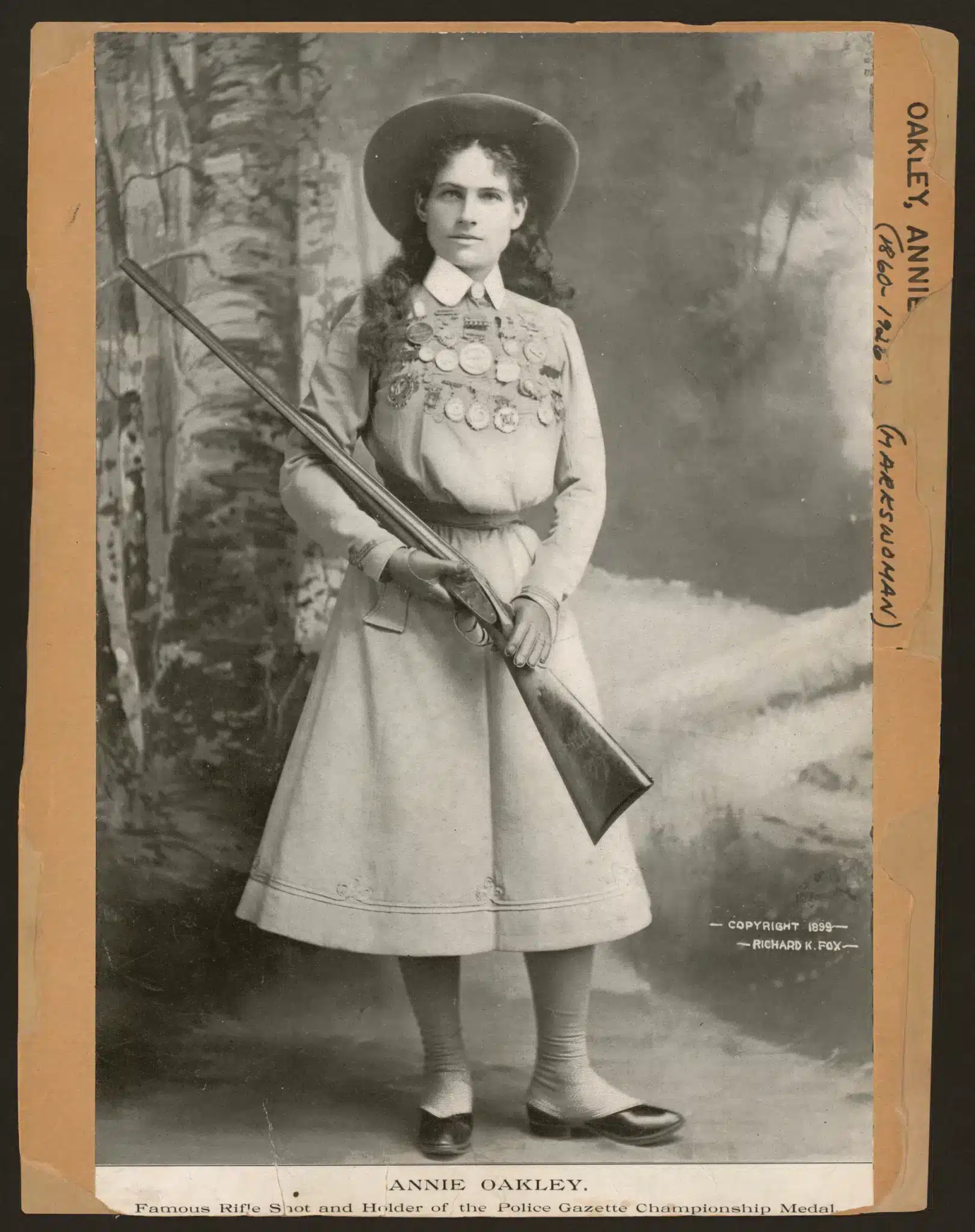
Women rode, ranched, competed, and defended their communities on the frontier, building lives of skill and independence that challenged expectations of what women could do.
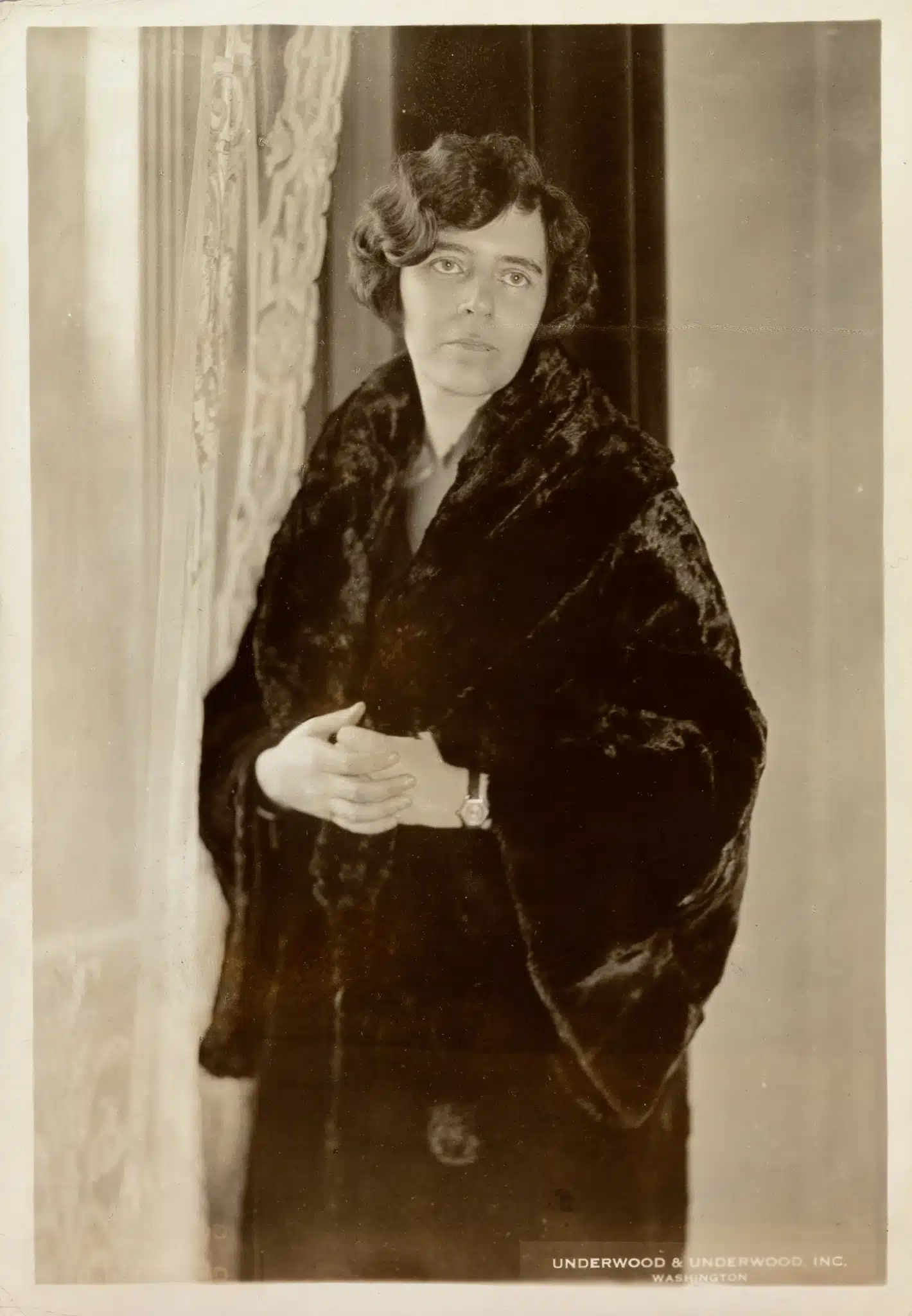
The campaign for constitutional equality divided allies over labor protections, legal strategy, and women’s rights, sustaining a struggle that outlasted generations of activists.
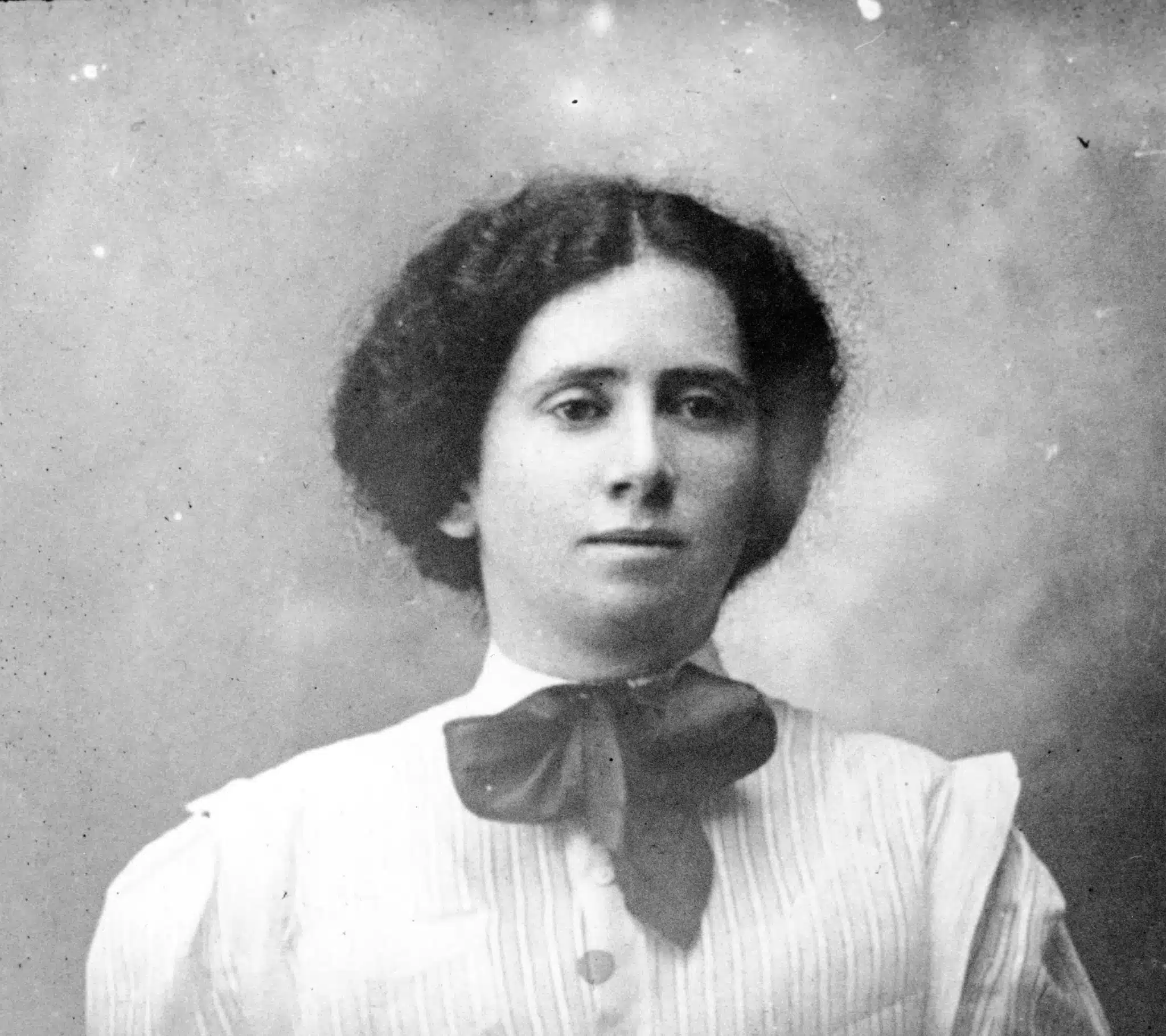
She turned factory experience into a powerful voice for working women, organizing unions and demanding the safer conditions, fair treatment, and recognition their labor deserved.
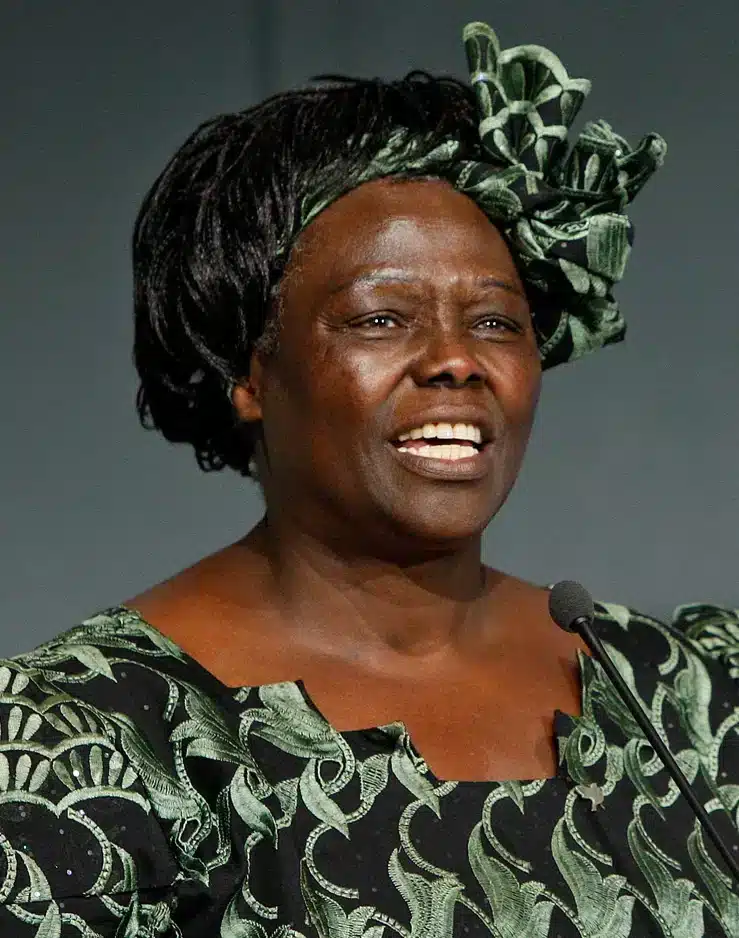
Women advanced climate research, defended forests, and built conservation movements, combining science with grassroots action to change how societies understood and protected nature.
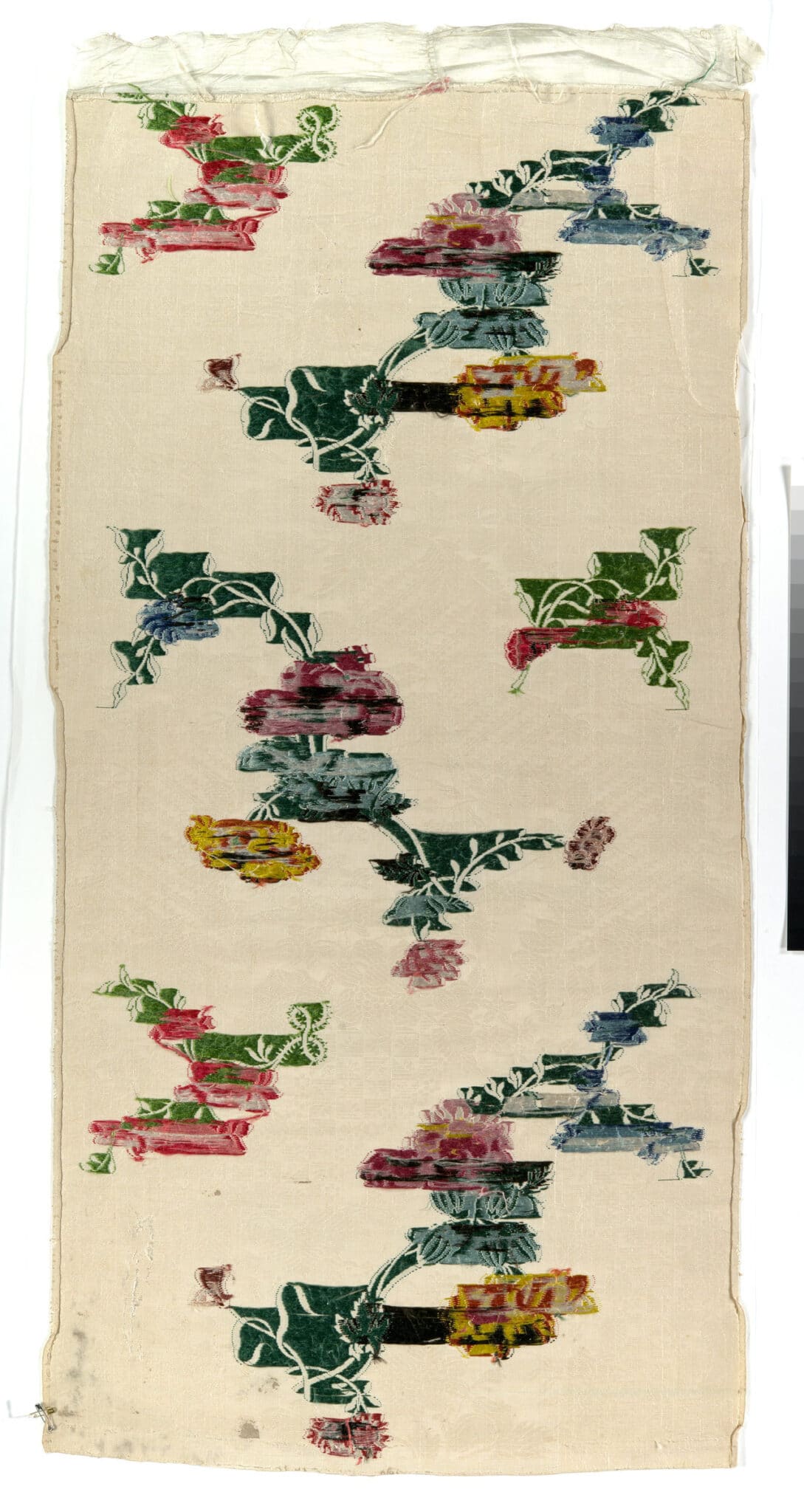
She turned observations of flowers and plants into intricate textile designs, building a successful creative career and leaving rare evidence of women’s work in the industry.
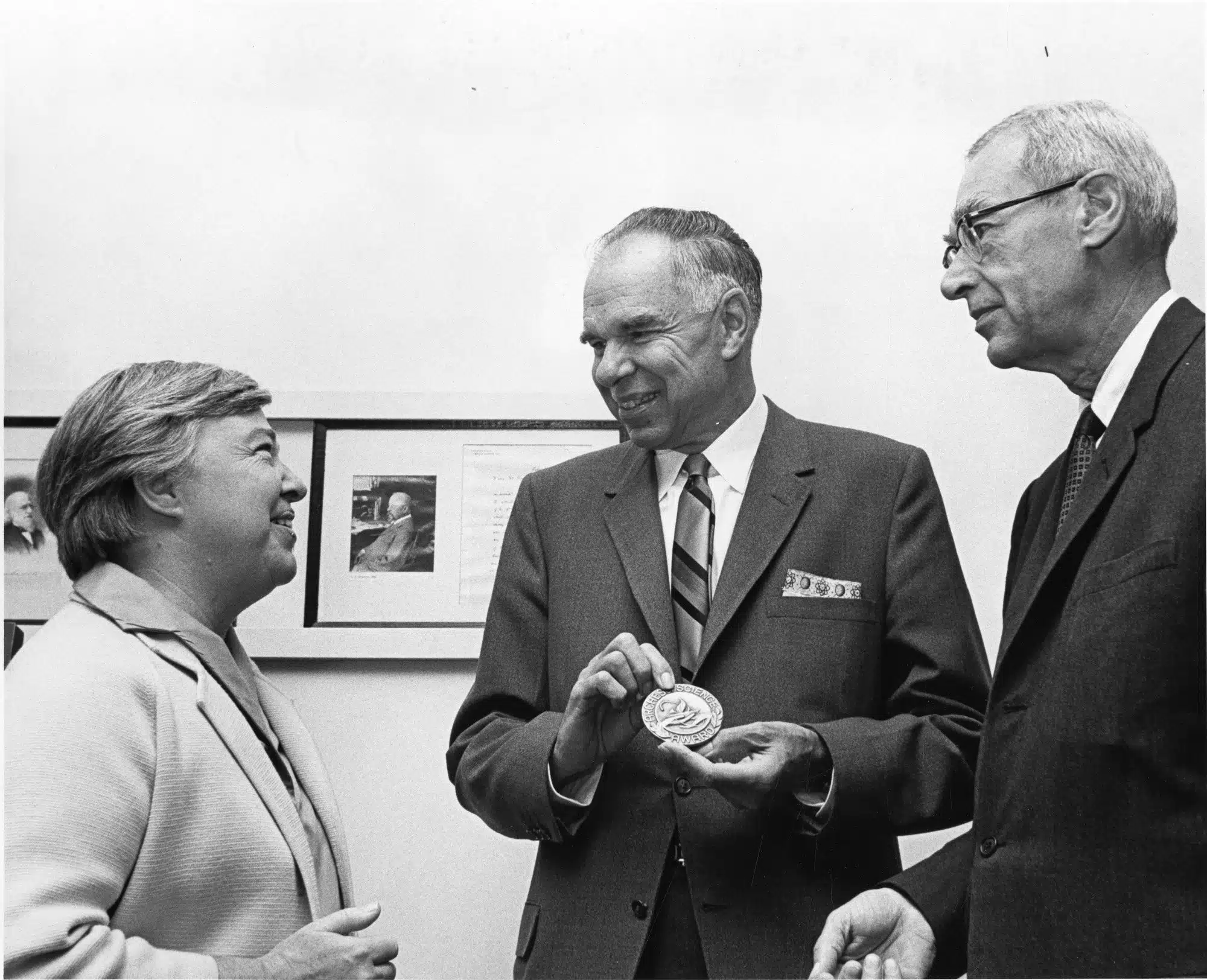
Her move from science into politics brought convictions about technology into conflict with environmental campaigners, exposing tensions between expertise and public decision-making.