The Eucharist as Breastfeeding: Medieval Women Mystics and the Body of Christ
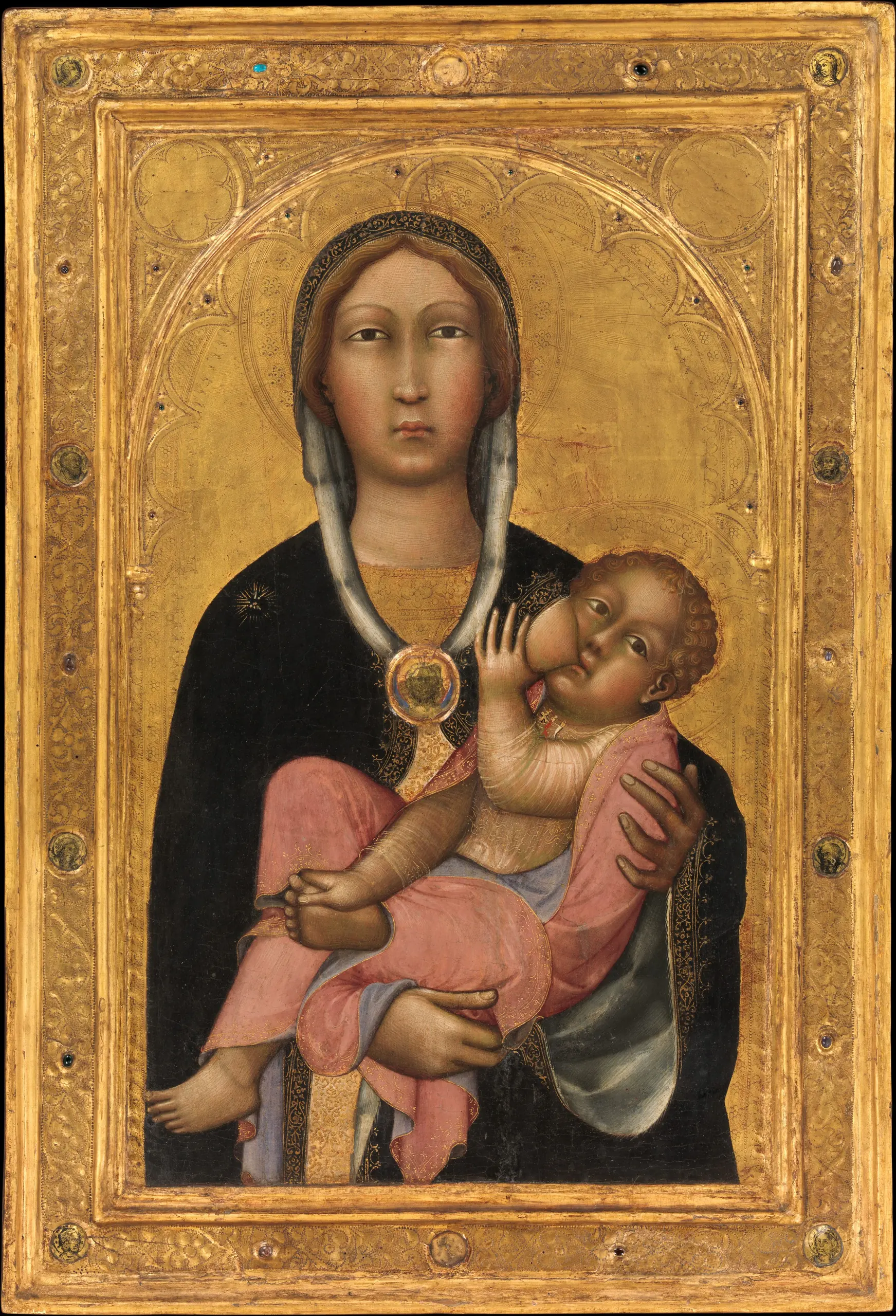
Julian of Norwich and Mechthild of Magdeburg used motherhood to describe divine power, from Christ feeding believers to a woman nourishing him.

Women worth knowing
Extraordinary women, overlooked stories, and a more complete history. Explore the lives, ideas, and achievements that changed the world.
Surprising links between women’s history and the ideas, objects, beliefs, and movements that shaped it.
Julian of Norwich and Mechthild of Magdeburg used motherhood to describe divine power, from Christ feeding believers to a woman nourishing him.

Heavy skirts and restrictive corsets limited women’s movement. Campaigns for practical clothing linked everyday comfort with greater freedom to participate in public life.

Women created space for serious intellectual conversation in literary societies, challenging expectations of femininity even as a label for learning became a weapon of ridicule.

Pregnancy could postpone a woman’s execution under common law, creating a route to survival that exposed the complicated relationship between reproductive status and criminal justice.

Bicycles gave women new freedom to travel, dress, and move through public life, turning an everyday means of transport into a powerful challenge to conventional femininity.

Campaigns for women’s votes and alcohol prohibition once shared organizers and goals, building an unexpected alliance that helped advance demands for sweeping social reform.

Determined activists and private funding helped turn the birth control pill from an uncertain research project into a development that transformed women’s reproductive choices.
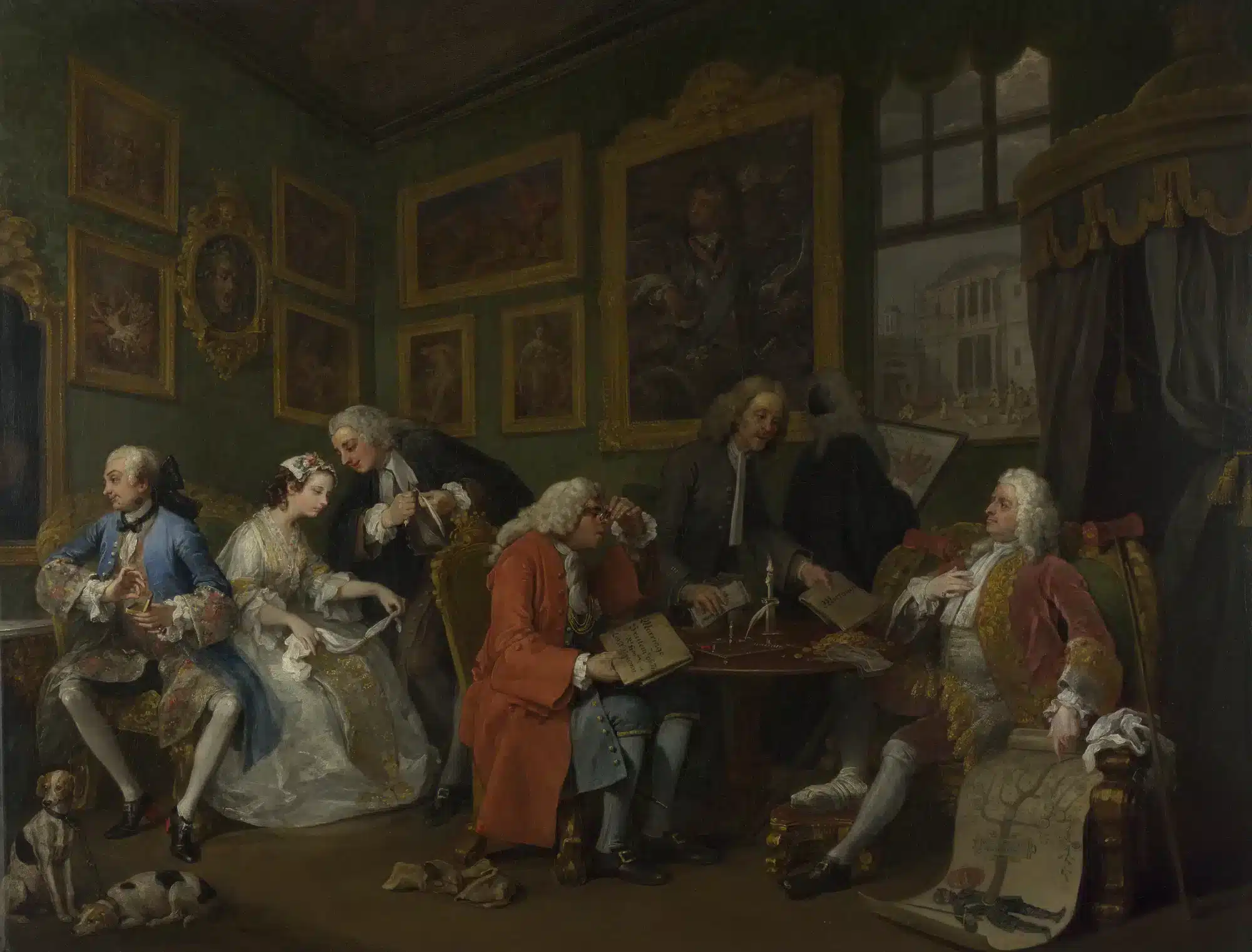
Addressing a wife by her husband’s name reflects a legal tradition that erased her separate identity, restricting control over her property, earnings, and future.