Were There Female Vikings? What the Evidence Reveals
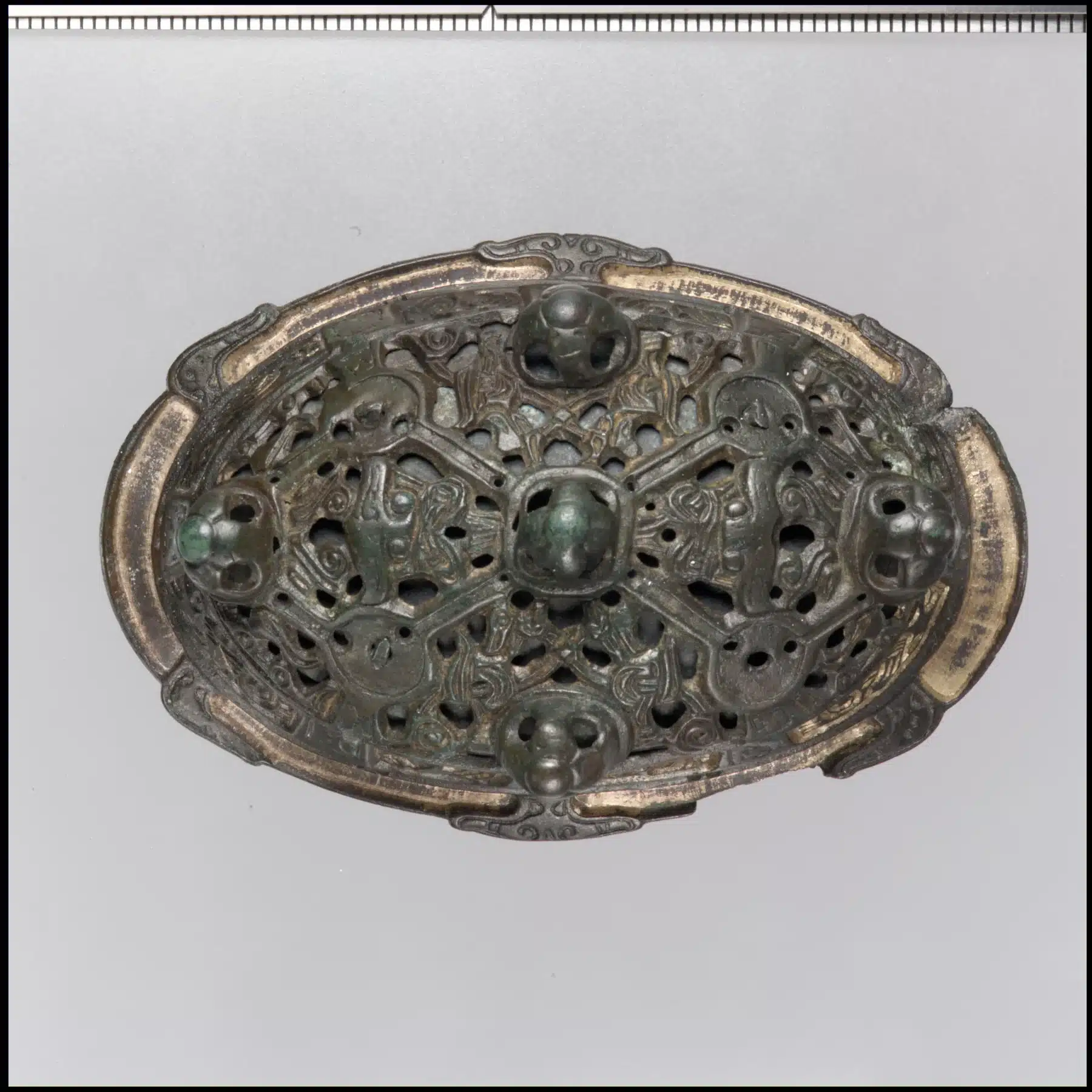
A warrior’s grave in Sweden held a female skeleton. Brooches found on the Isle of Man challenged another assumption: that Scandinavian settlers had all been men.

Women worth knowing
Extraordinary women, overlooked stories, and a more complete history. Explore the lives, ideas, and achievements that changed the world.
Amazing European women in history.
A warrior’s grave in Sweden held a female skeleton. Brooches found on the Isle of Man challenged another assumption: that Scandinavian settlers had all been men.
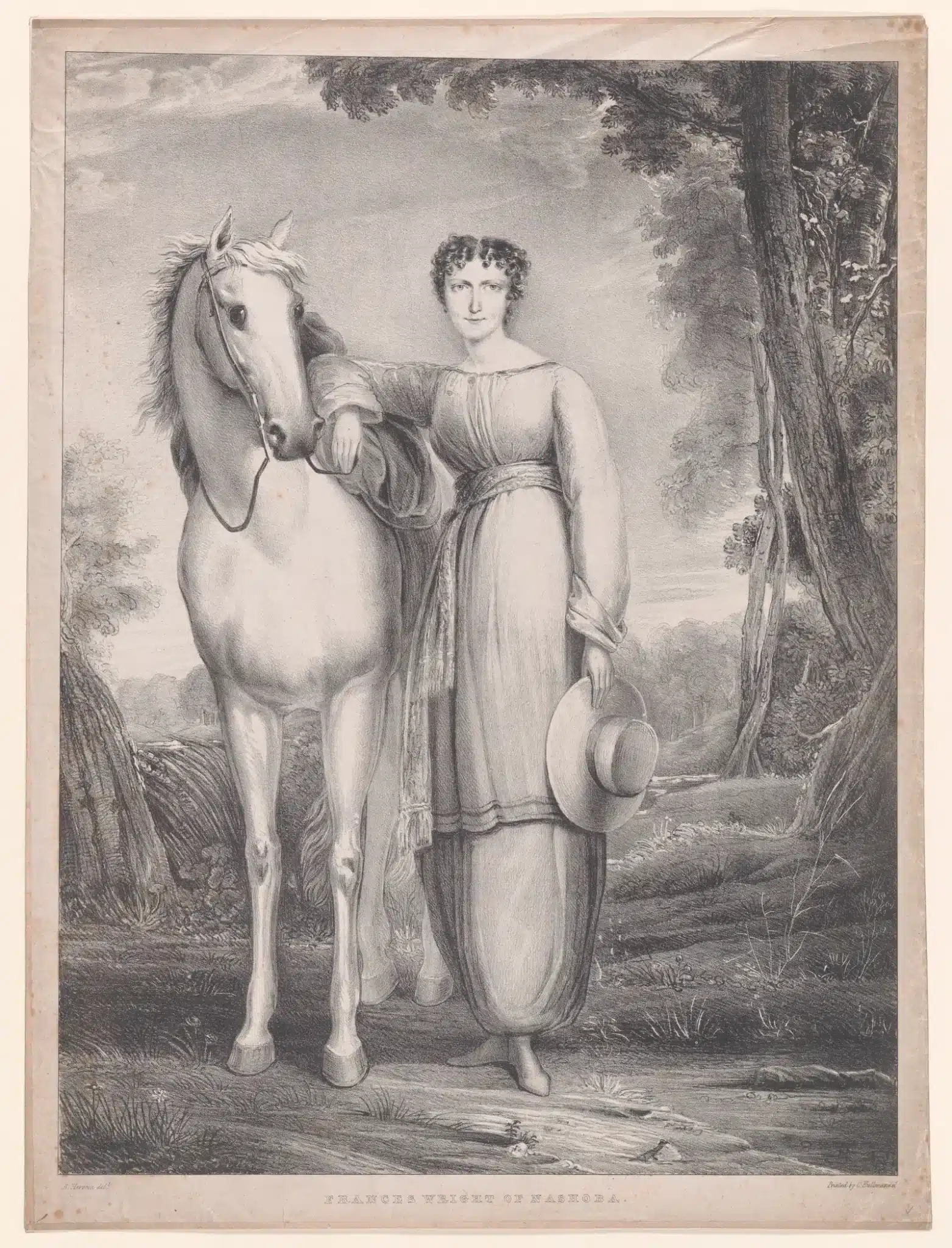
Frances Wright defended women’s right to speak in public and demanded equal education. Her 1828–1829 lecture campaign faced newspaper attacks and arson, but she kept speaking and helped establish New York’s Hall of Science.

Aphra Behn earned her living writing plays for London audiences and published poetry under her own name. Before her literary success, she worked as a spy for Charles II.

Louise Otto-Peters founded a newspaper that invited women to speak for themselves. When Saxony barred women from responsible editorship, she kept the paper going beyond its borders.

Gerda Lerner fought to make women’s lives count as history, gathering their words and building programs that trained others to research and teach them.

Florbela Espanca fought to get her poems into print. Her sonnets won praise for their skill, and condemnation for giving voice to women’s desire.
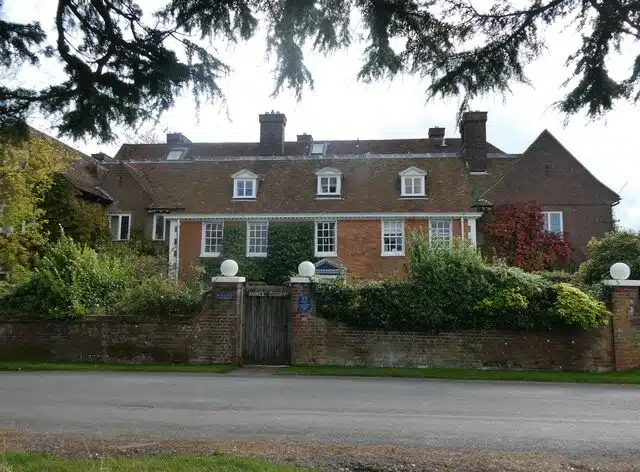
She refused to let an authoritarian regime shape her students’ education, relocating her school and creating a home for children uprooted by persecution.
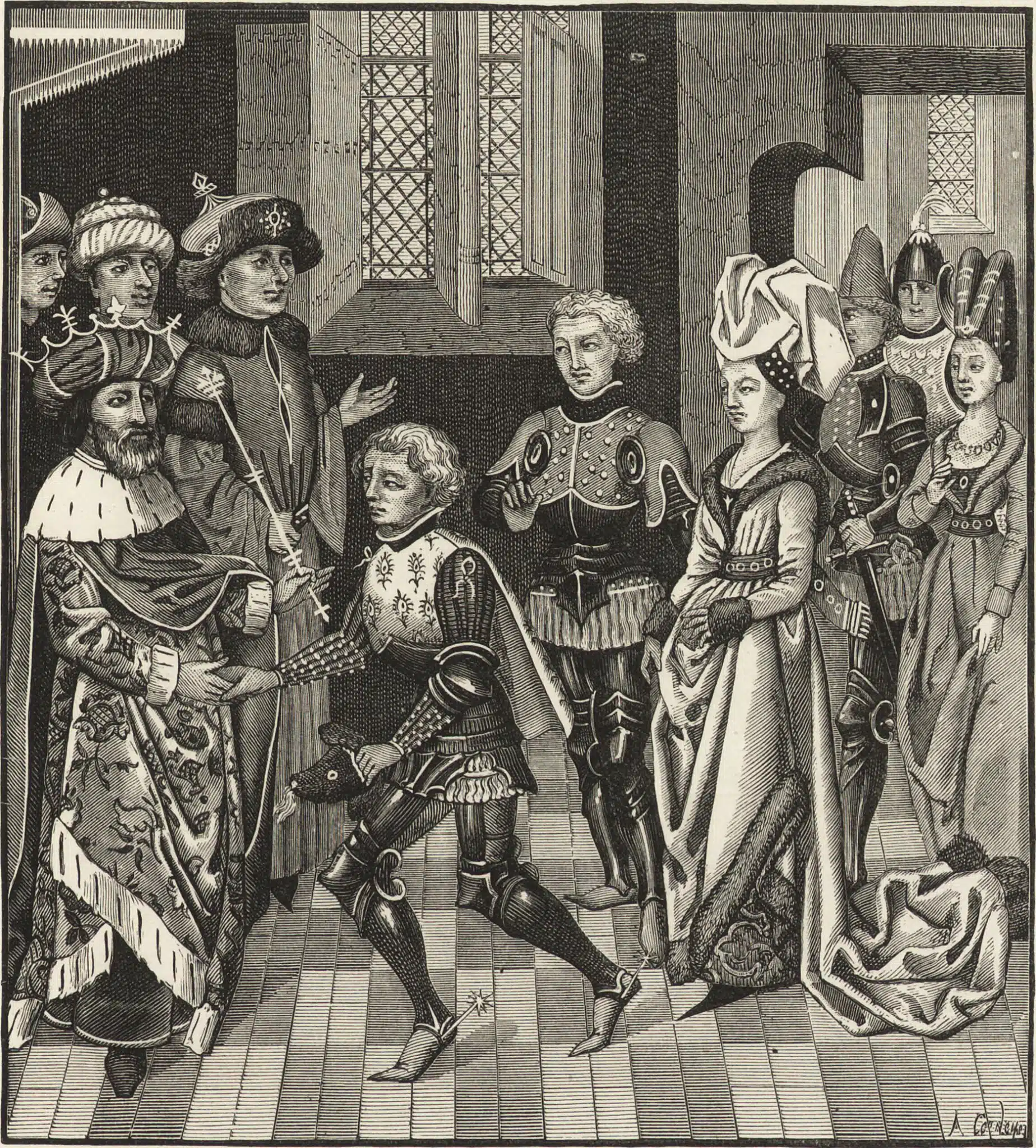
Women financed expeditions, managed territories, and supported armies on the front lines, taking part in religious wars that shaped political power across borders.
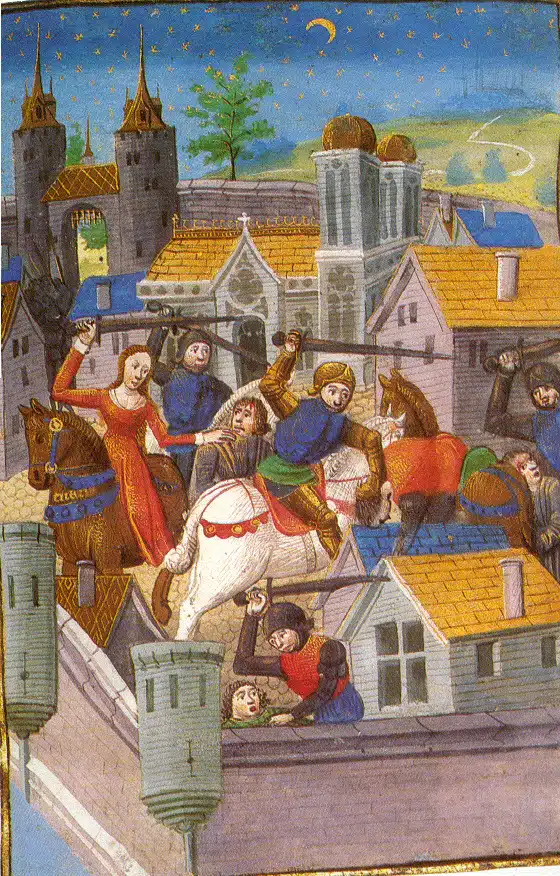
Women commanded troops, defended cities, and entered chivalric orders, challenging the familiar image of knighthood and claiming recognition for military courage and leadership.

She turned observations of flowers and plants into intricate textile designs, building a successful creative career and leaving rare evidence of women’s work in the industry.

Women’s discoveries transformed understanding of matter, heredity, and life, advancing scientific fields even as exclusion and discrimination limited access to research and recognition.
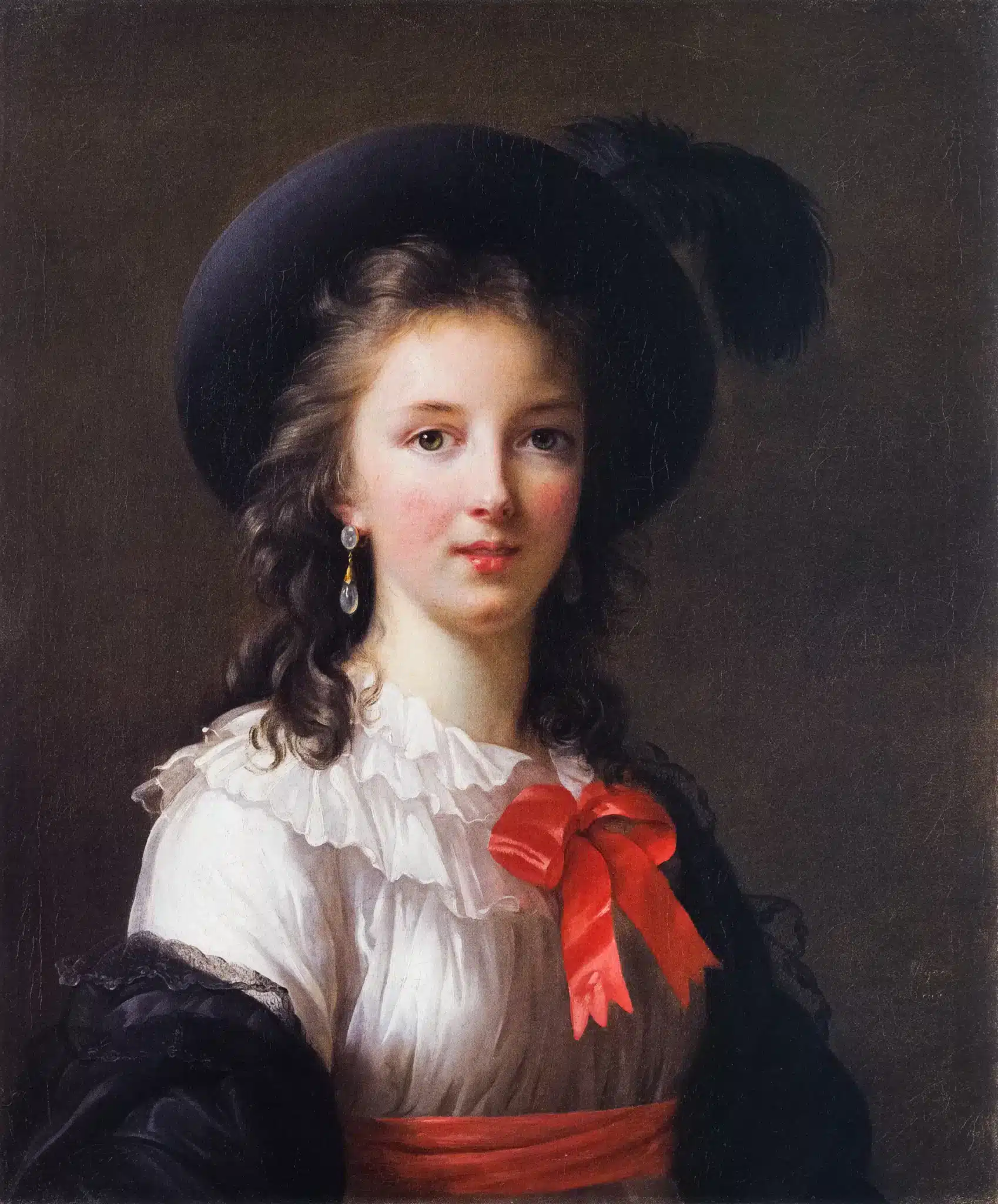
She built a celebrated portrait career despite barriers to formal training, using artistic skill and determination to earn recognition across courts and countries.

Women claimed spiritual authority through visions, writing, and religious communities, creating room for leadership and self-governance in a world that often dismissed their judgment.
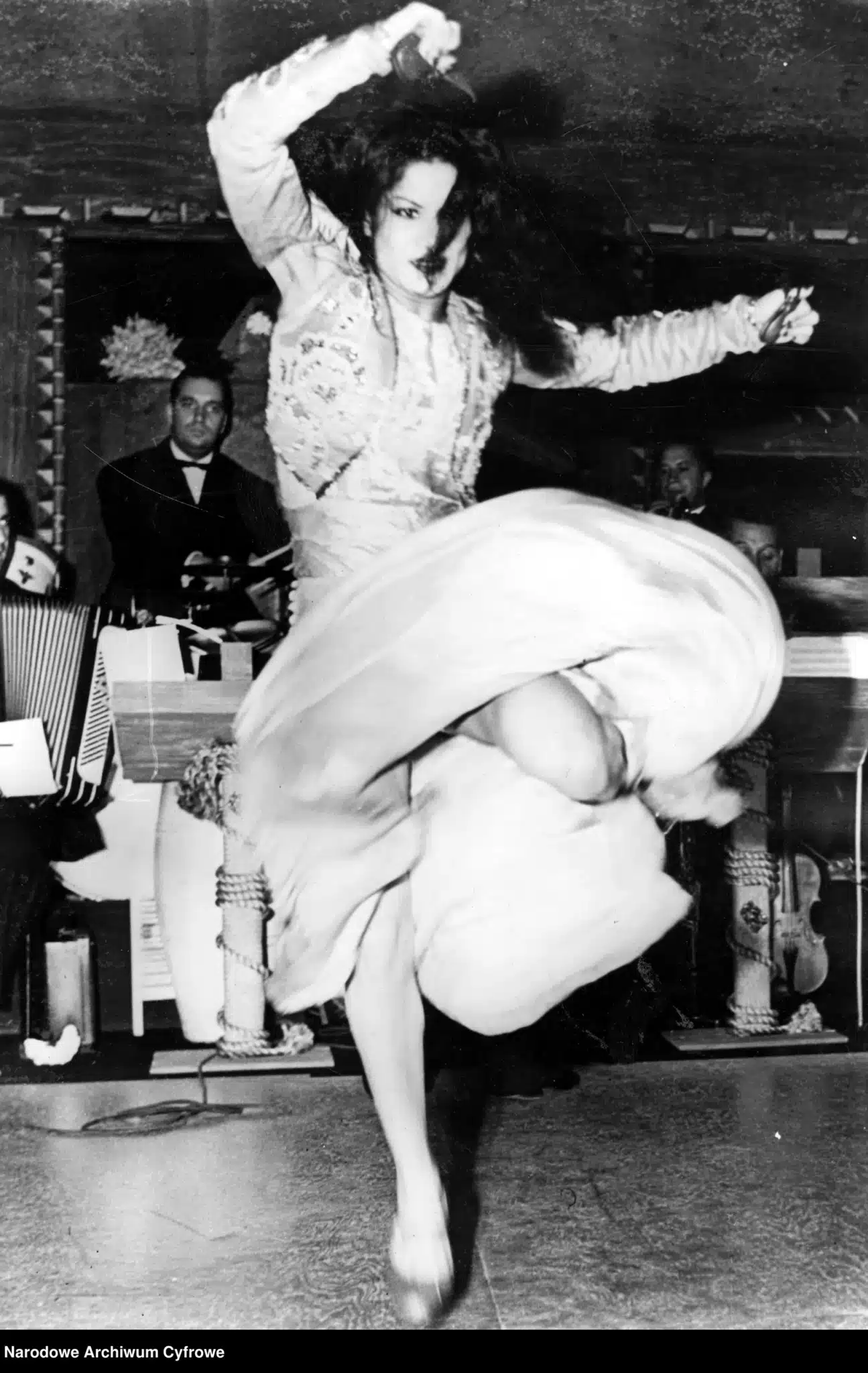
She brought lightning-fast footwork and a bold new style to flamenco, challenging conventions about women’s dancing and thrilling audiences far beyond her home country.

She challenged the double standards of a royal marriage and faced permanent exile, exposing how little protection status offered a woman who refused its expectations.
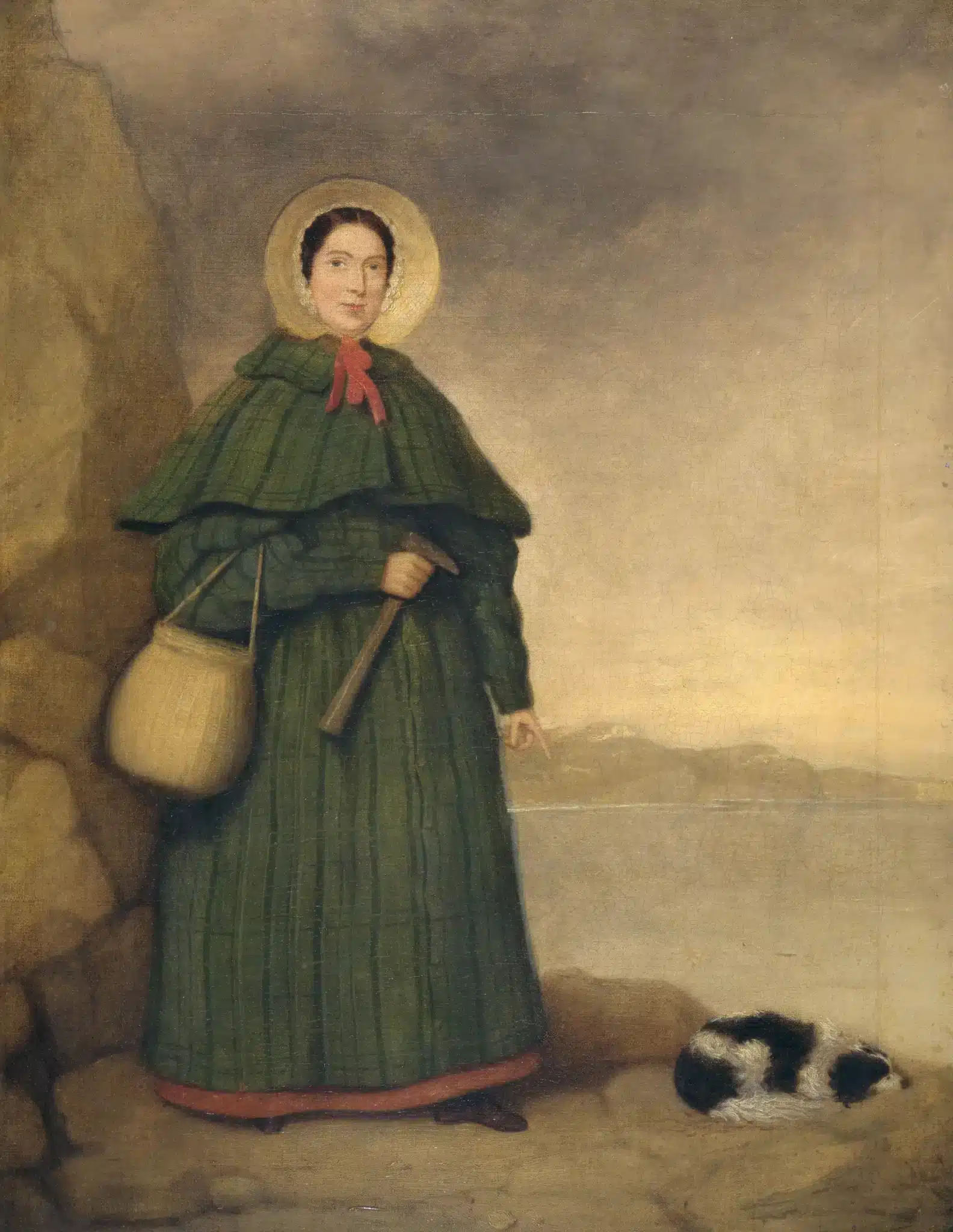
Her fossil discoveries transformed understanding of prehistoric life, advancing a new scientific field even as gender and class barriers limited the credit she received.

Her election to the presidency challenged expectations of who could lead a country, bringing experience in education and the arts into a powerful public role.
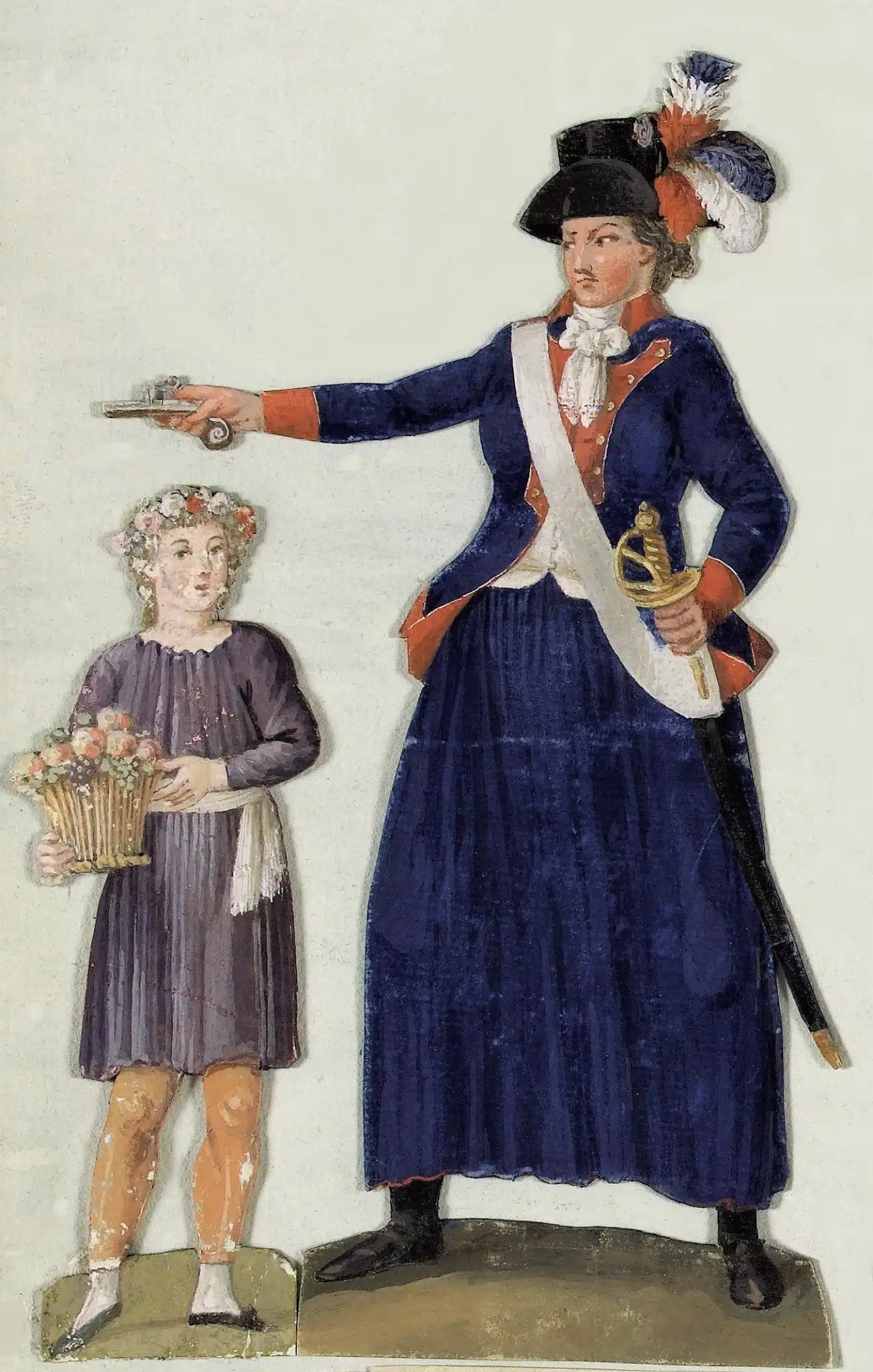
She embraced a revolution’s promise of liberty and equality, entering political life where a woman’s ambition attracted both passionate support and vicious public attacks.
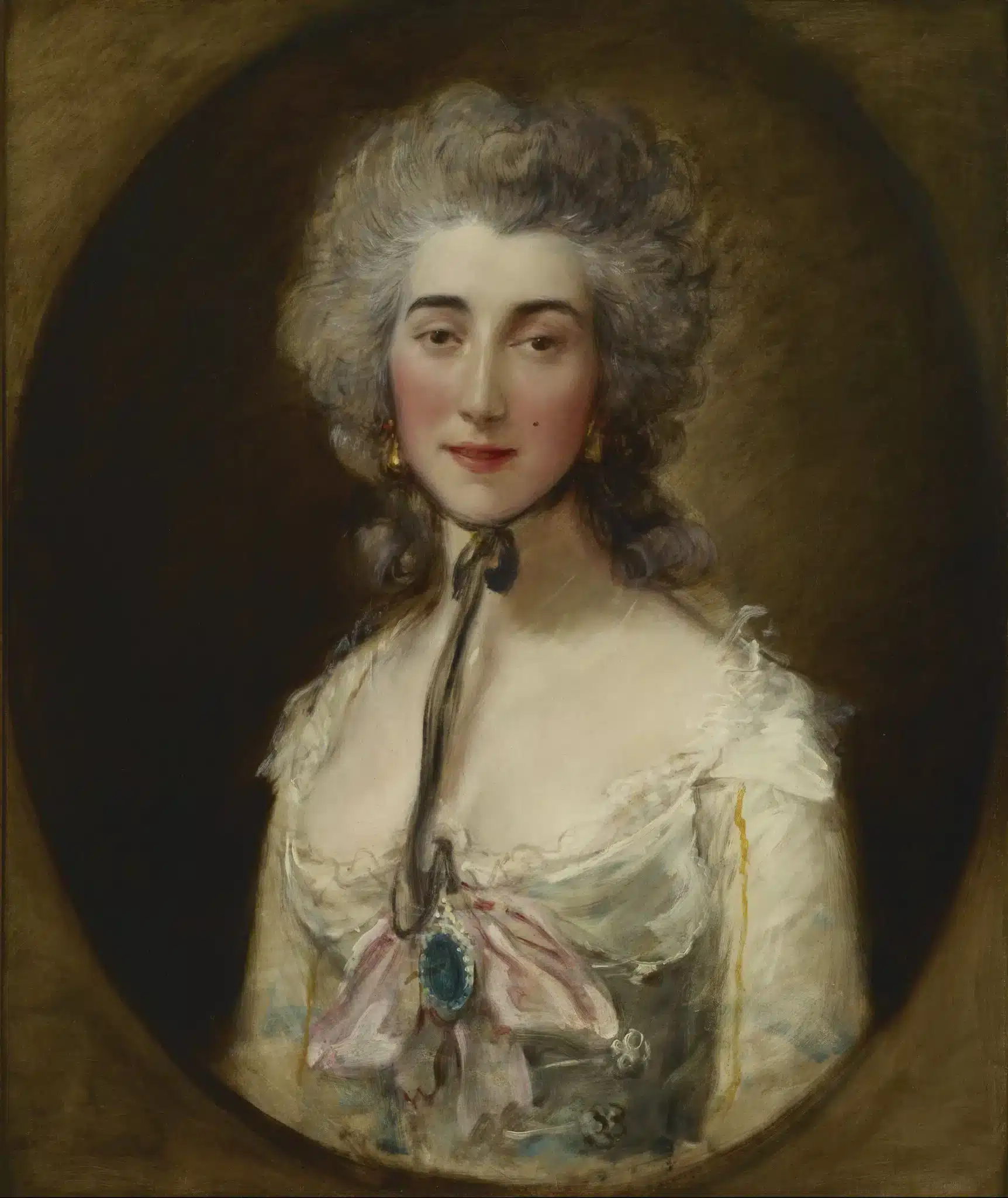
She risked her life to help others during a revolution, leaving a memoir that preserves a woman’s perspective on political upheaval and the struggle to survive it.
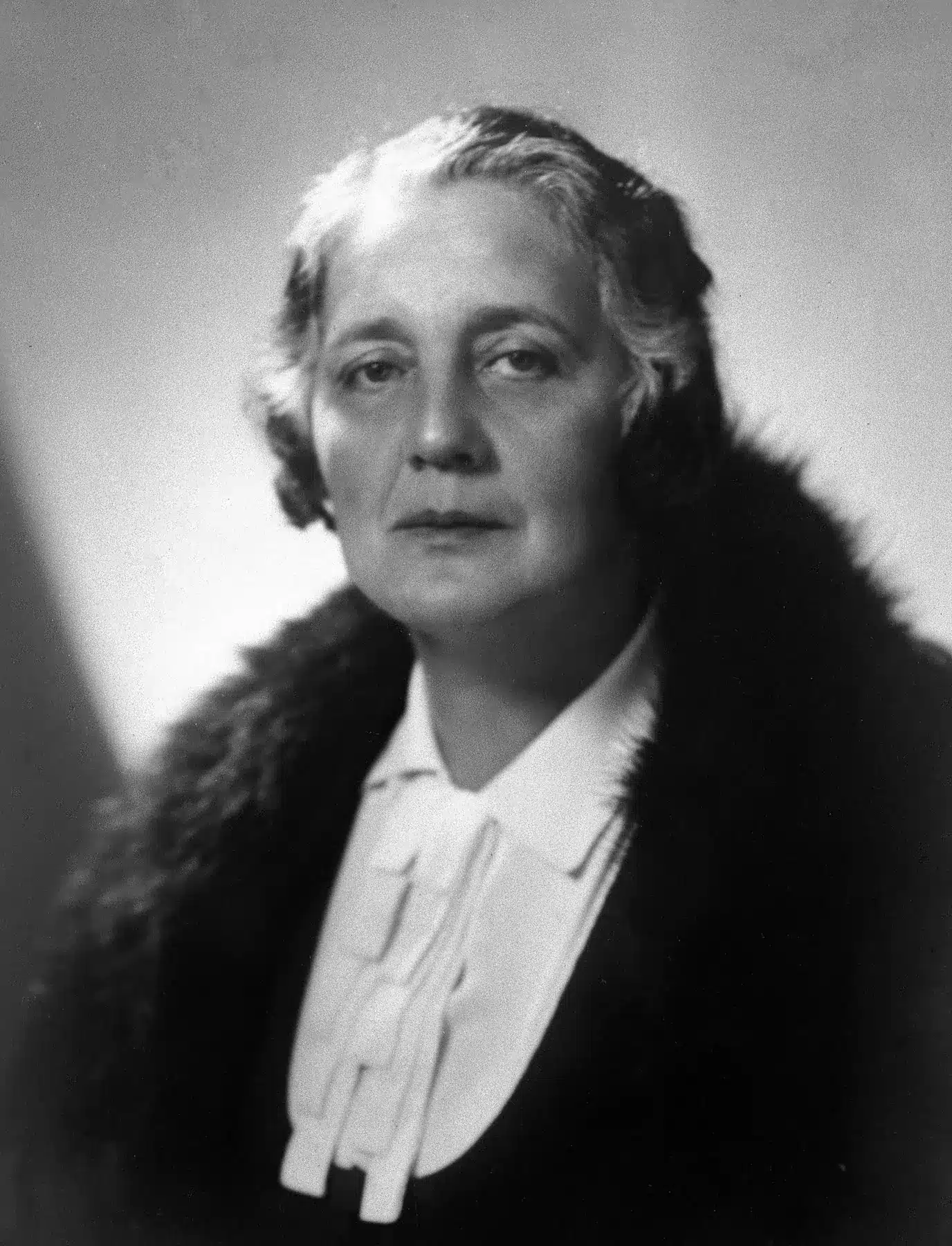
She took children’s inner lives seriously, developing theories that challenged her peers and helped reshape psychoanalysis despite her unconventional path into the profession.