

For generations, married women in the United States could earn wages only to have their husbands claim the money. Winning control of their earnings was part of a much longer fight for financial independence, one that followed a different course in each country. American women campaigned to change property laws, opened banks to serve customers other bankers rejected, and challenged lenders who treated them as dependents. In 1974, they won a major victory: a federal law banning credit discrimination based on sex or marital status.
Could Women Open Bank Accounts Before 1974?
Women were opening bank accounts in the United States during the 1800s. The San Francisco Savings Union, founded in 1862, even advertised that married women could deposit and withdraw money in their own names. The 1974 law instead addressed discrimination against women applying for loans and credit cards.
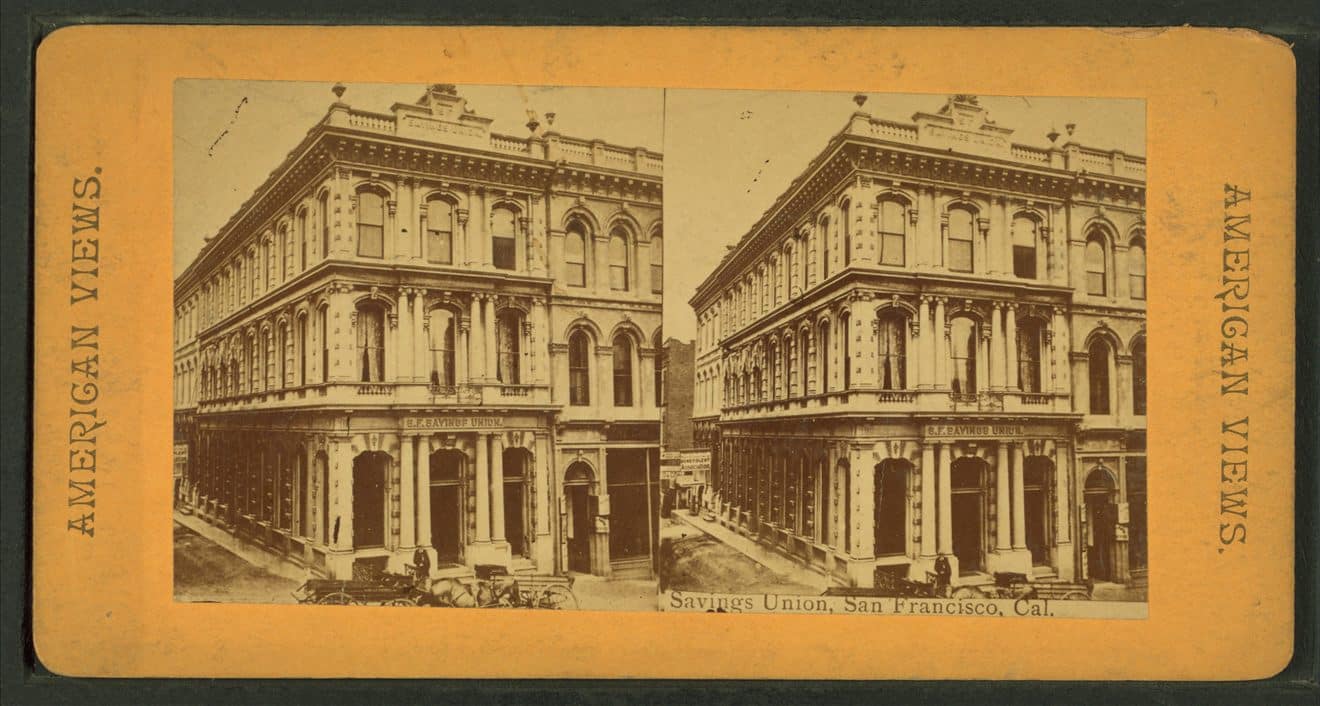
When Could Married Women Keep Their Own Money?
Under coverture, a set of legal rules inherited from England, marriage gave a husband extensive control over his wife’s property and earnings. An unmarried woman or widow generally had more freedom to manage her money. Getting married could mean losing that independence, including the right to the wages she worked for.
Women’s rights campaigners challenged these restrictions alongside their exclusion from politics. At the Seneca Falls Convention in 1848, they demanded control of their property and wages as well as the vote.
The campaign had to be fought state by state. New York’s Married Women’s Property Act of 1848 protected property a woman brought into a new marriage, along with gifts and inheritances from people other than her husband. It still left her wages unprotected.
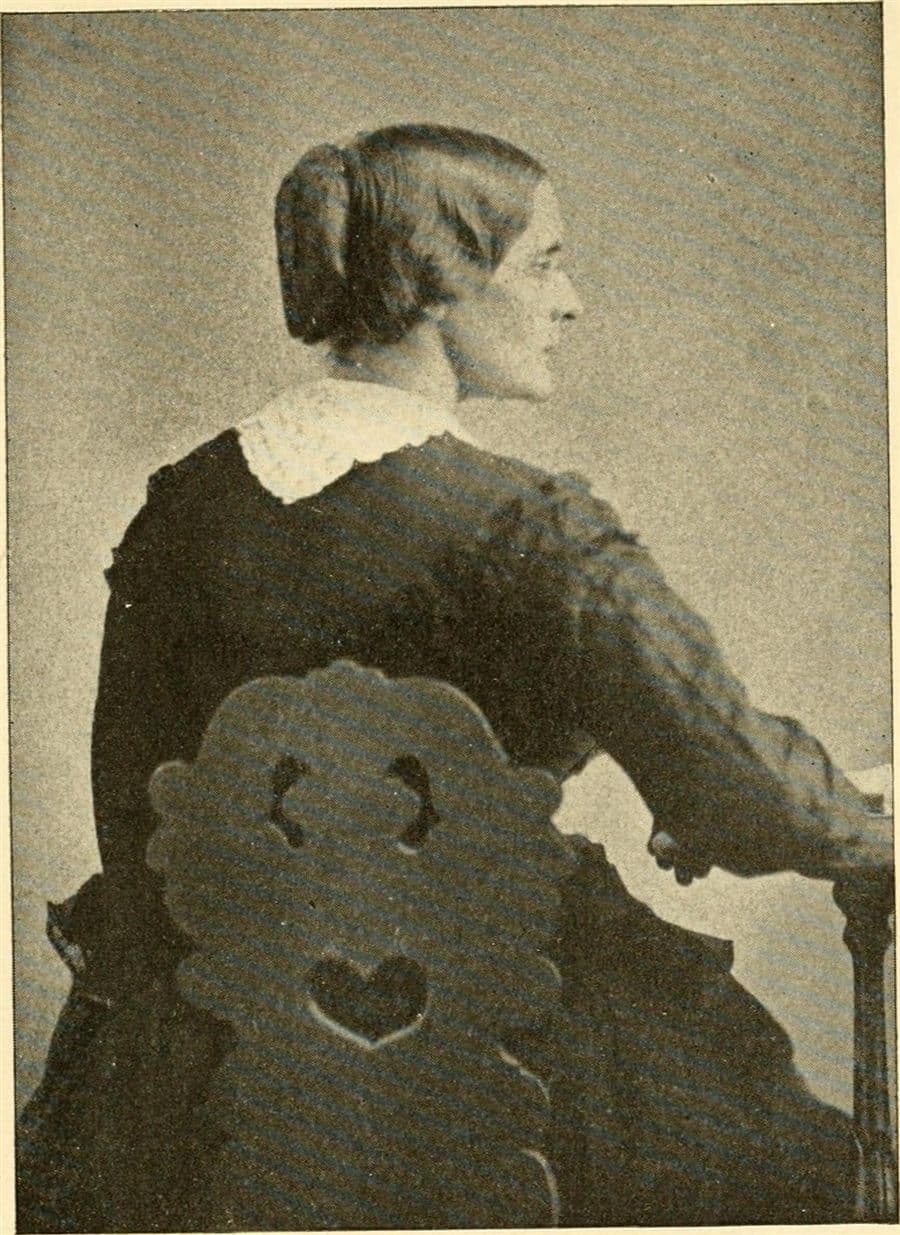
Susan B. Anthony helped campaign to change that in the 1850s. She traveled to meetings, gathered signatures, and pressed legislators to expand married women’s rights. She also helped negotiate and draft the 1860 law protecting a married woman’s earnings from her work and business.
Even with that law, judges could decide that paid work was part of a wife’s duty to her husband. In an 1876 New York case, a woman had nursed a sick boarder in the family home. Her husband claimed payment for her work, and the court sided with him. The money she had earned was his to claim.
The ruling reflected the belief in separate spheres: men belonged in business, while women belonged in the home. Work a wife did there could still be treated as a service she owed her husband, even when someone was paying for it.
Maggie Lena Walker Builds a Bank for Her Community
Black women faced another barrier when they brought their money to a bank. White bankers denied Black customers loans or charged them higher interest, and some refused even to accept their deposits. In Richmond, Virginia, Maggie Lena Walker wanted her community to have a bank of its own.
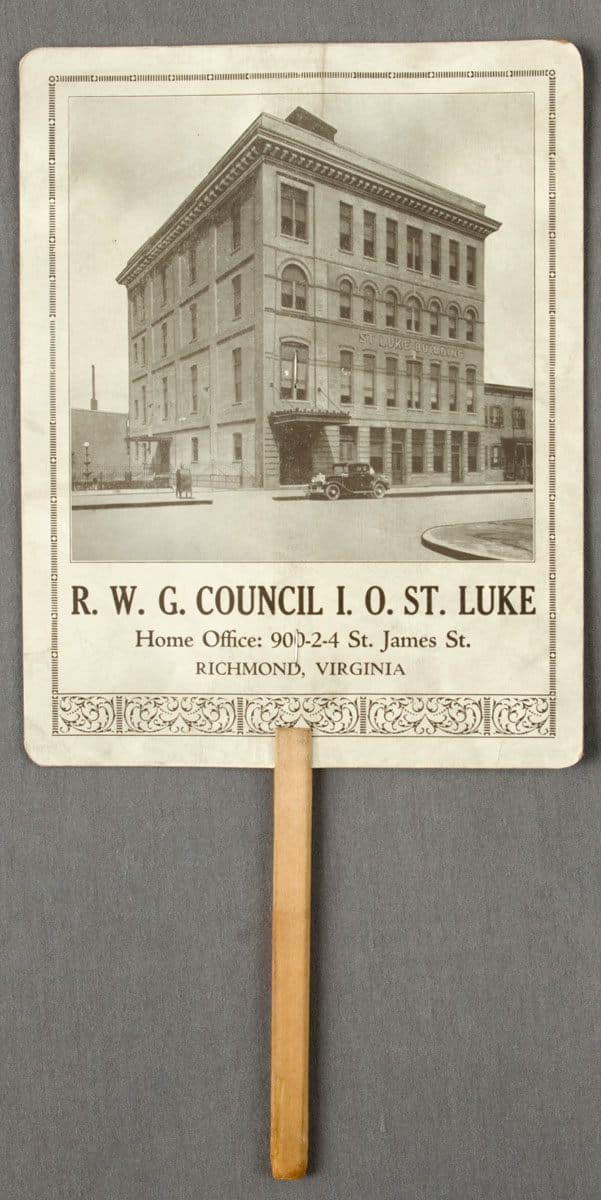
Walker led the Independent Order of St. Luke, a Black mutual aid organization whose members pooled resources to help one another through illness and other hardships. In 1901, she proposed that they use their strength as an organization to open a bank.
Let us have a bank that will take the nickels and turn them into dollars.
Maggie Lena Walker, Independent Order of St. Luke convention, 1901
Walker asked St. Luke’s local councils to buy shares to help finance the bank, and urged both the councils and individual members to open accounts. She prepared to run it by spending two hours a day at Richmond’s Merchants National Bank, studying banking procedures.
On November 2, 1903, the St. Luke Penny Savings Bank opened with Walker as president. Nearly 300 people waited to open accounts, including one customer who deposited just 31 cents. Walker encouraged children to save too, distributing penny banks to St. Luke families. Once children had saved a dollar, they could open an account.
The bank also helped Black families buy homes. By 1920, it had made more than 600 home loans. Walker later guided it through a merger with two other Richmond banks and remained board chair until her death in 1934.
When Could Women Get Credit Cards in Their Own Names?
Decades after Walker opened her bank, lenders were still treating women as financial dependents. Women could get credit cards before 1974, but a lender could demand a male co-signer who would share responsibility for the debt. A woman’s own income wasn’t necessarily enough.
Marriage could even cost her credit she already had. A Utah investigation in 1974 found lenders requiring women to give up their cards and reapply when they married. One store credit manager explained the policy using an imaginary customer named Mary Smith. Once she became Mrs. John Jones, the store wanted an application in her husband’s name because “we don’t feel there is a Mary Smith anymore.”
A woman could support her family and still be told to send her husband to the bank. Emily Card later recalled being refused a BankAmericard while living in California. Her husband would have to apply instead, she was told, “even though I was the breadwinner.”
When she later wanted to buy a home, Card recalled, a bank refused her a mortgage because she was a woman. She hired a lawyer, and the bank backed down and lent her the money.
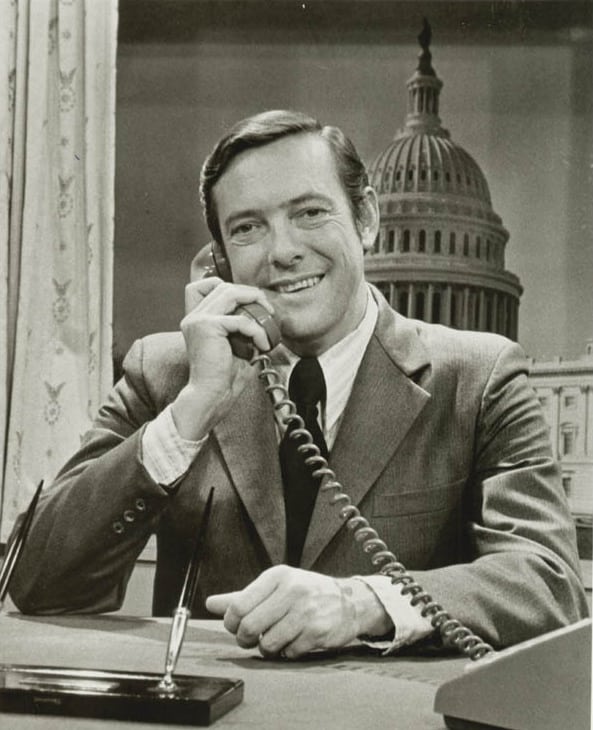
Card went on to help challenge discrimination beyond her own applications. While working for Senator Bill Brock of Tennessee, she brought the problem to his attention. He said he would consider taking legislation to the Senate if she could show why a federal law was needed. She gathered evidence of discrimination in a 25-page report and convinced him. Brock carried the proposal through the Senate, and it became part of the Equal Credit Opportunity Act signed into law in 1974.
What Did the Equal Credit Opportunity Act Change?
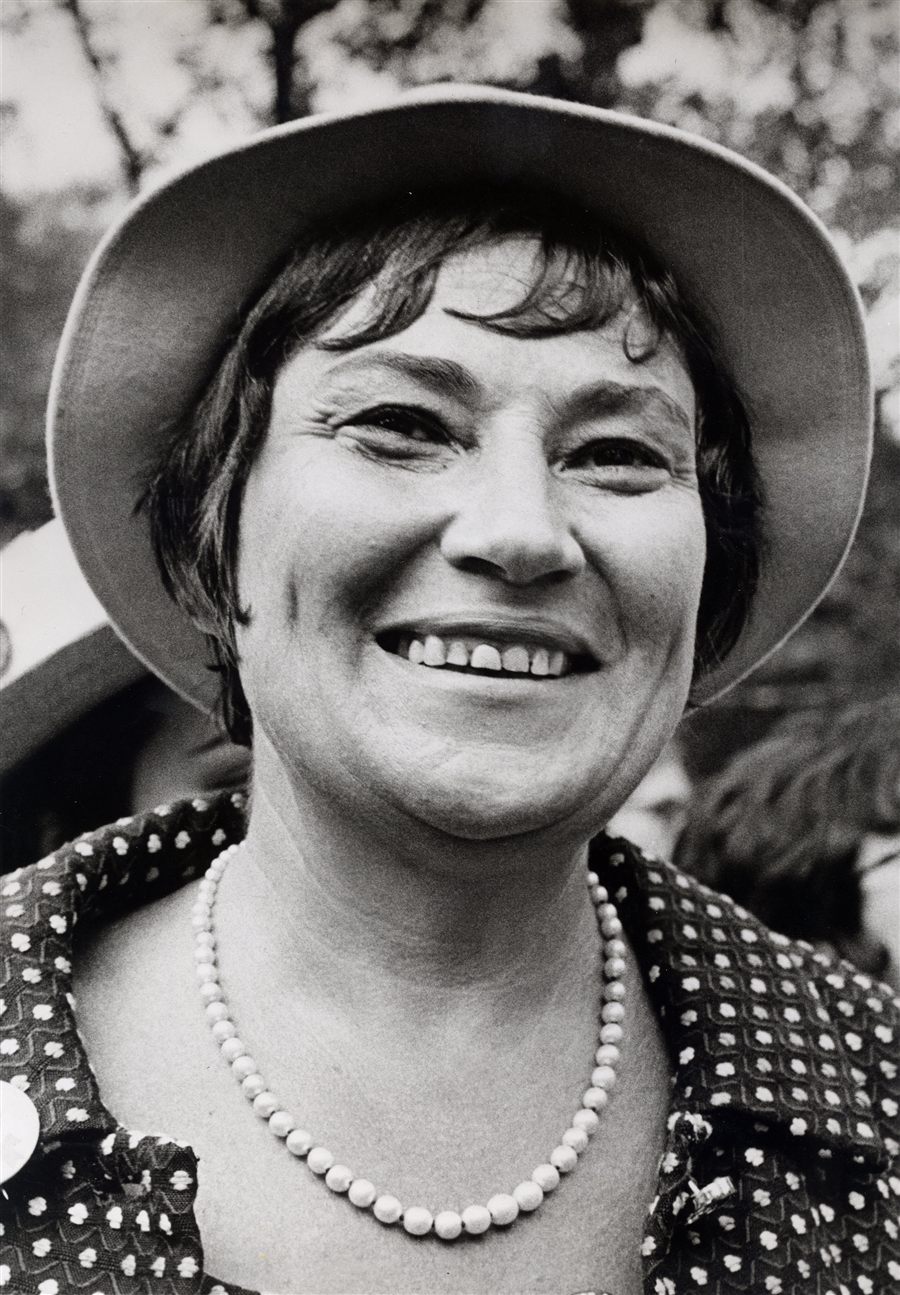
Women in Congress were also working to outlaw credit discrimination. Representative Bella Abzug of New York introduced an equal credit bill in 1972. When it stalled, she introduced it again.
The campaign coincided with the fight for the Equal Rights Amendment, which sought a constitutional guarantee of equality regardless of sex. The credit bill addressed one of the ways women were denied equal treatment: lenders could reject them because they were women, or insist on dealing with their husbands.
Brock brought a bill through the Senate, and Congress passed the legislation. President Gerald Ford signed the Equal Credit Opportunity Act on October 28, 1974. It took effect a year later. Congress expanded it in 1976 to prohibit discrimination on additional grounds, including race.
Lenders could still assess whether an applicant could repay a loan. But they could no longer legally discriminate against her because she was a woman or because she was married, single, or divorced.
Women could now sue creditors who broke the law and seek financial compensation. A banker’s belief that a woman needed a man to handle her finances was no longer a legal excuse to refuse her credit.
Sources and Further Reading
- New York Fed Research Library: Historical Echoes on Women’s Checking Accounts
- New York’s Married Women’s Property Act, 1848
- Reva B. Siegel: The Modernization of Marital Status Law, 1860–1930
- National Park Service: Declaration of Sentiments
- National Park Service: The St. Luke Penny Savings Bank
- National Park Service: Maggie L. Walker
- Utah Advisory Committee: Credit Availability to Women in Utah, 1975
- Tulane University: Women at the Top of Their Game, including Emily Card’s recollections
- U.S. House History: Bella Abzug and the Equal Credit Opportunity Act
- Equal Credit Opportunity Act, 1974: Title V, pages 1521–1525
- National Archives: On the Basis of Sex, Equal Credit Opportunities
- National Park Service: Susan B. Anthony


Beyond the article
Join the Conversation
Share your perspective, ask a question, or add something to the story.