Rukhmabai, Doctor and Opponent of Child Marriage

Married at eleven, Rukhmabai refused a court’s demand that she live with her husband. She challenged child marriage in print, reached a settlement, and went on to treat women and train nurses.

Women worth knowing
Extraordinary women, overlooked stories, and a more complete history. Explore the lives, ideas, and achievements that changed the world.
Married at eleven, Rukhmabai refused a court’s demand that she live with her husband. She challenged child marriage in print, reached a settlement, and went on to treat women and train nurses.

The campaign for constitutional equality divided allies over labor protections, legal strategy, and women’s rights, sustaining a struggle that outlasted generations of activists.
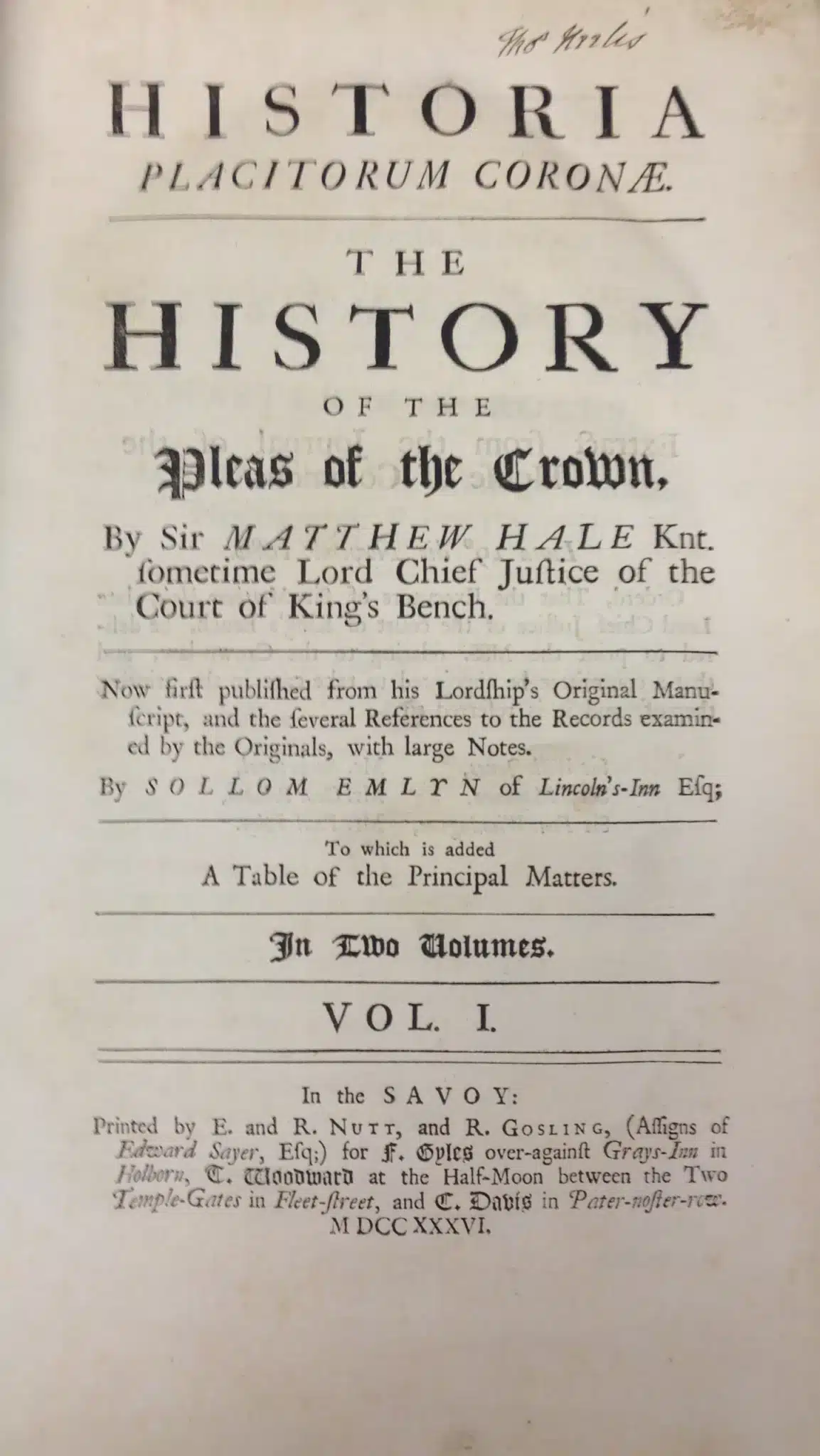
The fight to recognize consent within marriage challenged laws that protected husbands from prosecution, transforming the legal understanding of sexual violence and women’s autonomy.

Heavy skirts and restrictive corsets limited women’s movement. Campaigns for practical clothing linked everyday comfort with greater freedom to participate in public life.

Women’s convictions about religion shaped lives of achievement in science, literature, and philosophy, connecting intellectual independence with debates over belief and freedom of thought.
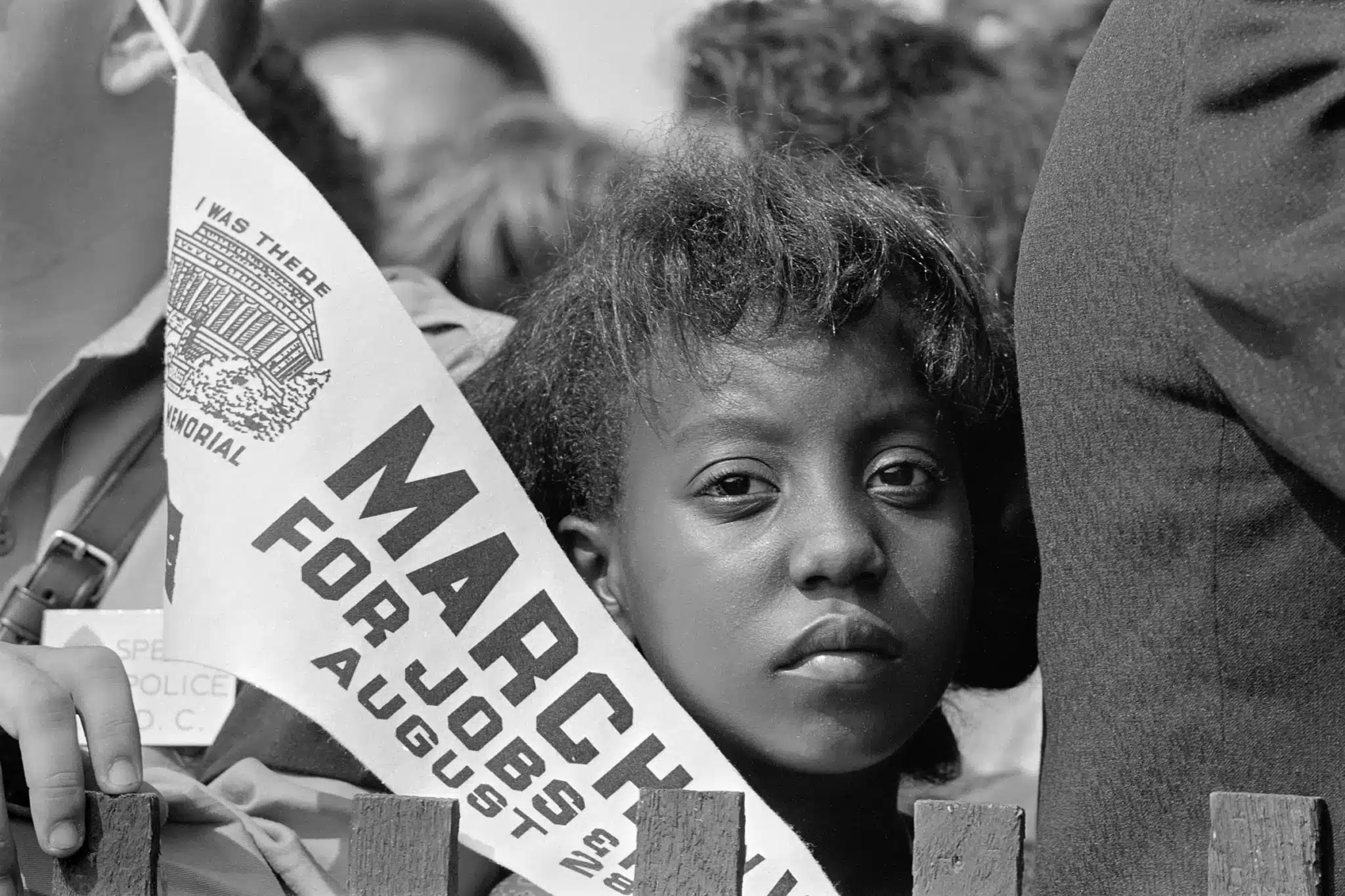
Women helped organize a defining civil rights demonstration while facing exclusion from its public platform, exposing the gap between their essential work and the recognition they received.

Enslaved women fought in court for their own freedom and their children’s, using legal claims to challenge a system that treated their families as property.
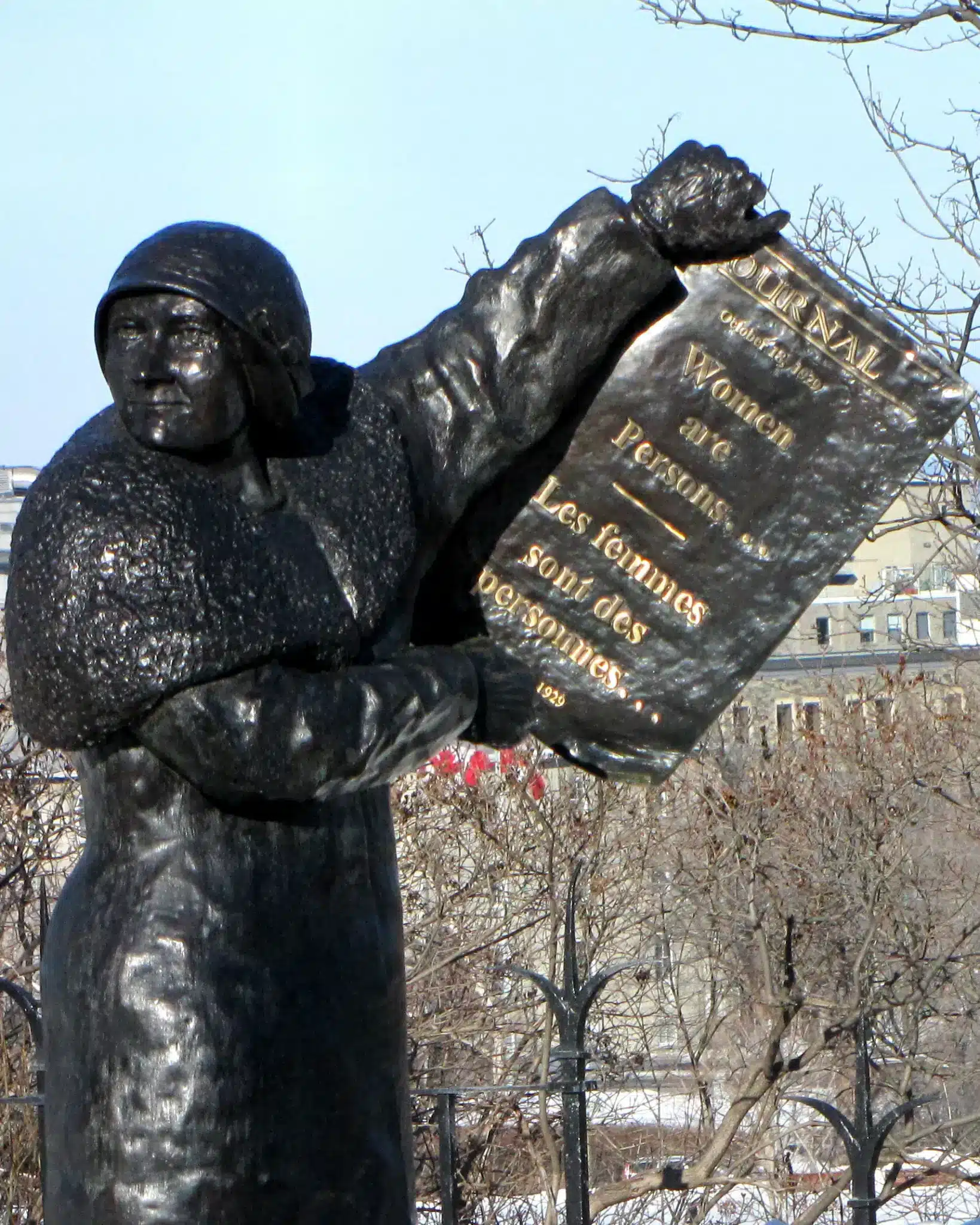
A challenge to women’s exclusion from political office changed how constitutional language was understood, opening opportunities and rejecting a reading of personhood that favored men.

Women could own property and exercise substantial legal rights in this ancient society, challenging assumptions that women’s financial independence belongs only to the modern world.

Women created space for serious intellectual conversation in literary societies, challenging expectations of femininity even as a label for learning became a weapon of ridicule.

Pregnancy could postpone a woman’s execution under common law, creating a route to survival that exposed the complicated relationship between reproductive status and criminal justice.
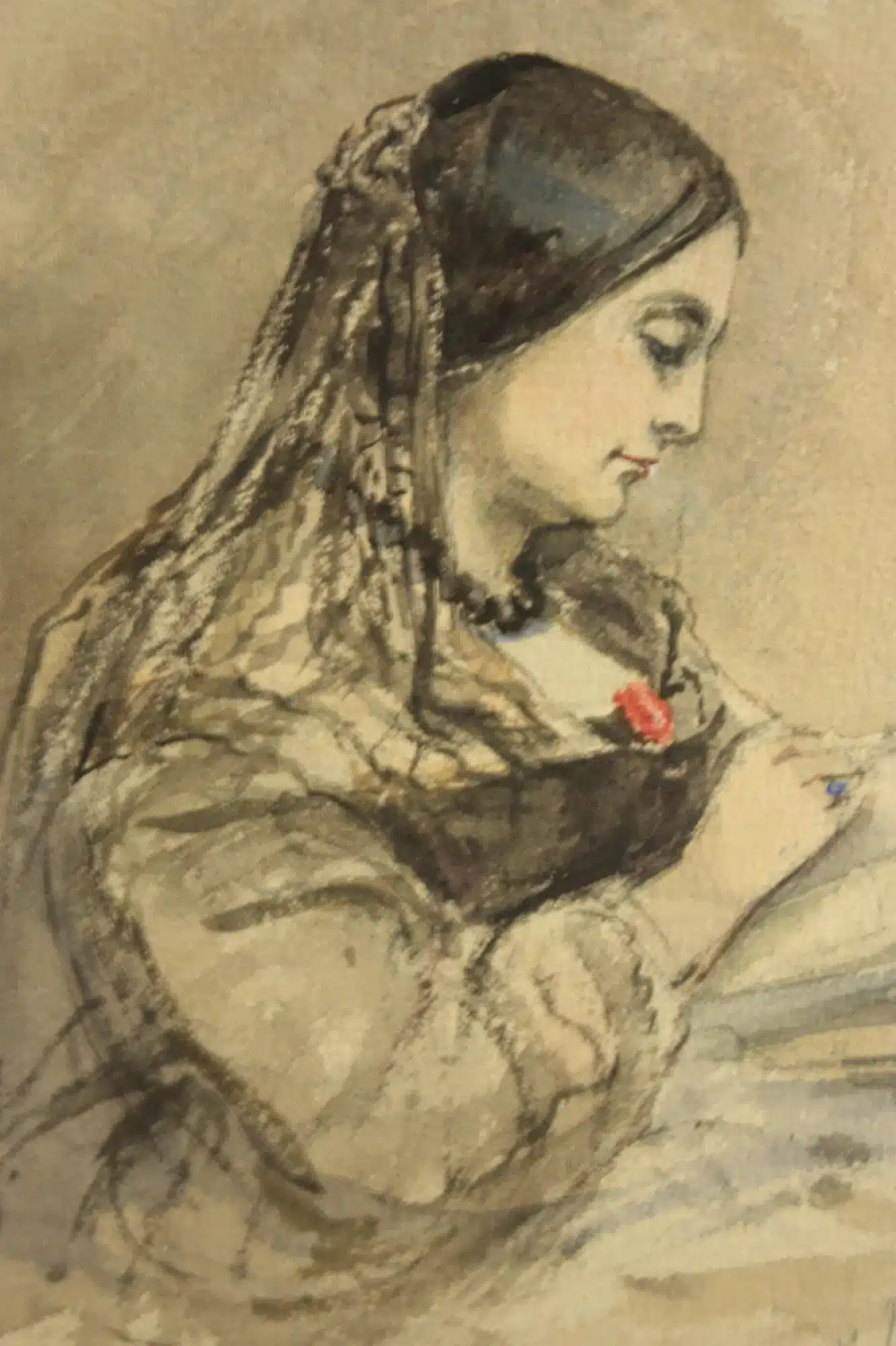
Property reforms gave married women greater control over their money and possessions, challenging laws that had tied their legal identity and financial security to their husbands.

Bicycles gave women new freedom to travel, dress, and move through public life, turning an everyday means of transport into a powerful challenge to conventional femininity.

The belief that women belonged at home shaped work, politics, and family life, embedding expectations that continued to influence society as women fought for equality.

Determined activists and private funding helped turn the birth control pill from an uncertain research project into a development that transformed women’s reproductive choices.
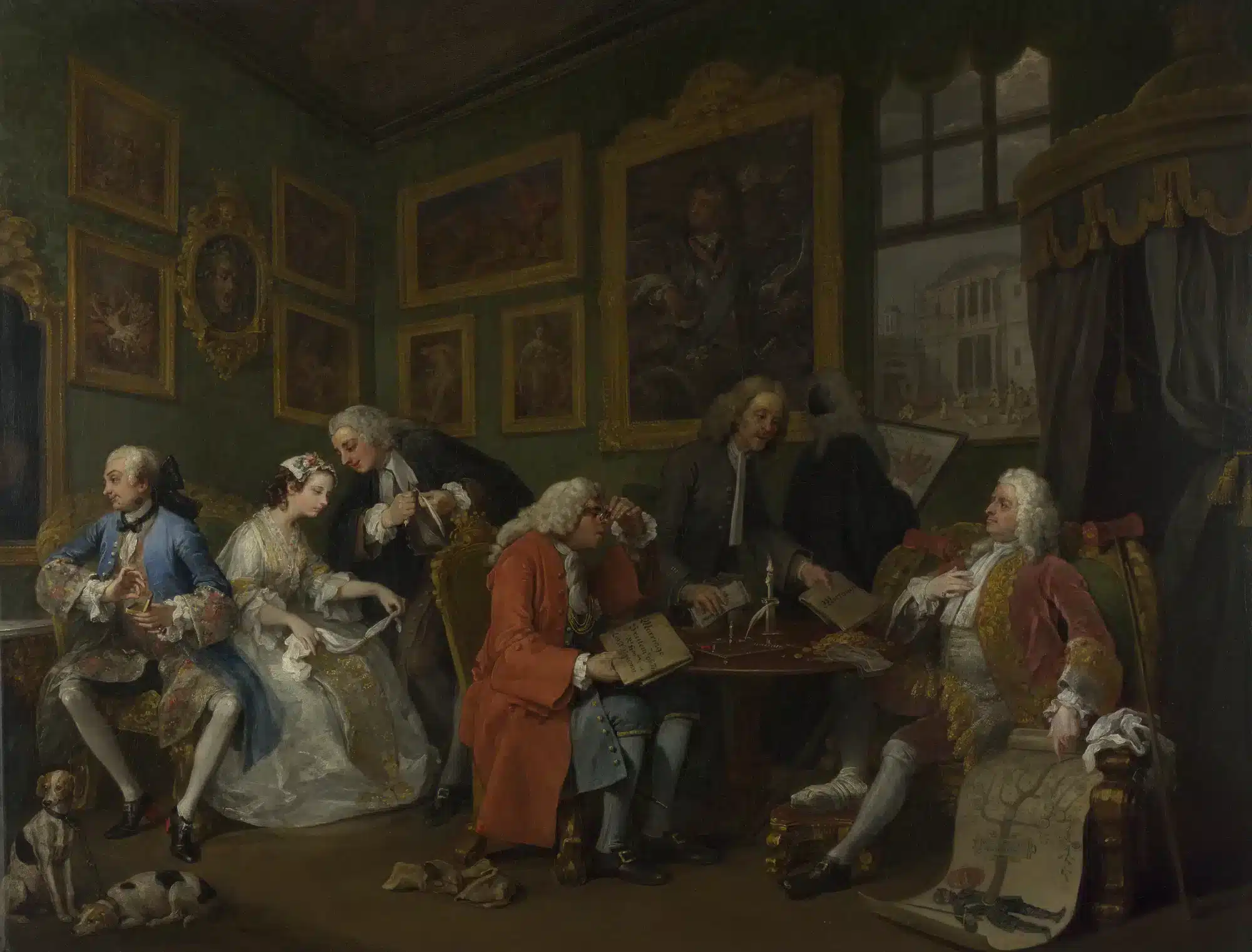
Addressing a wife by her husband’s name reflects a legal tradition that erased her separate identity, restricting control over her property, earnings, and future.