Aphra Behn, Professional Poet, Playwright & Spy

Aphra Behn earned her living writing plays for London audiences and published poetry under her own name. Before her literary success, she worked as a spy for Charles II.

Women worth knowing
Extraordinary women, overlooked stories, and a more complete history. Explore the lives, ideas, and achievements that changed the world.
Amazing women poets of the ages.
Aphra Behn earned her living writing plays for London audiences and published poetry under her own name. Before her literary success, she worked as a spy for Charles II.

Florbela Espanca fought to get her poems into print. Her sonnets won praise for their skill, and condemnation for giving voice to women’s desire.
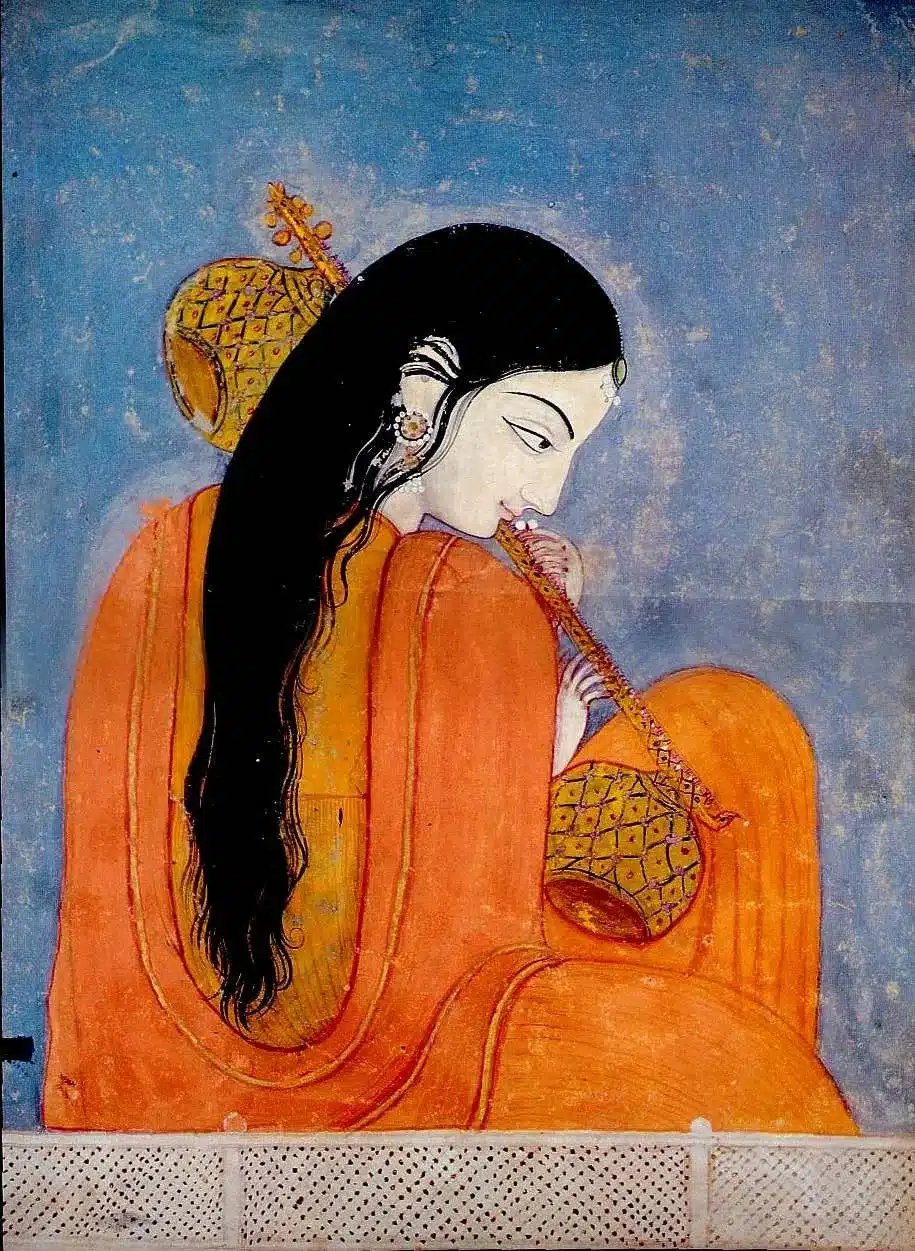
She chose spiritual devotion over royal expectations, expressing independence through poetry and song that challenged social hierarchies and carried her voice far beyond the palace.

A celebrated wartime anthem made her famous, but her poetry and activism also carried demands for abolition, women’s rights, and a broader role in public life.

She fused poetry with raw musical energy, helping shape a new rock movement and creating an artistic voice that influenced performers across generations.
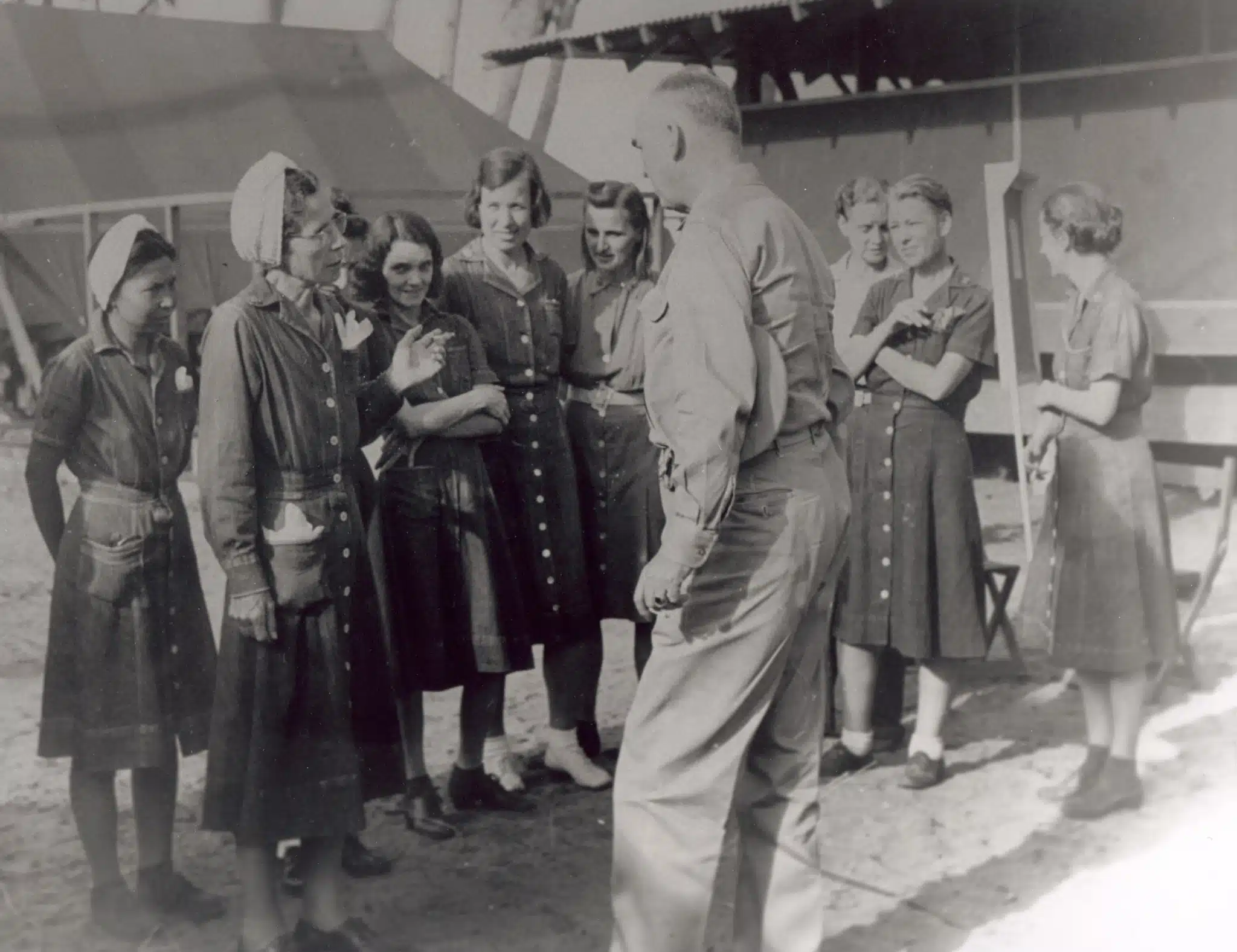
Her fiction imagined women resisting unwanted marriages and restrictive roles, giving literary form to a demand for independence that challenged the expectations of her society.
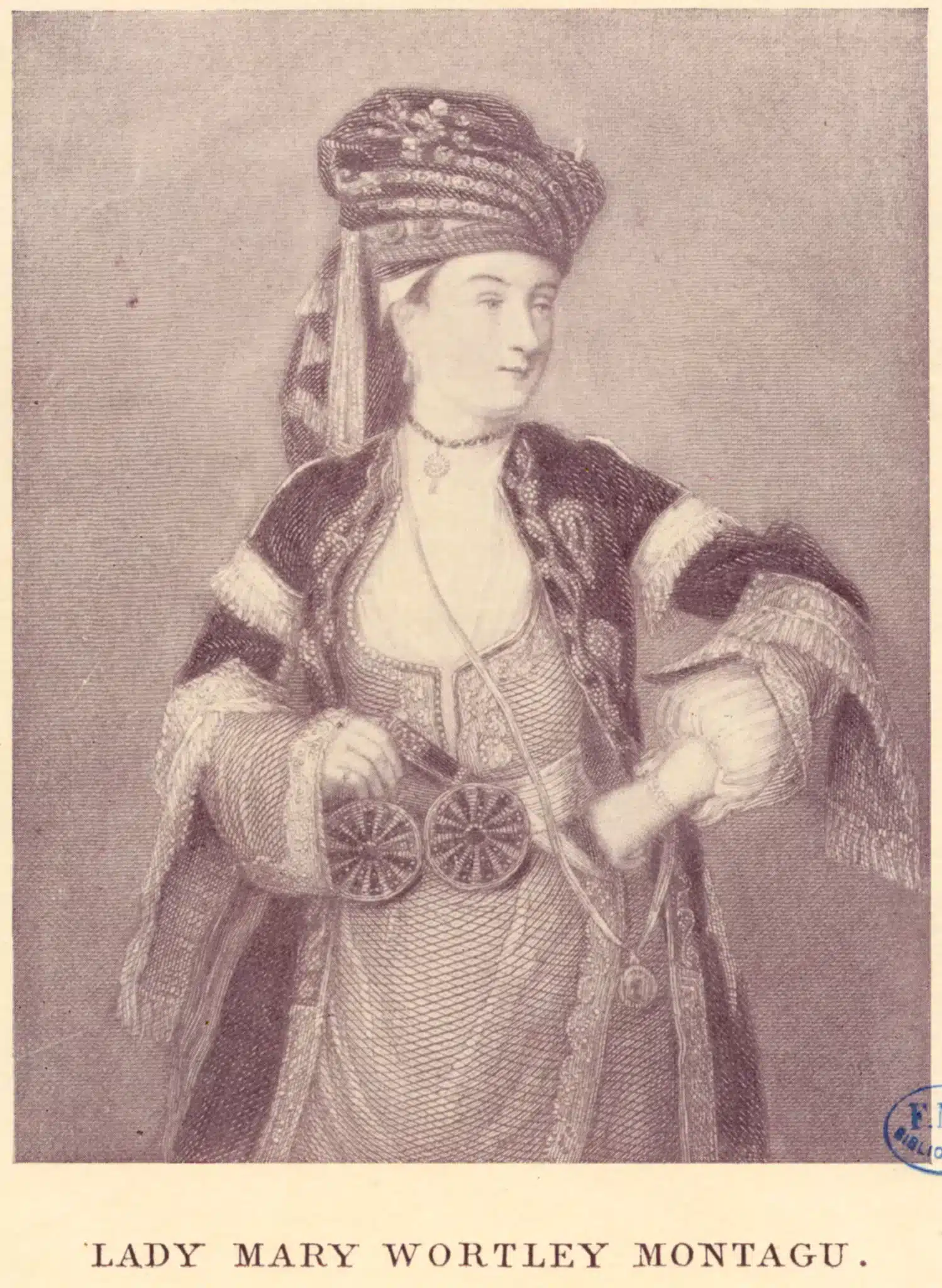
She championed knowledge of smallpox inoculation learned abroad, using her influence to challenge medical resistance and bring a different approach to preventing disease into public view.

She used poetry, journalism, and revolutionary organizing to demand education and freedom for women, risking her life to challenge the political and social order.

She defended her people’s sovereignty as foreign interests threatened their kingdom, while her music preserved a love of homeland that political defeat could not erase.

Her study of allegory influenced literary scholarship, while her poetry turned a deep love of language into work that reached readers beyond academia.
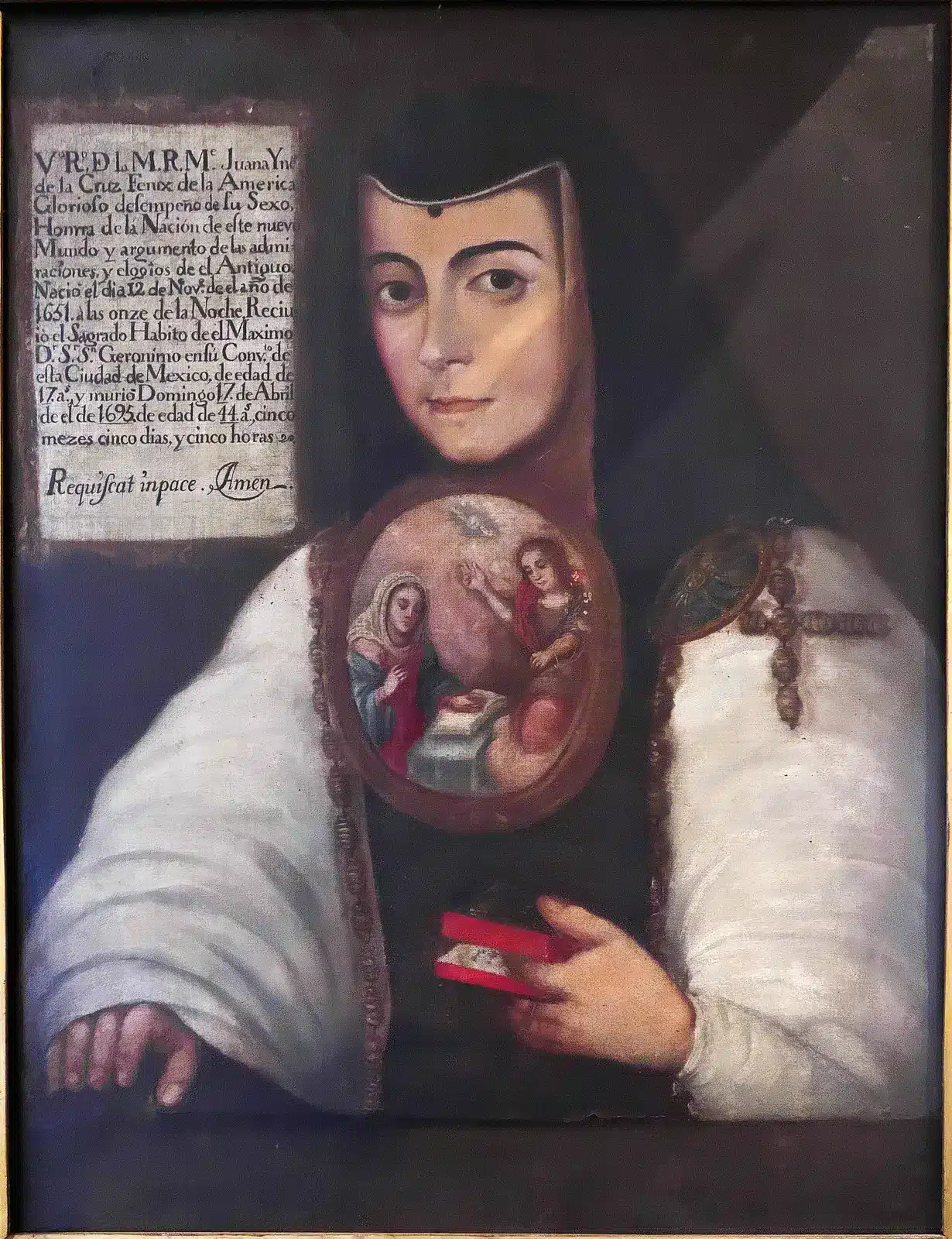
When religious authorities challenged her intellectual pursuits, she answered with a bold defense of women’s education, turning personal criticism into an enduring argument for equality.

She turned poetry into a powerful tool for women’s education, training traveling teachers who carried knowledge into communities and helped other women become educators.

Her ancient hymns survived through generations of copying, preserving a woman’s literary voice and offering a rare window into the beginnings of written authorship.