The Eucharist as Breastfeeding: Medieval Women Mystics and the Body of Christ
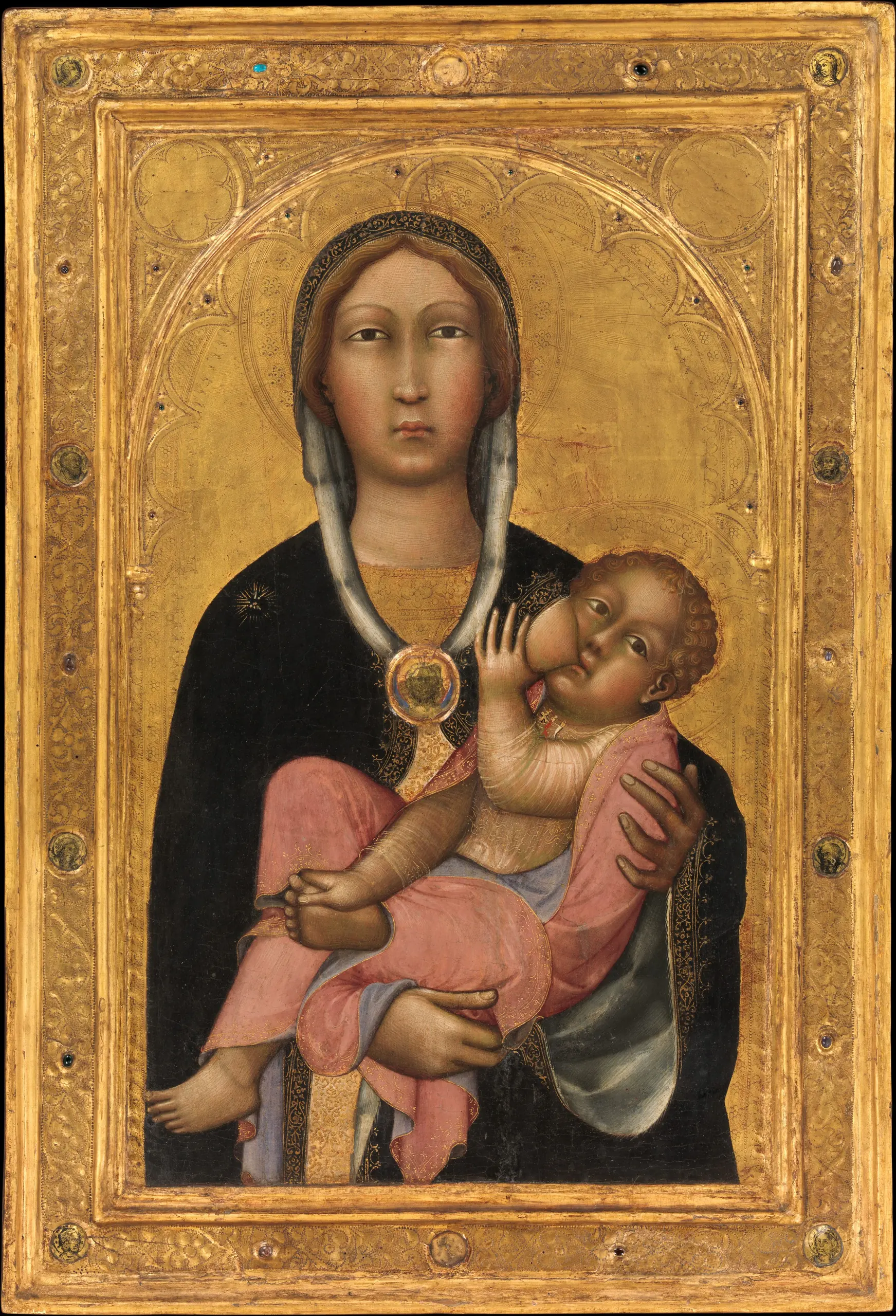
Julian of Norwich and Mechthild of Magdeburg used motherhood to describe divine power, from Christ feeding believers to a woman nourishing him.

Women worth knowing
Extraordinary women, overlooked stories, and a more complete history. Explore the lives, ideas, and achievements that changed the world.
Amazing English women in history.
Julian of Norwich and Mechthild of Magdeburg used motherhood to describe divine power, from Christ feeding believers to a woman nourishing him.

Women’s discoveries transformed understanding of matter, heredity, and life, advancing scientific fields even as exclusion and discrimination limited access to research and recognition.

Heavy skirts and restrictive corsets limited women’s movement. Campaigns for practical clothing linked everyday comfort with greater freedom to participate in public life.
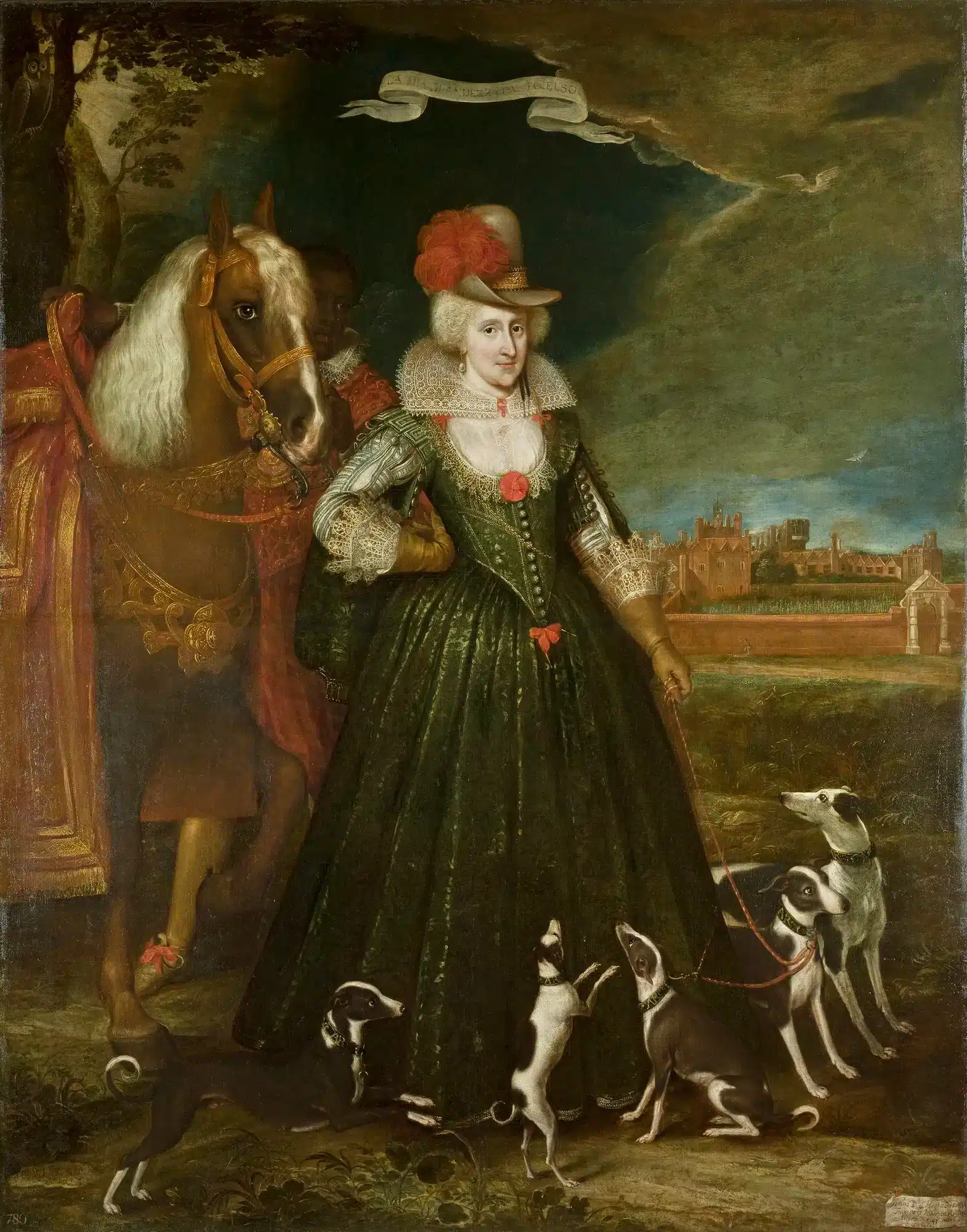
She used royal performances to celebrate powerful women and bring them into dramatic art, creating opportunities for participation that challenged the limits of a queen’s formal authority.
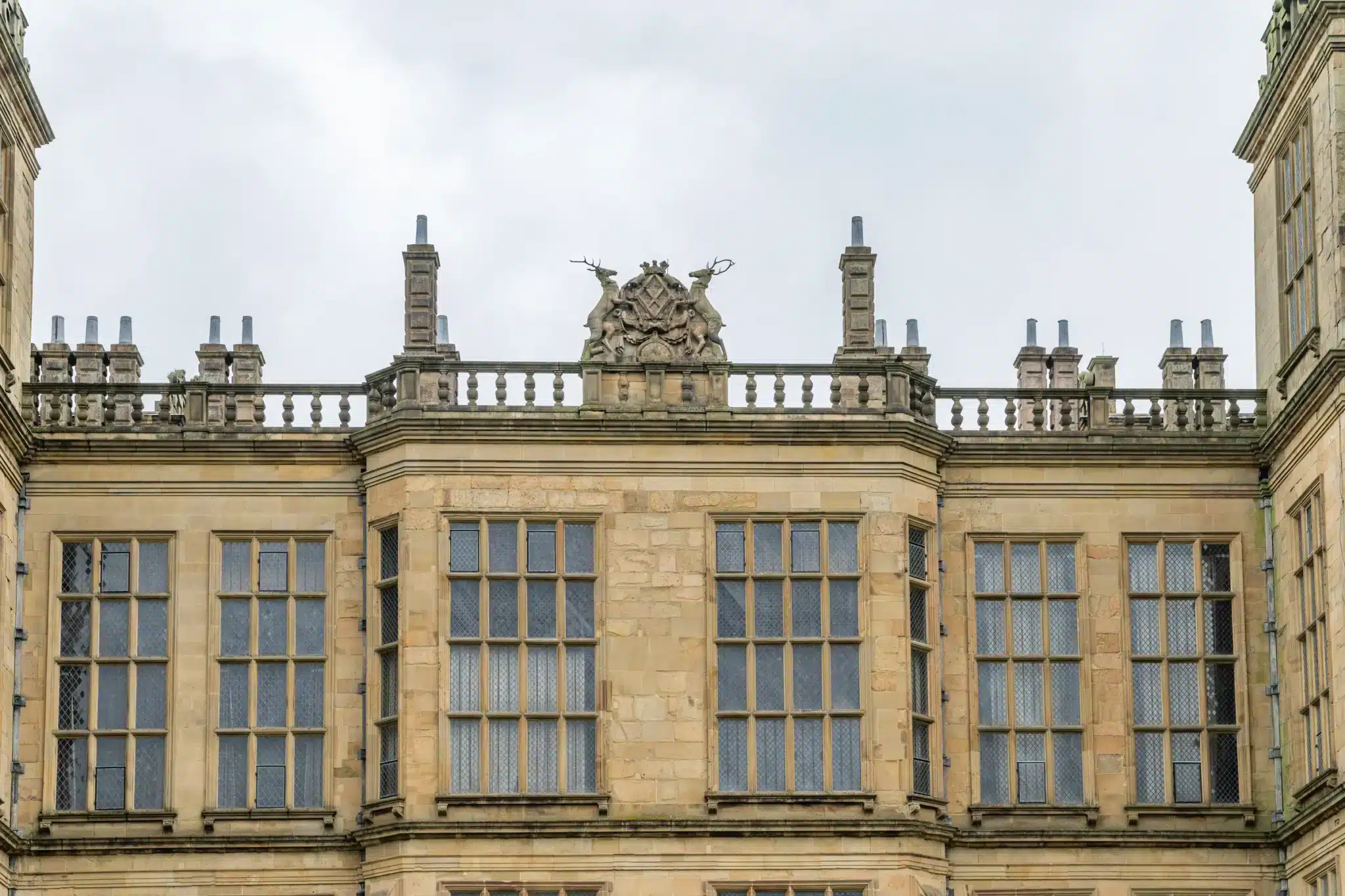
She turned family alliances and shrewd financial decisions into wealth and influence, building magnificent homes that made her ambition visible and preserved it for later generations.
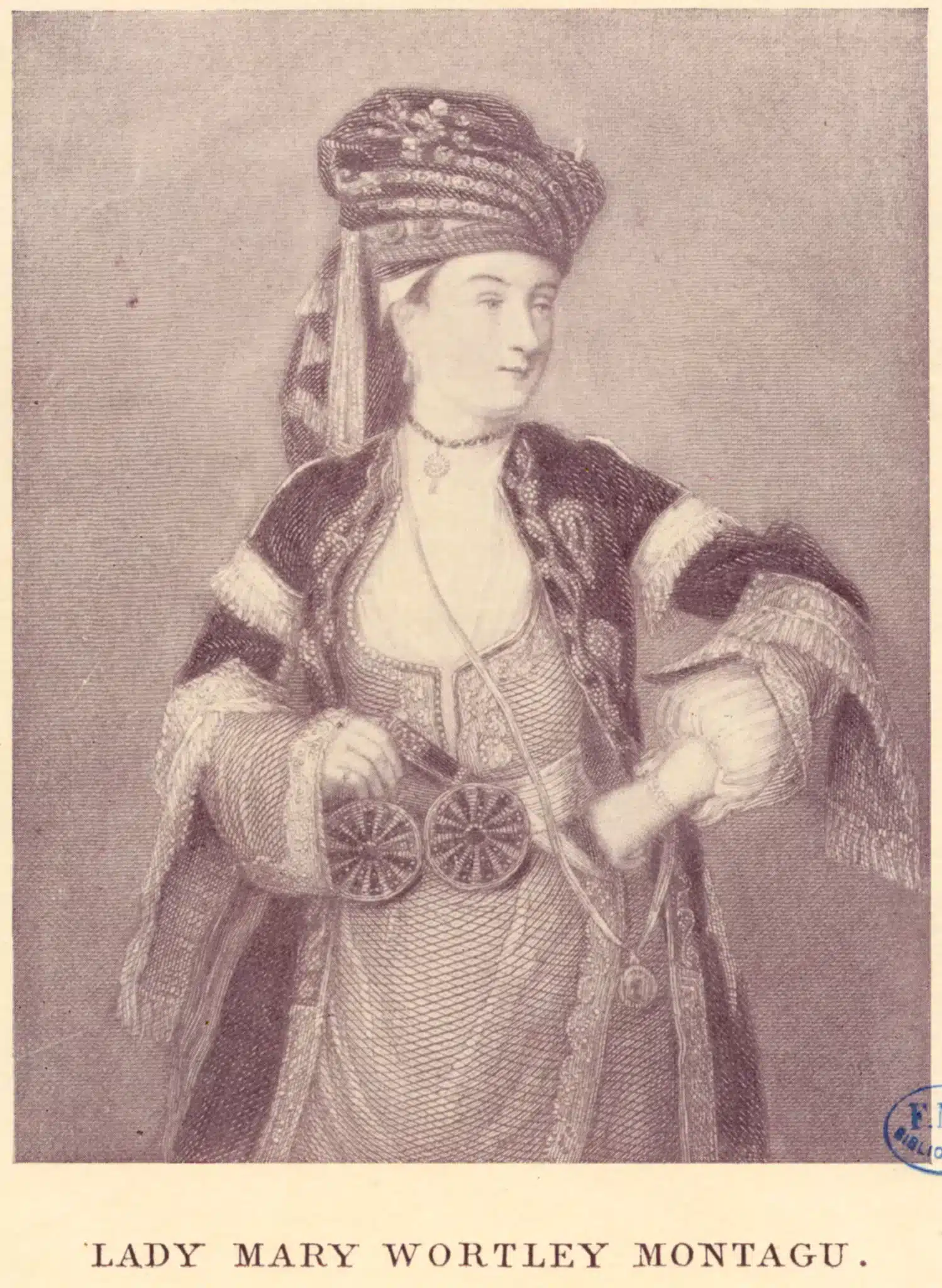
She championed knowledge of smallpox inoculation learned abroad, using her influence to challenge medical resistance and bring a different approach to preventing disease into public view.

She saw that computers could work with more than numbers, envisioning creative applications long before modern machines and helping establish the foundations of programming.

Women’s inventions transformed household tasks, industrial materials, and medical research, solving practical problems while challenging a patent system that underestimated their ideas.

She stood by her account of an abduction while powerful enemies attacked her reputation, holding her ground through court cases, public hostility, and intense pressure.

Her expertise in the region carried her from archaeology into wartime intelligence and state-building, where her political influence and museum work helped shape a country’s future.

Her fiction turned familiar landscapes into settings for unforgettable suspense, inspiring classic films and unsettling readers with stories that went well beyond conventional romance.

She navigated a royal marriage, civil war, and threats to her children, using family ties and political alliances to protect their place in a dangerous court.
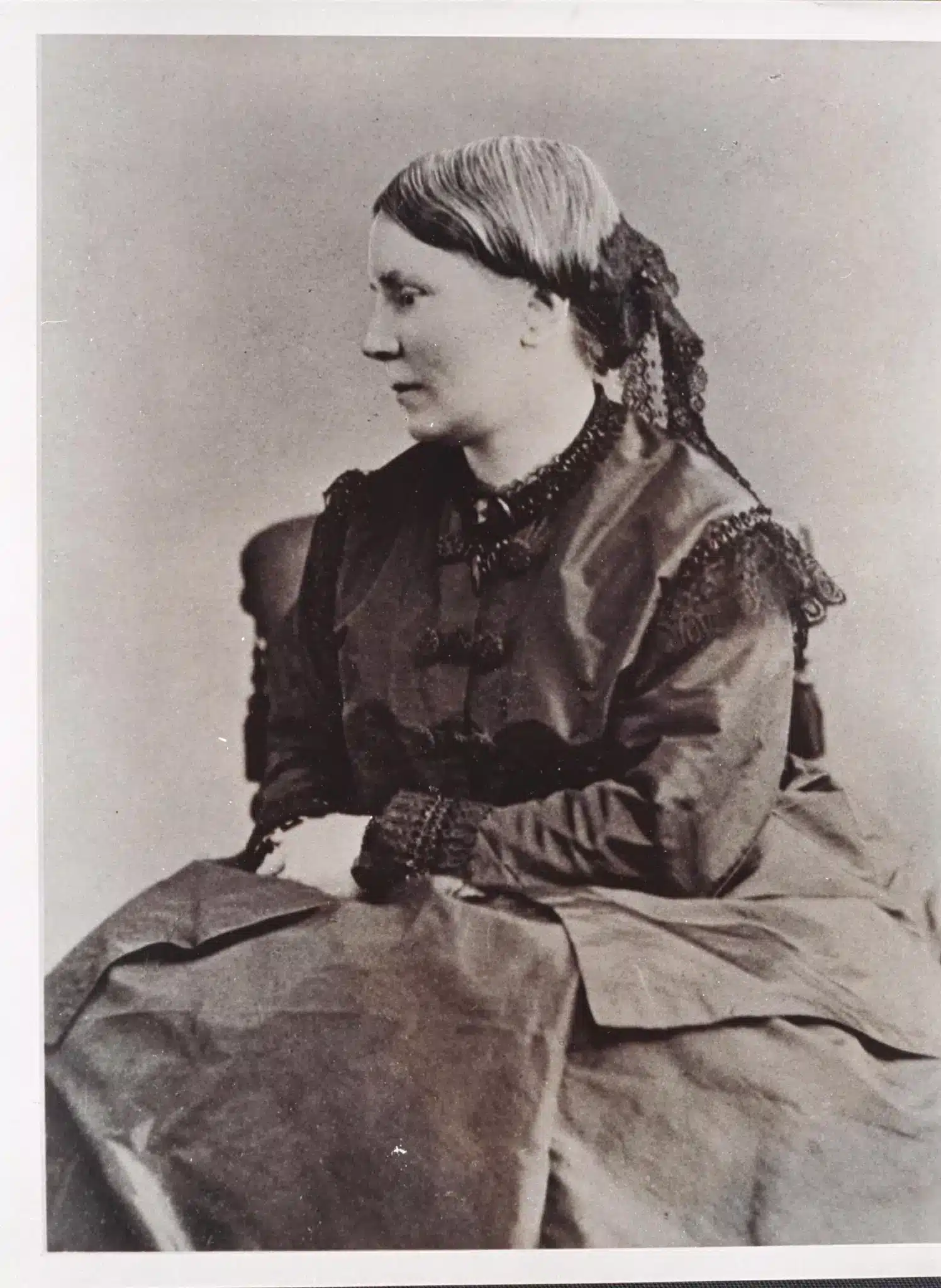
She earned a medical degree when the profession excluded women, then helped build hospitals and schools that made it possible for others to follow.

She devised practical inventions for bridges, boats, and the home, pursuing useful solutions when women faced formidable barriers to owning and patenting their ideas.

Her study of allegory influenced literary scholarship, while her poetry turned a deep love of language into work that reached readers beyond academia.

She managed women in a sugar factory with authority they remembered long afterward. Their recollections capture the lasting influence of a formidable workplace leader.

She fought for an inheritance others expected her to surrender, then used her wealth to restore historic buildings and support writers and the arts.