
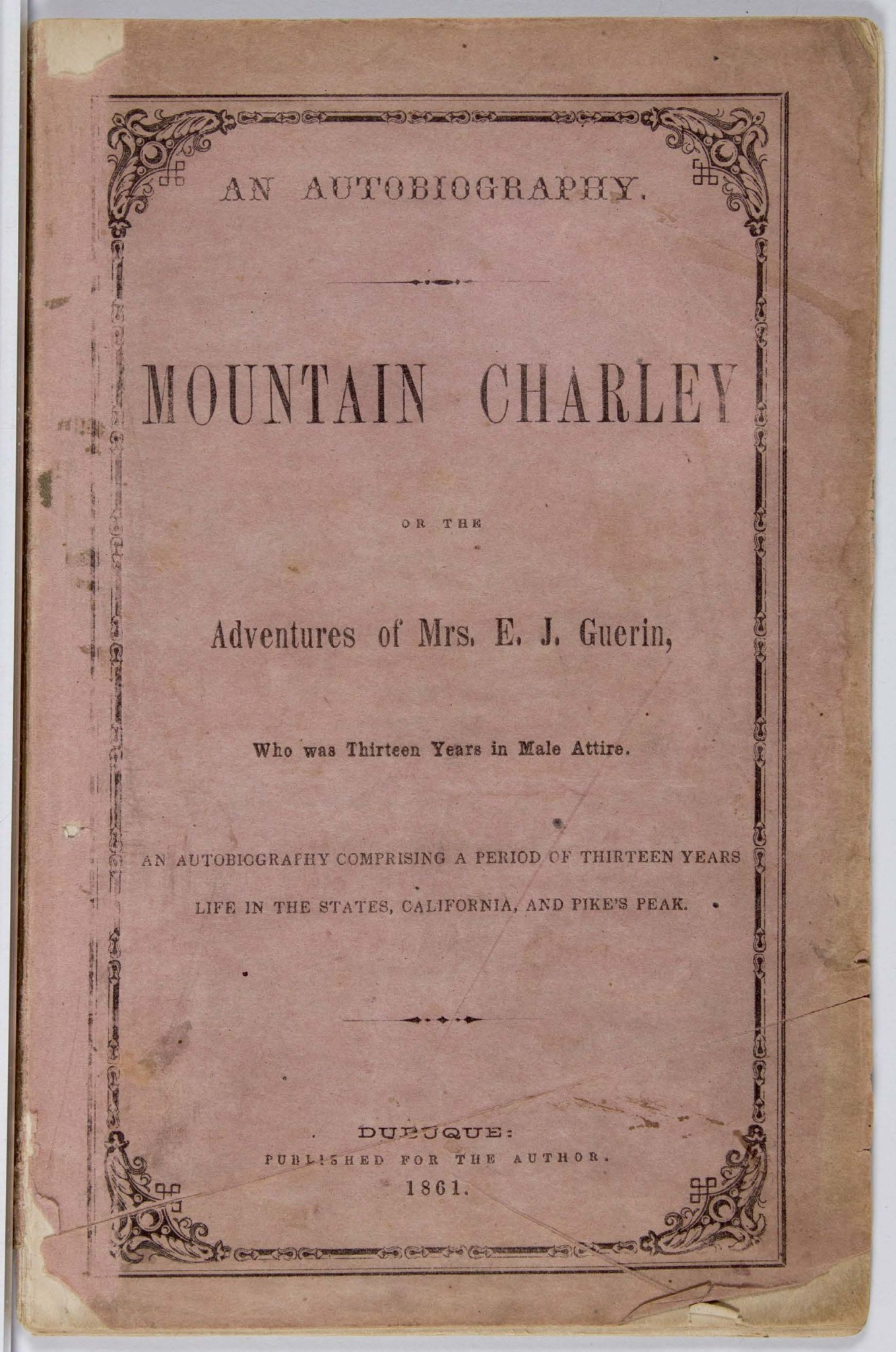
Elsa Jane Guerin’s 1861 memoir describes a widowed mother who put on men’s clothes, found riverboat work, and went west to support her children. Calling herself “Mountain Charley,” she described running businesses and hunting her husband’s murderer. Living as a man, she wrote, let her earn money, travel freely, and find work closed to women.
Finding Work as Charley
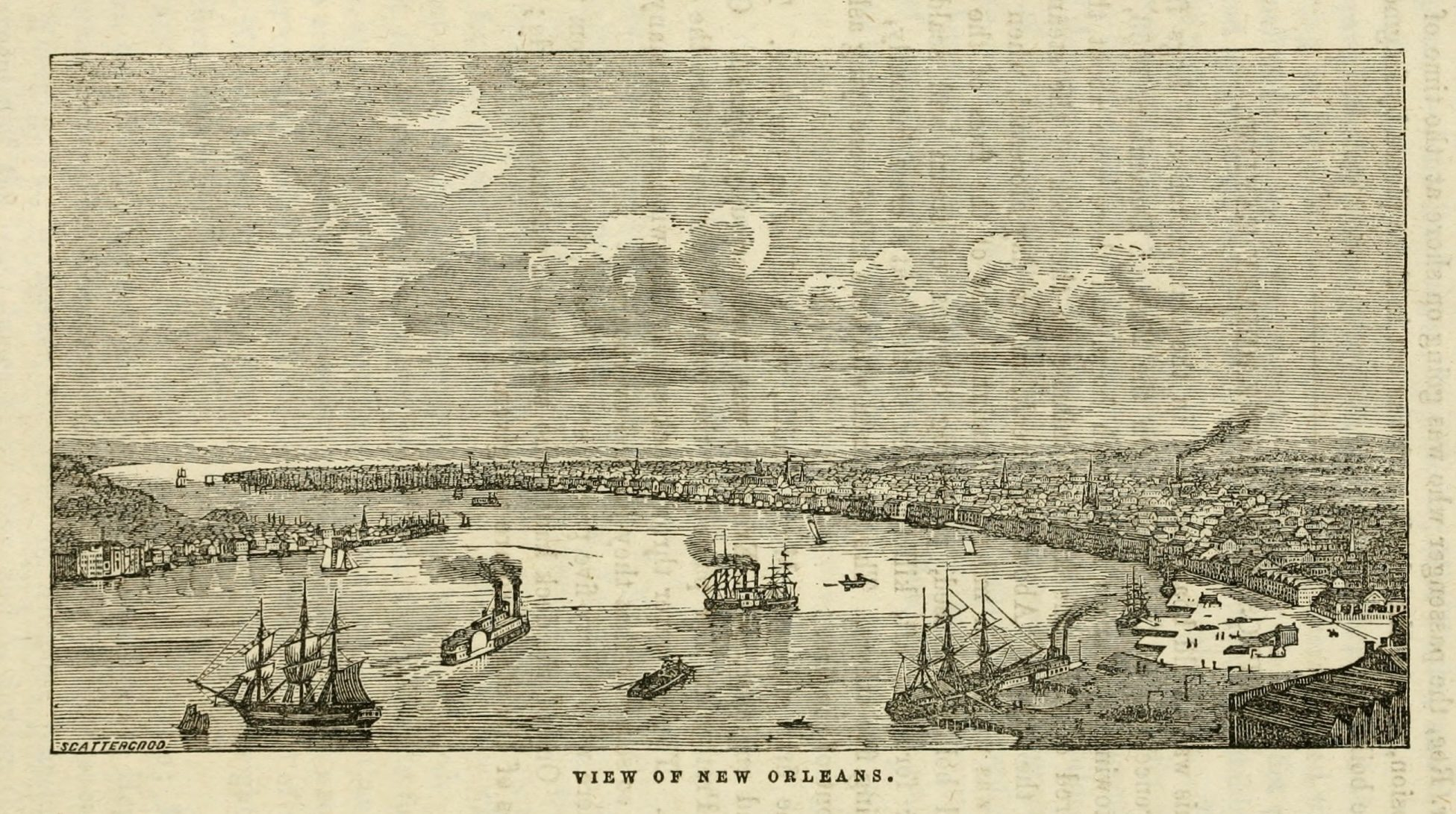
According to her memoir, Elsa Jane Guerin grew up near Baton Rouge, Louisiana, and married a riverboat pilot at only 12 years old. Underage marriage was more widely accepted then; she described eloping from boarding school. Three years later, she had two children.
Her husband was piloting a steamer up the Ohio when his shipmate Jamieson shot him over an old grudge. A messenger brought Guerin the news the next day: her husband was dead. Jamieson was convicted, she said, but escaped punishment through a legal technicality.
To support her children, Guerin sold possessions until there was little left to sell. She hadn’t learned a trade and knew how difficult it was for a young woman to support a family.
Desperate to support her family, she decided to dress as a man. Men’s clothes offered access to other work, and a way to pursue Jamieson.
She approached a friend of her husband for help. He refused at first, fearing disgrace, but finally supplied boys’ clothes. She cut her hair and practiced venturing outside, first at night and then by daylight.
I buried my sex in my heart and roughened the surface so that the grave would not be discovered
Elsa Jane Guerin
Next, Elsa placed her children with the Sisters of Charity, Catholic sisters who provided care and schooling. She paid toward their support and education, and visited monthly while earning a living.
After repeated refusals, she was hired as a cabin boy on a steamer between St. Louis and New Orleans. To visit her children, she changed into women’s clothes at her friend’s house. Other riverboat jobs followed, then railroad work.
More Freedom, and a Business of Her Own
Men’s clothes also let her move beyond the domestic life women were expected to lead. As she grew accustomed to her new life, she began to enjoy its freedom:
“I could go where I chose, do many things which while innocent in themselves, were debarred by propriety from association with the female sex.”
Even the clothes were a relief. She described men’s clothing as healthier and more convenient than women’s. Yet she also wrote about the pain of leaving her children after visits.
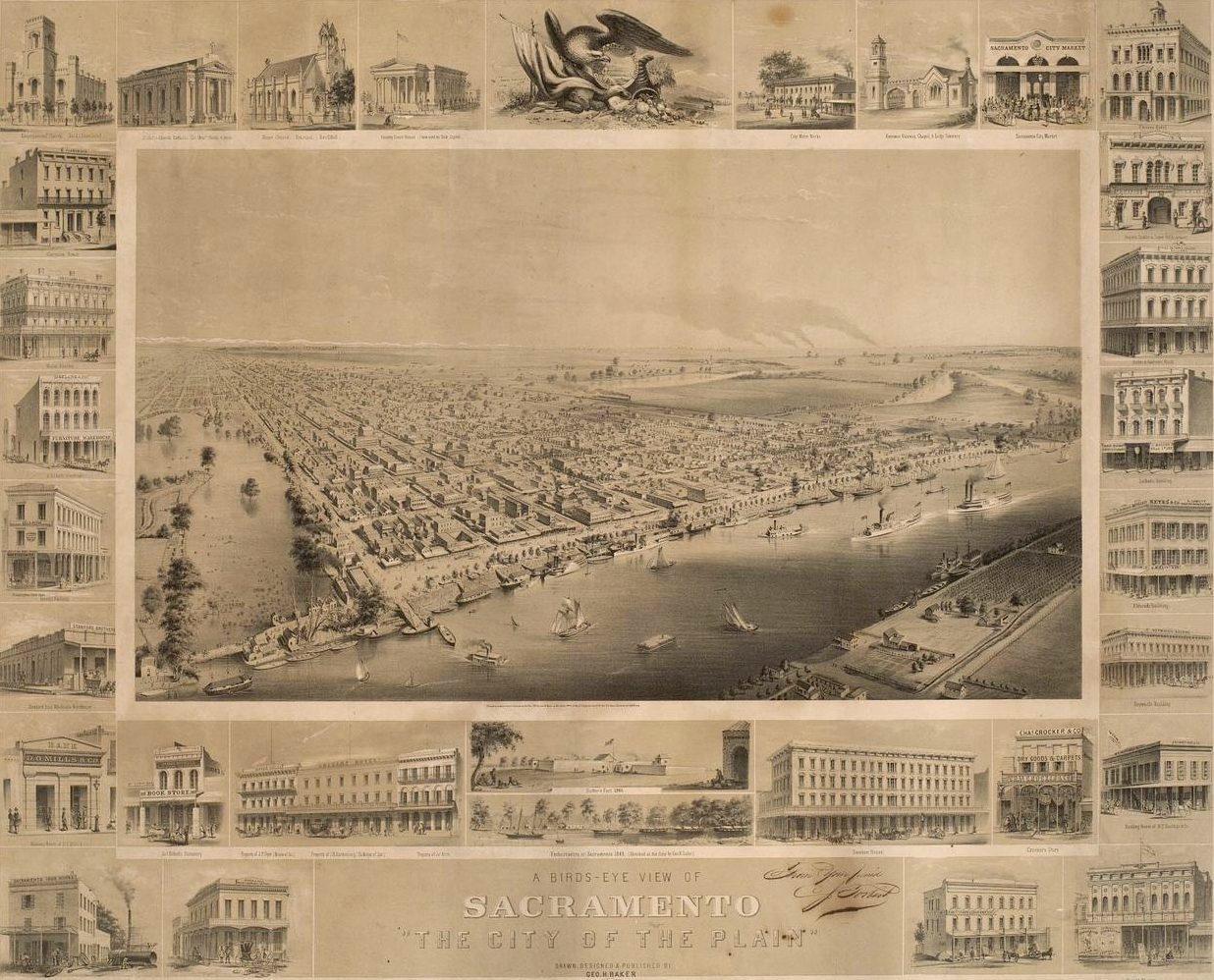
In 1855, her narrative takes her across the plains to the California goldfields. Mining meant heavy labor and expensive provisions, and she found she couldn’t manage the work. She went to Sacramento looking for employment.
In Sacramento, she found saloon work for $100 a month. She doesn’t specify her duties, but after six months she bought a share in the business. She later sold her interest, traded pack mules, and ran a transport business hauling food and other goods to mountain mining camps. Supplying miners was more profitable than digging for gold herself.
When prospecting disappointed her again in Colorado, she opened a bakery and saloon near the diggings. Illness forced her back to Denver, where she paid to operate the Mountain Boys Saloon as its tenant.
A Bloody Tale of Revenge
Jamieson, the man who killed her husband, hadn’t disappeared from her story.
In St. Louis, Guerin said she overheard his name at a hotel and followed him to a gambling establishment. She waited until after midnight, then caught up with him in the street after he parted from his companions.
She confronted him about the murder and fired first. Both missed their opening shots, then Jamieson wounded her thigh and she hit his arm. He fled as people opened windows and rushed toward the gunfire. Guerin dragged herself into an alley and fainted; a woman later took her in and summoned a doctor.
Later, near Denver, she said she shot him again before two hunters intervened. He survived, but she reported that he later died in New Orleans of yellow fever, a mosquito-borne viral disease that repeatedly devastated the city in the nineteenth century.
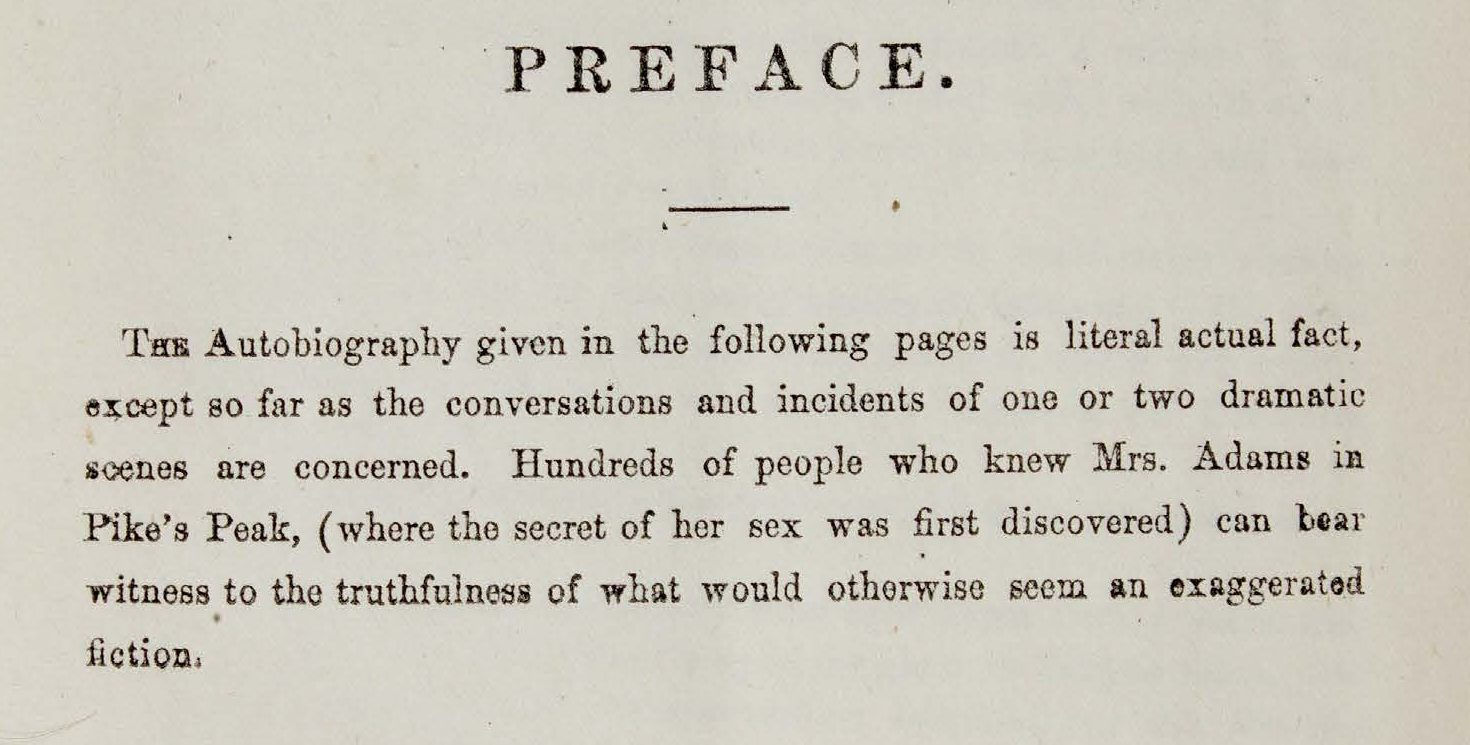
Guerin wasn’t unusual in giving her life story a dramatic treatment: western memoirs often included exaggeration and tall tales, and her book’s preface openly acknowledged some departures from literal fact. The memoir’s dates also run backward: after arriving in Colorado in spring 1859 and describing a fall and winter, she returns to spring 1859. So readers have reason to doubt her revenge tale unfolded as she said.
One Nickname, Conflicting Lives
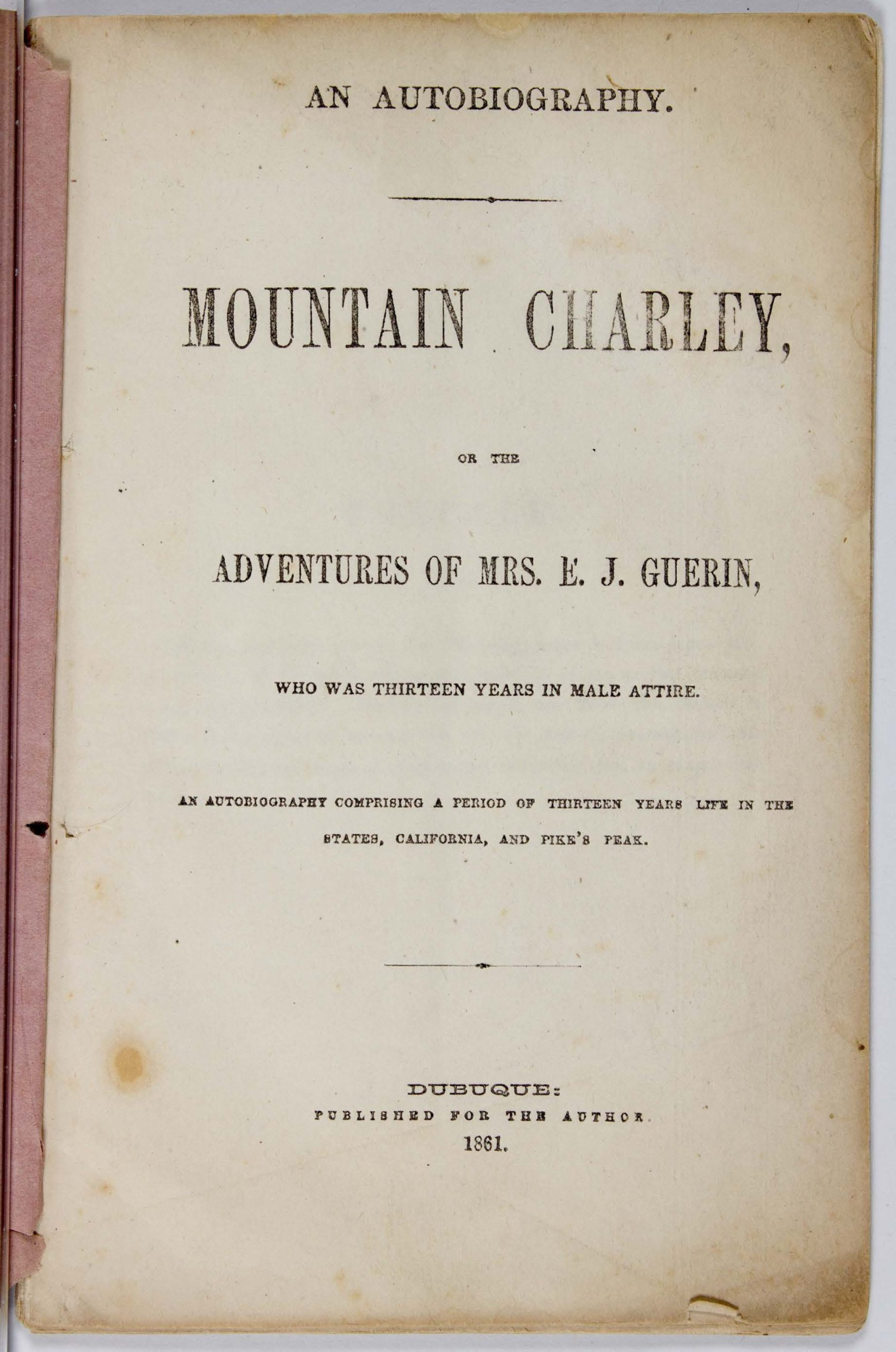
Several versions of Mountain Charley’s life have circulated in print, with conflicting accounts of her marriage, children, and reasons for going west. Some details may have changed in retelling; different people may also have shared the nickname. The contradictions remain unresolved.
One version predates Guerin’s memoir. An 1859 newspaper interview, identified by historian Peter Boag, describes a Mountain Charley who gave her name as Eliza Jane Forrest. She too claimed Louisiana origins, widowhood, and cattle drives to California. But she gave different marriage and widowhood ages and described one child at school in Tennessee.
A separate account appeared in George West’s Colorado Transcript in 1885. His Mountain Charley was Charlotte, who married in Iowa at nineteen and pursued a husband who deserted her. A sequel added Civil War service. Boag considers Charlotte apparently different from Guerin, so this military story can’t safely be added to her life.
Selling Her Story & Expanding the Legend
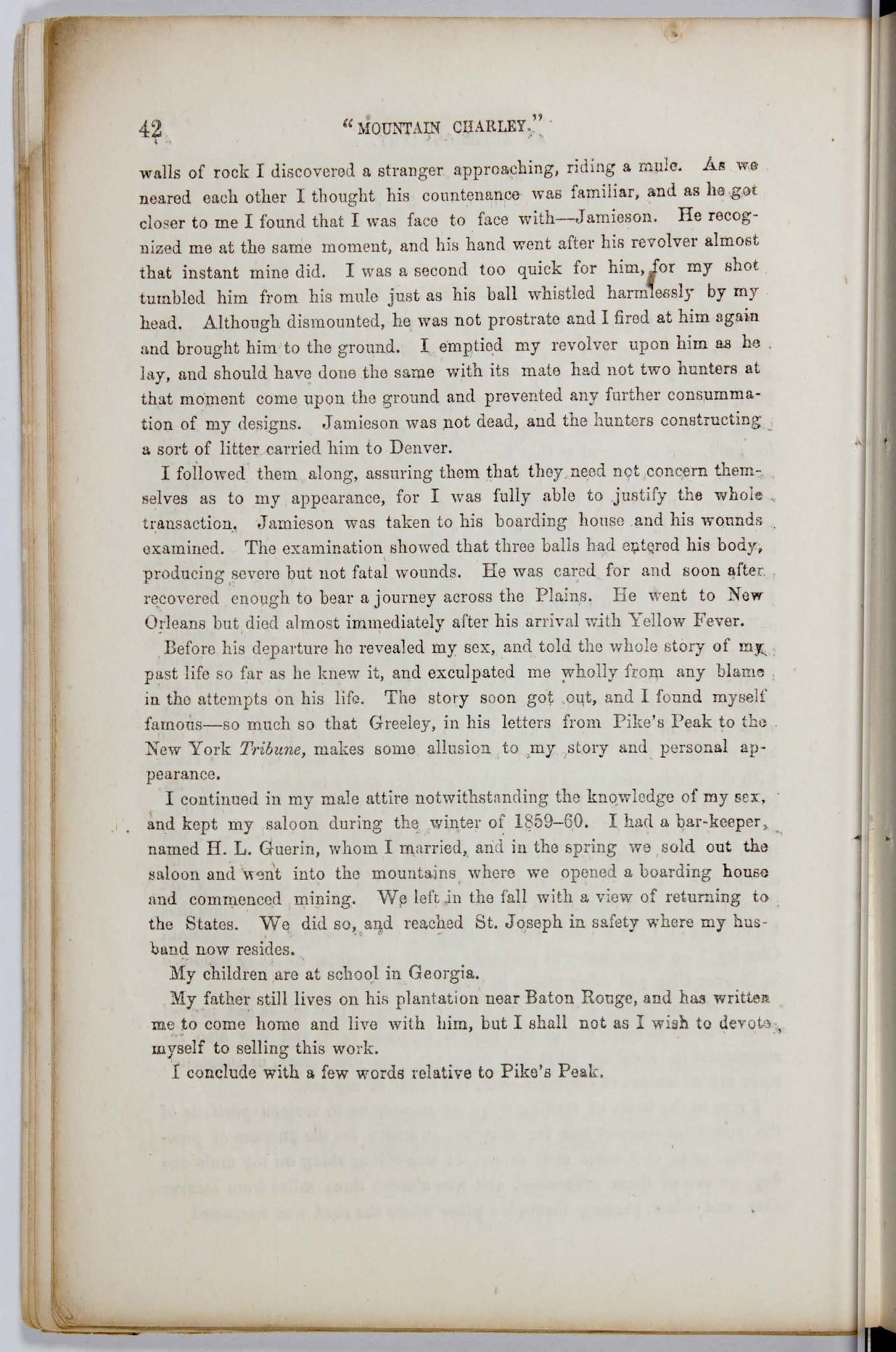
Guerin ended her memoir by saying she had married her bartender, H. L. Guerin, and returned to Missouri. She now planned to sell the memoir itself. “I wish to devote myself to selling this work,” she wrote.
The memoir was published for her in Dubuque, Iowa, in 1861. Its sales and earnings remain unknown.
Earlier in the book, she said she’d made enough money in California and sold her businesses. Back in St. Louis, she found that supporting her children wasn’t all she wanted:
“I reached home in safety, but after staying awhile in St. Louis, I grew tired of the inactivity of my life and determined to seek adventure in some new direction.”
What became of Guerin after the publication of her memoir remains uncertain, including when and where she died.
Sources and Further Reading
- E. J. Guerin, Mountain Charley (1861). Original memoir.
- Peter Boag, Re-Dressing America’s Frontier Past (2011), pp. 111–112, 123–124, 223–224.
- Peter Boag, “Go West Young Man, Go East Young Woman” (2005), especially p. 494.
- Centers for Disease Control and Prevention, “About Yellow Fever Virus.”
- New Orleans City Archives, “Yellow Fever in New Orleans.”
- Nicholas L. Syrett, American Child Bride: introduction excerpt published by Colorado Public Radio.
- Richard Slatta, “Primary Sources for Cowboy and Ranch Life.”

Keri is a blogger and digital marketing professional who founded Amazing Women In History in 2011.



Beyond the article
Join the Conversation
Share your perspective, ask a question, or add something to the story.