

Women fought in Japan’s wars for centuries, from medieval castle defenses to the battles of the 1800s. Many of these women came from samurai families, where learning to use a weapon could be part of a daughter’s upbringing. Women trained to protect their homes also defended castles, led armed groups, and fought with rifles in wars that would decide who ruled Japan.
What Were Female Samurai Called?
When you picture a female samurai, you might think of a woman in bulky Japanese armor and a big sword.
But did you know that technically, even a baby could be a samurai?
It’s true:
By the 1600s, samurai were a hereditary warrior class. Girls and boys born into samurai families inherited that status – even a baby could belong. So women could be samurai by birth, whether or not they ever picked up a weapon.
Around 1868, Japan had roughly 400,000 samurai families, totaling about 1.8 million people. That included hundreds of thousands of women and girls. But belonging to a warrior class didn’t mean they all fought.
Women who actually fought are often called onna-musha, meaning “woman warrior.” Onna-bugeisha describes a woman trained in martial arts. These terms describe fighting or training, rather than family status. (Onna-bugeisha shares gei, meaning “art,” with geisha, but here the art is fighting.)
One weapon closely associated with women was the naginata, a long shaft with a curved blade at the end. Women trained with bows and swords too.
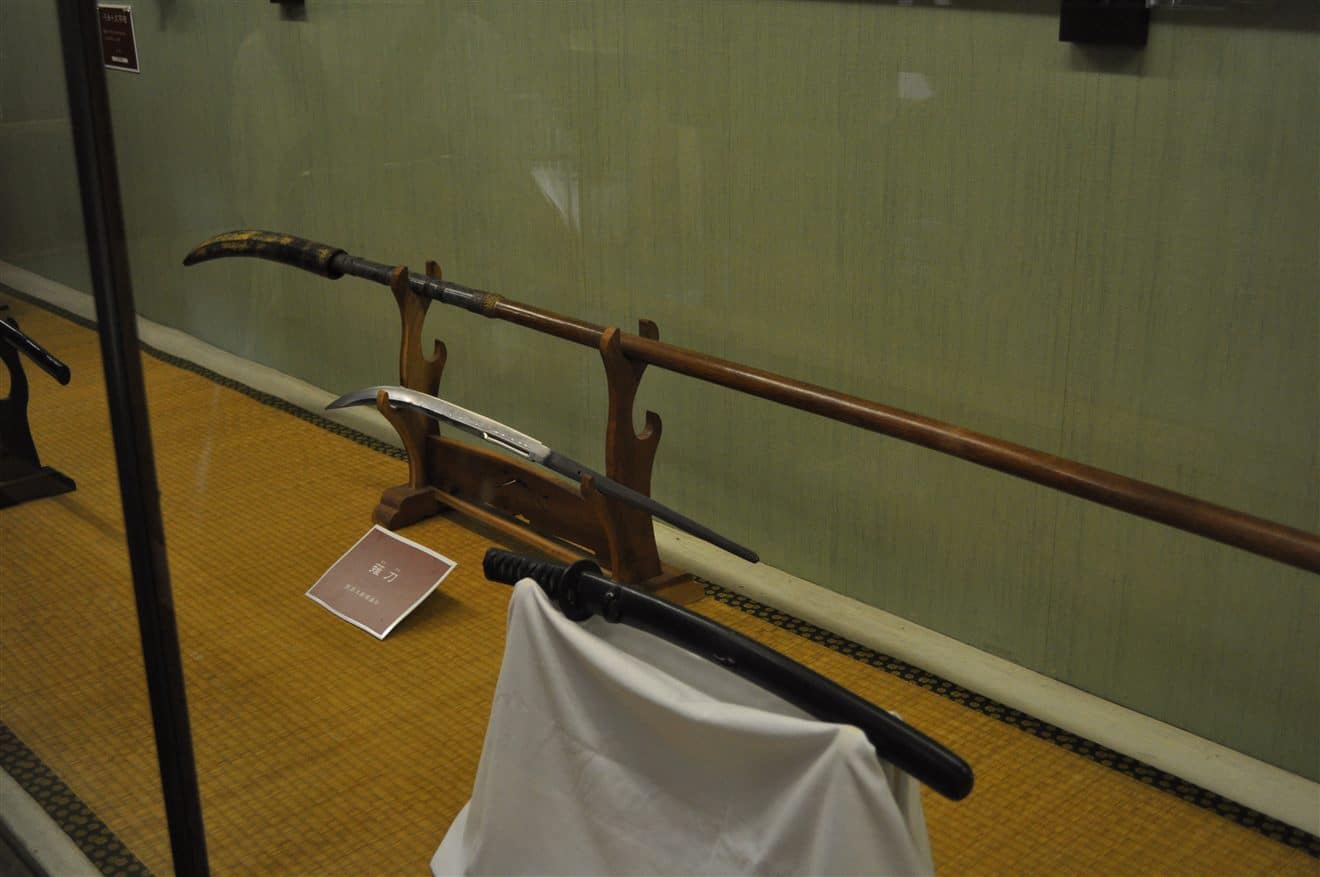
Lists of female samurai often include legendary figures, too. Tomoe Gozen, the famous swordswoman in the medieval war tale The Tale of the Heike, often heads those lists. But no record from her lifetime confirms that she was a real person.
Hangaku Gozen: The Archer They Had to Bring Down
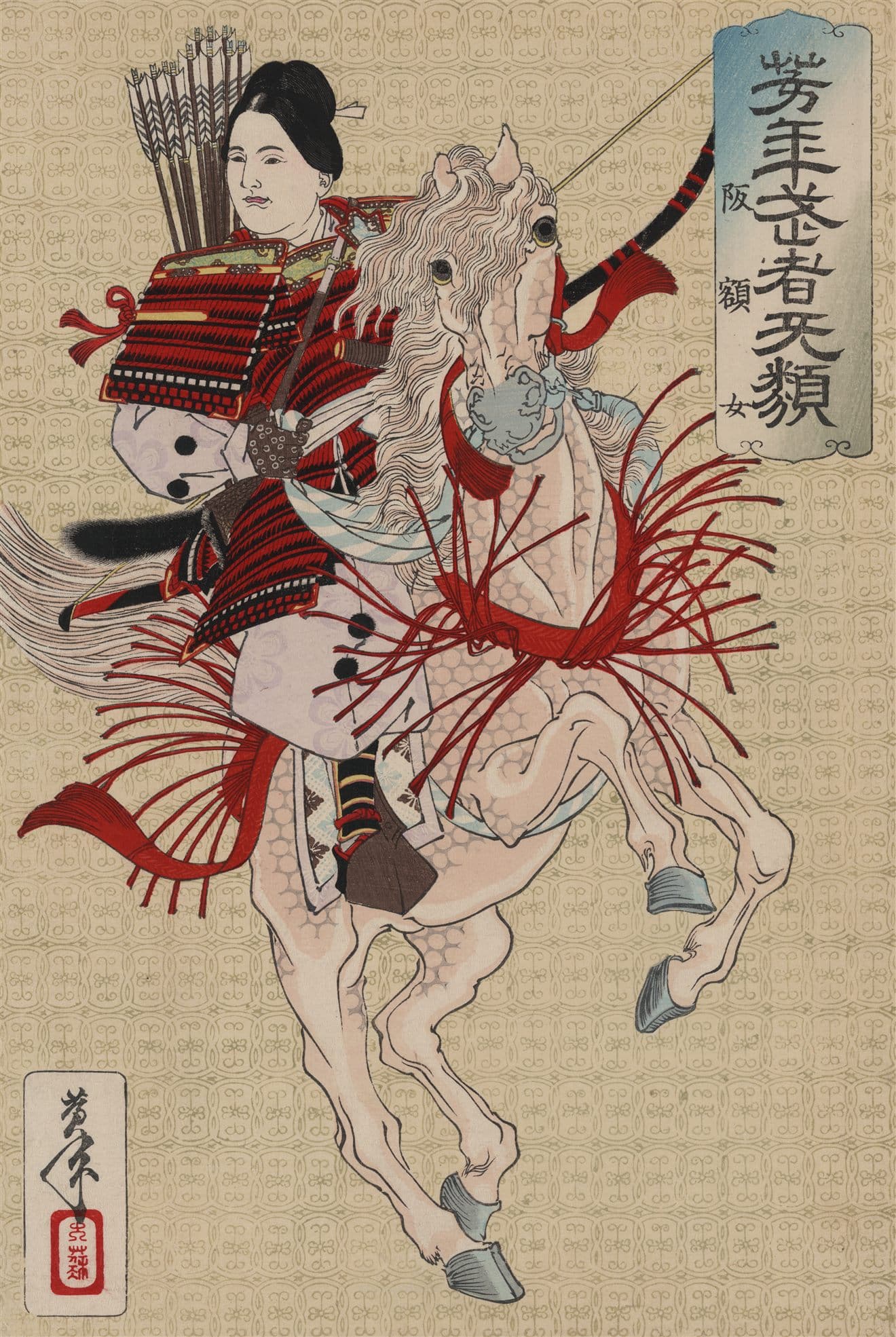
Hangaku Gozen was a skilled archer and a member of the Jo warrior family in what is now Niigata Prefecture. In 1201, her nephew Jo Sukemori rebelled against Japan’s military government from Torisaka Castle. The government sent an army to crush the rebellion. When its soldiers attacked the castle, Hangaku helped defend it with her bow.
A later military chronicle called Azuma Kagami (“The Mirror of the East”) describes her fighting from a tower, shooting at the attackers below. To bring her down, an enemy archer worked his way onto higher ground behind her. He aimed at her exposed thigh, where her armor didn’t protect her, and wounded her. The attackers captured her alive.
They took Hangaku to Kamakura, the seat of the military government, and brought her before the shogun, its ruler. Surrounded by powerful men, the defeated archer showed no fear, according to the chronicle.
One of those men, Asari, was impressed enough to ask permission to marry her. He hoped a woman that brave would give him a brave warrior son.
The shogun agreed, and the account says Hangaku left with Asari for his home province. It records the men’s hopes for a warrior son, but nothing about what Hangaku wanted for herself.
Nakano Takeko and the Women’s Army, 1868
Nakano Takeko, the daughter of a samurai in a region called Aizu, had trained to fight with a naginata. When war came to Aizu in 1868, more than 600 years after Hangaku’s rebellion, she wanted to put that training to use.
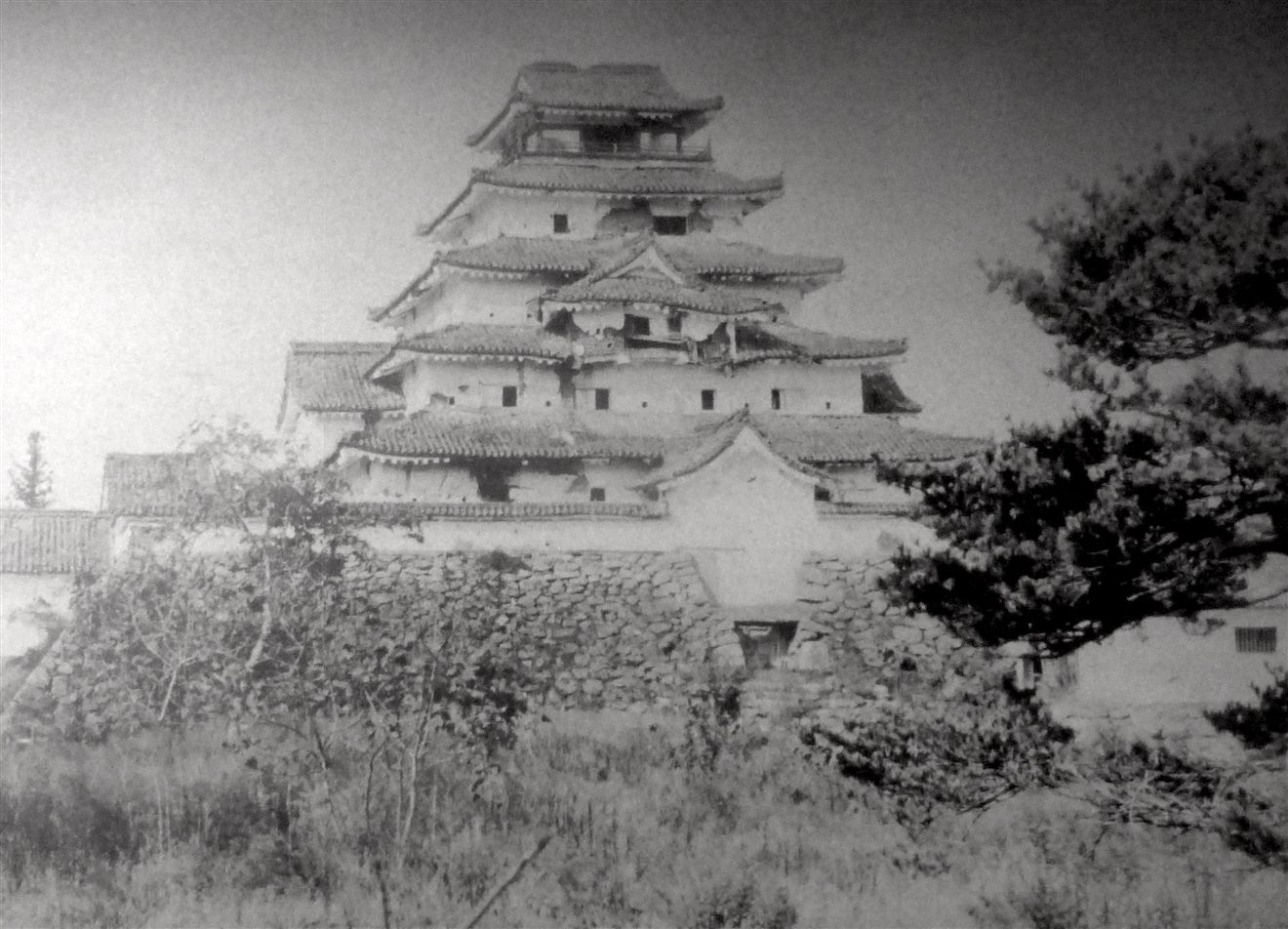
Japan was fighting over who would rule. The Tokugawa military government had lost power, and its supporters were resisting a new government ruling in the emperor’s name. Aizu’s lord had backed the old government. Now the new government’s army was coming to attack his territory in northern Japan.
Samurai status still existed in 1868; the new government dismantled its privileges over the following years.
Takeko and her companions offered to fight for Aizu. Officials refused to let them join the soldiers: having women in the ranks might make the army look desperate for men.
Apparently, protecting your home was a woman’s duty, but joining the army to do it was embarrassing.
Takeko reportedly threatened to take her own life in protest. A newly arrived commander then allowed the women to form their own unit. Her mother and younger sister joined her, along with other women ready to defend Aizu. Their small force later became known as the Joshitai, or Women’s Army.
This was 1868, and Japanese armies had been using guns for centuries. Takeko’s women were going into battle with swords and naginatas against soldiers armed with guns. They would have to get close enough to strike while their opponents could shoot from a distance.
Takeko led the women toward Tsuruga Castle, where Aizu’s defenders were gathering. Before they could reach it, they met enemy troops and fought. Takeko attacked with her naginata, but a bullet struck her and fatally wounded her.
According to the local history published by the town of Aizubange, Takeko asked her younger sister Yuko to cut off her head so the enemy couldn’t take it. Yuko carried out the request. Takeko’s head was buried at Hokaiji Temple, which still preserves belongings associated with her.
Yamamoto Yae: A Sharpshooter at Aizu, 1868
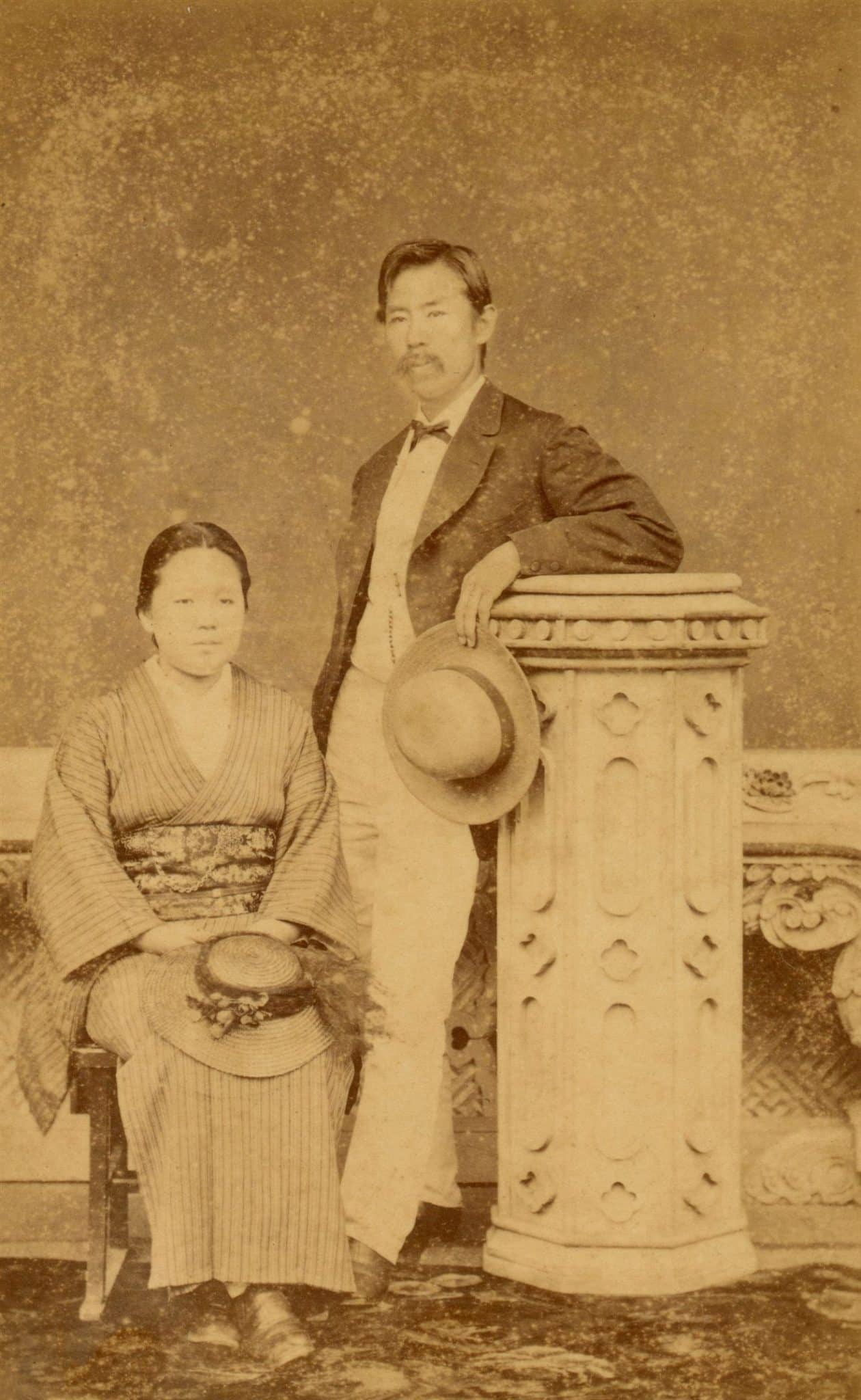
Yamamoto Yae was among the women defending Tsuruga Castle during the same attack on Aizu in 1868. She came from an Aizu samurai family: her father was a gunnery instructor, and she’d learned to shoot from him. Her younger brother had already been killed in the war. To help defend the castle, she cut her hair, put on his clothes, and took up a Spencer repeating rifle. It could fire seven shots before it needed reloading.
While Takeko had faced gunfire with a blade, Yae could return it.
Keeping the defenders supplied also took skilled work. Women inside the castle made cartridges by rolling paper into tubes, putting in a bullet and gunpowder, then twisting the ends closed. Children carried the finished ammunition to the shooters. Other women cooked and cared for the wounded. The siege put whole households to work.
Yae knew how guns worked as well as how to shoot them. The editors of her memoir describe an occasion when Aizu’s lord summoned her to explain how explosive shells worked. With the lord and his soldiers watching, she took a shell apart and showed them its construction.
The defenders held out for about a month before Aizu surrendered.
Yae survived. She later moved to Kyoto, became a teacher, and helped establish the girls’ school that grew into Doshisha Women’s College. She also served as a Red Cross nurse before her death in 1932.
And she kept shooting. Recalling a stay in Kobe with her husband in 1888, Yae described how they passed the time with air guns and targets:
We competed to see how many targets each one got and I always won.
Yamamoto Yae, recalling 1888; translated in Memoirs of Yaeko Neesima
Sources and Further Reading
- Megan McClory, Were There Women Samurai? North Carolina Museum of Art (2024).
- Naoko Yamagata, Male and Female Spaces in Homer and in Heike monogatari, JASCA 1 (2011), especially pp. 36–37.
- Yoshinaka Museum, The Legend of Tomoe Gozen (Japanese), comparing versions of The Tale of the Heike.
- Tainai City, Hangaku Gozen: local history drawn from Nakajo town history (Japanese).
- Mariana Rodríguez Gómez, The Onna-bugeisha: Redefining the Female Warrior (2026).
- Diana E. Wright, Female Combatants and Japan’s Meiji Restoration: the case of Aizu, War in History 8(4) (2001), pp. 396–417. Publisher abstract and notes are accessible; full text is restricted.
- Christin Bohnke, Onna-Bugeisha, the Female Samurai Warriors of Feudal Japan, JSTOR Daily (2022; updated 2025).
- Aizubange Town, Grave of Nakano Takeko, multilingual local history.
- National Diet Library, Niijima Yae, Portraits of Modern Japanese Historical Figures.
- Memoirs of Yaeko Neesima, as told to Kamio Nagasawa; edited by Juliet W. Carpenter, Doshisha Women’s College repository. Editorial notes, pp. 157–158; Yae’s recollections, p. 165.
- Owen Jarus, Did Japan Have Female Samurai? Live Science (2026), with interviews with historians of Japan.
- Shogakukan, Digital Daijisen: bugeisha (Japanese dictionary entry).
- Kelowna Art Gallery, From Geisha to Diva: gallery guide explaining the word geisha.
- Japan Tourism Agency, Guns in Early Modern Japan.
- Niigata Prefecture Tourism Association, Hangaku Gozen’s family and home region (Japanese).
- Edo-Tokyo Museum, Azuma Kagami (The Mirror of the East), collection catalog.
- Victoria and Albert Museum, Samurai: Japanese Arms & Armour.
- Aizu Bukeyashiki Museum, Historical Figures: Nakano Takeko and Yamamoto Yae (Japanese).
- Harry D. Harootunian, The Economic Rehabilitation of the Samurai in the Early Meiji Period, The Journal of Asian Studies 19(4) (1960), pp. 433–444.


Beyond the article
Join the Conversation
Share your perspective, ask a question, or add something to the story.