
Anna Maria Garthwaite: Successful Silk Designer

She turned observations of flowers and plants into intricate textile designs, building a successful creative career and leaving rare evidence of women’s work in the industry.

Women worth knowing
Extraordinary women, overlooked stories, and a more complete history. Explore the lives, ideas, and achievements that changed the world.
Women’s lives, work, and ideas, 1701–1800.
Artists who made their own reputations. Writers who insisted on being heard. Women who challenged the limits of medicine, education, and political life. Meet some of the remarkable women of the 18th century through their work, ideas, and struggles.

Women built creative careers in workshops and at royal courts. Their surviving work offers another way into the history of the period.
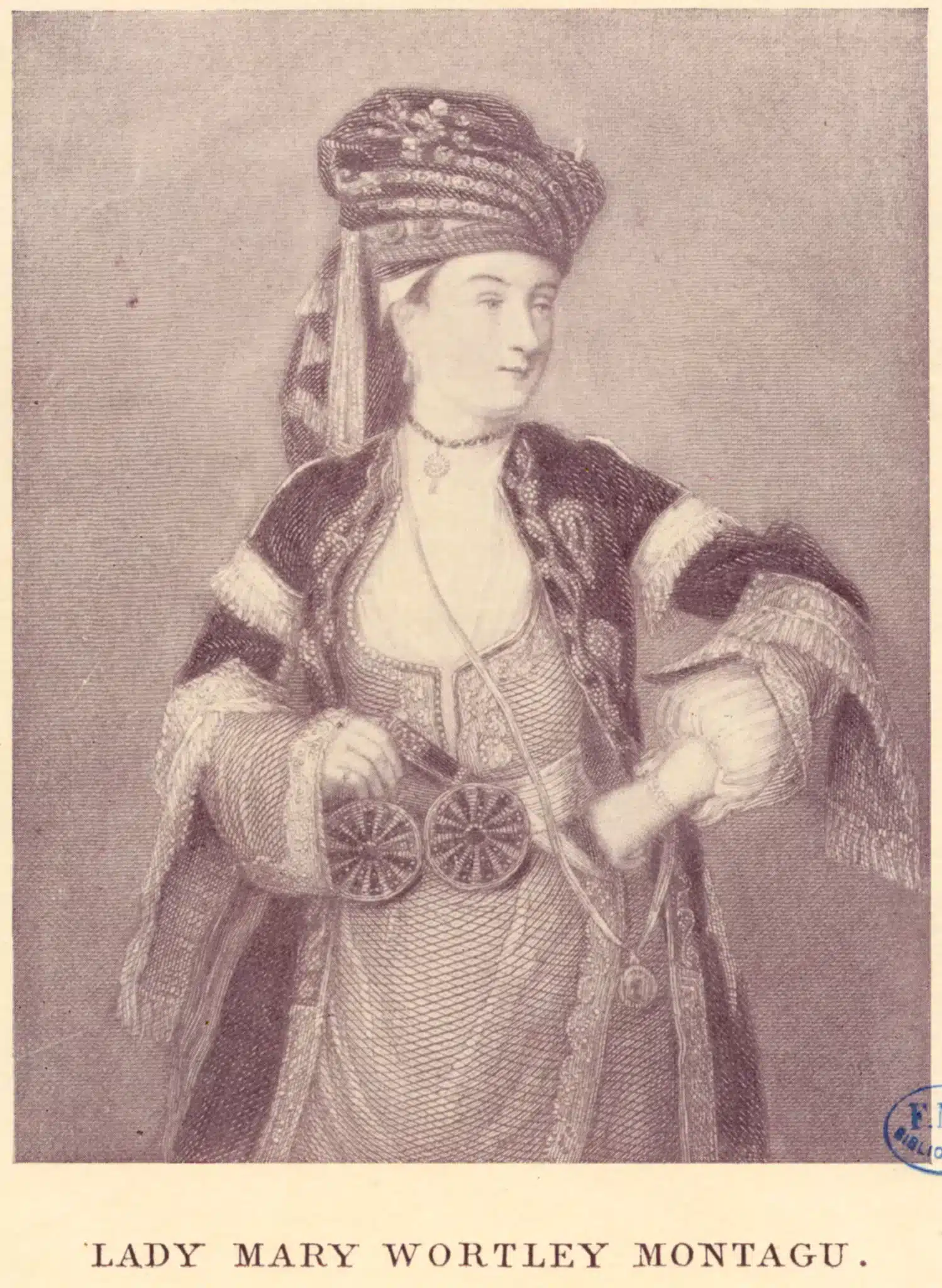
Learning did not happen only in universities. Women exchanged ideas through letters, travel, and literary gatherings.
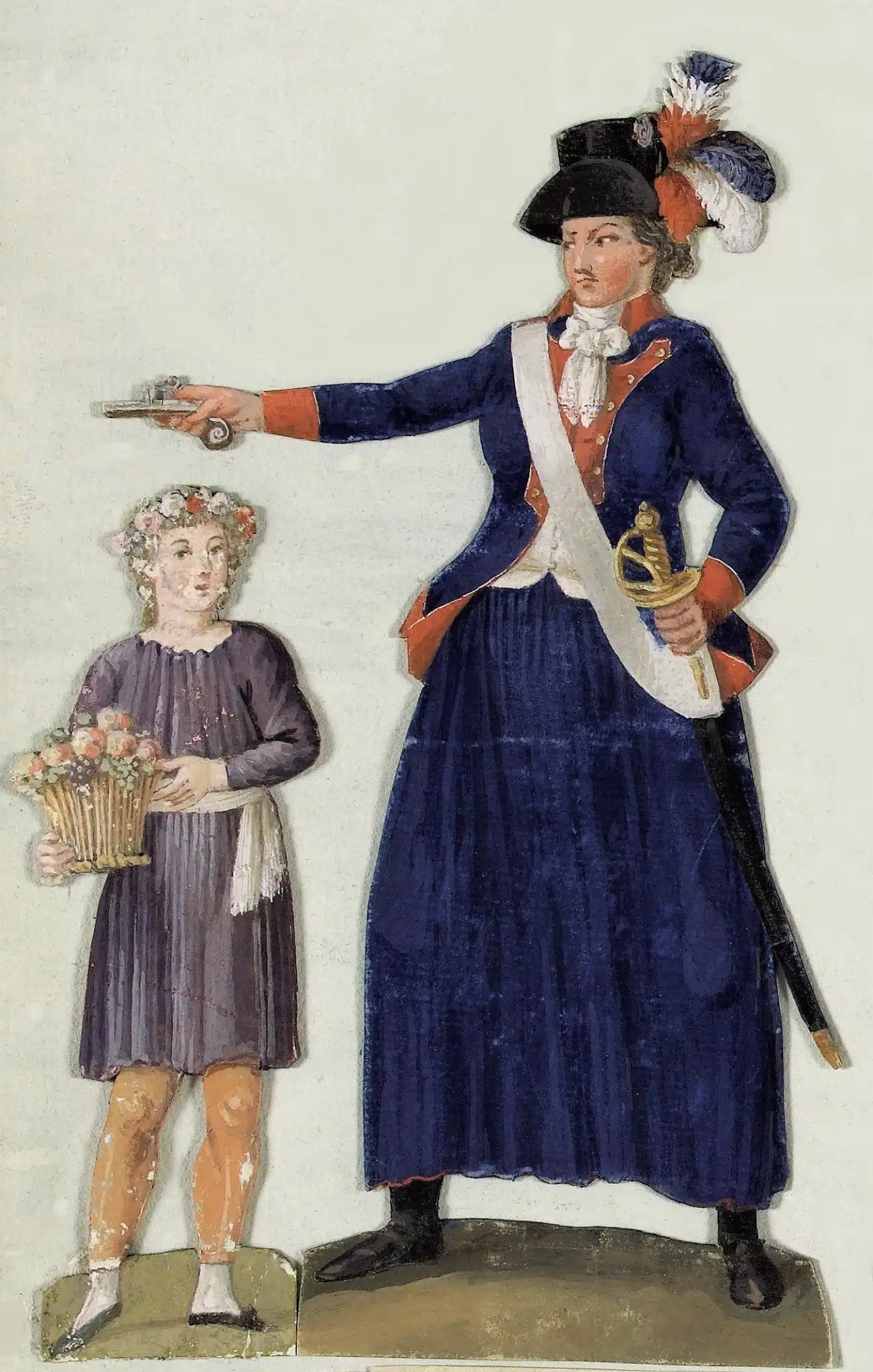
Promises of liberty raised urgent questions about who could claim it. Women entered political debates and fought for freedom.
She turned observations of flowers and plants into intricate textile designs, building a successful creative career and leaving rare evidence of women’s work in the industry.
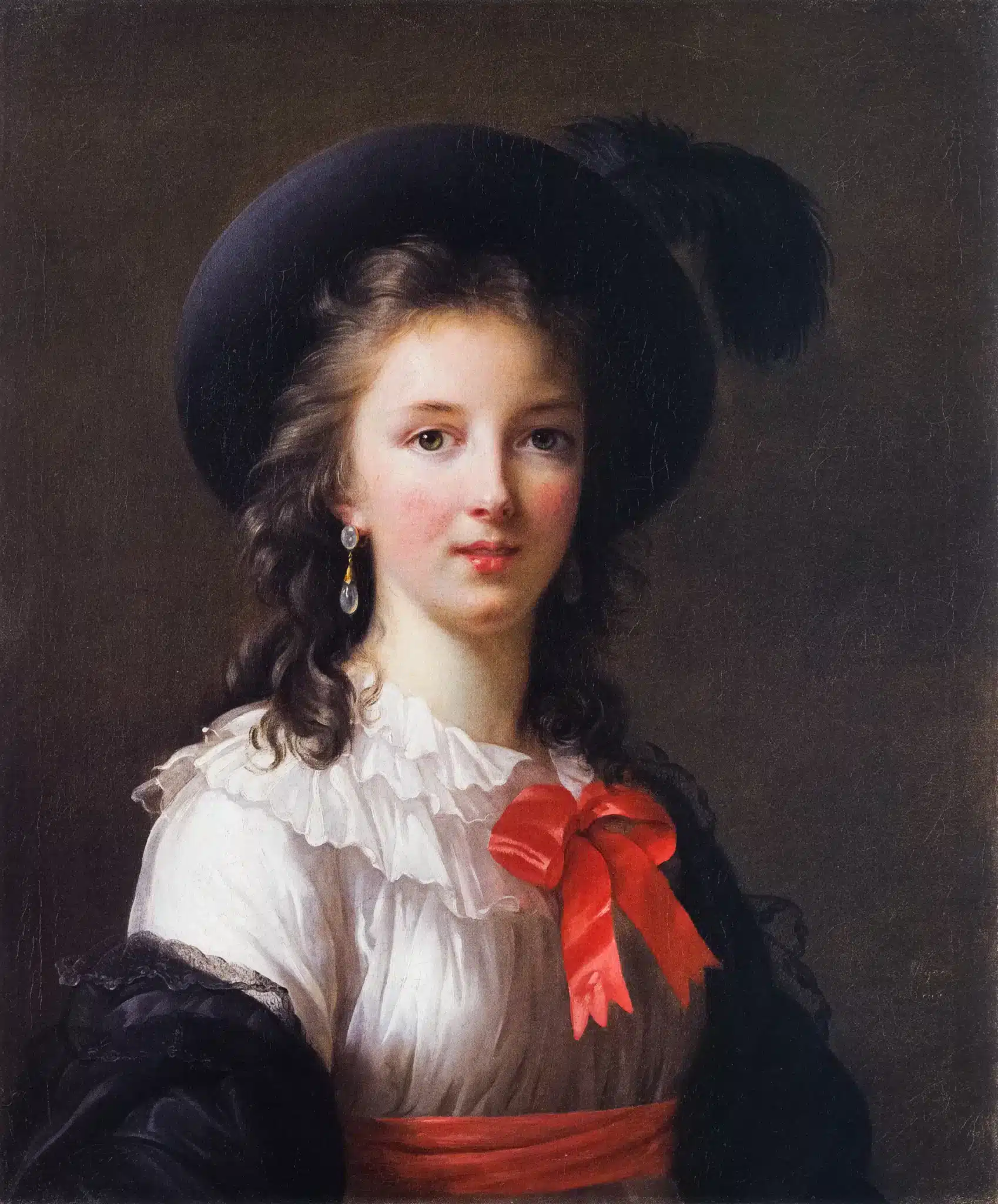
She built a celebrated portrait career despite barriers to formal training, using artistic skill and determination to earn recognition across courts and countries.

Enslaved women fought in court for their own freedom and their children’s, using legal claims to challenge a system that treated their families as property.
Women created space for serious intellectual conversation in literary societies, challenging expectations of femininity even as a label for learning became a weapon of ridicule.
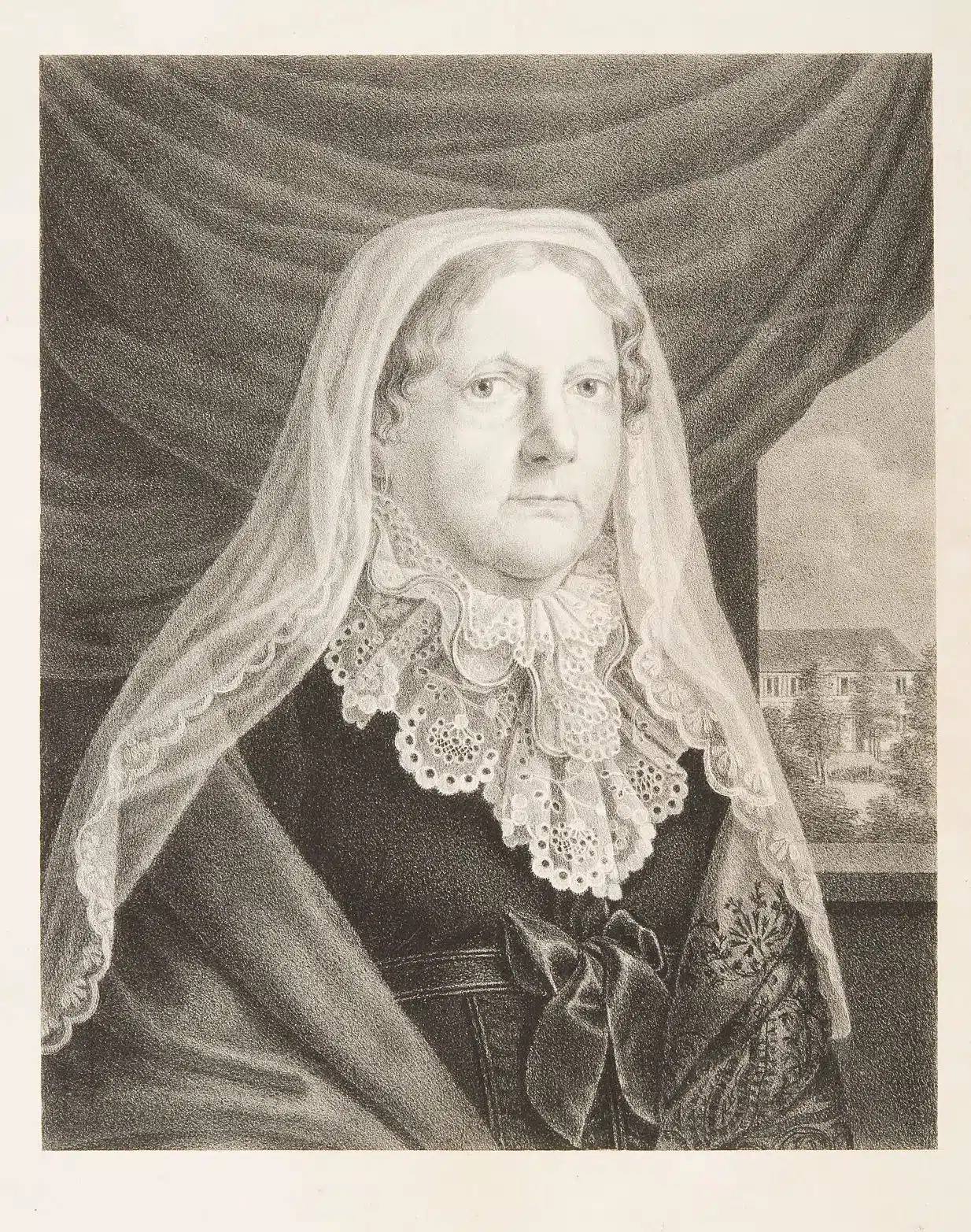
She challenged the double standards of a royal marriage and faced permanent exile, exposing how little protection status offered a woman who refused its expectations.
She championed knowledge of smallpox inoculation learned abroad, using her influence to challenge medical resistance and bring a different approach to preventing disease into public view.
She embraced a revolution’s promise of liberty and equality, entering political life where a woman’s ambition attracted both passionate support and vicious public attacks.
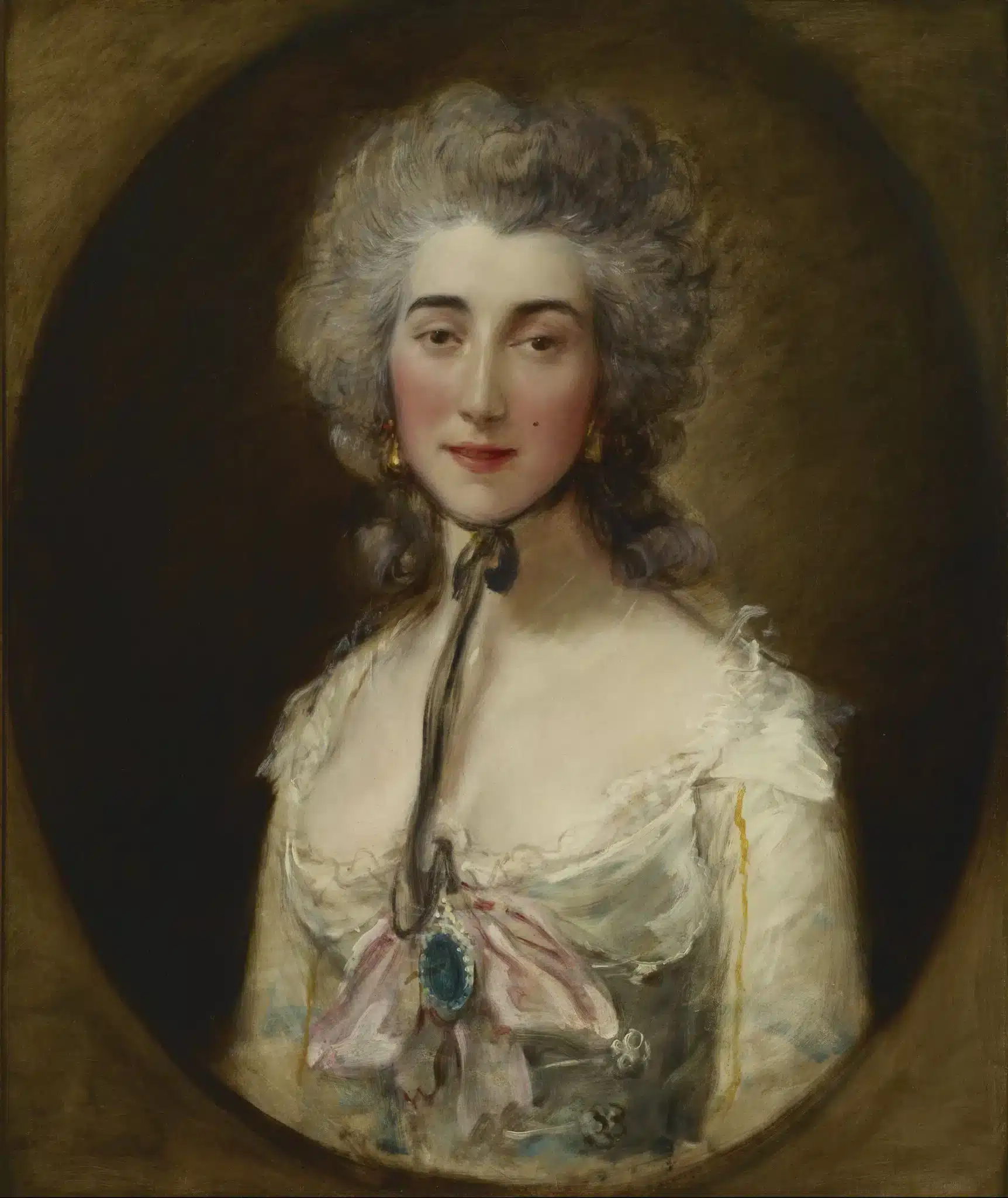
She risked her life to help others during a revolution, leaving a memoir that preserves a woman’s perspective on political upheaval and the struggle to survive it.

She built a community devoted to people in need, challenging authorities to protect the sick and poor and leaving a lasting legacy of care.
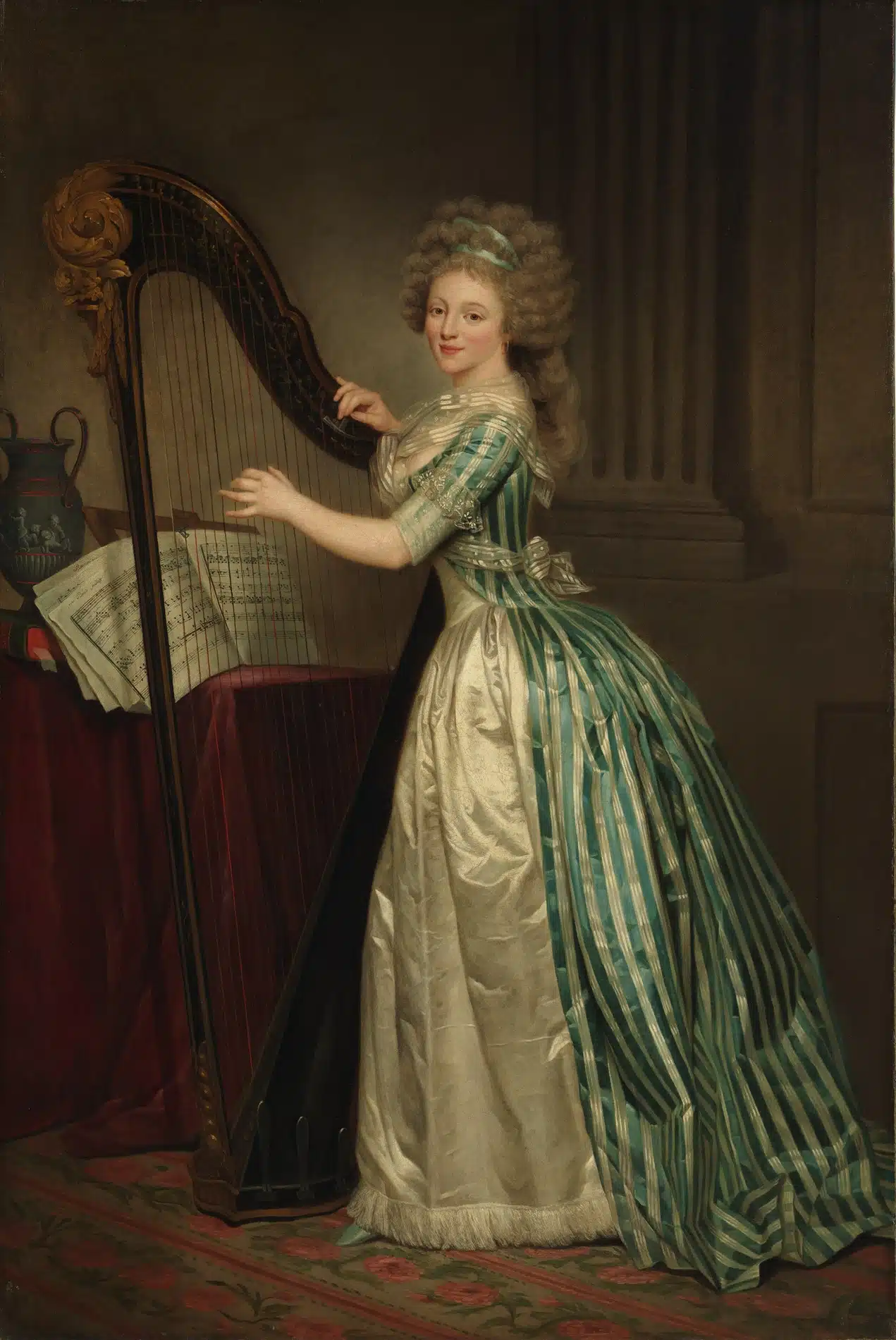
Her self-portrait captures an artist who understood music as intimately as painting, preserving the skill and ambition of a woman working across creative disciplines.