
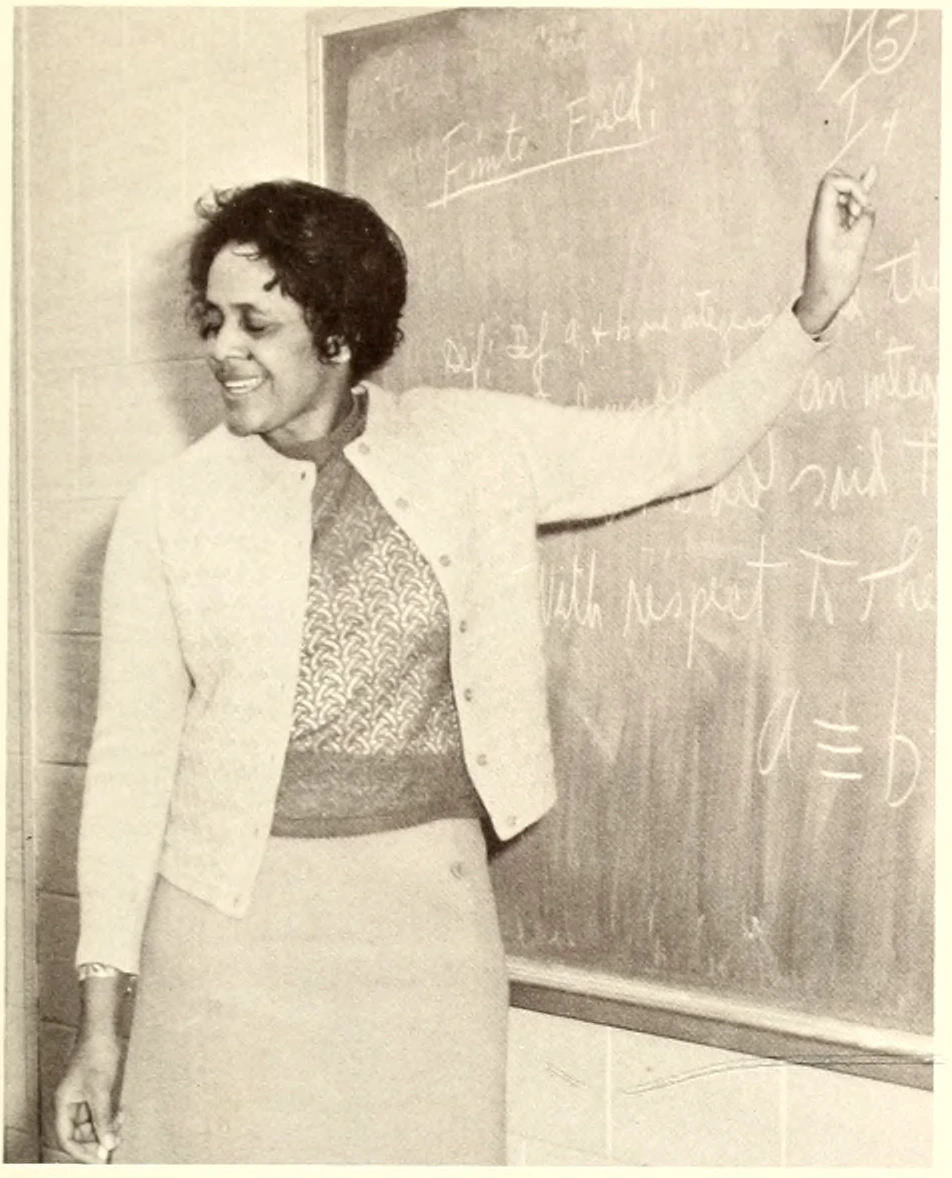
Virginia K. Newell helped create a book that preserved both the achievements of Black mathematicians and their accounts of racism in the profession. A mathematics educator herself, she searched libraries and pressed fellow mathematicians to send her their stories. Working with three other editors, she brought together biographies, research papers, and letters in Black Mathematicians and Their Works, published in 1980.
Making the Book She Couldn't Find
Newell had taught mathematics in North Carolina high schools and at Shaw University before joining Winston-Salem State University in 1965.
She also took on a task that reached beyond her own students: gathering the lives and work of Black mathematicians into a reference book.
She worked with Joella H. Gipson, a mathematics educator at Wayne State University, and mathematicians L. Waldo Rich and Beauregard Stubblefield. Together, they planned a collection that would recognize teachers as well as researchers, from earlier generations through their own time.
To find contributors, the four editors used a list of 100 mathematicians compiled by the National Association of Mathematicians, an organization supporting people underrepresented in the profession. Newell was active in the association and later edited its newsletter.
They had a list to start with. Now they needed the people behind that list to help.
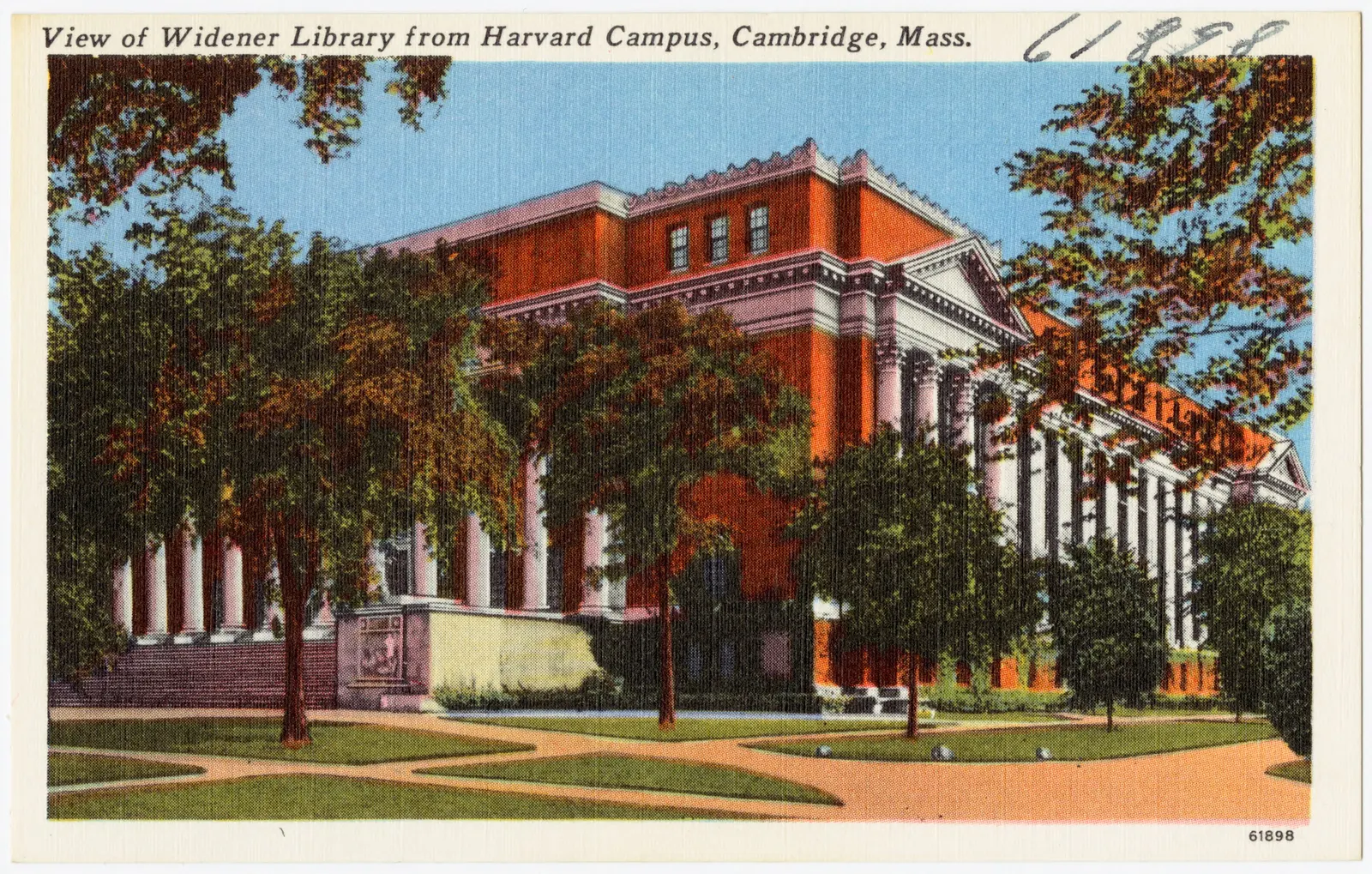
By February 1973, Newell had searched the Library of Congress and Harvard's Widener Library. She found a reference document about Black scientists who'd earned doctorates between 1876 and 1969, but no comparable reference book devoted to Black mathematicians.
“There is a definite need for this publication,” she wrote to fellow mathematicians on February 22.
Her request was specific: send a brief account of your education and a glossy 3-by-5 photograph by March 11. She invited every Black mathematician with a doctorate to contribute. She also sought people who had done what she called “outstanding research,” whether or not they had a doctorate.
This wasn't her first appeal. Newell told recipients she hoped it would be the last before the book went to press. Her postscript was wonderfully direct:
Immortalize yourself through our publication.
Virginia K. Newell, 1973 solicitation letter
A Widow's Difficult Contribution
For information about the late mathematician William Schieffelin Claytor, Newell contacted Walter Talbot, a fellow mathematician. Talbot sought material from Claytor's widow, Mae, a university professor herself. After repeated promises, he was nearly ready to tell Newell he'd given up.
Then Mae's contribution arrived, with an explanation.
She'd gone through photographs and the books where she kept memories of her husband. Gathering the material meant reliving their life together, and it hurt. “There is so much I just cannot put on paper,” she wrote.
Mae recalled her husband telling her about attending a mathematical meeting where he had to stay in a private home while other participants stayed at the hotel. Even after racial restrictions eased, she wrote, he wouldn't go back to the meetings.
Talbot remembered a university refusing to offer Claytor a job he was qualified for. But he didn't want to burden Mae with more questions. He forwarded her material and asked Newell to include it.
The book preserved Mae's letter. A record of her husband's degrees and publications alone couldn't have told readers what attending a professional meeting had cost him.
Publishing Black Mathematicians' Achievements and Struggles
Newell and her collaborators brought their collection into print in 1980. Black Mathematicians and Their Works ran to 327 pages, with a biographical index, mathematical papers, and documents about discrimination. The editors had assembled accounts of 62 mathematicians and educators, including 13 women, according to researchers who examined the book in 2026.
The biographical index gave readers a way to look up individuals, while the collected papers let them read work that had been published across different journals. The collection included papers by Marjorie Lee Browne and Eleanor Green Dawley Jones on abstract algebra, a branch of mathematics concerned with structures and the rules they follow. Gipson contributed her own work too: an article about using children's surroundings and discovery to teach decimals to second graders.
They also published evidence of what Black mathematicians faced from organizations that were supposed to support them.
In 1951, Vanderbilt University hosted a regional meeting of the Mathematical Association of America. Its national president spoke at the official banquet, but Black members couldn't buy tickets.
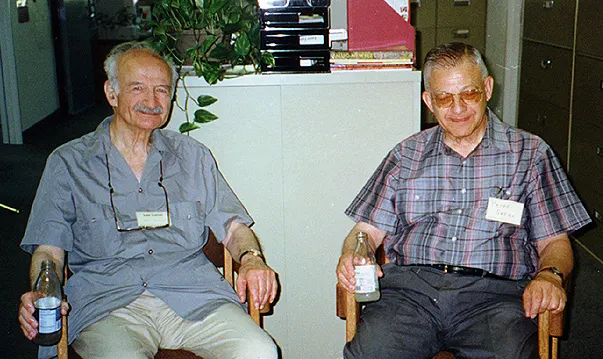
Lee Lorch, chair of mathematics at Fisk University, a historically Black university in Nashville, helped challenge the exclusion. His department sent a protest to the association and to the American Mathematical Society, asking for rules guaranteeing that all members could participate. Lorch also sent the letter to Science, which published it that August.
The societies adopted statements against discrimination at meetings. But when the Fisk department wrote again in December, it pointed out that the Mathematical Association of America still lacked procedures to put its promise into practice.
Newell and her fellow editors reprinted the protest and related documents. Their book recorded both the exclusion and the demands to end it.
A Lasting Resource for the History of Black Mathematicians
Newell's ambition had been a complete record, but the book couldn't contain everyone. Other women were also searching for information about mathematicians whose careers were poorly documented.
Patricia Kenschaft, a mathematics professor at Montclair State College in New Jersey, chaired a panel on Black women in mathematics in 1978. When she prepared a talk on the subject, she found little published material to draw on. Instead, she talked with the women themselves. Her research led to a 1981 article in the American Mathematical Monthly. The personal accounts women collected were helping make a history that others could study.
In October 2026, researchers named Newell and her colleagues' book among the sources for their paper, Counting Who Counts: Black Women Mathematicians in the United States. Released as a preprint rather than an established peer-reviewed study, the paper combined earlier accounts with institutional records and other evidence to document more women's careers. They checked details of degrees and institutions and reconciled records under maiden and married names.
Newell’s book had also reached readers who weren't compiling another reference work. In a reflection published in 2021, Pomona College mathematician Edray Goins described returning to it during the summer of Black Lives Matter protests. When he questioned the progress Black people had made in the United States, he thought of the research it preserved and “those pioneers who continued to do math in the face of blatant racism.”
Sources and Further Reading
- Virginia K. Newell, Joella H. Gipson, L. Waldo Rich, and Beauregard Stubblefield, editors. Black Mathematicians and Their Works (1980).
- Mathematically Gifted & Black: Dr. Virginia Newell (2021 profile).
- Mathematicians of the African Diaspora: Joella Hardeman Gipson.
- Walter Talbot and Mae Claytor correspondence, reproduced in MacTutor, “The African-American breakthrough.”
- J. J. O’Connor and E. F. Robertson, William Waldron Schieffelin Claytor, MacTutor; Mae’s letter cites the 1980 collection as reference 2.
- Lee Lorch, “The Painful Path Toward Inclusiveness” (1994 talk, reproduced by MacTutor).
- Patricia C. Kenschaft, “Black Women in Mathematics in the United States” (1981), opening on printed page 592, final page of this scan.
- Edray Goins in “Mathematical Comfort Food,” The American Mathematical Monthly (February 2021), p. 188.
- Olayemi Adeyemi and colleagues, Counting Who Counts: Black Women Mathematicians in the United States (2026 preprint), sections 2.1 and 3.2; Newell’s 1973 letter reproduced in Figure 1.

Beyond the article
Join the Conversation
Share your perspective, ask a question, or add something to the story.