

Funmilayo Ransome-Kuti, Nigerian Women’s Rights Leader
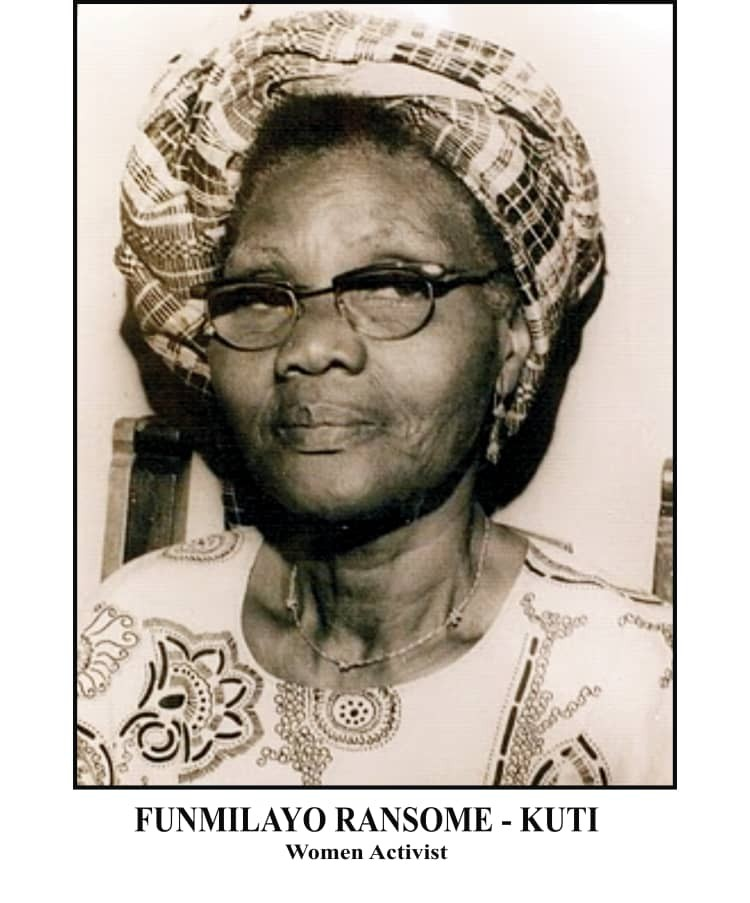
Funmilayo Ransome-Kuti united thousands of women against unfair colonial taxes and helped win them a place in Abeokuta’s government.

Women worth knowing
Extraordinary women, overlooked stories, and a more complete history. Explore the lives, ideas, and achievements that changed the world.
Women who organized, spoke out, and worked for change.
Explore women activists in history through their campaigns, ideas, and everyday acts of resistance. Discover how women challenged injustice, built movements, and fought for greater freedom, rights, and opportunity.

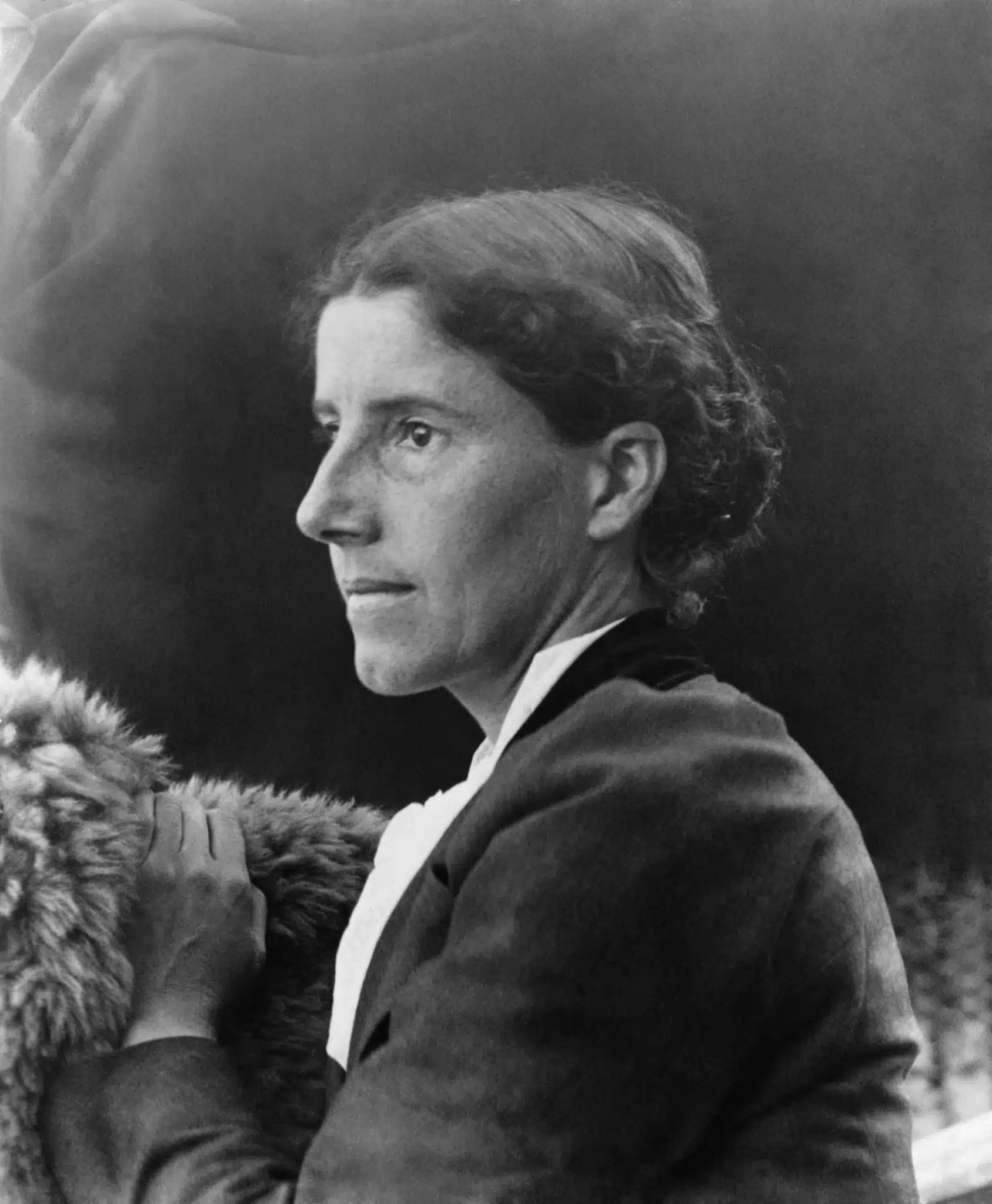
Women challenged the rules that kept them out of public life. Explore campaigns for political participation and arguments for greater independence.
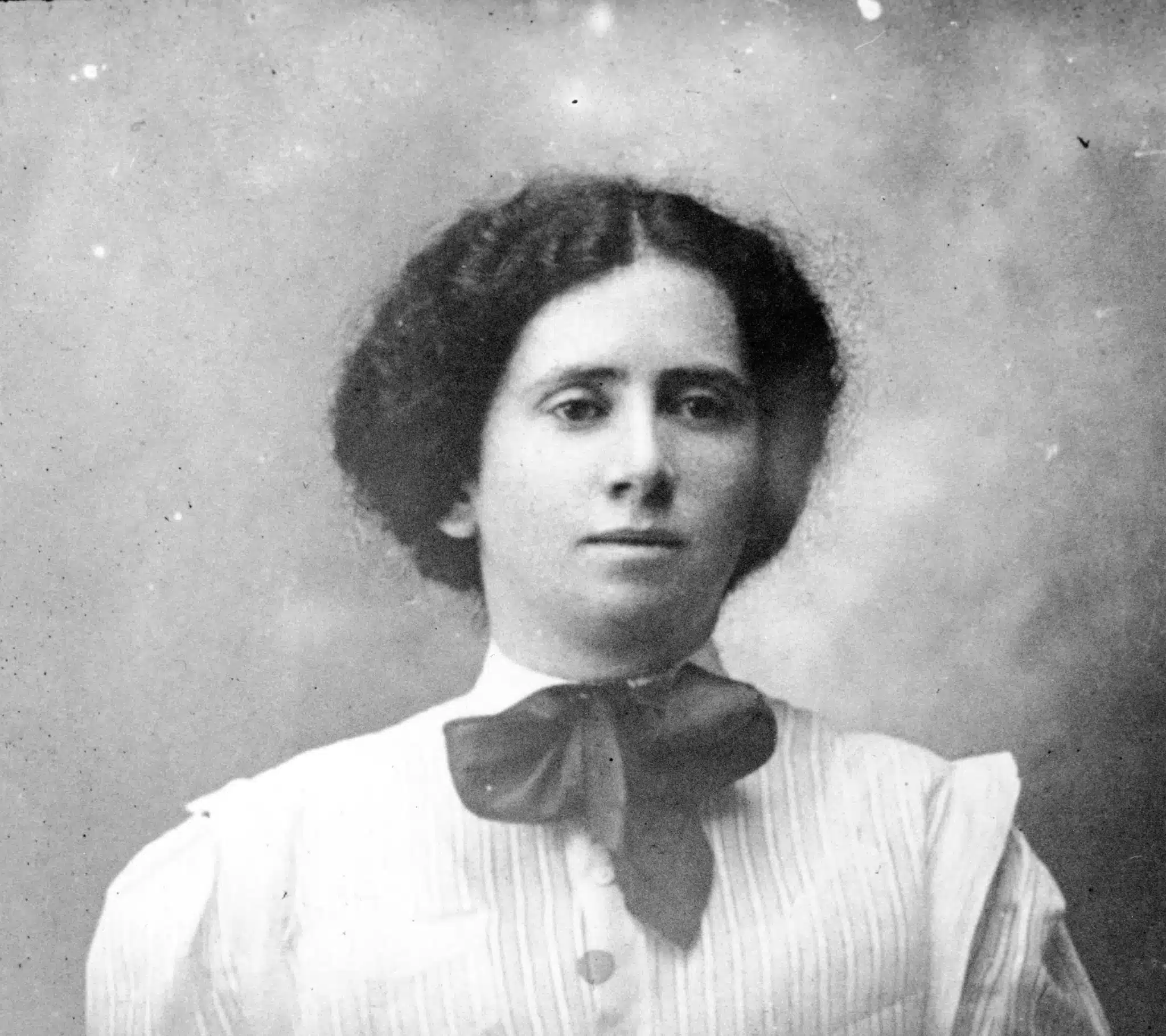
Organizing at work and widening access to education could open paths to independence. Meet women who built institutions and pressed for better opportunities.
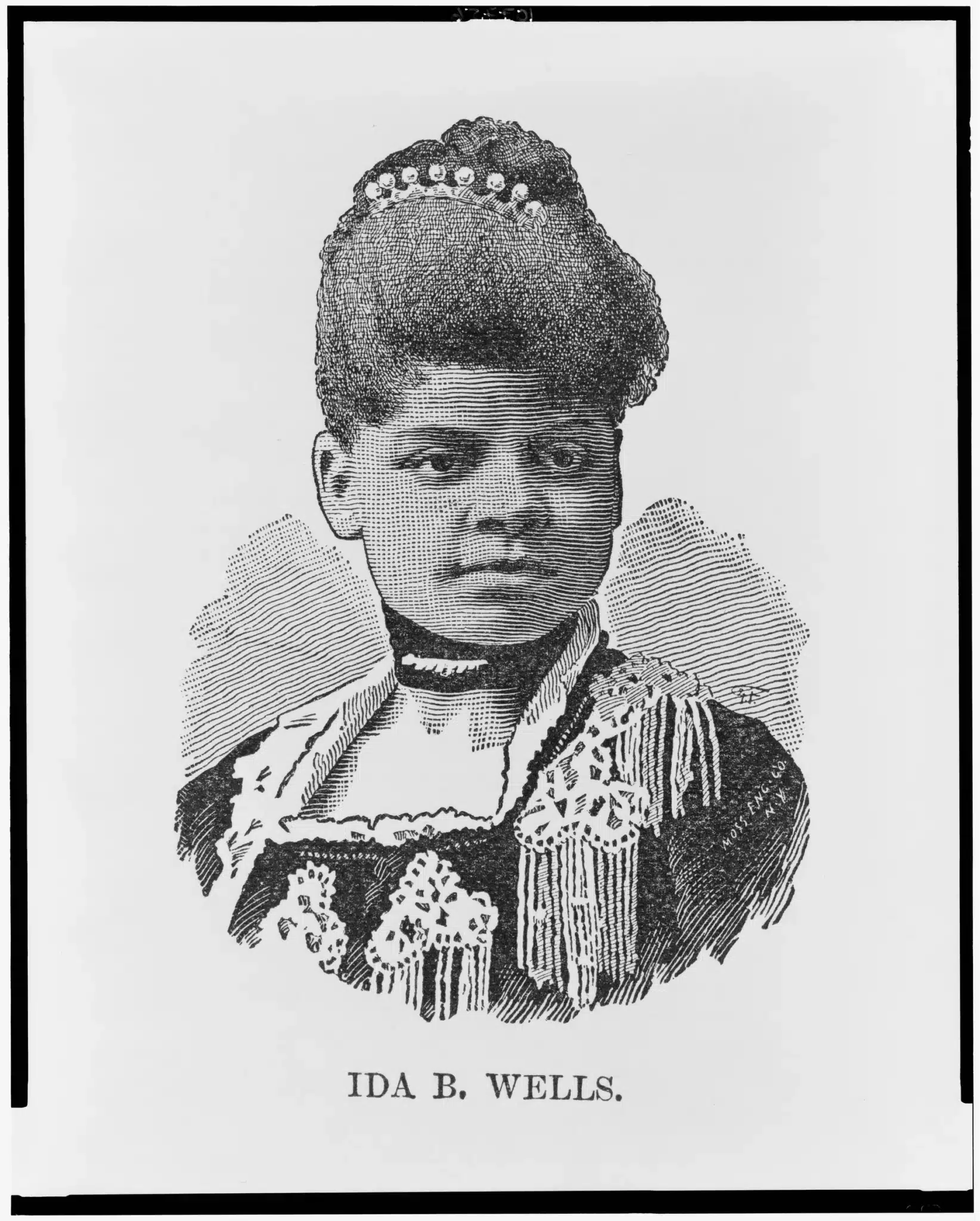
Challenging racism took many forms, from investigative reporting to grassroots organizing. Follow women who confronted violence and exclusion.
Funmilayo Ransome-Kuti united thousands of women against unfair colonial taxes and helped win them a place in Abeokuta’s government.
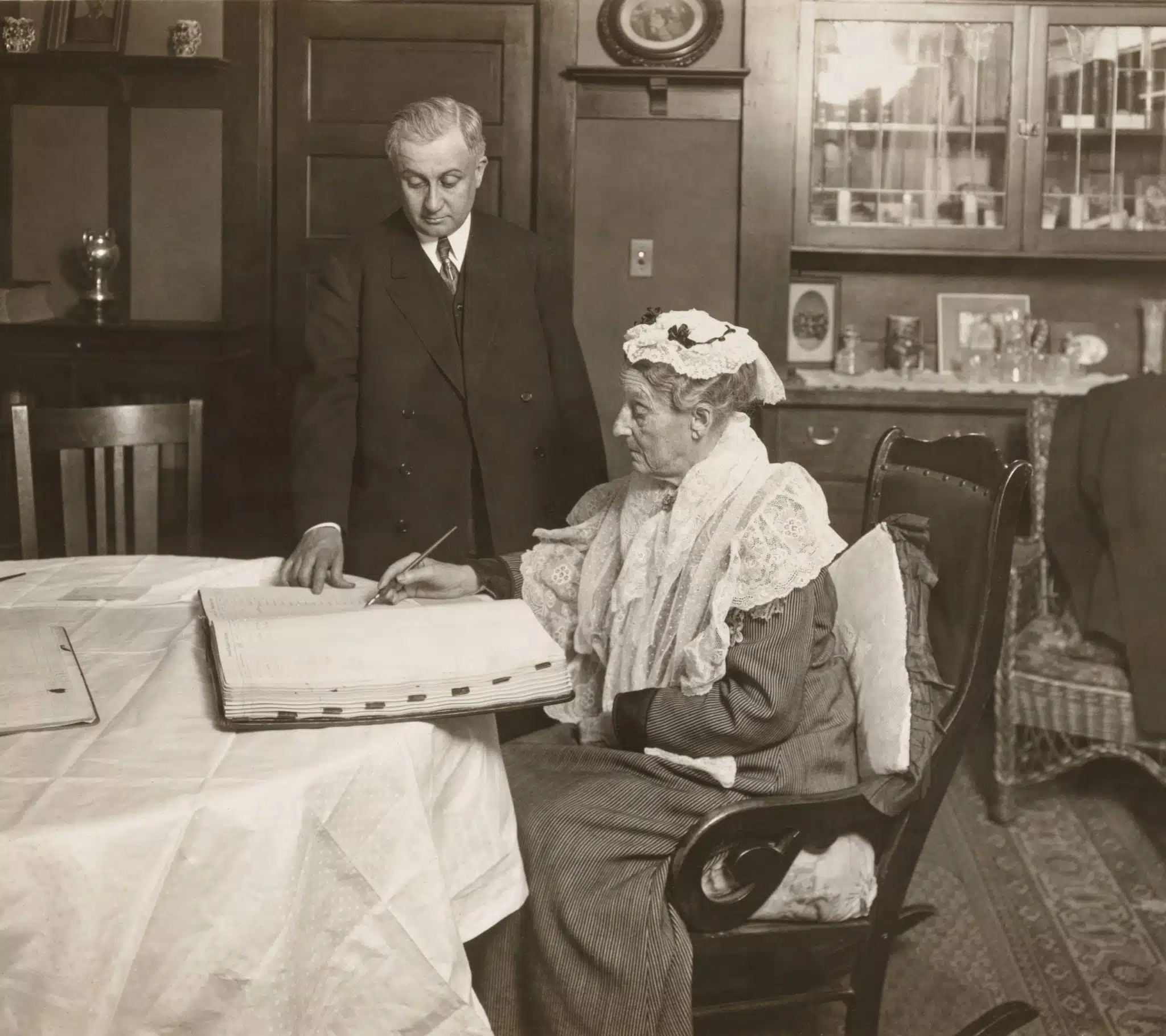
She turned women’s everyday grievances into a campaign for political rights, using journalism, organizing, and persistent lobbying to challenge restrictions on their independence.
She turned factory experience into a powerful voice for working women, organizing unions and demanding the safer conditions, fair treatment, and recognition their labor deserved.
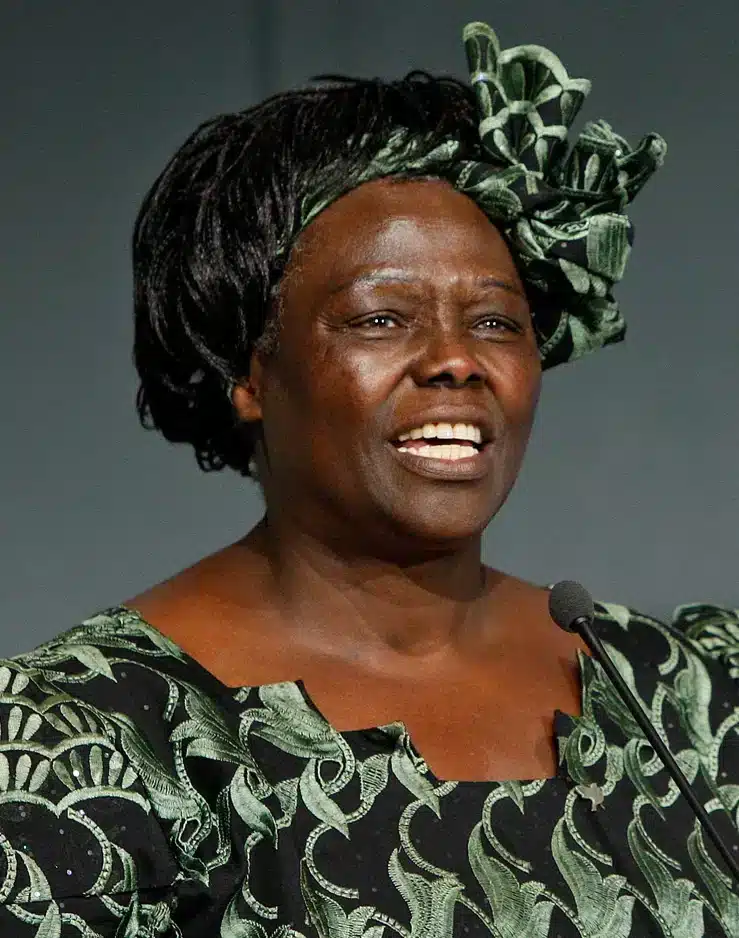
Women advanced climate research, defended forests, and built conservation movements, combining science with grassroots action to change how societies understood and protected nature.
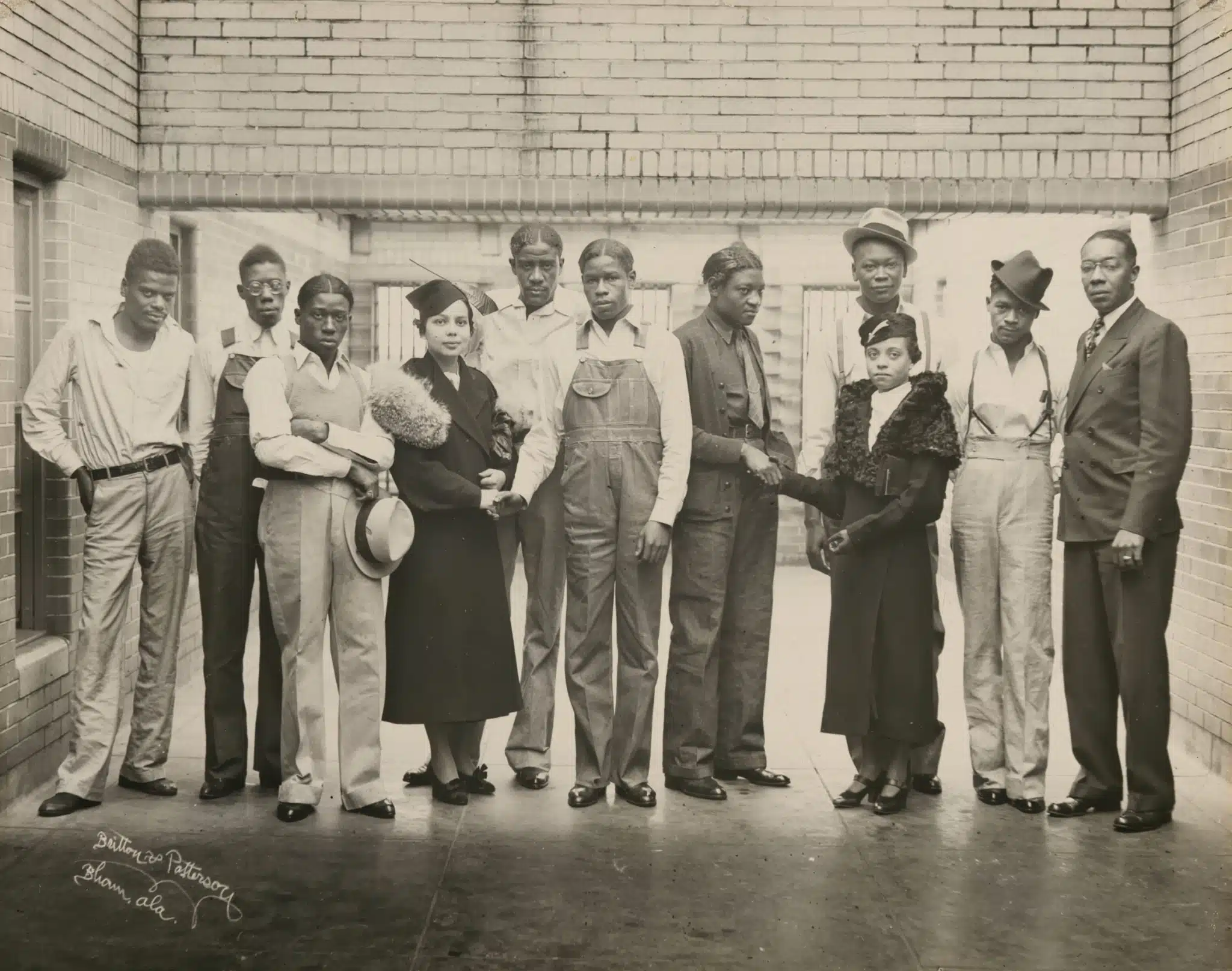
She broke barriers in the legal profession and used her expertise to challenge segregation, carrying community organizing into the courtroom and expanding the fight for civil rights.
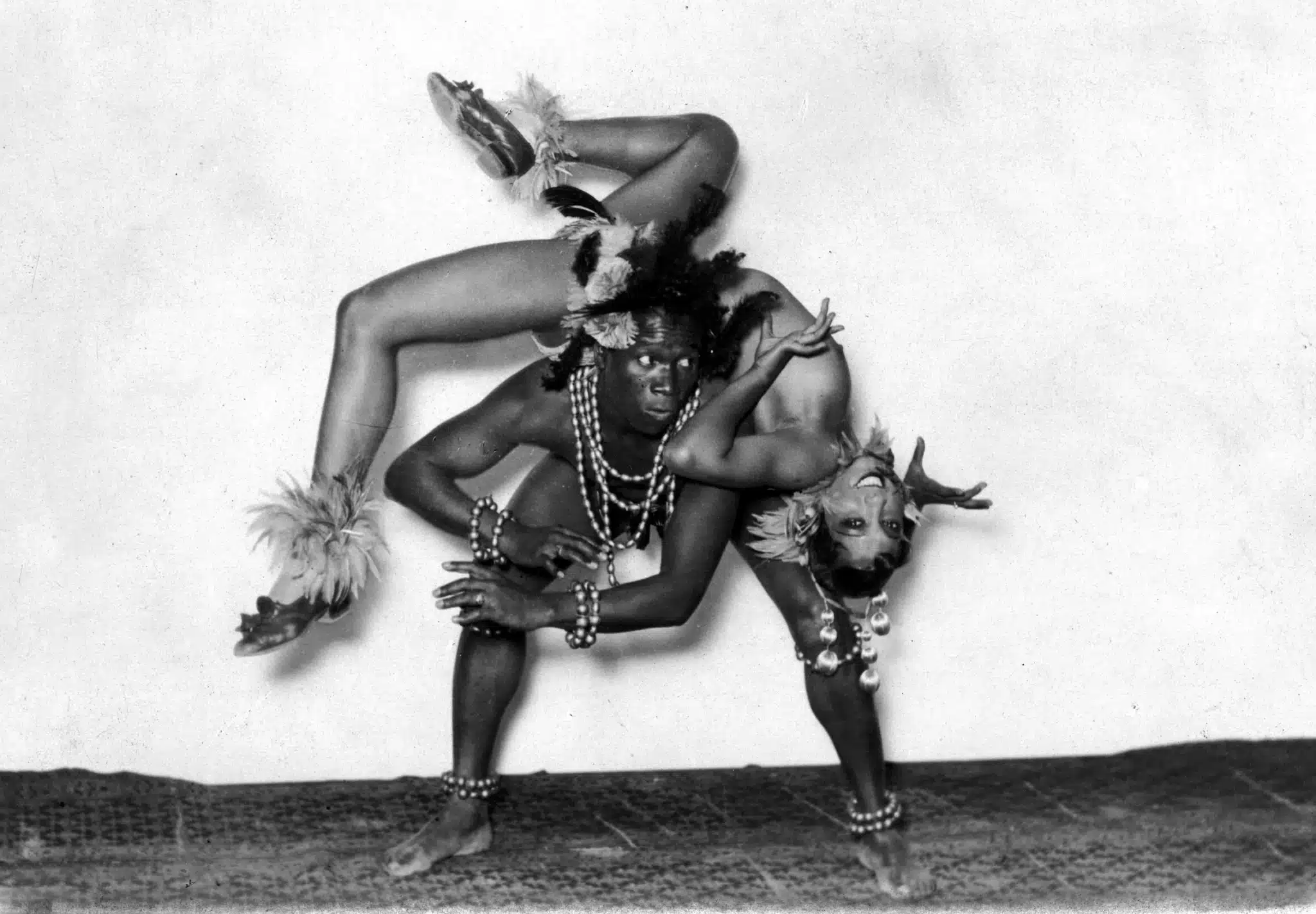
She used celebrity to support wartime resistance and challenge racism, turning the access granted by fame into a means of gathering intelligence and demanding justice.
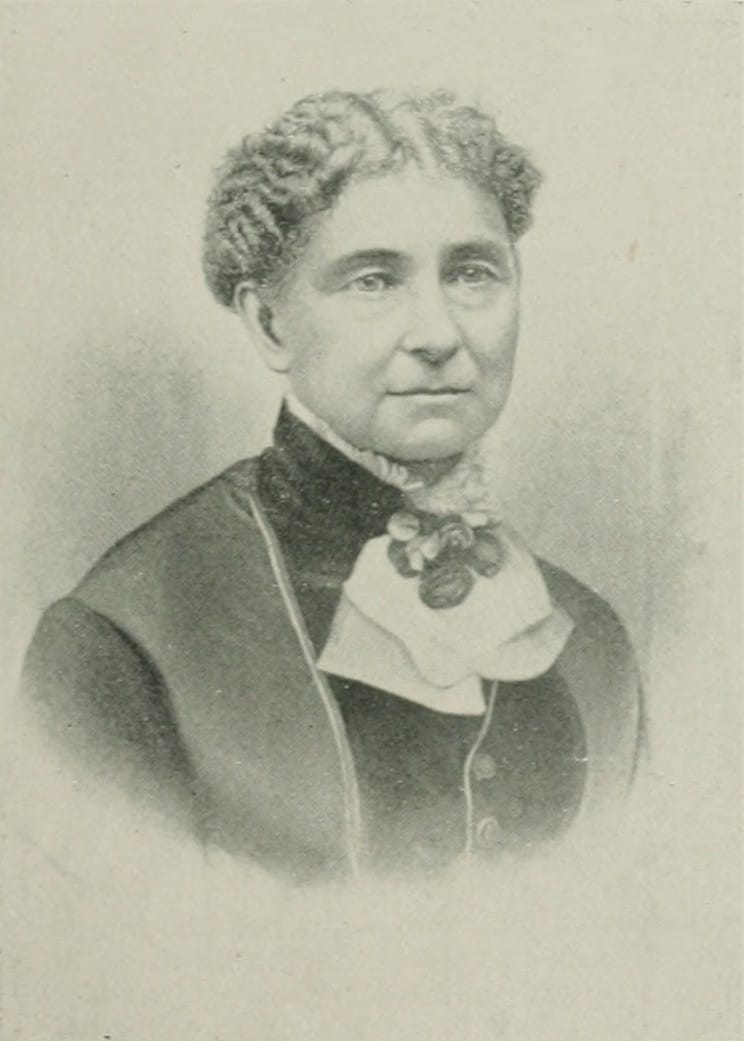
She used journalism to argue for political rights and practical clothing, linking women’s ability to move freely with their right to participate in public life.
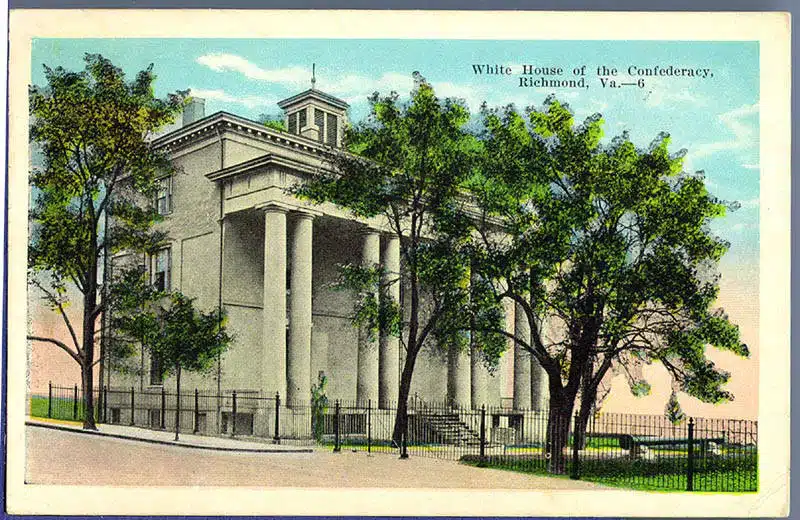
She gathered intelligence inside an enemy leader’s home, then worked to educate formerly enslaved people, continuing the fight for freedom despite threats to her schools.
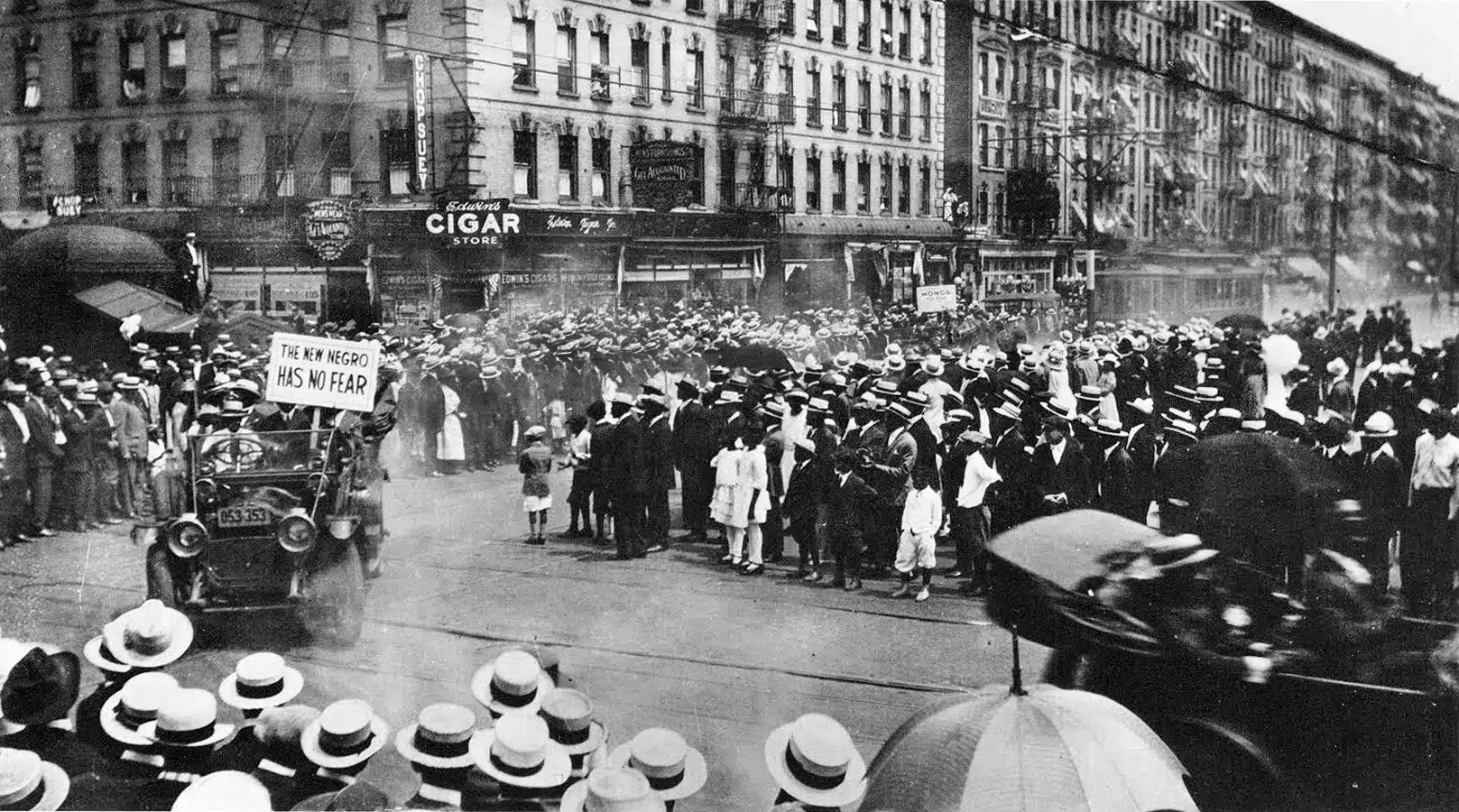
Black women’s writing and art helped drive a cultural movement, bringing new voices into public life and influencing how communities understood and represented themselves.
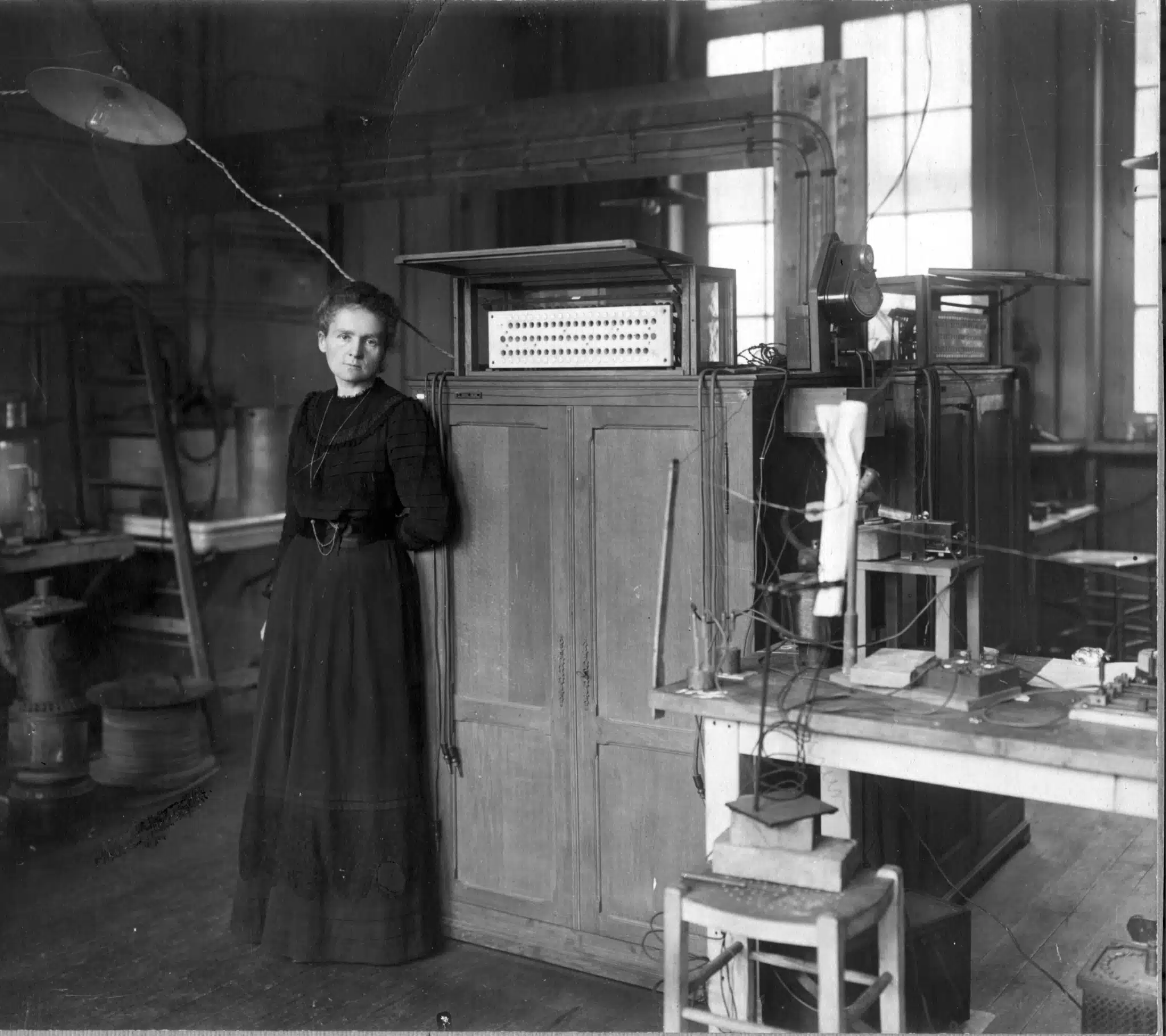
Women’s convictions about religion shaped lives of achievement in science, literature, and philosophy, connecting intellectual independence with debates over belief and freedom of thought.
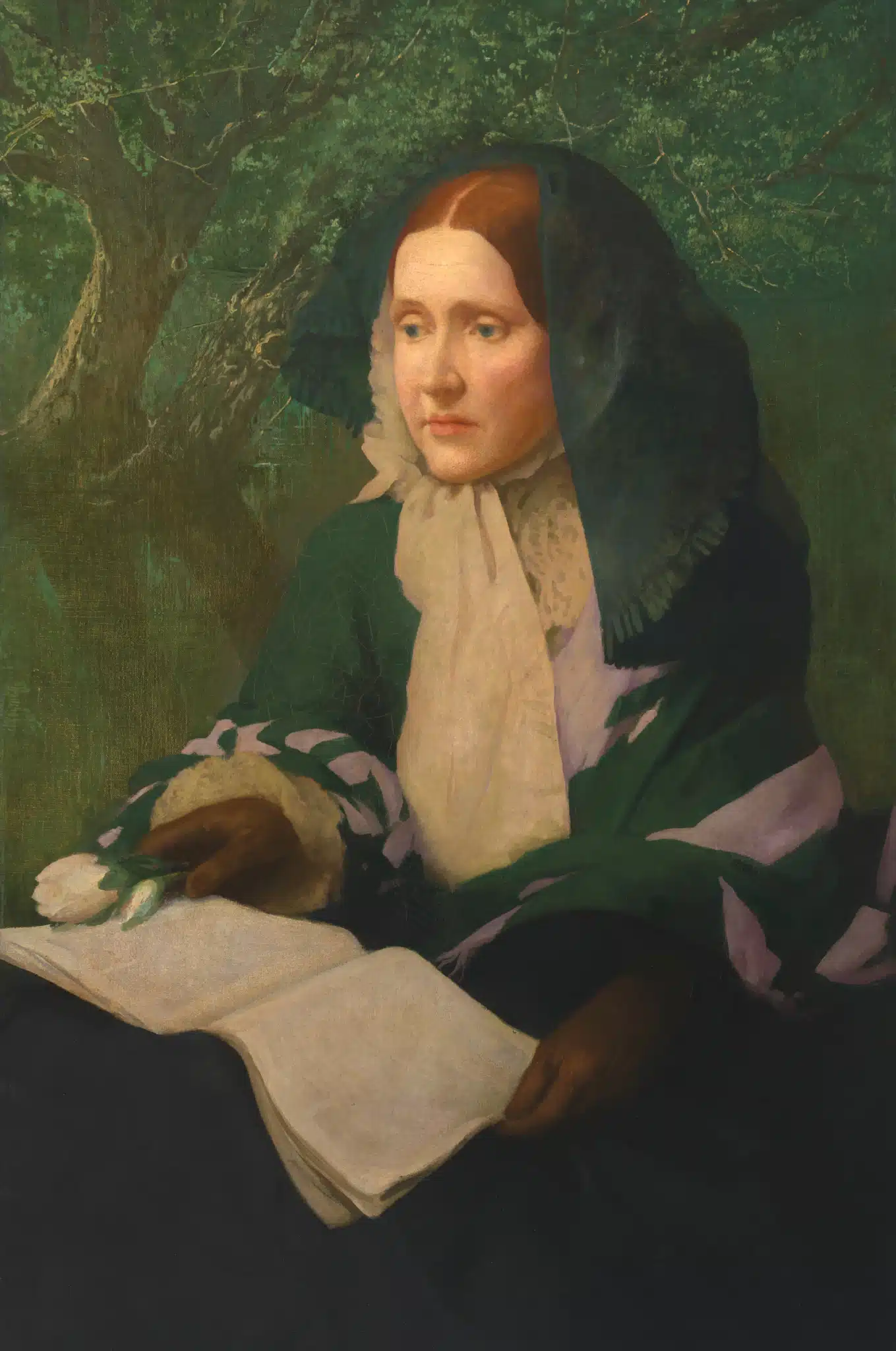
A celebrated wartime anthem made her famous, but her poetry and activism also carried demands for abolition, women’s rights, and a broader role in public life.
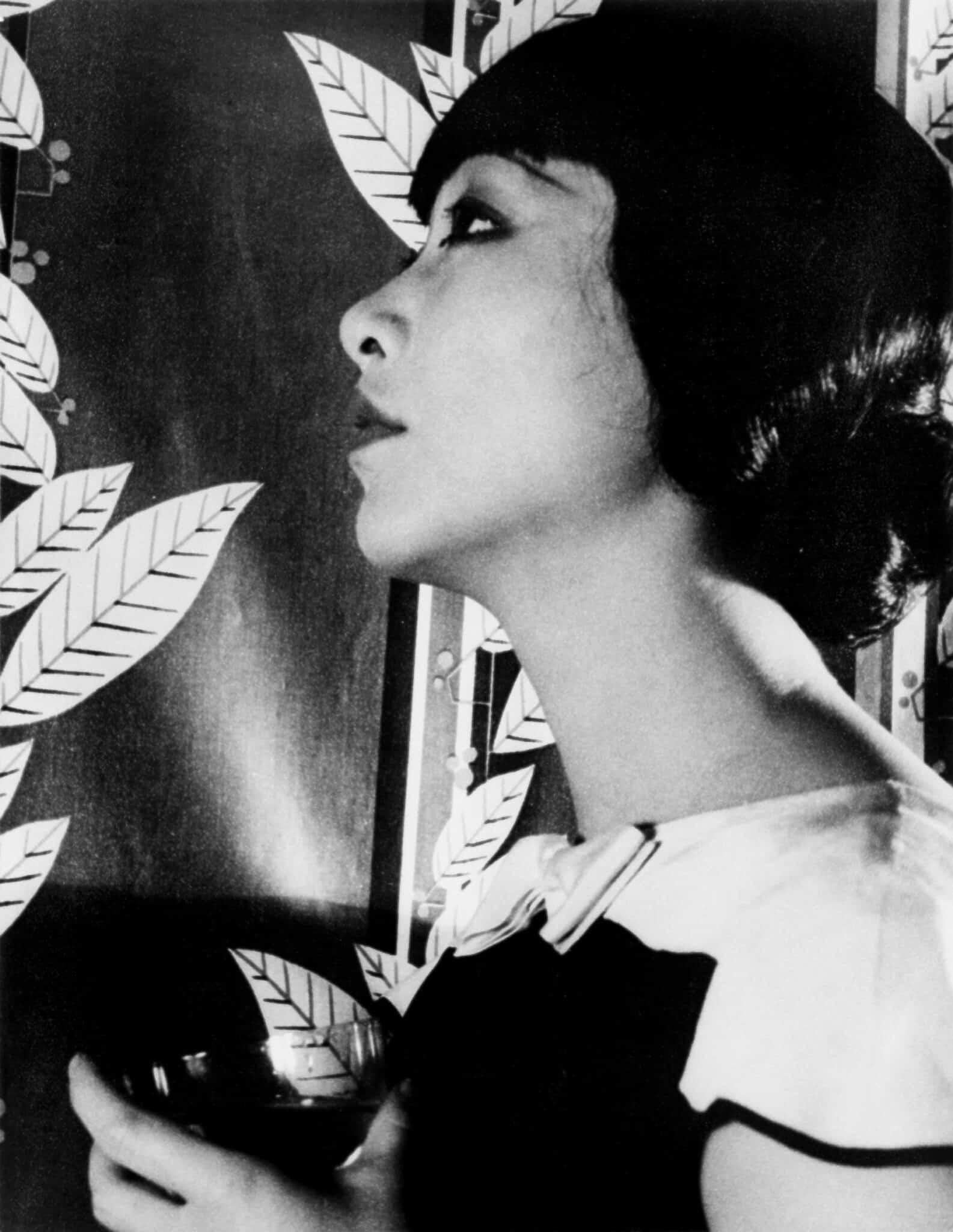
She won international acclaim while confronting racist casting and stereotypes, using a screen career to challenge the narrow roles available to performers of color.
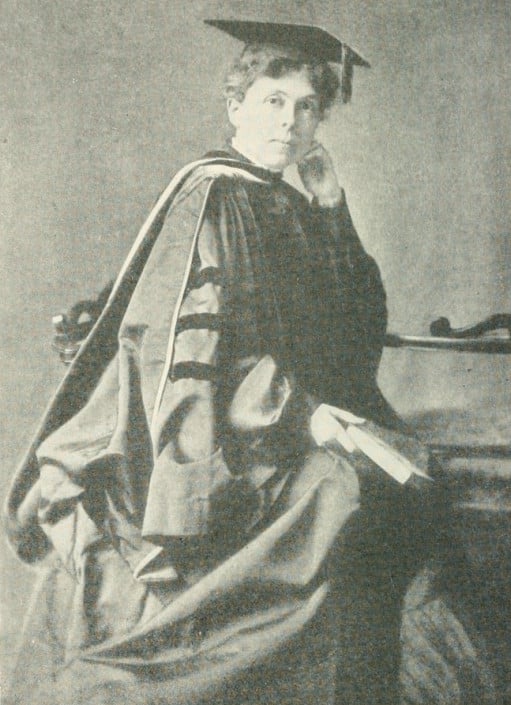
Her leadership expanded women’s access to higher education, building academic opportunities and challenging assumptions about what educated women could contribute to the wider world.
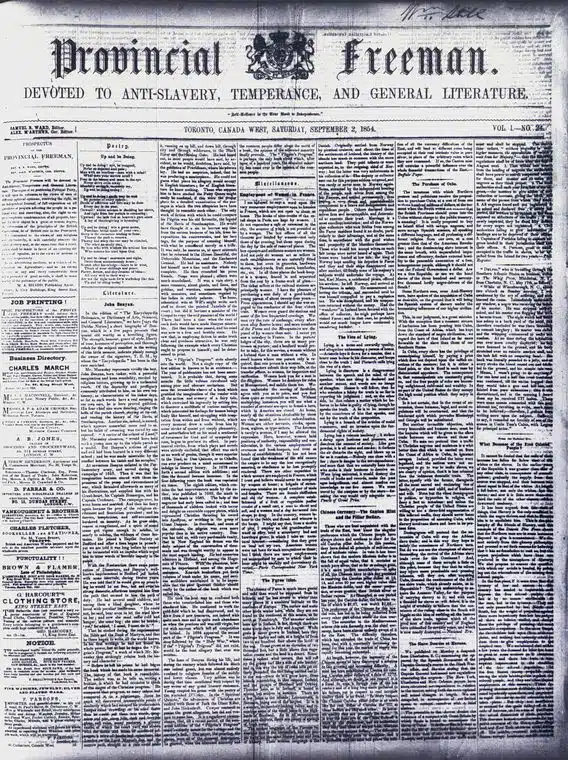
She built schools and a newspaper to advance Black freedom and opportunity, using education and publishing to challenge slavery and support communities across national borders.
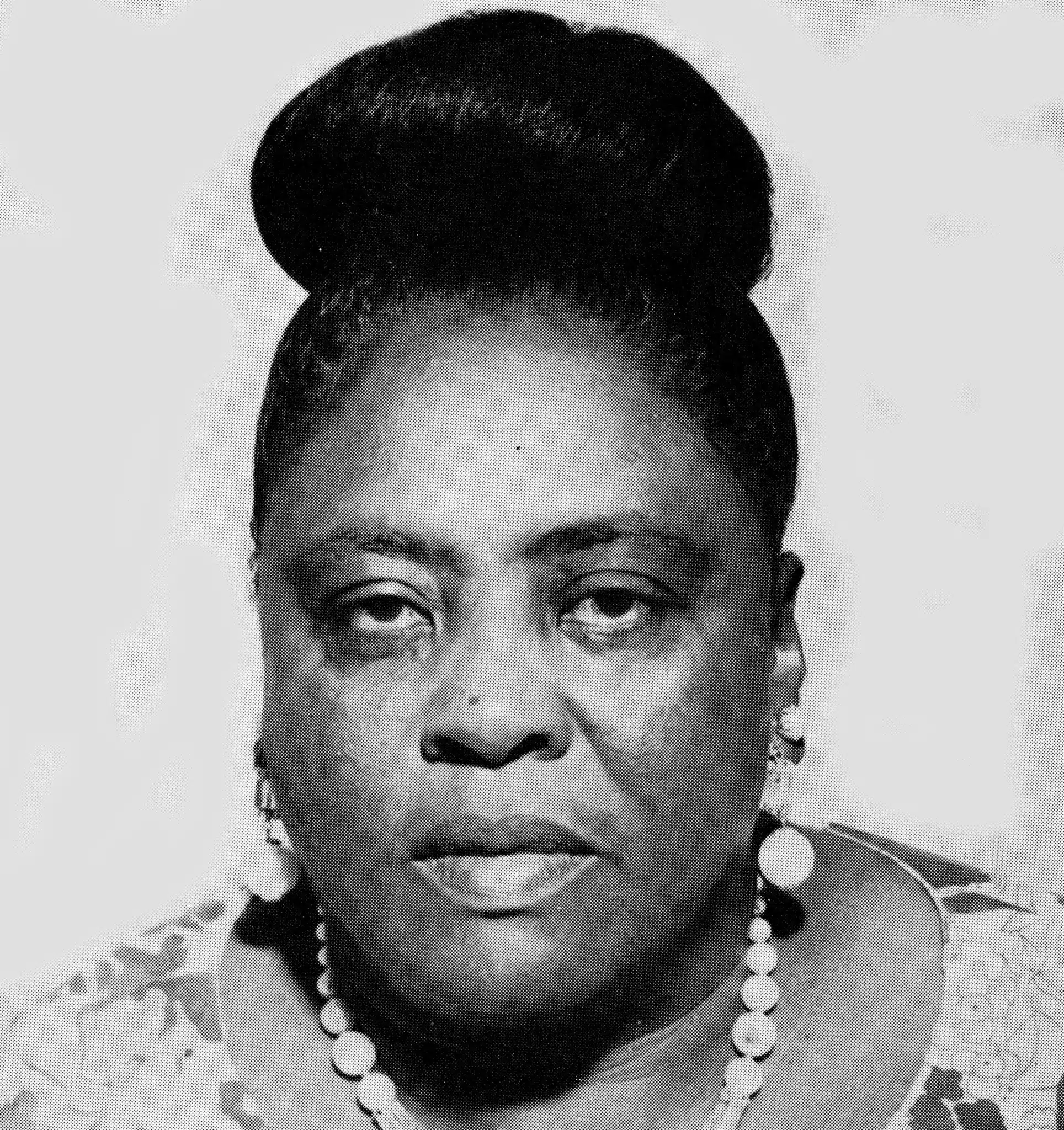
After risking her home and enduring a brutal jail beating, Fannie Lou Hamer took Mississippi’s fight for Black political representation to the 1964 Democratic convention.
She used investigative writing to expose lynching and the lies used to justify it, carrying the fight against racial violence to audiences across national borders.
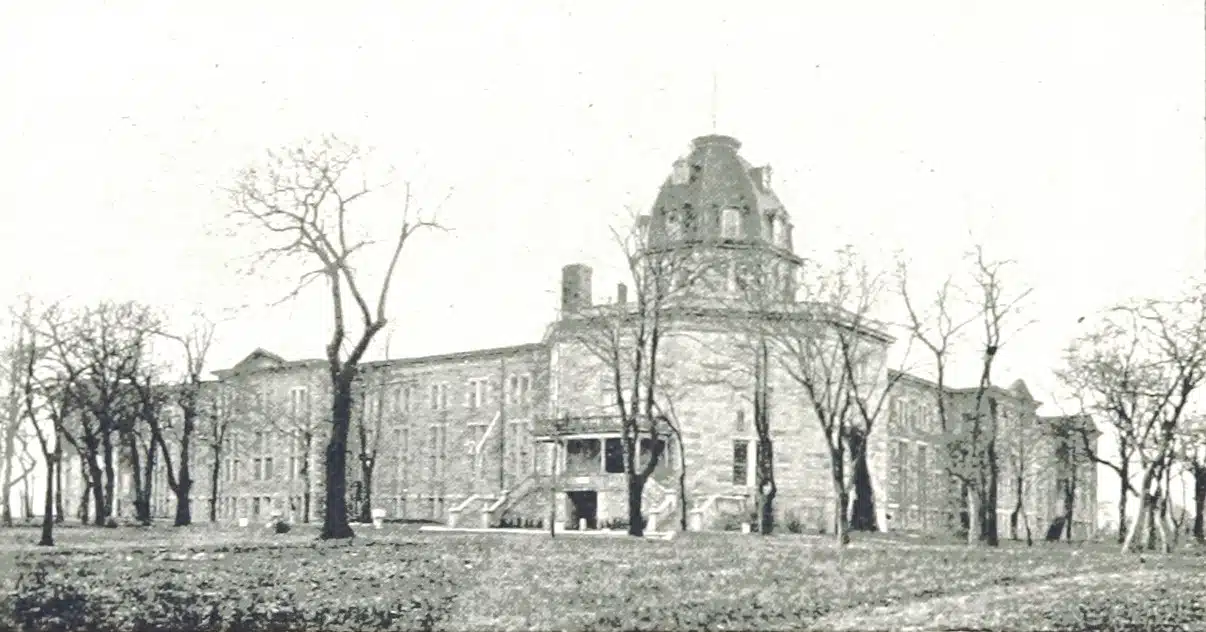
She went undercover to expose abuse and used bold reporting to demand change, challenging the belief that women journalists belonged only on society pages.
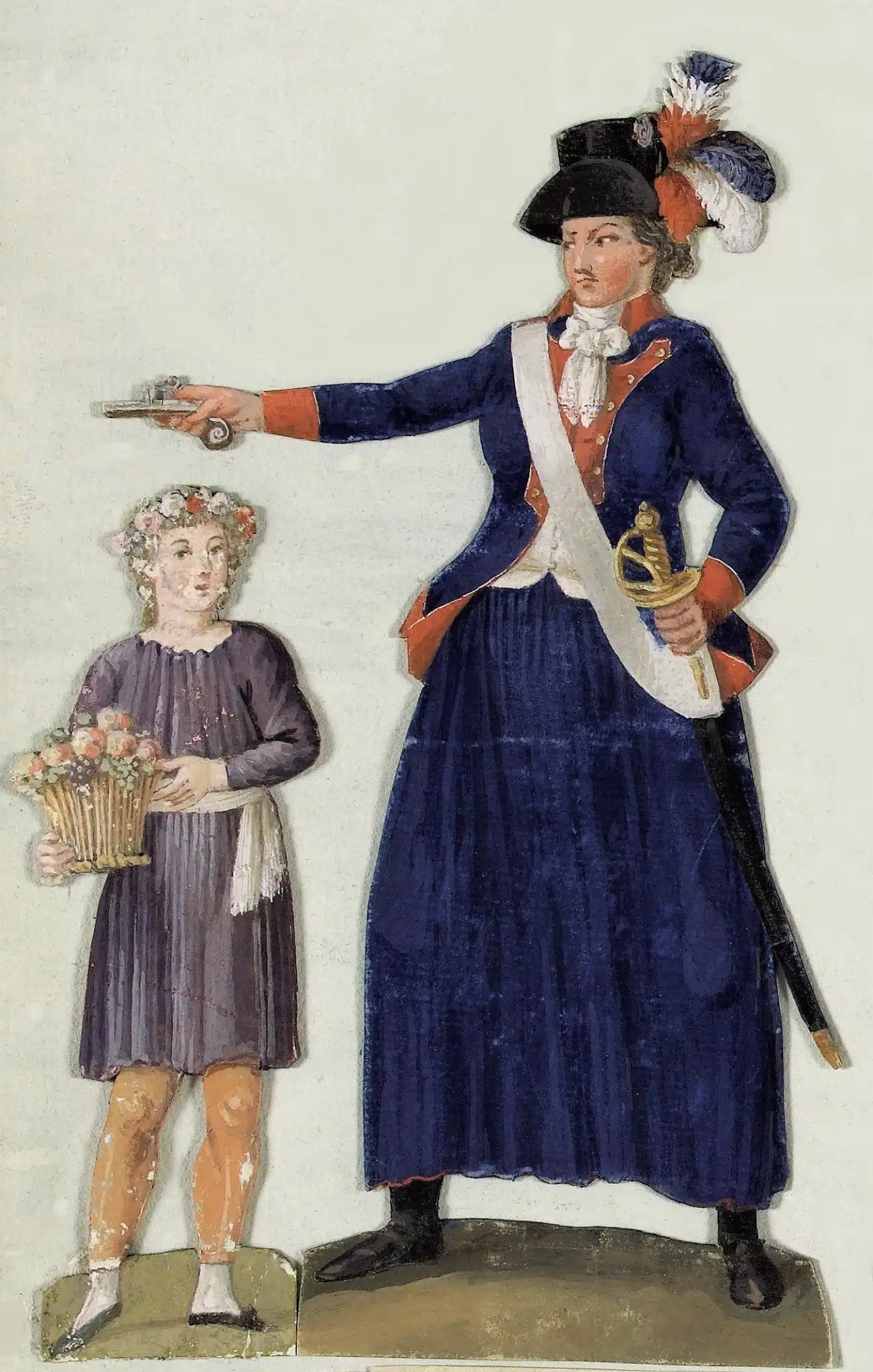
She embraced a revolution’s promise of liberty and equality, entering political life where a woman’s ambition attracted both passionate support and vicious public attacks.
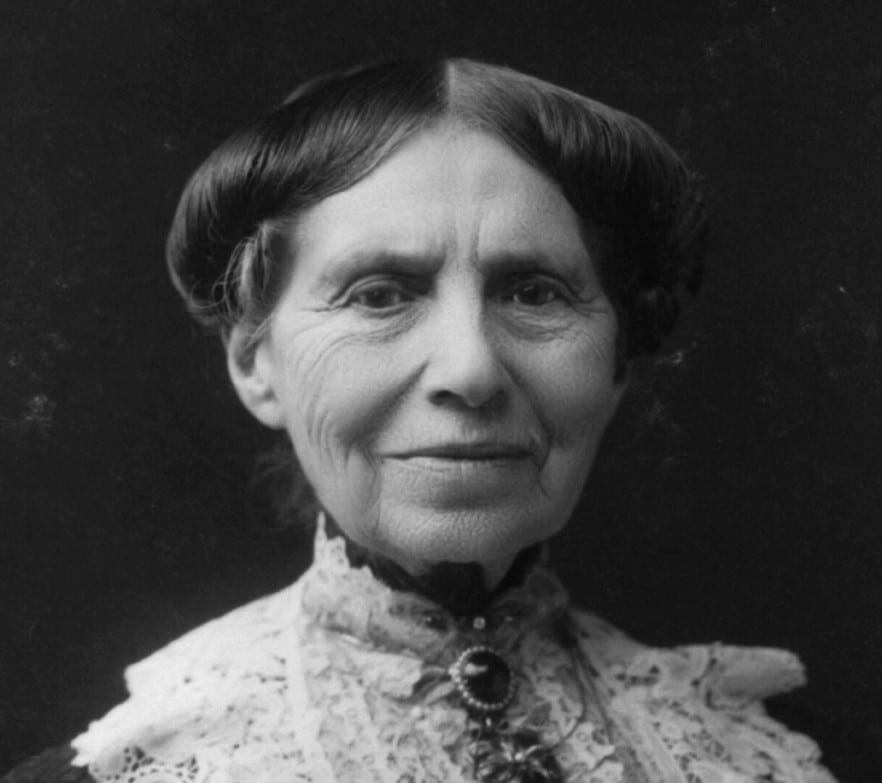
She brought care to wartime battlefields, then built a relief organization that extended its work to communities facing floods, famine, epidemics, and other disasters.
Her fiction and arguments for economic independence challenged restrictive ideas about women’s lives, helping readers imagine alternatives to the roles society expected them to accept.