Anna Essinger: Avant-Garde Educator Who Defied the Third Reich
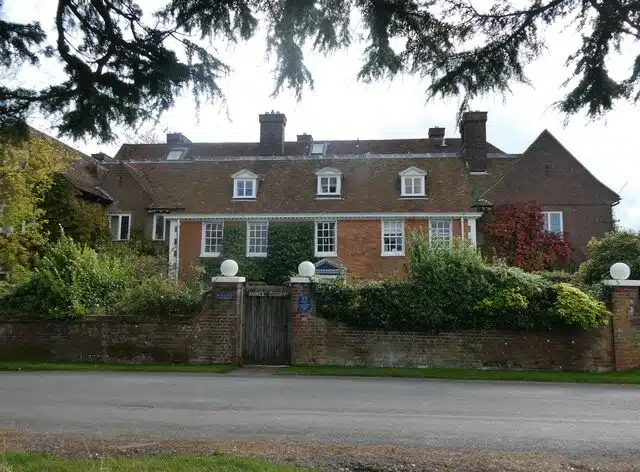
She refused to let an authoritarian regime shape her students’ education, relocating her school and creating a home for children uprooted by persecution.

Women worth knowing
Extraordinary women, overlooked stories, and a more complete history. Explore the lives, ideas, and achievements that changed the world.
Teachers, professors, educators: these women shaped the future of the world by motivating and influencing hundreds of children.
She refused to let an authoritarian regime shape her students’ education, relocating her school and creating a home for children uprooted by persecution.
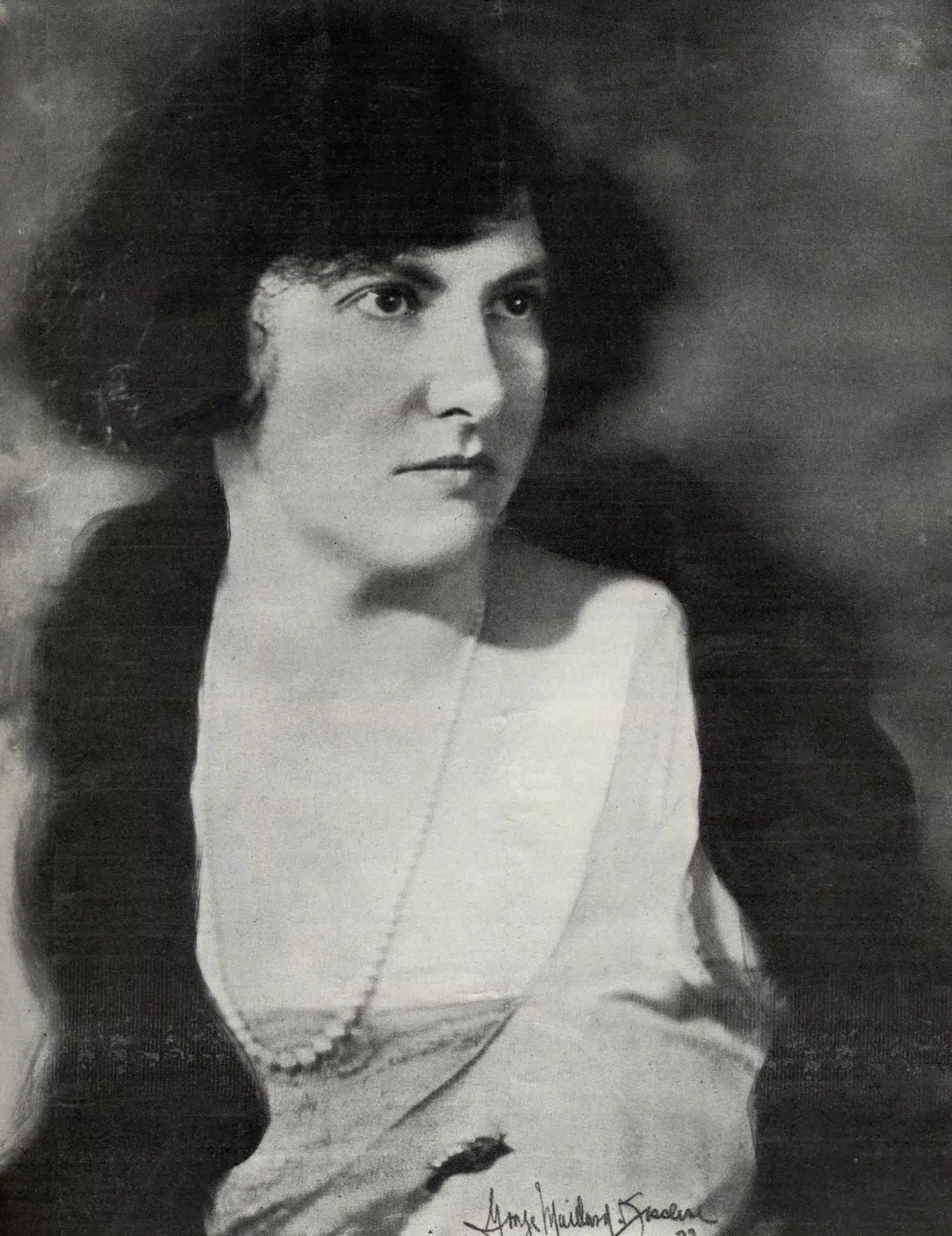
She advanced experimental classical music through composition, teaching, and criticism, helping build the institutions and professional opportunities that supported new work.
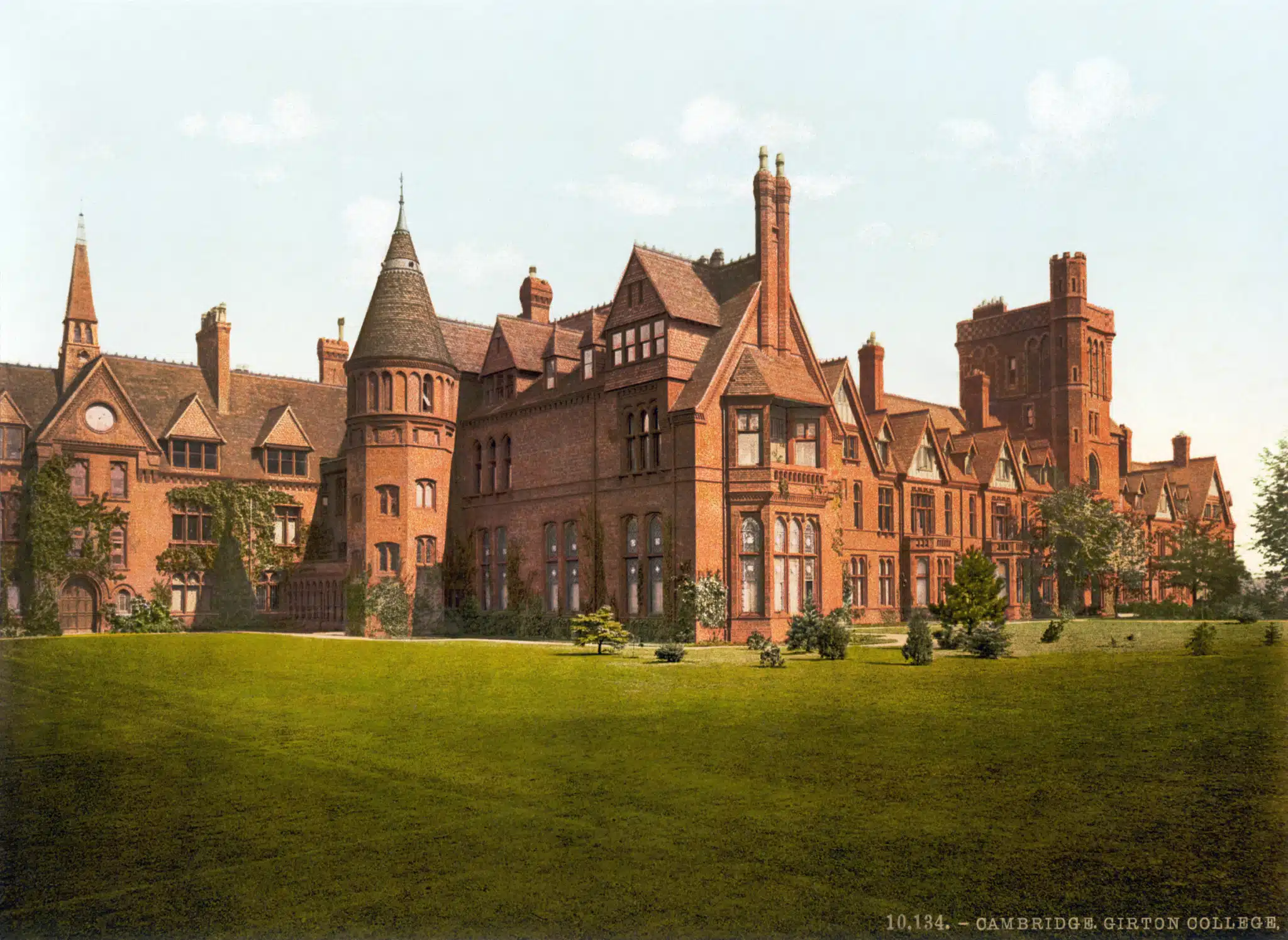
Women expanded access to education and challenged expectations of who could lead a school, creating opportunities that helped reshape learning for generations of students.
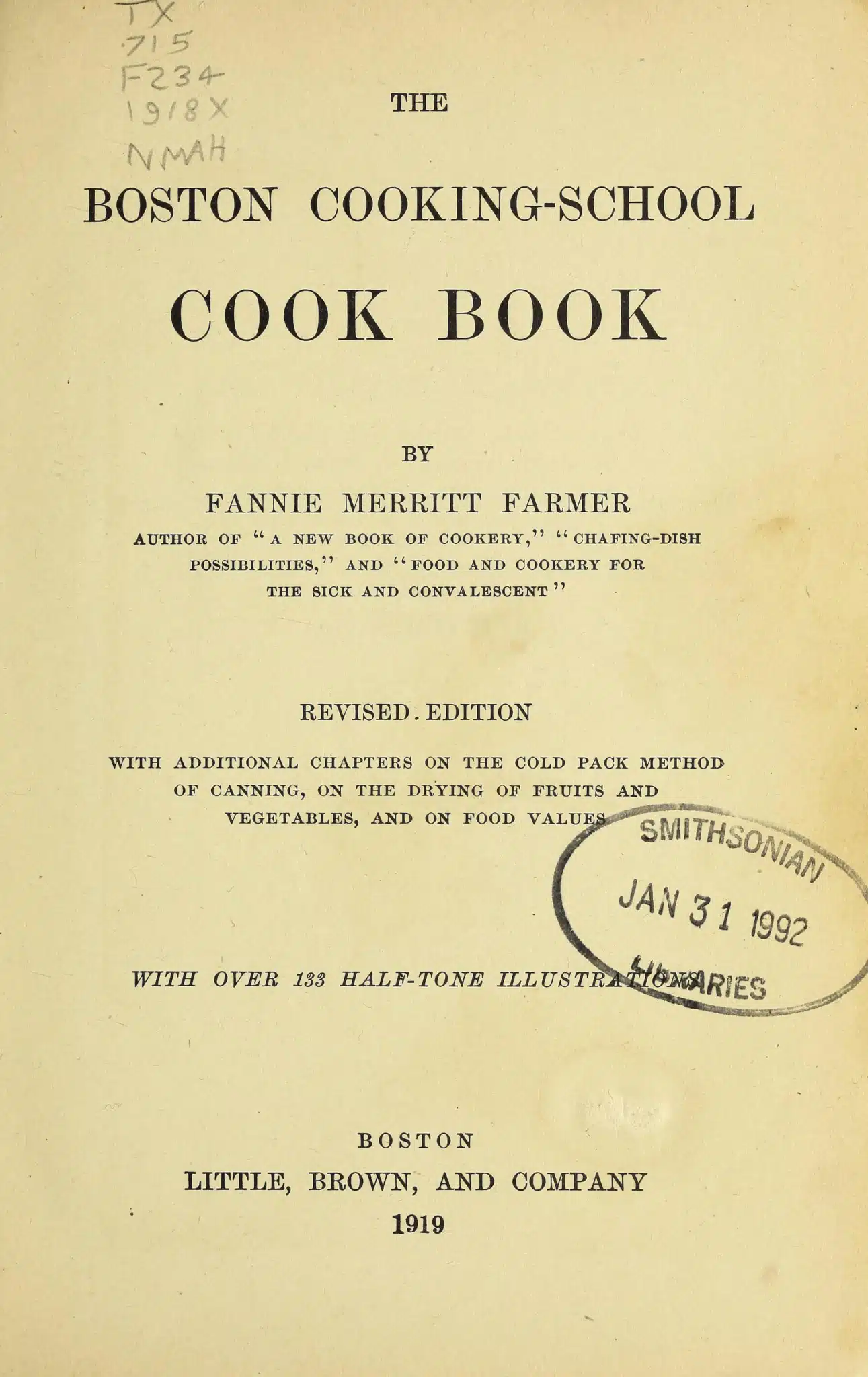
She helped make recipes reliable by championing precise measurements, bringing a scientific approach to everyday cooking and making successful results easier for home cooks to reproduce.
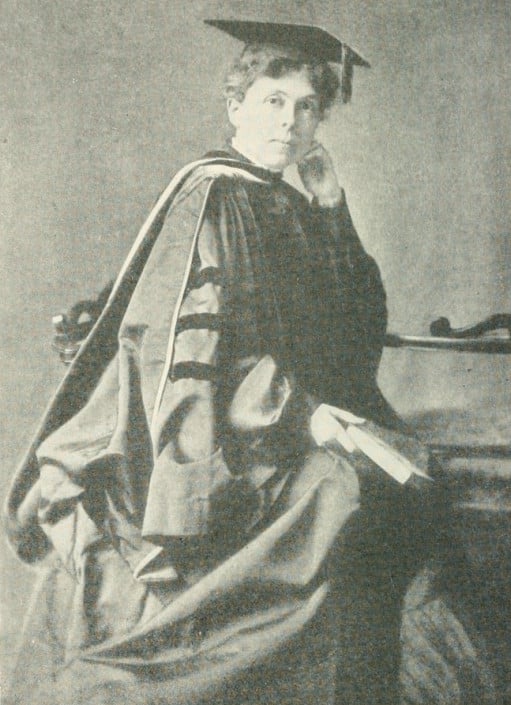
Her leadership expanded women’s access to higher education, building academic opportunities and challenging assumptions about what educated women could contribute to the wider world.
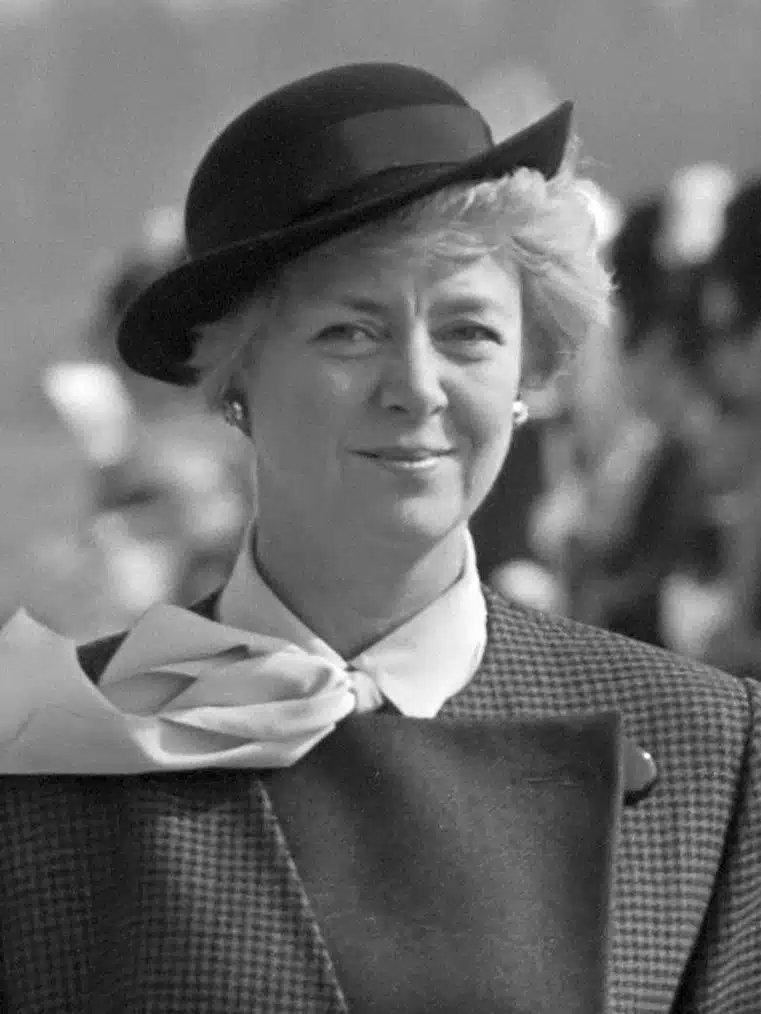
Her election to the presidency challenged expectations of who could lead a country, bringing experience in education and the arts into a powerful public role.
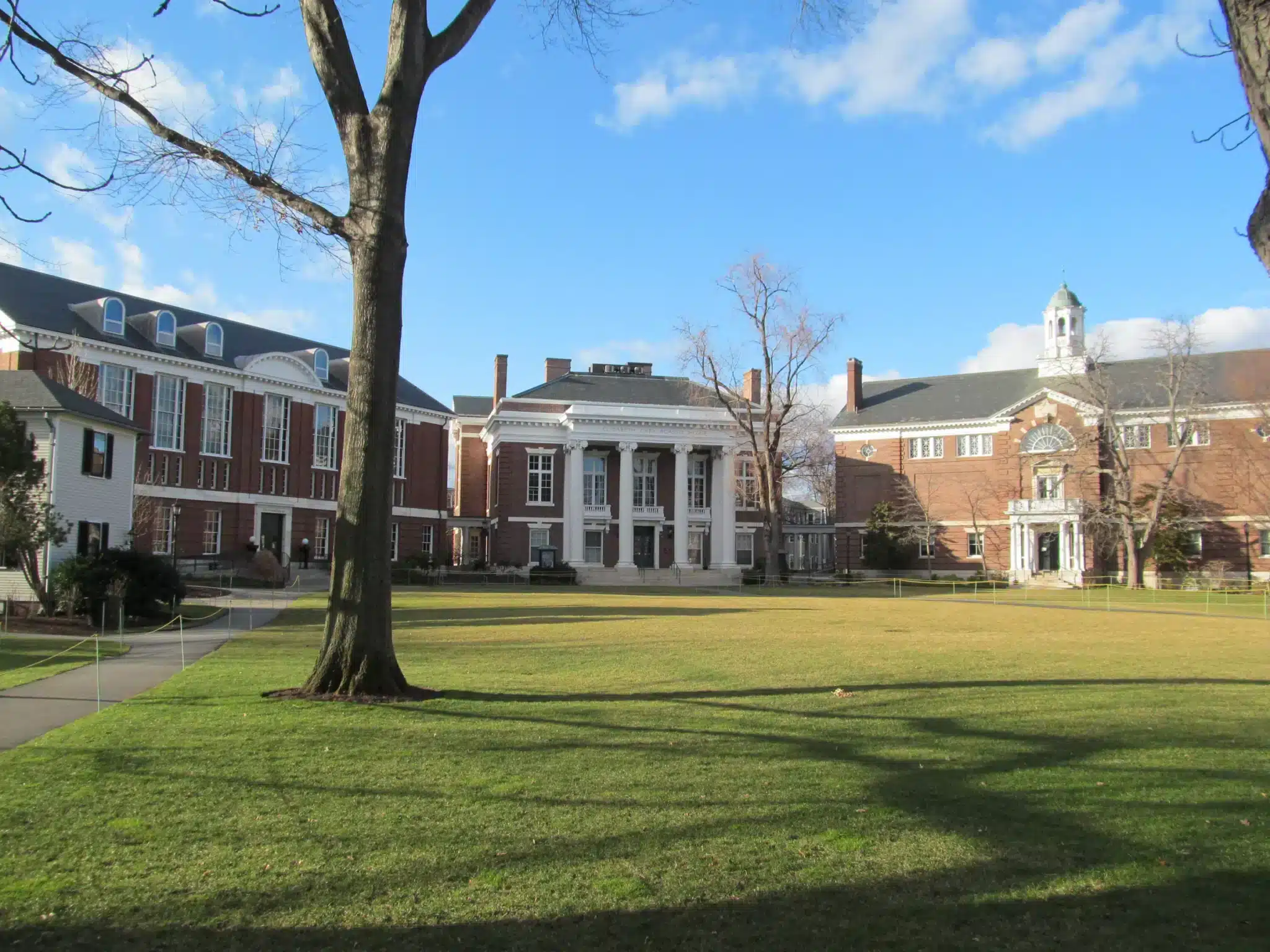
She challenged the limits placed on women’s education, building opportunities for students of different ages and changing expectations of who belonged at leading universities.
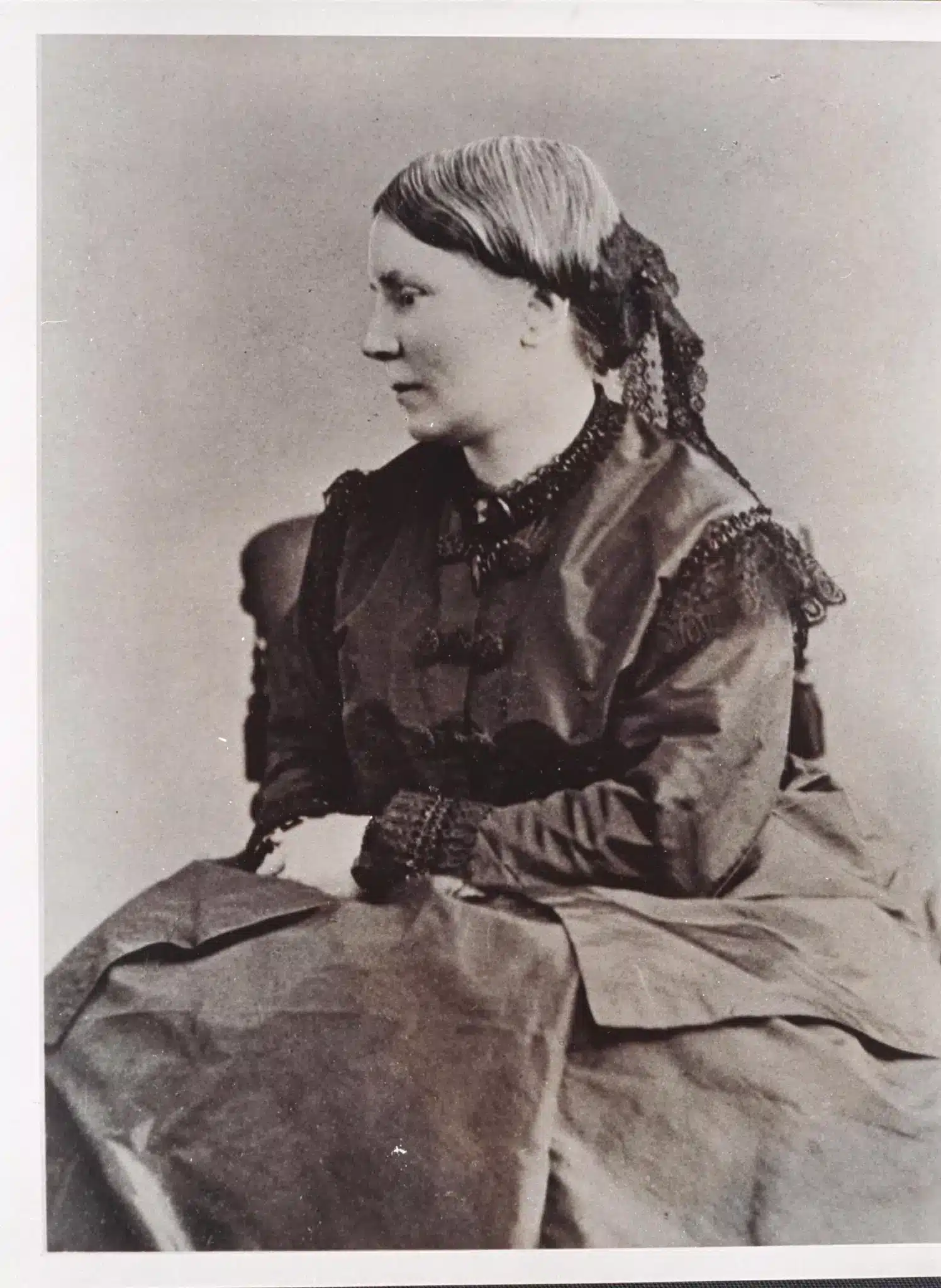
She earned a medical degree when the profession excluded women, then helped build hospitals and schools that made it possible for others to follow.
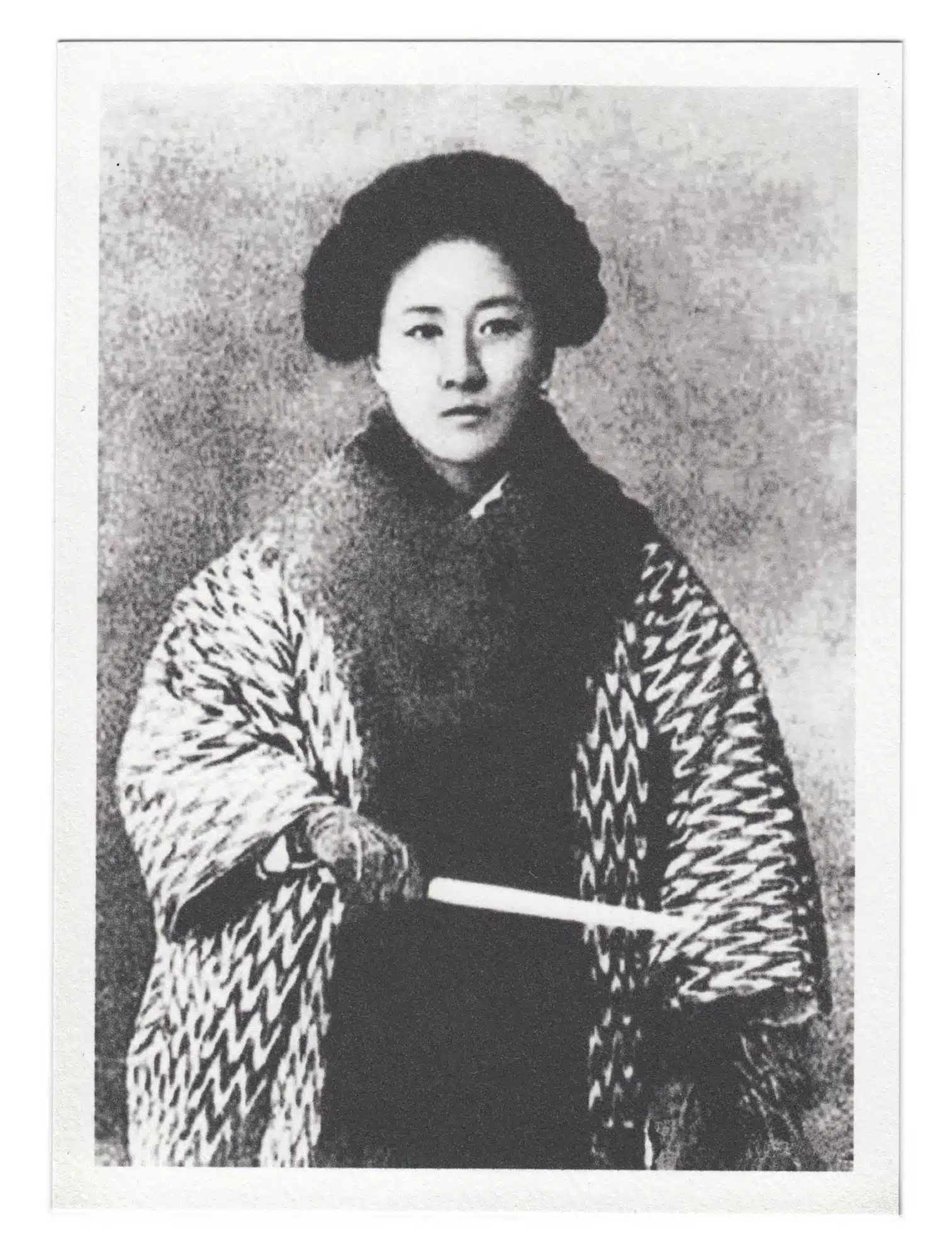
She used poetry, journalism, and revolutionary organizing to demand education and freedom for women, risking her life to challenge the political and social order.
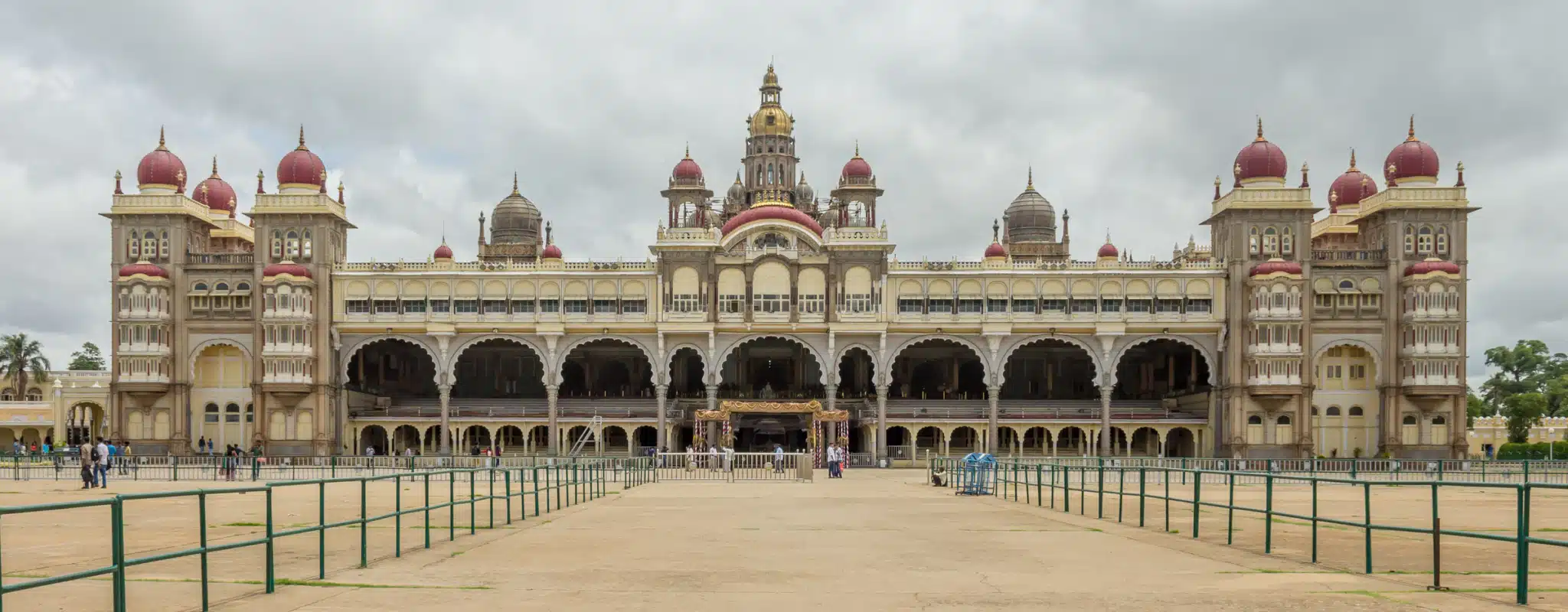
She pushed into a yoga tradition dominated by men, then carried its practice across continents, helping new audiences find a place in an ancient discipline.
She turned poetry into a powerful tool for women’s education, training traveling teachers who carried knowledge into communities and helped other women become educators.