
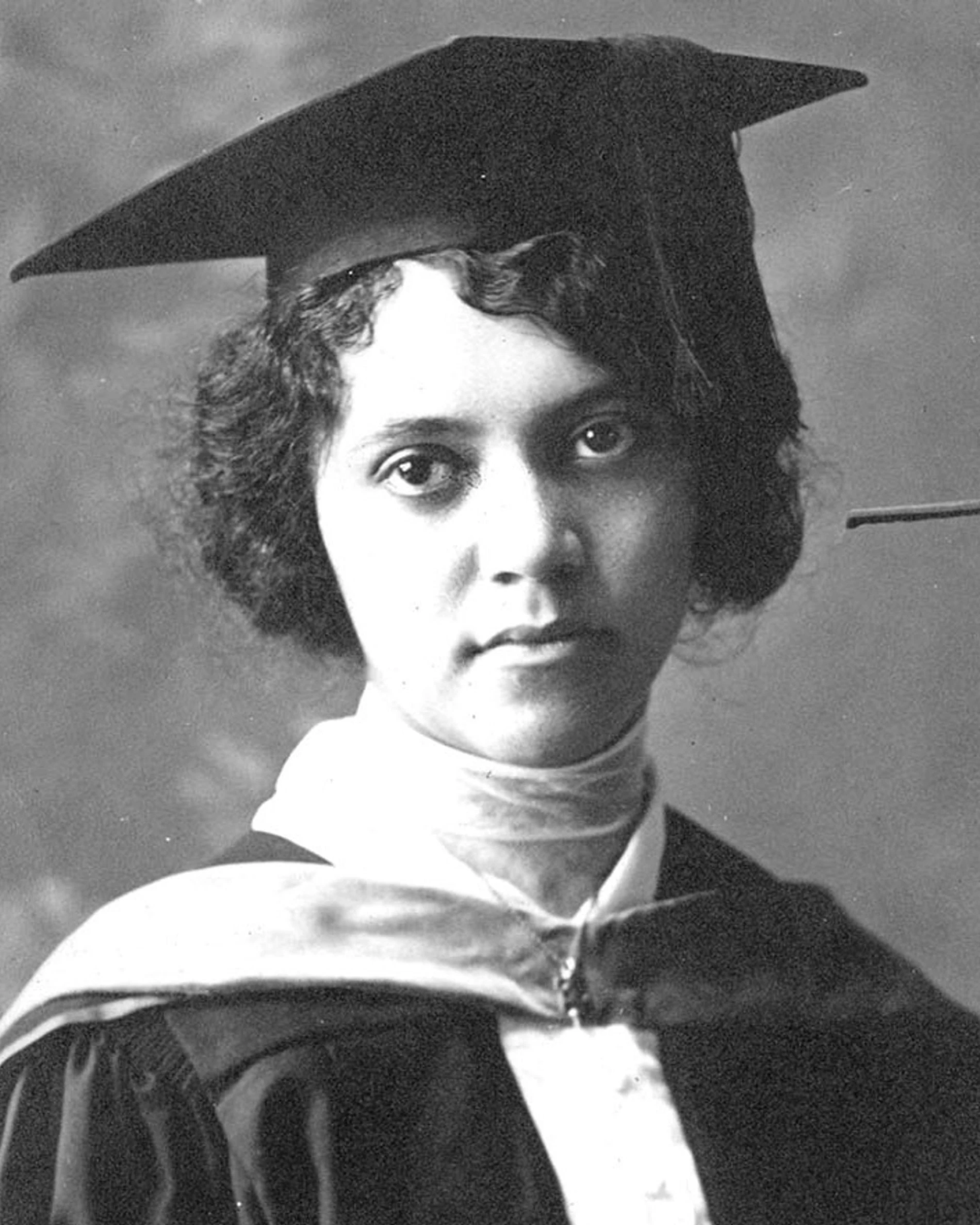
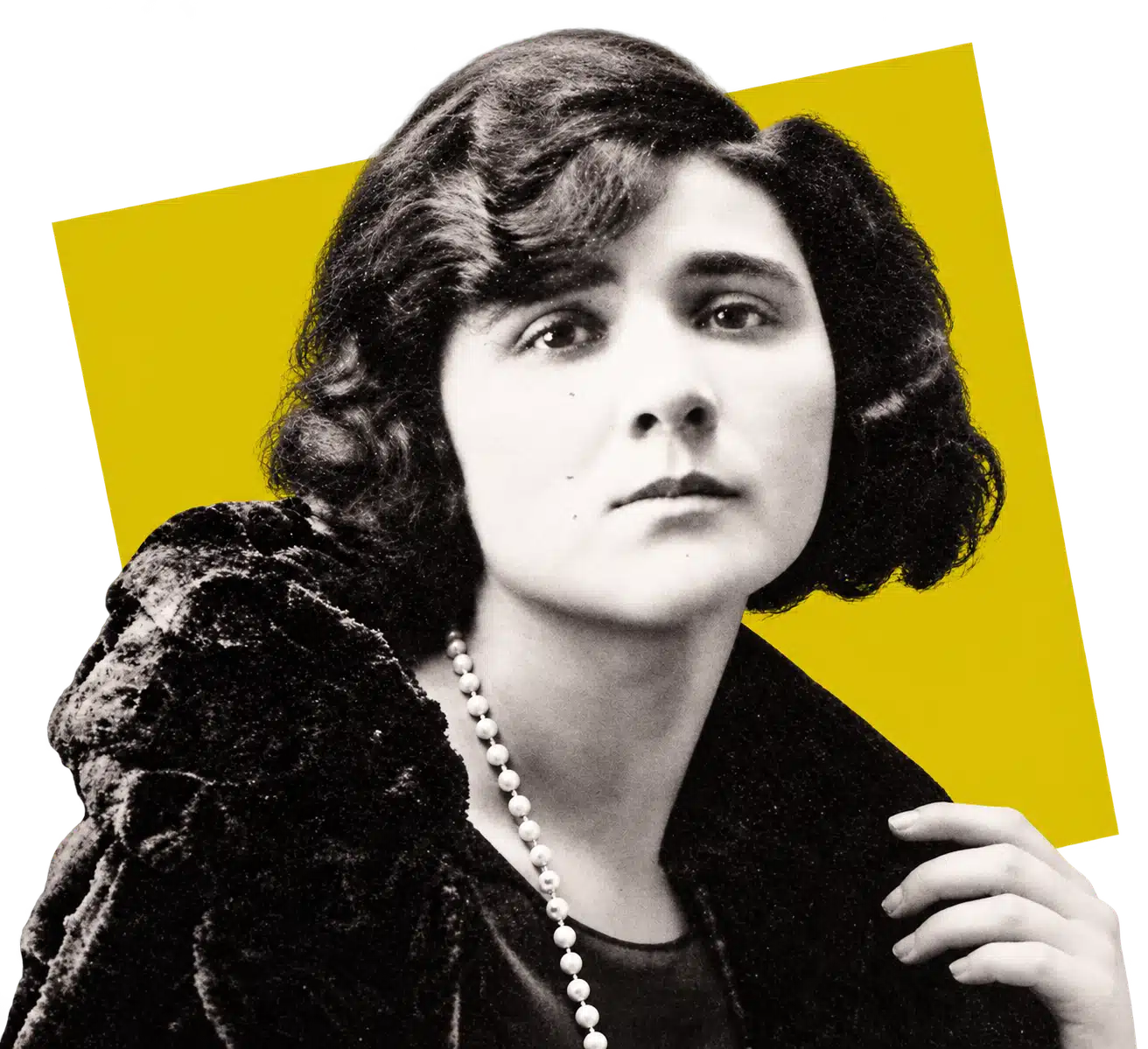
Alice Augusta Ball (1892–1916) was a Black American chemist who transformed a difficult leprosy remedy into a more usable injectable treatment. Her work gave doctors a better way to treat people facing lifelong isolation, but after her death, another chemist’s name became attached to the achievement.
An Old Remedy Patients Struggled to Take
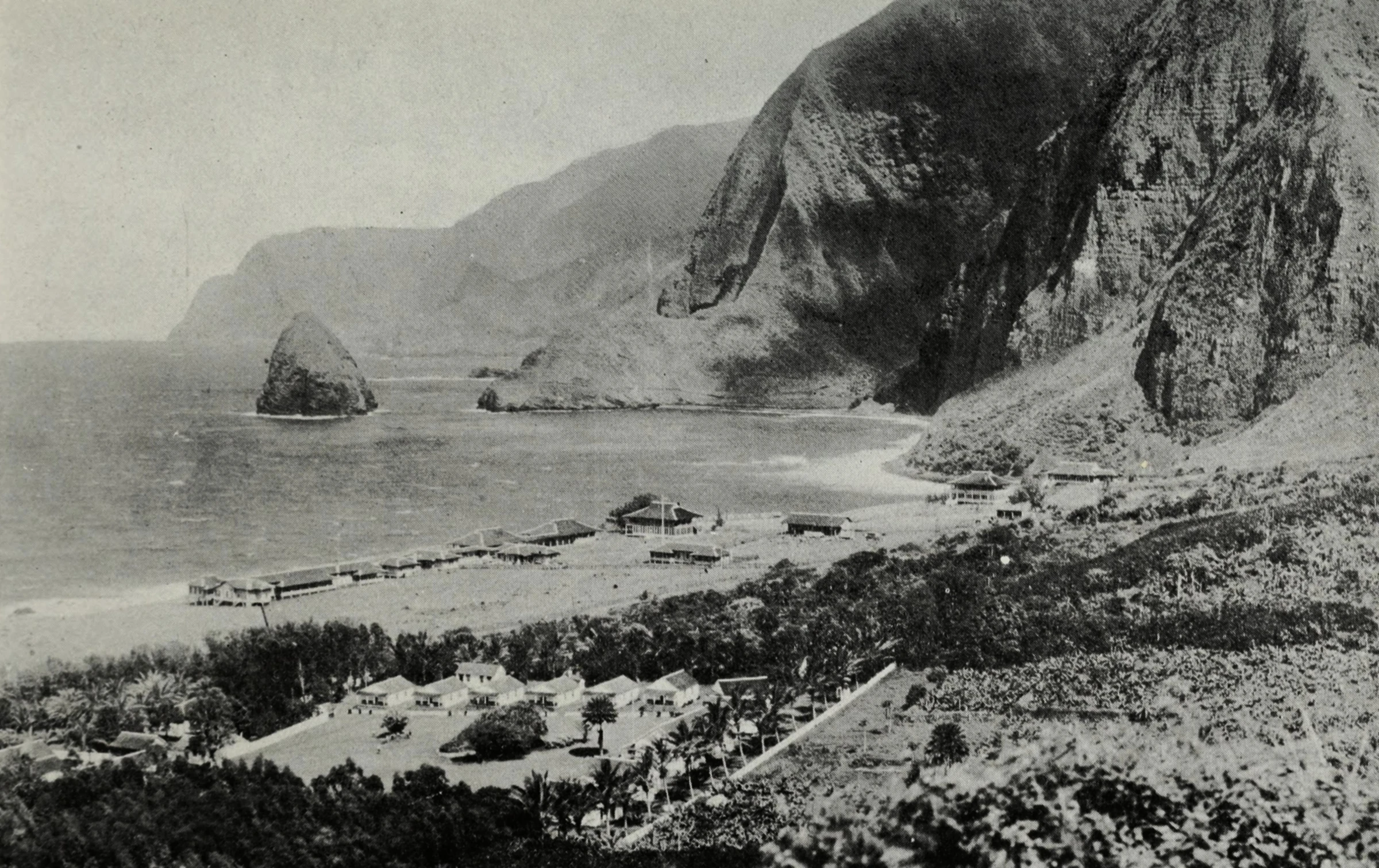
In Hawaiʻi, a diagnosis of leprosy could mean being taken from your family and sent to the isolated Kalaupapa peninsula on the island of Molokaʻi. The disease, now usually called Hansen’s disease, affects the skin and nerves. Fear of infection drove a policy of forced separation that could last for the rest of a person’s life.
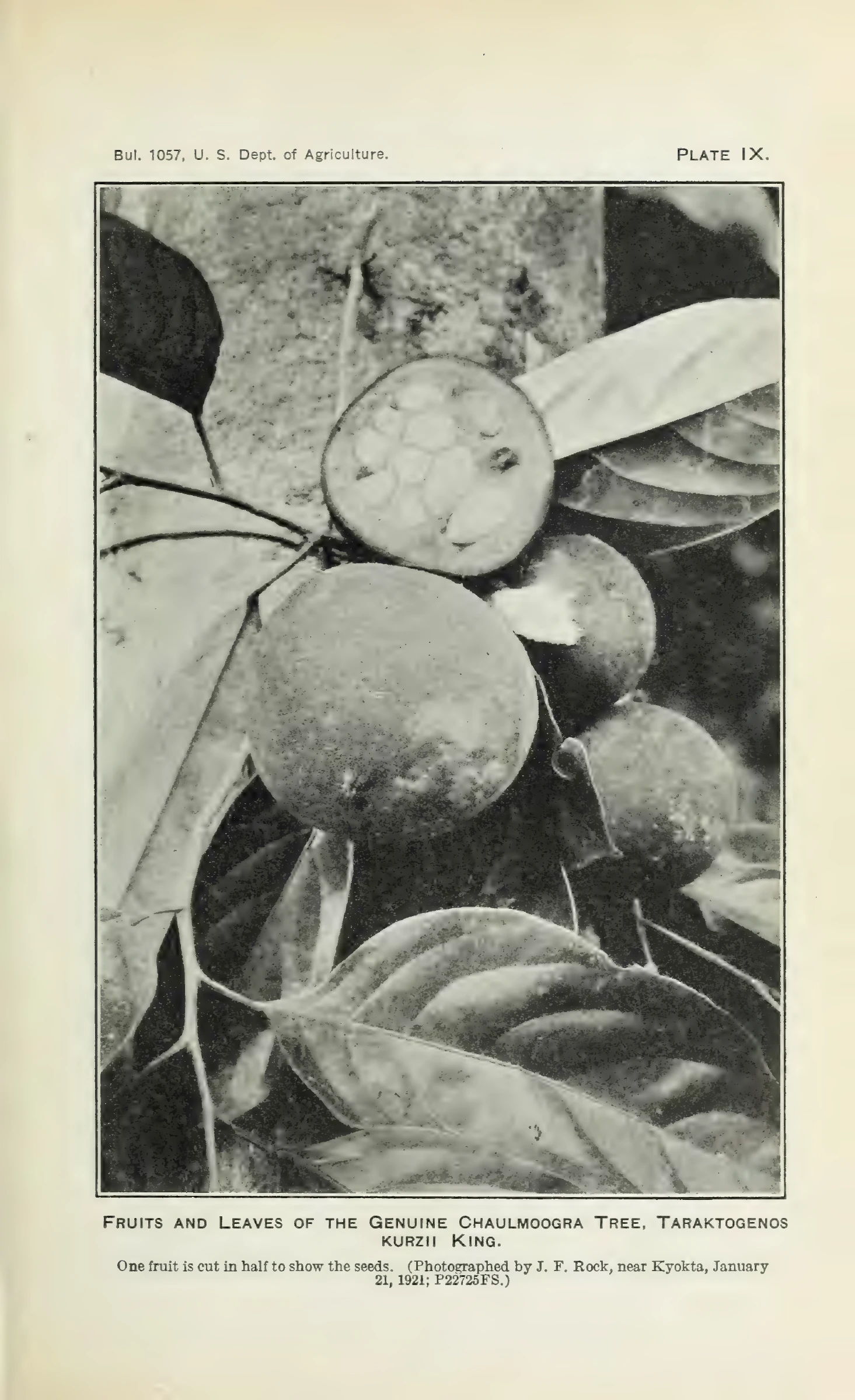
Doctors had few useful treatments. One was chaulmoogra oil, pressed from the seeds of Asian trees and used in Indian medicine for centuries. Some patients improved while taking it, but getting the oil into their bodies was a problem.
Swallowing it caused nausea and vomiting. Injections of the thick oil were painful, could produce pockets of infection, and were absorbed slowly. A medicine that patients could barely tolerate was difficult to keep giving for months or years.
Alice Becomes a Chemist and a College Teacher
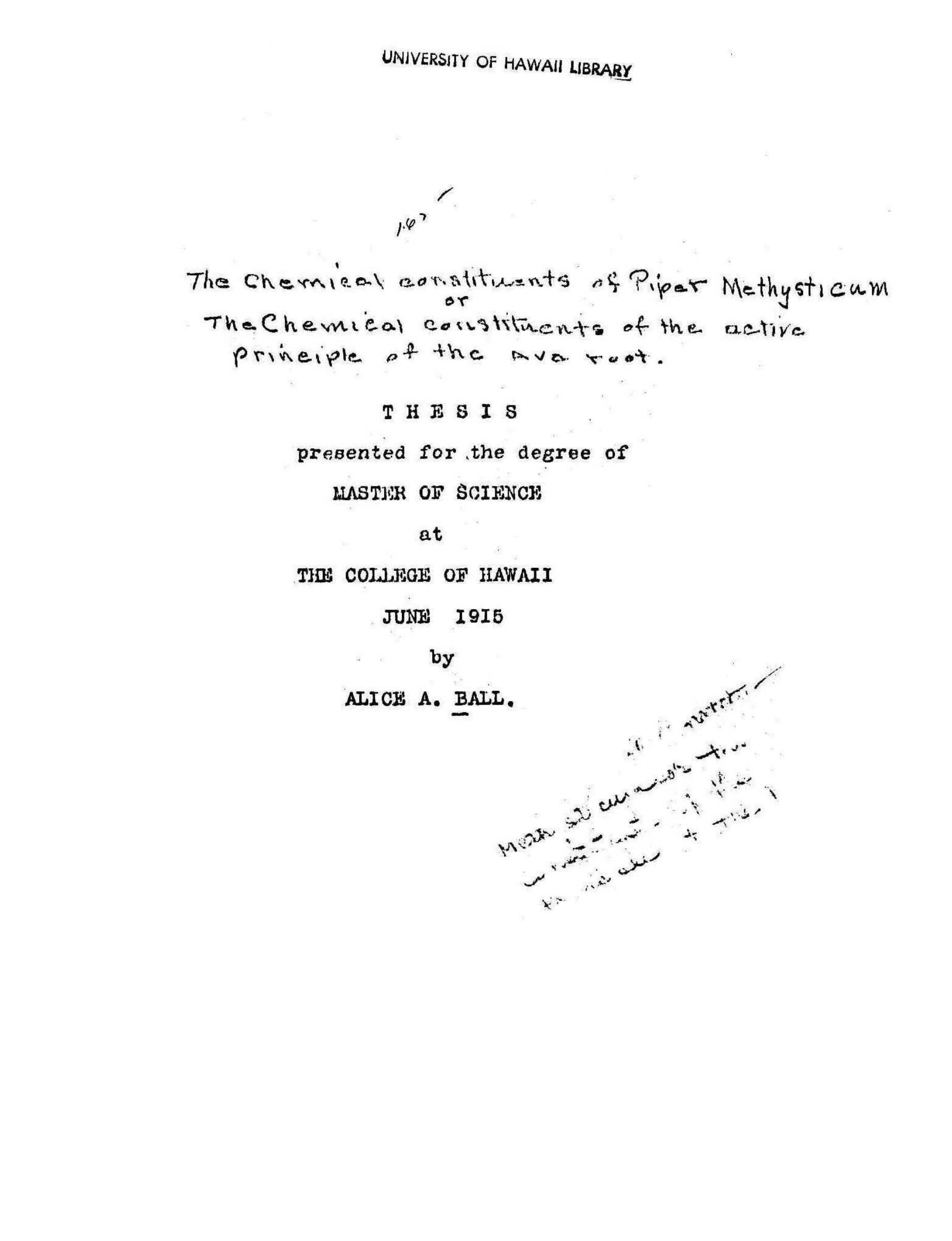
Alice earned her master’s degree in chemistry at the College of Hawaiʻi, now the University of Hawaiʻi, in 1915. She was the first woman and the first African American to earn a master’s degree there. The college also appointed her to teach chemistry.
Women were a small minority in the profession. The 1910 U.S. census grouped chemists with people who tested ores and worked with metals. Fewer than 4% of the people in that category were women.
Teaching was one of the more accessible careers for women with chemistry degrees, particularly in high schools and women’s colleges. Others worked as laboratory assistants and technicians or tested materials in medical, government, and industrial laboratories. Senior positions were much harder to get. A 1922 survey of 177 colleges and universities found that most of their women chemistry teachers were instructors or assistants.
Those routes remained important for later chemists, too. Gertrude Elion taught science and worked as an unpaid lab assistant before entering pharmaceutical research; Stephanie Kwolek built her career in DuPont’s industrial laboratories.
Alice’s achievement also came remarkably early for a Black woman in American chemistry. It would be another 32 years before Marie Maynard Daly became the first Black woman to earn a chemistry doctorate in the United States.
I work and work and still it seems I have nothing done.
Alice Ball’s 1910 yearbook quotation
Alice had already learned how to separate and study the chemicals in plants. Her master’s thesis examined kava root, used to make a drink in the Pacific. That experience was useful to Harry T. Hollmann, a physician treating Hansen’s disease patients at Kalihi Hospital in Honolulu. He asked her to investigate chaulmoogra oil.
Alice Turns the Oil Into an Injectable Treatment
Alice developed a method for separating the oil’s fatty acids and converting them into compounds called ethyl esters. The change made the preparations thinner and easier for the body to absorb after injection into muscle.
Her procedure involved cooling an alcohol solution overnight so some of the fatty acids formed crystals. She filtered these out, separated them further, and converted the different portions into ethyl esters. Doctors could then compare the preparations in treating patients.
She didn’t live to publish the research. After falling ill, Alice returned to Seattle, where she died on December 31, 1916, at just 24. The cause of her illness and death remains uncertain.
Patients Improve and Some Go Home
Arthur L. Dean, a chemist who became president of the college, continued the work after Alice’s death. The injectable preparations were produced in larger quantities and used at Kalihi Hospital.
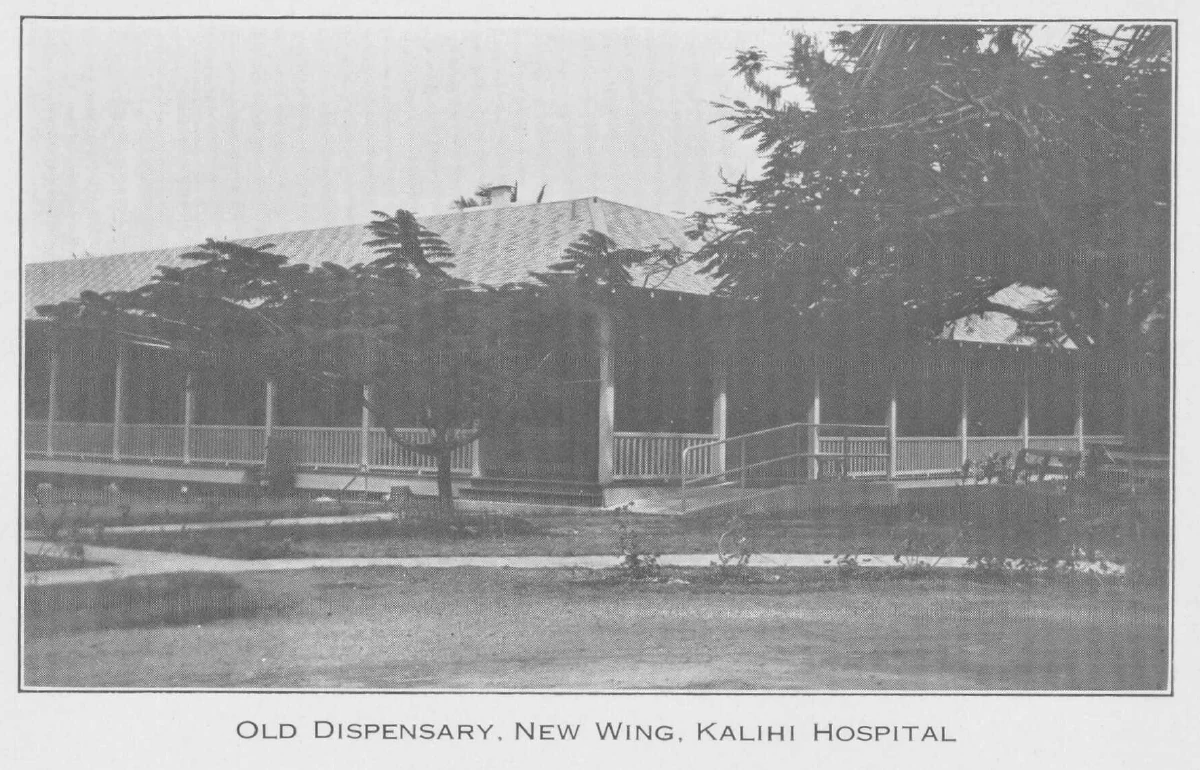
Patients were regaining the use of their hands. In 1920, Dean and physician J. T. McDonald described a woman who, after a year’s treatment, could again write, sew, and knit. They also reported patients who had regained enough use of their hands to button their own clothes.
Some patients improved enough to leave the hospital. Being allowed to go home was an enormous change for people whose diagnosis could otherwise mean years of separation.
Release wasn’t proof of a permanent cure; doctors couldn’t yet establish that the disease had gone for good, and some patients later relapsed. Still, Alice had given doctors a practical treatment that could improve patients’ lives and help them return to their families. Chaulmoogra treatments remained widely used until more effective sulfone drugs replaced them in the 1940s.
A Treatment Published Without Her Name
As her treatment spread, Alice’s contribution was forgotten. Dean and his collaborators published papers on chaulmoogra without crediting her, and the preparations became known as Dean’s derivatives.
Hollmann challenged that account in 1922. He credited Alice with making the ethyl esters and questioned whether Dean’s additional processing improved her method at all:
“I cannot see that there is any improvement whatsoever over the original technic [sic] as worked out by Miss Ball.”
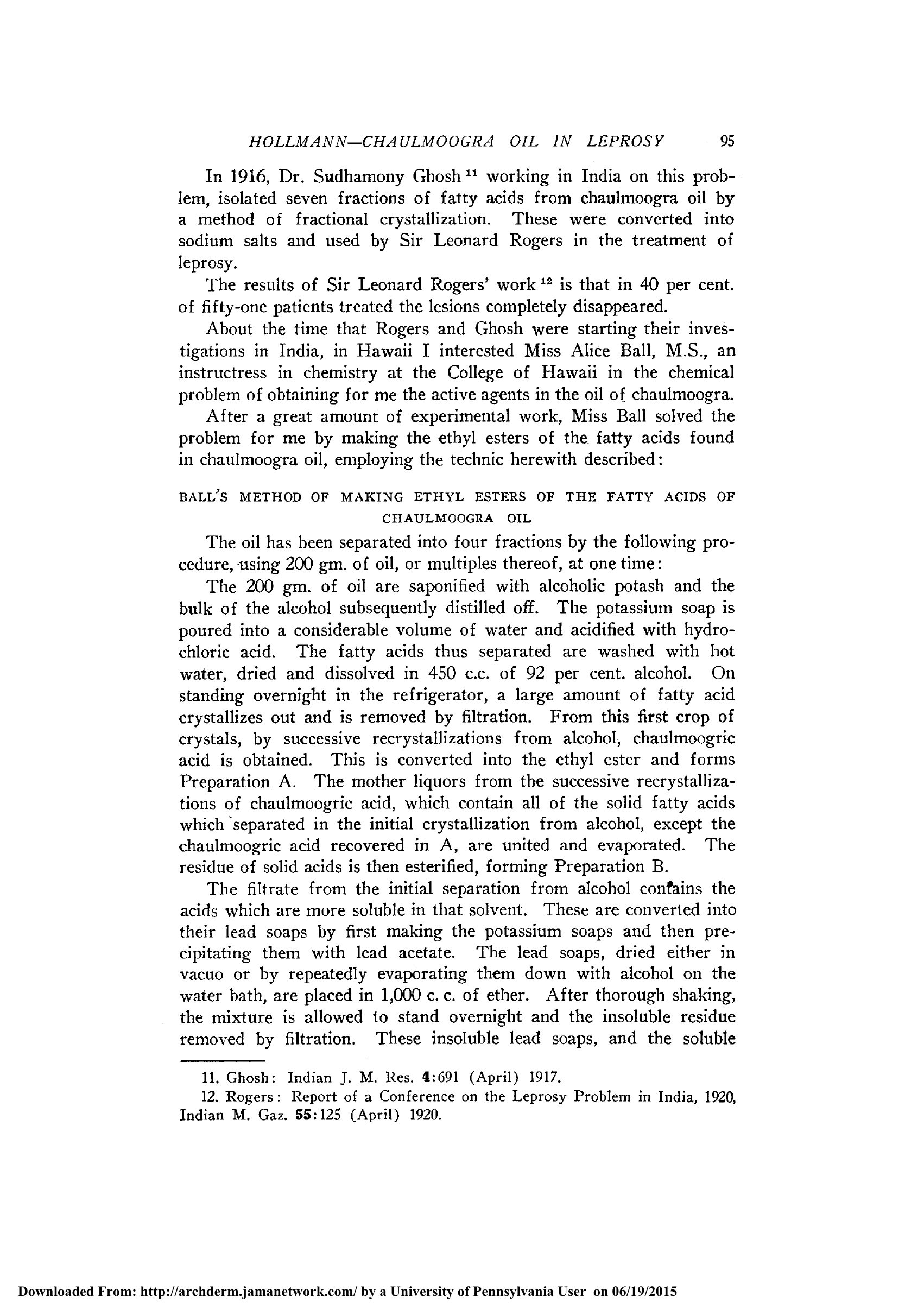
Alice’s procedure was also more practical, Hollmann argued: it didn’t require the delicate, hard-to-obtain equipment used in Dean’s version.
Alice’s story illustrates the Matilda Effect: the tendency for women’s scientific work to be overlooked, diminished, or credited to men. Historian Margaret W. Rossiter named the pattern in 1993, after the women’s rights activist Matilda Joslyn Gage.
Hollmann’s printed defense still hadn’t secured Alice’s place in public memory. Decades later, researchers including Stanley Ali and university librarian Paul Wermager worked to bring her achievement back into view.
In 2000, the University of Hawaiʻi dedicated a plaque to Alice beside a chaulmoogra tree on campus. More than eight decades after her death, her university was publicly honoring the chemist whose work had helped patients leave isolation.
Sources and Further Reading
- Alice A. Ball, The Chemical Constituents of Piper Methysticum (1915).
- Bureau of Vocational Information, Women in Chemistry (1922), pp. 3, 14, 26–27, 47–49.
- American Chemical Society, The Modern Chemist (2026). Interview with historian Laura Puaca.
- Columbia University, Ceremony Honors Dr. Marie Maynard Daly (2023).
- National Park Service, The History of Hansen’s Disease in Hawaii.
- J. T. McDonald and A. L. Dean, The Treatment of Leprosy (1920), pp. 1959–1974.
- Harry T. Hollmann, The Fatty Acids of Chaulmoogra Oil in the Treatment of Leprosy and Other Diseases (1922), pp. 94–101.
- John Parascandola, Chaulmoogra Oil and the Treatment of Leprosy (2003).
- University of Hawaiʻi, Regents’ Medal of Distinction announcement (2007).
- Susan Kreifels, Alice Ball Made a Stunning Find in Her Early 20s (February 18, 2000).
- Susan Kreifels, Ground Breaking African-American UH Chemist Finally Recognized (March 1, 2000).
- Margaret W. Rossiter, The Matthew Matilda Effect in Science (1993).
- Mary Ellen Avery, Gertrude B. Elion: A Biographical Memoir (2000), p. 19.
- Science History Institute, Stephanie L. Kwolek.
- Kathleen M. Wong, The Trailblazing Black Woman Chemist Who Discovered a Treatment for Leprosy (Smithsonian Magazine, March 23, 2022). Source for the yearbook quotation.

Keri is a blogger and digital marketing professional who founded Amazing Women In History in 2011.


Beyond the article
Join the Conversation
Share your perspective, ask a question, or add something to the story.