
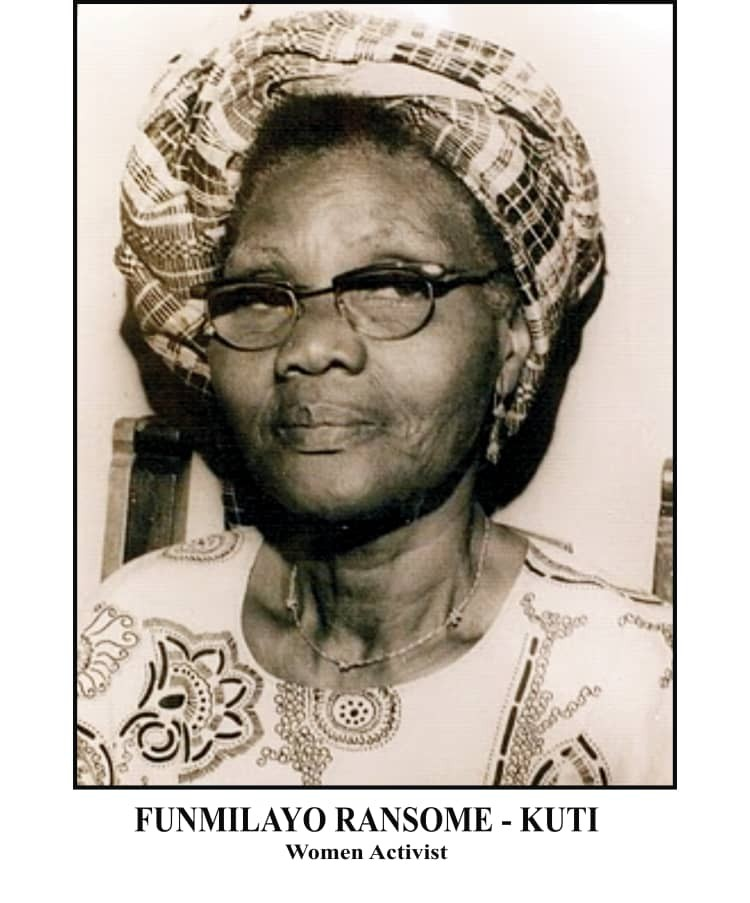
Funmilayo Ransome-Kuti was a Nigerian teacher and women’s rights leader who organized thousands of women to challenge British colonial rule. Their campaign against unfair taxes won women a place in local government and helped drive a powerful ruler from office.
A Ladies’ Club Opens Its Doors
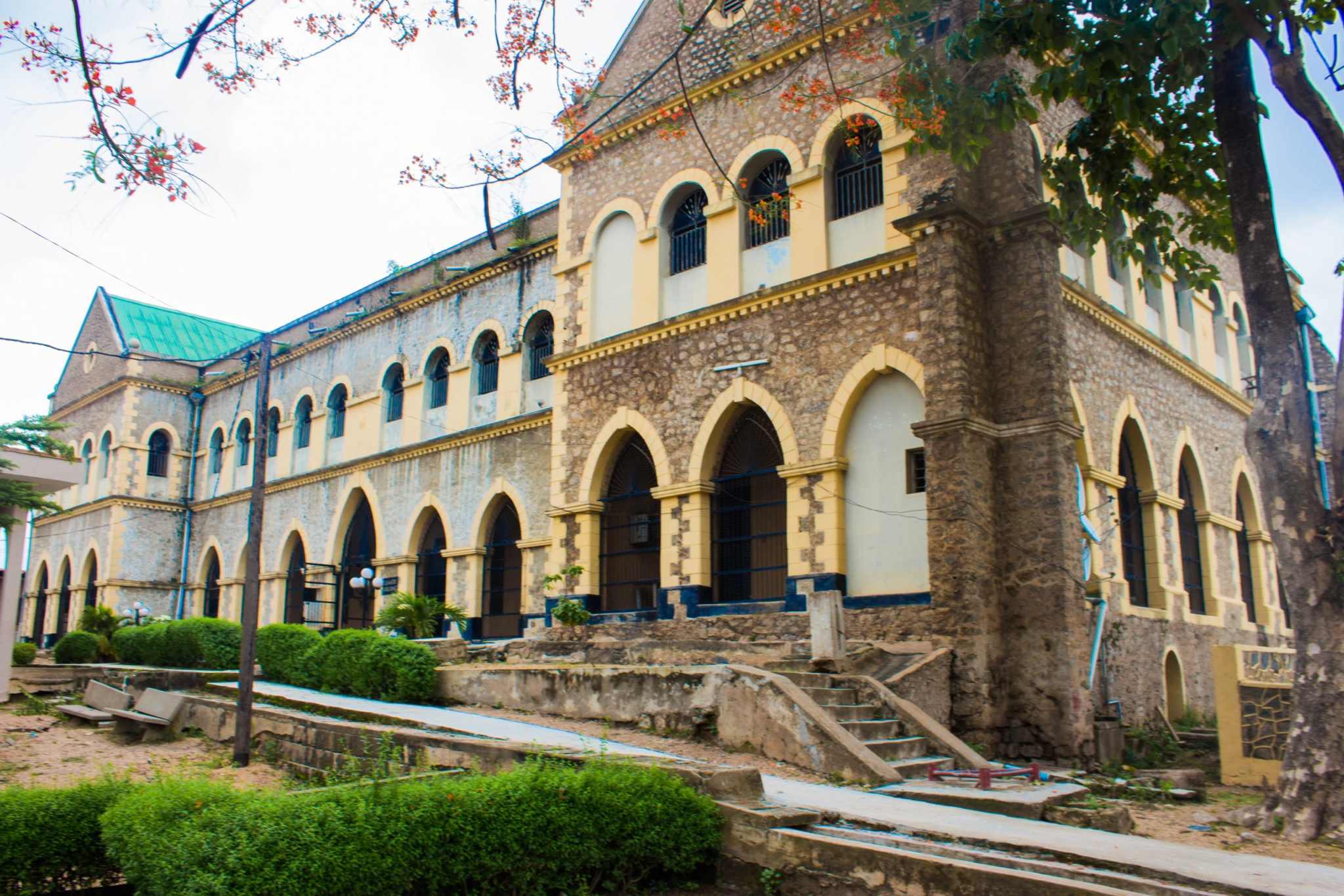
Funmilayo lived in Abeokuta, a town in southwestern Nigeria, where she’d taught at the local grammar school. She also ran a ladies’ club whose educated, mostly middle-class members organized social and charitable activities.
In 1944, one of her former students introduced her to a woman who sold goods in the town’s markets. The woman wanted to learn to read. She’d been buying newspapers and saving them for the day she could read them herself.
Funmilayo agreed to teach her. Through the club, she started literacy classes for other market women, recruiting relatives and fellow club members as tutors.
As the women learned to read, they also told Funmilayo about the difficulties of earning a living. World War II was underway, and Britain was drawing on its colonies to support the war effort. Women who sold food faced price controls and demands for supplies to feed soldiers. They complained that police seized their goods without paying.
In 1945, rice sellers asked the club to help stop these seizures. Funmilayo and her colleagues sent delegations to officials, then appealed to the press when their complaints went unanswered. The campaign won a temporary halt to the seizures that November. But in 1946, women were again reporting that their rice was being taken.
This work brought Funmilayo closer to women whose lives were very different from her own. She later recalled:
We educated women were living outside the daily life of the people.
Funmilayo Ransome-Kuti
The club developed into the Abeokuta Women’s Union in 1946, with Funmilayo as president. Market associations joined, and traders took places in its leadership. It brought together Christians, Muslims, and followers of Yoruba religions, eventually reaching an estimated 20,000 members.
Funmilayo addressed meetings in Yoruba so members who didn’t speak English could follow the discussion. When British officials attended, they needed a translation. She also began wearing Yoruba dress, showing the market women that she wanted to stand alongside them.
Paying Taxes Without a Voice

The union’s next major fight was over a tax that women had been protesting for years.
Under British rule, women in Abeokuta were charged a flat tax, a fixed amount that didn’t depend on their earnings, alongside other charges. Collection could be brutal. Women reported raids on their homes, imprisonment, and being stripped by collectors supposedly checking whether they were old enough to pay.
The British left much of the collection and local administration to the Alake, Abeokuta’s traditional ruler, Ademola II. This system of governing through local authorities was called indirect rule. It gave the Alake greater powers while weakening women’s influence over decisions, including rules governing their markets.
Funmilayo and the union demanded an end to the flat tax and seats for women on Abeokuta’s governing council. They sent petitions and met the Alake, but he refused to remove the tax. In 1947, Funmilayo refused to pay her own income tax in protest. Thousands came to support her at court. She was convicted and eventually paid a fine, but the union continued its campaign.
When officials argued that the government needed women’s taxes, the union proposed other ways to raise money, including taxing foreign companies. It also called for better water supplies, sanitation, schools, and medical care. Women were paying for government. They wanted a say in what it did.
Thousands of Women at the Palace
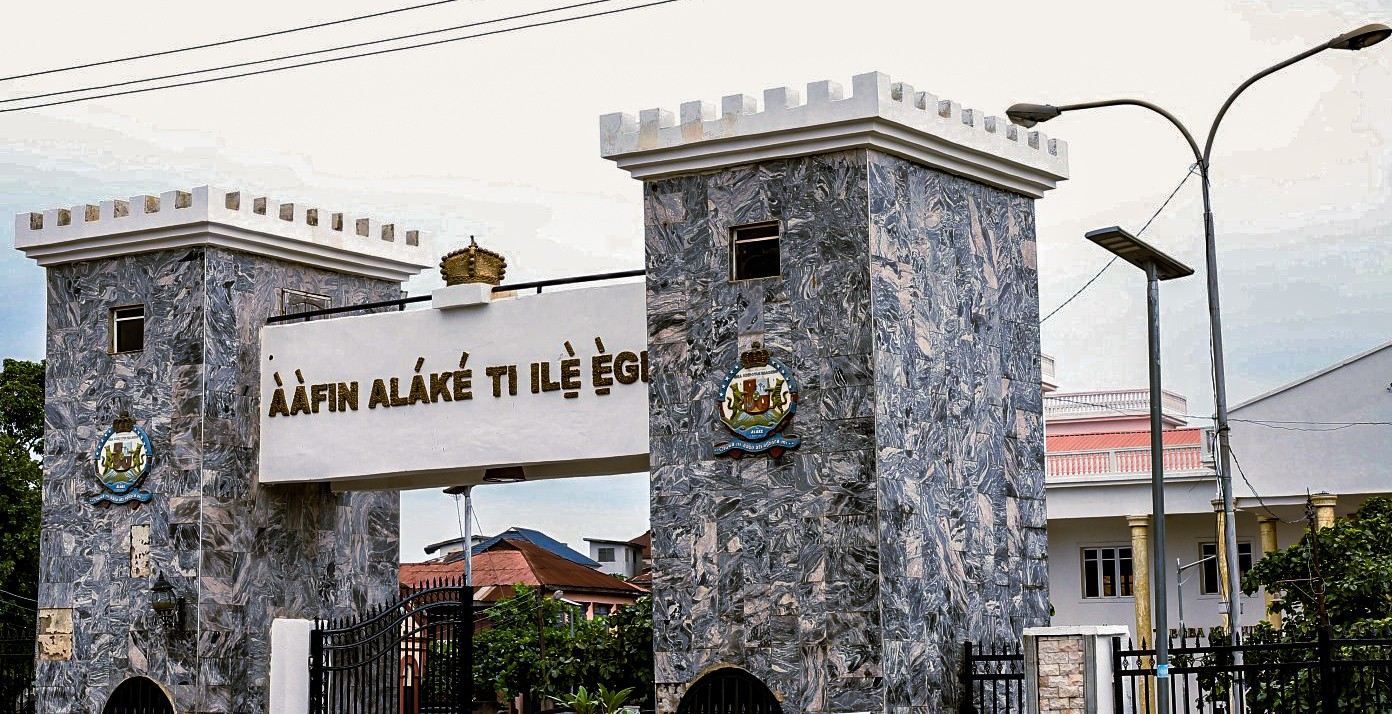
On November 29, 1947, thousands of union members marched to the Alake’s palace and stayed through the night. Markets closed, and the protesters arranged food and water so they could eat and sleep without leaving the vigil.
Funmilayo helped prepare women for the dangers of protesting. At her home, which served as the campaign’s headquarters, she showed them how to cover their faces against tear gas. Membership dues paid for lawyers from Lagos to defend arrested women, and the lawyers stayed at her home.
During the demonstrations, women sang in Yoruba, mocking the Alake and his officials, refusing the taxes, and praising their own leaders.
After the November vigil, the Alake’s council promised to suspend taxation while it investigated. Then women were arrested and jailed for failing to pay. The union returned to the palace on December 8 and demanded their release. This vigil lasted 48 hours, ending when the prisoners were freed on December 10.
Arrests later resumed, and the Alake tried to stop Funmilayo from representing the women. In February 1948, he banned her from the palace, where officials conducted government business. When the union received an invitation to a meeting that specifically excluded her, its delegation arrived with her and demanded that she be admitted.
Officials refused. The women blocked the British administrators’ attempts to leave the palace. When one of the officials tried for a third time, Funmilayo held on to his car’s steering wheel. He pried her hand loose.
The union kept up the pressure. A five-hour march in April called for the abolition of the tax, women’s political representation, and the Alake’s departure.
Women Win Seats on the Council
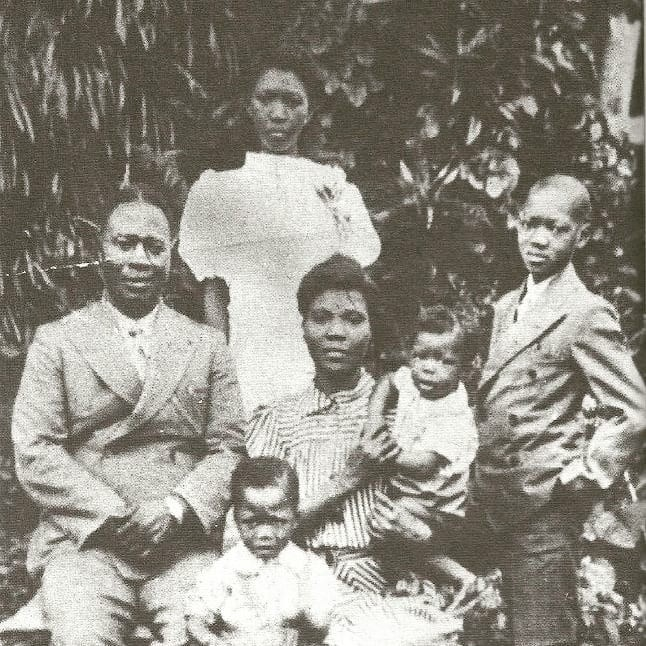
By mid-1948, the administration had suspended the women’s tax and agreed to women’s representation. The campaign also had organized male supporters. The Majeobaje Society, a reform group led by Funmilayo’s husband, school principal Oludotun Ransome-Kuti, had backed it since 1947. In July 1948, the Ogboni chiefs, whose traditional role included limiting the ruler’s power, also turned against Ademola.
Ademola left Abeokuta that July. A temporary governing council took over, with four women among its members, including Funmilayo. It abolished the women’s flat tax and the charge they paid toward the town’s water supply. On January 3, 1949, Ademola formally stepped down as Alake.
The campaign had helped bring women into the government that had dismissed their complaints. In 1949, Funmilayo helped establish the Nigerian Women’s Union, extending the organizing beyond one town to fight for women’s voting rights and political equality.
There were setbacks. Ademola returned in late 1950 despite the women’s opposition, and the council later brought back the water charge. Funmilayo fought that too. Her work for women’s rights continued after Nigeria became independent in 1960.
The Market Women Remember Their Leader
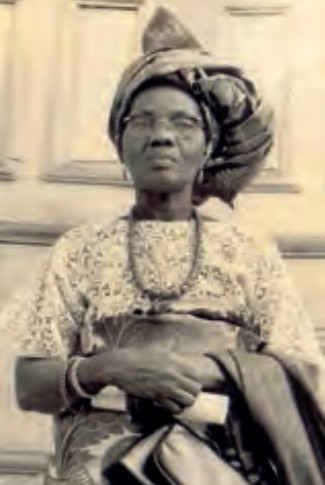
Looking back in a 1975 interview, Funmilayo explained that her campaign against the Alake had challenged British colonial power: “I didn’t really attack Ademola, I attacked imperialism.”
Tragically, independence didn’t protect her from state violence. In February 1977, soldiers raided the Lagos compound of her son, the musician and government critic Fela Kuti. They threw Funmilayo from a window, severely injuring her. She remained ill afterward and died on April 13, 1978, aged 77.
When her body returned to Abeokuta for her funeral, thousands came to mourn, including many market women. Decades after they’d shut the markets to demand a voice in government, they closed them again to honor the woman who’d helped them win one.
Sources and Further Reading
- Cheryl Johnson-Odim and Nina Emma Mba, For Women and the Nation: Funmilayo Ransome-Kuti of Nigeria (1997).
- Judith A. Byfield, The Great Upheaval: Women and Nation in Postwar Nigeria (2021).
- Obioma Ofoego, Funmilayo Ransome-Kuti and the Women’s Union of Abeokuta, UNESCO (2014), historical and educational text.
- Raisa Simola, “The Construction of a Nigerian Nationalist and Feminist, Funmilayo Ransome-Kuti,” Nordic Journal of African Studies 8(1) (1999).

Keri is a blogger and digital marketing professional who founded Amazing Women In History in 2011.
Beyond the article
Join the Conversation
Share your perspective, ask a question, or add something to the story.