Lucy Parsons, the Anarchist Who Organized Workers and Led Hunger Marches
Lucy Parsons organized working women, fought her husband’s death sentence, and helped build a new union. In 1915, she led unemployed Chicagoans into the streets to demand jobs.
Women worth knowing
Extraordinary women, overlooked stories, and a more complete history. Explore the lives, ideas, and achievements that changed the world.
American women.
Lucy Parsons organized working women, fought her husband’s death sentence, and helped build a new union. In 1915, she led unemployed Chicagoans into the streets to demand jobs.
American women fought for control of their wages, built banks for excluded communities, and challenged lenders who treated them as dependents. Here’s how property rights, Maggie Lena Walker’s bank, and the Equal Credit Opportunity Act changed their financial lives.
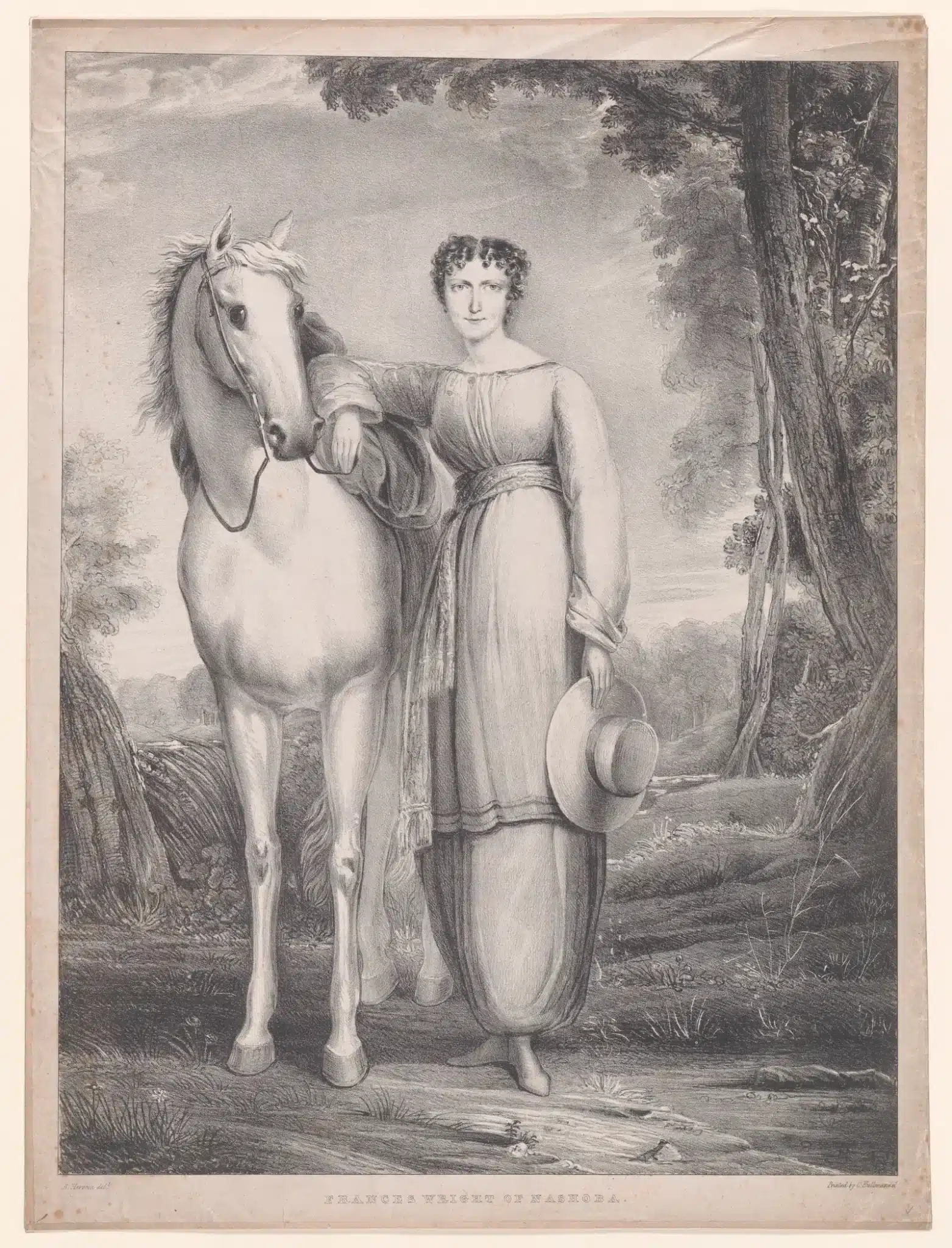
Frances Wright defended women’s right to speak in public and demanded equal education. Her 1828–1829 lecture campaign faced newspaper attacks and arson, but she kept speaking and helped establish New York’s Hall of Science.
Julia Morgan combined engineering, design, and hands-on supervision to restore San Francisco’s Fairmont Hotel and turn William Randolph Hearst’s expanding plans into Hearst Castle.
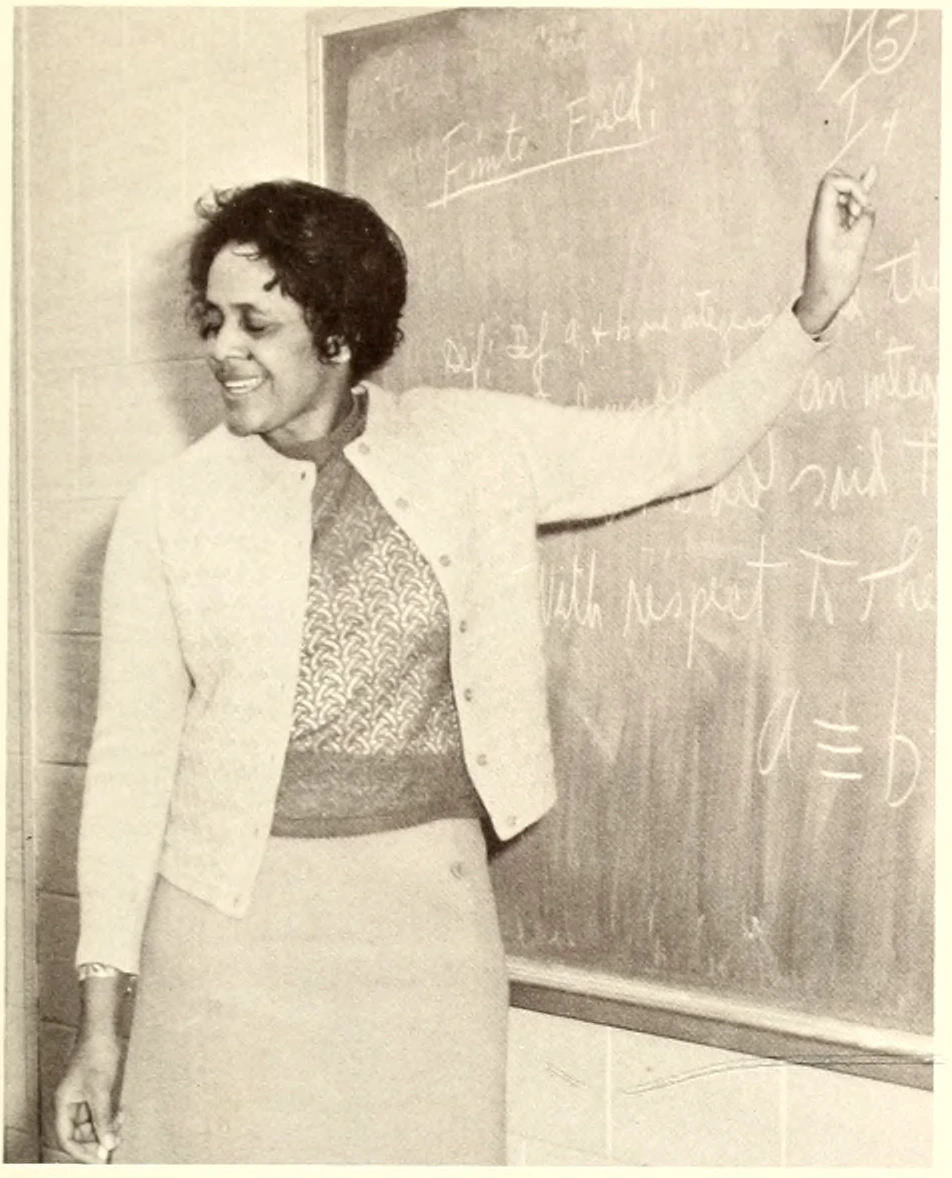
Virginia K. Newell gathered biographies, photographs, and research to document Black mathematicians’ achievements and the discrimination they faced.
Gerda Lerner fought to make women’s lives count as history, gathering their words and building programs that trained others to research and teach them.
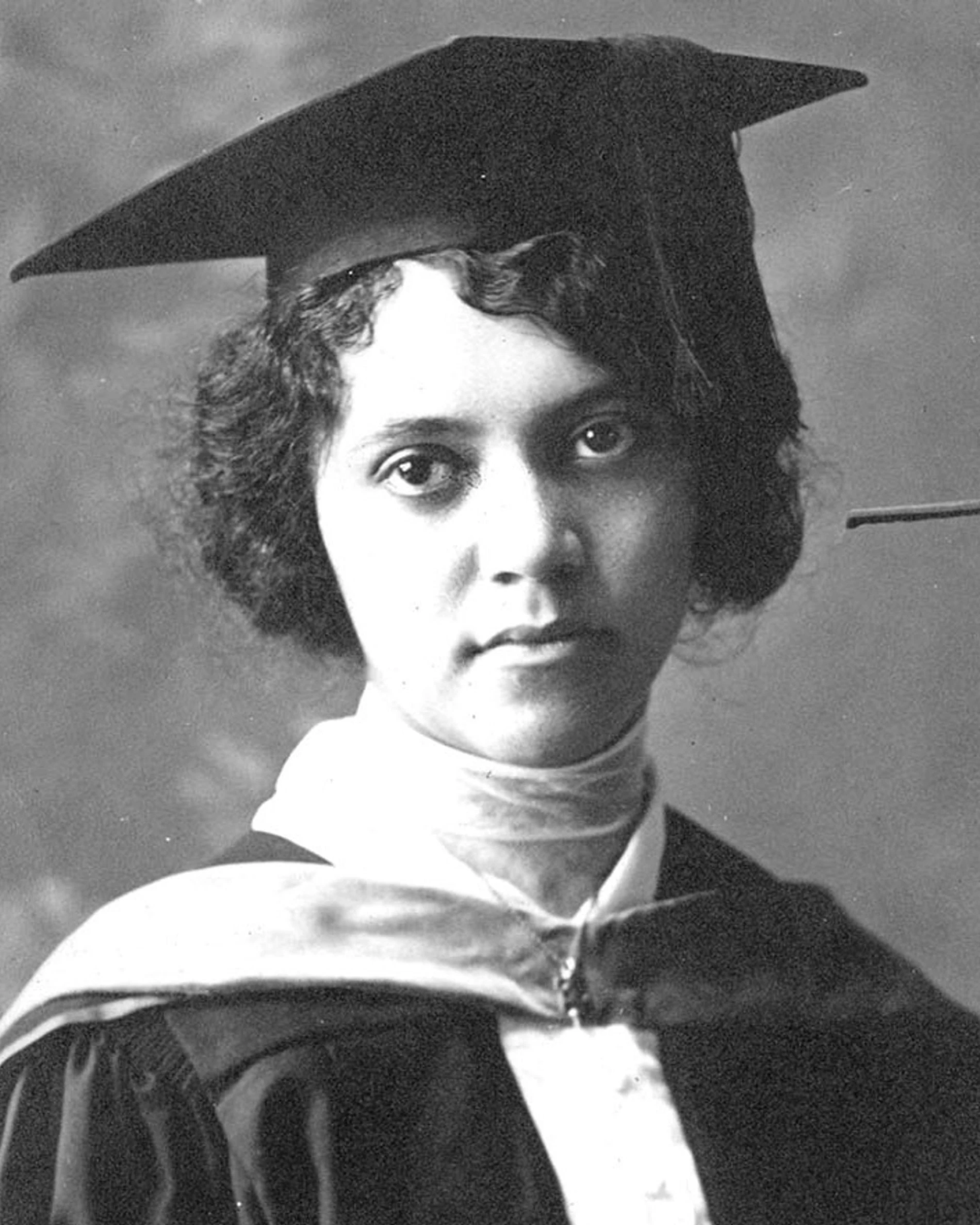
Alice Ball transformed a difficult leprosy remedy into an injectable treatment. Her work helped patients improve and return to their families.
Writing as Mountain Charley, Elsa Jane Guerin told of riverboat work, western businesses, and revenge. Her memoir leaves a tangled trail between life and legend.
She turned women’s everyday grievances into a campaign for political rights, using journalism, organizing, and persistent lobbying to challenge restrictions on their independence.
She advanced experimental classical music through composition, teaching, and criticism, helping build the institutions and professional opportunities that supported new work.
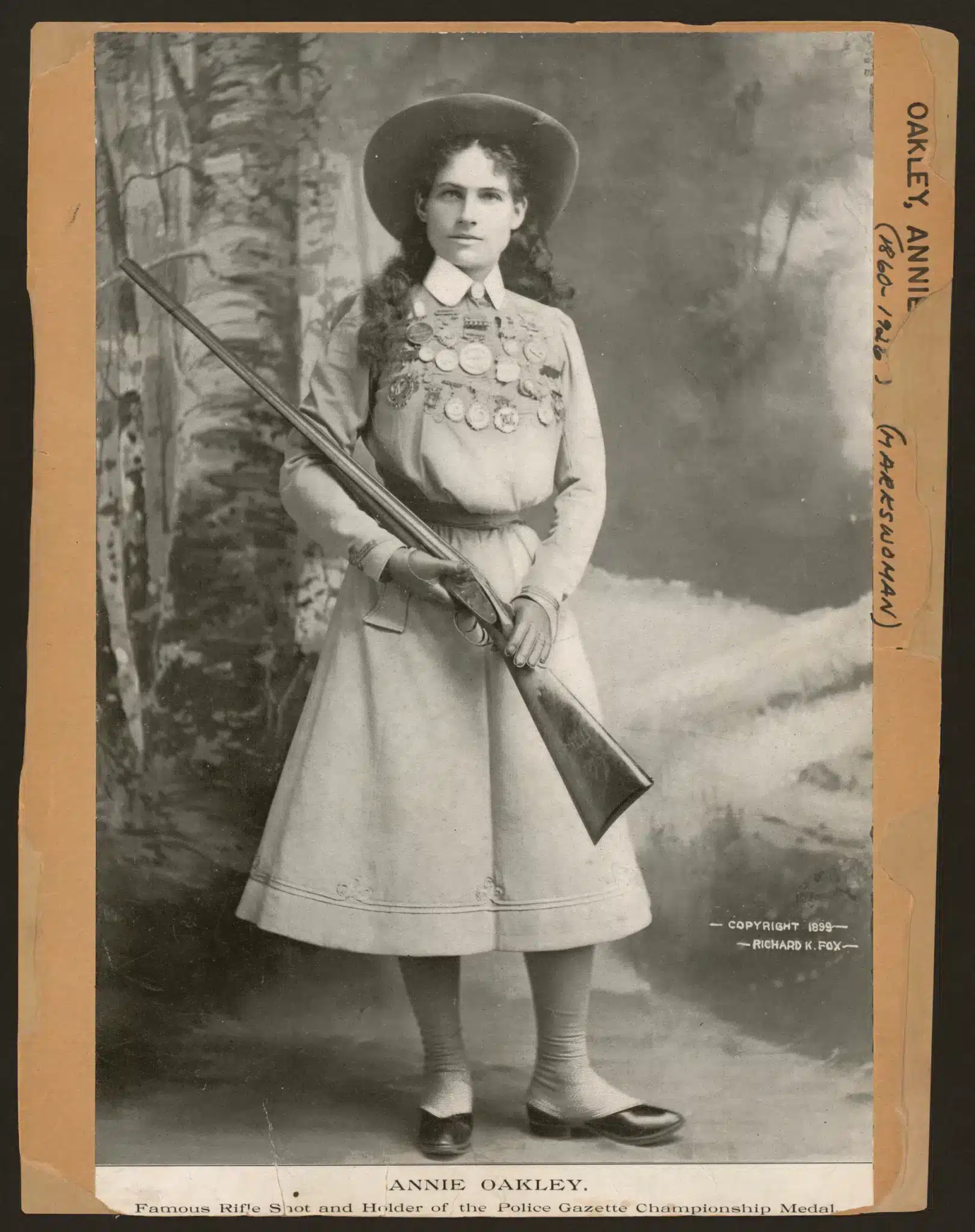
Women rode, ranched, competed, and defended their communities on the frontier, building lives of skill and independence that challenged expectations of what women could do.
The campaign for constitutional equality divided allies over labor protections, legal strategy, and women’s rights, sustaining a struggle that outlasted generations of activists.
She turned factory experience into a powerful voice for working women, organizing unions and demanding the safer conditions, fair treatment, and recognition their labor deserved.
Women advanced climate research, defended forests, and built conservation movements, combining science with grassroots action to change how societies understood and protected nature.
Her move from science into politics brought convictions about technology into conflict with environmental campaigners, exposing tensions between expertise and public decision-making.
Women’s discoveries transformed understanding of matter, heredity, and life, advancing scientific fields even as exclusion and discrimination limited access to research and recognition.
She broke barriers in the legal profession and used her expertise to challenge segregation, carrying community organizing into the courtroom and expanding the fight for civil rights.
She used celebrity to support wartime resistance and challenge racism, turning the access granted by fame into a means of gathering intelligence and demanding justice.
The fight to recognize consent within marriage challenged laws that protected husbands from prosecution, transforming the legal understanding of sexual violence and women’s autonomy.
Women mapped unfamiliar terrain, investigated the environment, and rethought how places shape our lives, expanding geographical knowledge and its role in understanding social change.