
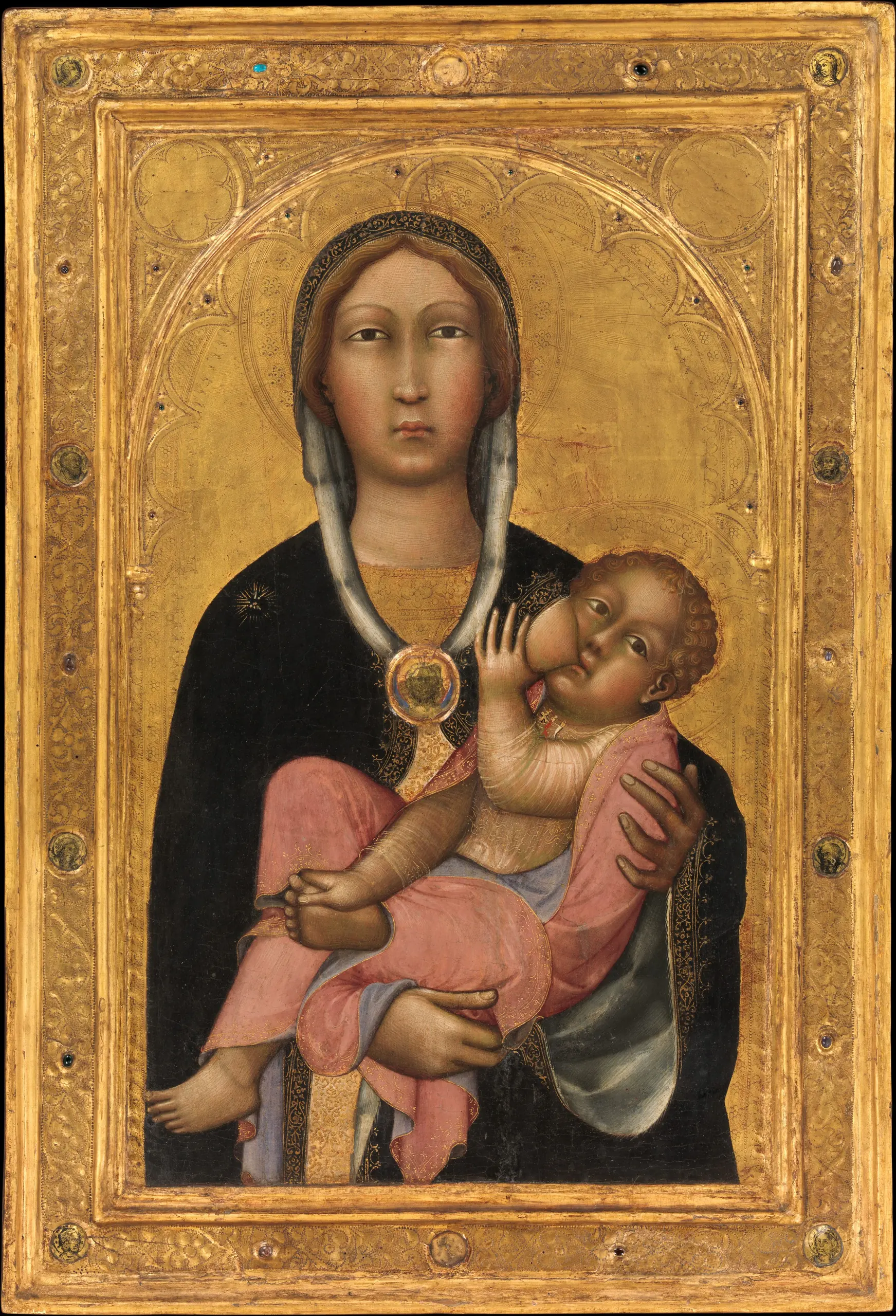
Christian teaching gives a male savior the power to sustain humanity with his own body. A nursing mother does something remarkably similar: she keeps another human being alive with food her body makes. Some medieval women mystics made that resemblance explicit, describing Christ as a breastfeeding mother and even themselves nourishing him. In a Church governed by men, the example of motherhood gave these women a model of divine power and a basis for claiming spiritual authority.
Women Who Spoke for God
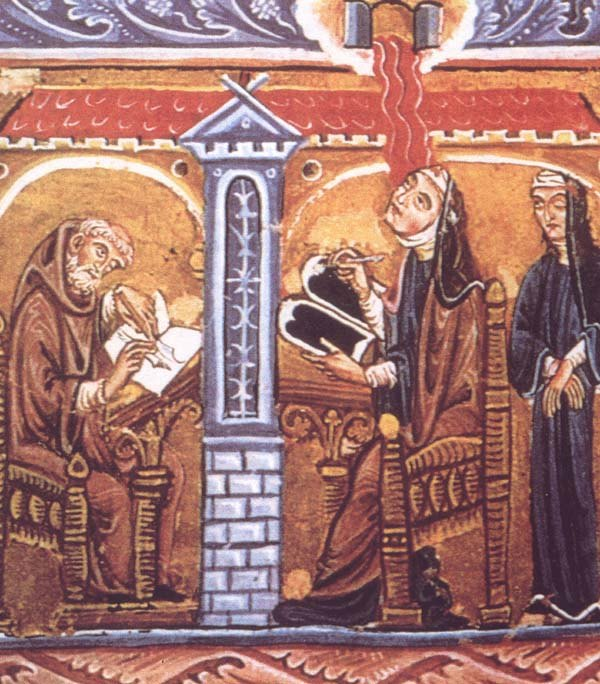
In medieval western Europe, religion offered women opportunities that could be hard to find elsewhere. Convents provided education and a community in which women could write, make music, and lead other women. But the Church’s priests, bishops, and pope were men. Women couldn’t hold those offices or perform the duties reserved for priests.
Some women gained religious influence through what they described as direct encounters with God. These medieval women mystics wrote or dictated accounts of visions, conversations with Christ, and insights received through prayer. Their words could offer spiritual guidance and, at times, criticism of the Church itself.
Their authority rested on a claim that God had chosen to speak through them. That could give a woman’s words weight even though she held no priestly office. It also left her claims open to scrutiny: believing that God had spoken to her didn’t mean everyone else would agree.
For some women mystics, a mother’s ability to give birth and sustain her child offered a way to understand divine power. They drew on the example of motherhood to describe both God’s care for humanity and their own closeness to him.
What Communion Meant for Women Mystics
One of the central acts of Catholic worship makes the connection between a body and nourishment especially clear. The Eucharist, also called Holy Communion, is the sacrament in which Catholics receive Christ’s body and blood under the appearances of bread and wine. At Mass, a priest consecrates the bread and wine. Catholic teaching holds that they become Christ’s body and blood while retaining their outward forms.
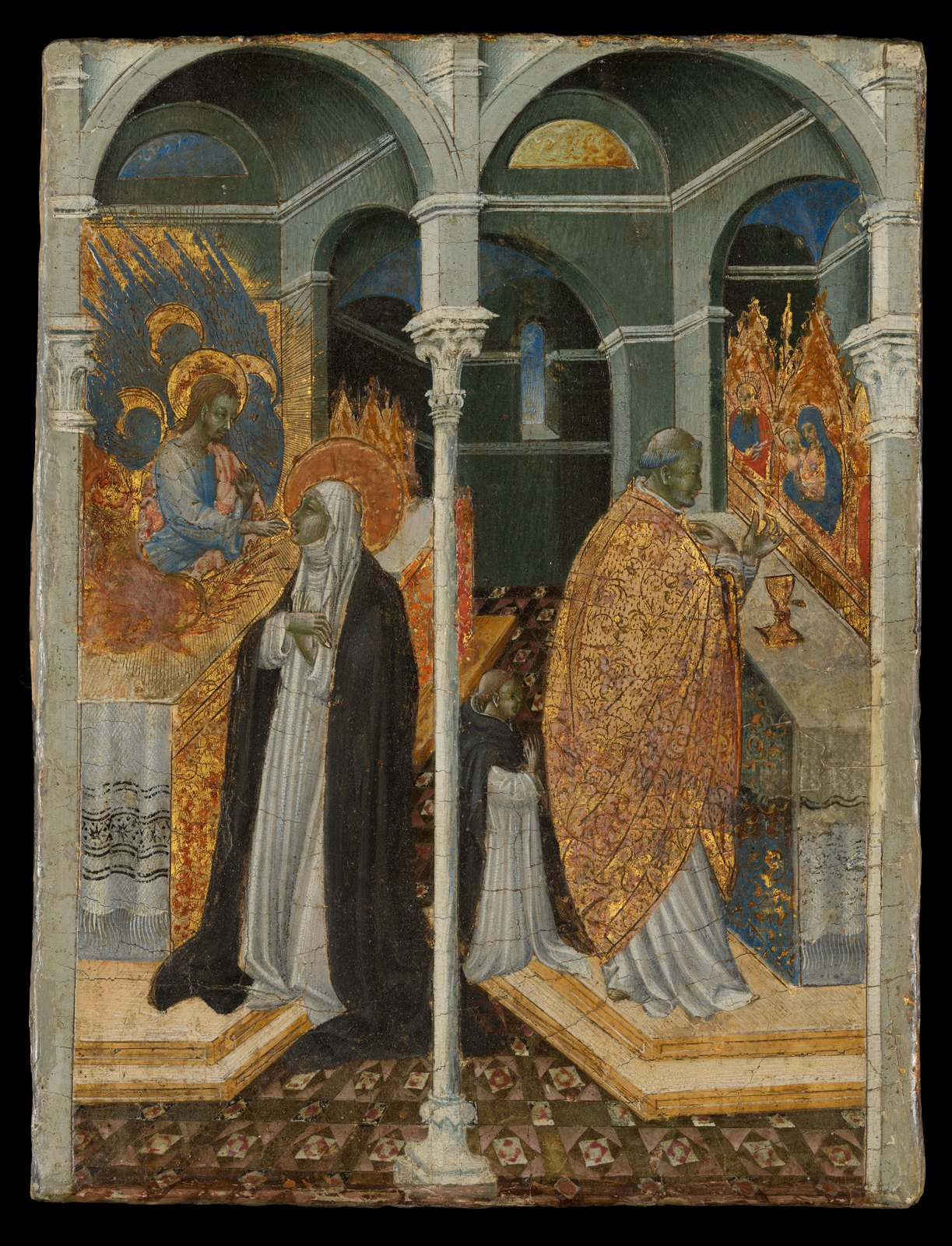
That belief was central to the medieval Church too. For these women, receiving Communion meant receiving Christ himself as food. A nursing mother offered a familiar comparison: she sustained her child with food made by her own body.
The comparison already had a place in Christian writing. Twelfth-century monks described Jesus as a mother, and abbots, the men who led monasteries, used maternal care to describe their own leadership.
As verily as God is our Father, so verily God is our Mother
Julian of Norwich, Revelations of Divine Love, chapter 59
Two women who developed this imagery in different directions were Julian of Norwich, an English religious writer, and Mechthild of Magdeburg, a German mystic. Julian described Christ feeding his children. In Mechthild’s account, a woman received Christ, then began to feed him.
Julian of Norwich: English Anchoress and Religious Writer
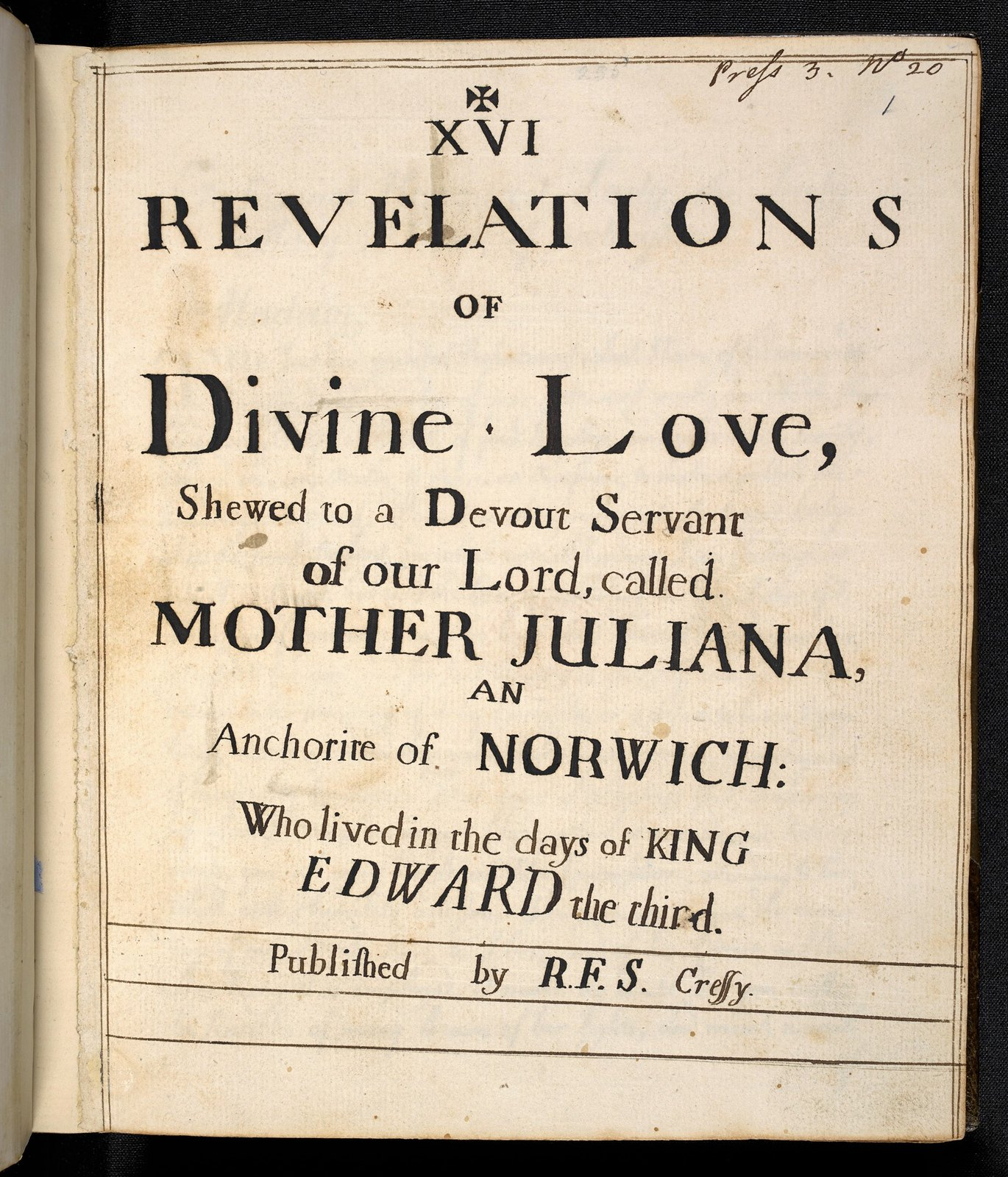
Julian of Norwich was an English religious writer who lived as an anchoress, a religious recluse, in a cell attached to a church in Norwich.
During a nearly fatal illness in 1373, Julian experienced visions of Christ. She spent years reflecting on them and developing the account known as Revelations of Divine Love. In that work, she made the link between breastfeeding and Communion explicit.
Julian connected a mother’s ability to give life with Christ’s power to offer eternal life. She compared the suffering of Christ’s death to the pains of childbirth: through his death, he brought his children into eternal life.
A mother could also sustain the life she’d brought into the world by feeding her child from her own body.
“The mother may give her child suck of her milk, but our precious Mother, Jesus, He may feed us with Himself”
Julian immediately identified that feeding with the Blessed Sacrament, or Holy Communion. Jesus continued to sustain the people he’d brought to life by feeding them with his own body.
She carried the comparison into the wound in his side. A mother could lay a child against her breast; Jesus could draw believers into his breast through that open wound. His injured body offered them shelter as well as food.
Mechthild of Magdeburg: German Mystic and Critic of the Church
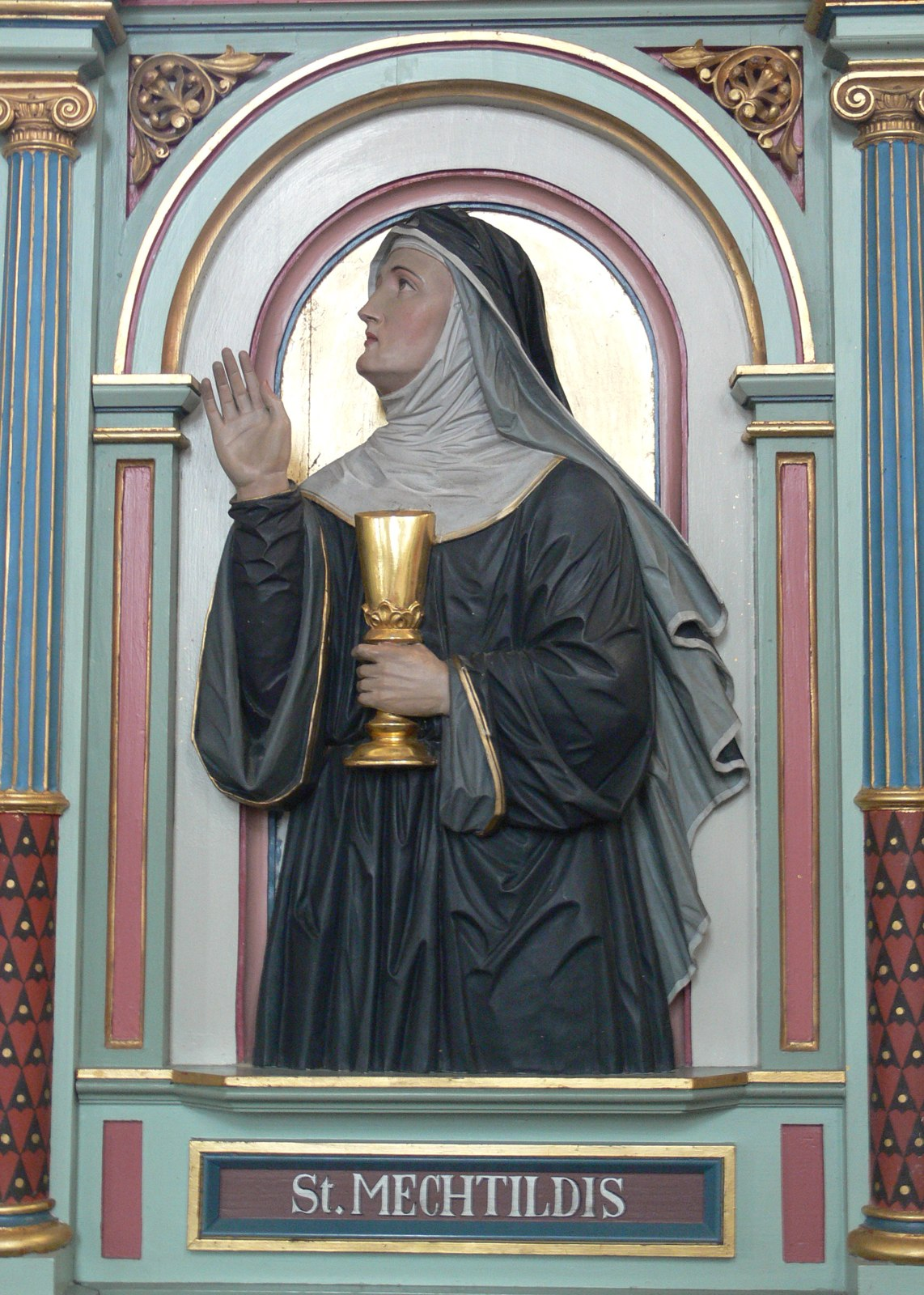
Mechthild of Magdeburg was a German mystic whose book, The Flowing Light of the Godhead, combined accounts of closeness to God with criticism of religious wrongdoing.
Writing more than a century before Julian, Mechthild described a poor girl attending a heavenly Mass.
Surrounded by the splendid company of heaven, the girl felt out of place. Mary, the mother of Jesus, welcomed her and guided her through the service.
John the Baptist served as the priest. When he took the Communion wafer in his hands, it became joined with a lamb standing on the altar. The girl saw a bleeding lamb hanging from a red cross, and asked Mary to help her receive him.
John placed the wounded lamb in the girl’s mouth. Inside her, it settled down and began “to suckle from her heart with its sweet mouth.”
With Mary’s help, the girl had taken on Mary’s own role: carrying and nourishing Christ. The recipient of Communion had become a spiritual mother to the one she received.
For Mechthild, closeness to God also meant responsibility for other people. She presented her book as a message God wanted sent to religious people, including those whose conduct needed correction. She also wrote that she’d been warned the book might be burned.
Historian Erin Risch Zoutendam reads the poor girl as Mechthild’s own presence in the vision. In her reading, Mary’s example helps Mechthild claim the authority to teach, pray for others, and correct the Church. She could take on a mother’s responsibility for the faithful while holding no priestly office.
Her criticism was directed toward reforming the Church she served.
A Mother’s Power in a Church Governed by Men
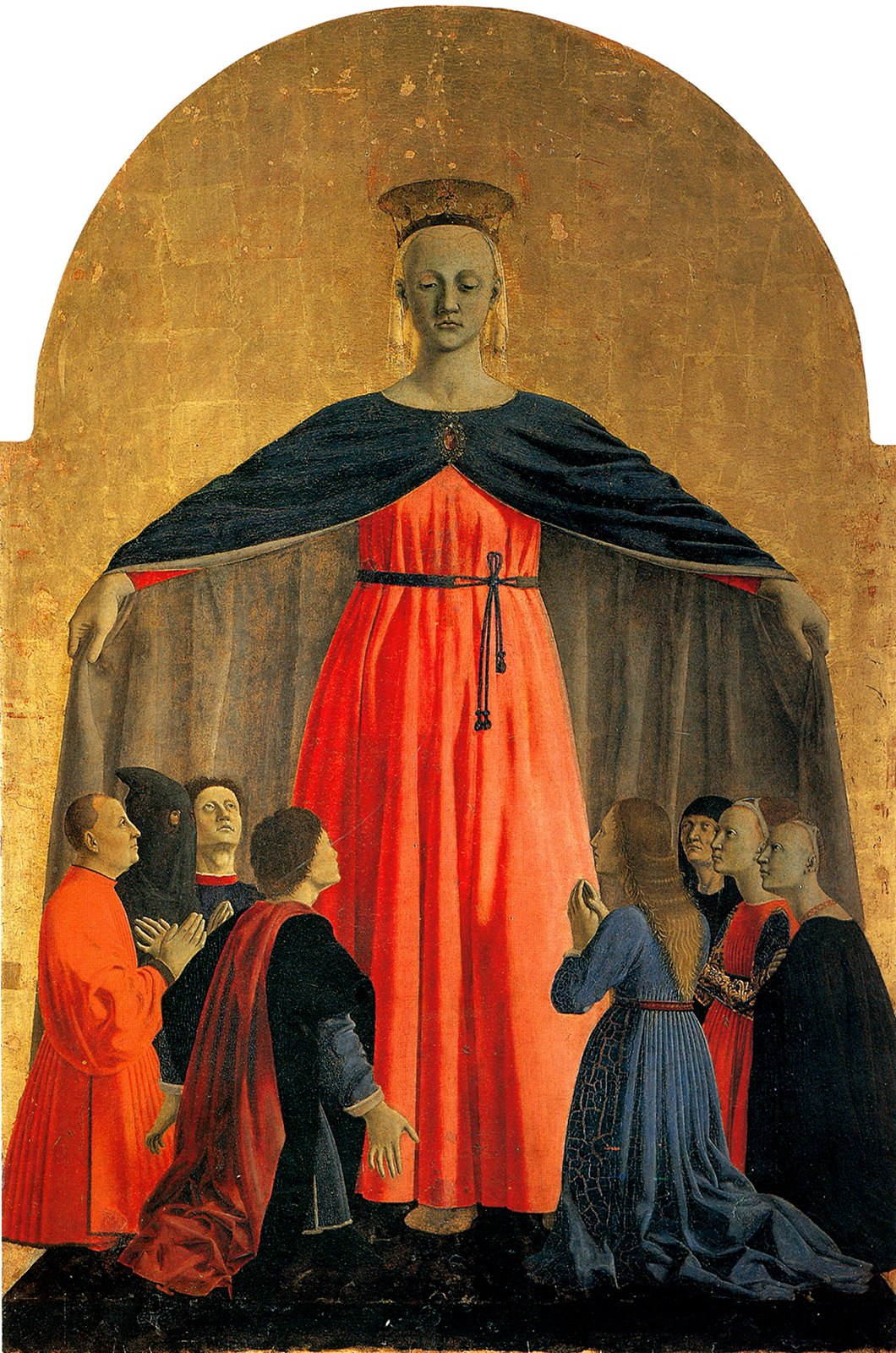
Men built and governed the medieval Church, reserved its priesthood for themselves, and worshipped a male savior who gave life through his own body. But women already possess the bodily powers that make this image so compelling: they can bring life into the world and sustain it with food their bodies produce.
Julian and Mechthild made those powers central to their understanding of God. Working within a religious system that denied them priestly authority, they made a mother’s body a model of divine power. A woman could show how God gave life. She could even be the one who nourished him.
For another woman who defended her right to study and write within the Church, read about Sor Juana Inés de la Cruz.
Sources and Further Reading
- Julian of Norwich, Revelations of Divine Love, chapters 59–61. Grace Warrack’s 1901 edition.
- Erin Risch Zoutendam, “The Bride of the Holy Trinity: The Role of Mary in Mechthild of Magdeburg’s Mystical Theology,” Church History (2022).
- Mechthild of Magdeburg, The Flowing Light of the Godhead, Books II.4, II.26, and V.34. Translated by Frank Tobin (1998). Bibliographic preview.
- Caroline Walker Bynum, “Jesus as Mother and Abbot as Mother: Some Themes in Twelfth-Century Cistercian Writing” (1977).
- Fourth Lateran Council (1215), canon 1. English translation at Fordham University’s Medieval Sourcebook.
- British Library, Sloane MS 3705: Julian’s Long Text and its development.
- Eliza Stiles, “Precious Food of True Life”: Christ Our Mother, Female Embodiment, and the Eucharist in Julian of Norwich’s Revelations of Divine Love (2020).
- Caroline Walker Bynum, Holy Feast and Holy Fast: The Religious Significance of Food to Medieval Women (1987). Further reading.
- British Library, Medieval Women: In Their Own Words. Exhibition overview, including women’s spiritual lives and convent communities.
- John Coakley, “Christian Holy Women and the Exercise of Religious Authority in the Medieval West” (2009). Abstract.
- Catechism of the Catholic Church, paragraphs 1406–1419: the Eucharist in current Catholic teaching.

Keri is a blogger and digital marketing professional who founded Amazing Women In History in 2011.


Beyond the article
Join the Conversation
Share your perspective, ask a question, or add something to the story.