Lucy Parsons, the Anarchist Who Organized Workers and Led Hunger Marches
Lucy Parsons organized working women, fought her husband’s death sentence, and helped build a new union. In 1915, she led unemployed Chicagoans into the streets to demand jobs.
Women worth knowing
Extraordinary women, overlooked stories, and a more complete history. Explore the lives, ideas, and achievements that changed the world.
Women of African-American descent.
Lucy Parsons organized working women, fought her husband’s death sentence, and helped build a new union. In 1915, she led unemployed Chicagoans into the streets to demand jobs.
American women fought for control of their wages, built banks for excluded communities, and challenged lenders who treated them as dependents. Here’s how property rights, Maggie Lena Walker’s bank, and the Equal Credit Opportunity Act changed their financial lives.
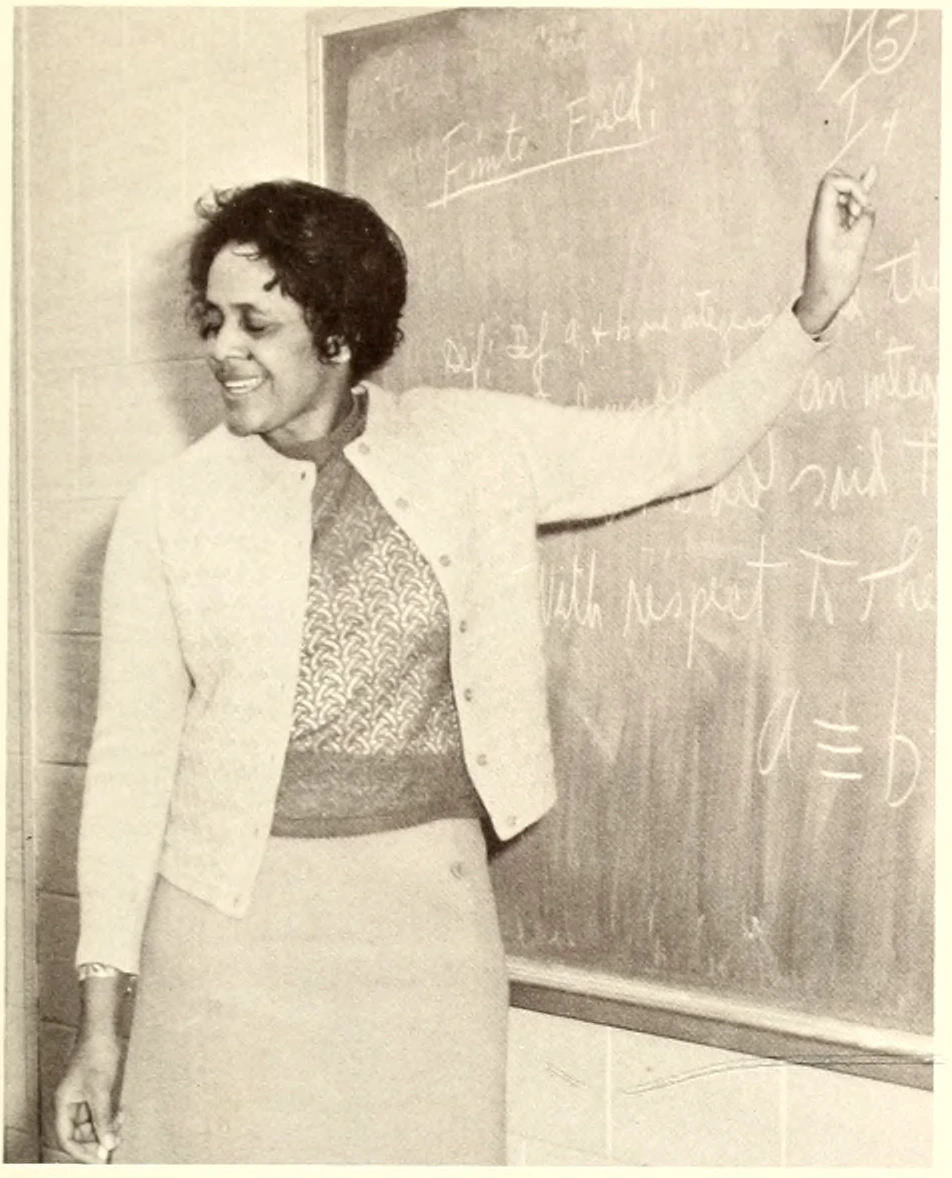
Virginia K. Newell gathered biographies, photographs, and research to document Black mathematicians’ achievements and the discrimination they faced.
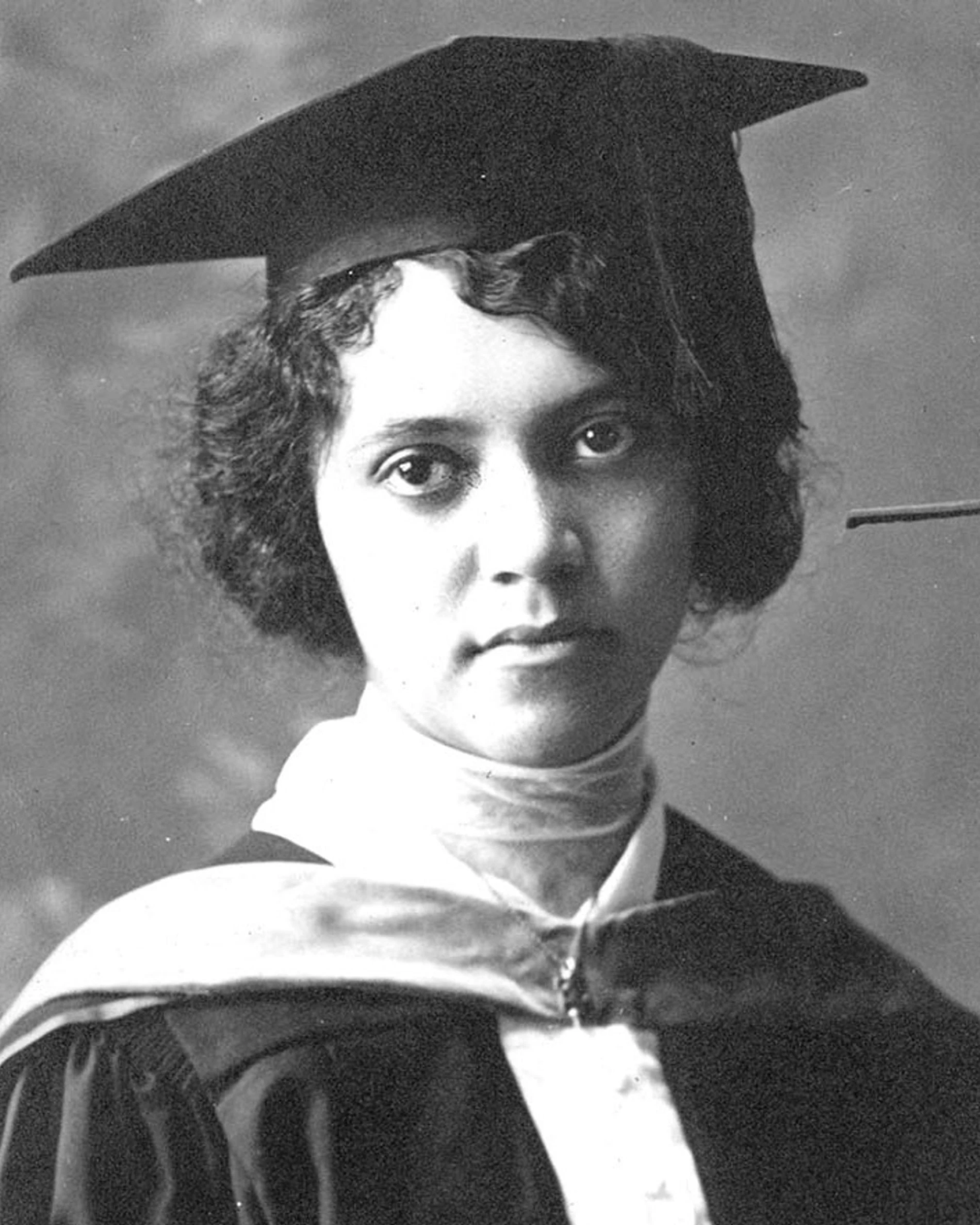
Alice Ball transformed a difficult leprosy remedy into an injectable treatment. Her work helped patients improve and return to their families.
She broke barriers in the legal profession and used her expertise to challenge segregation, carrying community organizing into the courtroom and expanding the fight for civil rights.
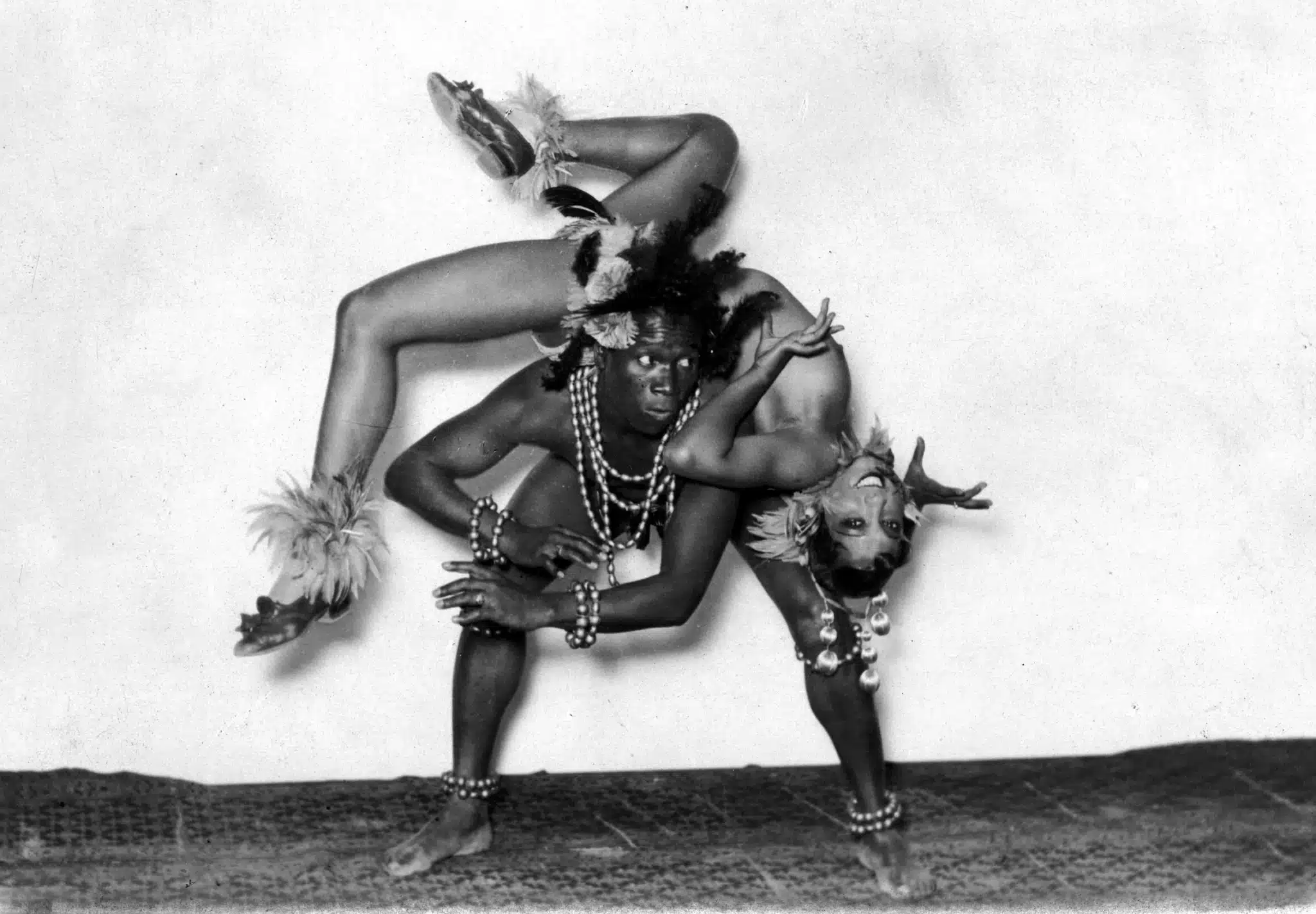
She used celebrity to support wartime resistance and challenge racism, turning the access granted by fame into a means of gathering intelligence and demanding justice.
Black women challenged exclusion in medicine, nursing, and research, expanding professional opportunities and improving care for communities neglected by existing institutions.
She gathered intelligence inside an enemy leader’s home, then worked to educate formerly enslaved people, continuing the fight for freedom despite threats to her schools.
Black women’s writing and art helped drive a cultural movement, bringing new voices into public life and influencing how communities understood and represented themselves.
Black businesswomen built thriving enterprises despite racism and sexism, creating jobs and supporting education, community institutions, and opportunities others had been denied.
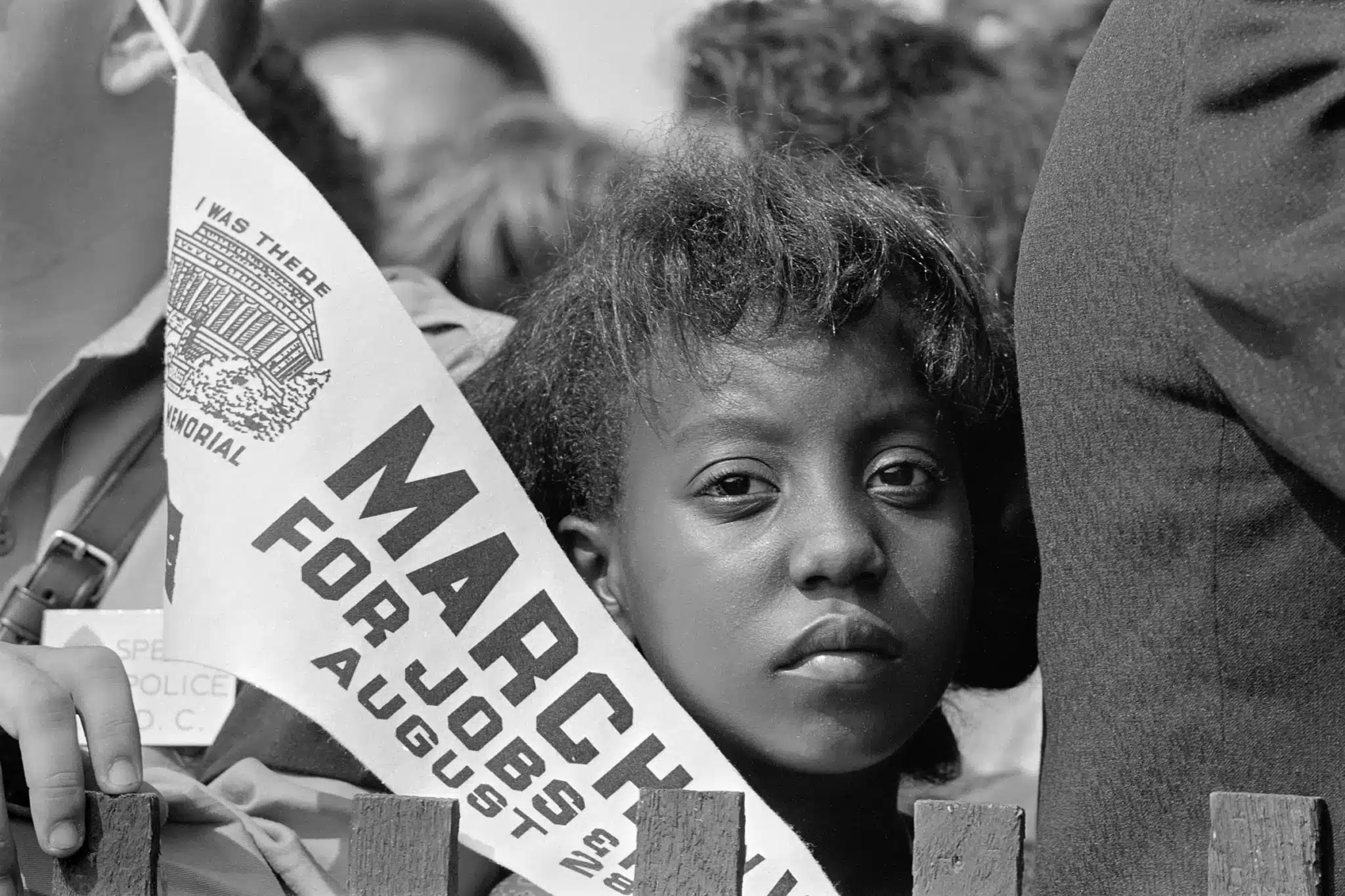
Women helped organize a defining civil rights demonstration while facing exclusion from its public platform, exposing the gap between their essential work and the recognition they received.
Enslaved women fought in court for their own freedom and their children’s, using legal claims to challenge a system that treated their families as property.
Black women mathematicians broke barriers in education, led institutions, and widened opportunities for others, changing expectations of who could study, teach, and lead in the field.
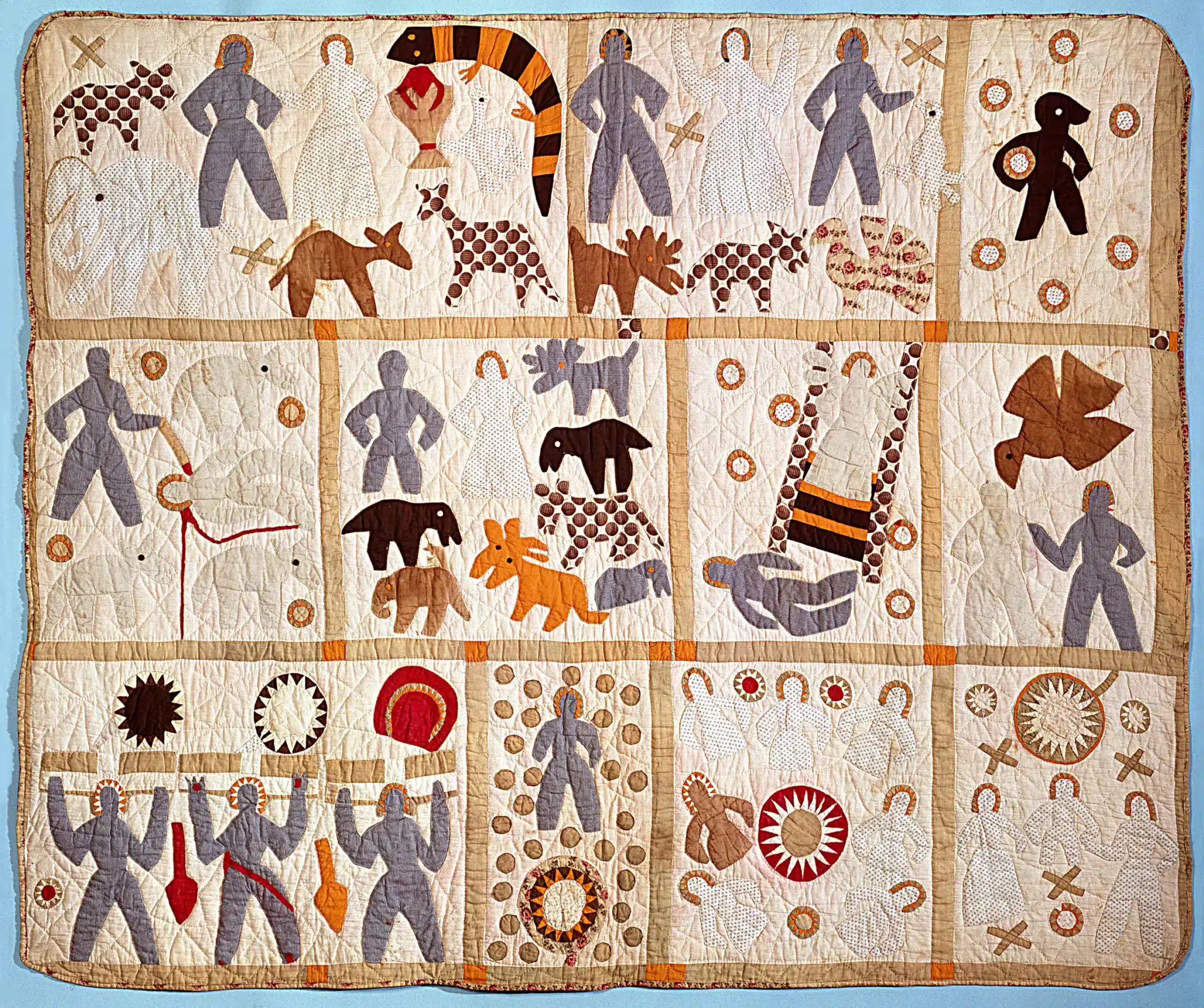
She stitched religious stories into quilts of extraordinary imagination, preserving her voice through fabric and creating artworks that expanded the possibilities of visual storytelling.
After risking her home and enduring a brutal jail beating, Fannie Lou Hamer took Mississippi’s fight for Black political representation to the 1964 Democratic convention.
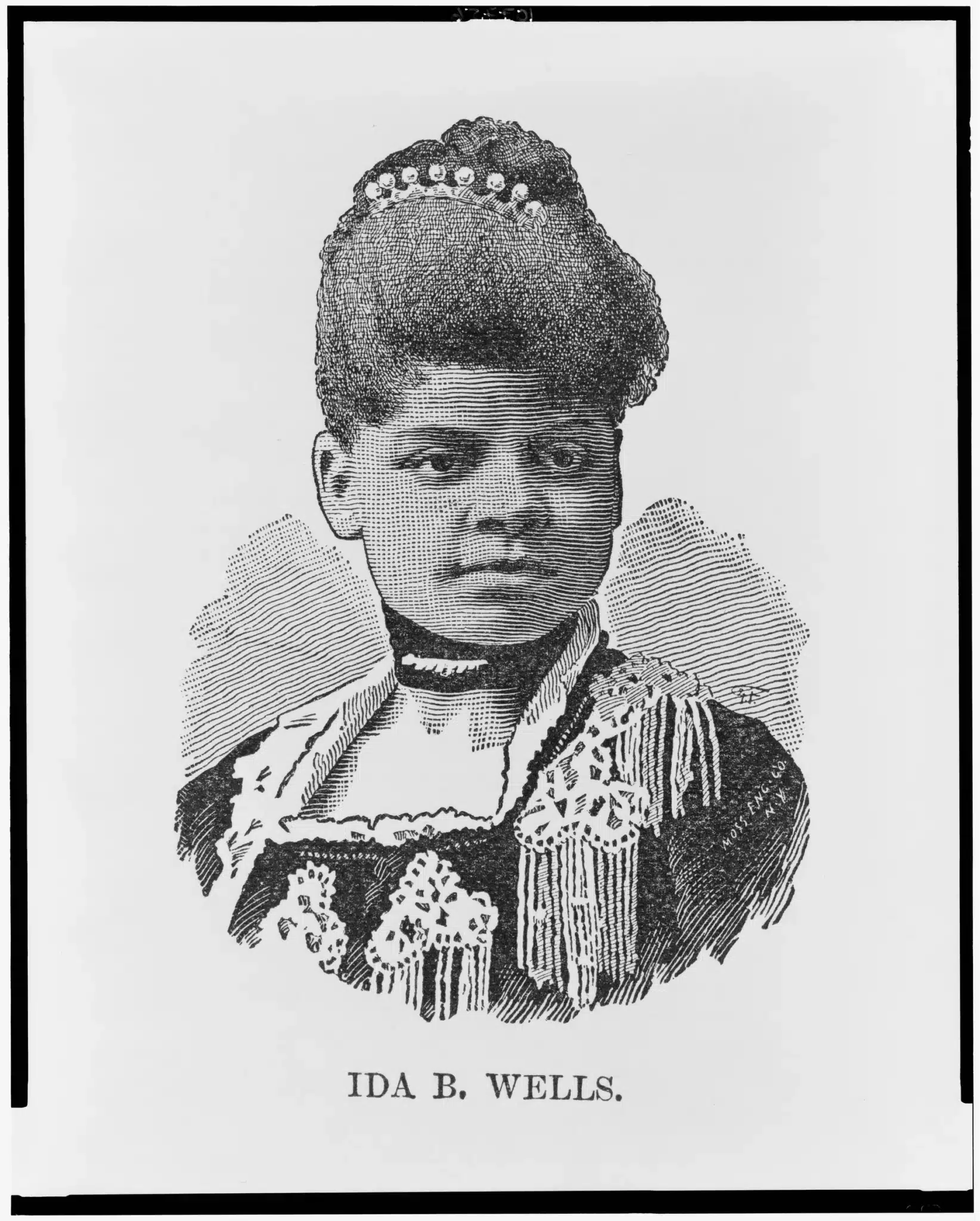
She used investigative writing to expose lynching and the lies used to justify it, carrying the fight against racial violence to audiences across national borders.
Women fought fires long before they were widely welcomed into the profession, challenging exclusion as they moved from volunteer work into paid service and leadership.
Women pushed beyond discrimination and skepticism to travel into space, expanding the possibilities for space exploration and the ambitions of those who followed them.
Denied flight training at home, she traveled abroad to earn her pilot’s license, then thrilled audiences with aerial stunts while challenging segregation on the ground.
She enlisted under a male name when the army excluded women, claiming a place in military service despite the racism and restrictions surrounding her.