


Female Knights of the Middle Ages
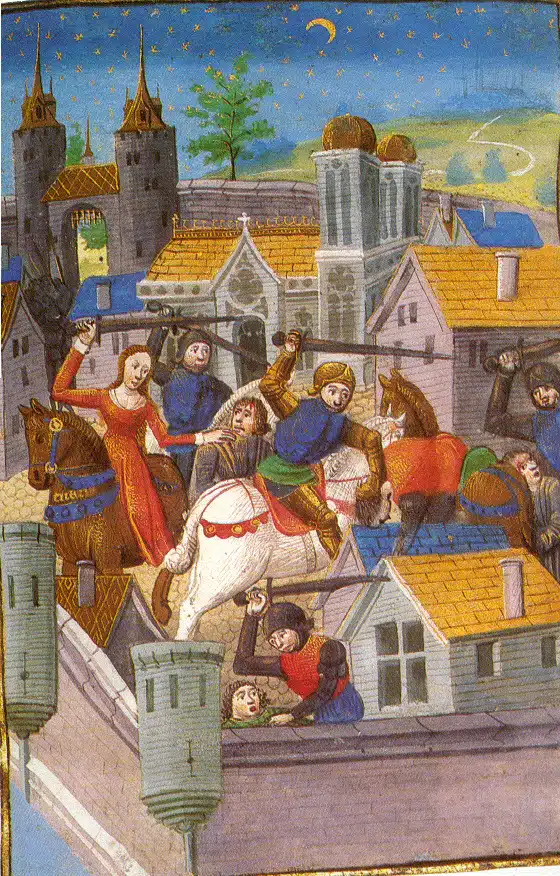
Women commanded troops, defended cities, and entered chivalric orders, challenging the familiar image of knighthood and claiming recognition for military courage and leadership.

Women worth knowing
Extraordinary women, overlooked stories, and a more complete history. Explore the lives, ideas, and achievements that changed the world.
Rank, influence, and the lives behind the titles.
Explore stories of noblewomen and royal women in history: landowners, patrons, thinkers, and others whose lives reached beyond their titles. Their experiences reveal how status could bring opportunities while family expectations and social rules could limit their choices.
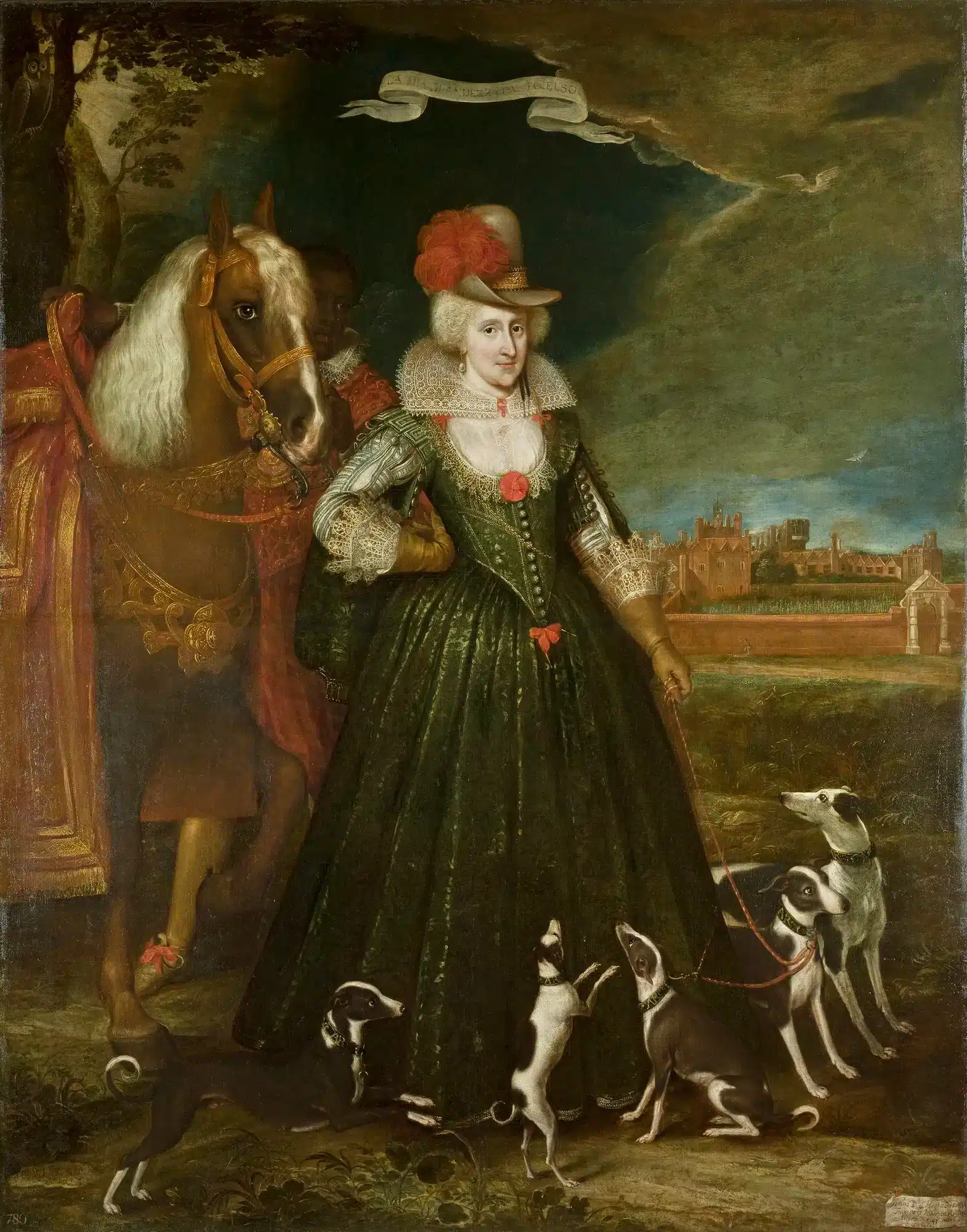
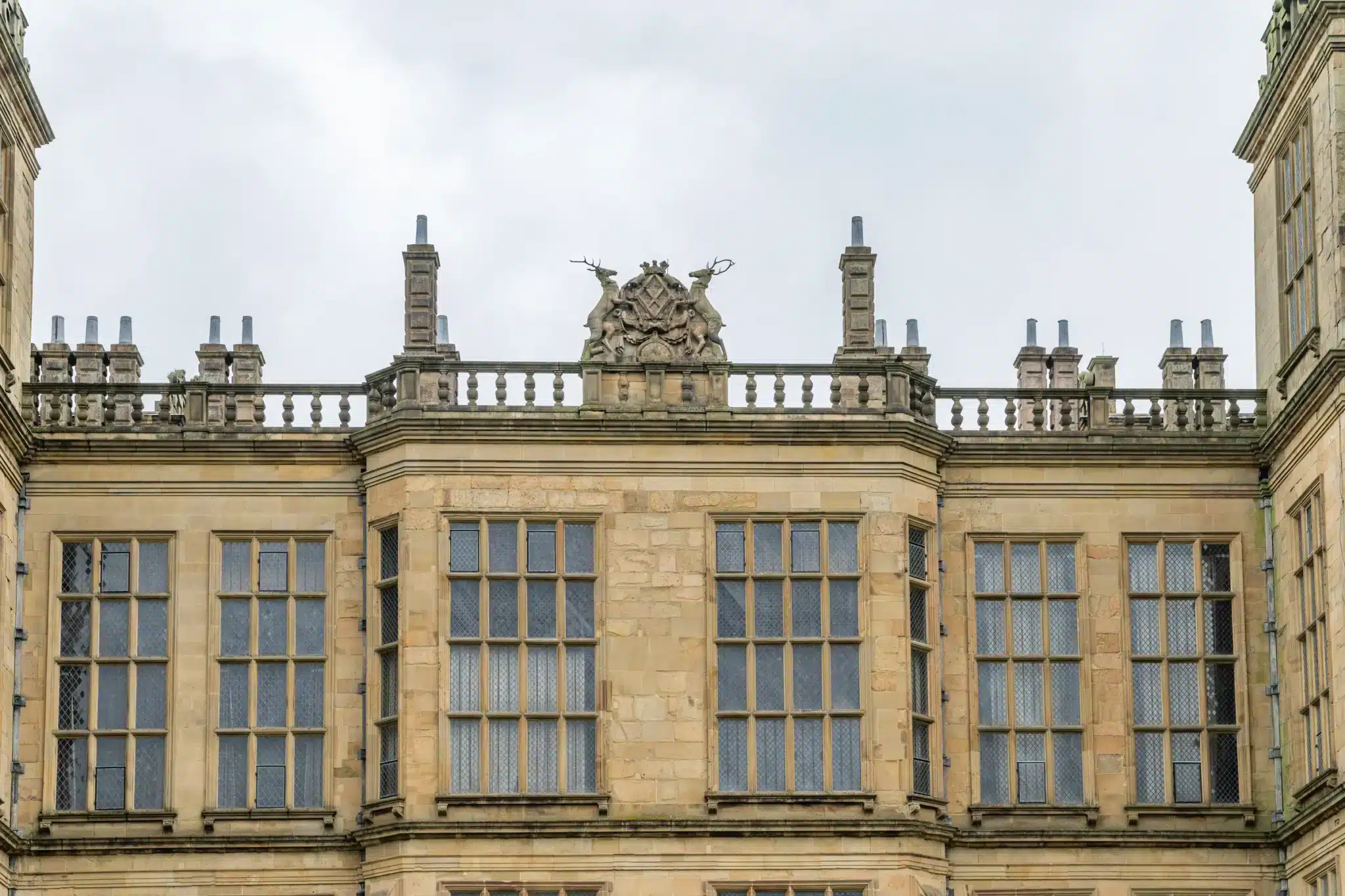
Land and wealth could give women influence, but securing control of them often meant navigating marriages, family claims, and legal disputes.

Supporting buildings, writers, and performers was a way to shape cultural life. These stories explore what women commissioned, created, and made possible for others.

A title tells only part of a woman’s story. Study, marriage, and personal choices reveal ambitions and constraints that rank alone cannot explain.
Women commanded troops, defended cities, and entered chivalric orders, challenging the familiar image of knighthood and claiming recognition for military courage and leadership.
She used royal performances to celebrate powerful women and bring them into dramatic art, creating opportunities for participation that challenged the limits of a queen’s formal authority.
She turned family alliances and shrewd financial decisions into wealth and influence, building magnificent homes that made her ambition visible and preserved it for later generations.

She challenged the double standards of a royal marriage and faced permanent exile, exposing how little protection status offered a woman who refused its expectations.
Royal women could shape an empire through commerce, architecture, and spiritual writing, exercising influence that reaches far beyond the familiar image of life inside a palace.
She saw that computers could work with more than numbers, envisioning creative applications long before modern machines and helping establish the foundations of programming.

She fought for an inheritance others expected her to surrender, then used her wealth to restore historic buildings and support writers and the arts.