Were There Female Vikings? What the Evidence Reveals
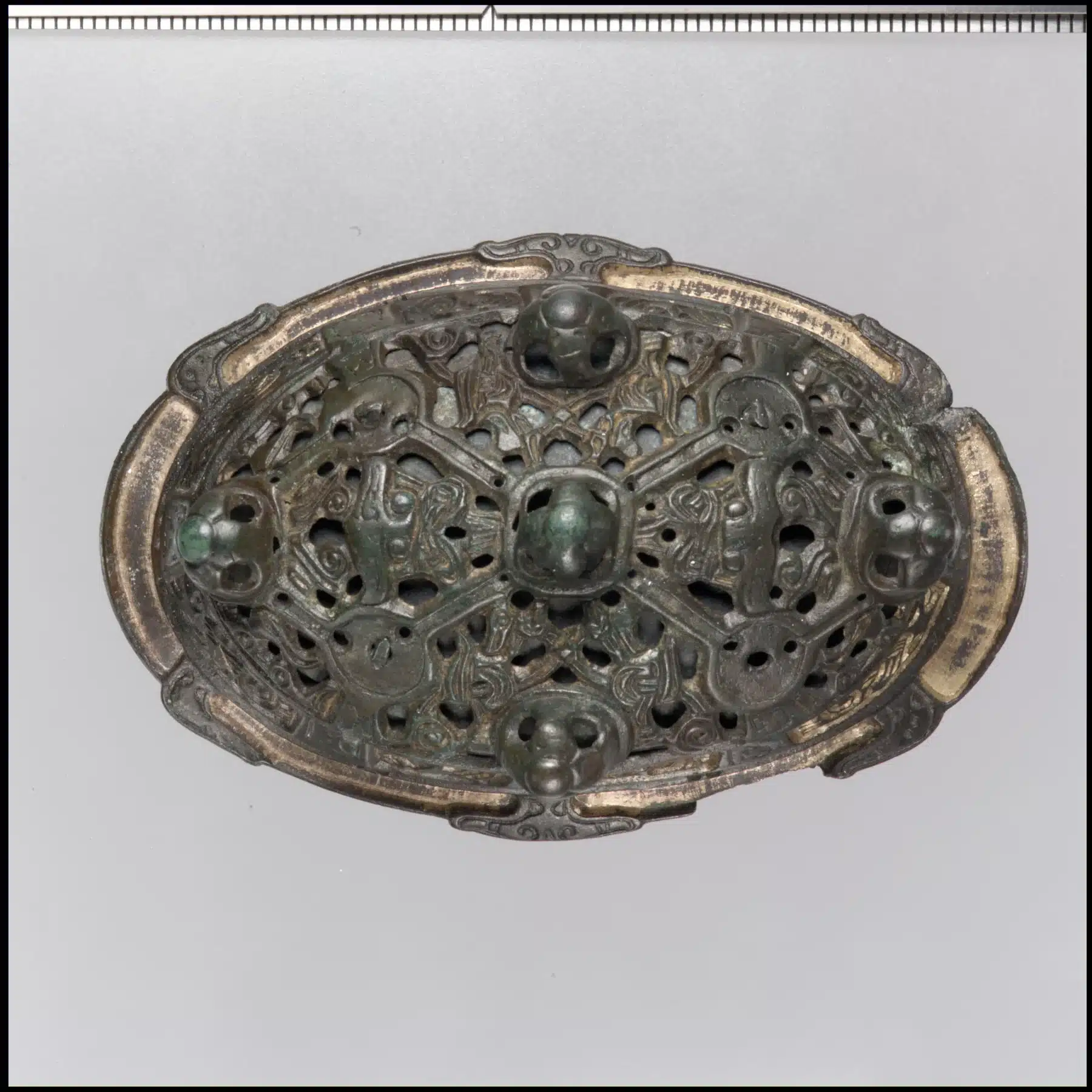
A warrior’s grave in Sweden held a female skeleton. Brooches found on the Isle of Man challenged another assumption: that Scandinavian settlers had all been men.

Women worth knowing
Extraordinary women, overlooked stories, and a more complete history. Explore the lives, ideas, and achievements that changed the world.
A warrior’s grave in Sweden held a female skeleton. Brooches found on the Isle of Man challenged another assumption: that Scandinavian settlers had all been men.

Women could inherit samurai status without ever fighting. Hangaku Gozen, Nakano Takeko, and Yamamoto Yae also took up weapons, from medieval castle defenses to the battles of 1868.
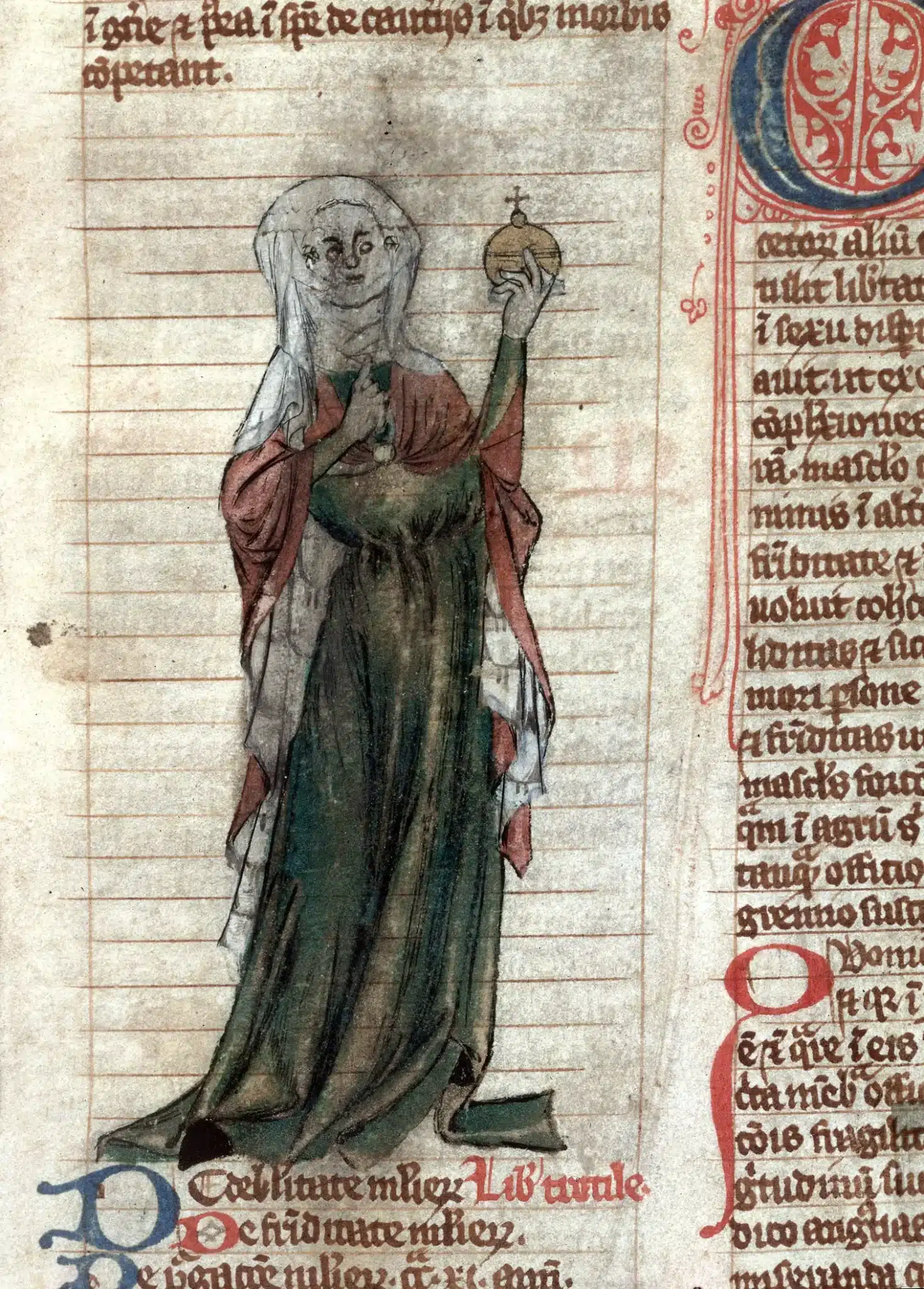
Trota of Salerno treated patients in the 1100s. Her remedies reached readers across medieval Europe through the Trotula, but it took centuries for historians to separate her work from the rest of the collection.
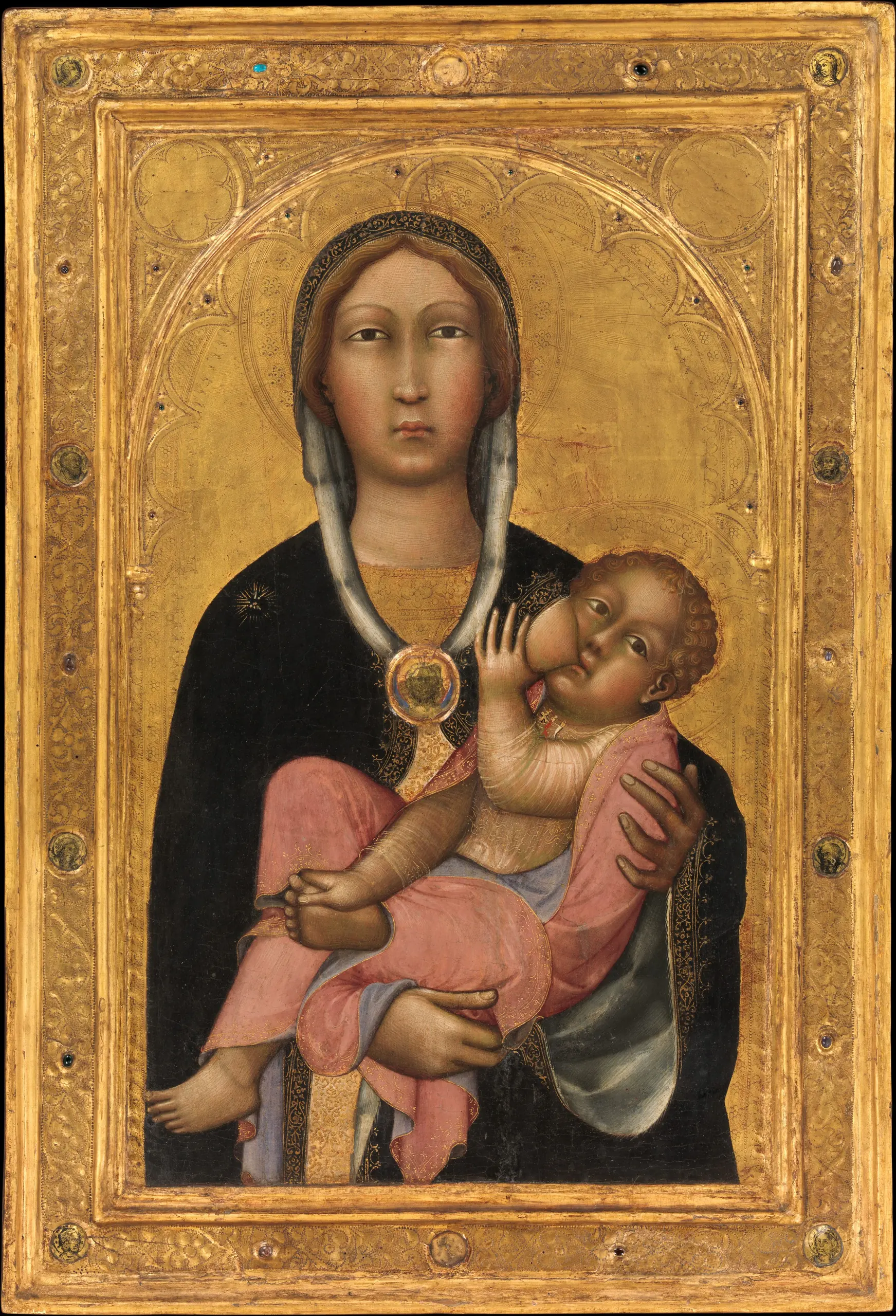
Julian of Norwich and Mechthild of Magdeburg used motherhood to describe divine power, from Christ feeding believers to a woman nourishing him.
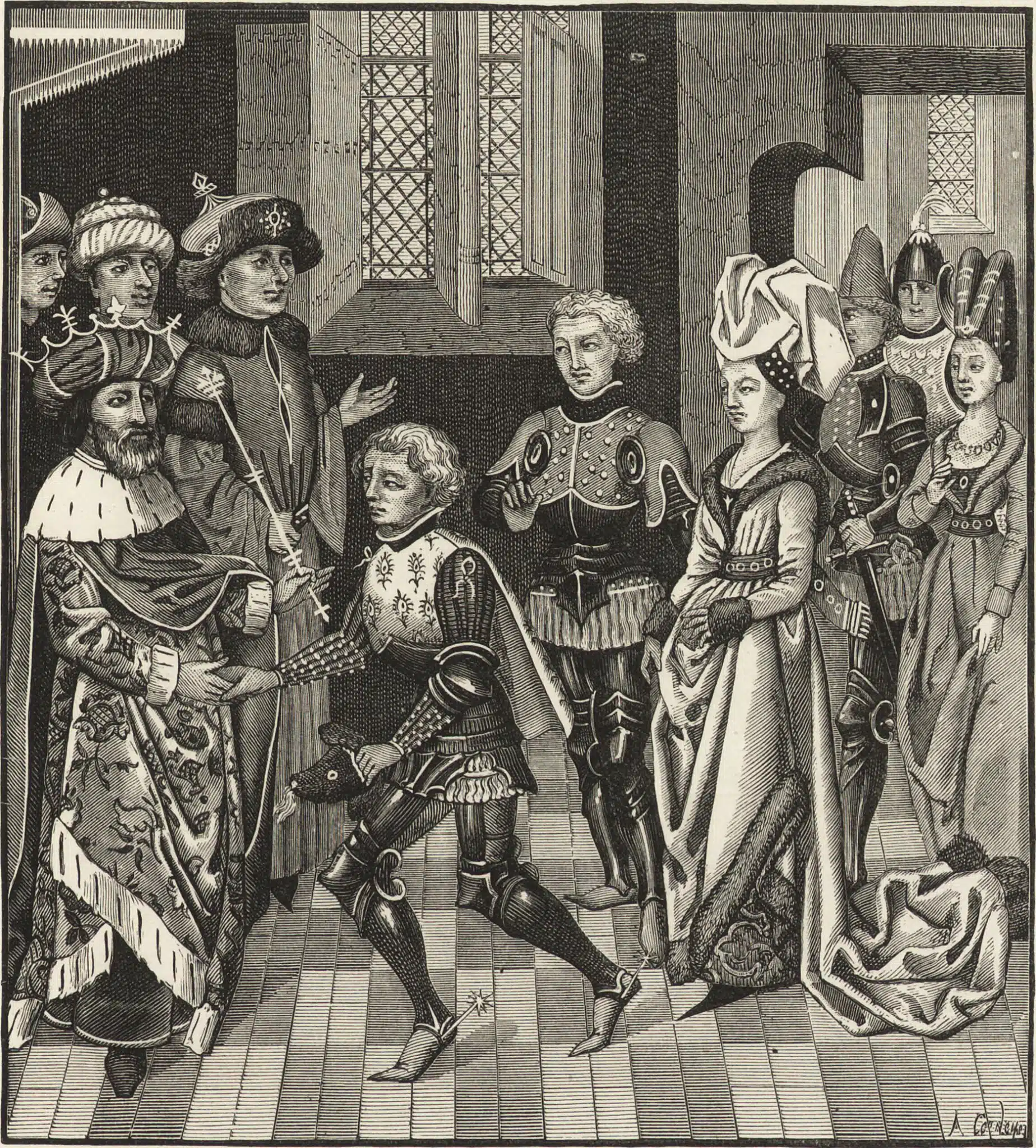
Women financed expeditions, managed territories, and supported armies on the front lines, taking part in religious wars that shaped political power across borders.
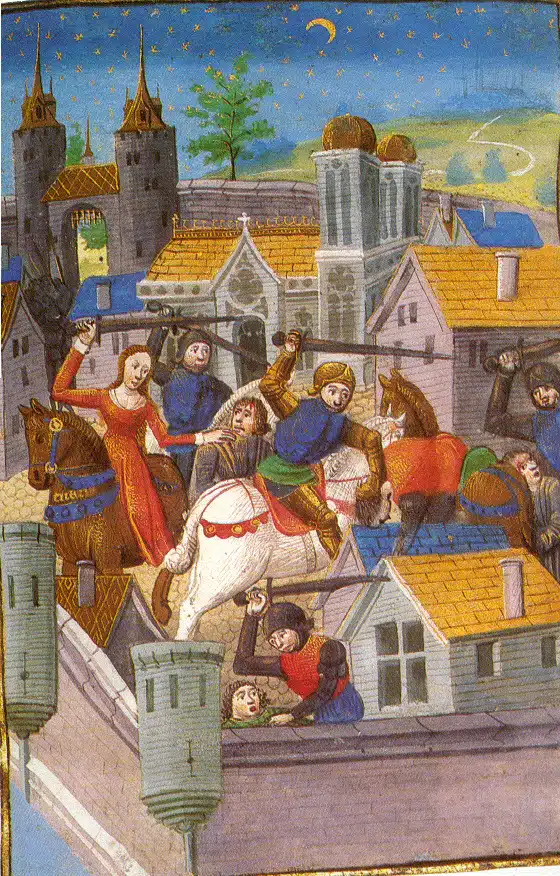
Women commanded troops, defended cities, and entered chivalric orders, challenging the familiar image of knighthood and claiming recognition for military courage and leadership.

Women claimed spiritual authority through visions, writing, and religious communities, creating room for leadership and self-governance in a world that often dismissed their judgment.

Pregnancy could postpone a woman’s execution under common law, creating a route to survival that exposed the complicated relationship between reproductive status and criminal justice.

She navigated a royal marriage, civil war, and threats to her children, using family ties and political alliances to protect their place in a dangerous court.