Women in the Crusades: Medieval Female Warriors, Rulers, and Pilgrims
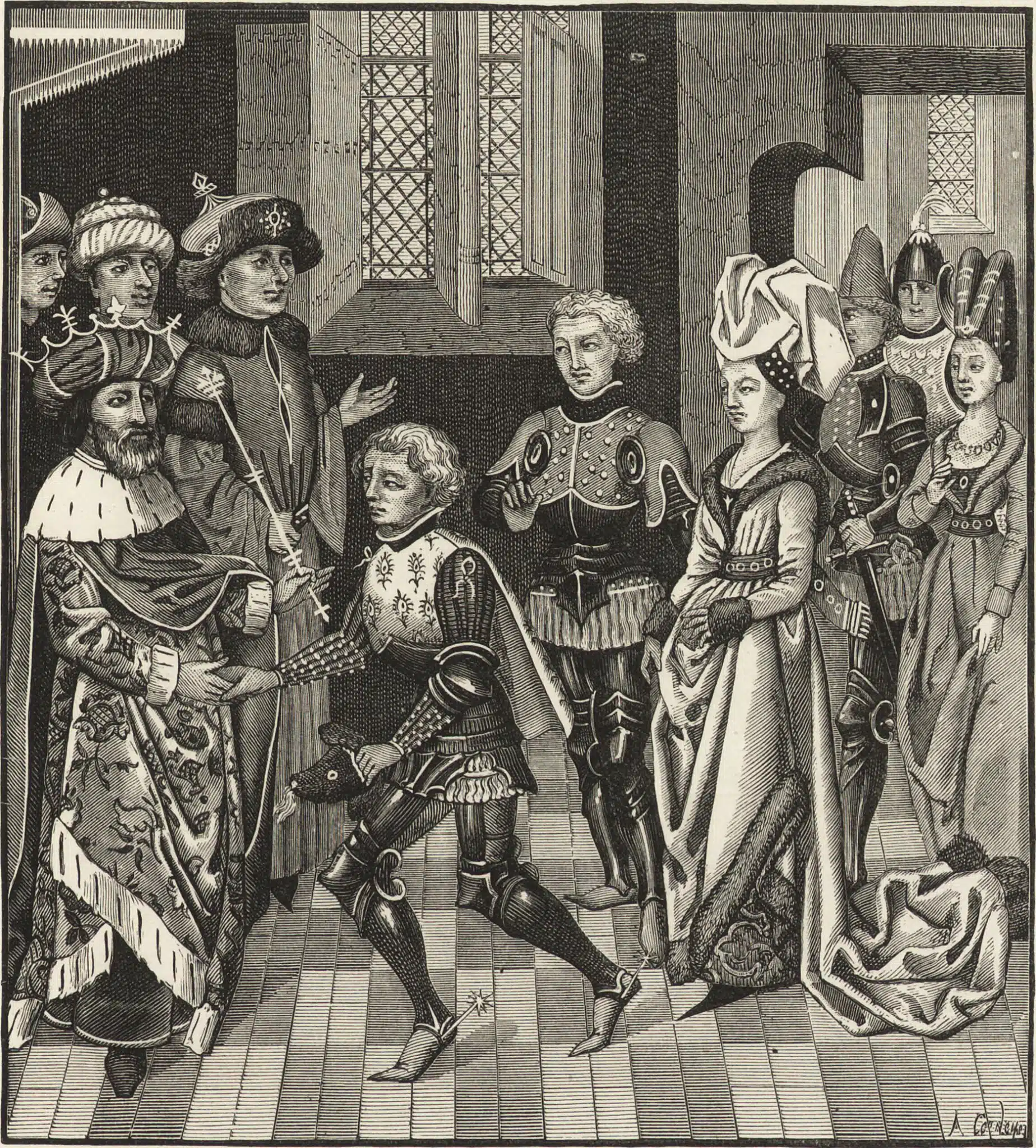
Women financed expeditions, managed territories, and supported armies on the front lines, taking part in religious wars that shaped political power across borders.

Women worth knowing
Extraordinary women, overlooked stories, and a more complete history. Explore the lives, ideas, and achievements that changed the world.
Women financed expeditions, managed territories, and supported armies on the front lines, taking part in religious wars that shaped political power across borders.
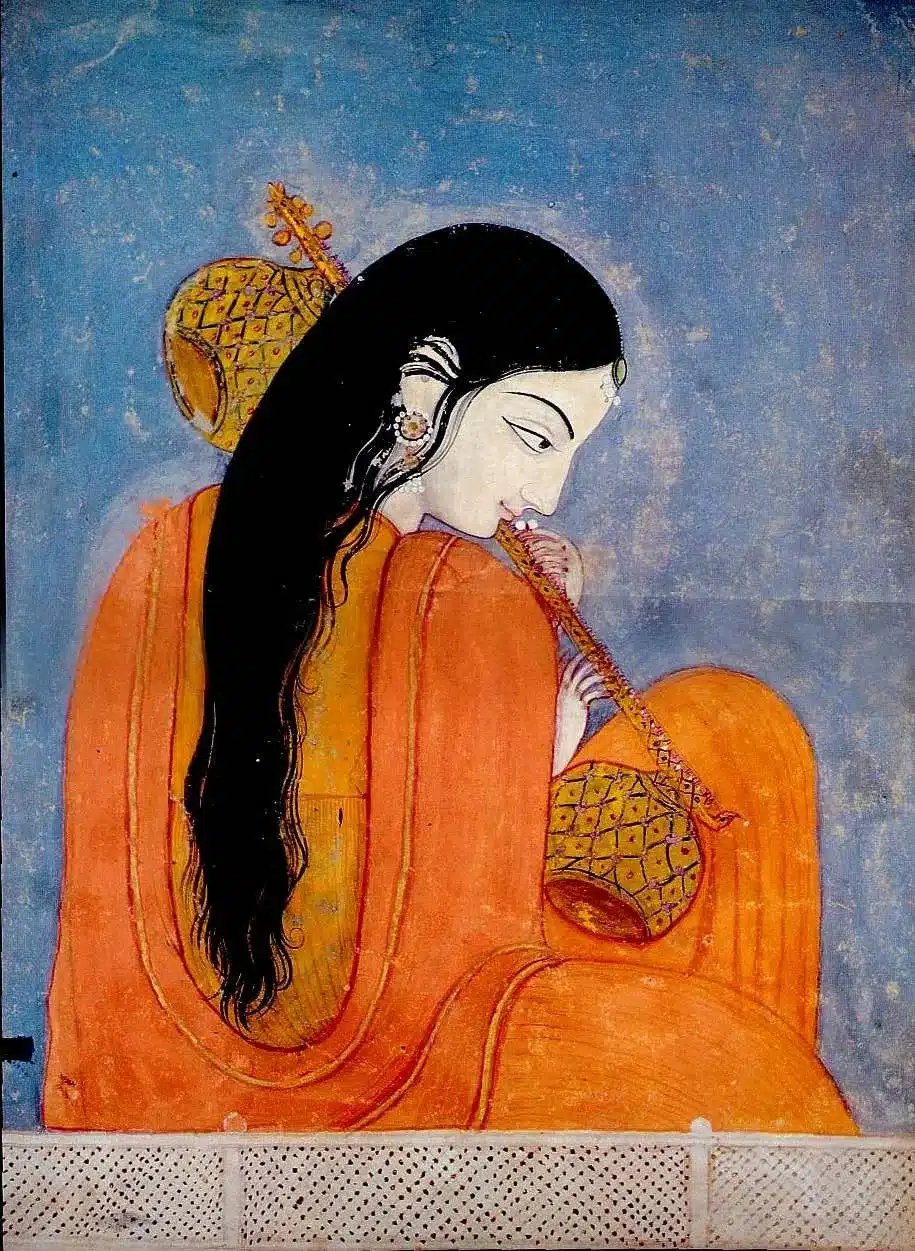
She chose spiritual devotion over royal expectations, expressing independence through poetry and song that challenged social hierarchies and carried her voice far beyond the palace.
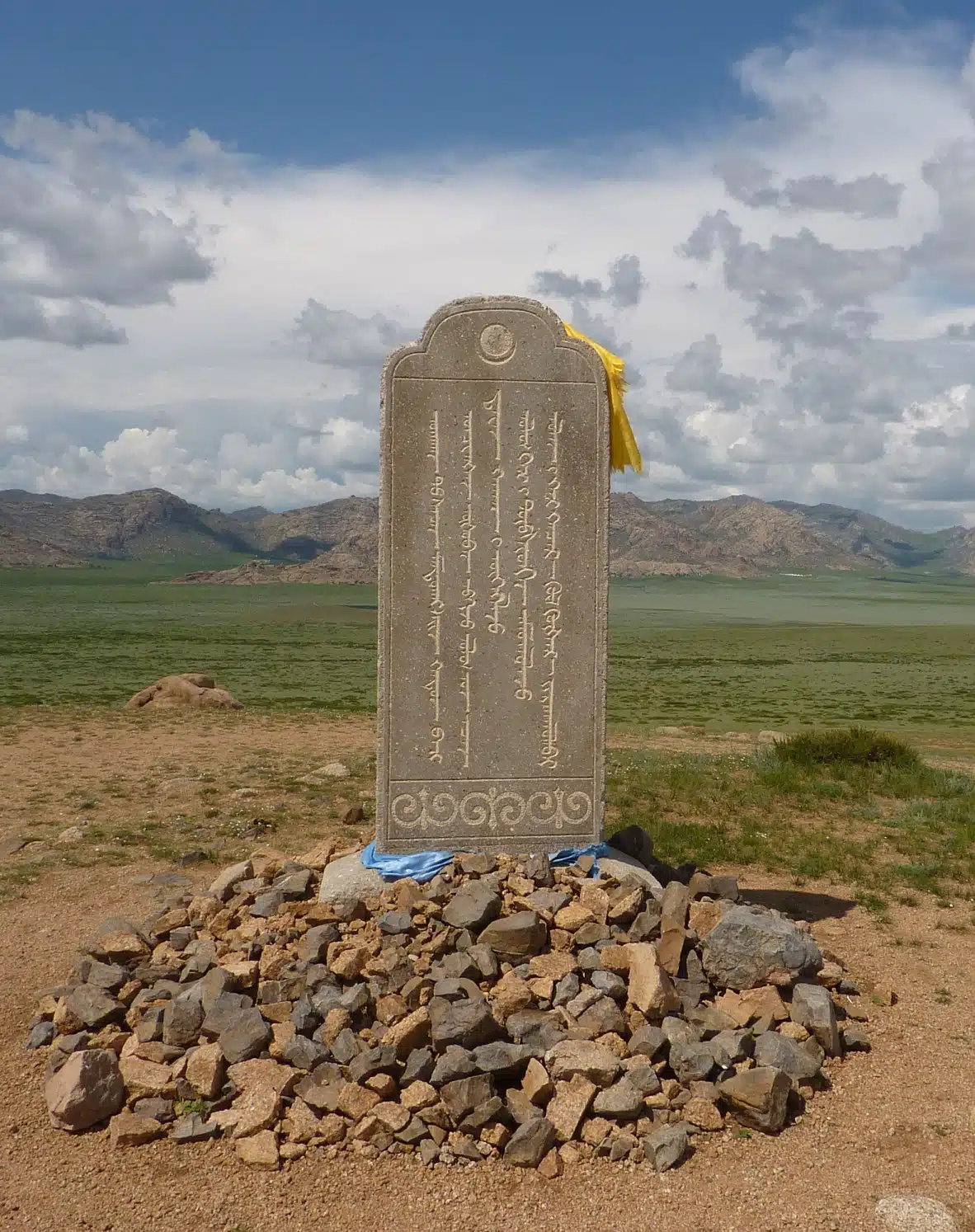
She combined military strategy with political leadership to reunite divided peoples, preserving a royal lineage and securing influence in a world shaped by warfare.
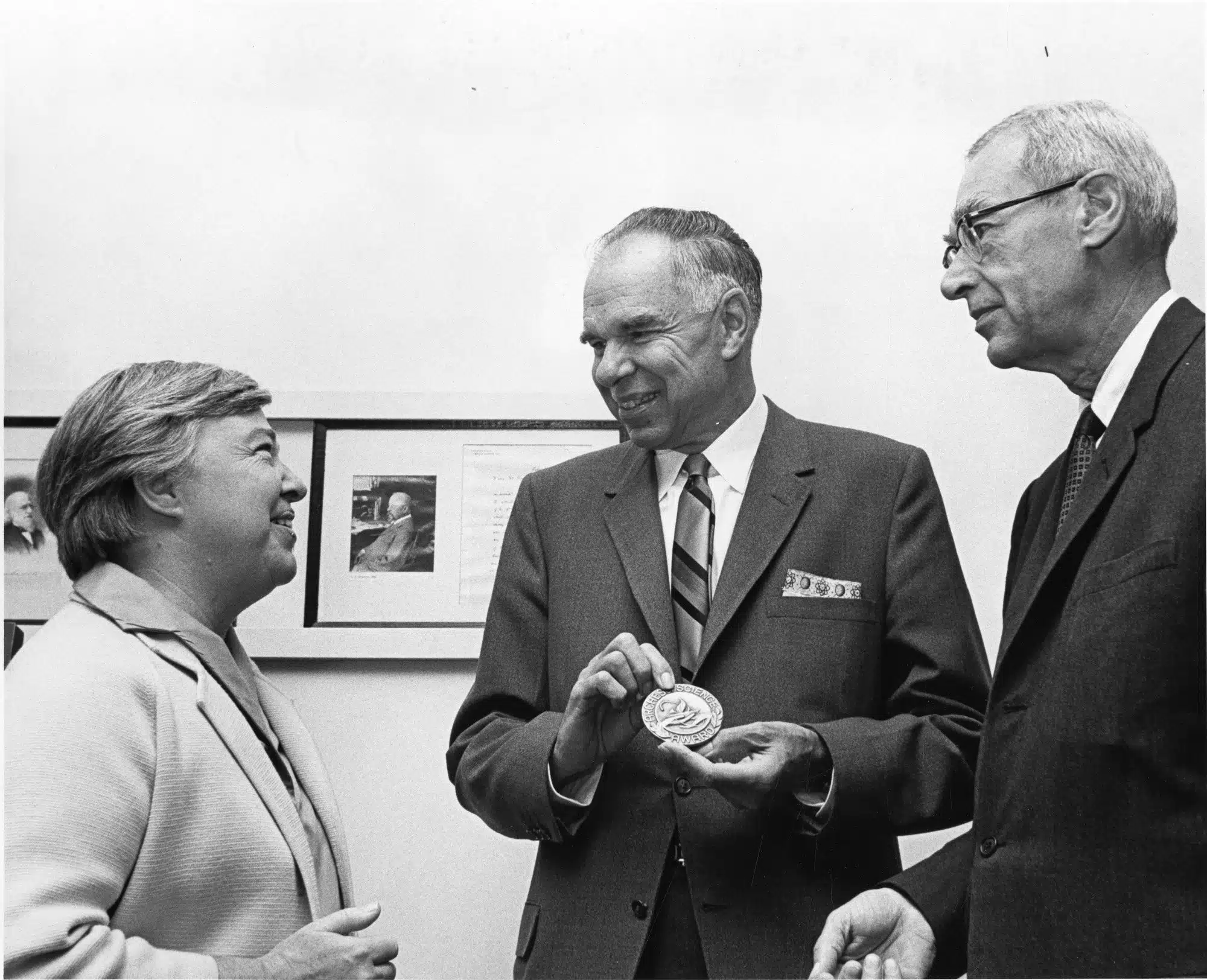
Her move from science into politics brought convictions about technology into conflict with environmental campaigners, exposing tensions between expertise and public decision-making.
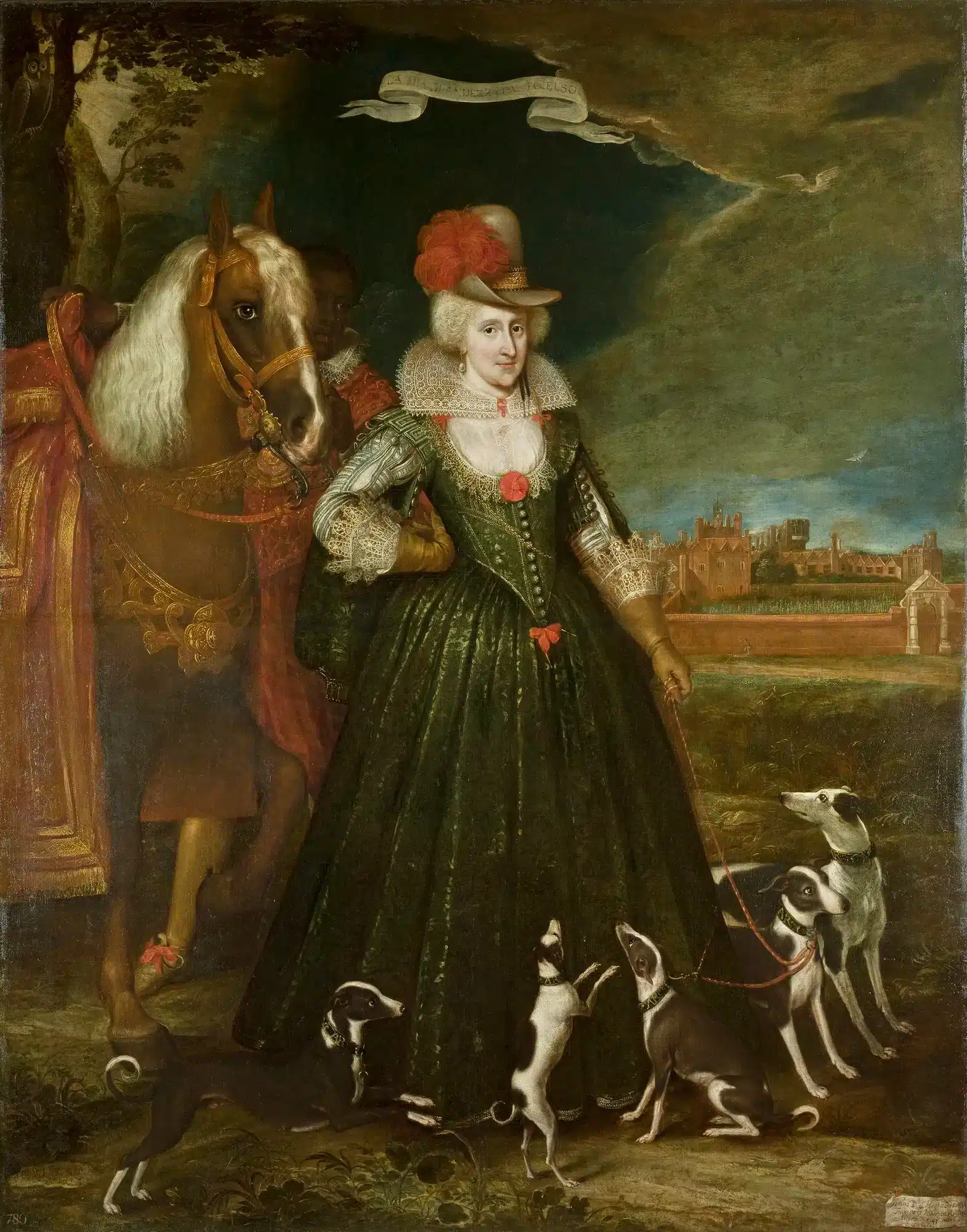
She used royal performances to celebrate powerful women and bring them into dramatic art, creating opportunities for participation that challenged the limits of a queen’s formal authority.
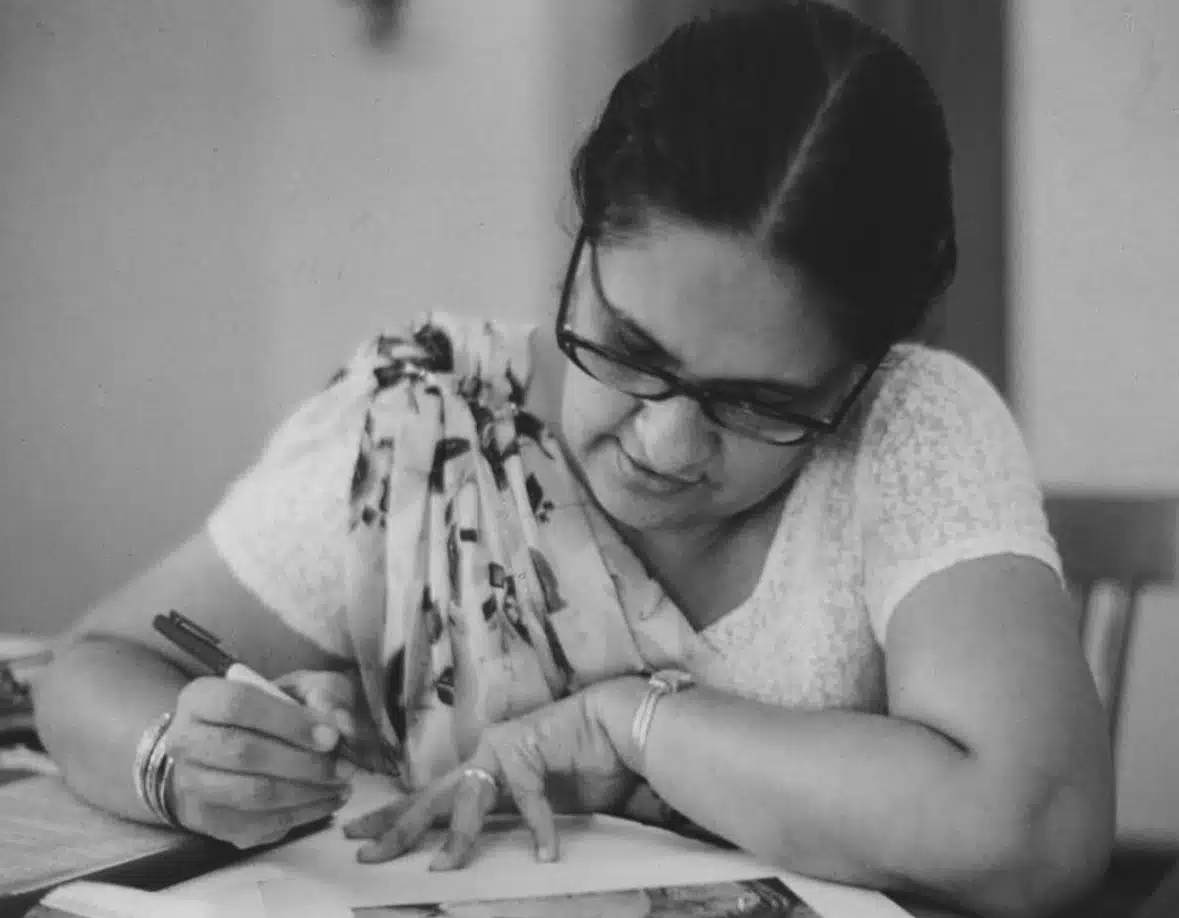
Her rise to national leadership broke a political barrier for women, placing a woman at the head of government and changing expectations far beyond her country.
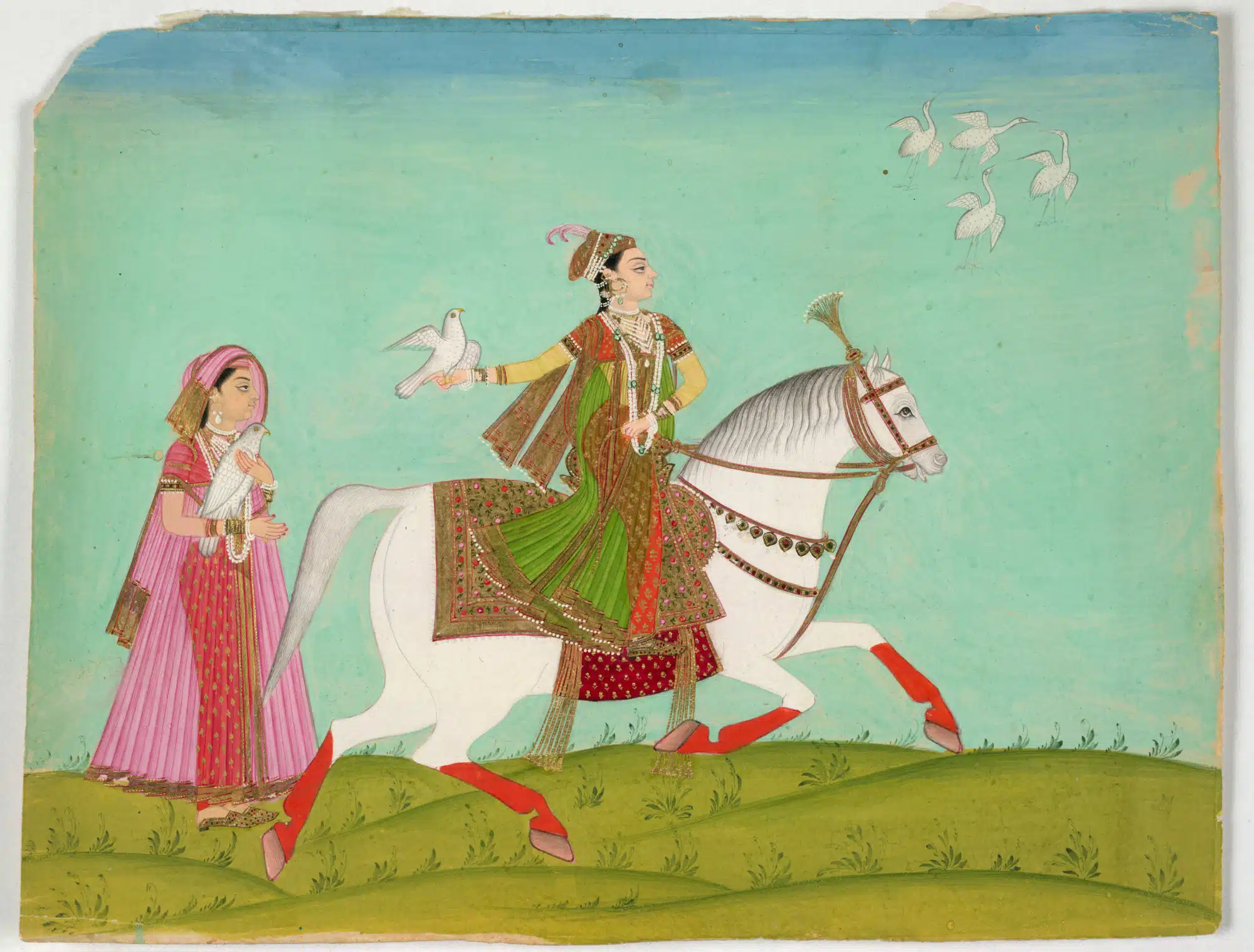
She defended her kingdom against a powerful invading army, combining battlefield courage with strategic judgment when military pressure and court politics threatened its survival.
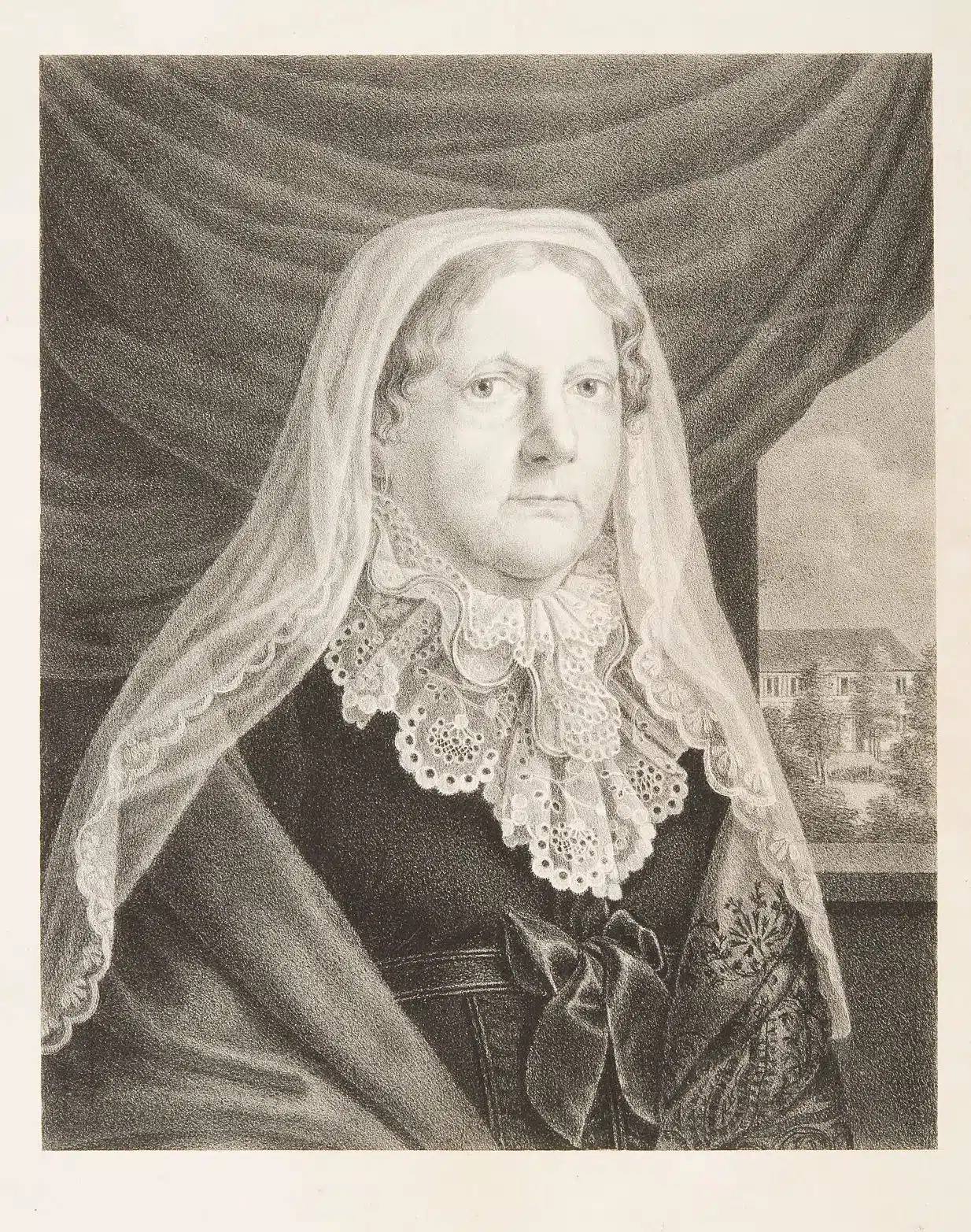
She challenged the double standards of a royal marriage and faced permanent exile, exposing how little protection status offered a woman who refused its expectations.
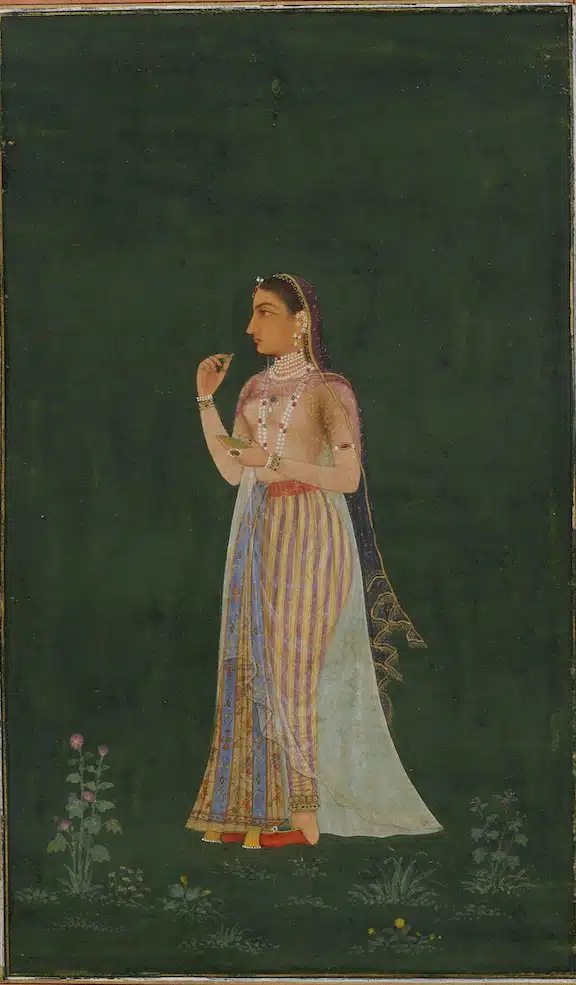
Royal women could shape an empire through commerce, architecture, and spiritual writing, exercising influence that reaches far beyond the familiar image of life inside a palace.
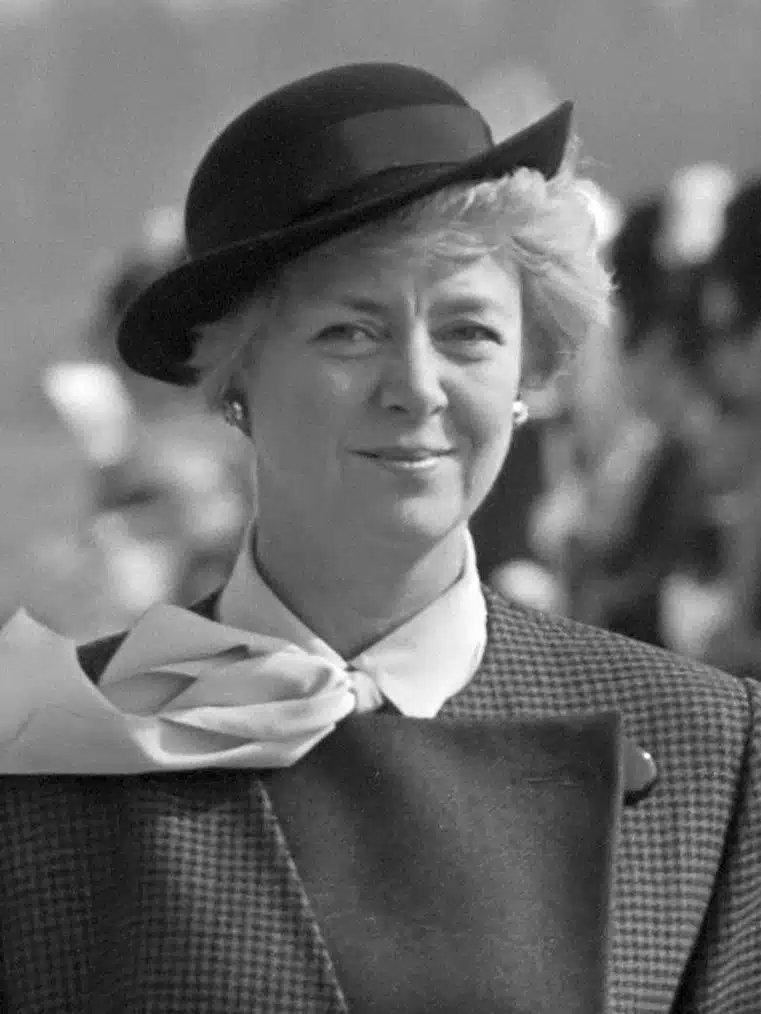
Her election to the presidency challenged expectations of who could lead a country, bringing experience in education and the arts into a powerful public role.
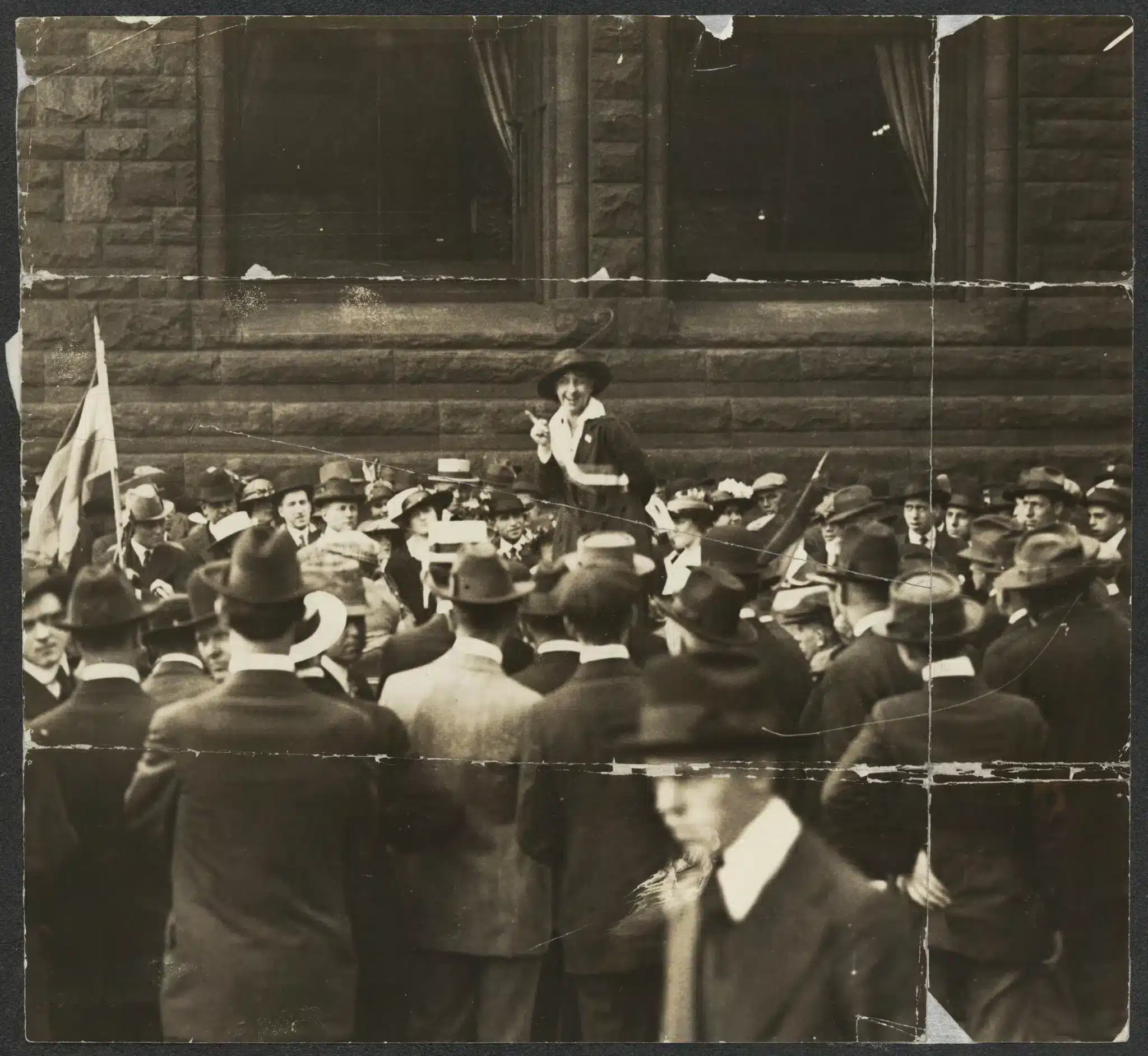
Powerful speeches can rally support, challenge injustice, and change expectations. Women who commanded public attention offer practical lessons in making your own words count.
Her expertise in the region carried her from archaeology into wartime intelligence and state-building, where her political influence and museum work helped shape a country’s future.
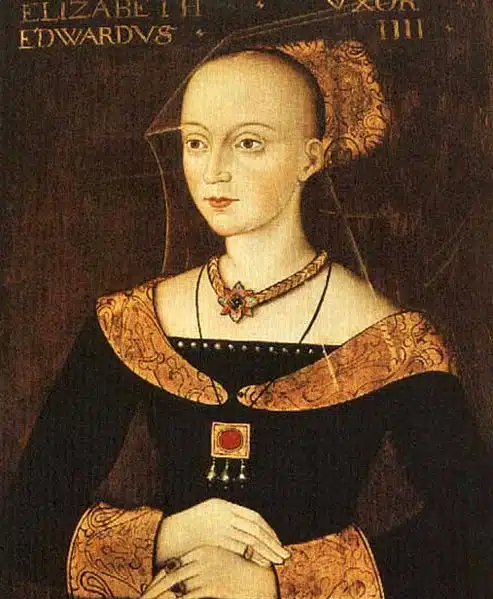
She navigated a royal marriage, civil war, and threats to her children, using family ties and political alliances to protect their place in a dangerous court.
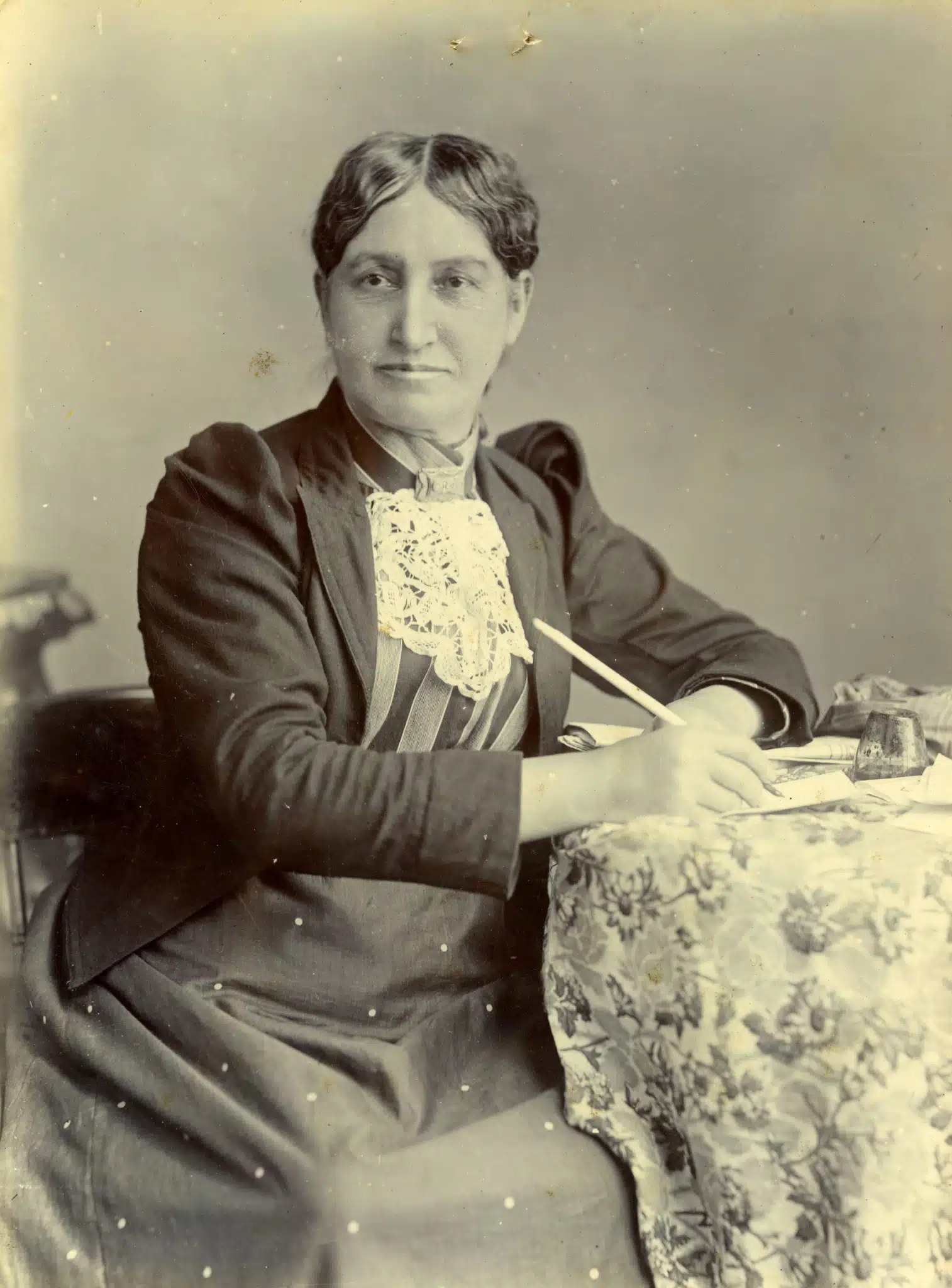
Her election as mayor challenged expectations of women in public office. Fierce opposition exposed how much resistance remained even after women won the vote.
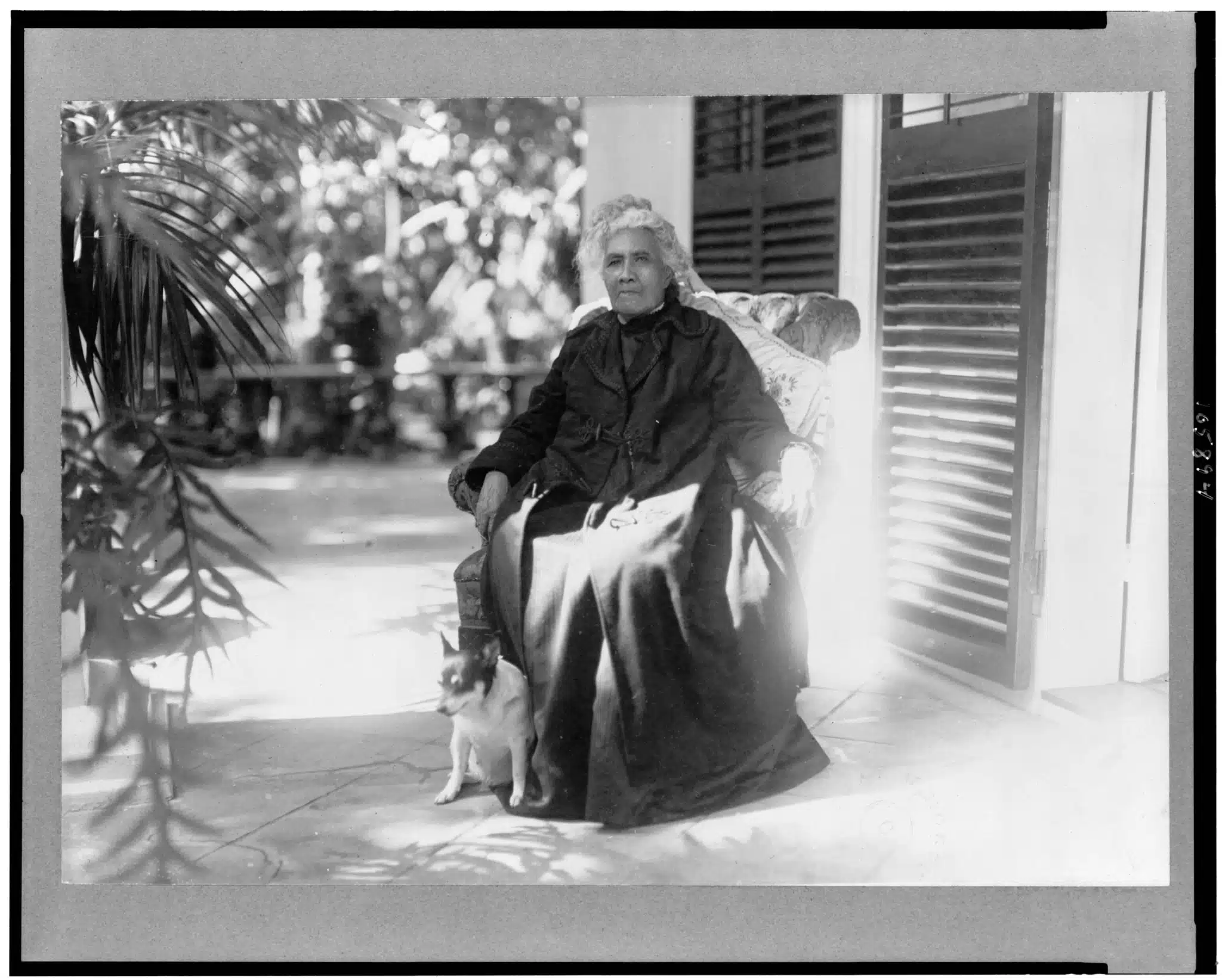
She defended her people’s sovereignty as foreign interests threatened their kingdom, while her music preserved a love of homeland that political defeat could not erase.
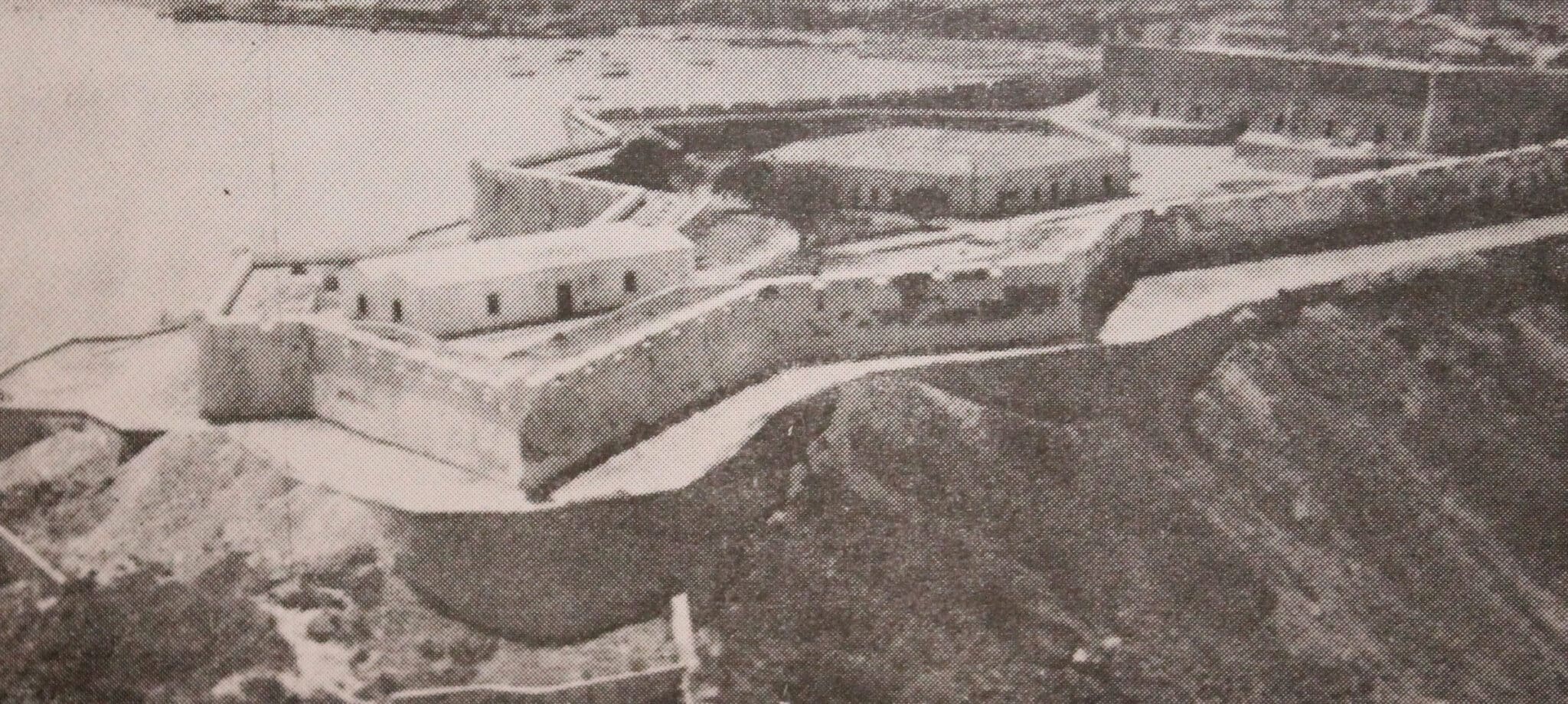
She used diplomacy, warfare, and shifting alliances to resist colonial expansion, defending her kingdoms and building the political and commercial strength needed to survive.
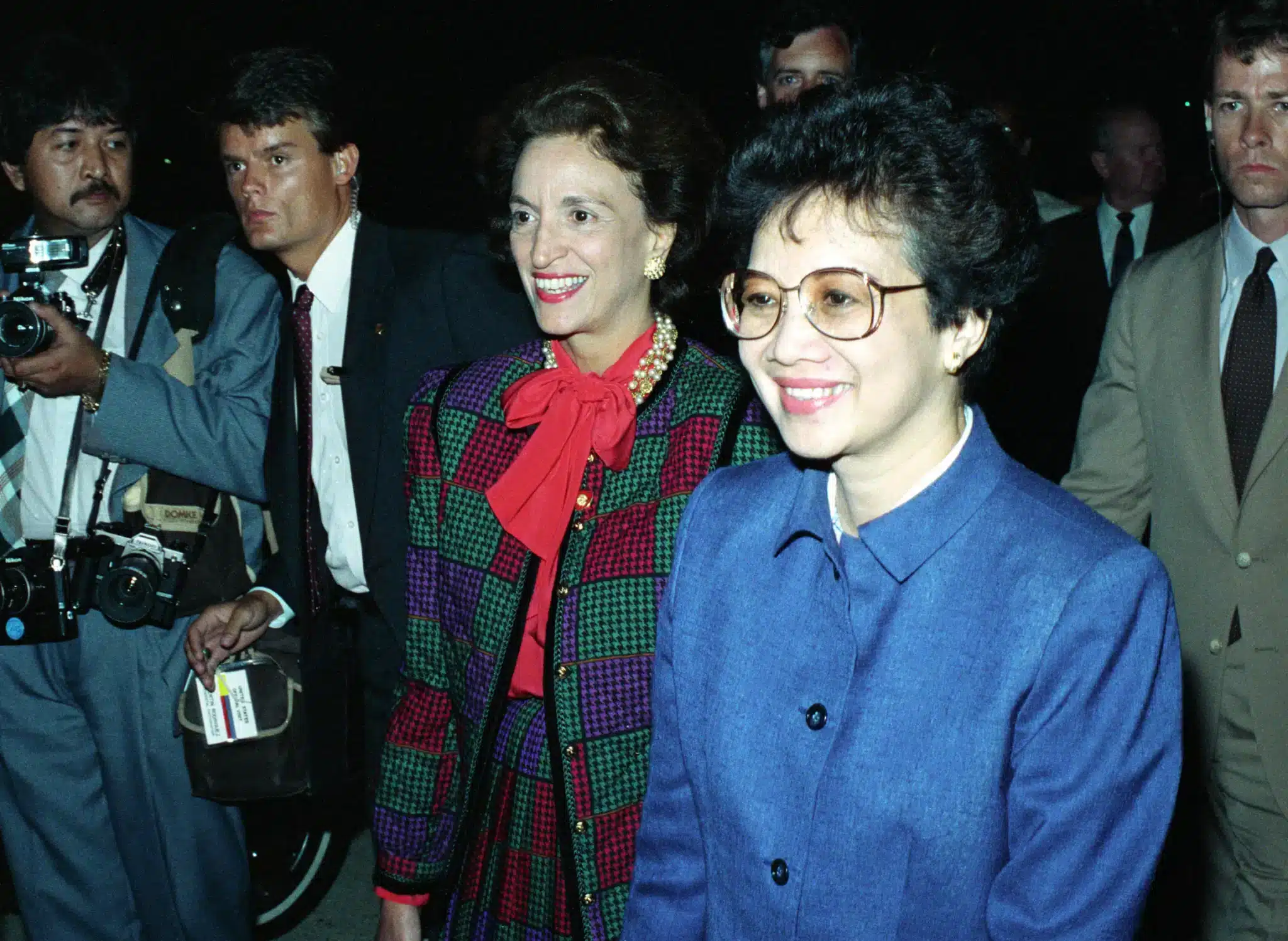
She entered politics without planning a presidential career, then helped rally peaceful resistance against a dictatorship and restore democratic government to her country.
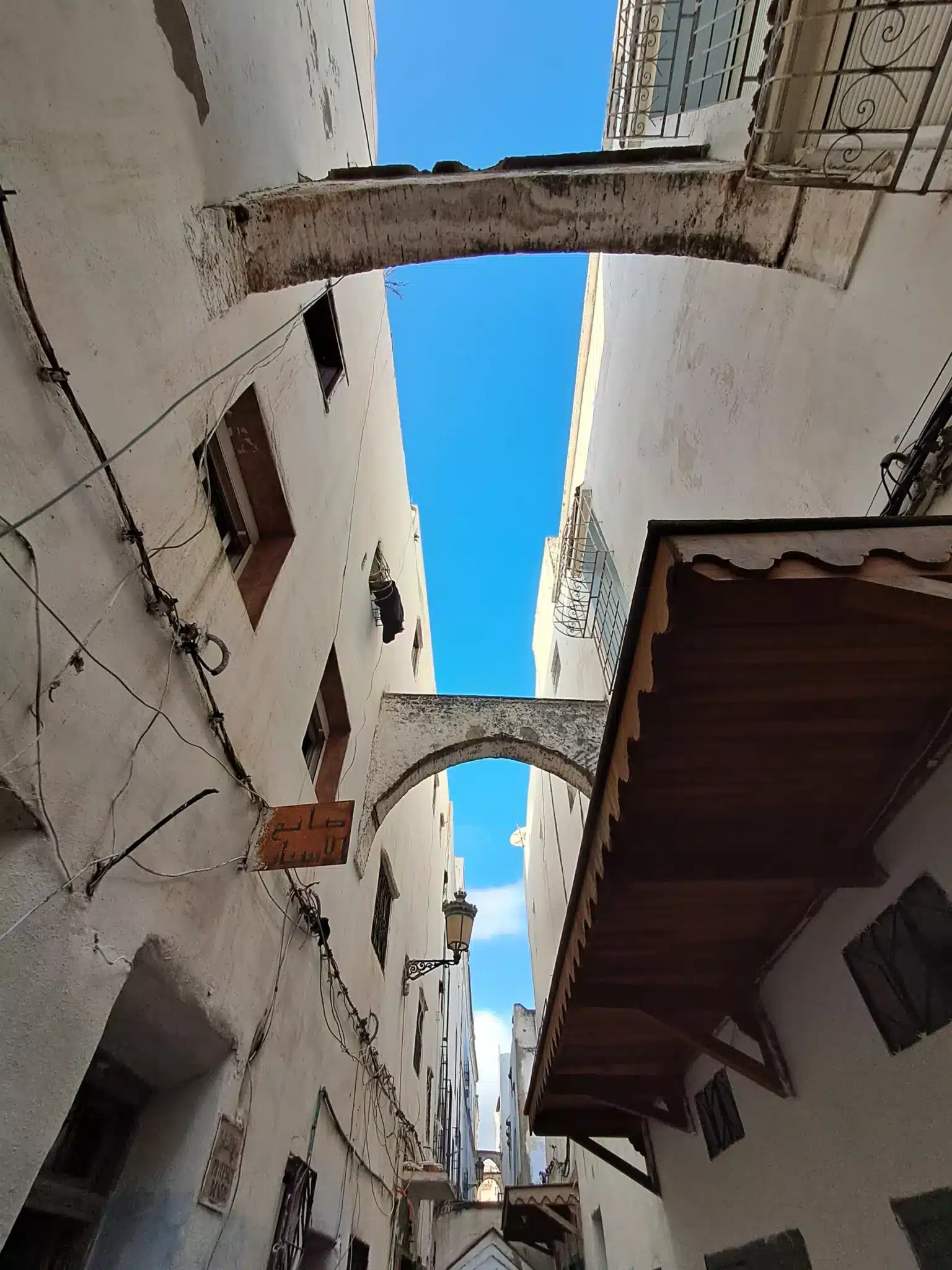
Forced from her homeland as a child, she became a ruler and pirate commander, using a fleet to challenge the powers that had displaced her.
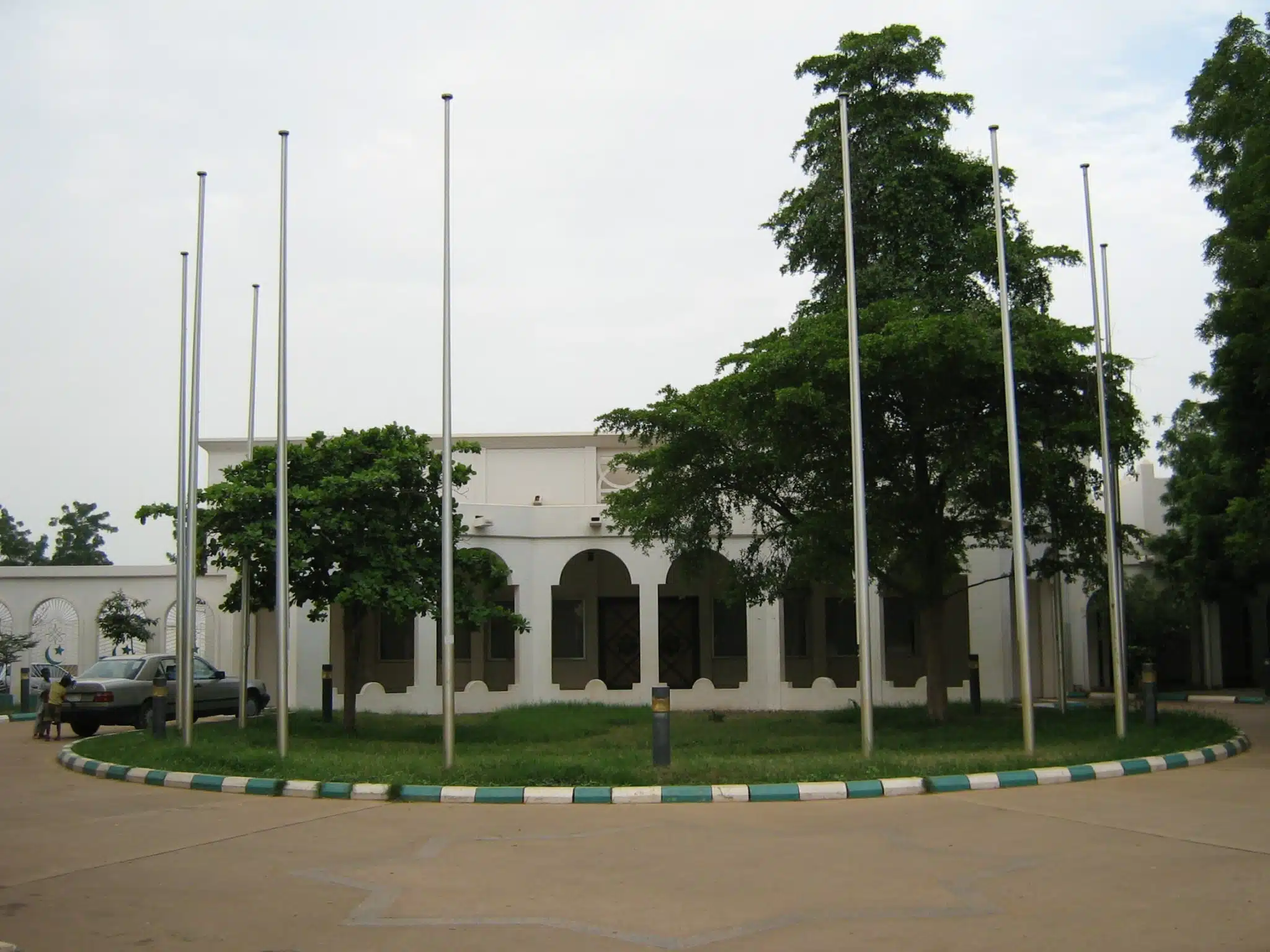
She turned poetry into a powerful tool for women’s education, training traveling teachers who carried knowledge into communities and helped other women become educators.
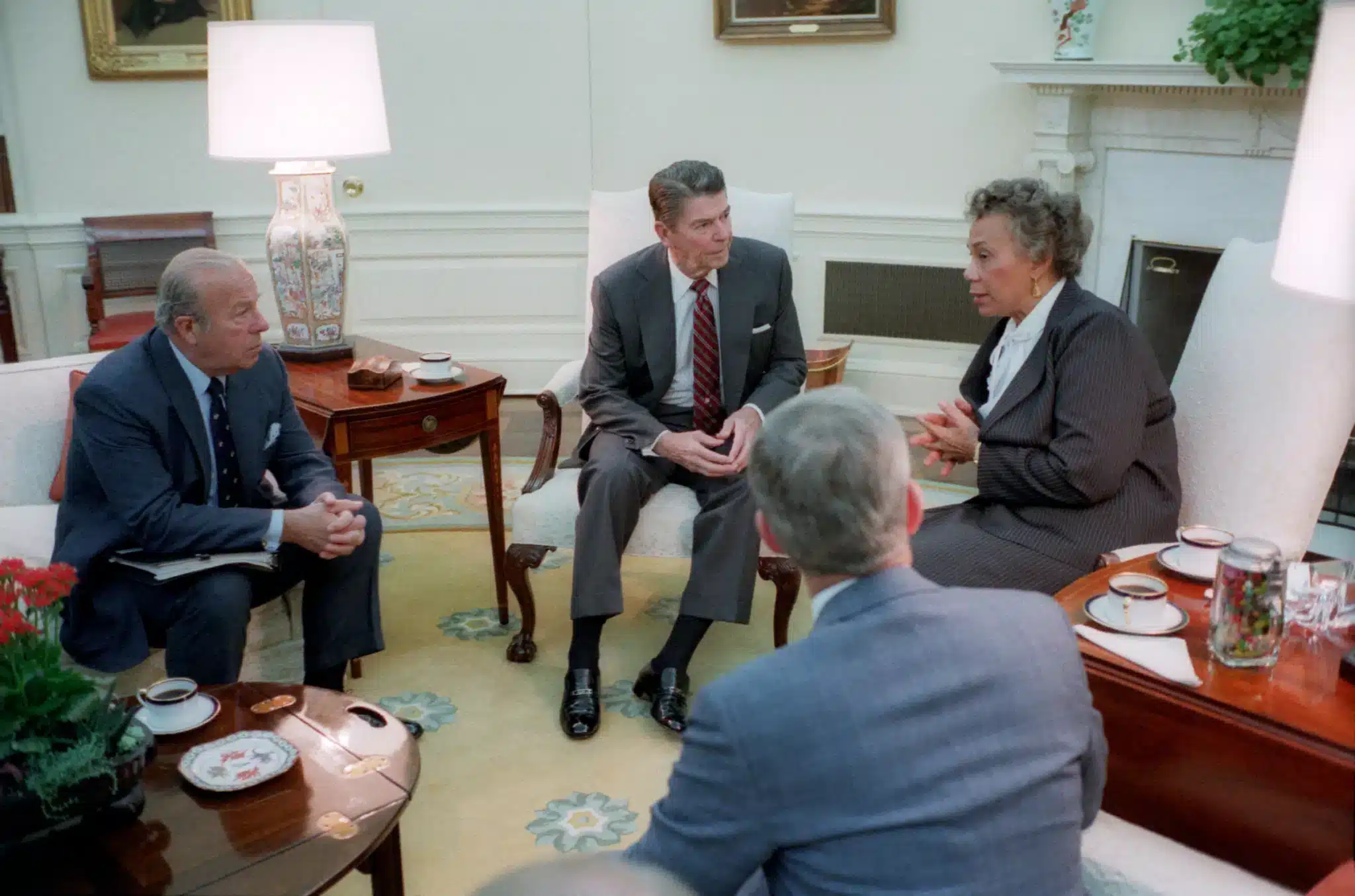
Breaking barriers in law and national leadership, she challenged corruption and defended her island nation’s identity, becoming a formidable force in public life.