Alice Ball, the Chemist Who Changed Leprosy Treatment
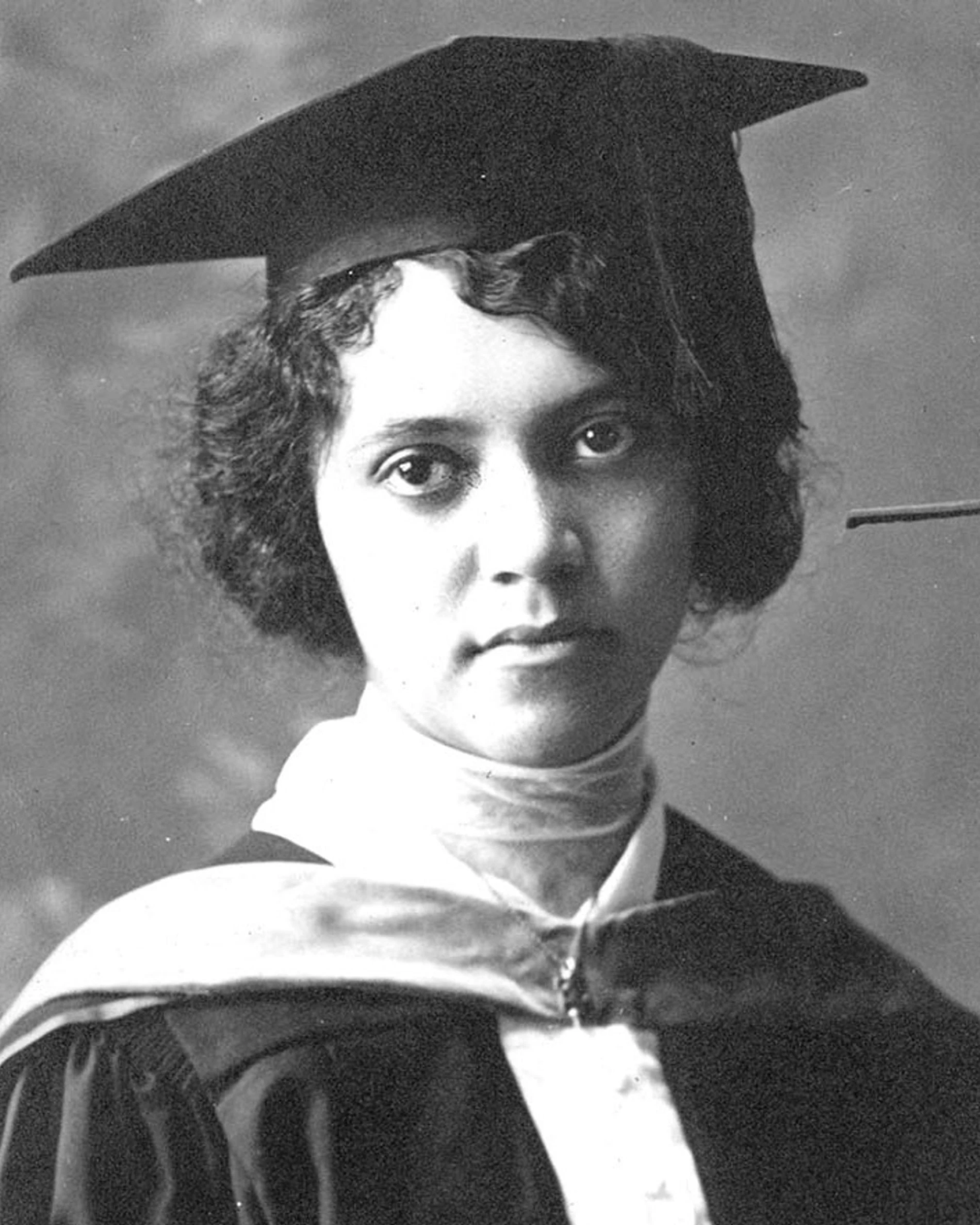
Alice Ball transformed a difficult leprosy remedy into an injectable treatment. Her work helped patients improve and return to their families.

Women worth knowing
Extraordinary women, overlooked stories, and a more complete history. Explore the lives, ideas, and achievements that changed the world.
Alice Ball transformed a difficult leprosy remedy into an injectable treatment. Her work helped patients improve and return to their families.

Married at eleven, Rukhmabai refused a court’s demand that she live with her husband. She challenged child marriage in print, reached a settlement, and went on to treat women and train nurses.

She combined surgical skill with dangerous rescue flights, reaching wounded people in combat zones and helping establish a new approach to emergency care on the battlefield.

Black women challenged exclusion in medicine, nursing, and research, expanding professional opportunities and improving care for communities neglected by existing institutions.

She helped make recipes reliable by championing precise measurements, bringing a scientific approach to everyday cooking and making successful results easier for home cooks to reproduce.
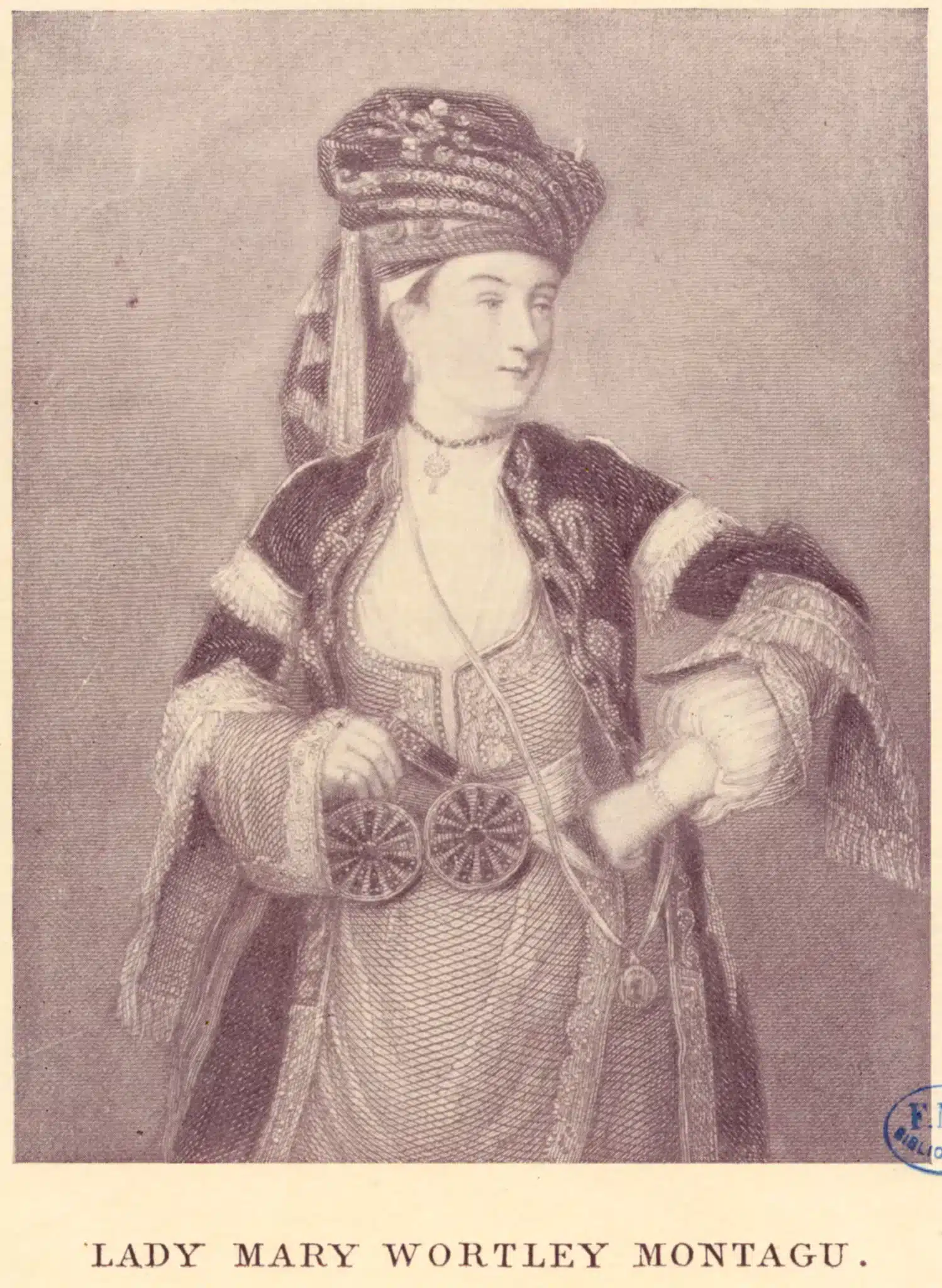
She championed knowledge of smallpox inoculation learned abroad, using her influence to challenge medical resistance and bring a different approach to preventing disease into public view.
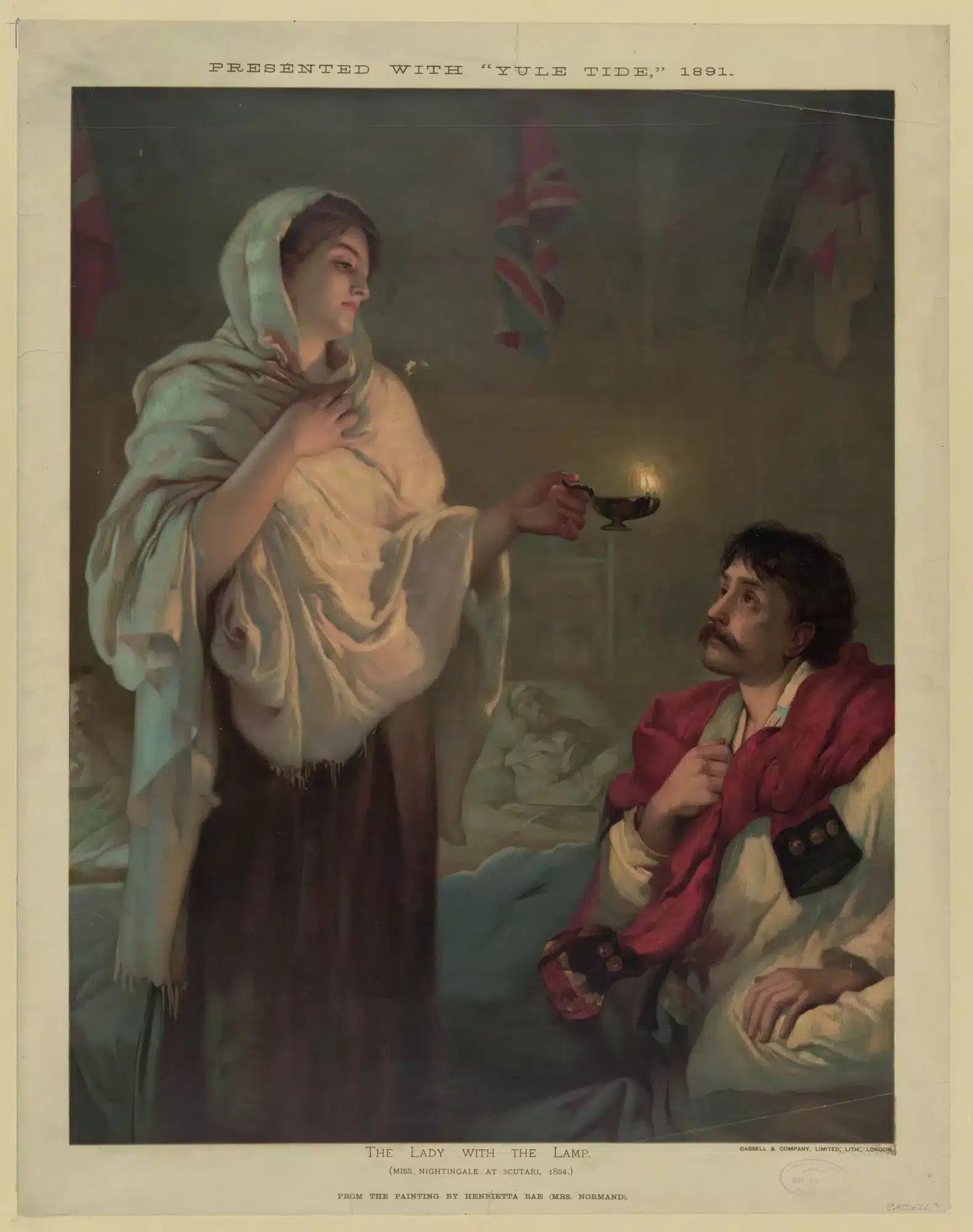
Nurses transformed care through wartime service, public health reform, and disaster relief, changing how institutions served patients and how communities responded to people in need.

She helped change how medicines were developed, bringing a more targeted approach to drug research that produced treatments for serious diseases and earned major scientific recognition.

Determined activists and private funding helped turn the birth control pill from an uncertain research project into a development that transformed women’s reproductive choices.
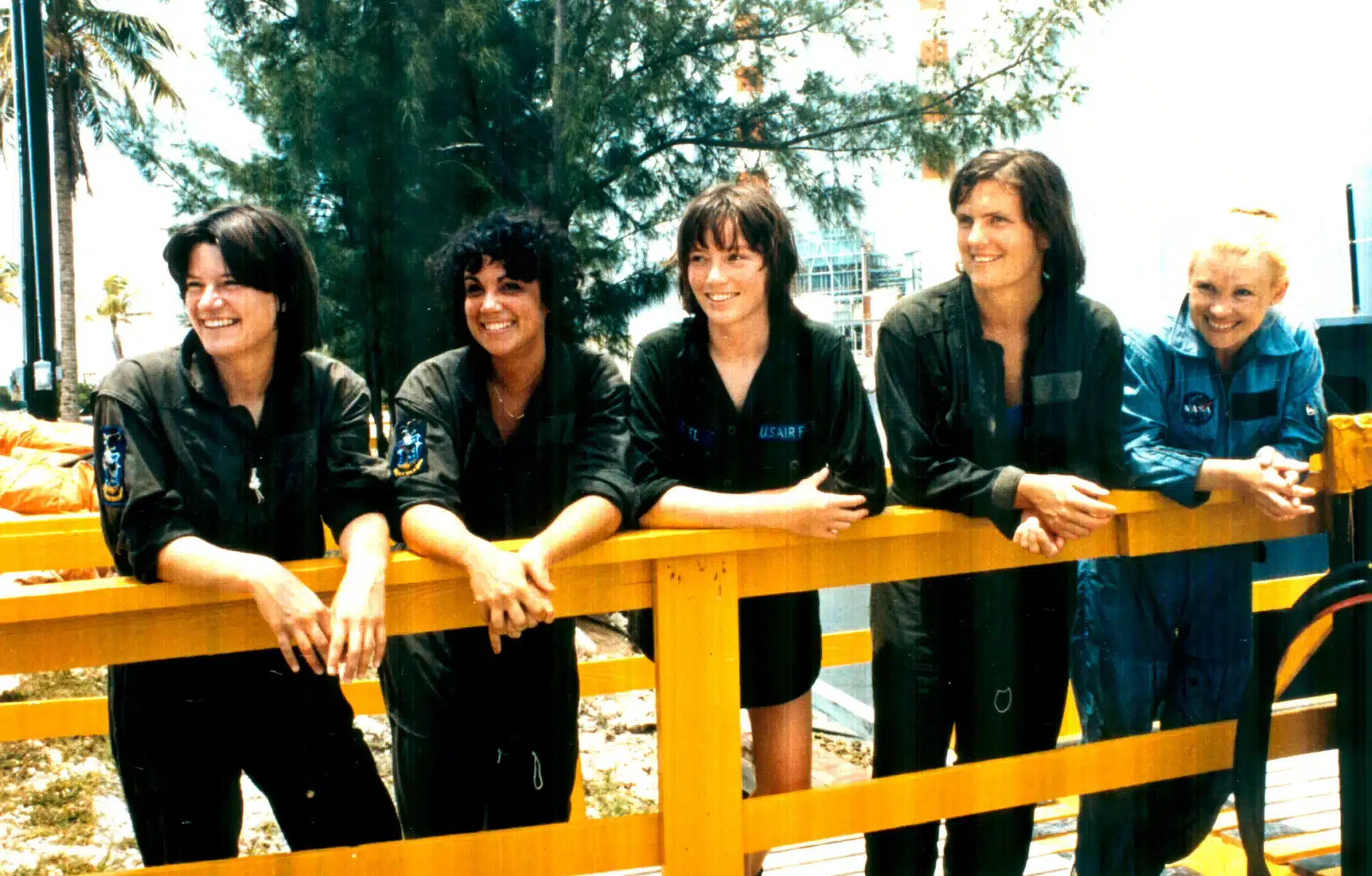
Women pushed beyond discrimination and skepticism to travel into space, expanding the possibilities for space exploration and the ambitions of those who followed them.

She brought care to wartime battlefields, then built a relief organization that extended its work to communities facing floods, famine, epidemics, and other disasters.
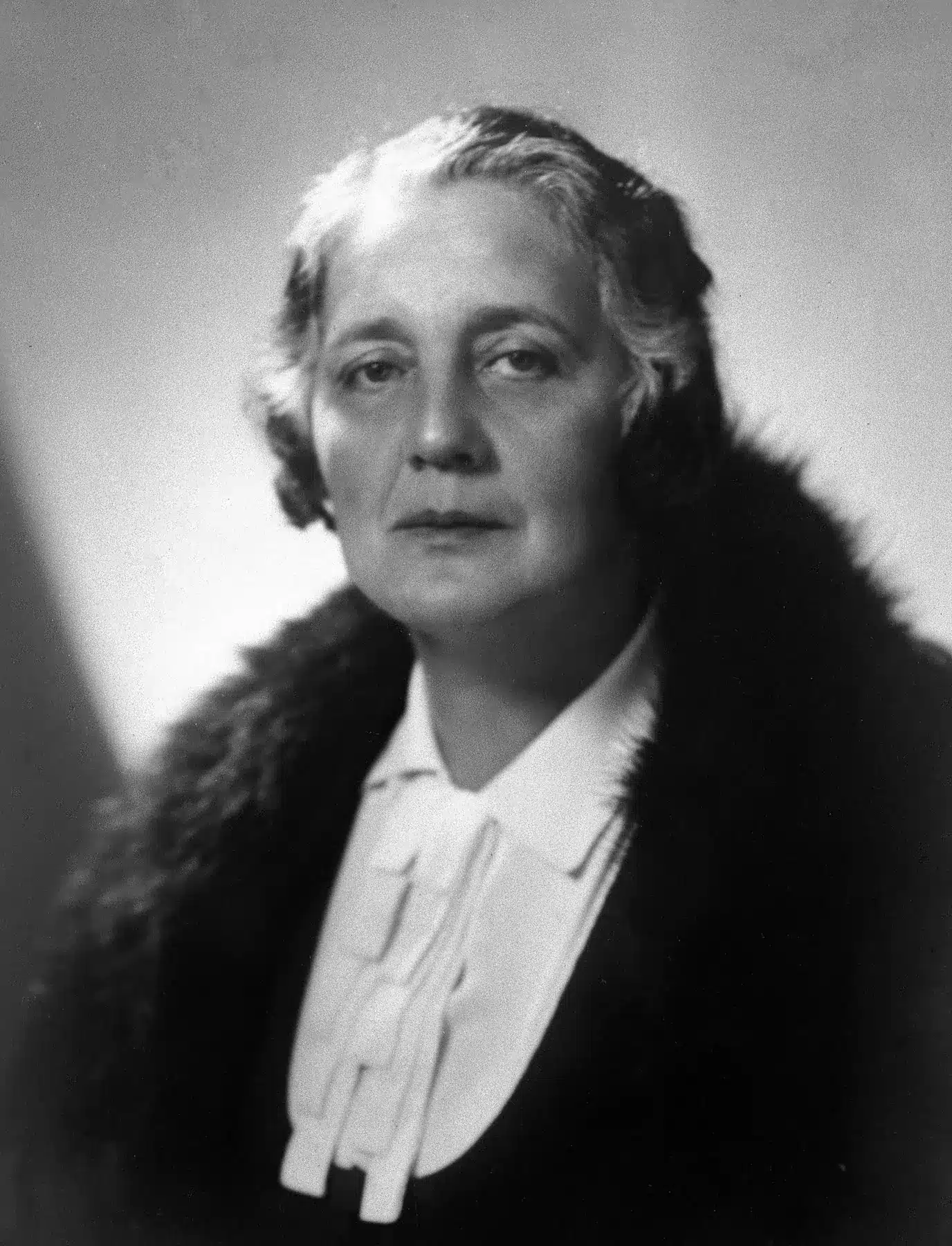
She took children’s inner lives seriously, developing theories that challenged her peers and helped reshape psychoanalysis despite her unconventional path into the profession.
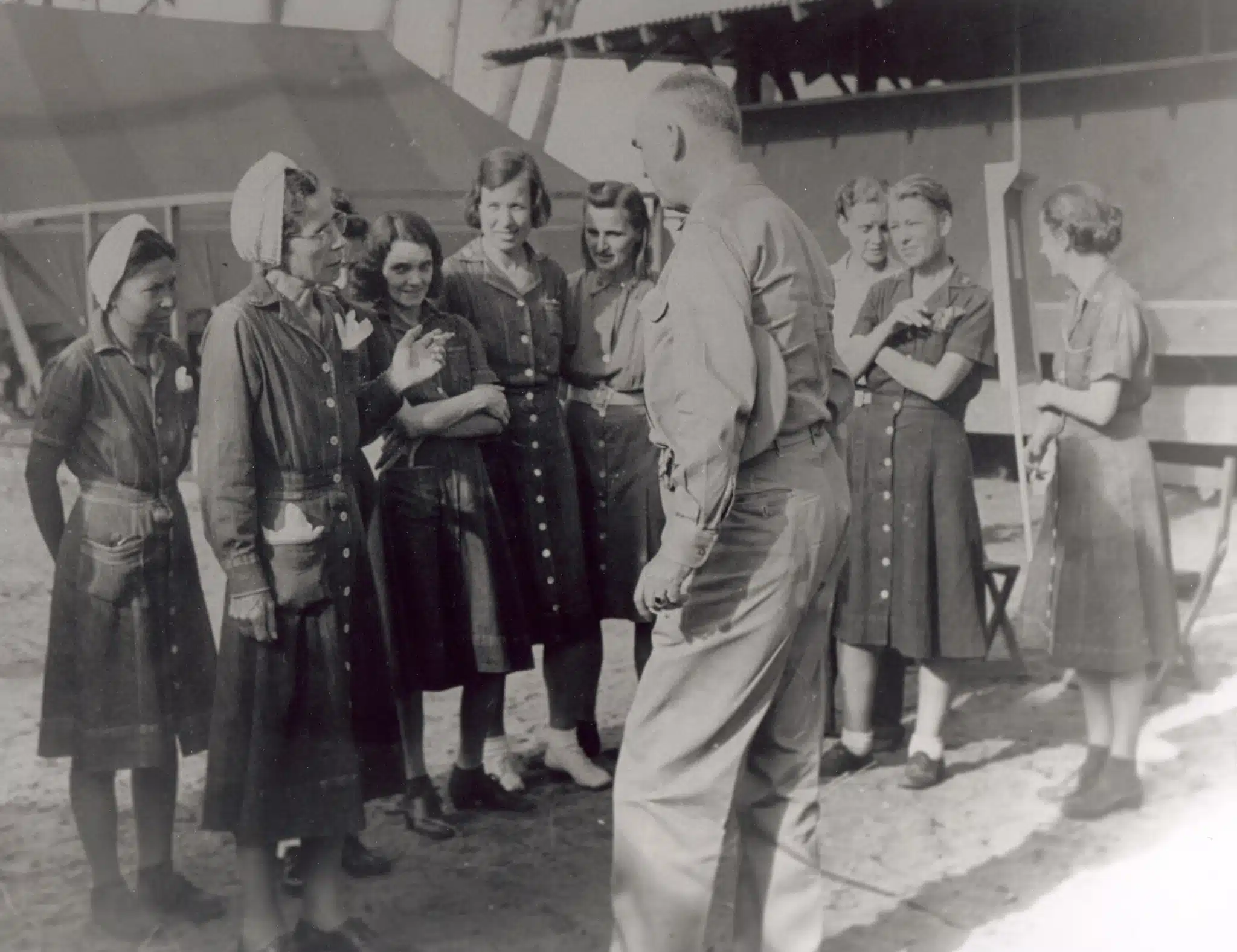
She nursed fellow prisoners through disease and near-starvation in a wartime camp, then survived to continue caring for patients and teaching others to do the same.

She sold her home to build a children’s hospital, then devoted her career to improving care and reaching families poorly served by existing services.

She adapted a spiritual tradition centered on reconciliation and shared it internationally, building a following around forgiveness, personal reflection, and the repair of relationships.
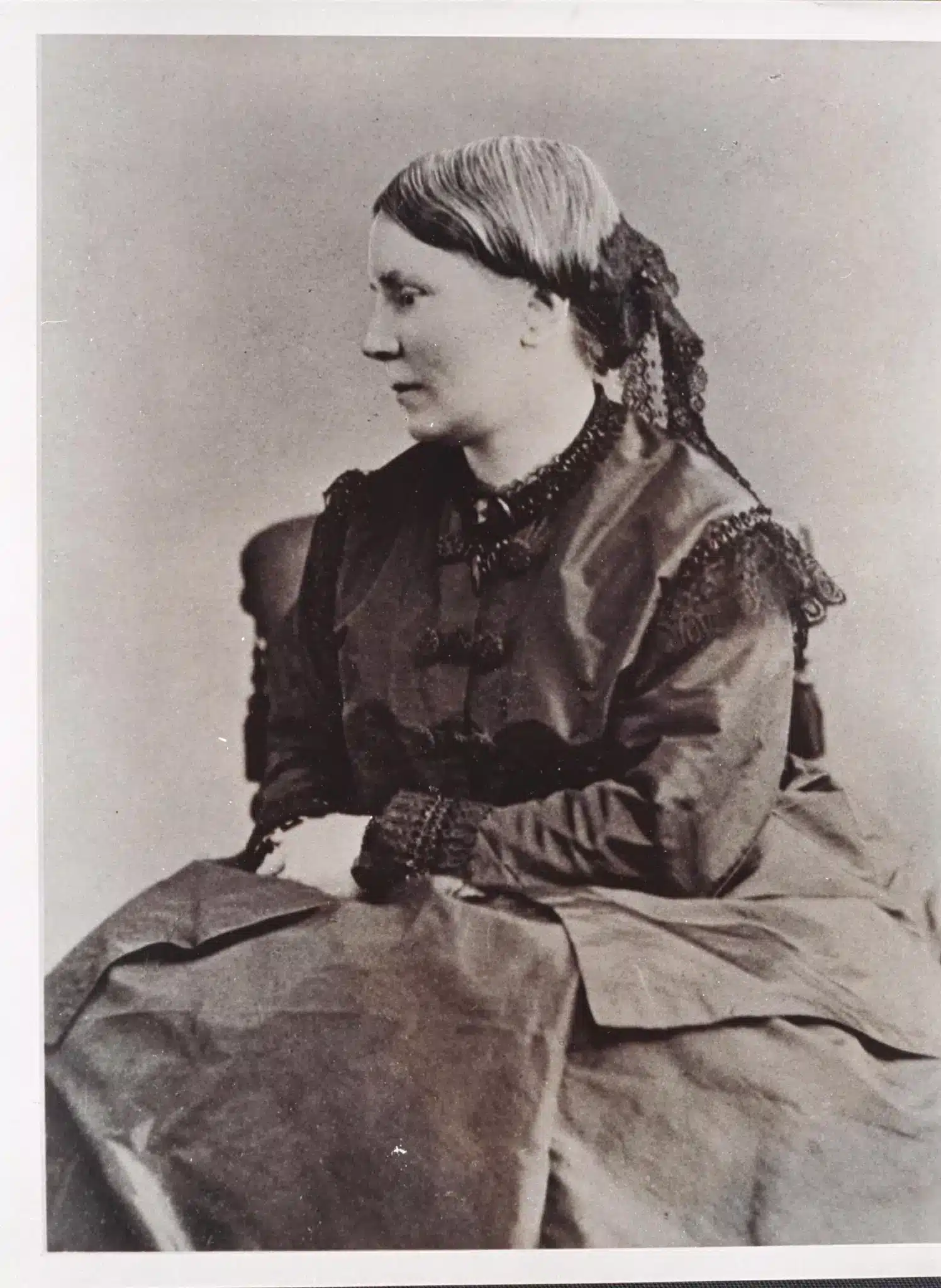
She earned a medical degree when the profession excluded women, then helped build hospitals and schools that made it possible for others to follow.
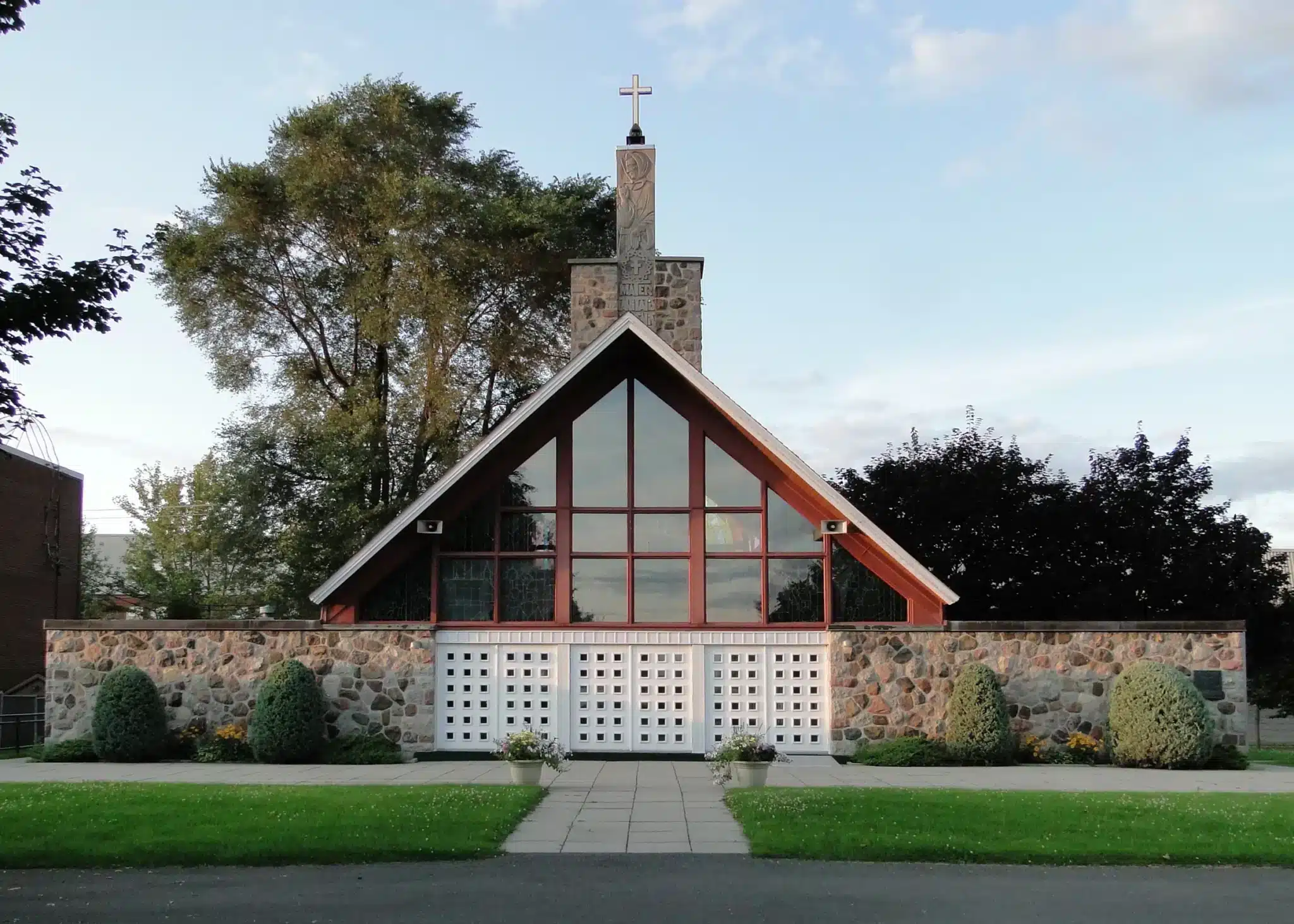
She built a community devoted to people in need, challenging authorities to protect the sick and poor and leaving a lasting legacy of care.