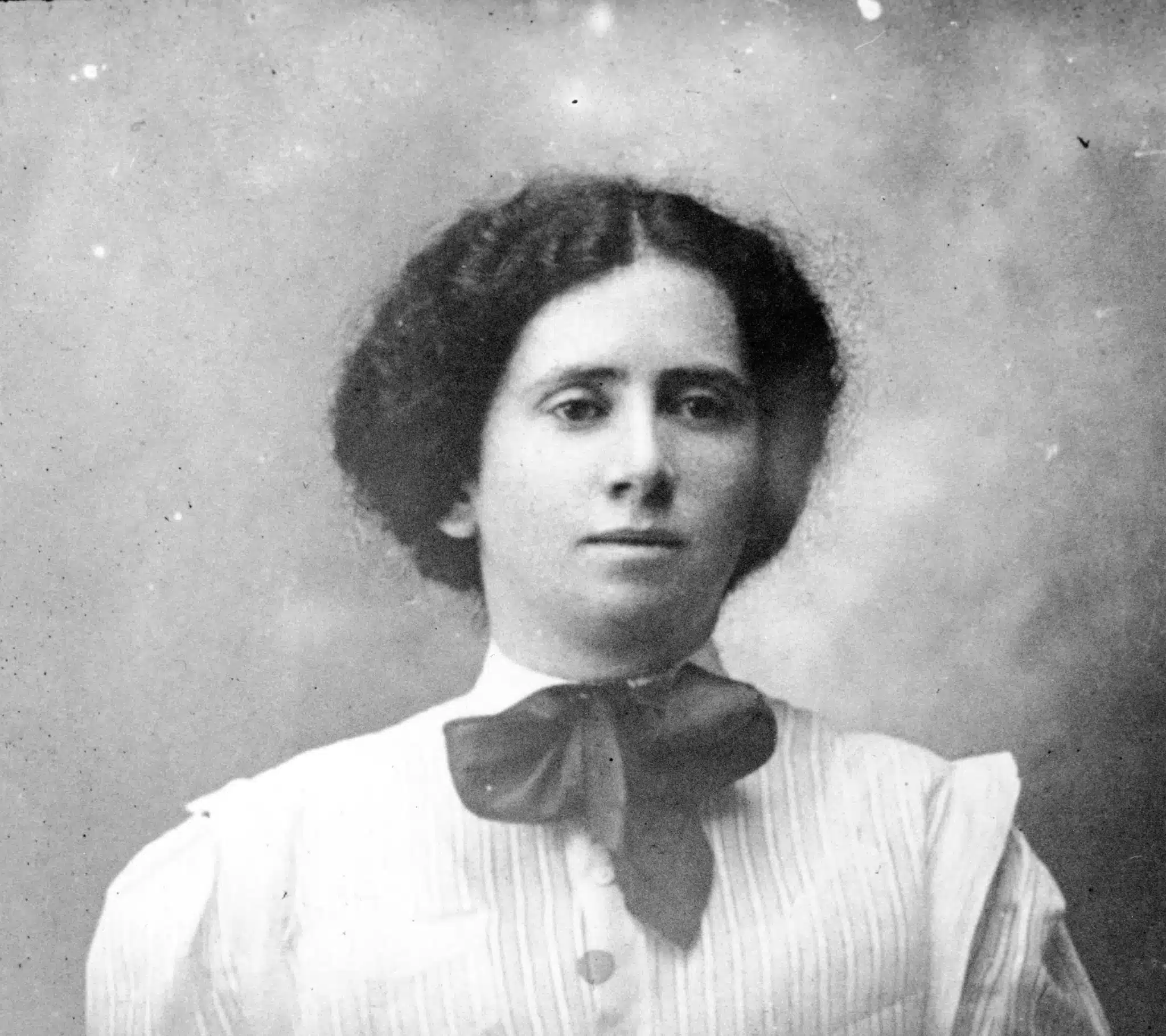
Lucy Parsons, the Anarchist Who Organized Workers and Led Hunger Marches
Lucy Parsons organized working women, fought her husband’s death sentence, and helped build a new union. In 1915, she led unemployed Chicagoans into the streets to demand jobs.
Women worth knowing
Extraordinary women, overlooked stories, and a more complete history. Explore the lives, ideas, and achievements that changed the world.
Women’s lives, work, and ideas, 1801–1900.
Explore the lives of women who lived during the 19th century. Their stories reveal ambition, creativity, and struggles for change, including lives that crossed into the centuries on either side.
Campaigning took place in newspapers, meeting halls, and everyday life. Women argued for a political voice and challenged restrictions on their choices.

Knowledge grew through fieldwork, study, and teaching. These stories follow women who expanded understanding and helped others gain access to learning.

Making art could also mean building a livelihood and claiming authority over one’s work. Women pursued creative careers while confronting prejudice and limited opportunities.
Lucy Parsons organized working women, fought her husband’s death sentence, and helped build a new union. In 1915, she led unemployed Chicagoans into the streets to demand jobs.
American women fought for control of their wages, built banks for excluded communities, and challenged lenders who treated them as dependents. Here’s how property rights, Maggie Lena Walker’s bank, and the Equal Credit Opportunity Act changed their financial lives.
Women could inherit samurai status without ever fighting. Hangaku Gozen, Nakano Takeko, and Yamamoto Yae also took up weapons, from medieval castle defenses to the battles of 1868.
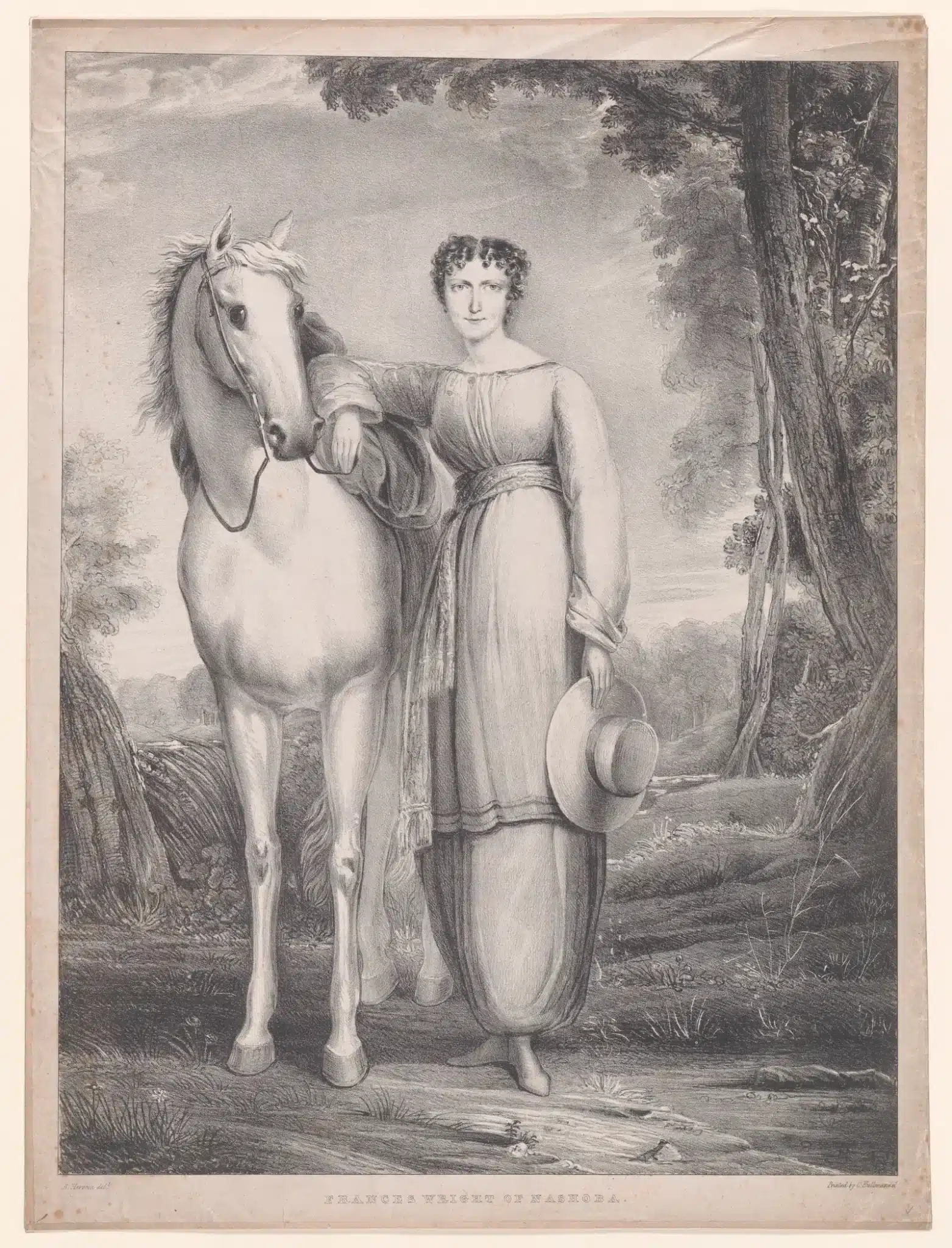
Frances Wright defended women’s right to speak in public and demanded equal education. Her 1828–1829 lecture campaign faced newspaper attacks and arson, but she kept speaking and helped establish New York’s Hall of Science.
Julia Morgan combined engineering, design, and hands-on supervision to restore San Francisco’s Fairmont Hotel and turn William Randolph Hearst’s expanding plans into Hearst Castle.
Louise Otto-Peters founded a newspaper that invited women to speak for themselves. When Saxony barred women from responsible editorship, she kept the paper going beyond its borders.
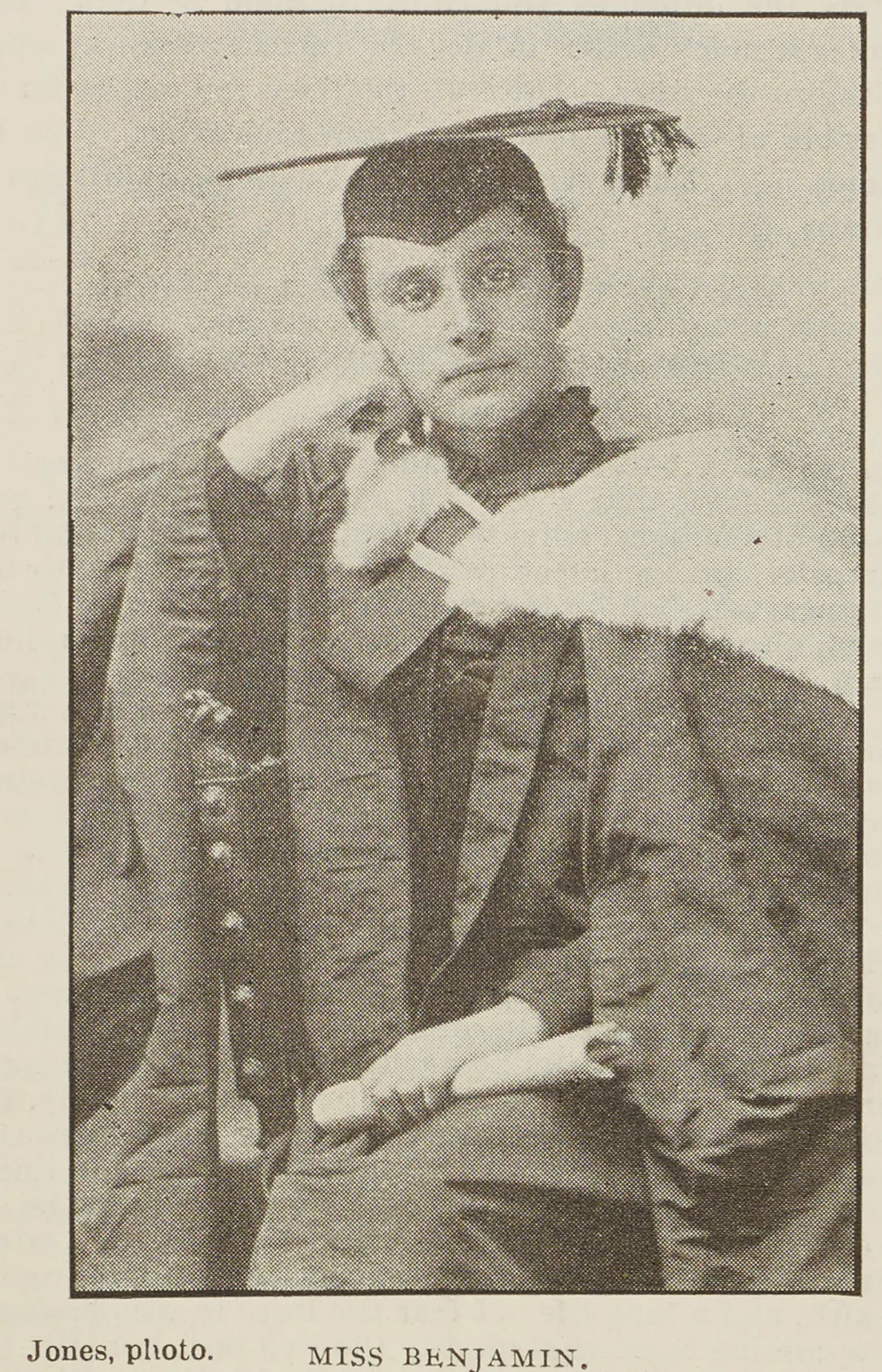
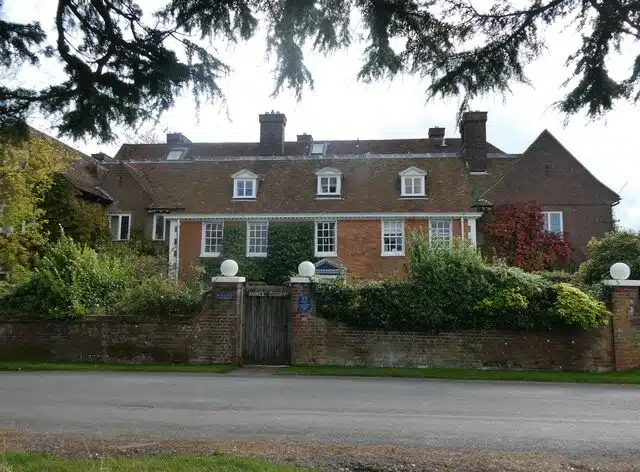
In 1897, Ethel Benjamin became New Zealand’s first woman lawyer. She built her own practice despite colleagues’ attempts to exclude her, and helped women seek financial support and separation from abusive husbands.
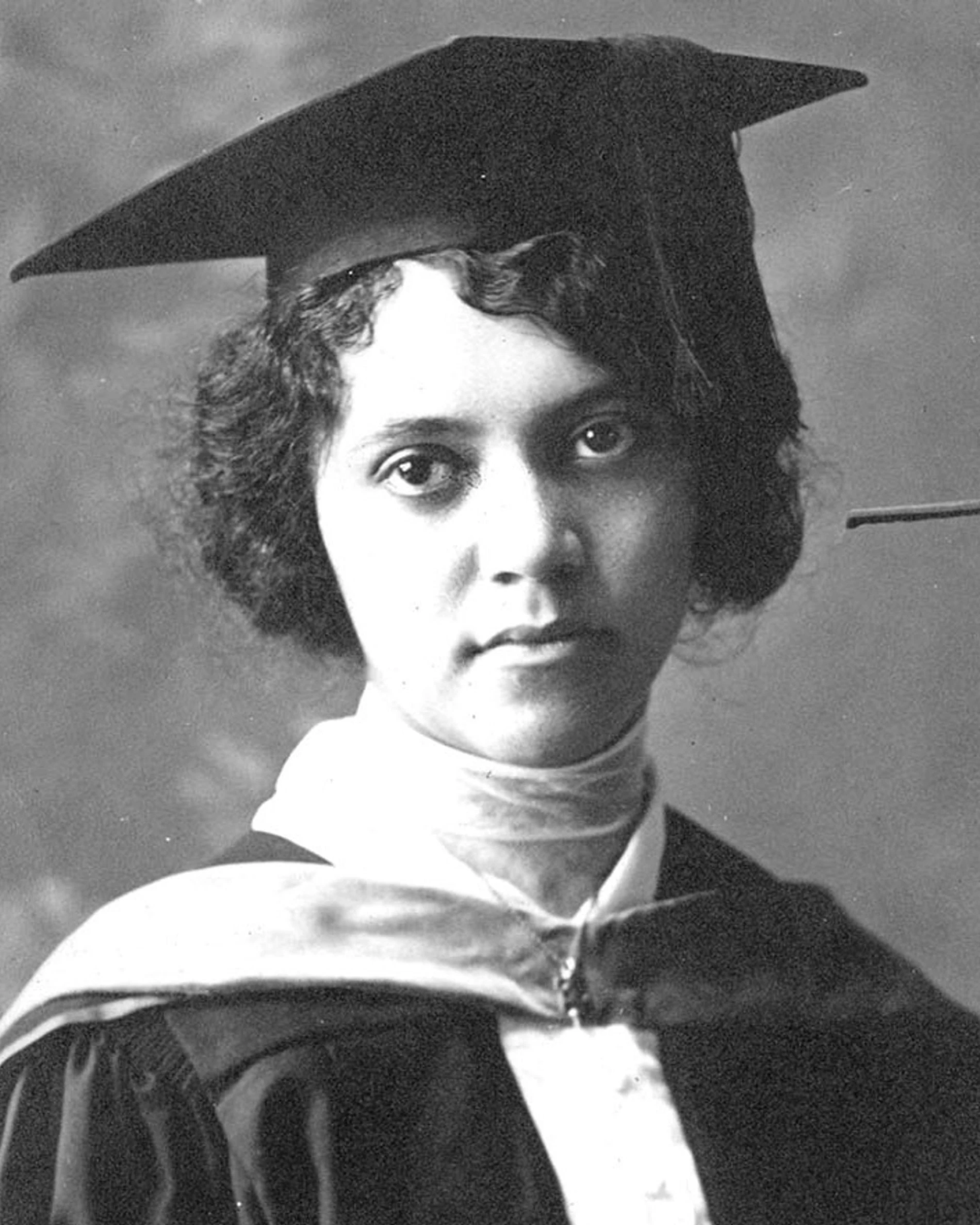
Alice Ball transformed a difficult leprosy remedy into an injectable treatment. Her work helped patients improve and return to their families.
Writing as Mountain Charley, Elsa Jane Guerin told of riverboat work, western businesses, and revenge. Her memoir leaves a tangled trail between life and legend.
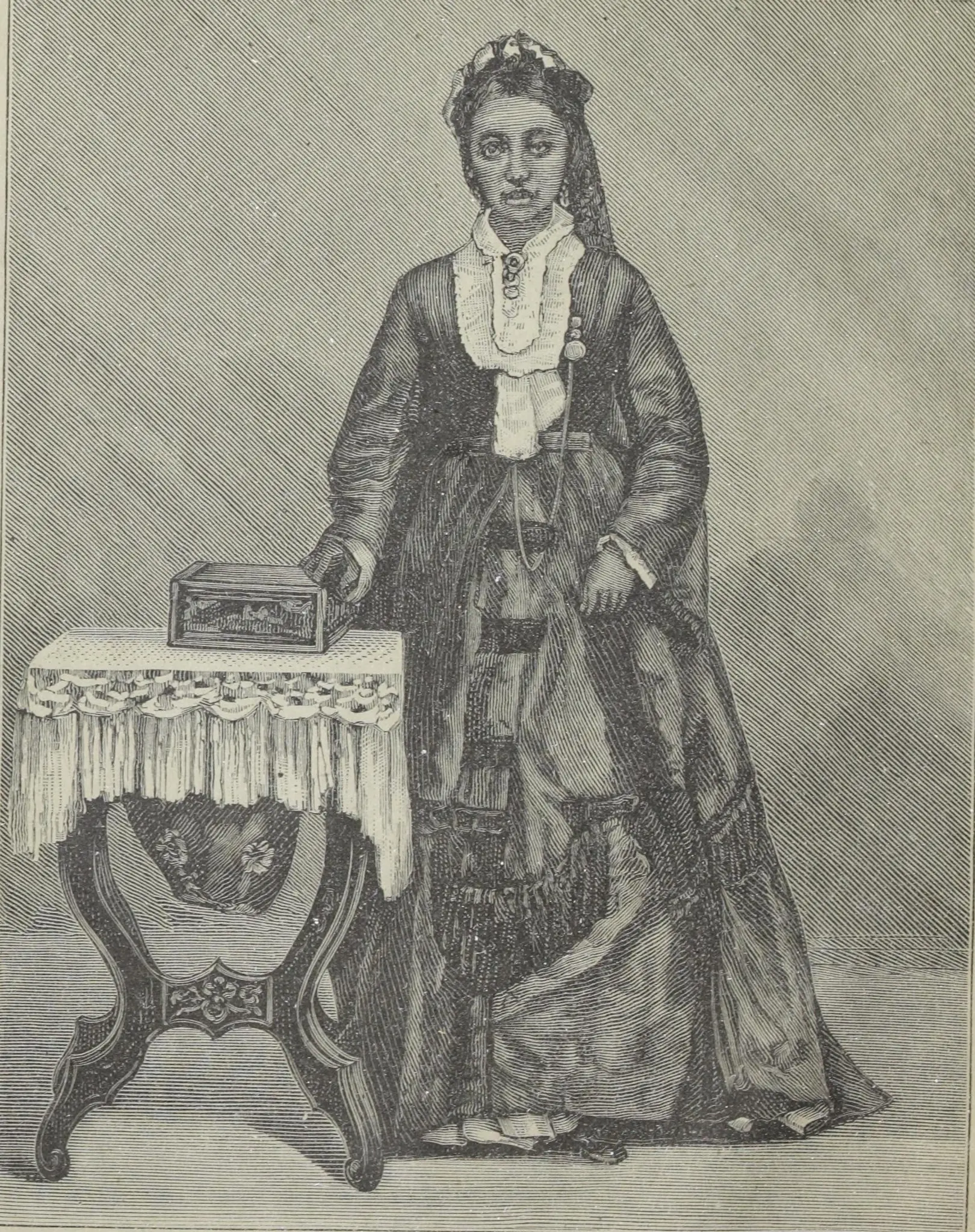
Ranavalona III became Madagascar’s last queen at 21. Her government fought and negotiated to preserve its independence through two French invasions.
Florbela Espanca fought to get her poems into print. Her sonnets won praise for their skill, and condemnation for giving voice to women’s desire.
Married at eleven, Rukhmabai refused a court’s demand that she live with her husband. She challenged child marriage in print, reached a settlement, and went on to treat women and train nurses.
She turned women’s everyday grievances into a campaign for political rights, using journalism, organizing, and persistent lobbying to challenge restrictions on their independence.
She refused to let an authoritarian regime shape her students’ education, relocating her school and creating a home for children uprooted by persecution.
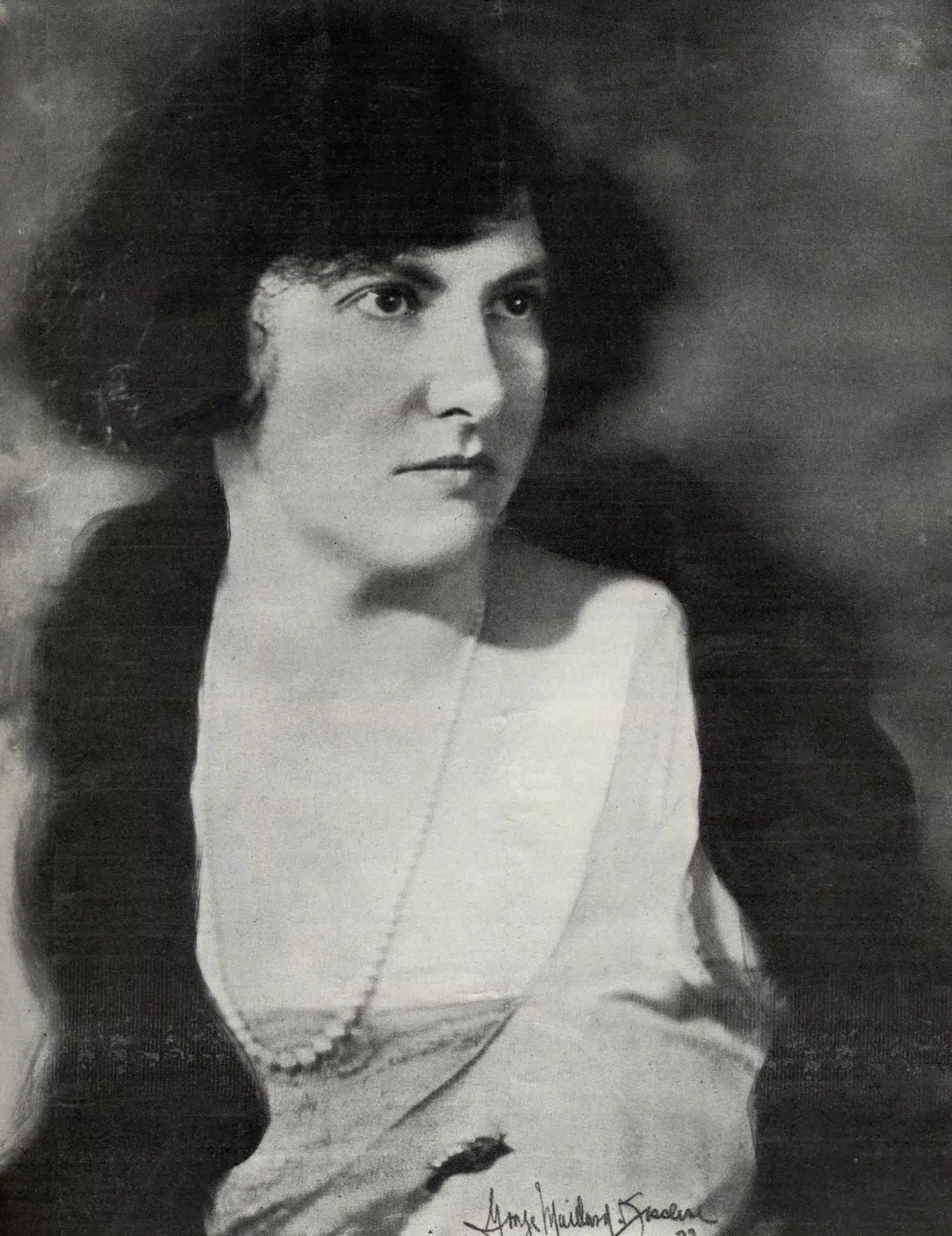
She advanced experimental classical music through composition, teaching, and criticism, helping build the institutions and professional opportunities that supported new work.
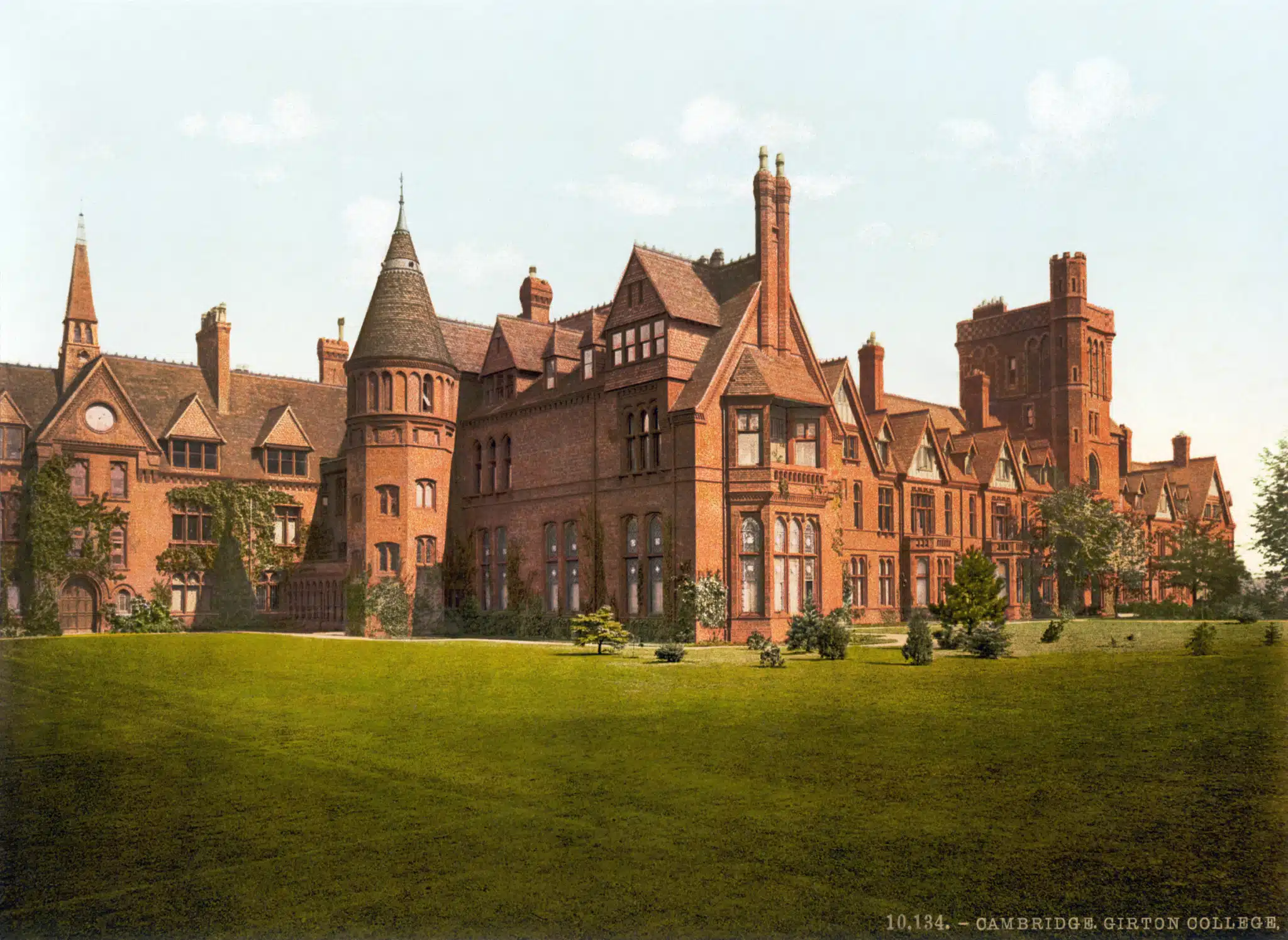
Women expanded access to education and challenged expectations of who could lead a school, creating opportunities that helped reshape learning for generations of students.
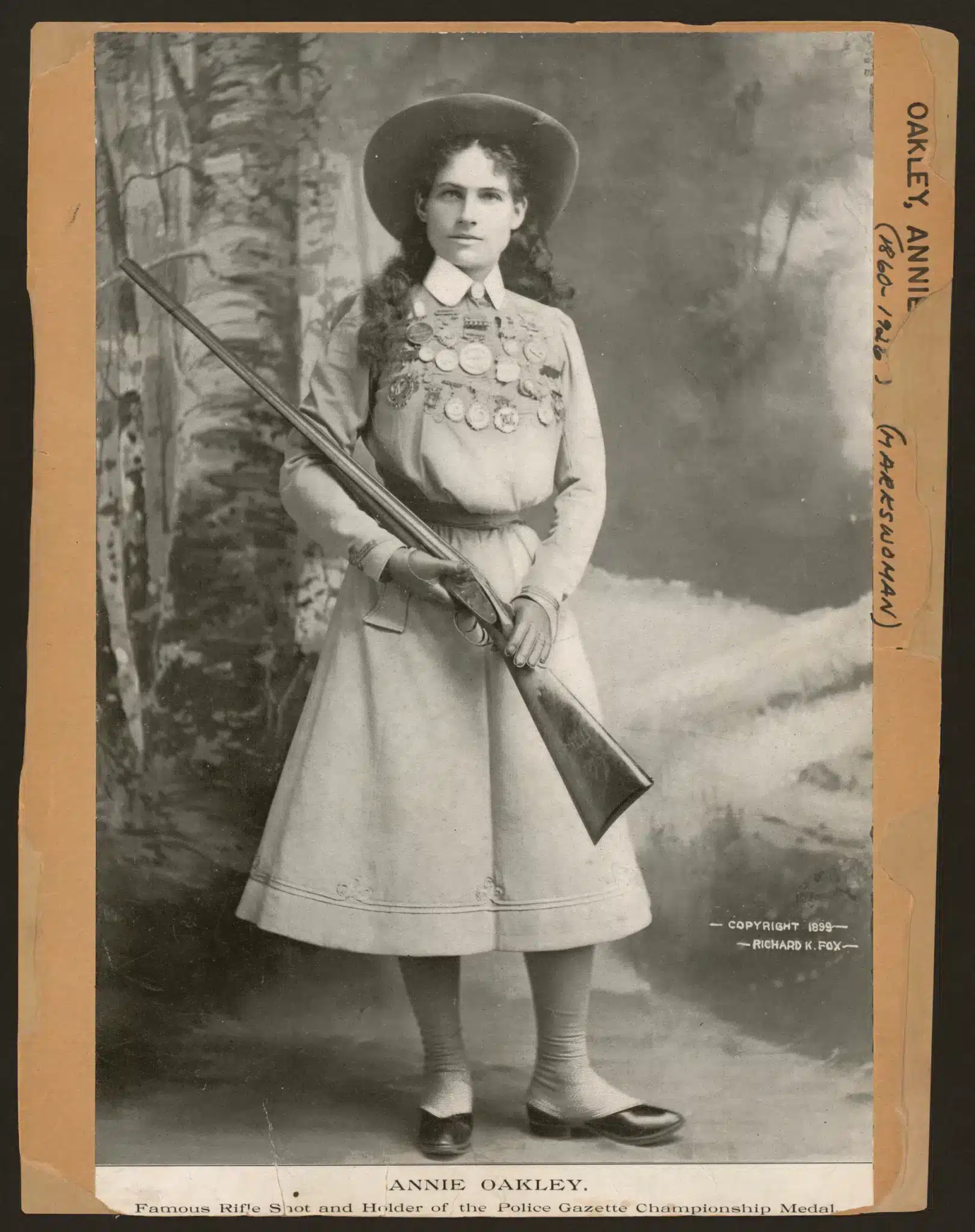
Women rode, ranched, competed, and defended their communities on the frontier, building lives of skill and independence that challenged expectations of what women could do.
She turned factory experience into a powerful voice for working women, organizing unions and demanding the safer conditions, fair treatment, and recognition their labor deserved.
Women advanced climate research, defended forests, and built conservation movements, combining science with grassroots action to change how societies understood and protected nature.
Women’s discoveries transformed understanding of matter, heredity, and life, advancing scientific fields even as exclusion and discrimination limited access to research and recognition.