
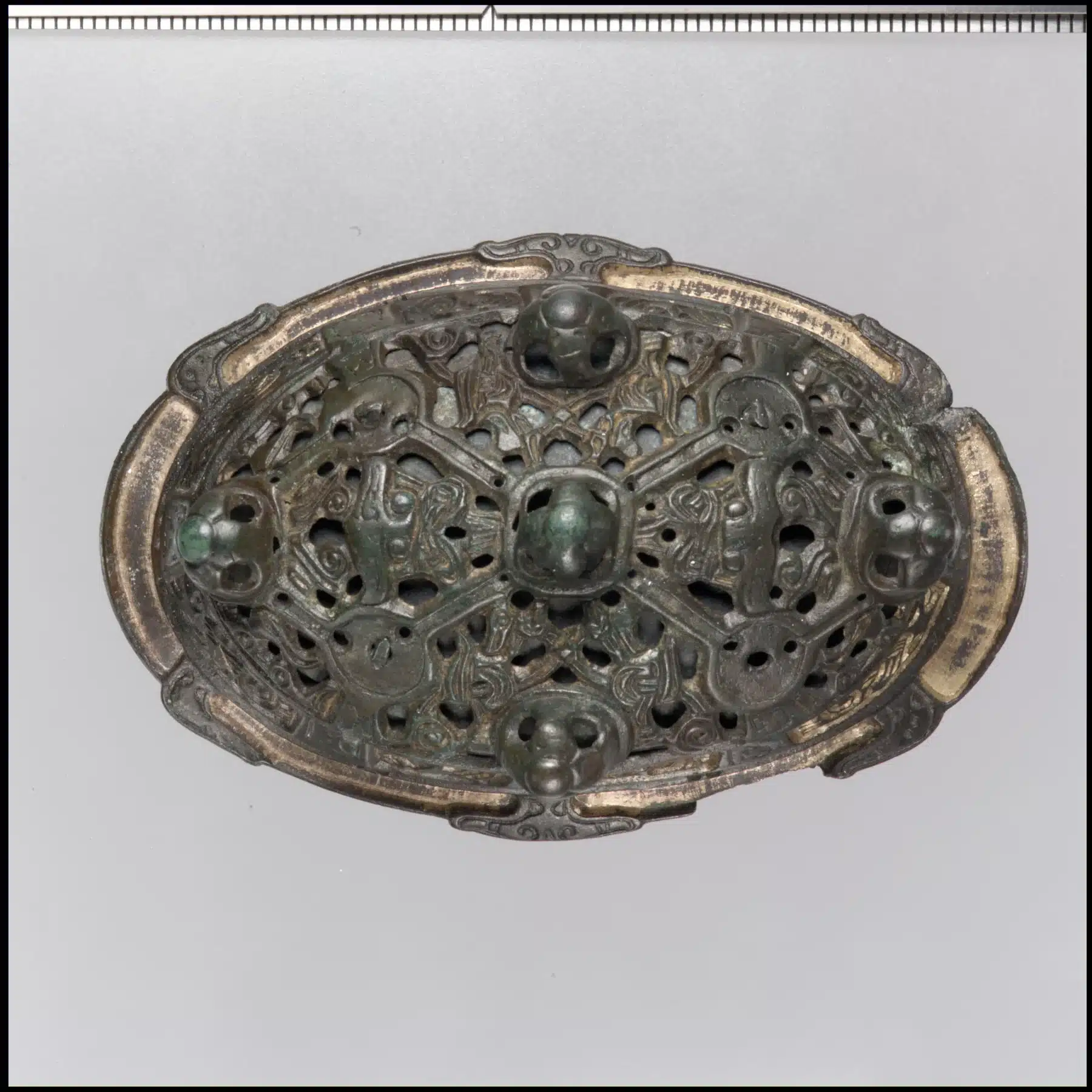
Women sailed from Scandinavia and settled overseas during the Viking Age, roughly the eighth through eleventh centuries. Whether they also fought as warriors is still debated. In Sweden, scholars spent generations using one richly furnished grave as a model of a male warrior’s burial, but the skeleton was female.
A Famous Warrior Grave Held a Woman
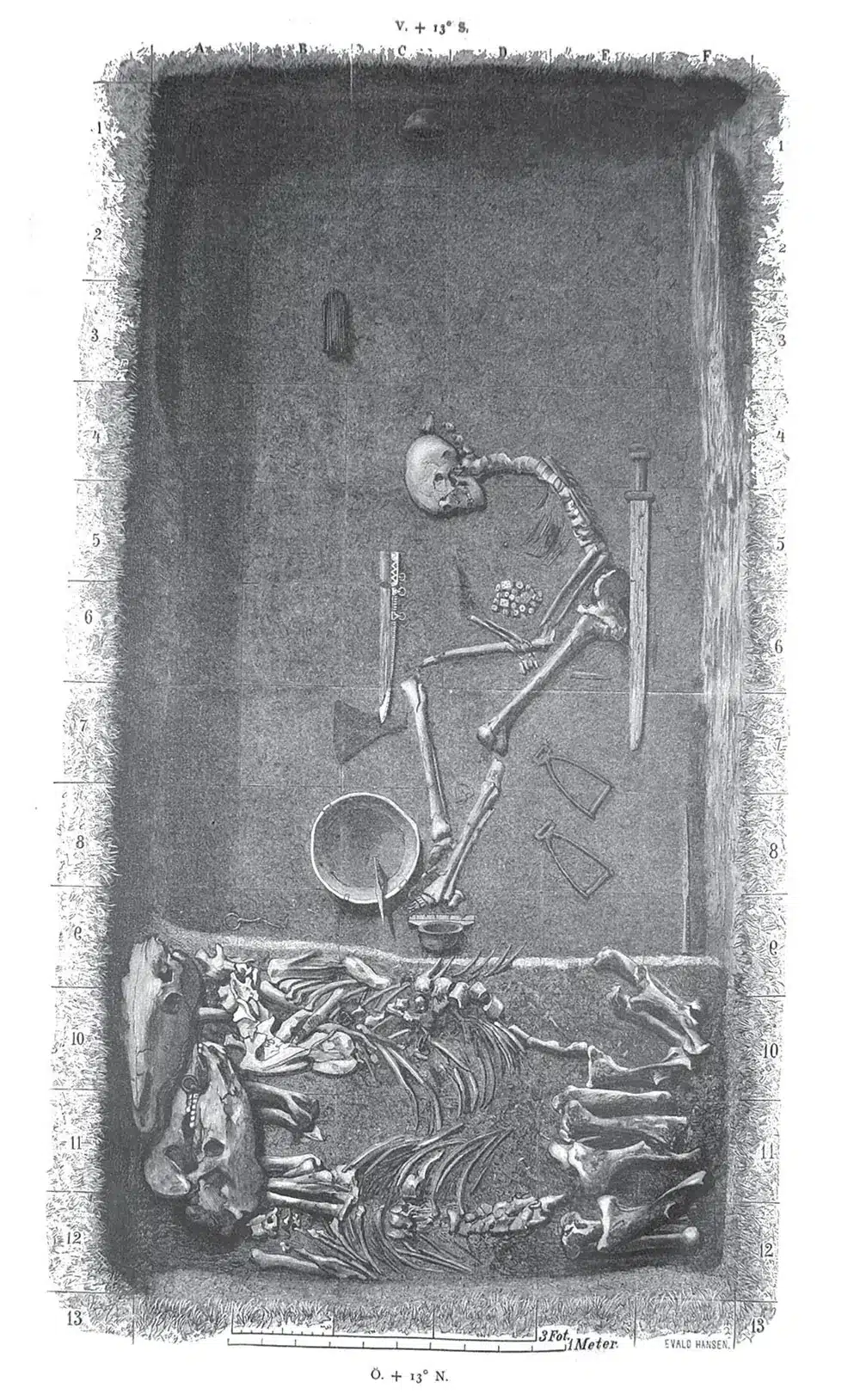
In 1878, archaeologist Hjalmar Stolpe excavated a grave at Birka, a trading town on an island in what is now Sweden.
Someone had been buried there in the tenth century with an impressive collection of weapons: a sword, an axe, a fighting knife, spears, arrows, and two shields. Two horses lay alongside the body in the underground wooden chamber.
The grave stood near a hillfort gate, among other burials containing weapons. It also held gaming pieces and a board, which researchers have associated with military strategy and possible leadership.
The weapons, horses, and location all suggested that this had been an important warrior.
Stolpe identified the person as a man.
Later scholars used the grave, known as Bj.581, to illustrate how a high-status Viking warrior was buried.
When Anna Kjellström, a specialist who studies skeletons, examined the bones, she found female features in the pelvis and jaw. Archaeologist Charlotte Hedenstierna-Jonson led a team that followed up with DNA tests on a tooth and an arm bone.
Their results, published in 2017, supported Kjellström’s assessment. Both samples came from the same person, and that person was female.
Some critics questioned whether the team had tested the wrong skeleton, or whether a man and a woman had shared the grave. The researchers went back to Stolpe’s excavation drawings and records. The labeled bones matched the drawings, and he had recorded only one body.
Did She Actually Fight?
The DNA results couldn’t tell the researchers whether this woman had ever fought. They argued that the weapons, gaming equipment, and military setting made a professional warrior the most likely explanation.
Other archaeologists are less certain. As Leszek Gardeła writes, “the dead do not bury themselves.” The people arranging a funeral chose what went into the grave. Weapons might tell us how they wanted someone remembered, rather than what that person had done in life.
That’s a fair caution, but it applies to men buried with weapons, too. If this equipment helped establish a man’s reputation as a warrior, finding a female skeleton shouldn’t make it count for less.
Hedenstierna-Jonson objected to the change in how the grave was being treated. In an interview with HISTORY, she said,
“Nobody’s ever contested it until the skeleton proved to be female and then it was not a valid interpretation anymore.”
Charlotte Hedenstierna-Jonson
Shieldmaidens in Medieval Stories
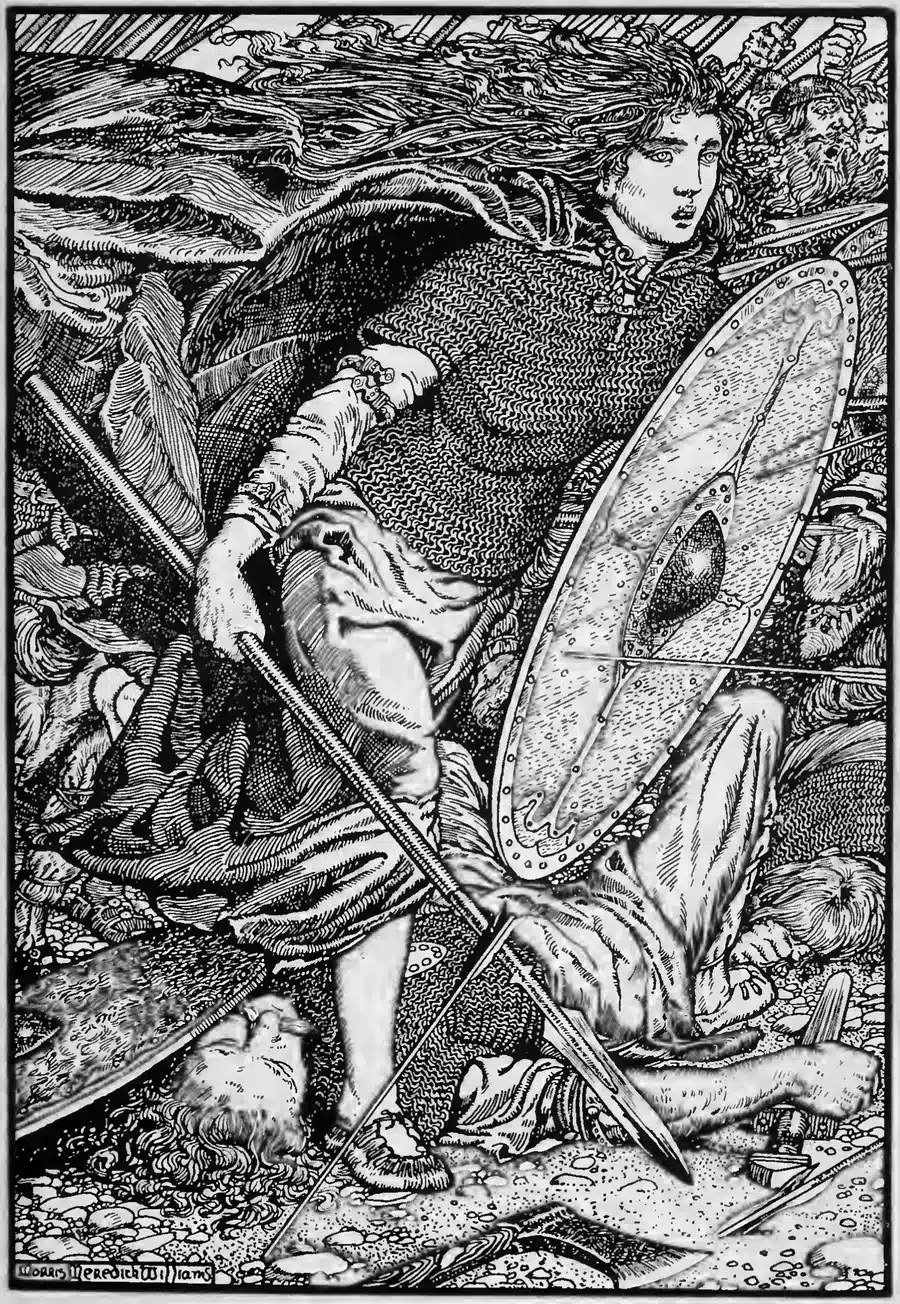
Women warriors weren’t a new idea. Medieval writers told stories about shieldmaidens, including Lagertha, a woman described by the Danish writer Saxo Grammaticus in Gesta Danorum, or History of the Danes.
In Saxo’s story, Lagertha fought at the front of an army with her hair loose over her shoulders. Ragnar, the army’s leader, credited her with winning the battle. Saxo praised her for having “the courage of a man.”
Saxo wrote around 1200, well after the Viking Age. His story shows us a medieval writer admiring a woman who fought, but it doesn’t establish that Lagertha lived. The woman at Birka was a real person. We don’t know her name or whether she fought in a particular battle, and her grave can’t tell us which shieldmaiden stories, if any, were based on real women.
Women Who Settled on the Isle of Man
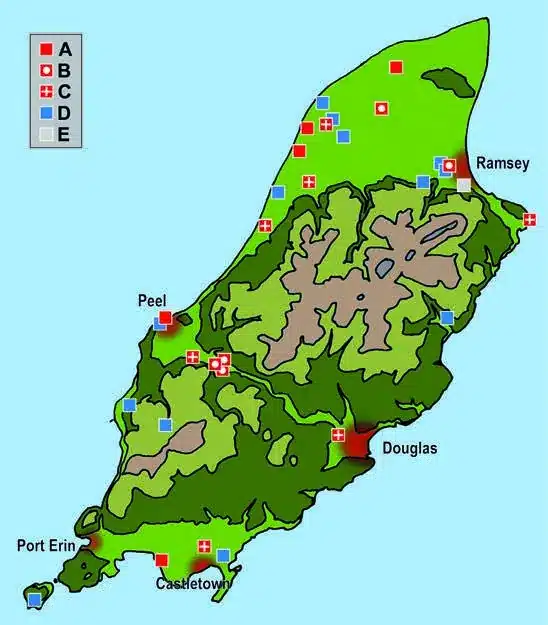
For years, scholars believed that Scandinavian men had settled on the Isle of Man, a small island between Britain and Ireland, without women from home. In their account, the newcomers married local Christian women, whose children would have been brought up as Christians. Scandinavian women had been left out of the settlement story altogether.
One reason was missing jewelry. Archaeologists had found Viking Age graves with swords and spears, but none of the paired oval brooches Scandinavian women used to fasten their dresses. These brooches had turned up in other places where Scandinavians settled. Their absence on Man seemed to fit the theory that the wives were local Christians, buried according to Christian customs without jewelry.
Then, in December 2018, metal detectorists John Crowe and Craig Evans found a pair of those brooches, dating to about AD 900–950.
The discovery took away one of the main reasons for believing the newcomers had all been men. Scholars would have to reconsider who had crossed the sea to form these communities, and how those families had adopted Christianity.
An excavation found no grave or human remains, so we can’t say who wore the brooches. As archaeologist Dirk Steinforth explains, a woman might have brought them from Scandinavia, or a local woman might have adopted Scandinavian dress. But the island’s past could have included both women arriving from Scandinavia and marriages between Scandinavian men and local women. There was no need to make one explanation rule out the other.
Another Pair of Brooches, and a Sword
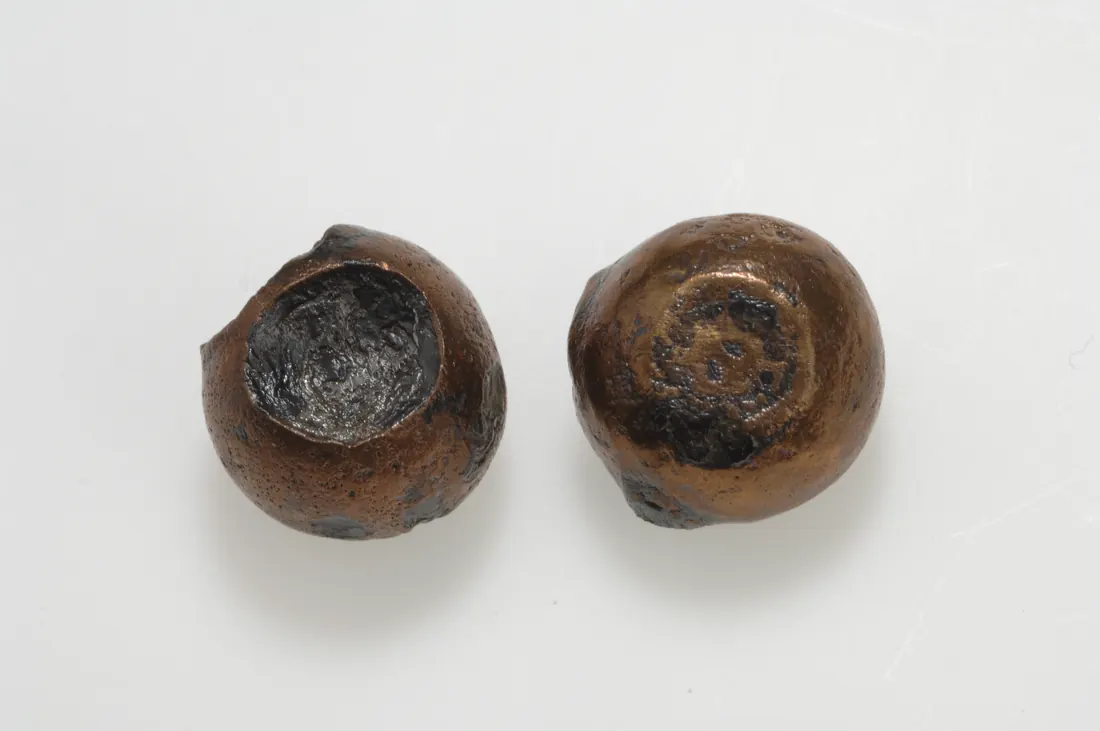
In November 2026, Manx National Heritage announced a second pair had been discovered, decorated with interlocking animals.
The objects dated to around AD 900. Along with the brooches were a decorated sword, trading weights, and pieces of scales for weighing precious metals and coins.
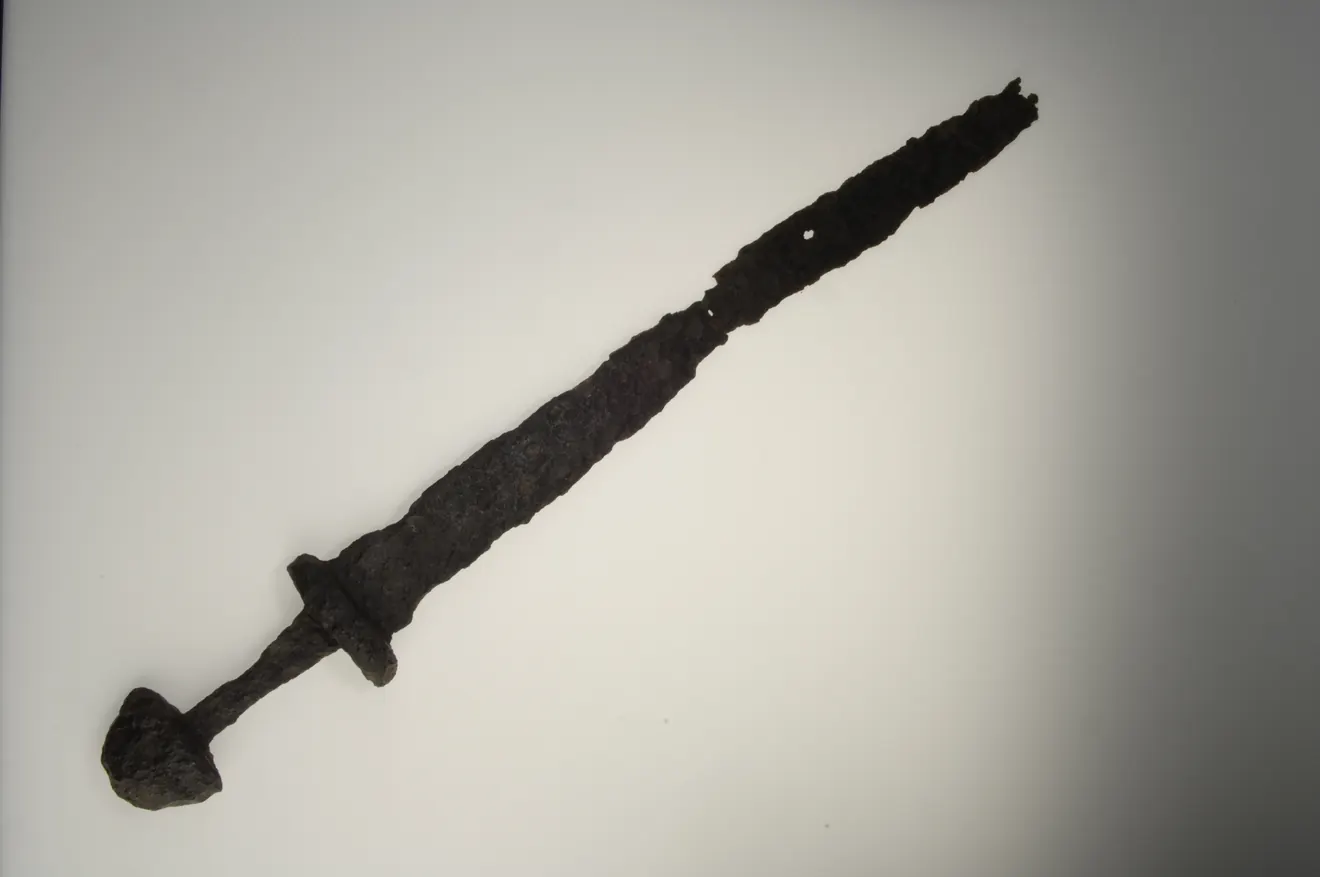
A woman’s brooches and a sword could possibly suggest another burial like Birka. Researchers are still studying the finds, and may learn more about who owned them, although the disturbed burial site makes it difficult to tell which objects belonged together.
Viking Women Beyond the Battlefield
Whether women fought is only part of the question. On the Isle of Man, the assumption that the newcomers were all men also shaped explanations of their marriages, children, and conversion to Christianity. Finding the brooches means reconsidering that account, even without finding a woman buried with a sword.
Birka gives us a strong case for a female warrior. The women who traveled to new settlements belonged to Viking history whether or not they ever fought.
Sources and Further Reading
- Charlotte Hedenstierna-Jonson et al., A female Viking warrior confirmed by genomics (2017).
- Neil Price et al., Viking warrior women? Reassessing Birka chamber grave Bj.581 (2019), with supplementary material.
- Leszek Gardeła, Viking women in a new light, UNESCO (2023).
- Dirk H. Steinforth, Viking Man, Viking women: The IoM 2018 oval brooches and the end of the myth of men-only warrior groups settling in the Isle of Man (2025 volume; published online 2026).
- Manx National Heritage, Stunning Isle of Man Viking Brooches Go on Display at the Manx Museum (December 17, 2021).
- Manx National Heritage, Rare 1,100-Year-Old Viking Double Burial Sheds New Light on the Viking Age Across the British Isles (November 9, 2026).
- World-Tree Project, Shieldmaidens.
- Marianne Moen, Was there such a thing as a female Viking warrior? (2021).
- Swedish History Museum, Vikings: Lives Beyond the Legends, teacher’s guide, hosted by the Royal BC Museum.
- Saxo Grammaticus, The Danish History, Book IX, translated by Oliver Elton (1905), via the Hrafn Source Archive.
- Becky Little, HISTORY interview (2019).
- Uppsala University, report on the 2017 Birka DNA study.


Beyond the article
Join the Conversation
Share your perspective, ask a question, or add something to the story.