


Alice Ball, the Chemist Who Changed Leprosy Treatment
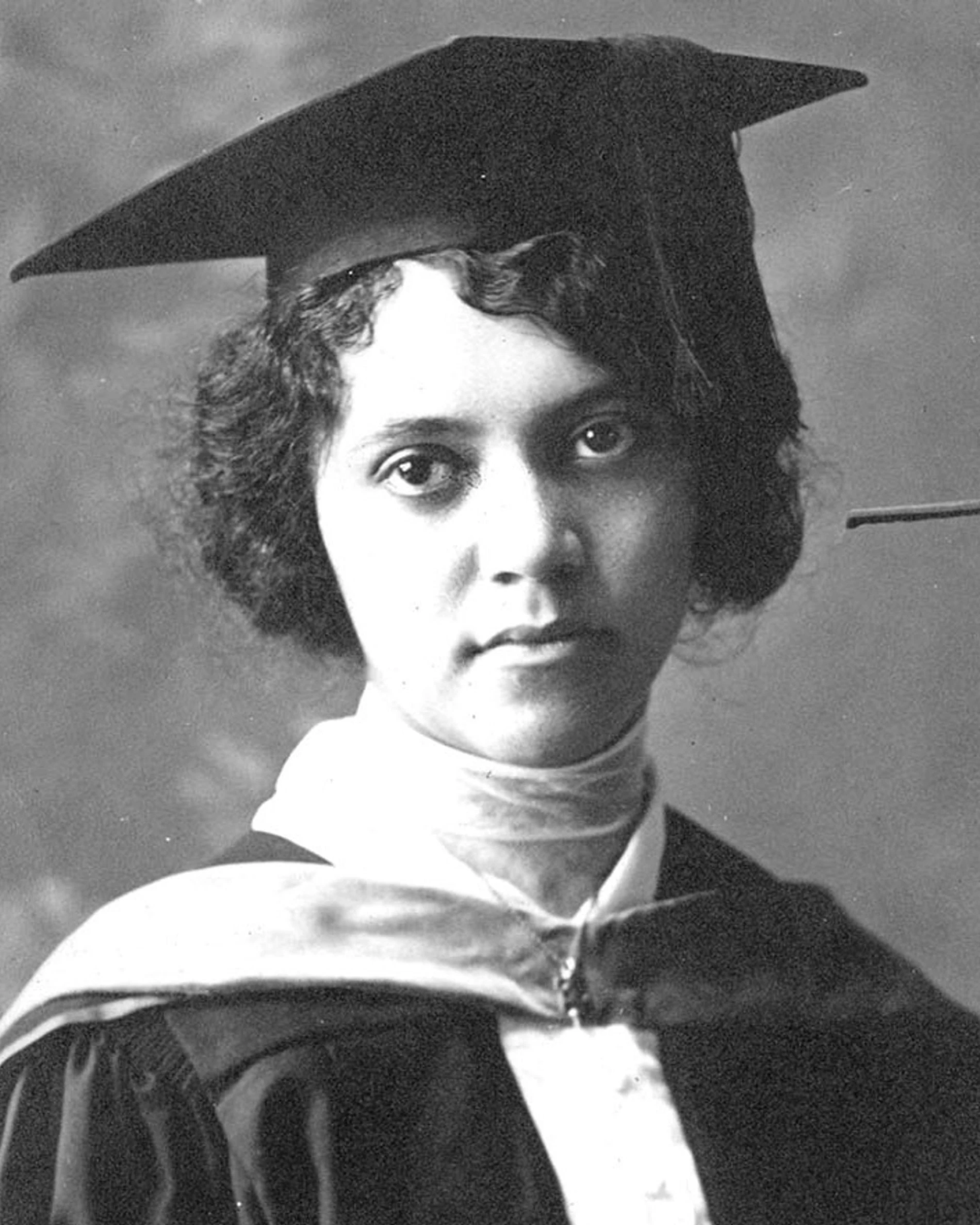
Alice Ball transformed a difficult leprosy remedy into an injectable treatment. Her work helped patients improve and return to their families.

Women worth knowing
Extraordinary women, overlooked stories, and a more complete history. Explore the lives, ideas, and achievements that changed the world.
Discovery, research, and the women who expanded knowledge.
Explore women scientists in history through their research, discoveries, and working lives. These stories follow women asking questions about the natural world, developing medicines and technologies, and pursuing knowledge despite barriers to education, employment, and recognition.

Close observation can change how we understand living things. These stories follow women studying plants, insects, and the workings of heredity.

Experiments with molecules led to new medicines and materials. Discover the questions, persistence, and collaboration behind work that changed everyday life.

From imagining what machines might do to making them easier to program, women helped shape the ideas and tools of computing.
Alice Ball transformed a difficult leprosy remedy into an injectable treatment. Her work helped patients improve and return to their families.
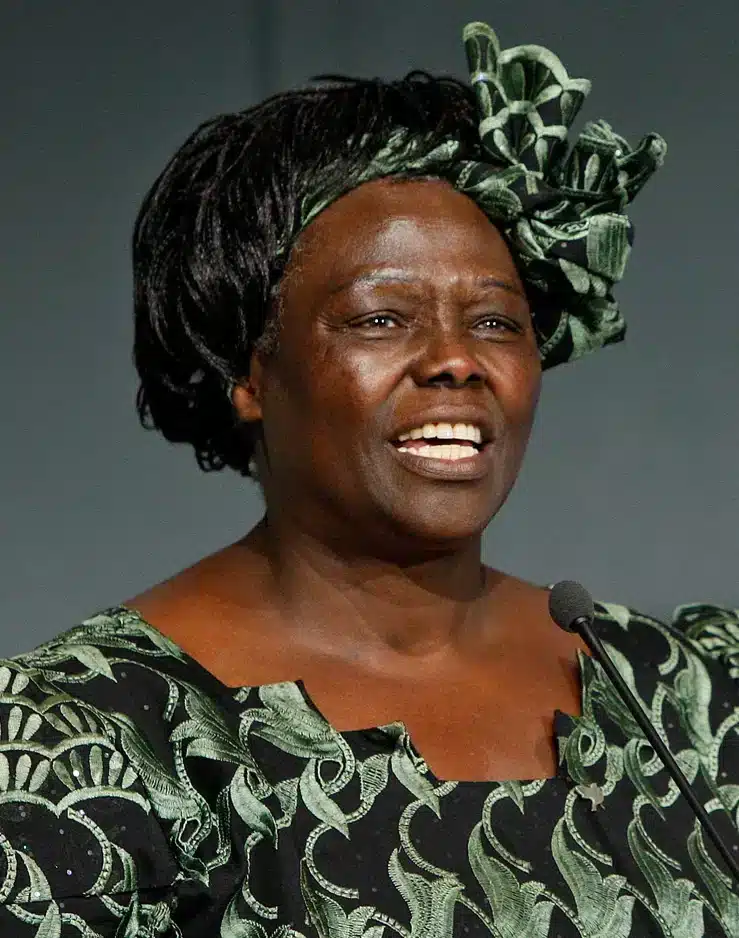
Women advanced climate research, defended forests, and built conservation movements, combining science with grassroots action to change how societies understood and protected nature.

Her move from science into politics brought convictions about technology into conflict with environmental campaigners, exposing tensions between expertise and public decision-making.

Women’s discoveries transformed understanding of matter, heredity, and life, advancing scientific fields even as exclusion and discrimination limited access to research and recognition.
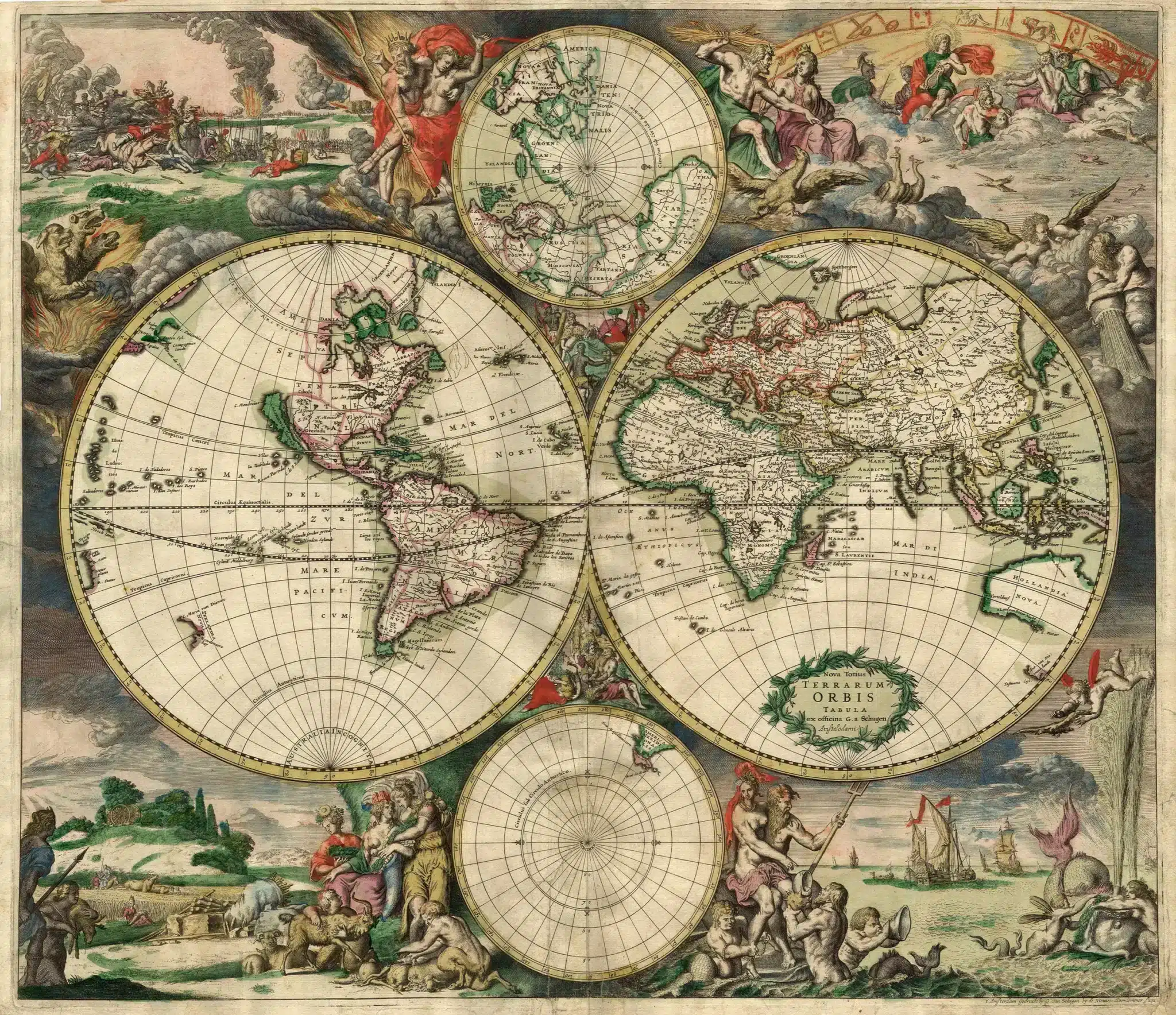
Women mapped unfamiliar terrain, investigated the environment, and rethought how places shape our lives, expanding geographical knowledge and its role in understanding social change.

Black women challenged exclusion in medicine, nursing, and research, expanding professional opportunities and improving care for communities neglected by existing institutions.

Women’s discoveries have too often been credited to men, obscuring the work behind scientific advances and shaping whose achievements later generations are taught to remember.

She recognized promise in an unusual laboratory solution, developing a remarkably strong fiber whose use in protective equipment helped save lives and reshape industrial materials.

Women’s convictions about religion shaped lives of achievement in science, literature, and philosophy, connecting intellectual independence with debates over belief and freedom of thought.

Her work investigating cosmic rays advanced particle research, overcoming limited opportunities for women in physics and contributing knowledge that deserved far greater recognition.
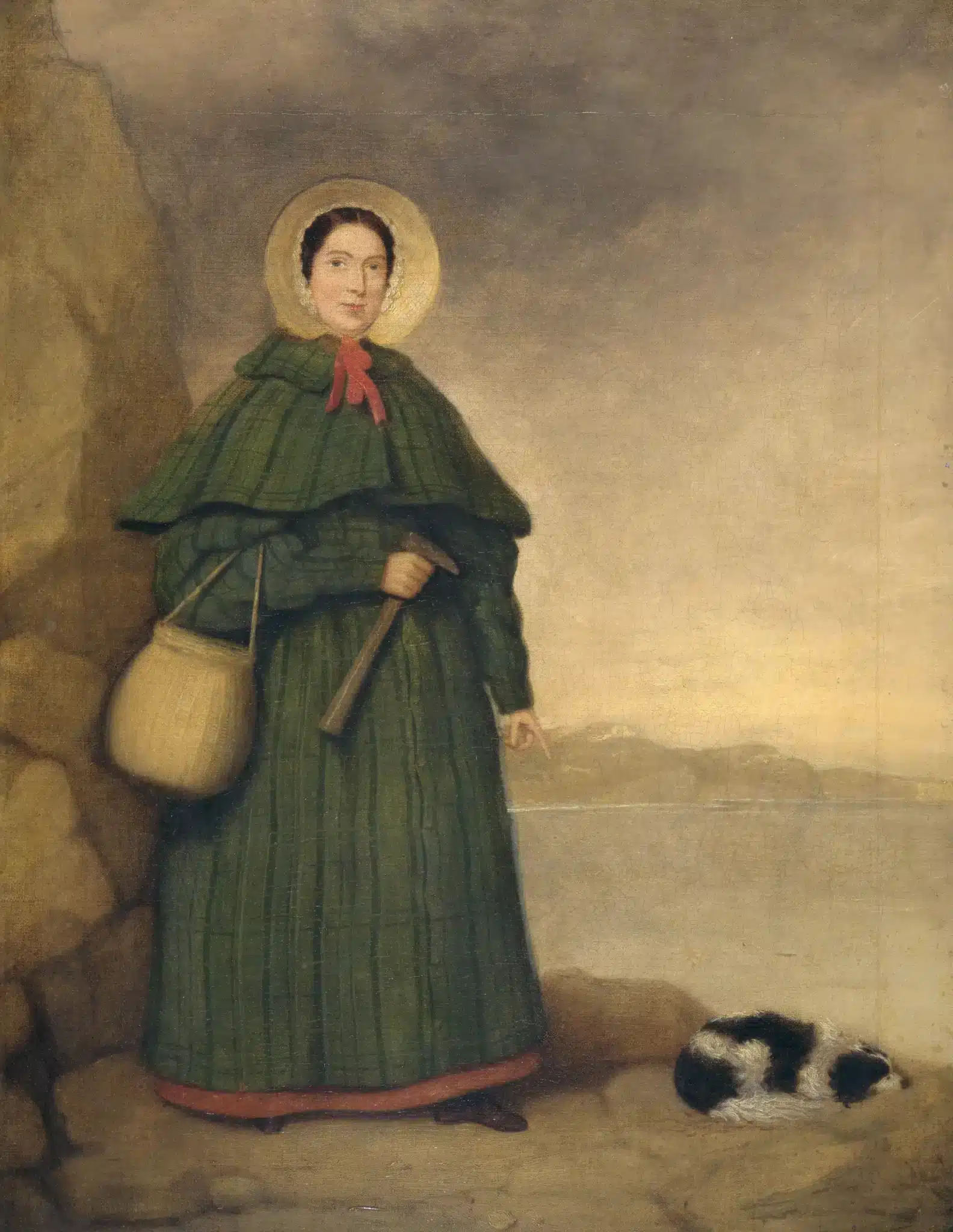
Her fossil discoveries transformed understanding of prehistoric life, advancing a new scientific field even as gender and class barriers limited the credit she received.
She helped change how medicines were developed, bringing a more targeted approach to drug research that produced treatments for serious diseases and earned major scientific recognition.
She saw that computers could work with more than numbers, envisioning creative applications long before modern machines and helping establish the foundations of programming.
Her chromosome research helped explain how biological sex develops, advancing genetics while showing how easily a woman’s contribution could be overshadowed by male colleagues.

Her teaching and scholarship earned respect in mathematics and philosophy, making an ancient woman’s intellectual independence a source of inspiration long after her death.
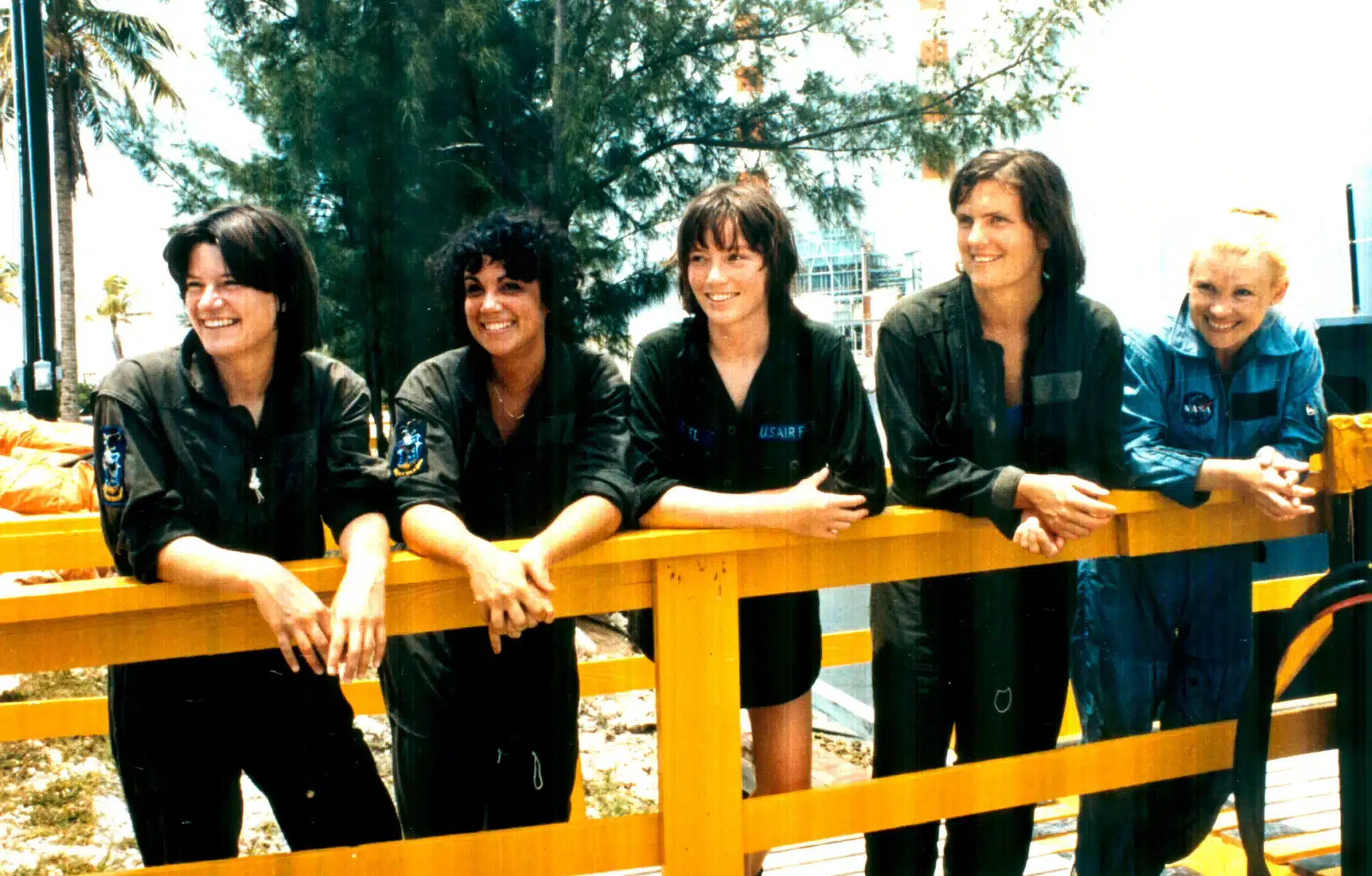
Women pushed beyond discrimination and skepticism to travel into space, expanding the possibilities for space exploration and the ambitions of those who followed them.
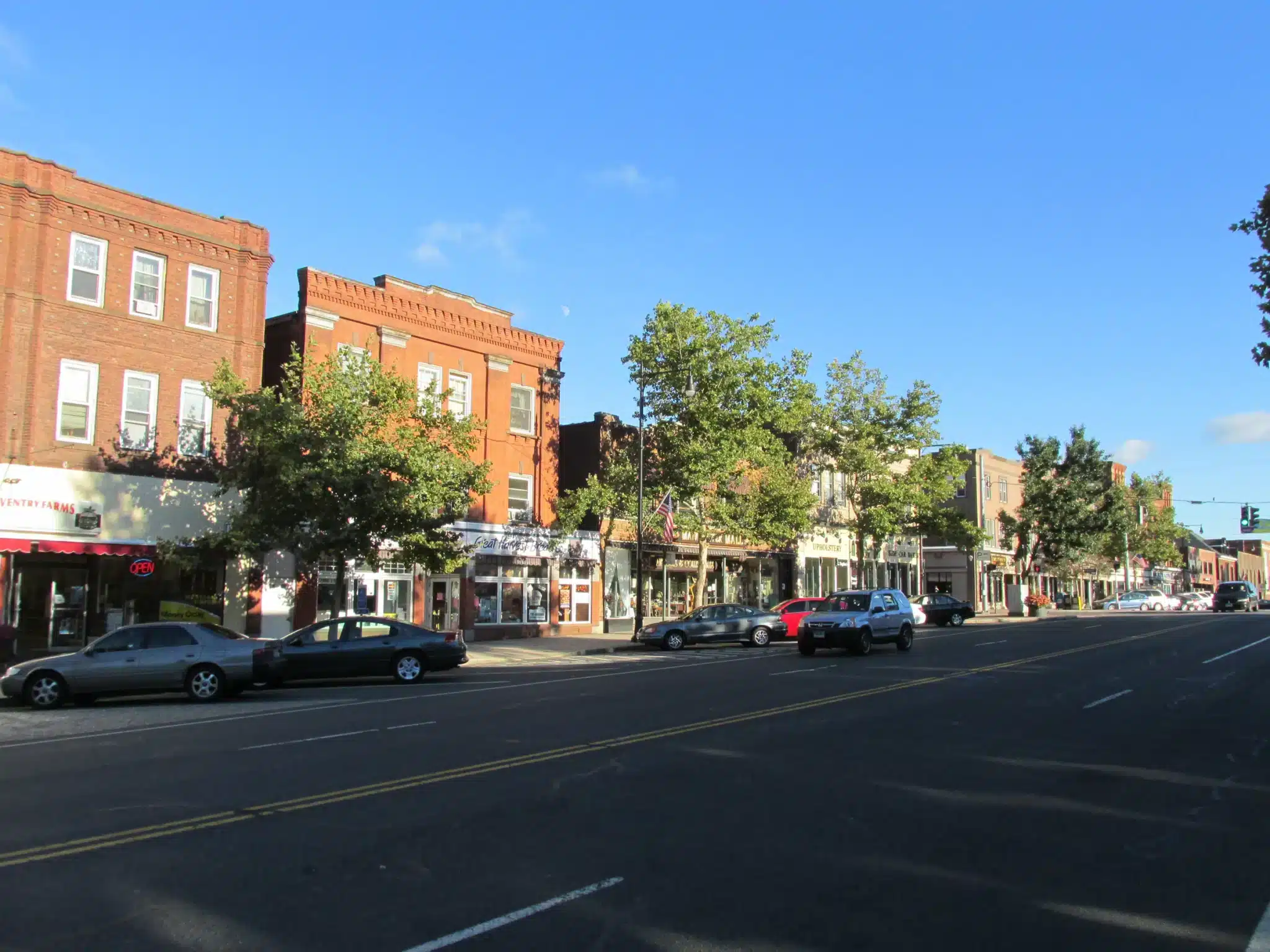
She entered a distance race women were forbidden to run, challenging restrictions that kept female athletes off the starting line and out of serious competition.
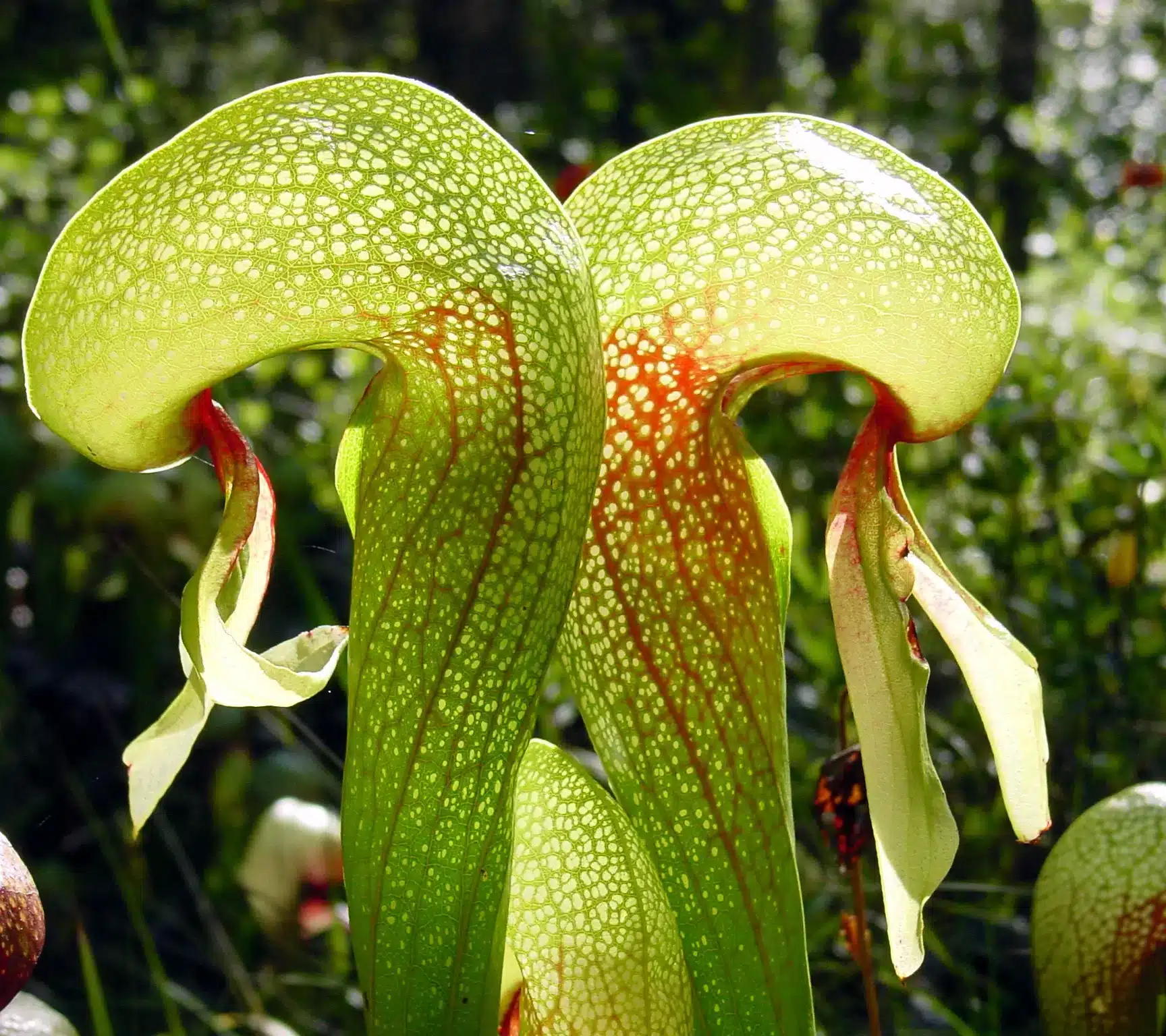
Her meticulous observations earned the respect of leading scientists and challenged established ideas, demonstrating how much careful study of the natural world could uncover.
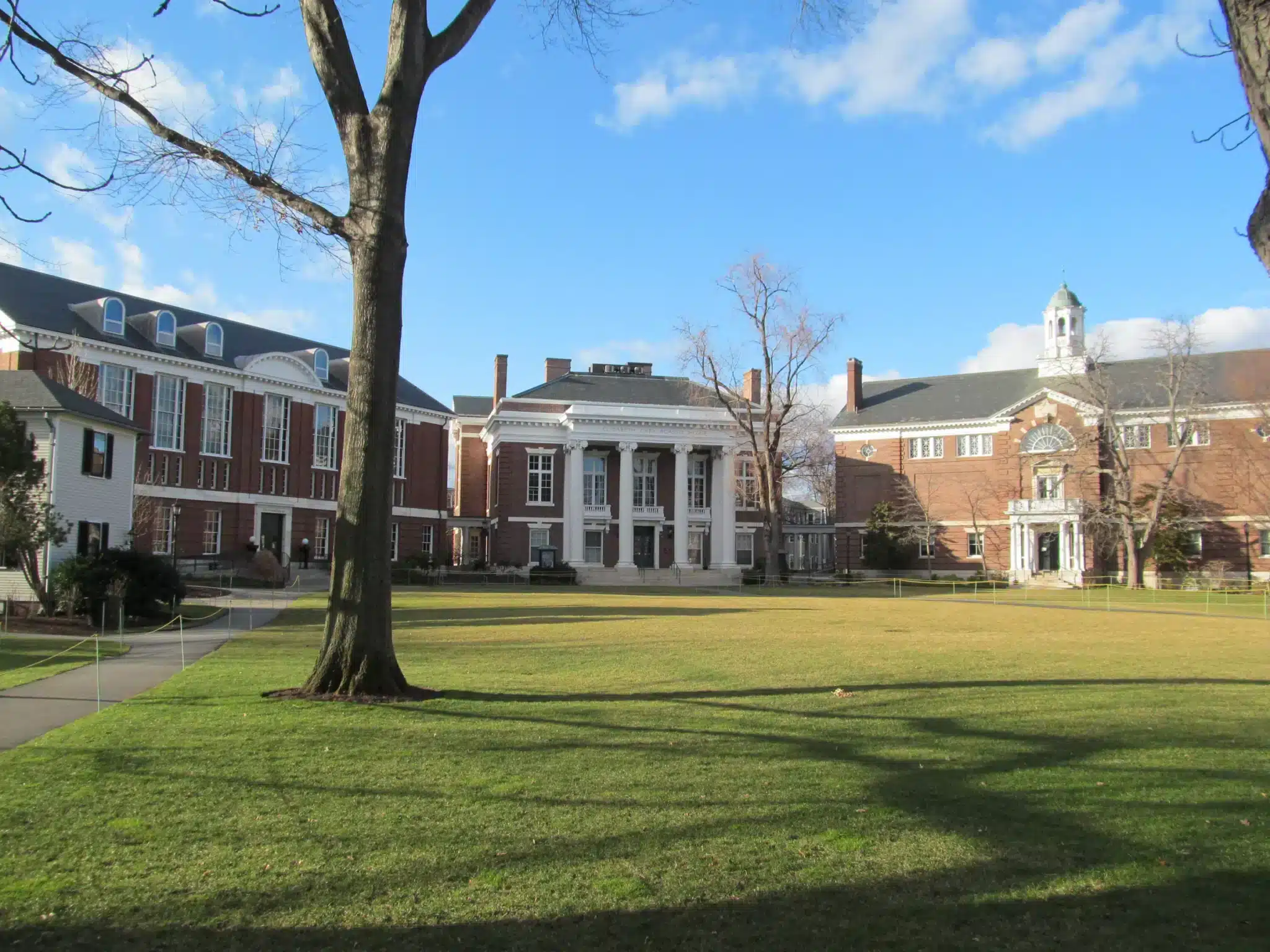
She challenged the limits placed on women’s education, building opportunities for students of different ages and changing expectations of who belonged at leading universities.
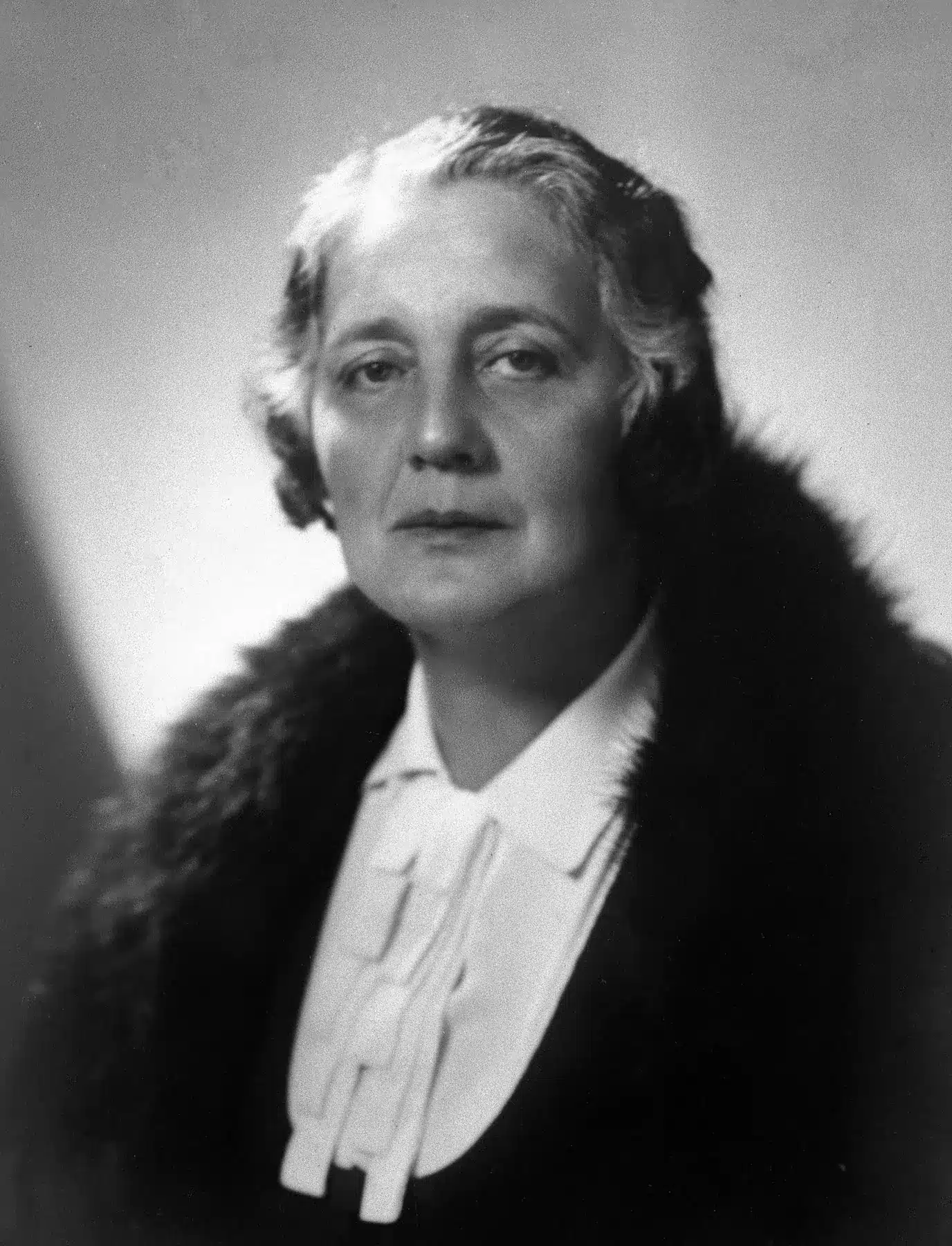
She took children’s inner lives seriously, developing theories that challenged her peers and helped reshape psychoanalysis despite her unconventional path into the profession.