Anita Berber: The Naked Dancer of Weimar Berlin

Her daring performances pushed dance beyond conventional respectability, bringing provocative expression to the stage and challenging how women’s bodies and sexuality could be represented.

Women worth knowing
Extraordinary women, overlooked stories, and a more complete history. Explore the lives, ideas, and achievements that changed the world.
Her daring performances pushed dance beyond conventional respectability, bringing provocative expression to the stage and challenging how women’s bodies and sexuality could be represented.
Her fiction imagined women resisting unwanted marriages and restrictive roles, giving literary form to a demand for independence that challenged the expectations of her society.
She defended her kingdom against a powerful invading army, combining battlefield courage with strategic judgment when military pressure and court politics threatened its survival.
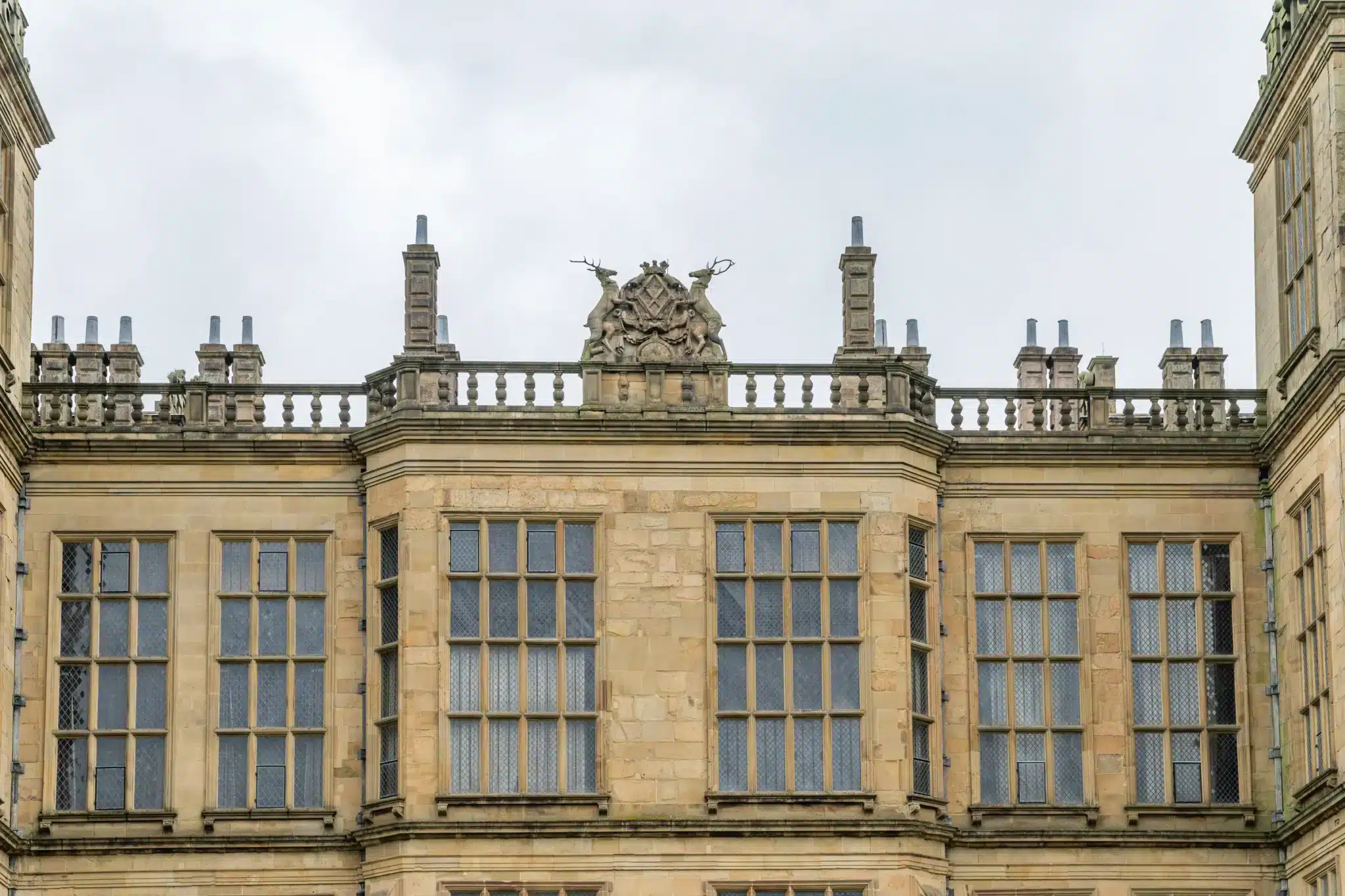
She turned family alliances and shrewd financial decisions into wealth and influence, building magnificent homes that made her ambition visible and preserved it for later generations.
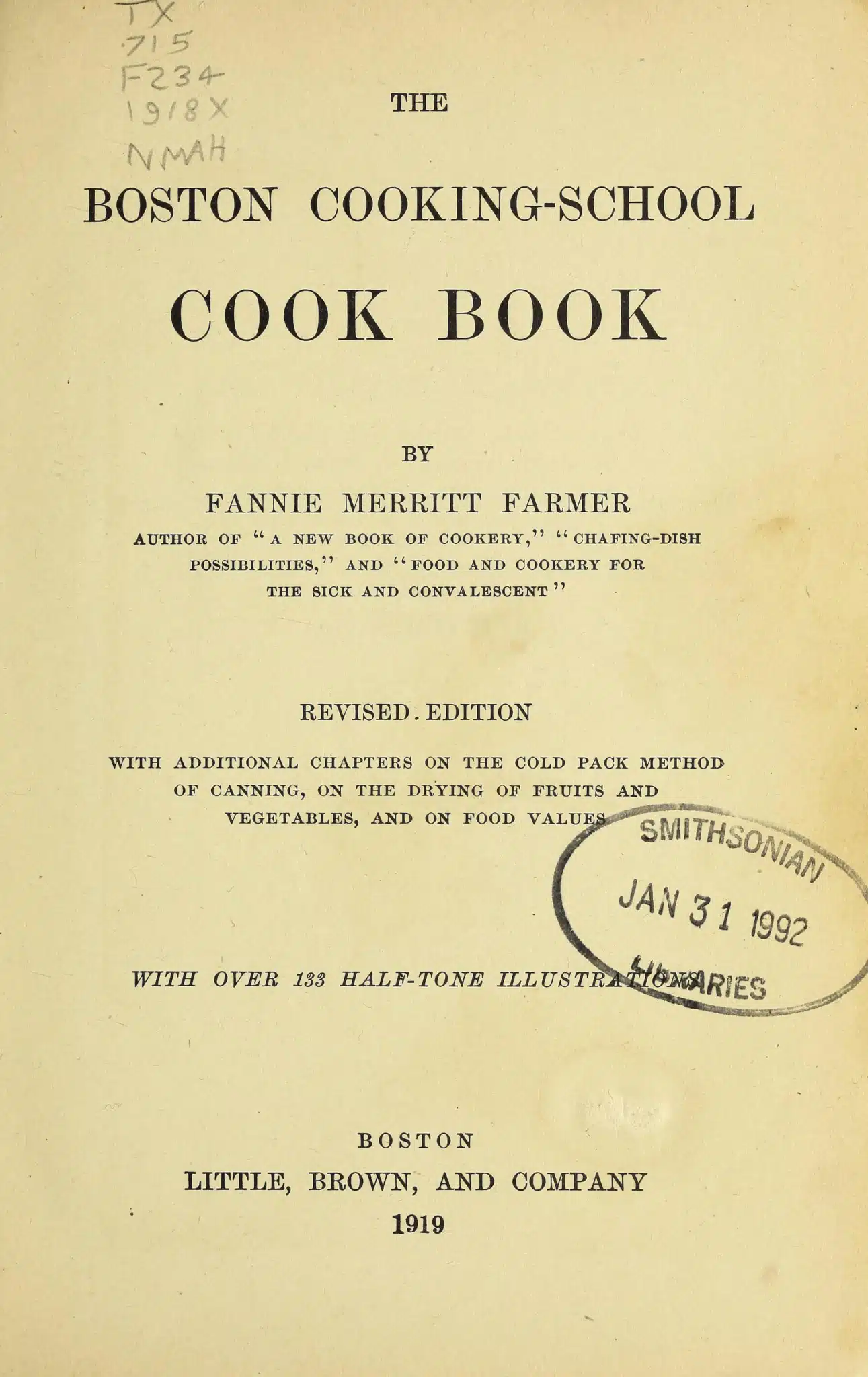
She helped make recipes reliable by championing precise measurements, bringing a scientific approach to everyday cooking and making successful results easier for home cooks to reproduce.
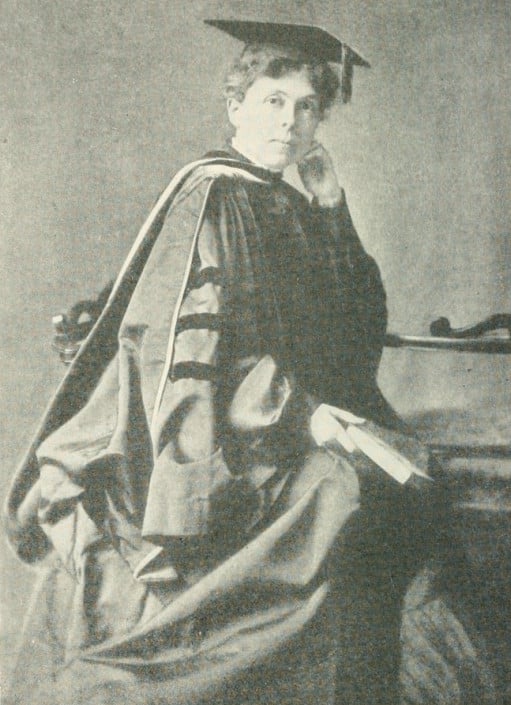
Her leadership expanded women’s access to higher education, building academic opportunities and challenging assumptions about what educated women could contribute to the wider world.
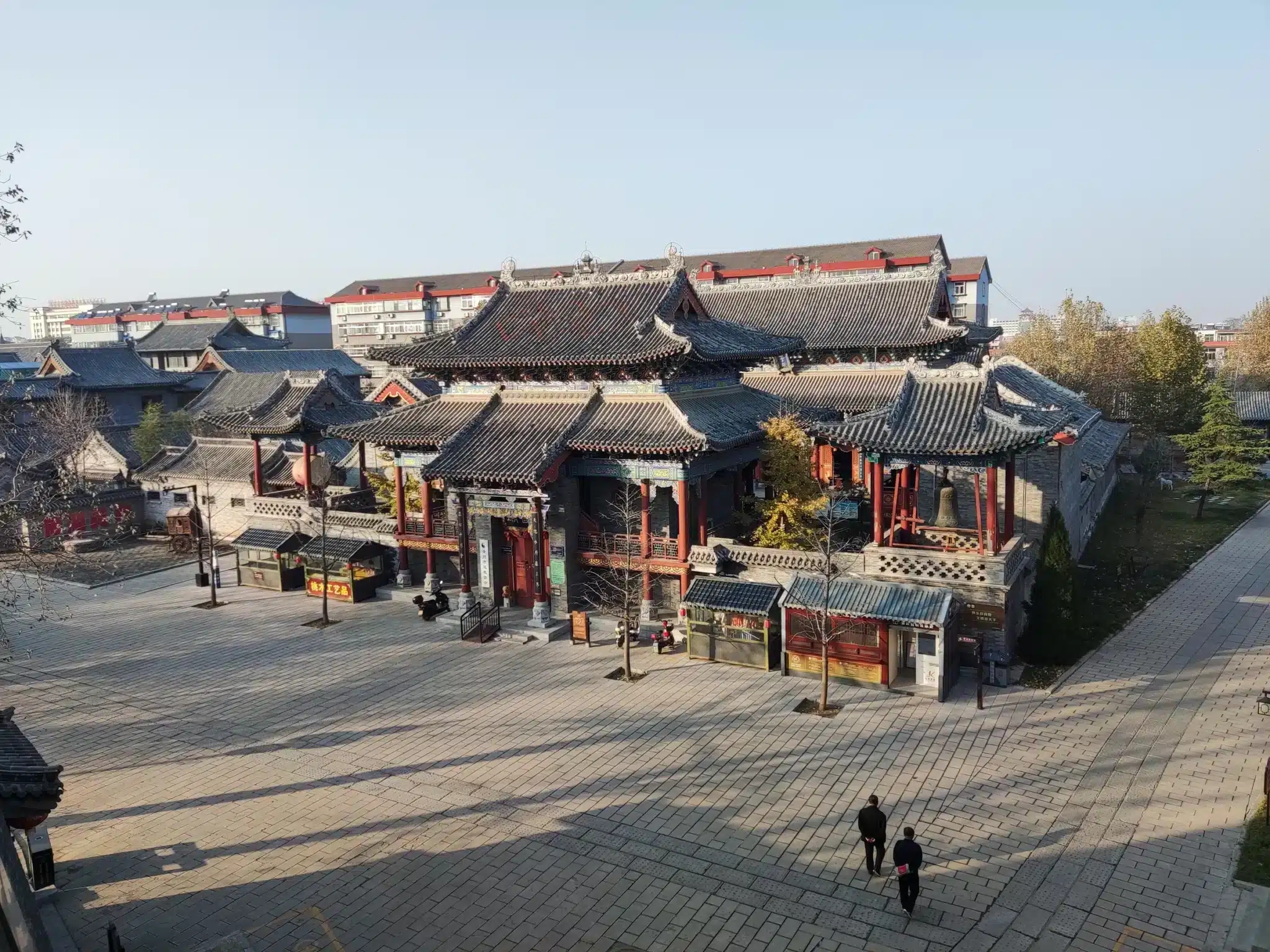
A young warrior’s leadership of women in battle placed martial skill in unexpected hands, leaving a story of courage, loyalty, and sacrifice that endured.
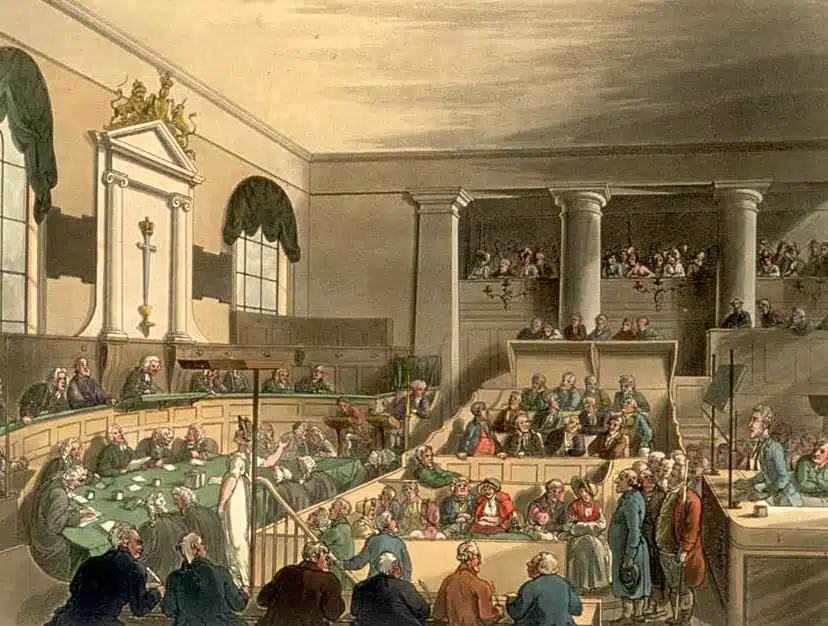
Pregnancy could postpone a woman’s execution under common law, creating a route to survival that exposed the complicated relationship between reproductive status and criminal justice.
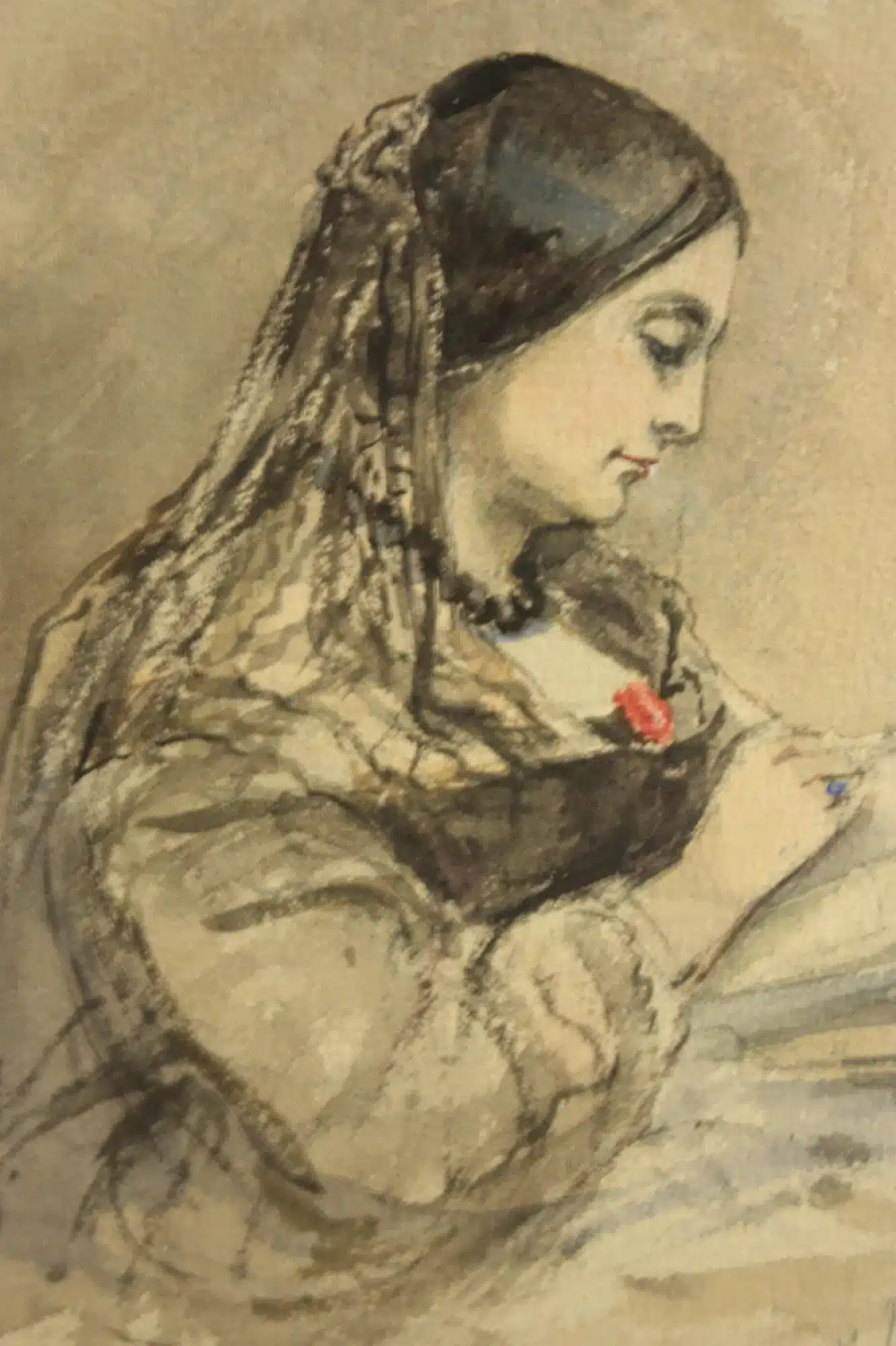
Property reforms gave married women greater control over their money and possessions, challenging laws that had tied their legal identity and financial security to their husbands.

She put passengers’ safety before her own during a plane hijacking, using quick judgment and extraordinary courage to help others escape a deadly situation.
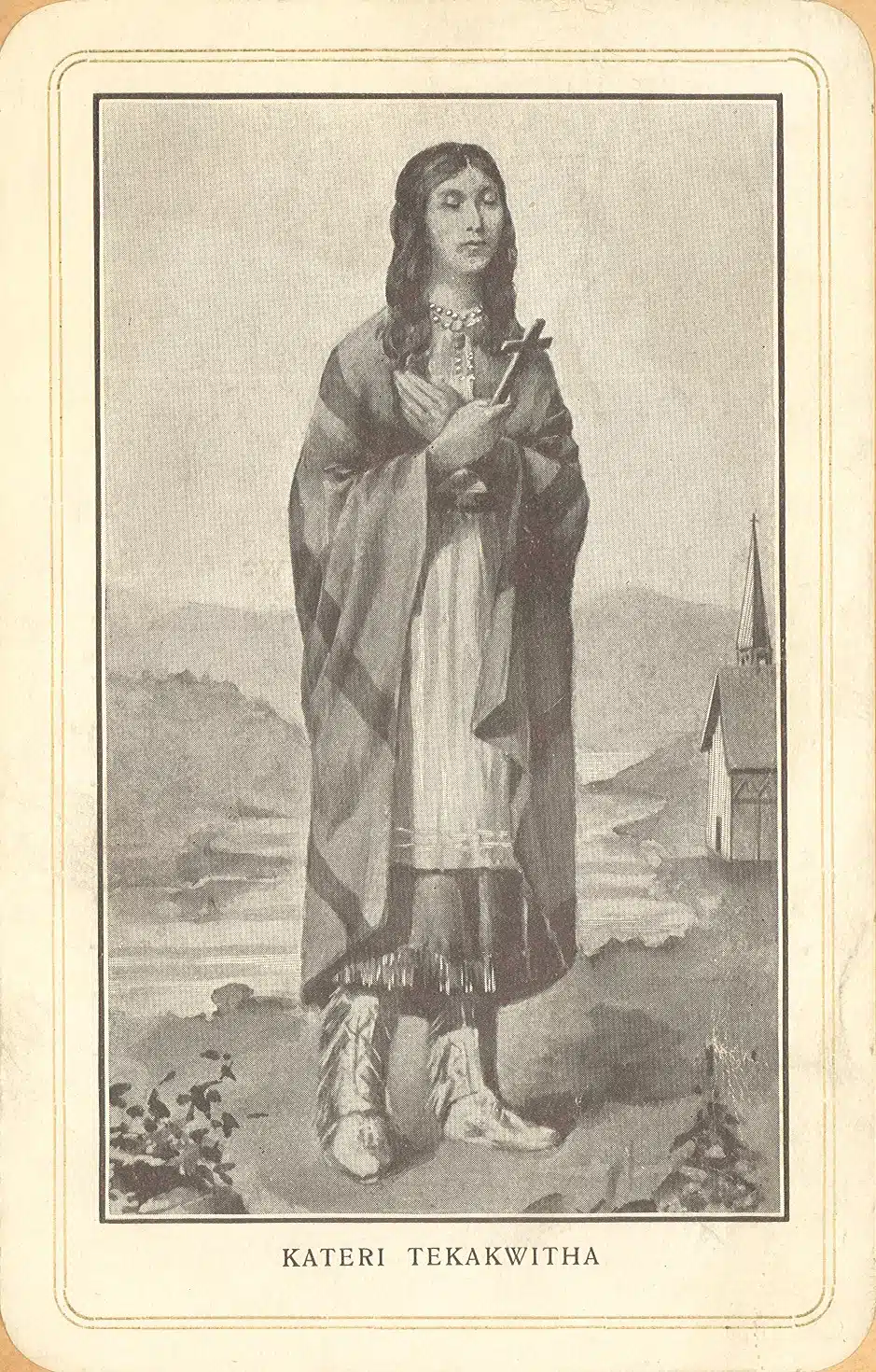
Her religious conversion unfolded amid colonial pressure and Indigenous community life, creating a spiritual legacy whose meaning continued to grow long after her death.
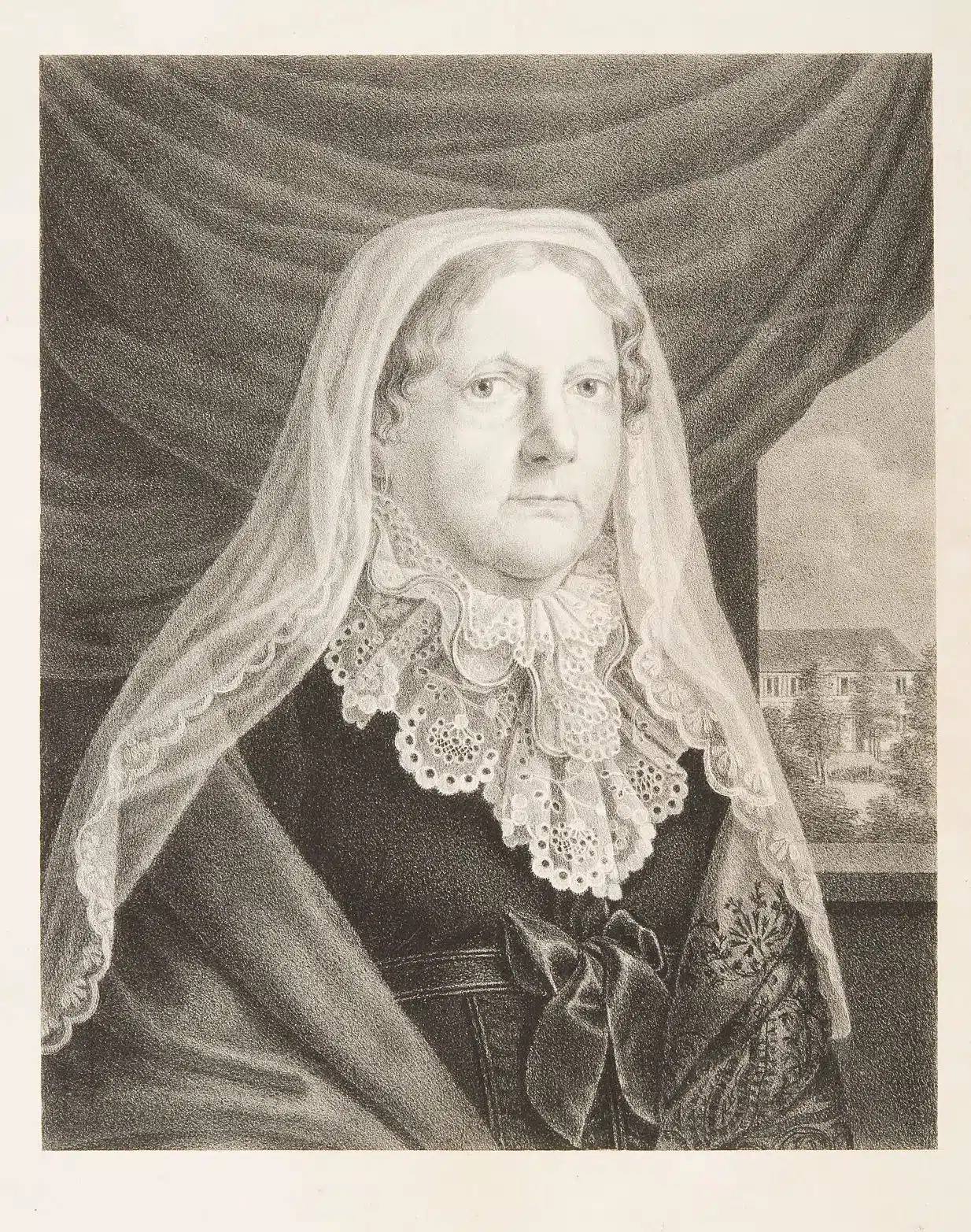
She challenged the double standards of a royal marriage and faced permanent exile, exposing how little protection status offered a woman who refused its expectations.
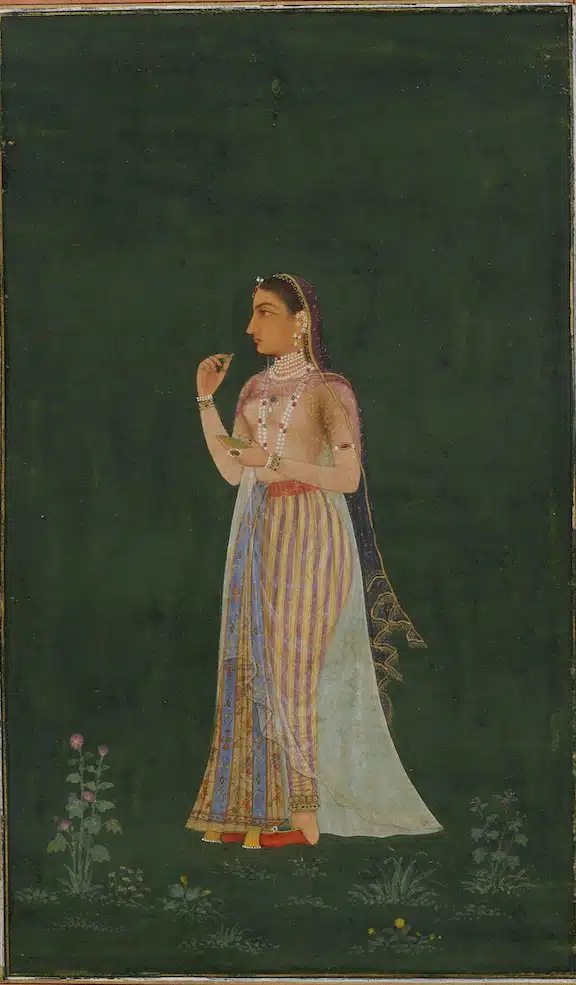
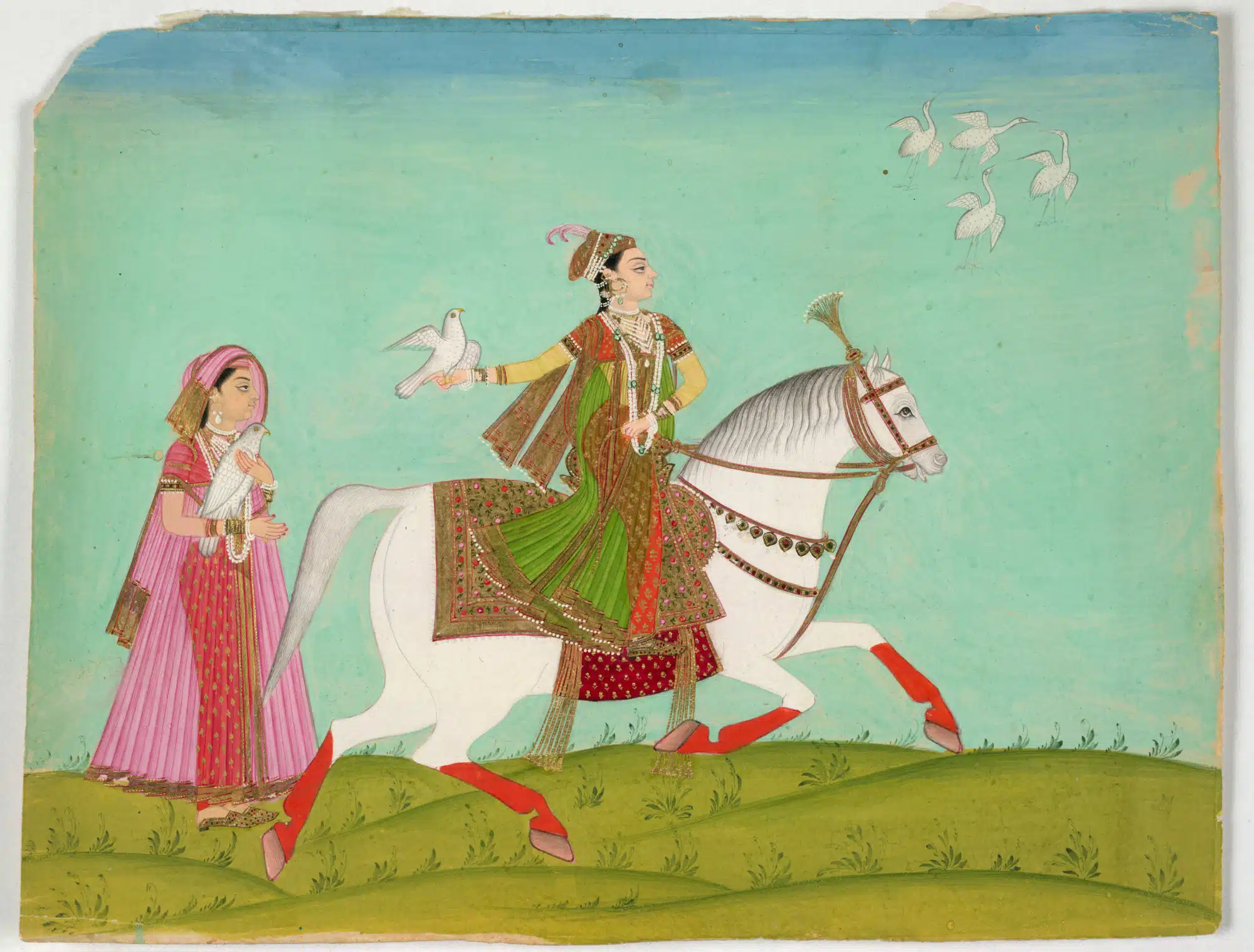
Royal women could shape an empire through commerce, architecture, and spiritual writing, exercising influence that reaches far beyond the familiar image of life inside a palace.
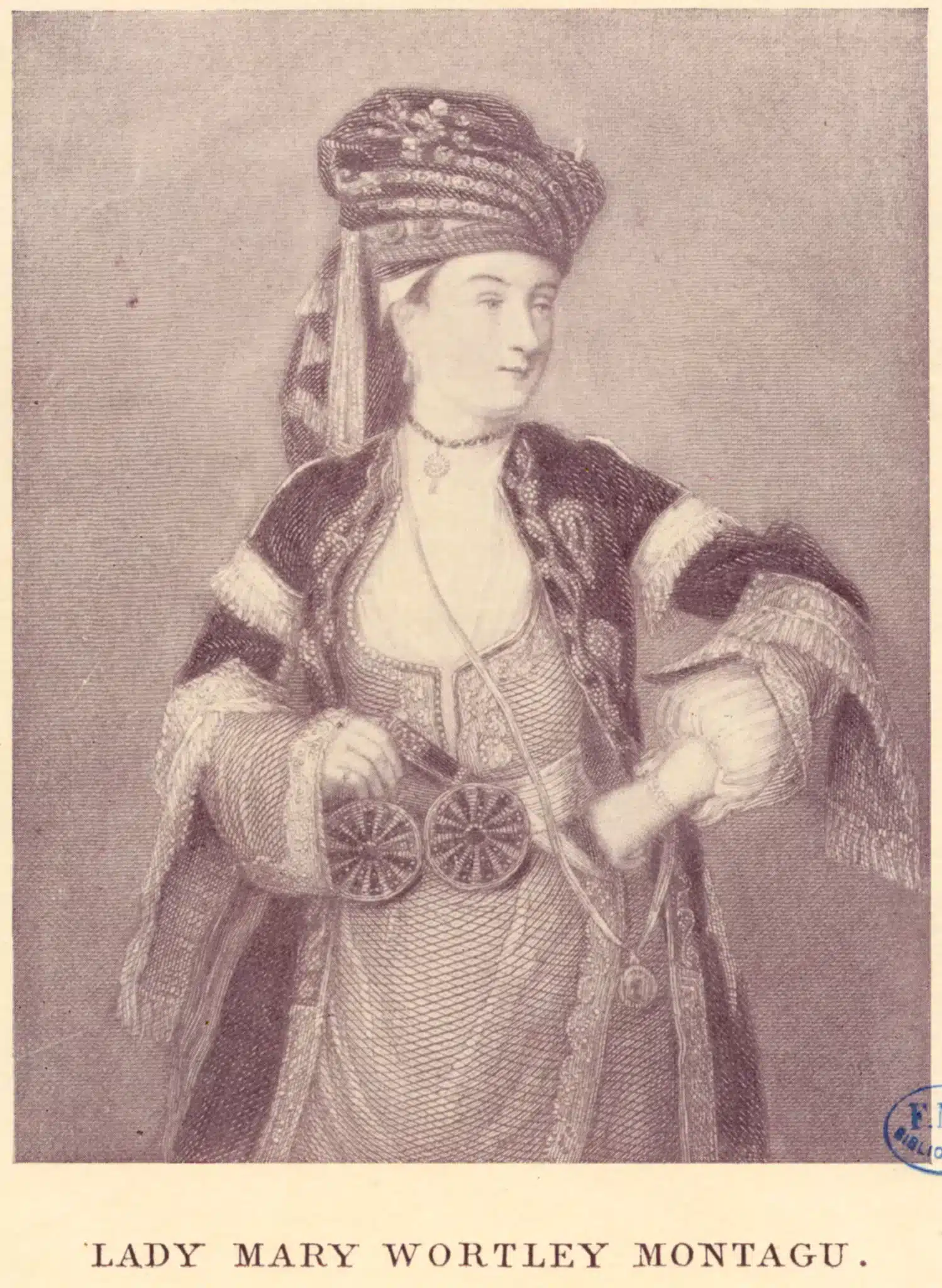
She championed knowledge of smallpox inoculation learned abroad, using her influence to challenge medical resistance and bring a different approach to preventing disease into public view.

She excelled at softball and bowling while earning a living outside sport, building championship careers and earning recognition among the best in both fields.
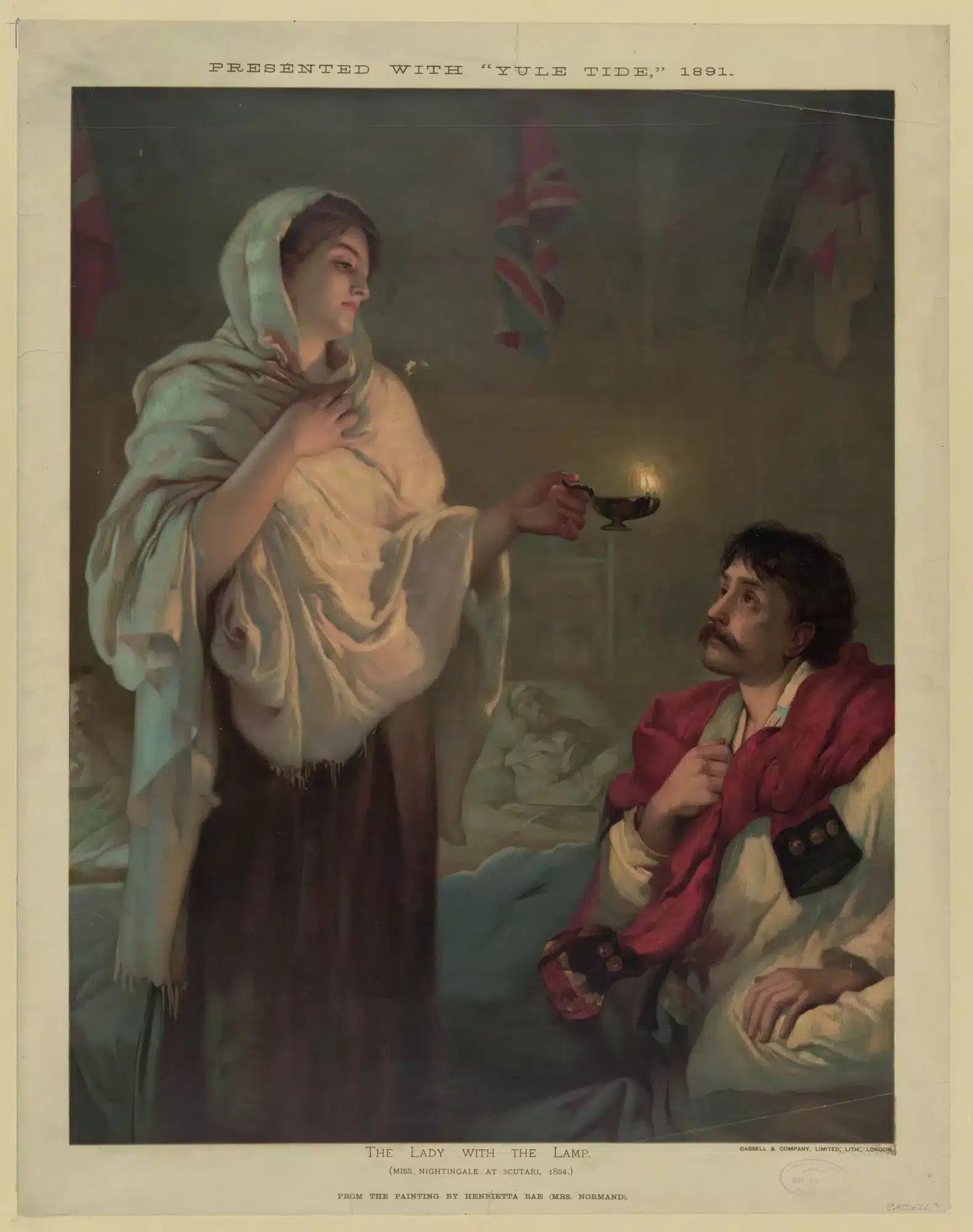
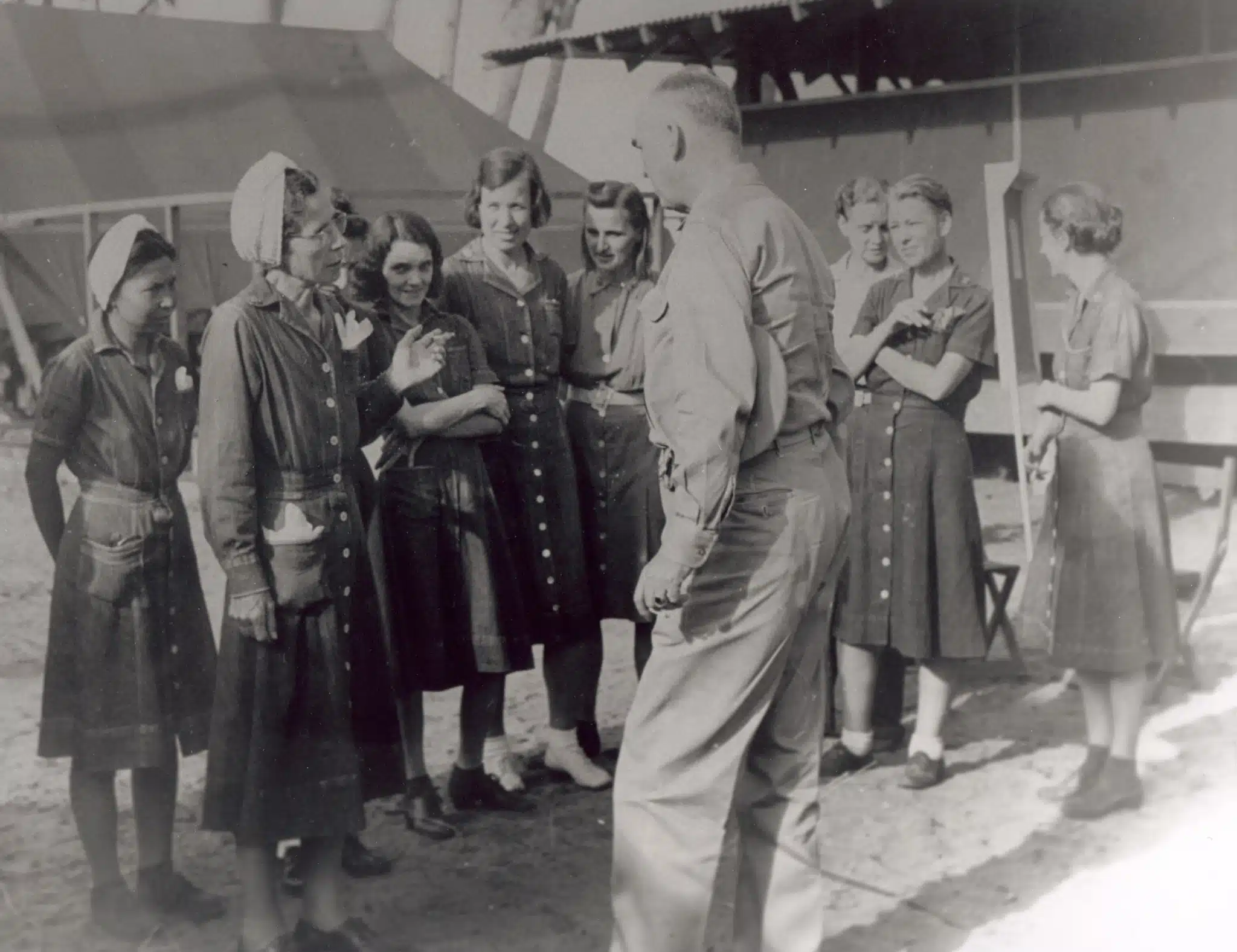
Nurses transformed care through wartime service, public health reform, and disaster relief, changing how institutions served patients and how communities responded to people in need.
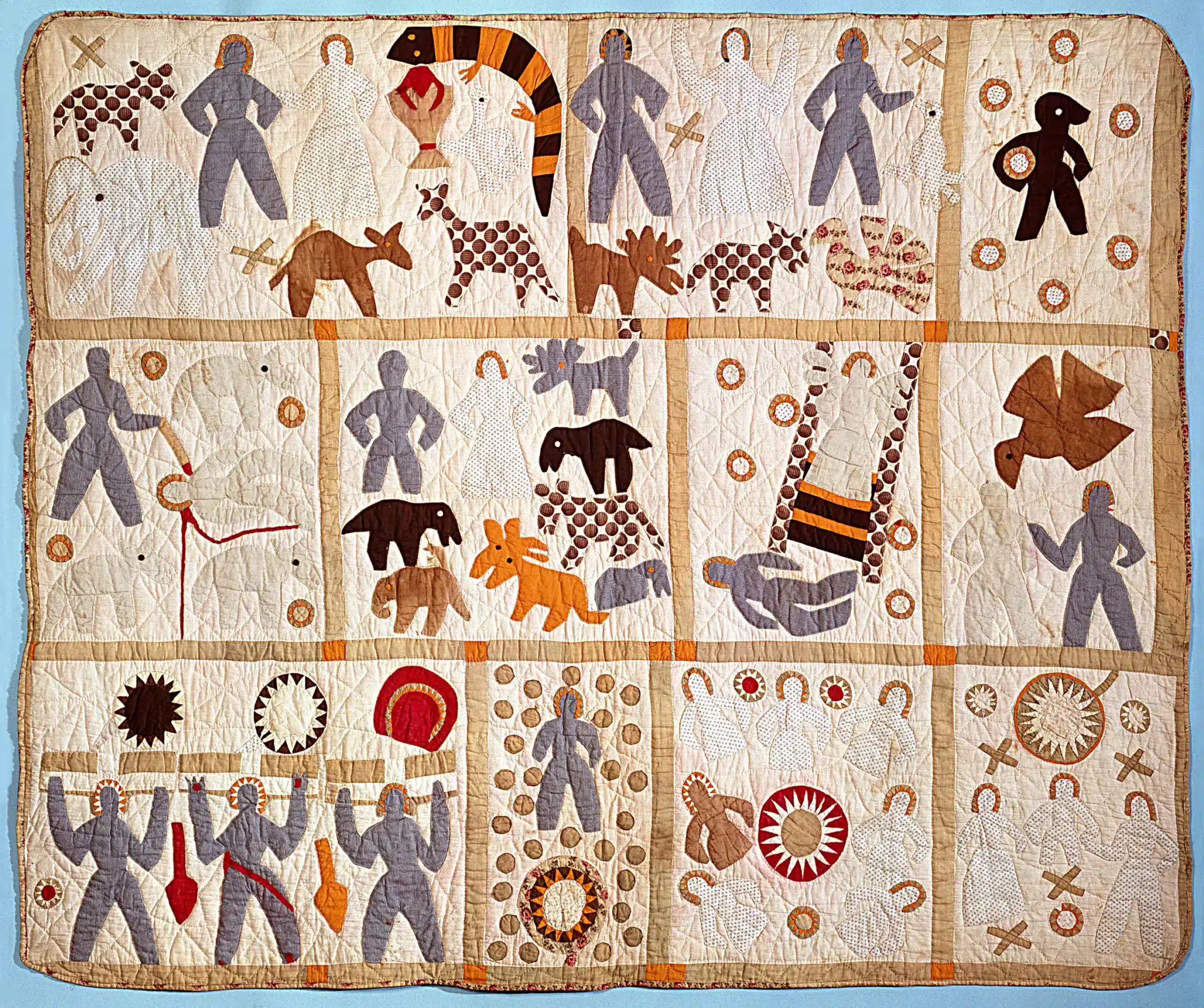
She stitched religious stories into quilts of extraordinary imagination, preserving her voice through fabric and creating artworks that expanded the possibilities of visual storytelling.
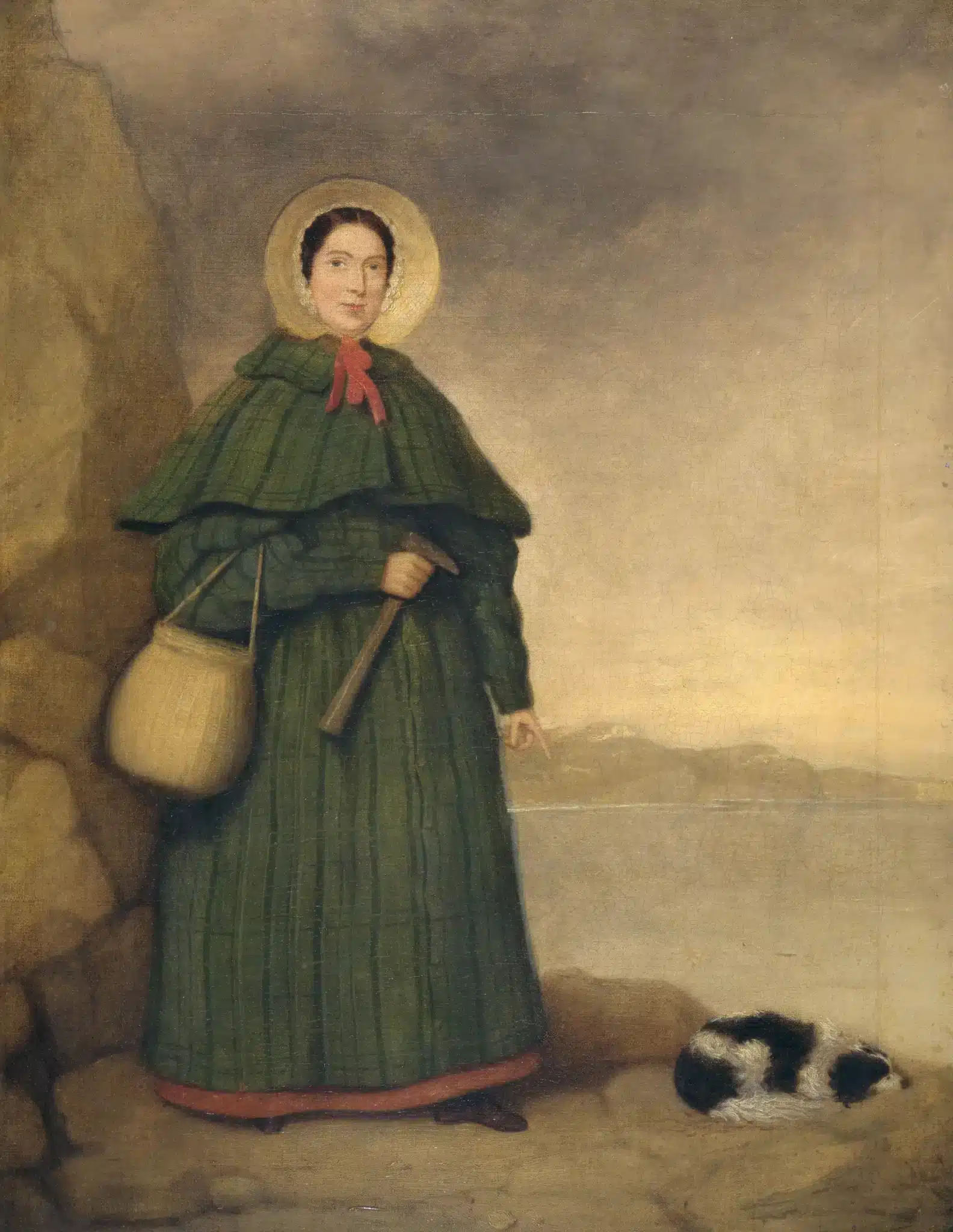
Her fossil discoveries transformed understanding of prehistoric life, advancing a new scientific field even as gender and class barriers limited the credit she received.
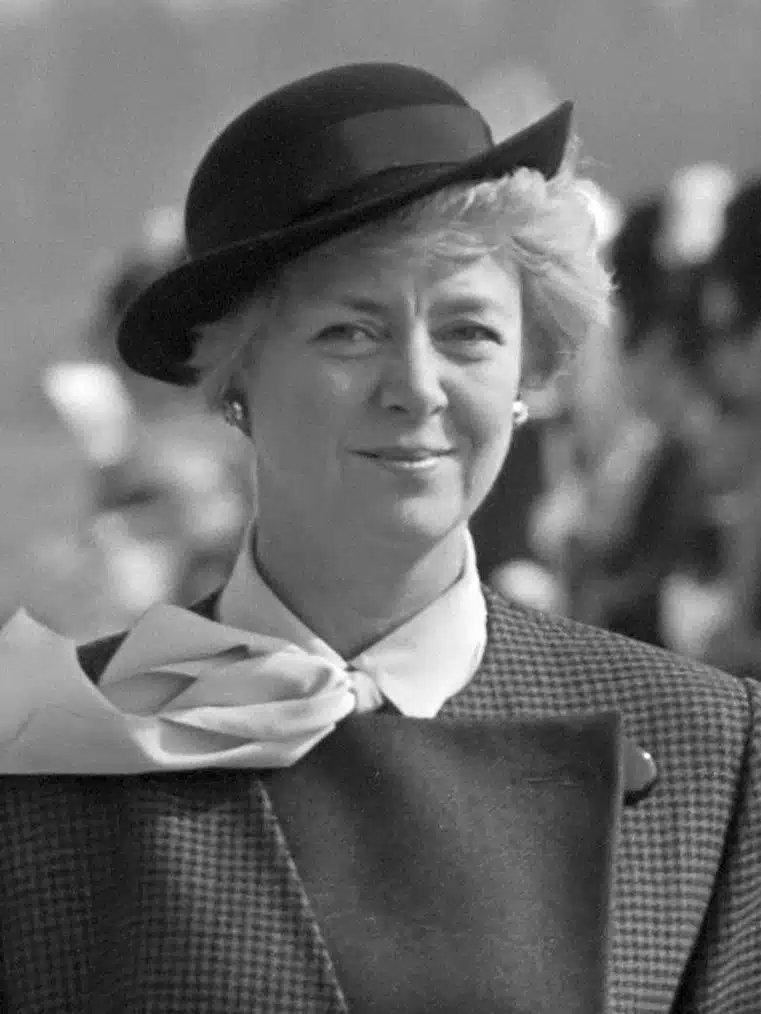
Her election to the presidency challenged expectations of who could lead a country, bringing experience in education and the arts into a powerful public role.
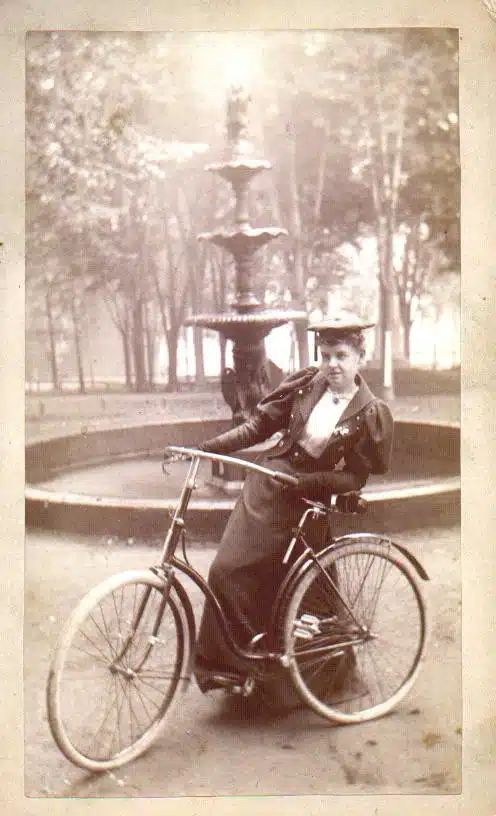
Bicycles gave women new freedom to travel, dress, and move through public life, turning an everyday means of transport into a powerful challenge to conventional femininity.