Mary Ann Shadd Cary, Famous Abolitionist and Pioneering Publisher

She built schools and a newspaper to advance Black freedom and opportunity, using education and publishing to challenge slavery and support communities across national borders.

Women worth knowing
Extraordinary women, overlooked stories, and a more complete history. Explore the lives, ideas, and achievements that changed the world.
She built schools and a newspaper to advance Black freedom and opportunity, using education and publishing to challenge slavery and support communities across national borders.
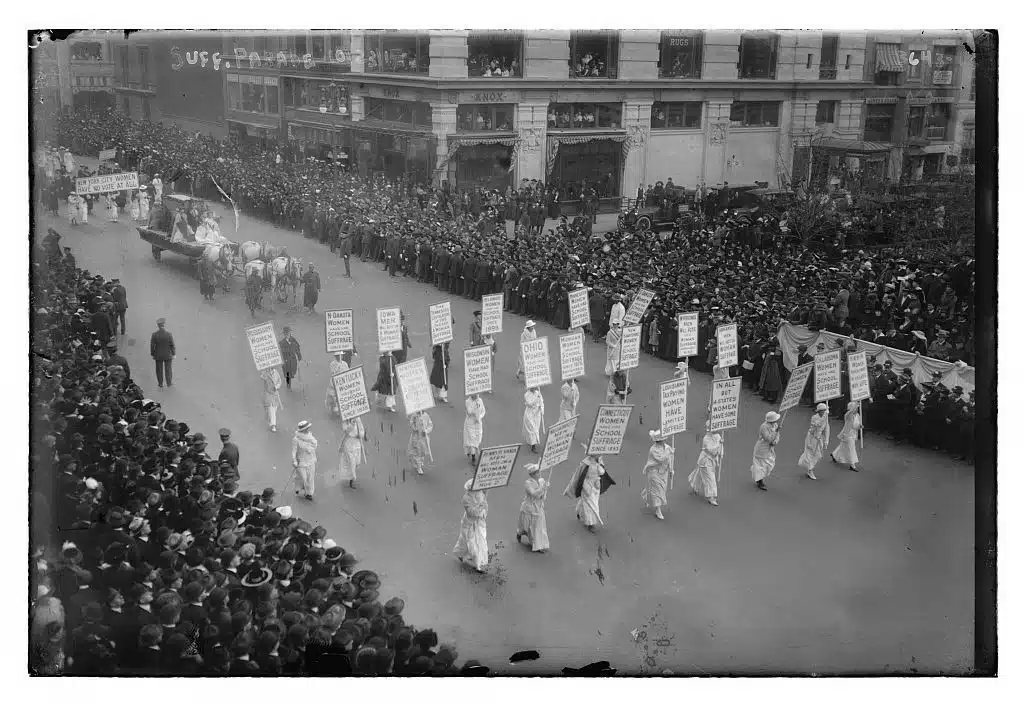
Words used for voting-rights campaigners carried arguments about tactics, respectability, and power. An insult reclaimed by activists could express the very defiance it was meant to dismiss.
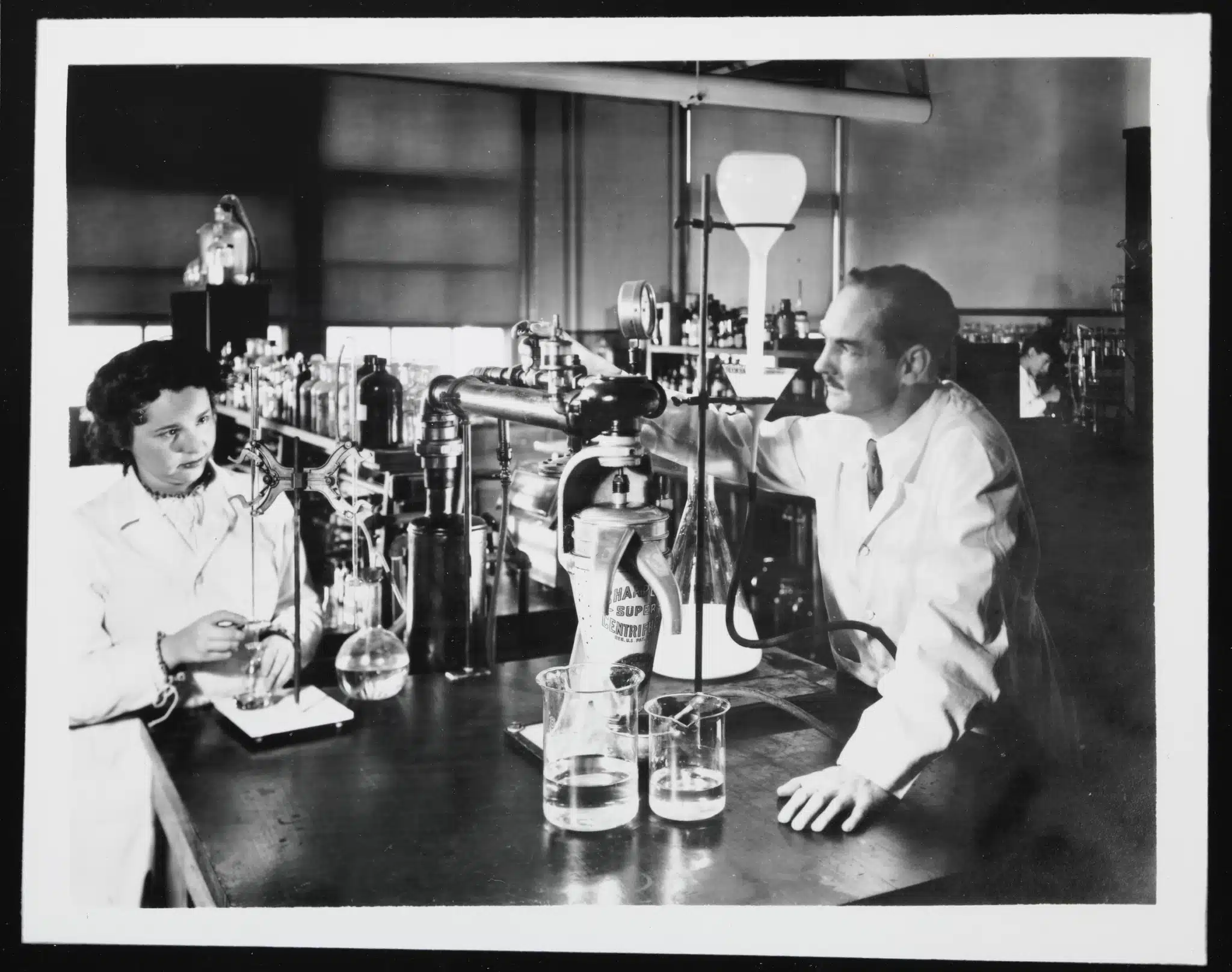
She helped change how medicines were developed, bringing a more targeted approach to drug research that produced treatments for serious diseases and earned major scientific recognition.
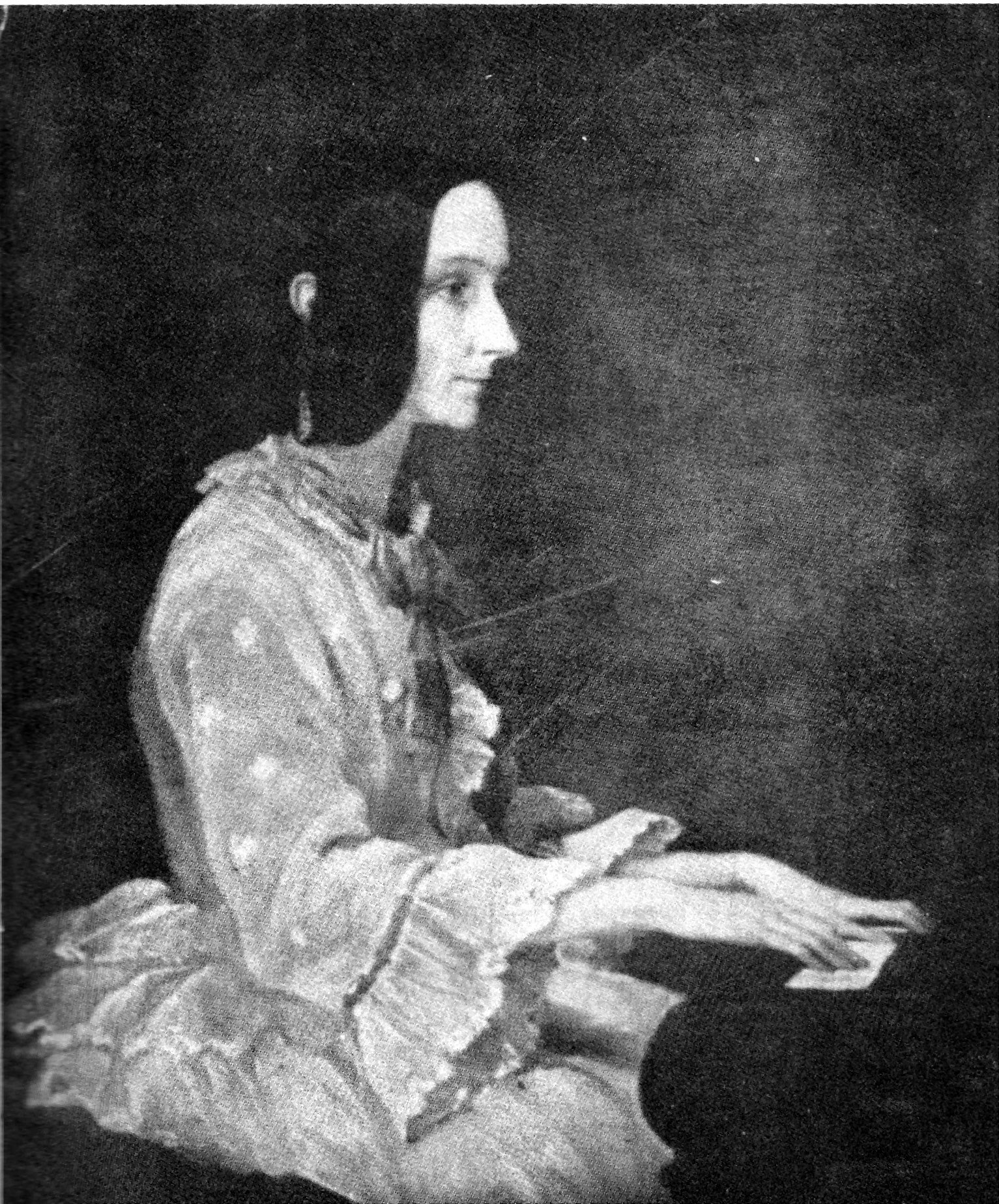
She saw that computers could work with more than numbers, envisioning creative applications long before modern machines and helping establish the foundations of programming.

Women taught, debated, and developed philosophical ideas in the ancient world, contributing to intellectual life despite restrictions on their education and participation in public affairs.
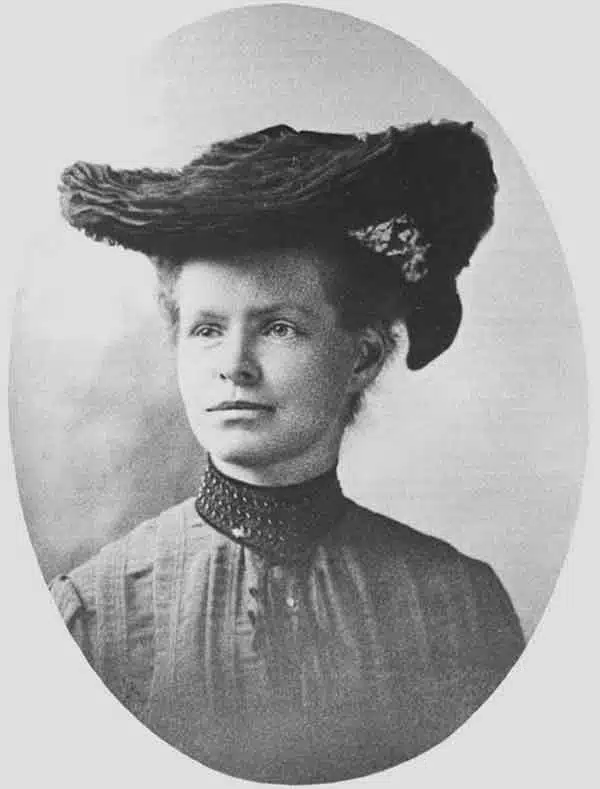
Her chromosome research helped explain how biological sex develops, advancing genetics while showing how easily a woman’s contribution could be overshadowed by male colleagues.
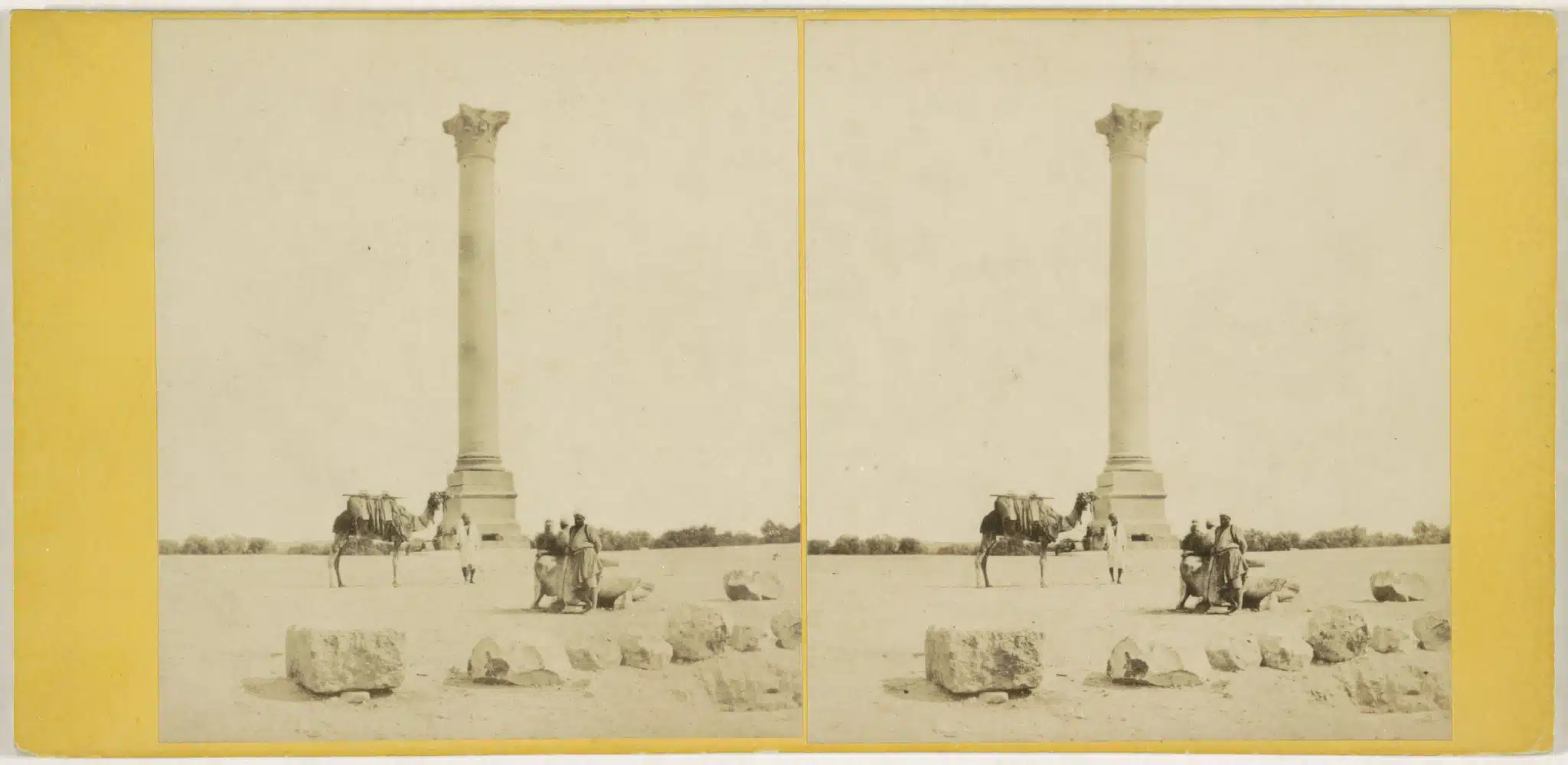
Her teaching and scholarship earned respect in mathematics and philosophy, making an ancient woman’s intellectual independence a source of inspiration long after her death.
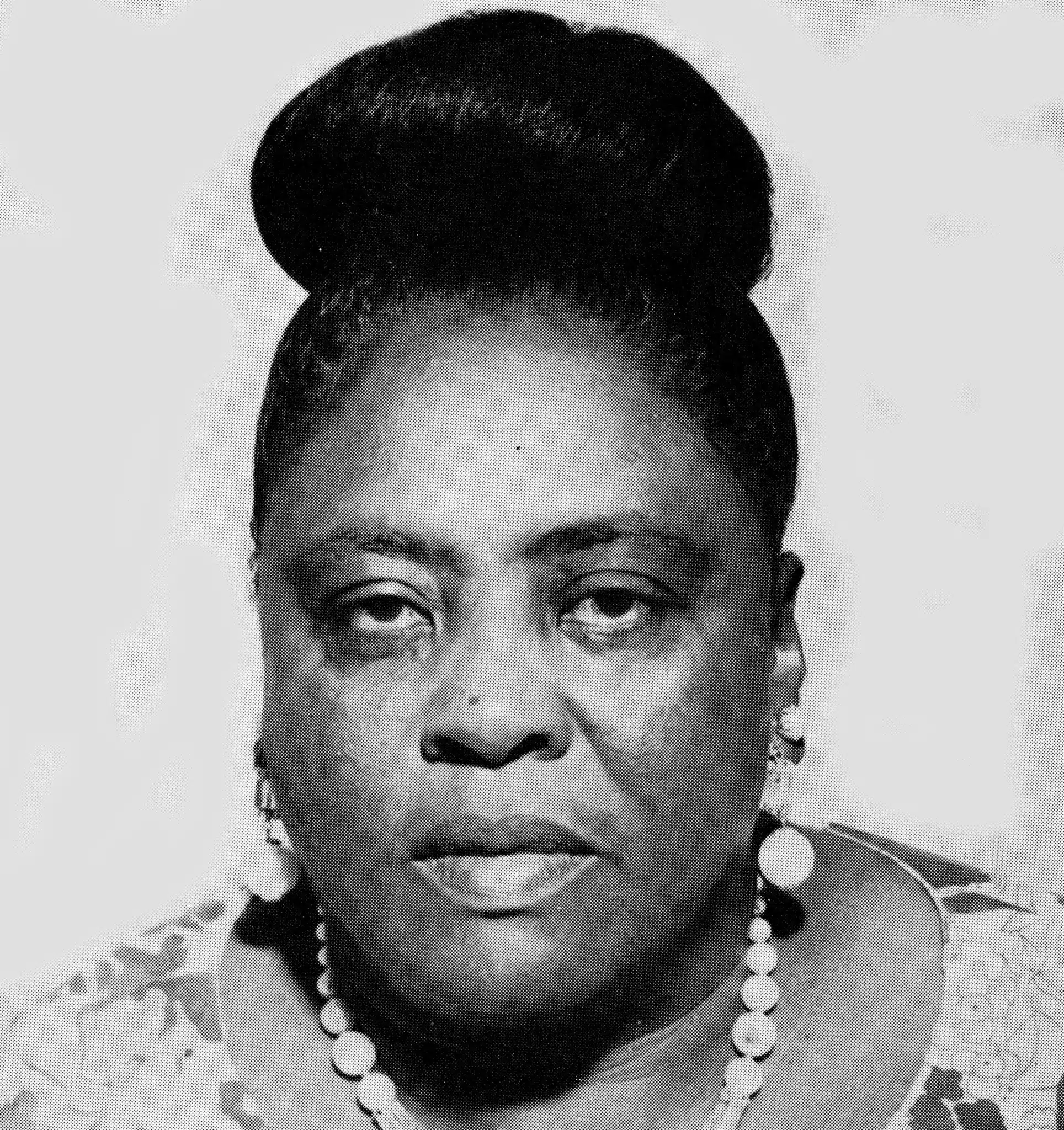
After risking her home and enduring a brutal jail beating, Fannie Lou Hamer took Mississippi’s fight for Black political representation to the 1964 Democratic convention.
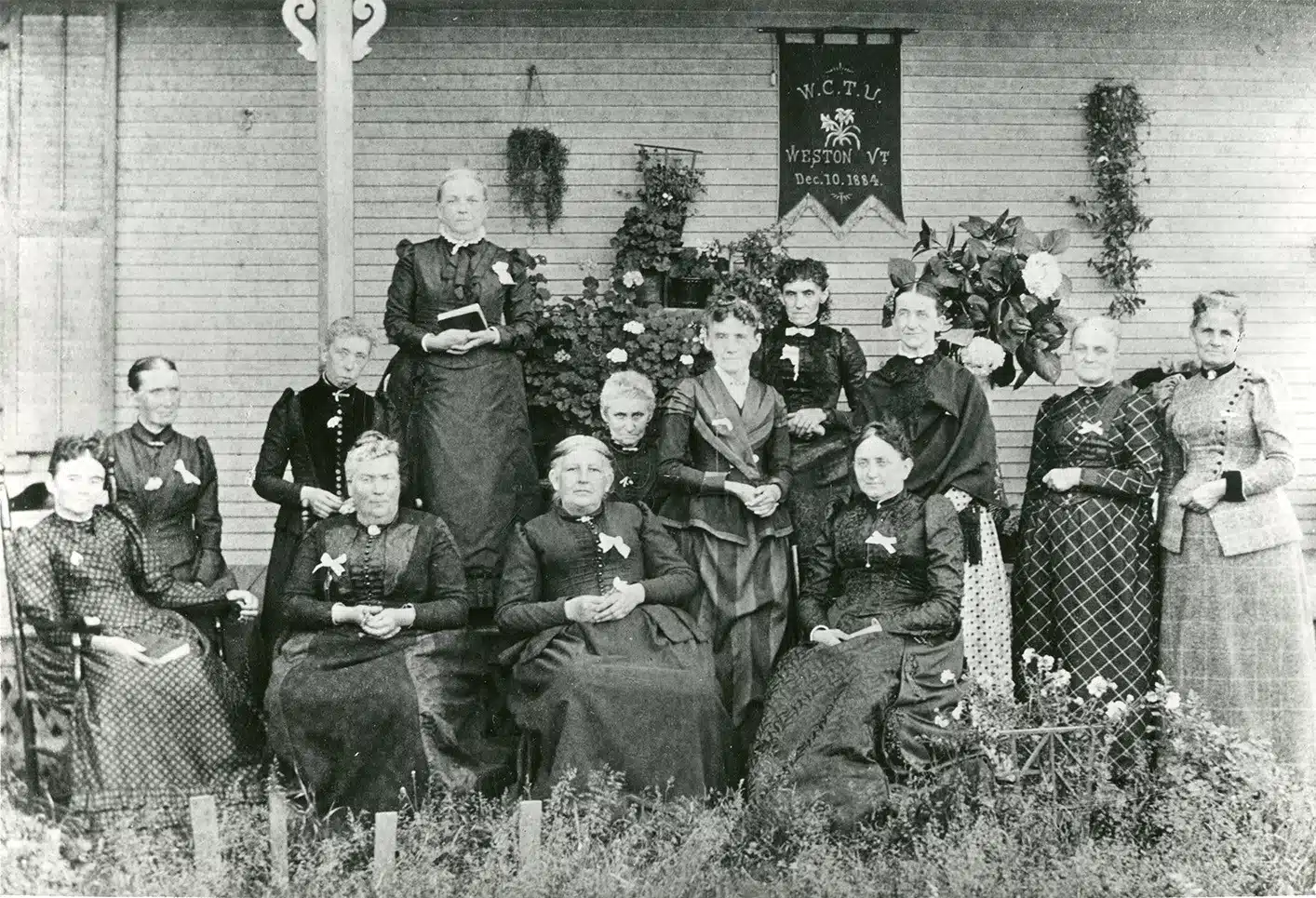
Campaigns for women’s votes and alcohol prohibition once shared organizers and goals, building an unexpected alliance that helped advance demands for sweeping social reform.
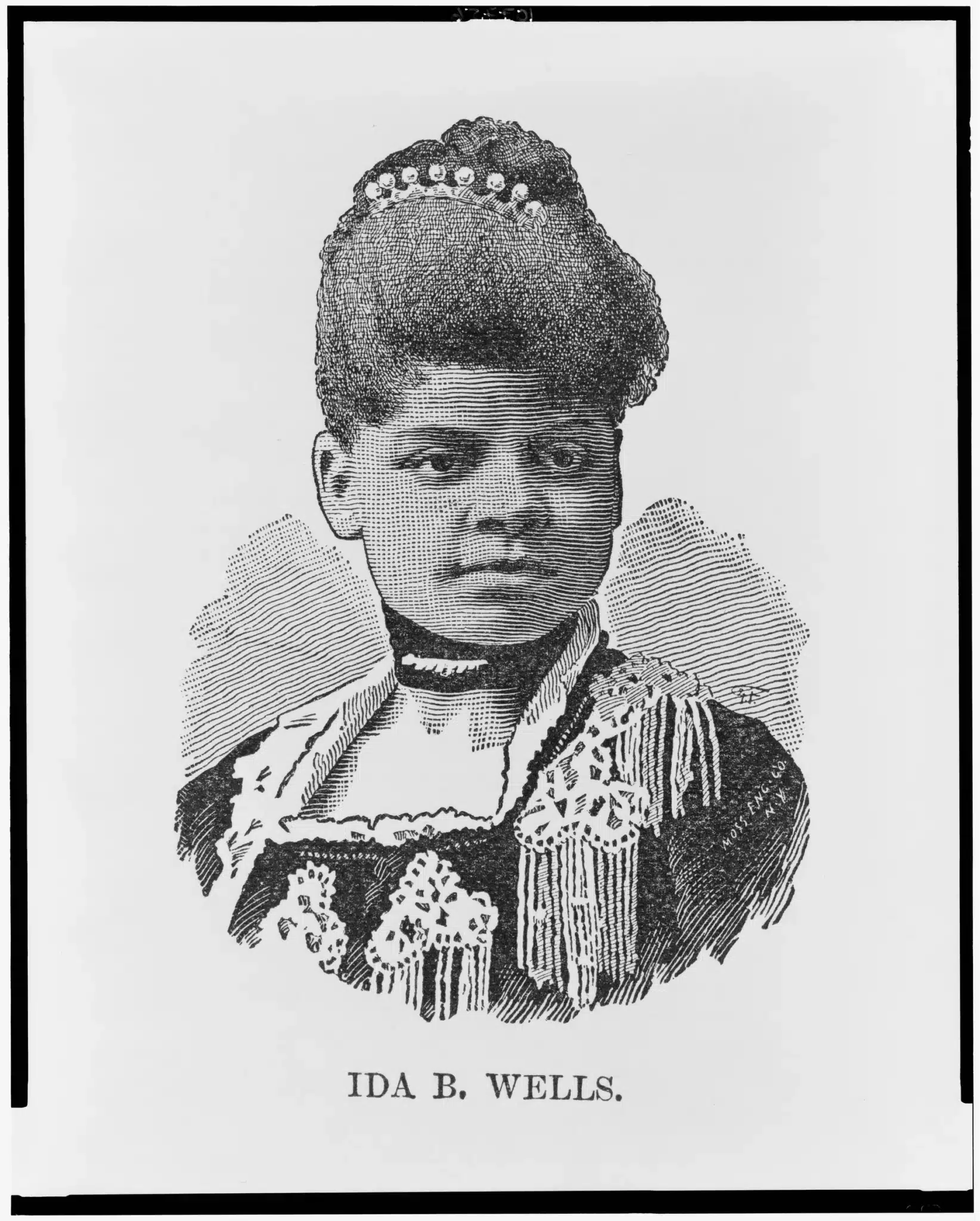
She used investigative writing to expose lynching and the lies used to justify it, carrying the fight against racial violence to audiences across national borders.
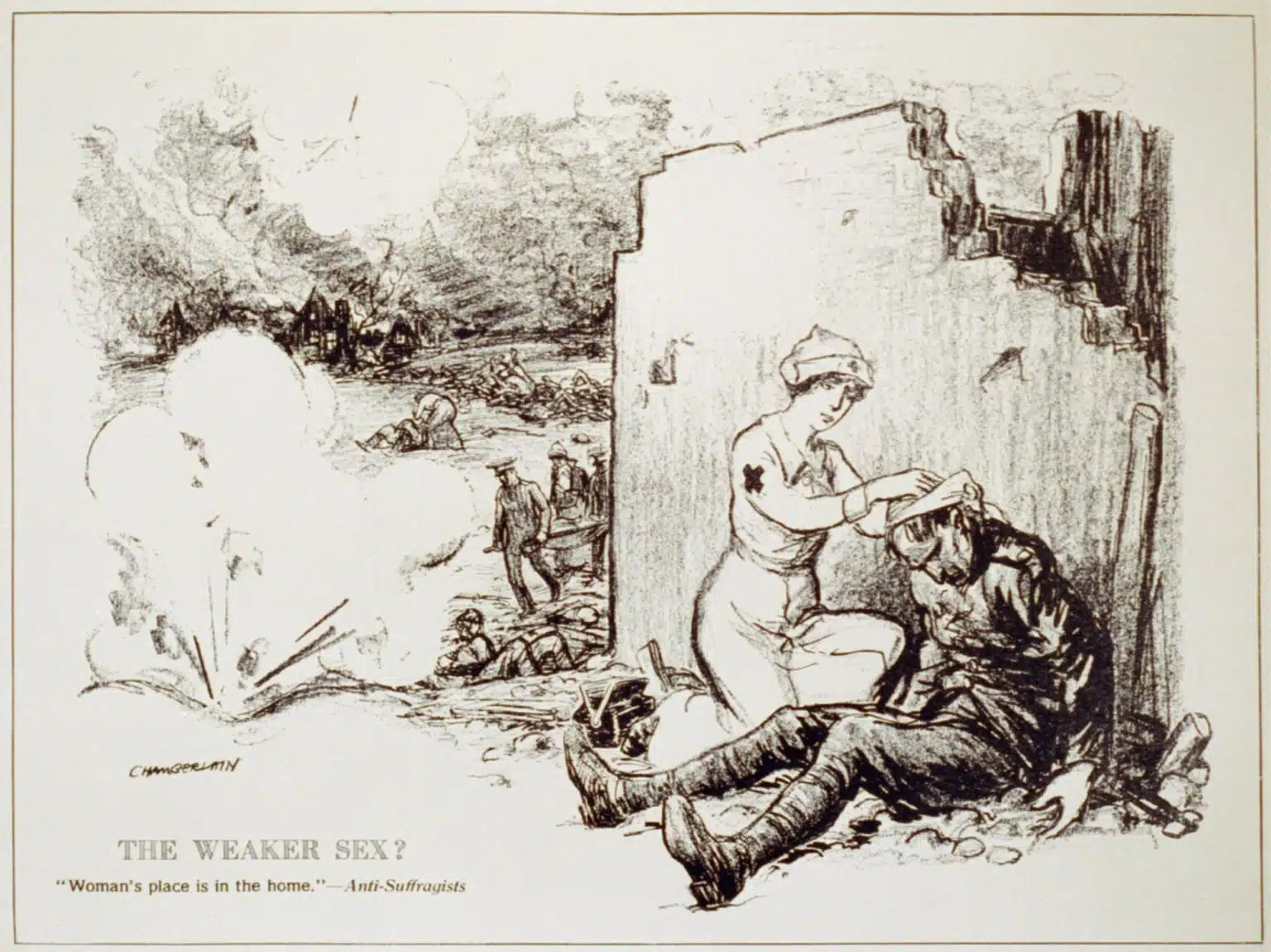
The belief that women belonged at home shaped work, politics, and family life, embedding expectations that continued to influence society as women fought for equality.
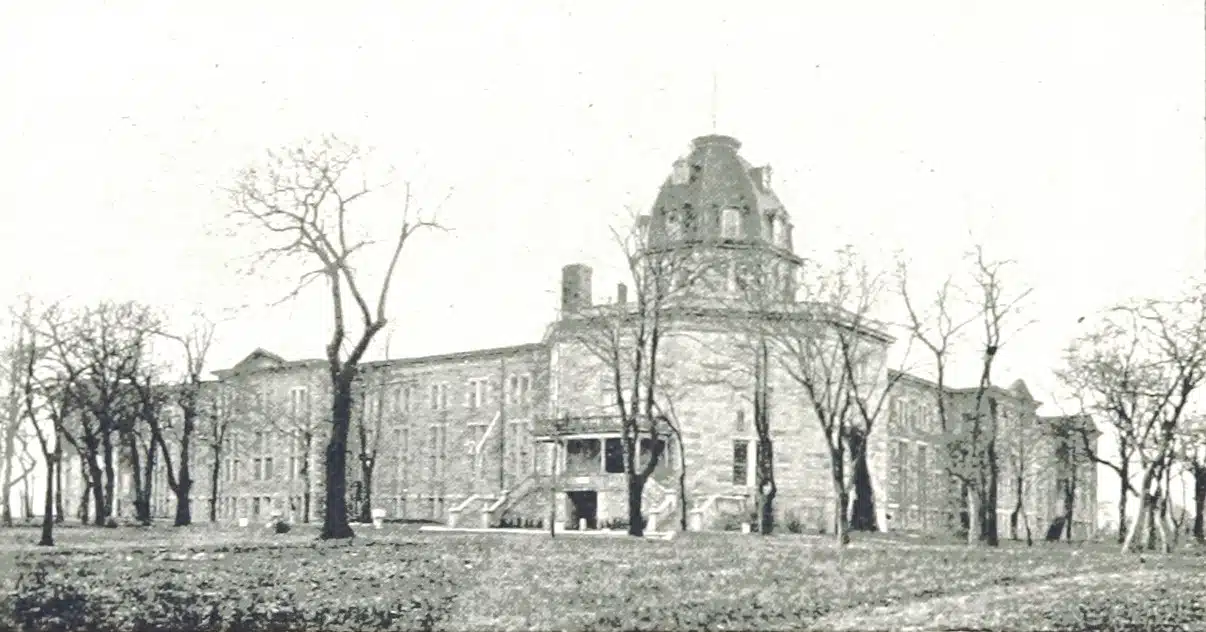
She went undercover to expose abuse and used bold reporting to demand change, challenging the belief that women journalists belonged only on society pages.

A gathering devoted to women’s rights turned voting into a national cause, giving a growing movement a public platform and a powerful statement of its demands.
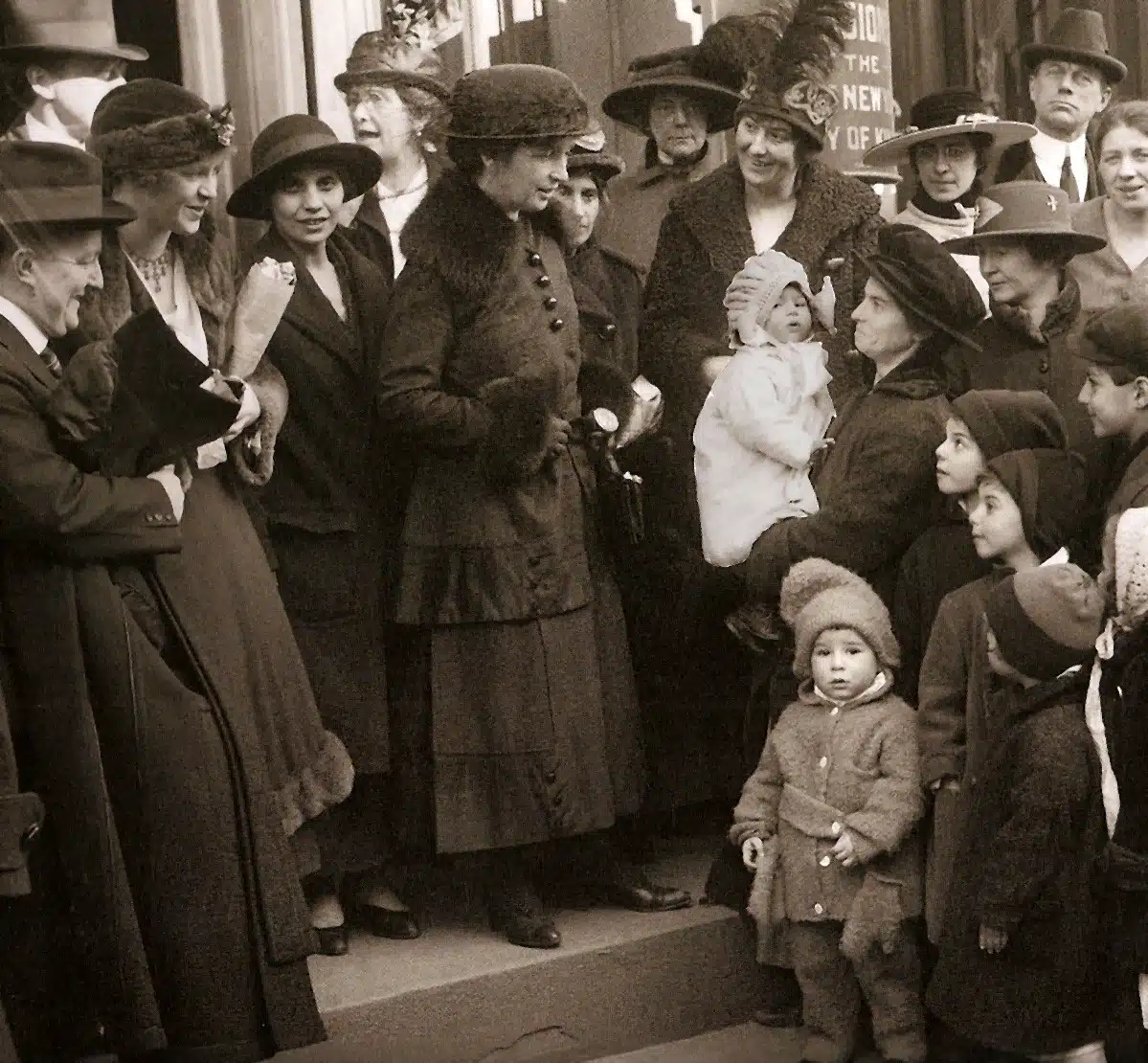
Determined activists and private funding helped turn the birth control pill from an uncertain research project into a development that transformed women’s reproductive choices.
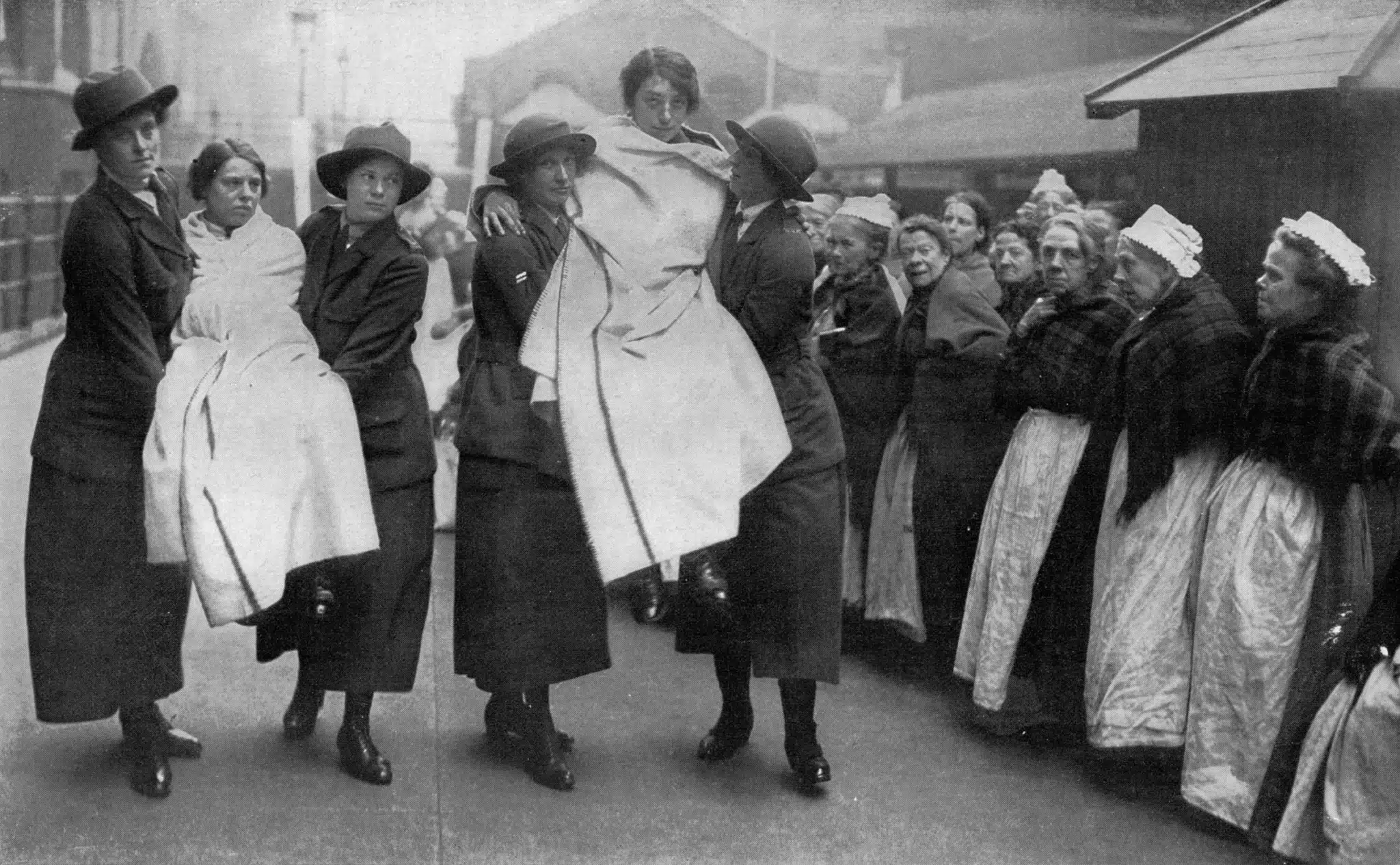
Women fought fires long before they were widely welcomed into the profession, challenging exclusion as they moved from volunteer work into paid service and leadership.
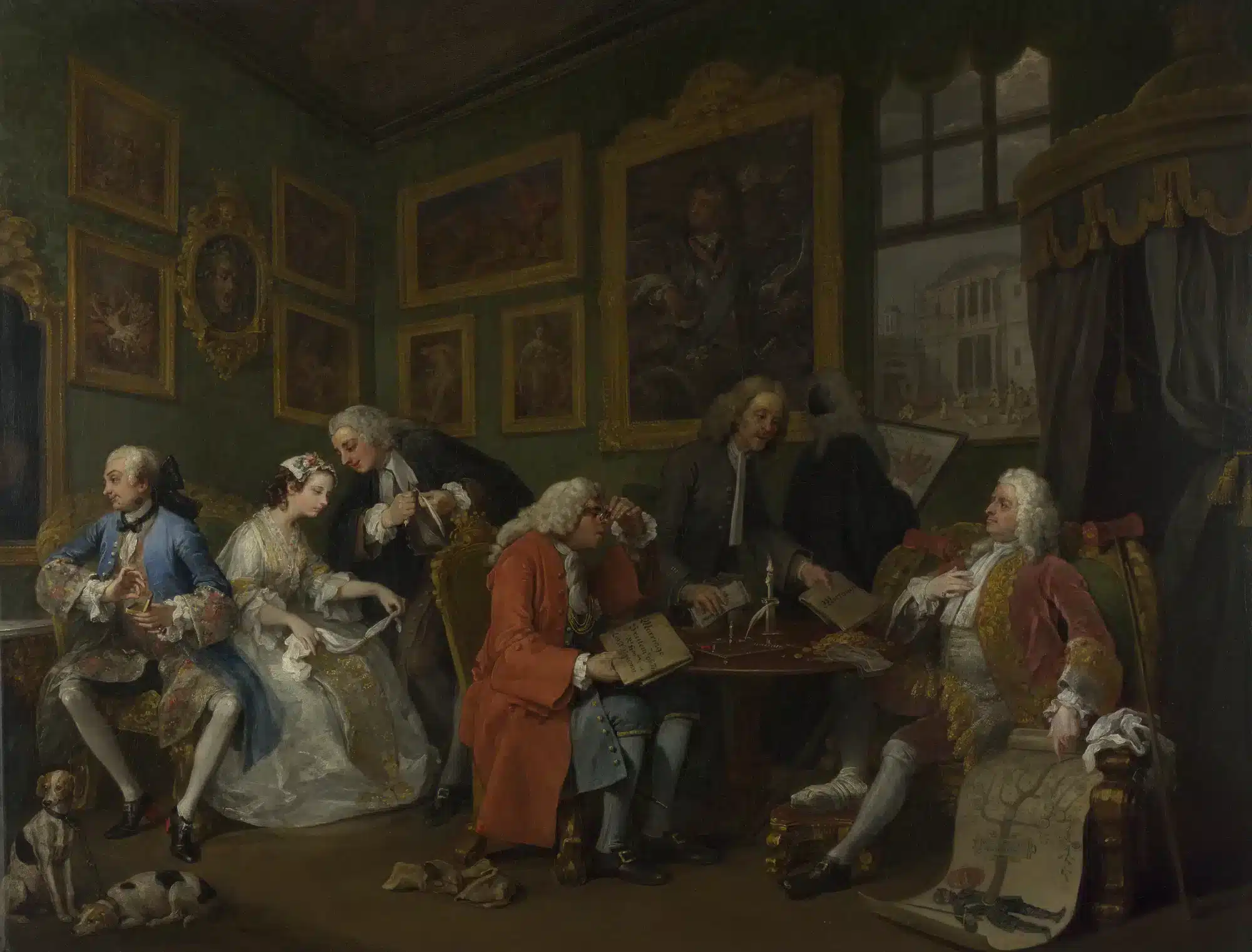
Addressing a wife by her husband’s name reflects a legal tradition that erased her separate identity, restricting control over her property, earnings, and future.

Women pushed beyond discrimination and skepticism to travel into space, expanding the possibilities for space exploration and the ambitions of those who followed them.
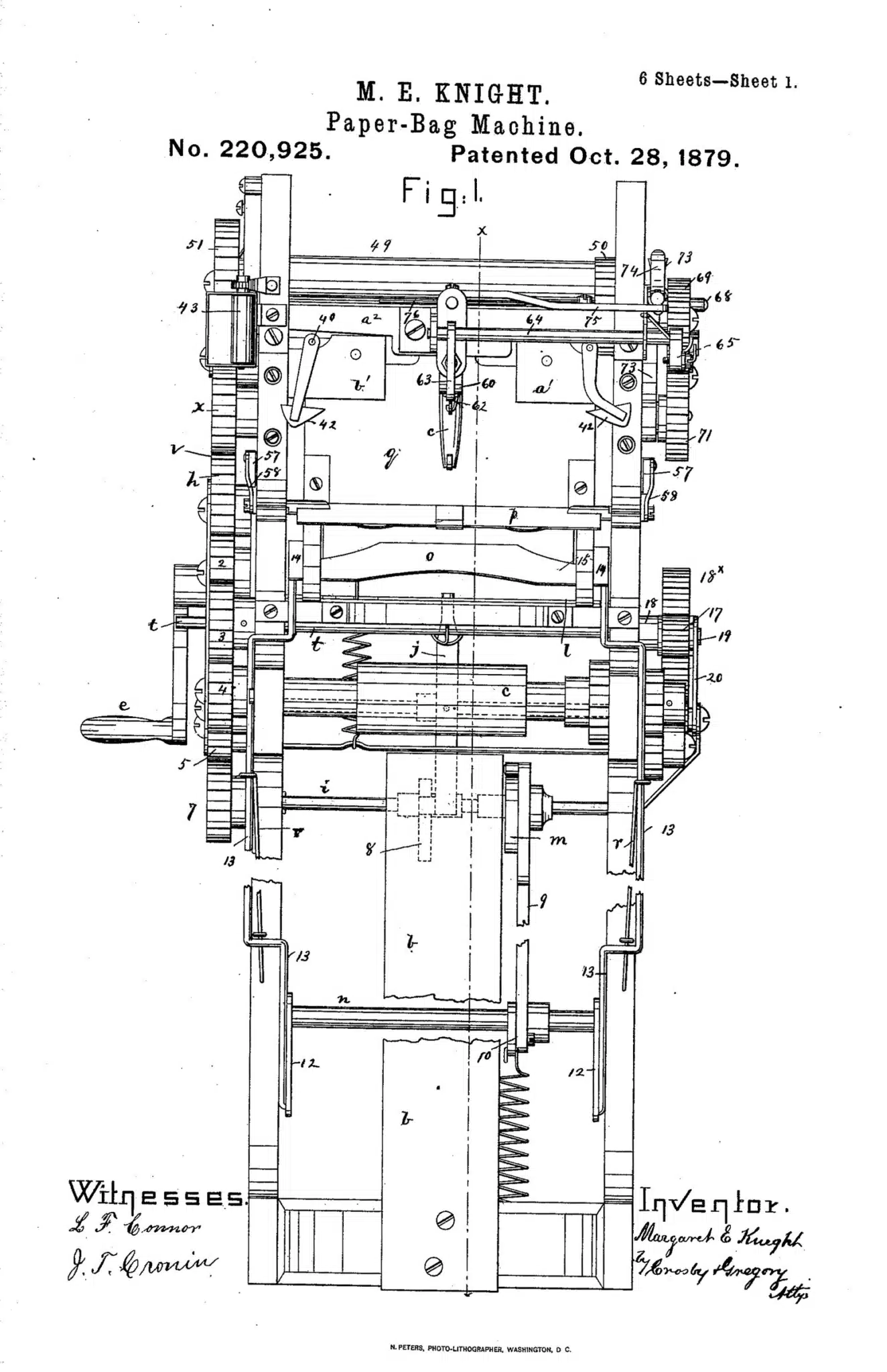
Women’s inventions transformed household tasks, industrial materials, and medical research, solving practical problems while challenging a patent system that underestimated their ideas.
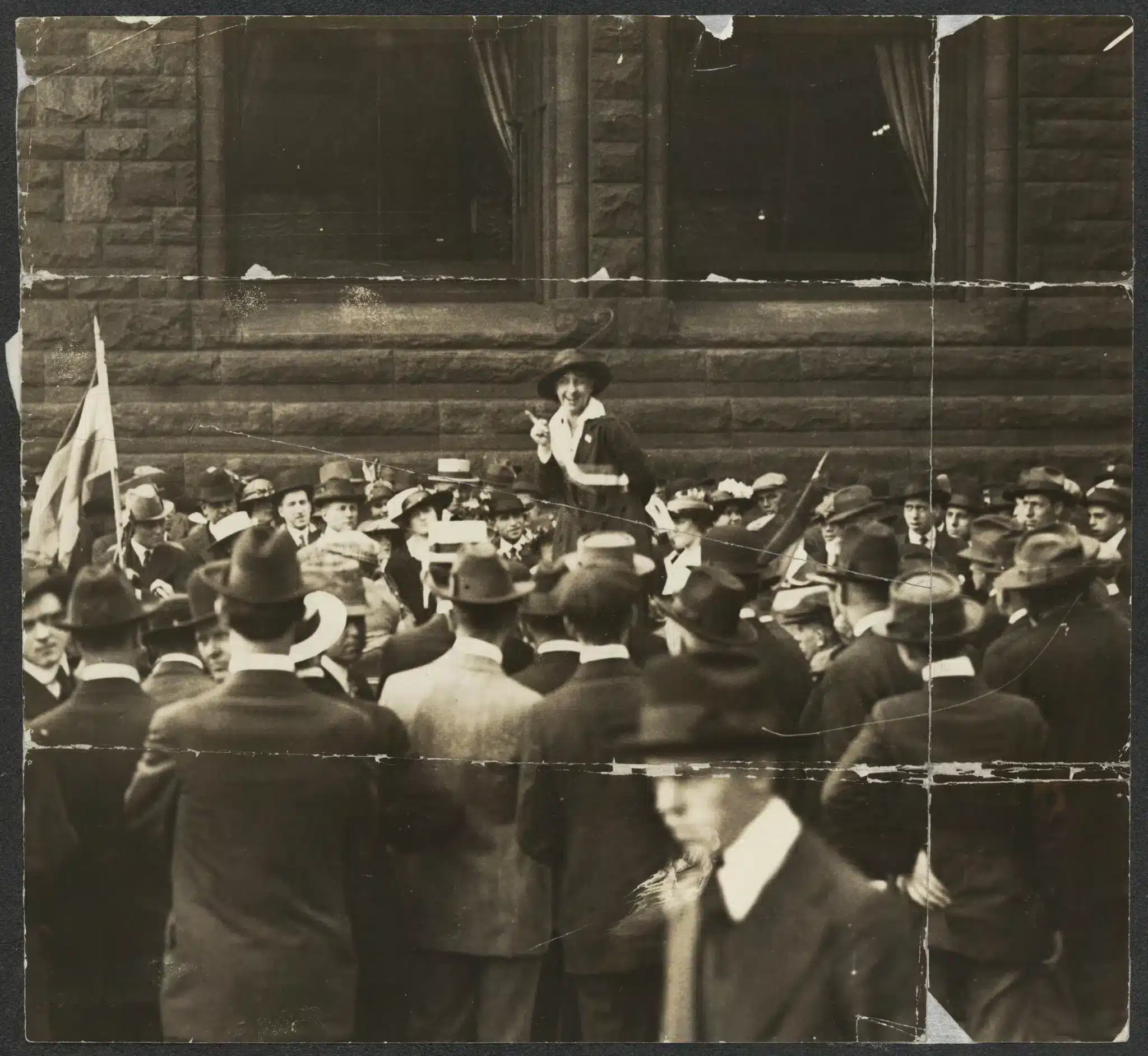
Powerful speeches can rally support, challenge injustice, and change expectations. Women who commanded public attention offer practical lessons in making your own words count.
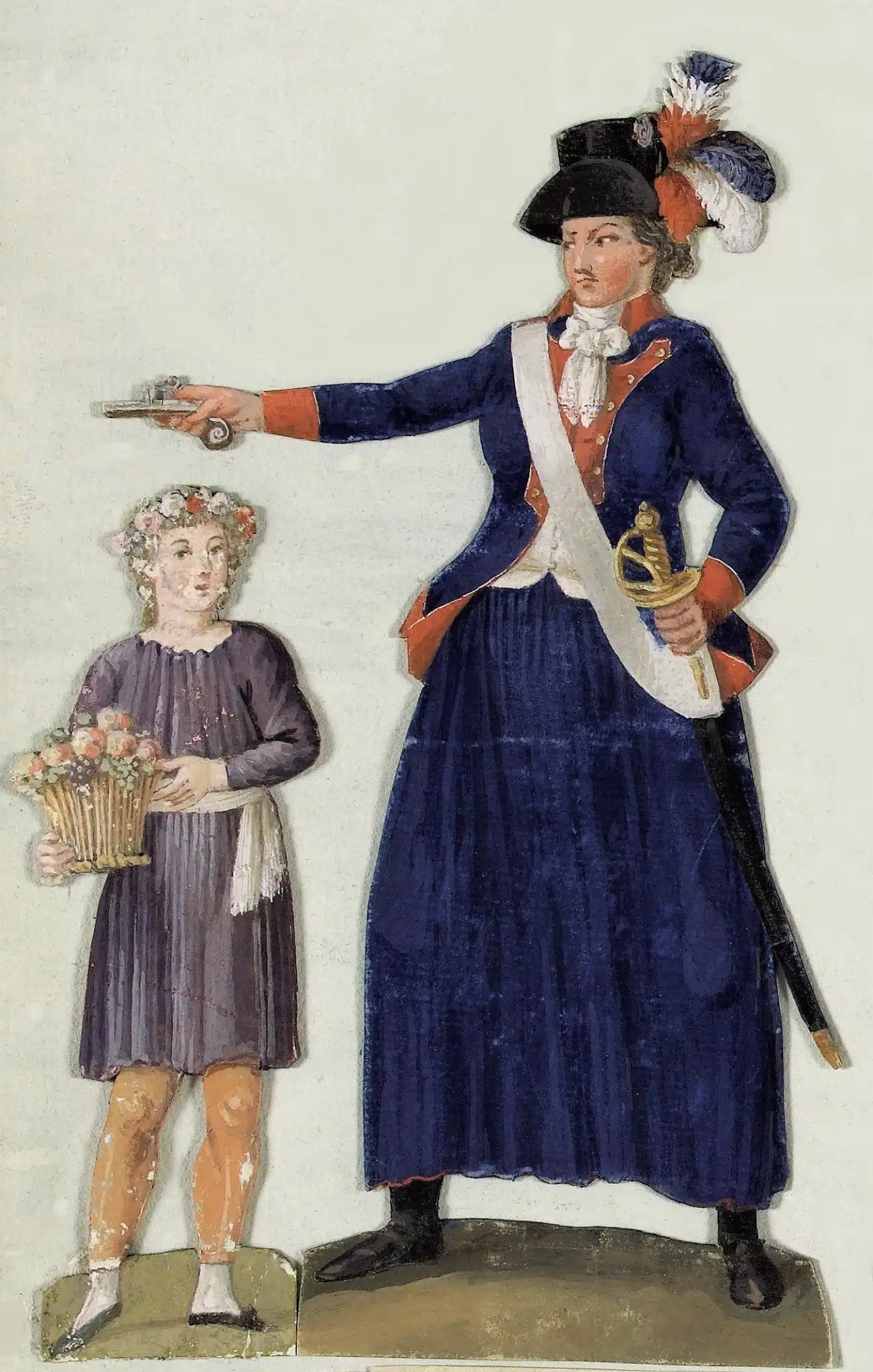
She embraced a revolution’s promise of liberty and equality, entering political life where a woman’s ambition attracted both passionate support and vicious public attacks.