Julia Ward Howe: Abolitionist, Social Activist, Poet

A celebrated wartime anthem made her famous, but her poetry and activism also carried demands for abolition, women’s rights, and a broader role in public life.

Women worth knowing
Extraordinary women, overlooked stories, and a more complete history. Explore the lives, ideas, and achievements that changed the world.
A celebrated wartime anthem made her famous, but her poetry and activism also carried demands for abolition, women’s rights, and a broader role in public life.
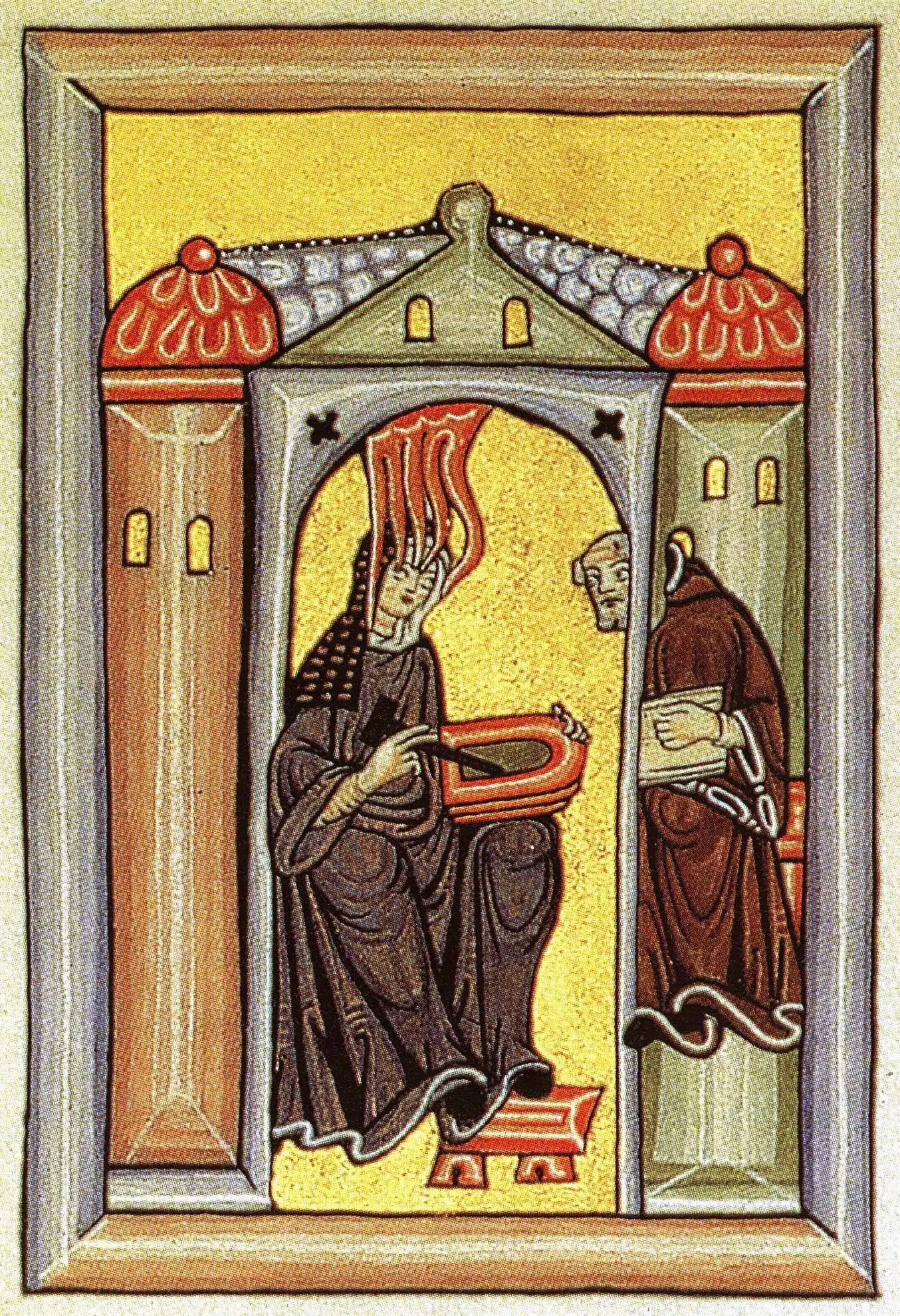
Women claimed spiritual authority through visions, writing, and religious communities, creating room for leadership and self-governance in a world that often dismissed their judgment.
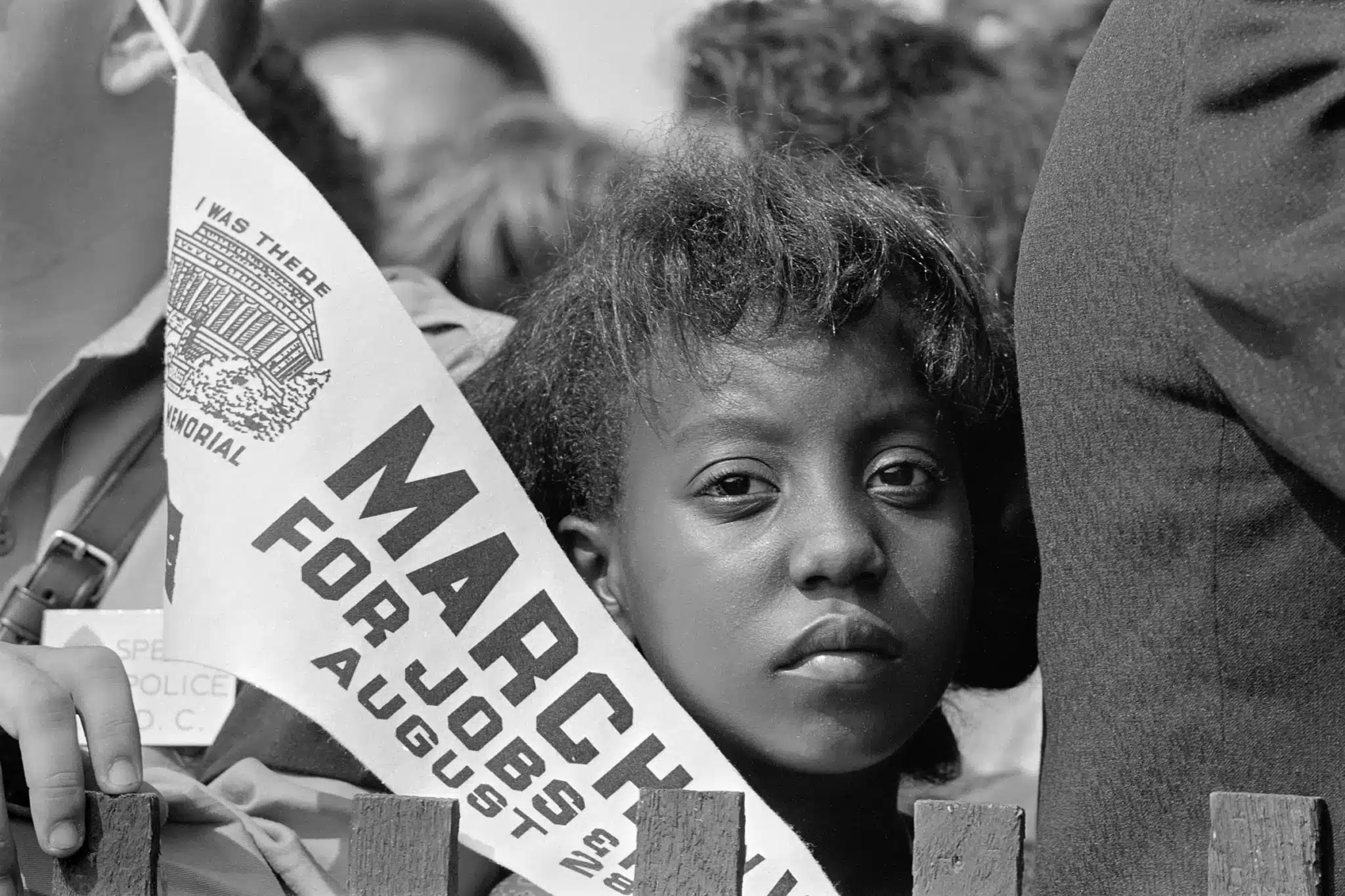
Women helped organize a defining civil rights demonstration while facing exclusion from its public platform, exposing the gap between their essential work and the recognition they received.
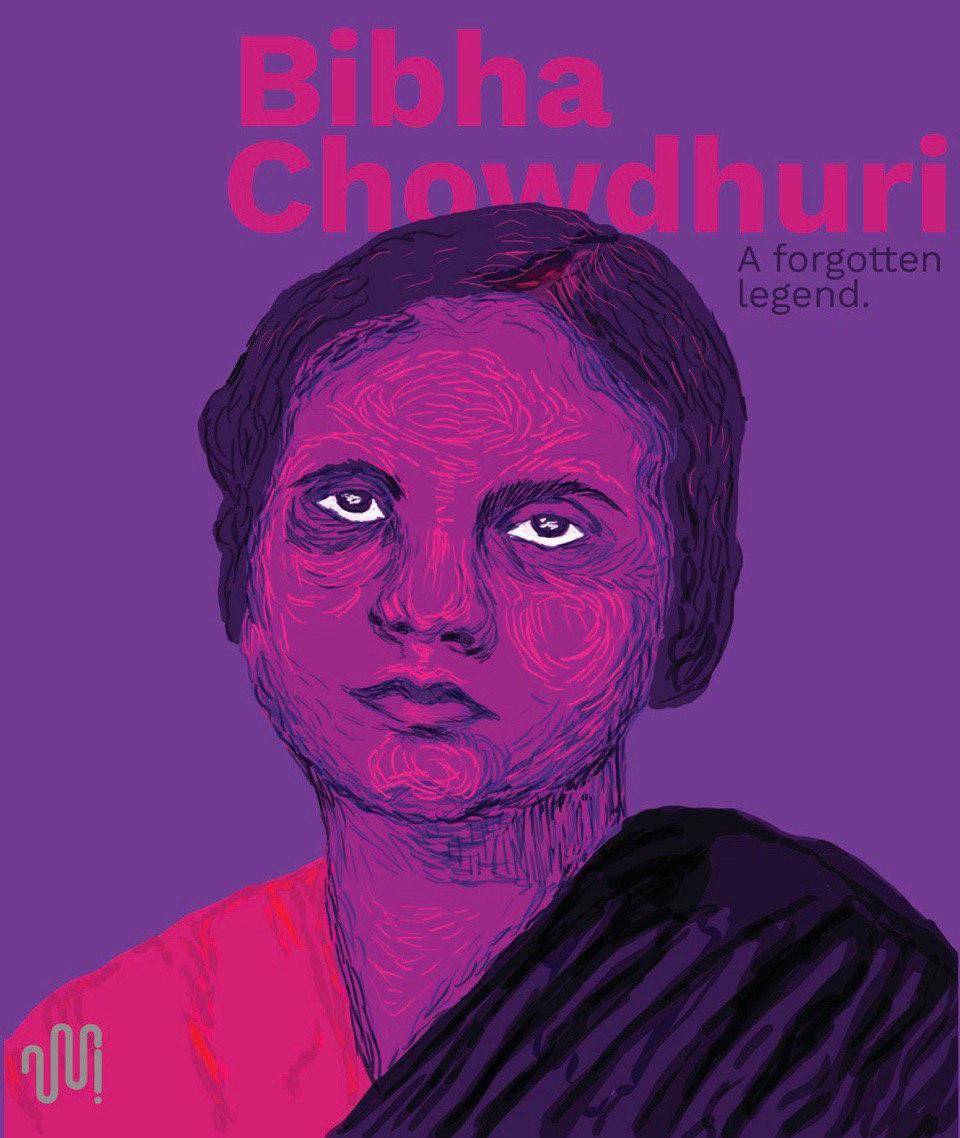
Her work investigating cosmic rays advanced particle research, overcoming limited opportunities for women in physics and contributing knowledge that deserved far greater recognition.
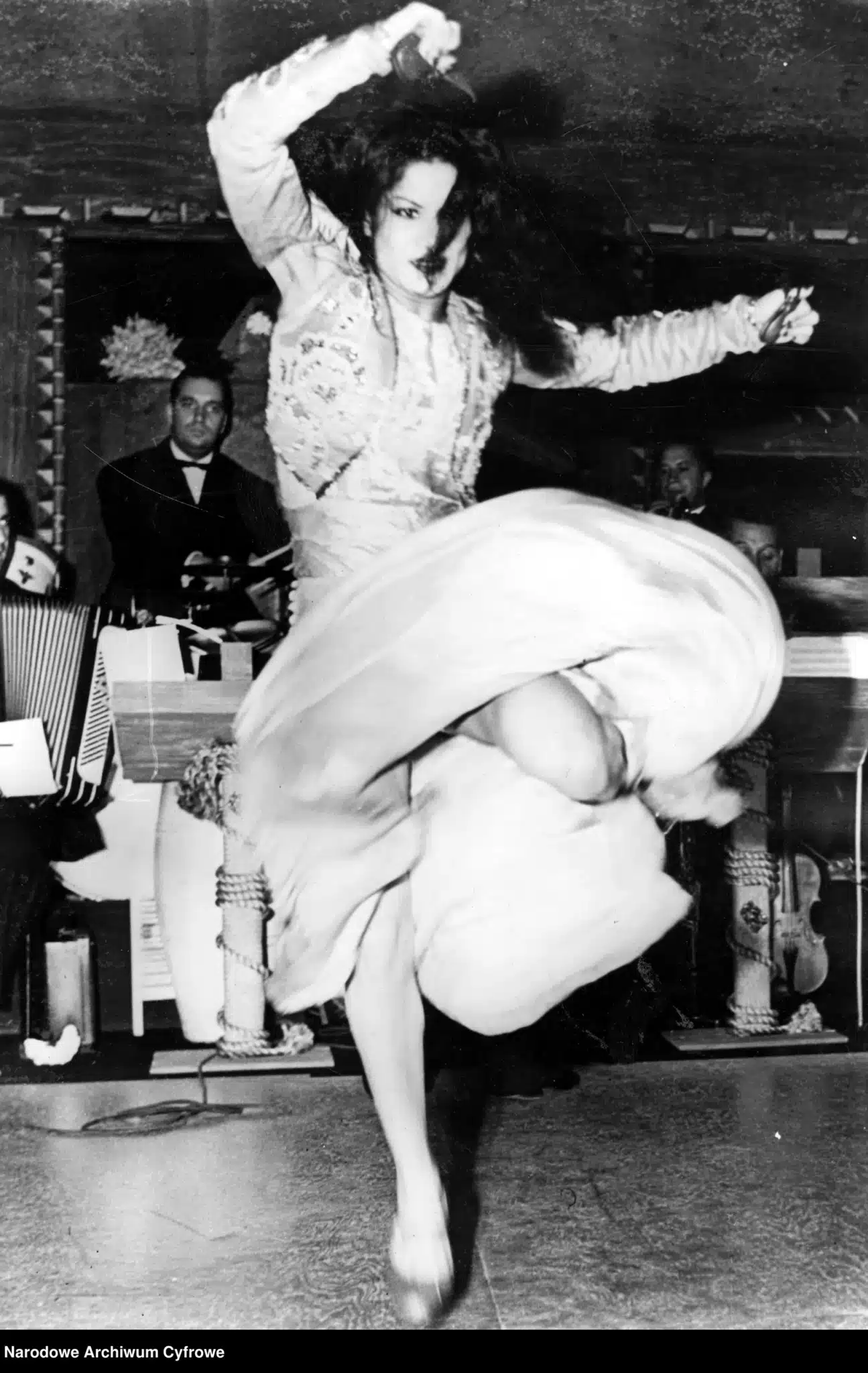
She brought lightning-fast footwork and a bold new style to flamenco, challenging conventions about women’s dancing and thrilling audiences far beyond her home country.
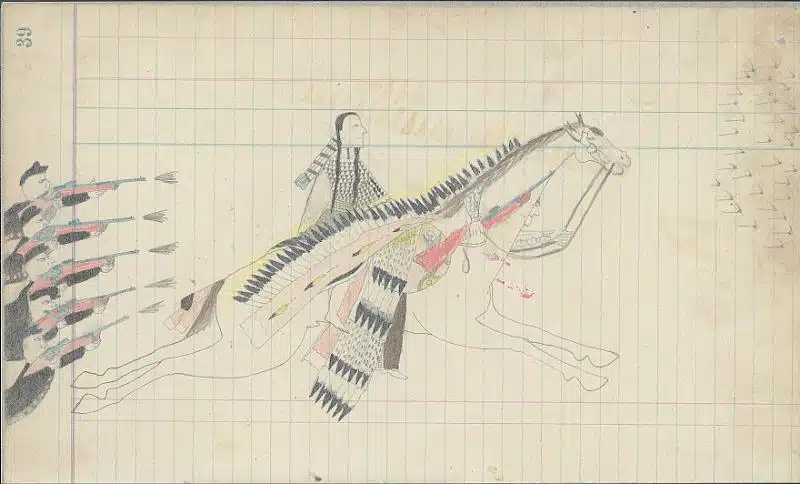
She fought to defend her people and rescued others in battle, leaving accounts of courage that preserve a woman’s role in resistance to forced displacement.
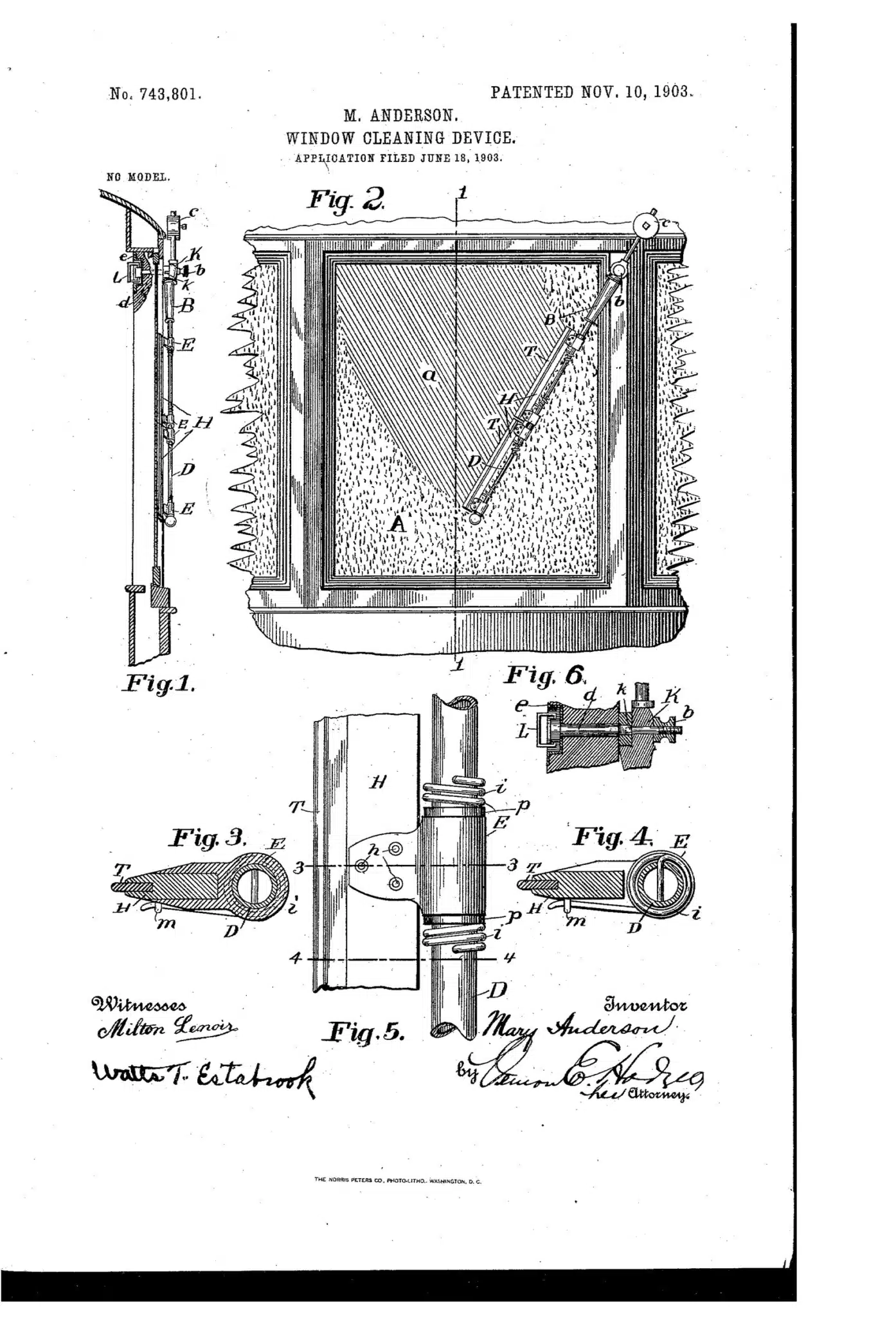
Windshield wipers began with a woman noticing how snow blocked a driver’s view, turning a frustrating journey into an idea that changed everyday travel.
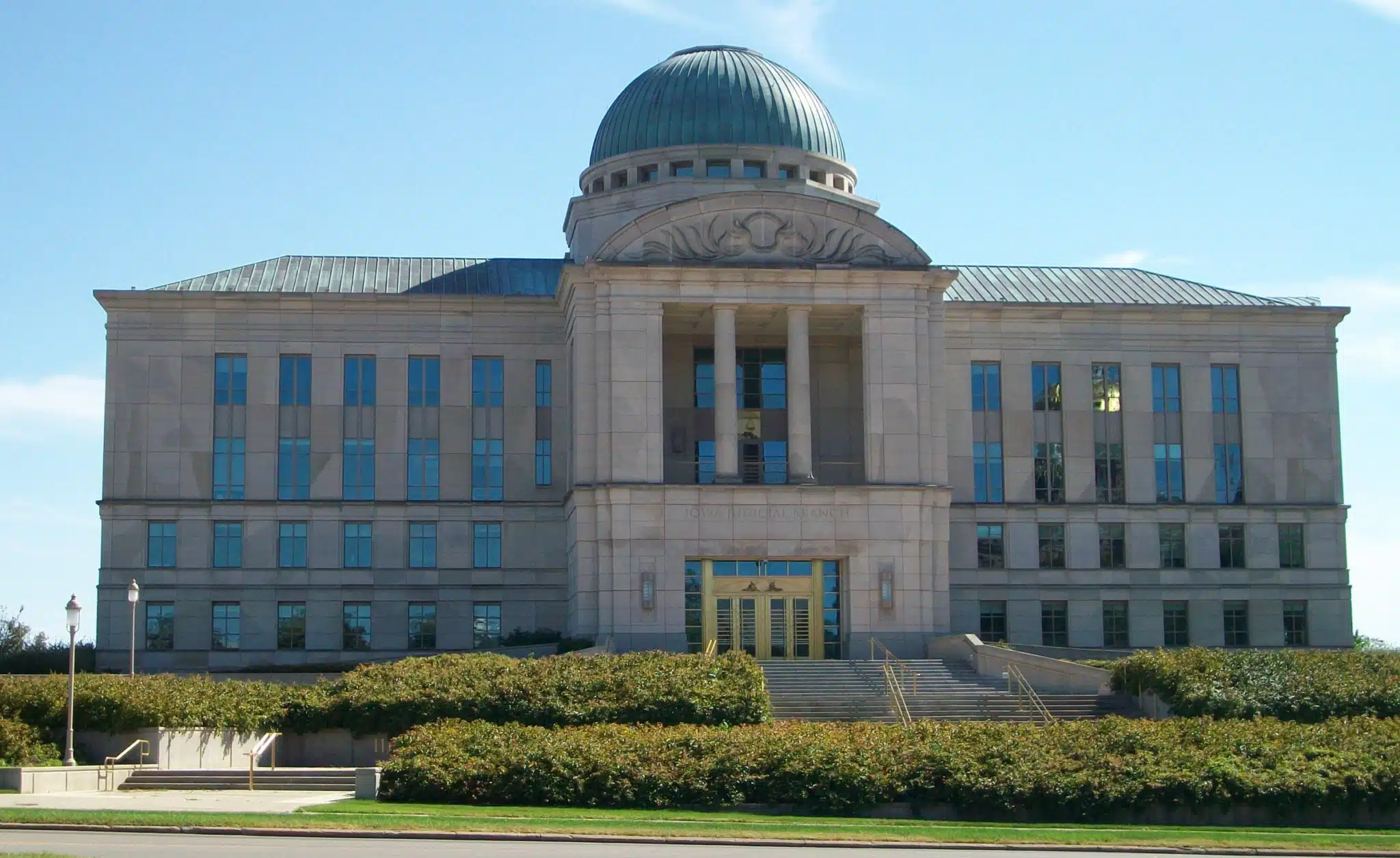
She challenged rules that barred women from legal practice, securing professional recognition and creating a path for others to enter a male-dominated field.
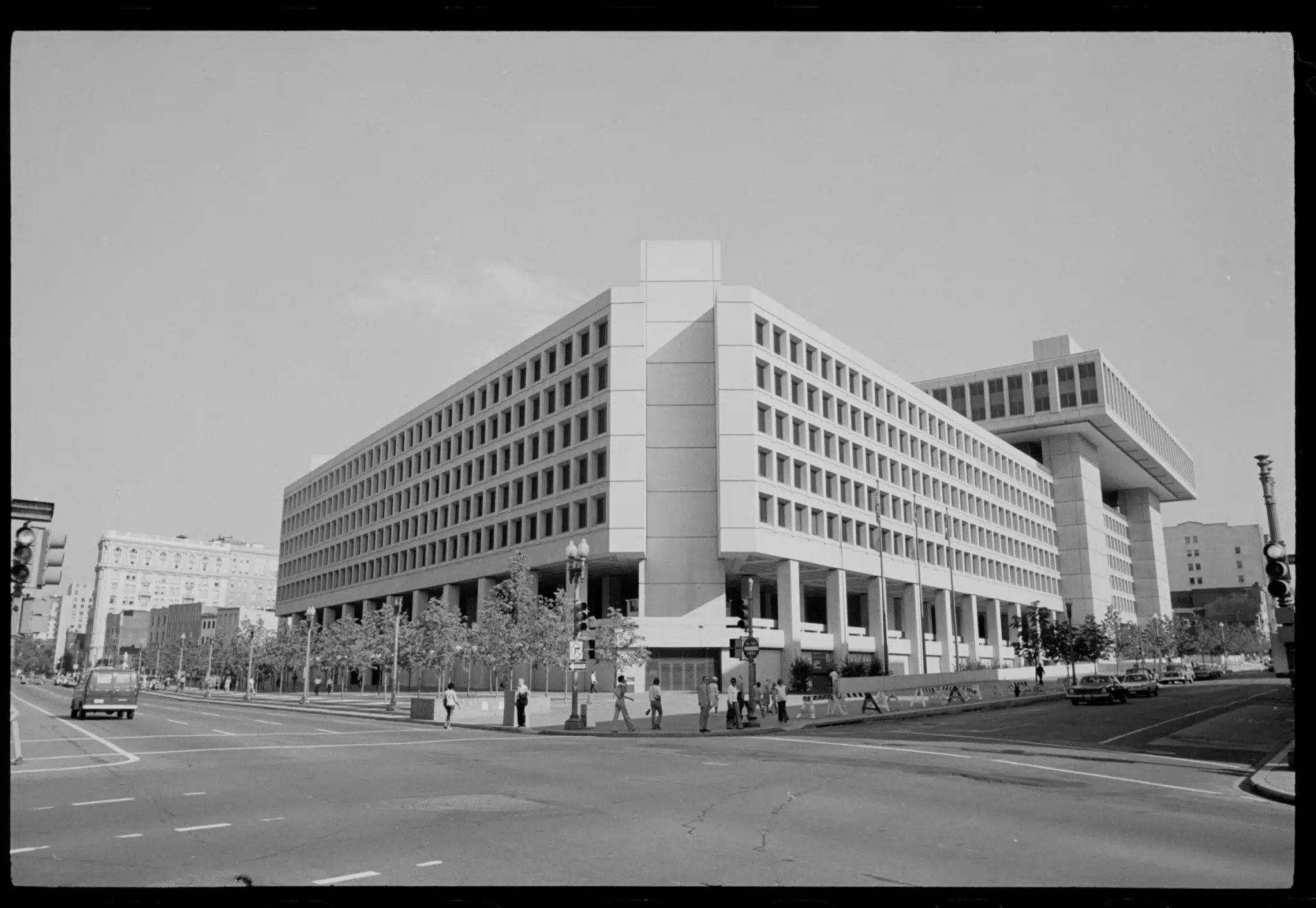
Her entry into federal law enforcement challenged an all-male profession, while the abrupt end of her career exposed how fragile women’s access could remain.

Enslaved women fought in court for their own freedom and their children’s, using legal claims to challenge a system that treated their families as property.
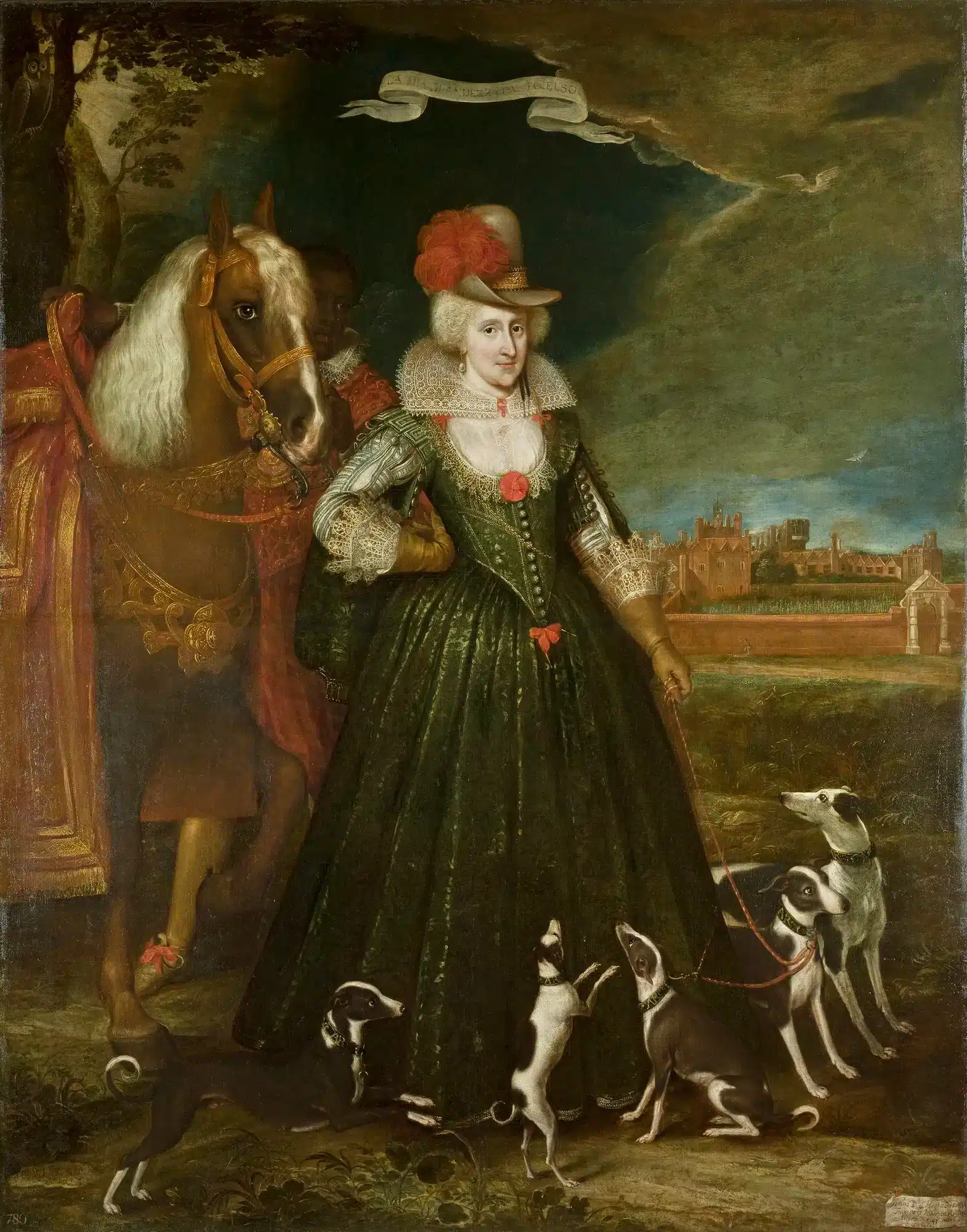
She used royal performances to celebrate powerful women and bring them into dramatic art, creating opportunities for participation that challenged the limits of a queen’s formal authority.
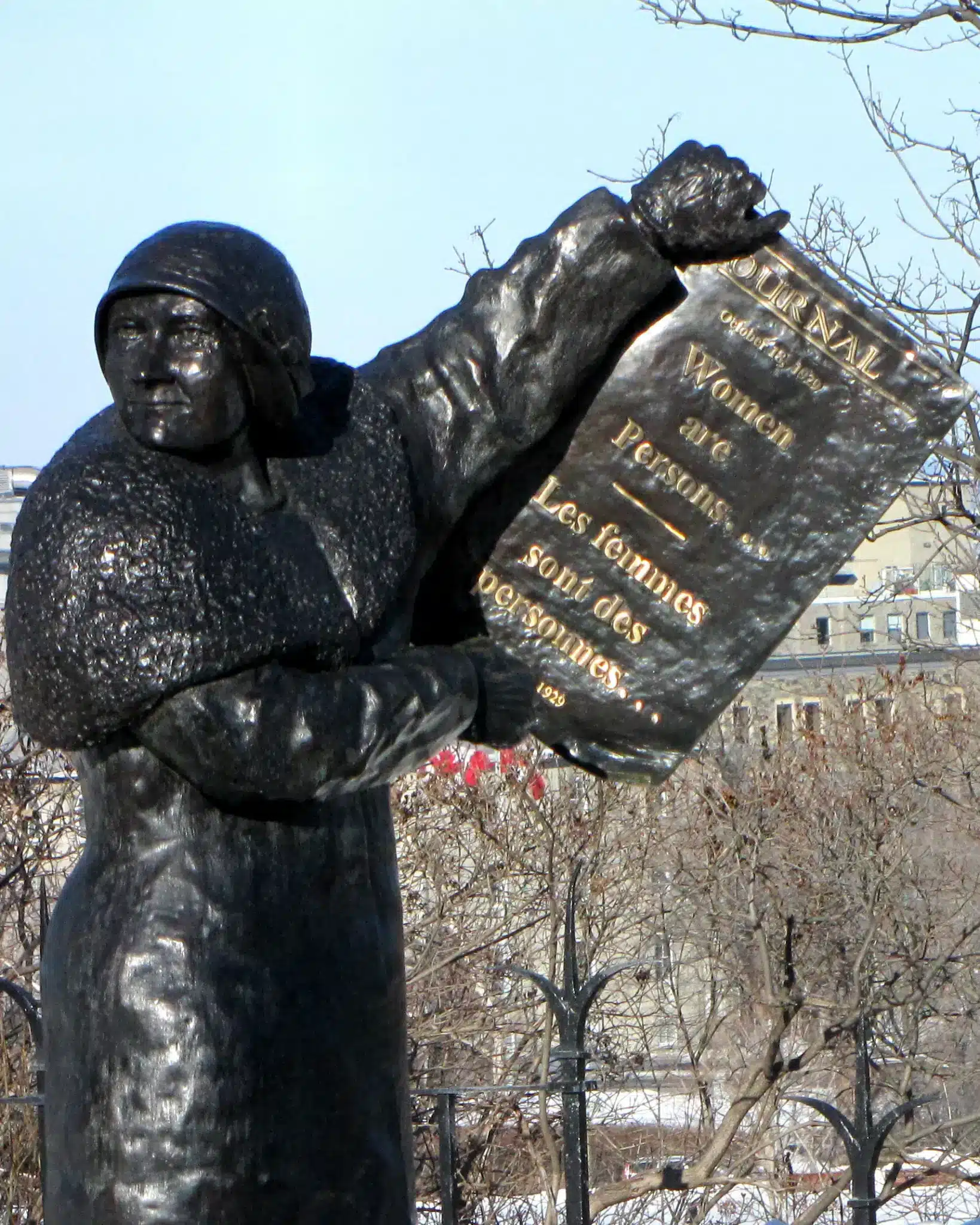
A challenge to women’s exclusion from political office changed how constitutional language was understood, opening opportunities and rejecting a reading of personhood that favored men.
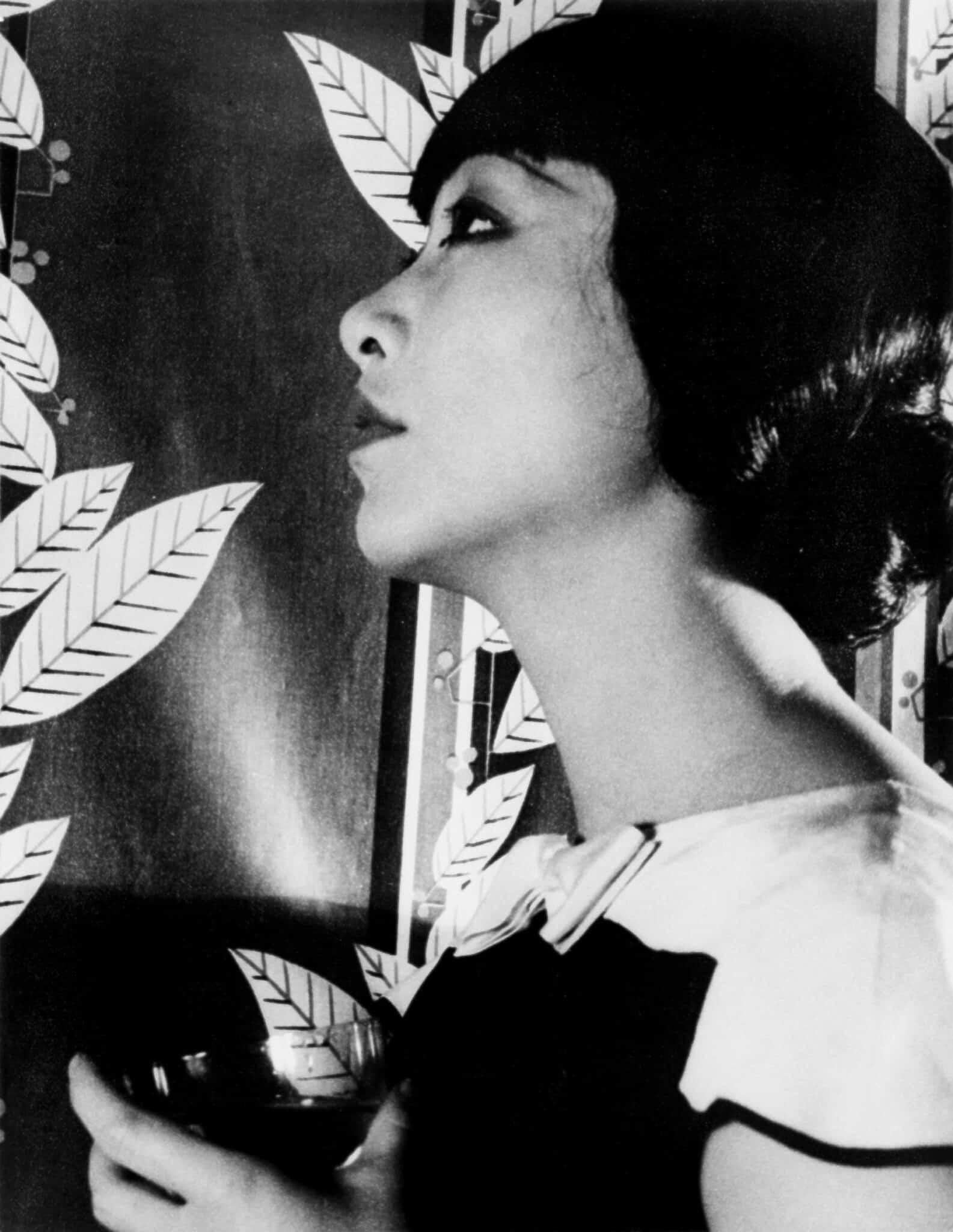
She won international acclaim while confronting racist casting and stereotypes, using a screen career to challenge the narrow roles available to performers of color.
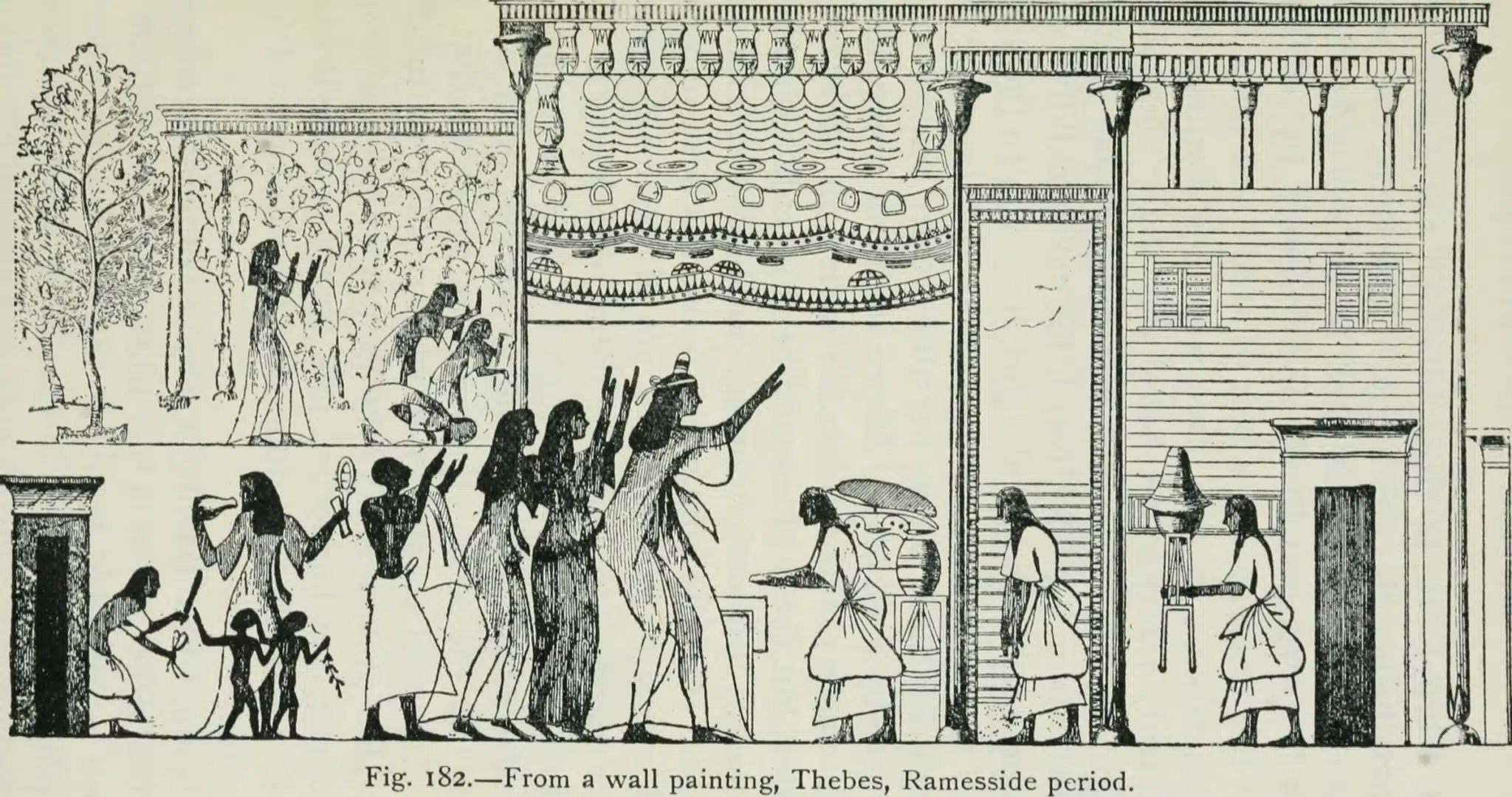
Women could own property and exercise substantial legal rights in this ancient society, challenging assumptions that women’s financial independence belongs only to the modern world.
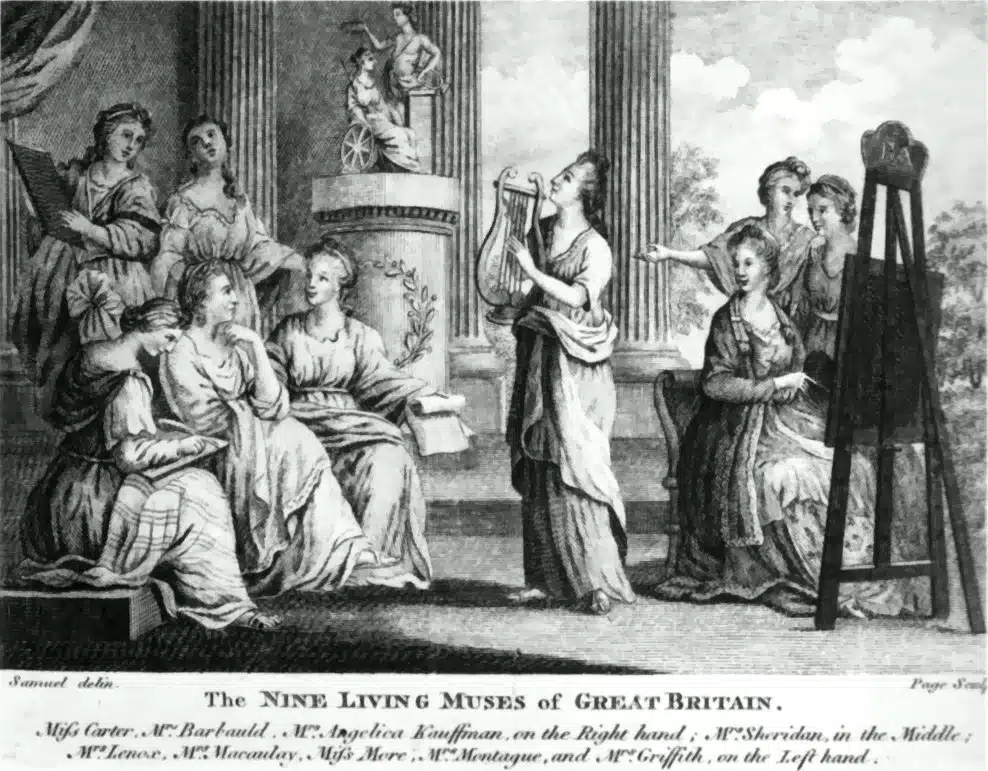
Women created space for serious intellectual conversation in literary societies, challenging expectations of femininity even as a label for learning became a weapon of ridicule.
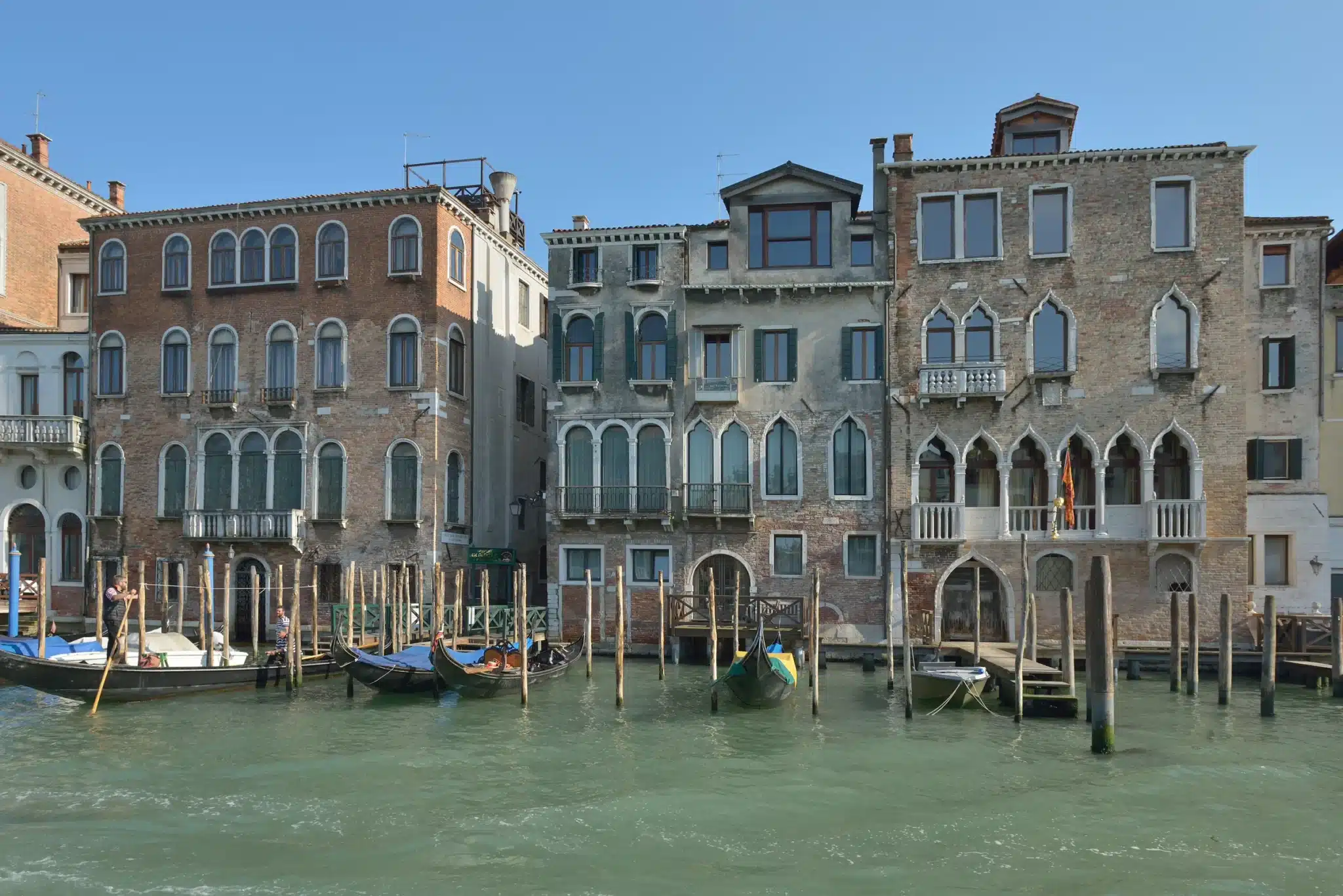
Her fiction won readers and critics on its own merits, establishing a successful literary career too often overshadowed by her friendship with a more famous male author.
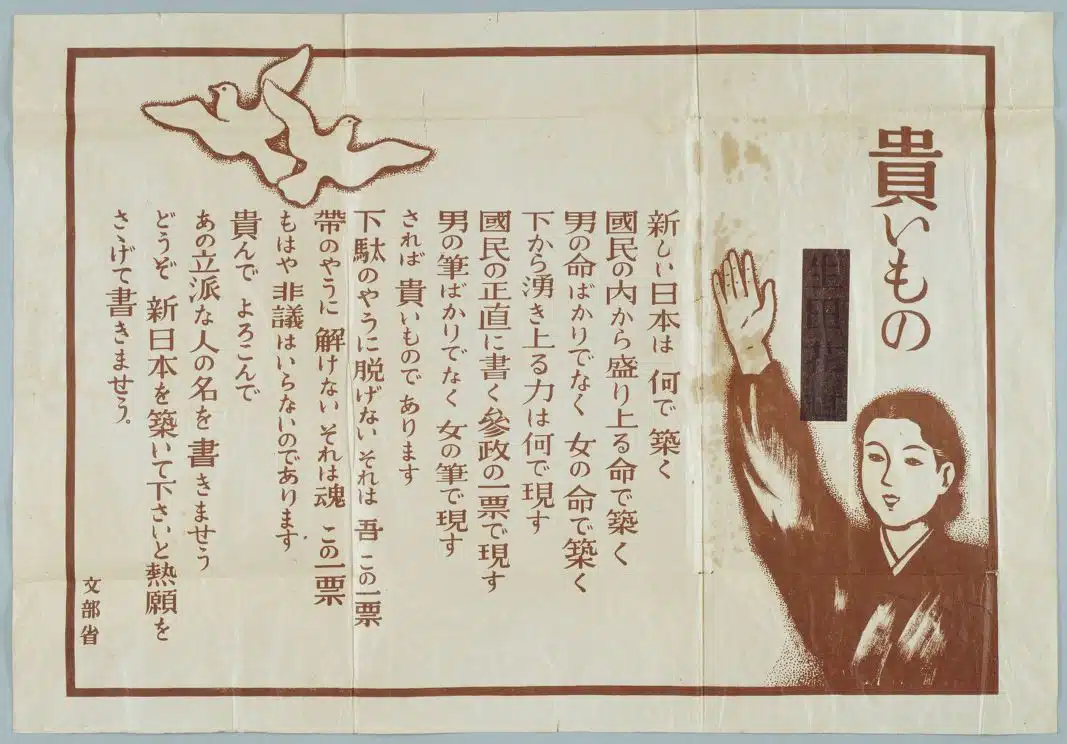
Women organized for education and political rights long before they gained the vote, building a homegrown movement that challenged the restrictions imposed on their public lives.
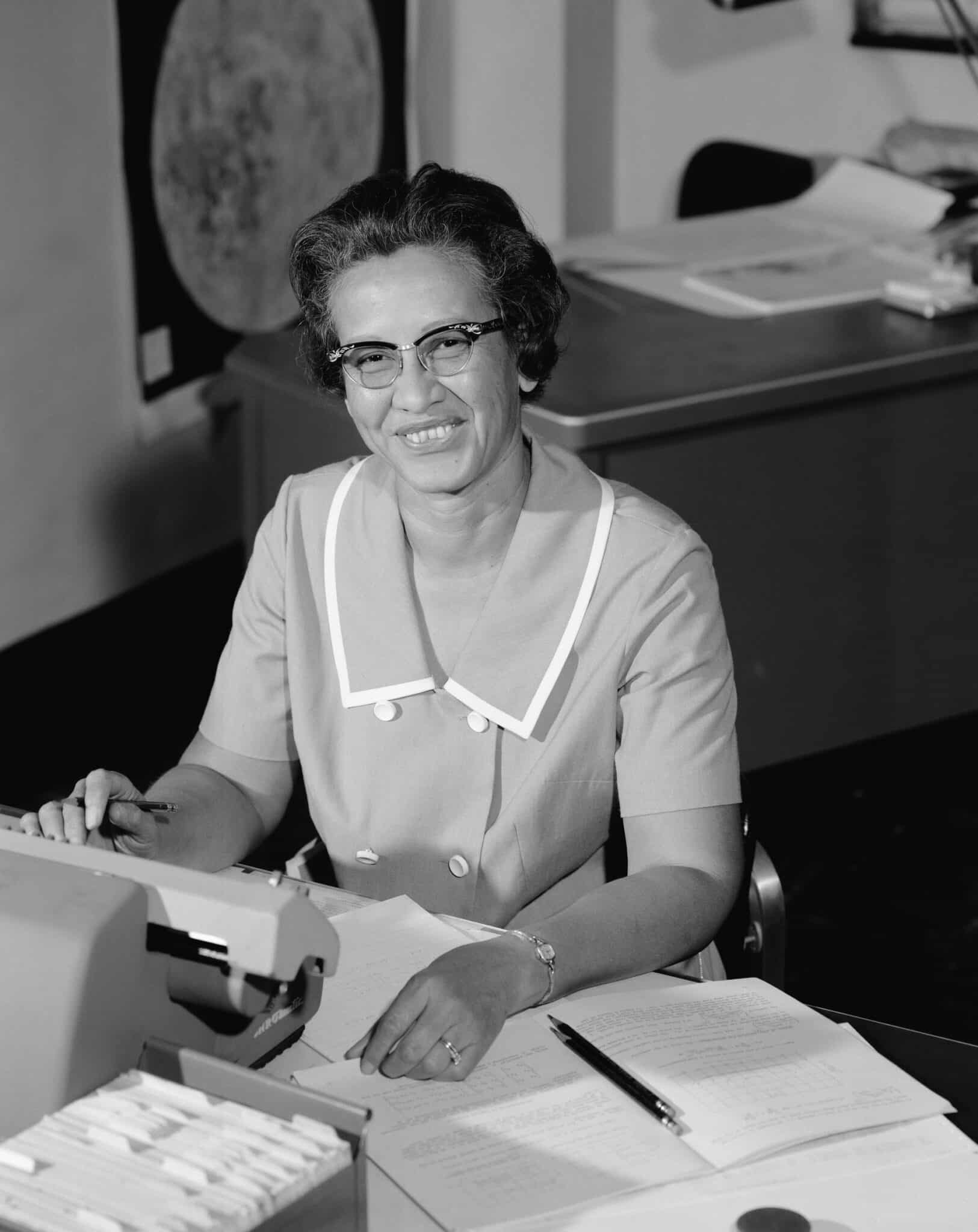
Black women mathematicians broke barriers in education, led institutions, and widened opportunities for others, changing expectations of who could study, teach, and lead in the field.

She fused poetry with raw musical energy, helping shape a new rock movement and creating an artistic voice that influenced performers across generations.
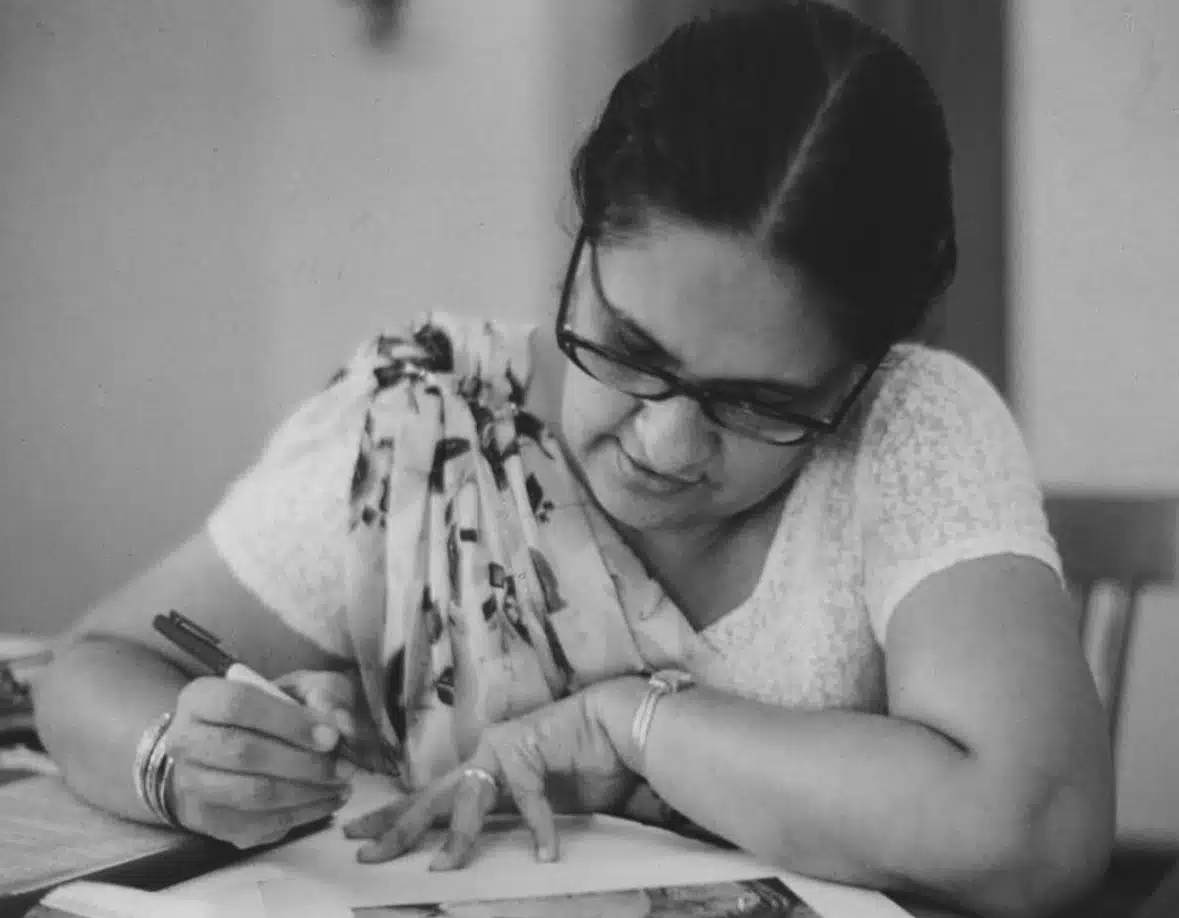
Her rise to national leadership broke a political barrier for women, placing a woman at the head of government and changing expectations far beyond her country.