Rose-Adélaïde Ducreux, French painter, composer, and musician

Her self-portrait captures an artist who understood music as intimately as painting, preserving the skill and ambition of a woman working across creative disciplines.

Women worth knowing
Extraordinary women, overlooked stories, and a more complete history. Explore the lives, ideas, and achievements that changed the world.
Her self-portrait captures an artist who understood music as intimately as painting, preserving the skill and ambition of a woman working across creative disciplines.
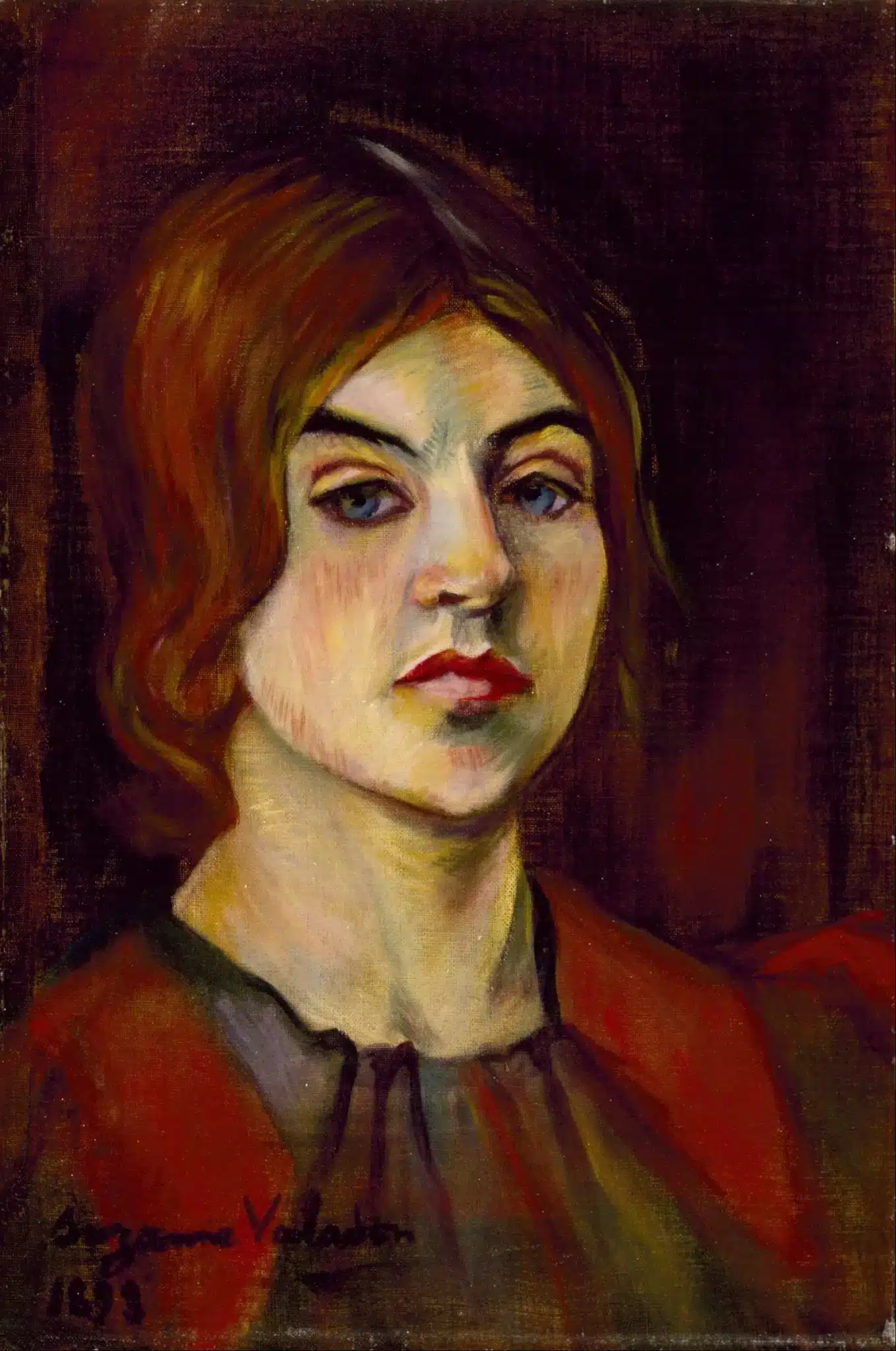
She learned to paint while modeling for other artists, then built a celebrated career of her own with bold work that challenged artistic conventions.
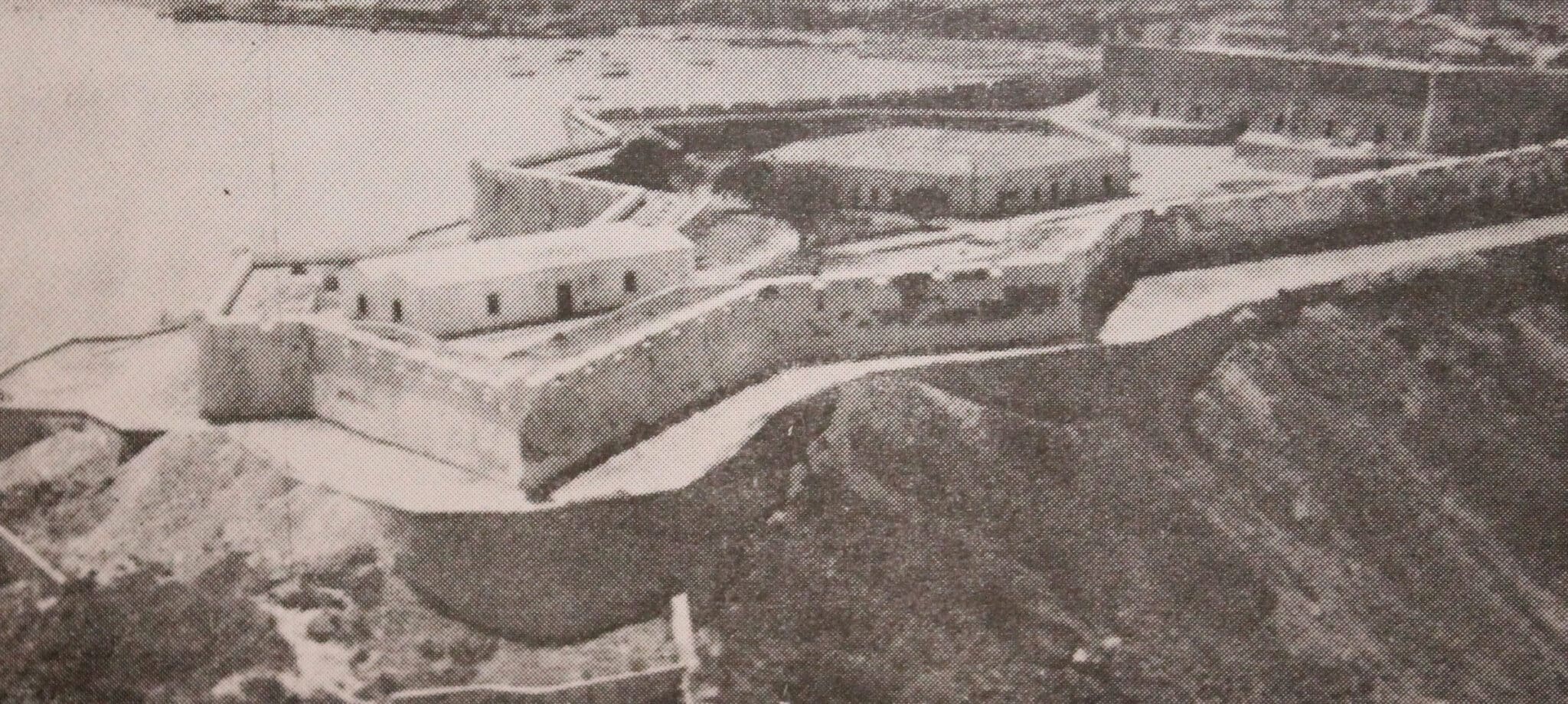
She used diplomacy, warfare, and shifting alliances to resist colonial expansion, defending her kingdoms and building the political and commercial strength needed to survive.
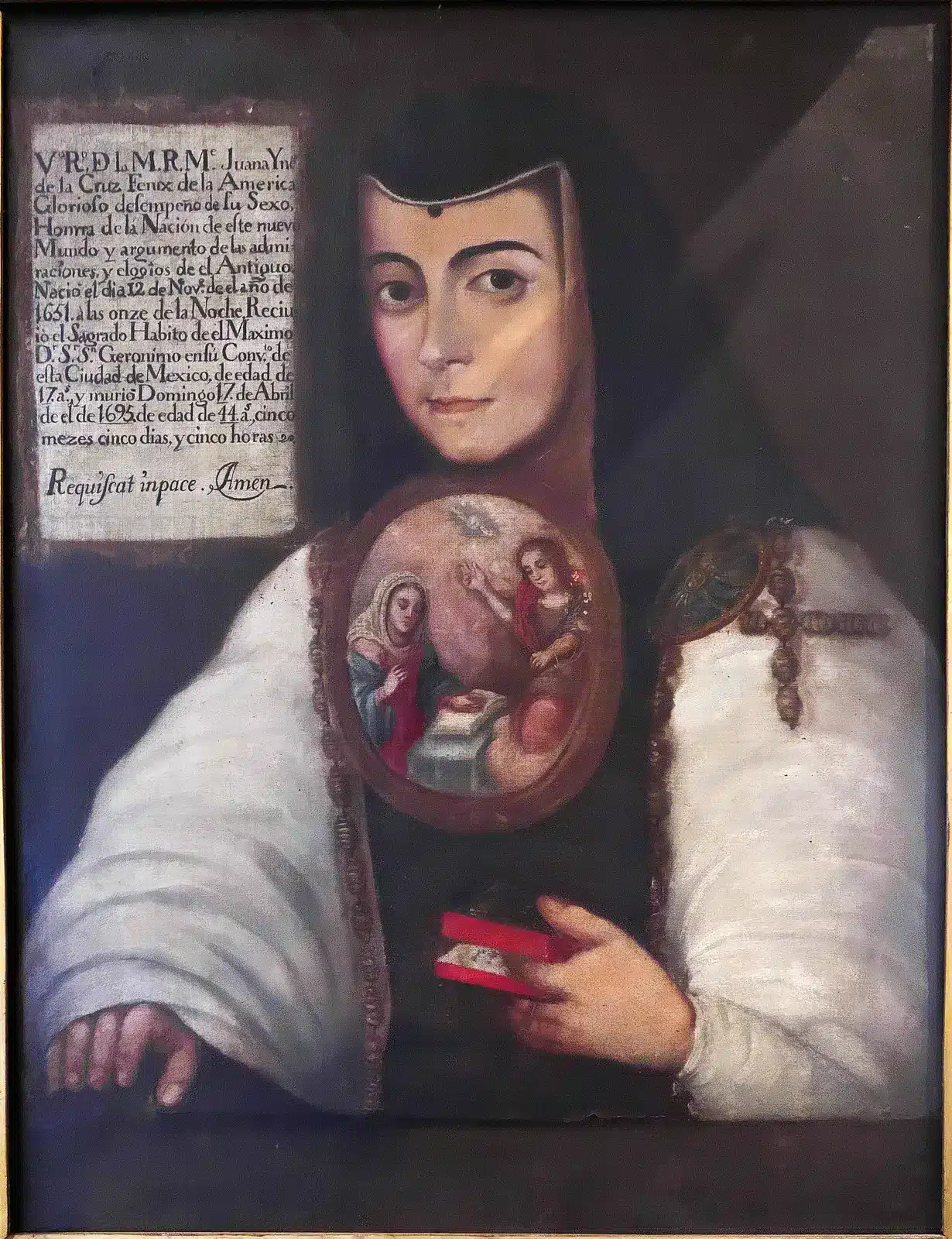
When religious authorities challenged her intellectual pursuits, she answered with a bold defense of women’s education, turning personal criticism into an enduring argument for equality.
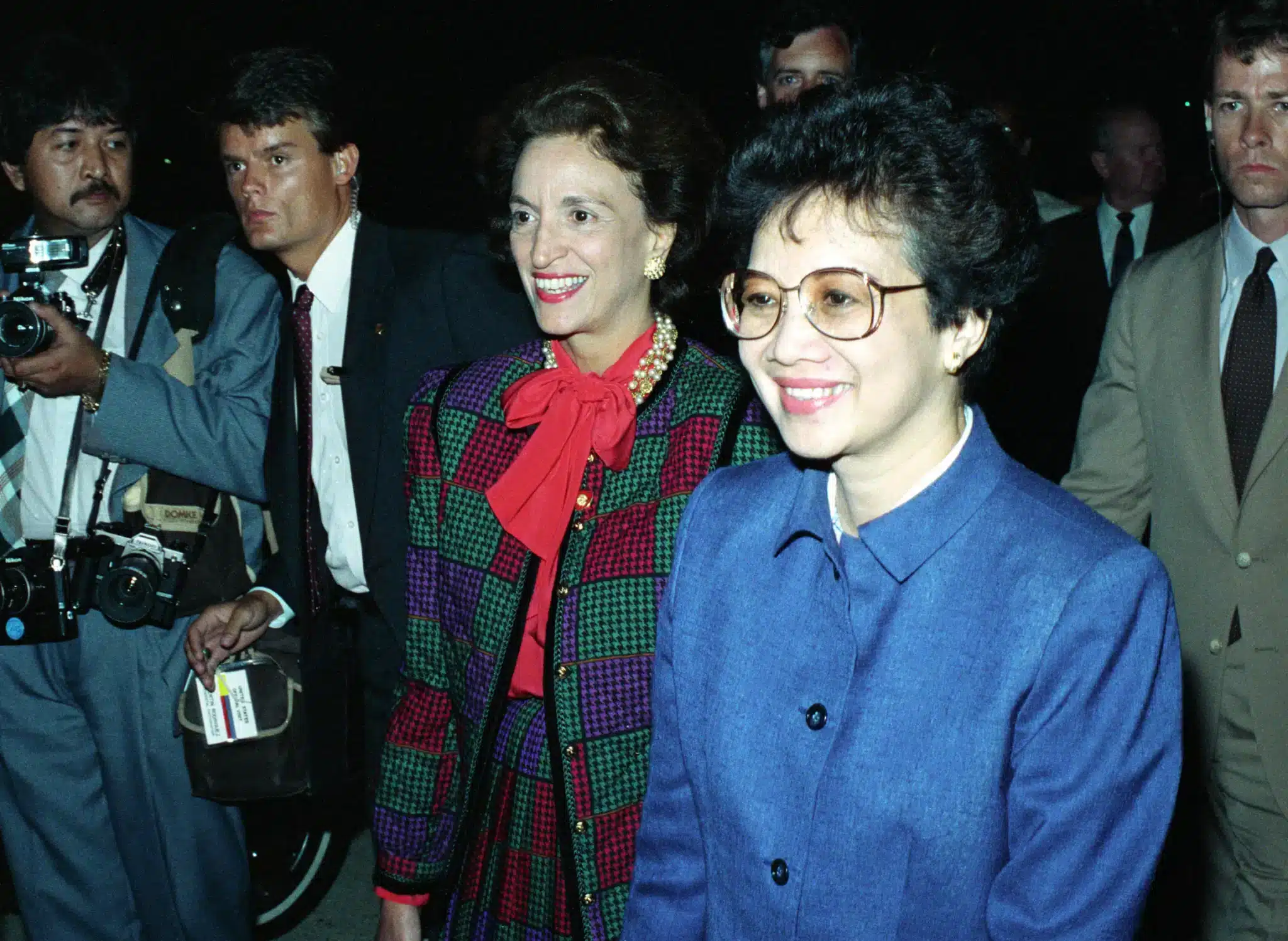
She entered politics without planning a presidential career, then helped rally peaceful resistance against a dictatorship and restore democratic government to her country.

Forced from her homeland as a child, she became a ruler and pirate commander, using a fleet to challenge the powers that had displaced her.

She built an internationally celebrated sculpture career despite racism and sexism, creating art that inspired other Black and Indigenous artists to pursue their ambitions.

She turned poetry into a powerful tool for women’s education, training traveling teachers who carried knowledge into communities and helped other women become educators.

Breaking barriers in law and national leadership, she challenged corruption and defended her island nation’s identity, becoming a formidable force in public life.
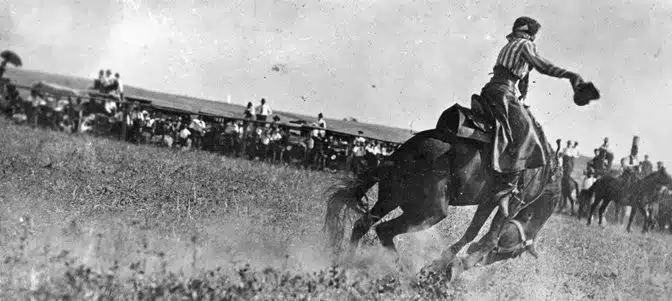
Her skill on bucking horses won championships and challenged expectations of women in rodeo, earning recognition in a sport built around strength and daring.
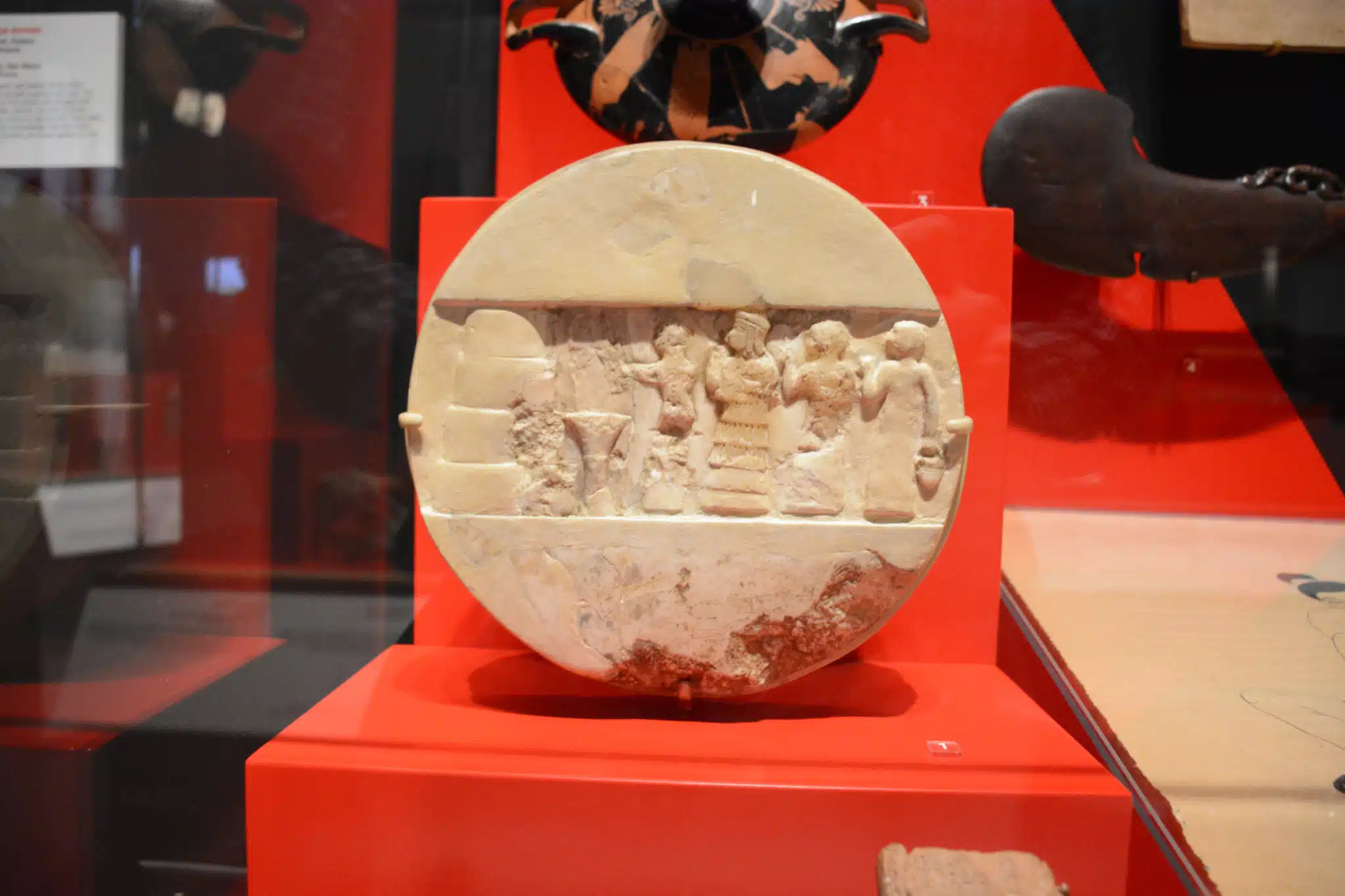
Her ancient hymns survived through generations of copying, preserving a woman’s literary voice and offering a rare window into the beginnings of written authorship.
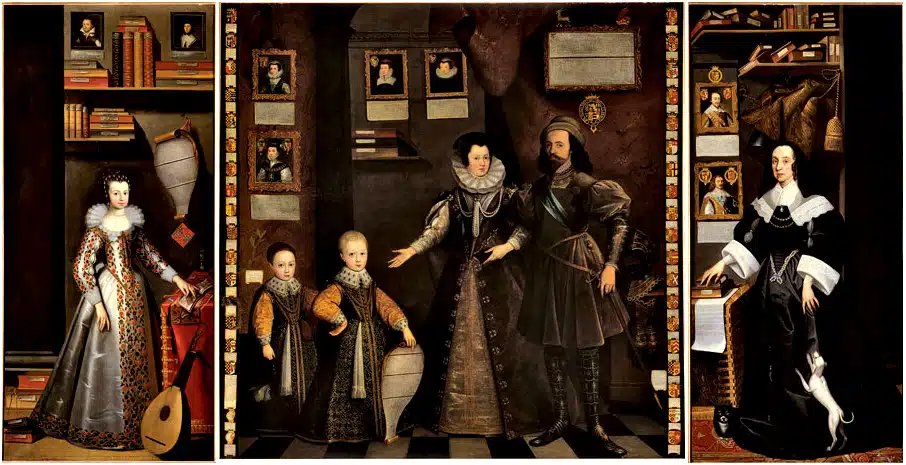
She fought for an inheritance others expected her to surrender, then used her wealth to restore historic buildings and support writers and the arts.
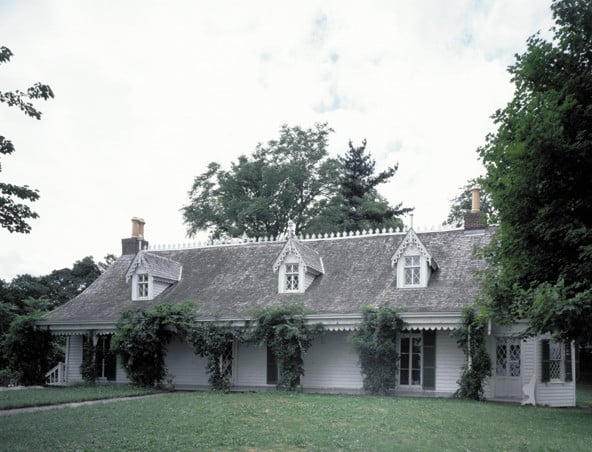
Her photographs preserved everyday life that might otherwise have disappeared. Their rediscovery brought recognition and helped lift the photographer herself out of poverty.
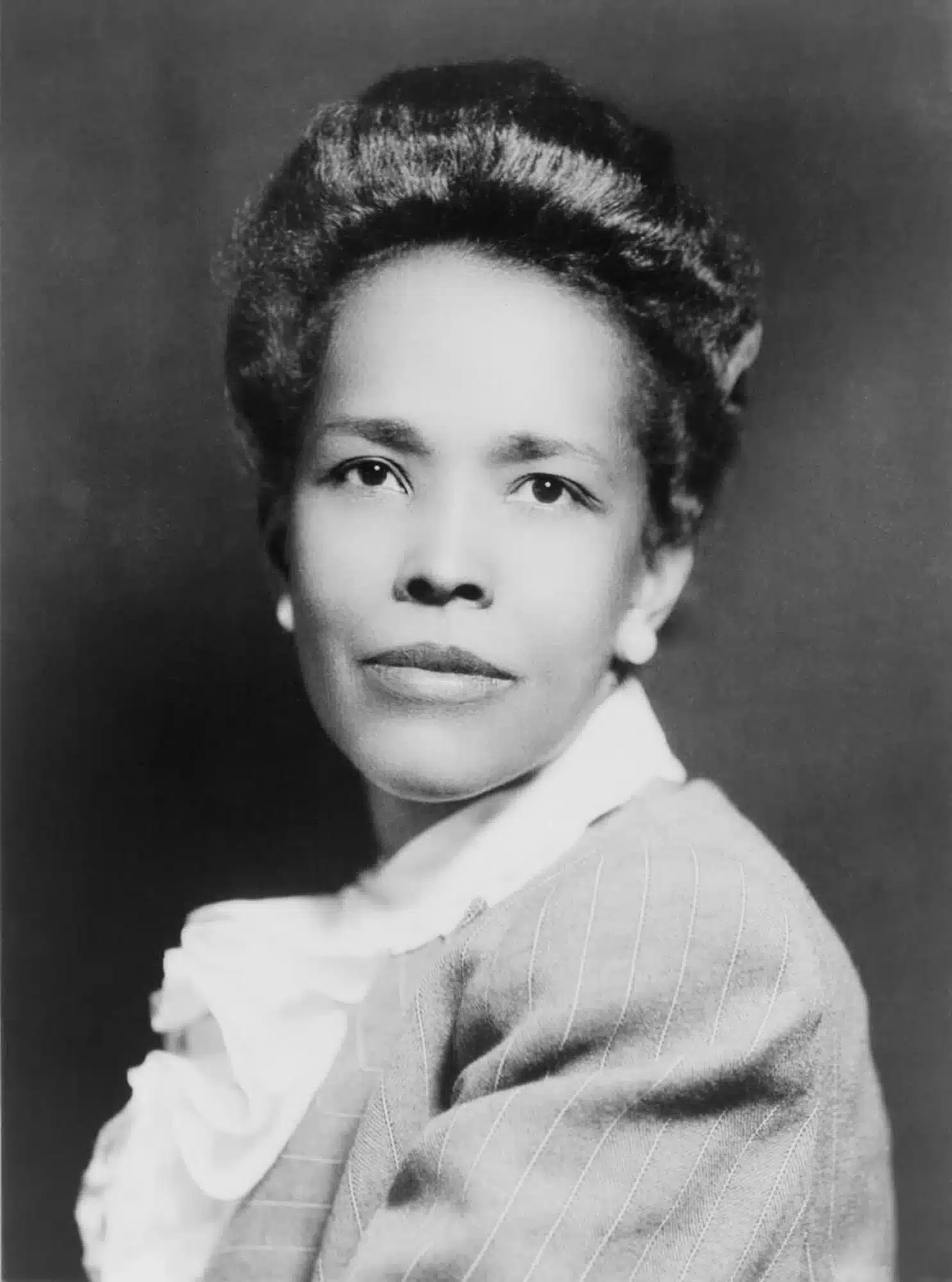
Ella Baker helped student protesters build SNCC and connected generations of organizers who changed the civil rights movement from the ground up.
When illness ended her dance career, she found a new way to captivate audiences, bringing classical vocal music to listeners around the world.