

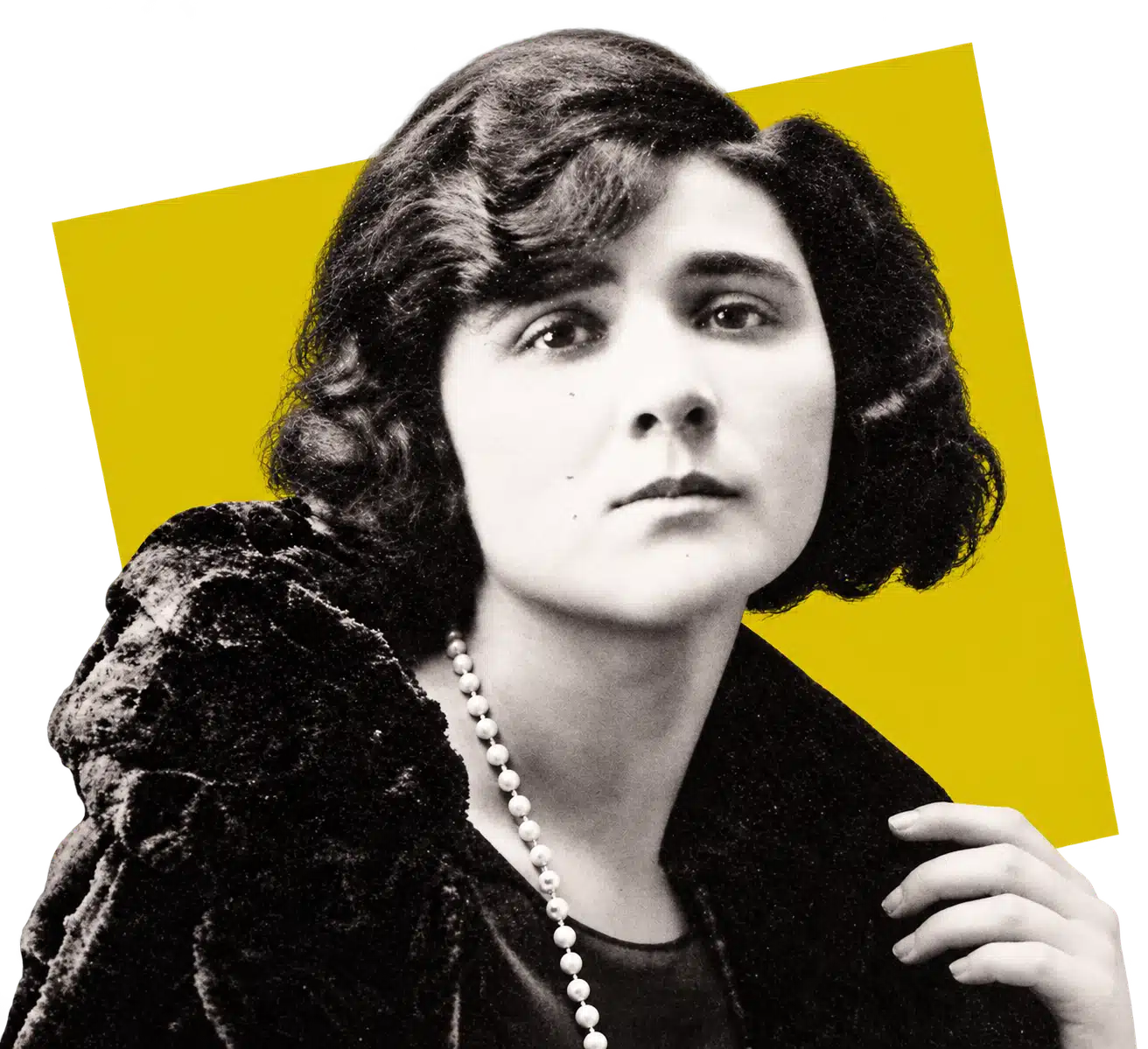
Rukhmabai (1864–1955), also known as Rukhmabai Raut, was an Indian doctor who fought a husband’s attempt to force her into married life against her will. Her family had married her to an older boy when she was eleven. As an adult in British-ruled Bombay in the 1880s, she refused to submit to him, challenged child marriage in print, and faced prison for defying a court order. A settlement eventually freed her from his demands, and she went on to become a doctor.
A Child Bride Keeps Studying
Born in Bombay, now Mumbai, in 1864, Rukhmabai lost her father as a small child. Her mother later married Sakharam Arjun, a doctor who encouraged Rukhmabai’s education.
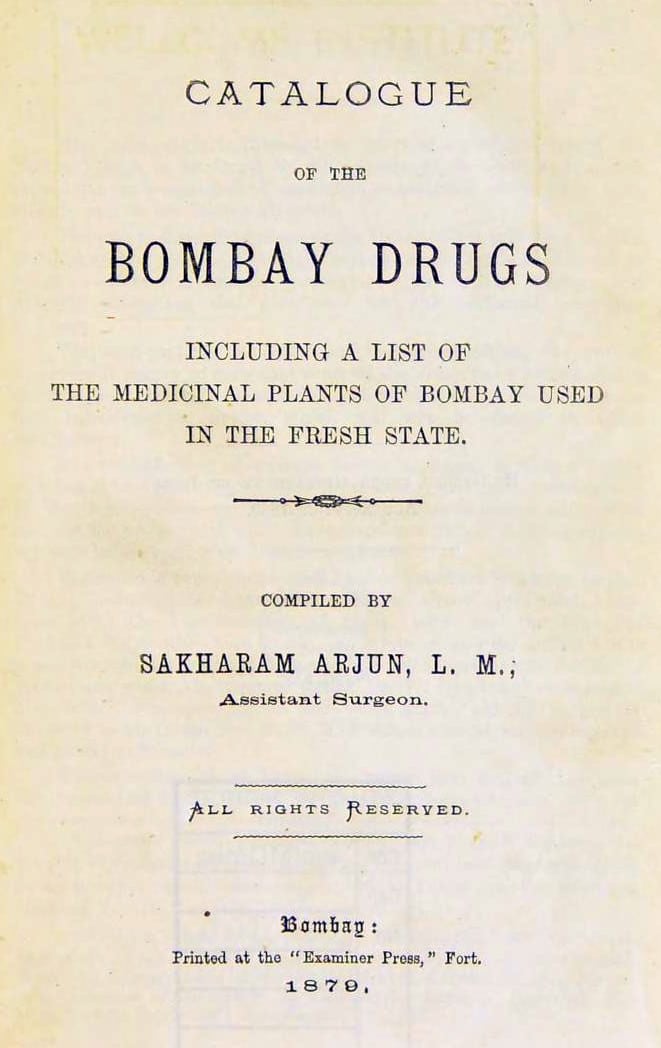
Her maternal grandfather arranged her marriage to Dadaji Bhikaji, a nineteen-year-old relative of Sakharam’s, when she was eleven. But Sakharam refused to send her to Dadaji’s household to begin sexual relations. She continued living with her family, and the couple never lived together as husband and wife.
Her formal schooling ended at eleven, but that didn’t end her education. In a letter written during the court battle, she recalled learning English at home and asking visiting European women how to pronounce words and what they meant. Sakharam’s visitors included Vishnu Shastri Pandit, an advocate of women’s education. Through this circle, she began considering what she could do to improve women’s lives.
She didn’t want to join Dadaji’s household. Her family had agreed to house and support him while he continued his own schooling, but, she wrote, he quit school within months of the wedding. He drank heavily and ran up debts. Sakharam backed her decision to stay. But Dadaji had another way to try to make her come to him.
In 1884, he sued her in the Bombay High Court.
“A Hindu Lady” Speaks Out
Dadaji asked the court for “restitution of conjugal rights.” Behind that legal phrase was a demand that the court order Rukhmabai to live with him as his wife. That meant exposing her to rape: sex she had explicitly refused.
The court procedure had been brought to India from England. Britain had its own long history of laws restricting married women’s independence; here, an English legal remedy was being used to enforce a Hindu marriage.
While the case was pending, Rukhmabai took her argument to newspaper readers. In 1885, the Times of India published letters signed “A Hindu Lady.” In the first, she thanked a friend who had helped correct her English, then made a forceful case against child marriage.

Child marriage, she argued, didn’t interrupt boys’ education the way it interrupted girls’. A boy could go on studying. A girl might need her mother-in-law’s permission to stay in school, then find her education cut short by early motherhood. Campaigns for women’s education couldn’t succeed while marriage kept taking girls out of the classroom.
She wasn’t discussing an abstract problem.
This wicked practice has destroyed the happiness of my life.
Rukhmabai, Times of India, June 26, 1885
It stood between her and what she valued most: “study and mental cultivation.”
She wanted government action, including a minimum marriage age of fifteen for girls and twenty for boys. Her own case was still unresolved, but she was already arguing for changes that would reach beyond it.
A Victory Turns Into a Threat of Prison
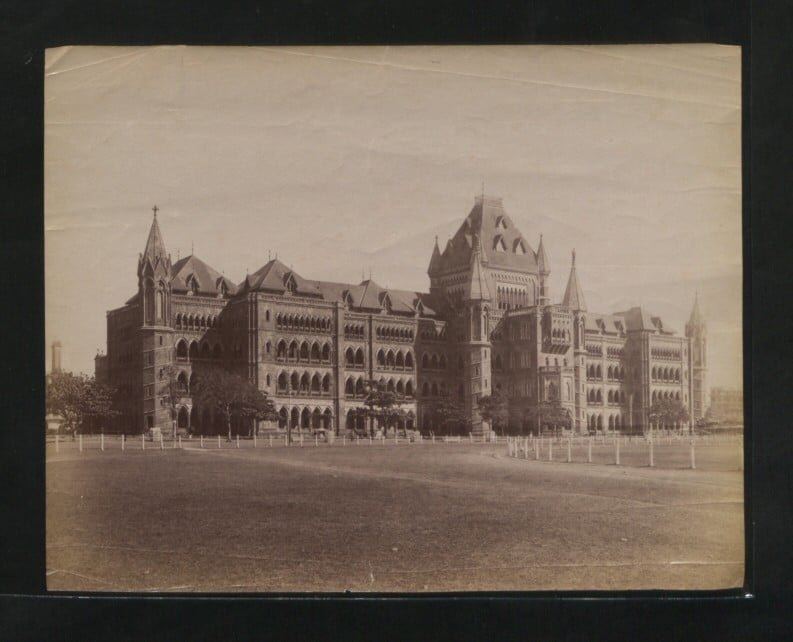
In September 1885, Justice Robert Pinhey rejected Dadaji’s claim. Restitution meant restoring something, he reasoned, but there was no shared married life to restore. Rukhmabai hadn’t agreed as an adult to complete the marriage arranged for her as a child.
Pinhey called forcing her to live with a man she disliked “a barbarous, a cruel, a revolting thing to do.” He refused to make the order.
But Dadaji appealed. In 1886, two appeal judges overturned Pinhey’s decision and sent the case back for another hearing. They accepted that the courts could enforce a Hindu marriage without the woman’s consent. Rukhmabai’s refusal, which had mattered to Pinhey, wouldn’t protect her under their interpretation of the law.
Pinhey had retired, so Justice Farran heard the case in 1887. He ordered Rukhmabai to live with Dadaji and threatened her with six months in prison if she disobeyed. She was also ordered to pay Dadaji’s costs from the original hearing.
Rukhmabai still refused to go, and her lawyers appealed again.
The dispute drew supporters and opponents in India and Britain. Conservative critics treated her refusal as a threat to Hindu marriage. Indian reformer and journalist Behramji Malabari defended her and offered financial help, arguing that she shouldn’t be reduced to poverty by the cost of defending herself. In Britain, the bishop of Carlisle published a letter from Rukhmabai in The Times in April 1887, bringing her own account of the marriage and court battle to British readers.
Her lawyers finally negotiated a bargain with Dadaji. In July 1888, he agreed to accept 2,000 rupees in return for never enforcing the court order against her.
The settlement allowed Rukhmabai to stay away from him without going to prison.
However, it didn’t establish a general right for women to refuse a marriage arranged in childhood. She had secured freedom from enforcement of this order, but the legal reasoning that had denied her choice remained.
Even after her own case was resolved, Rukhmabai kept campaigning.
In September 1890, while studying in Britain, she published “Indian Child Marriage (an Appeal to the British Government)” in the New Review. Her case had helped turn a husband’s supposed entitlement into a public argument about women’s consent, adding pressure to the wider campaign against child marriage.
India passed a Child Marriage Restraint Act in 1929, while Rukhmabai was still alive. Its replacement, the Prohibition of Child Marriage Act, 2006, took effect in 2007 and gave people married as children a way to ask courts to annul those marriages. Yet marriage under eighteen remains legal in many parts of the world. As of 2026, some states in the United States still allow minors to marry.
Rukhmabai Becomes a Doctor
In 1889, Rukhmabai traveled to Britain to study medicine. Edith Pechey, a British doctor working in Bombay, had encouraged her ambition and helped raise the money for her training.
Rukhmabai studied at the London School of Medicine for Women and trained at the Royal Free Hospital. In 1894, she earned medical qualifications from the Scottish colleges in Edinburgh and Glasgow. After further study in Brussels, she returned to India in 1895 as a qualified doctor.
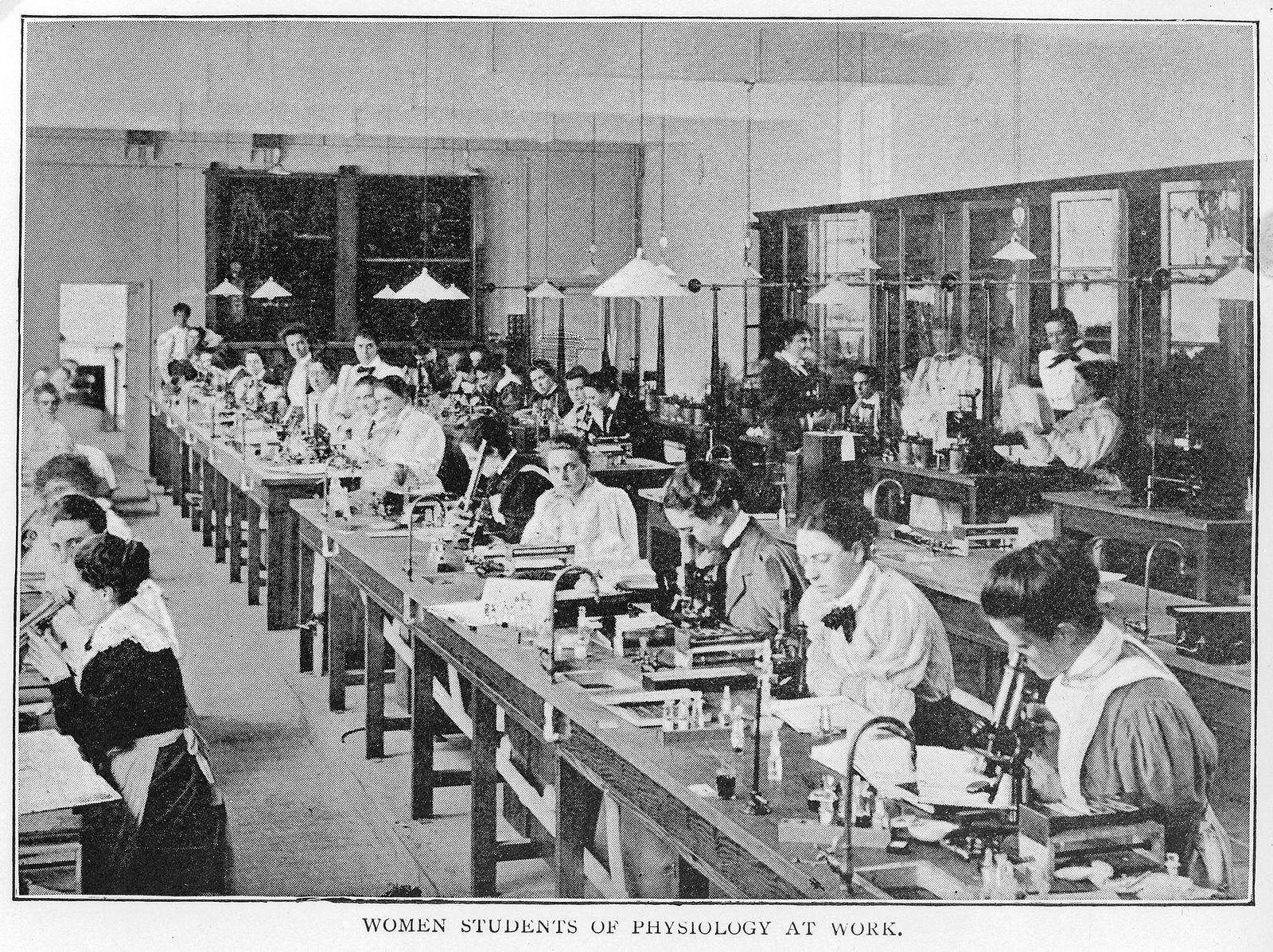
Back in Bombay, she worked at the Cama Hospital before taking charge of a hospital and dispensary for women and children in Surat. She stayed in Surat for twenty-two years, then worked another twelve in Rajkot. She also arranged lectures for the women of Surat, with Pechey helping to raise funds.
Her medical obituary describes how she tackled a shortage of trained nurses: she raised money to train widows and taught the women herself, sometimes starting with the alphabet. Education gave these women a route into a profession while helping her provide care for patients.
Rukhmabai retired from medicine in 1930, but continued helping young women prepare for professional work. She died in Bombay in 1955, aged ninety, after decades spent treating women and helping them gain the education she had fought to keep for herself.
Sources and Further Reading
- Rukhmabai, “Infant Marriage and Enforced Widowhood,” Times of India, June 26, 1885. Transcription at Lehigh University.
- Rukhmabai’s February 1887 letter, published in The Times as “A Jubilee for the Women of India,” April 9, 1887. Transcription at Lehigh University.
- Dadaji Bhikaji v. Rukhmabai, Bombay High Court judgment, September 21, 1885. Indian Kanoon.
- “The Case of Rukhmabai,” Civil and Military Gazette, March 10, 1887. Transcription at Lehigh University.
- Behramji Malabari, “Dadaji Versus Rukhmabai,” March 26, 1887. Transcription at Lehigh University.
- Kanika Sharma, Laura Lammasniemi, and Tanika Sarkar, “Dadaji Bhikaji v Rukhmabai (1886) ILR 10 Bom 301: rewriting consent and conjugal relations in colonial India,” Indian Law Review (2021), historical discussion, pp. 3–10.
- Subhasri Ghosh, Nineteenth Century Colonial Ideology and Socio-Legal Reforms: Continuity or Break? (2011), pp. 35–36.
- Royal College of Physicians Museum, “Dr Rukhmabai Raut ~ Happy 160th Birthday.”
- South Asian Britain, “Rukhmabai.”
- “Rukhmabai (1864–1955),” Journal of Obstetrics and Gynaecology of India, December 1955, pp. 217–218.
- Kavitha Rao, Lady Doctors: The Untold Stories of India’s First Women in Medicine (2021), authorized excerpt in Scroll.
- Government of India, “Checking Child Marriages,” August 7, 2013.
- The Prohibition of Child Marriage Act, 2006, section 3.
- UNESCO, “Key data on girls and women’s right to education,” updated October 7, 2026.
- Superior Court of California, County of Calaveras, “Marriage Permission For Minors,” checked November 1, 2026.
- Florida Statutes (2026), section 741.04, “Issuance of marriage license.”

Beyond the article
Join the Conversation
Share your perspective, ask a question, or add something to the story.