Female Knights of the Middle Ages
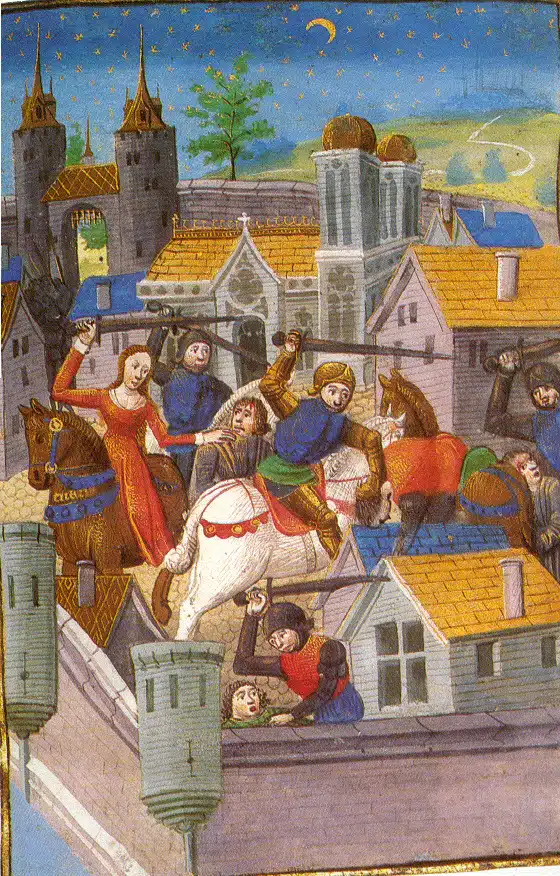
Women commanded troops, defended cities, and entered chivalric orders, challenging the familiar image of knighthood and claiming recognition for military courage and leadership.

Women worth knowing
Extraordinary women, overlooked stories, and a more complete history. Explore the lives, ideas, and achievements that changed the world.
Women commanded troops, defended cities, and entered chivalric orders, challenging the familiar image of knighthood and claiming recognition for military courage and leadership.
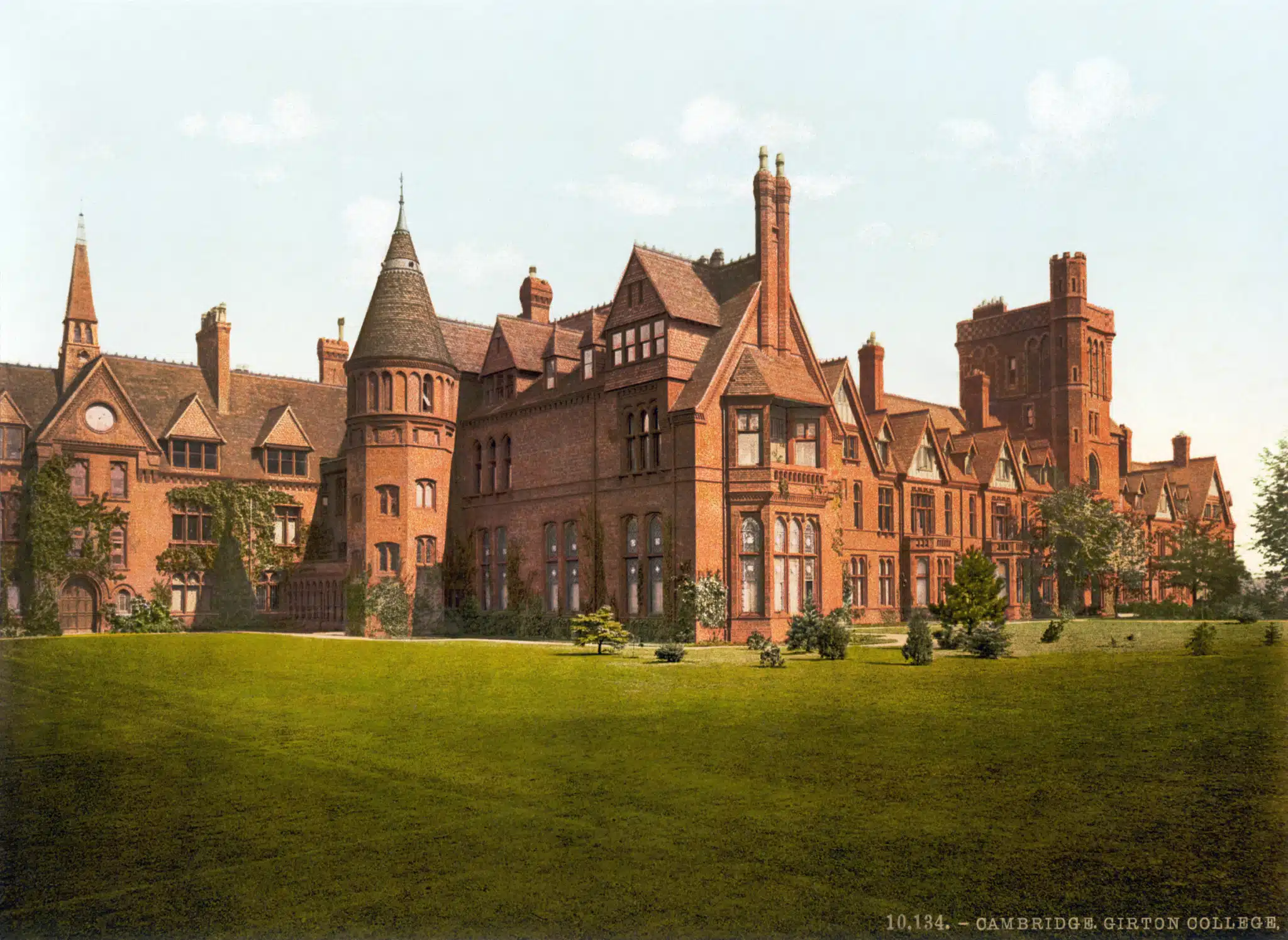
Women expanded access to education and challenged expectations of who could lead a school, creating opportunities that helped reshape learning for generations of students.
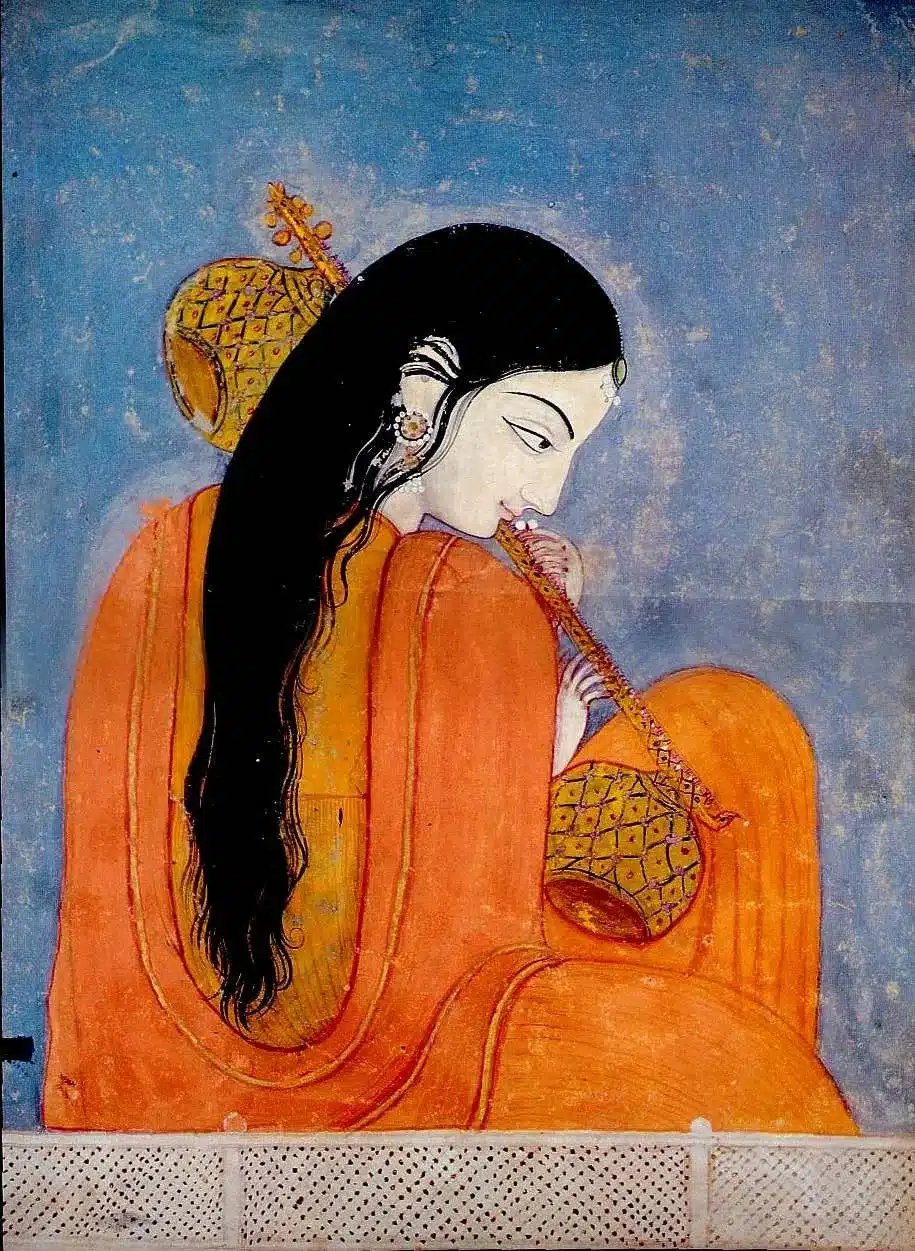
She chose spiritual devotion over royal expectations, expressing independence through poetry and song that challenged social hierarchies and carried her voice far beyond the palace.
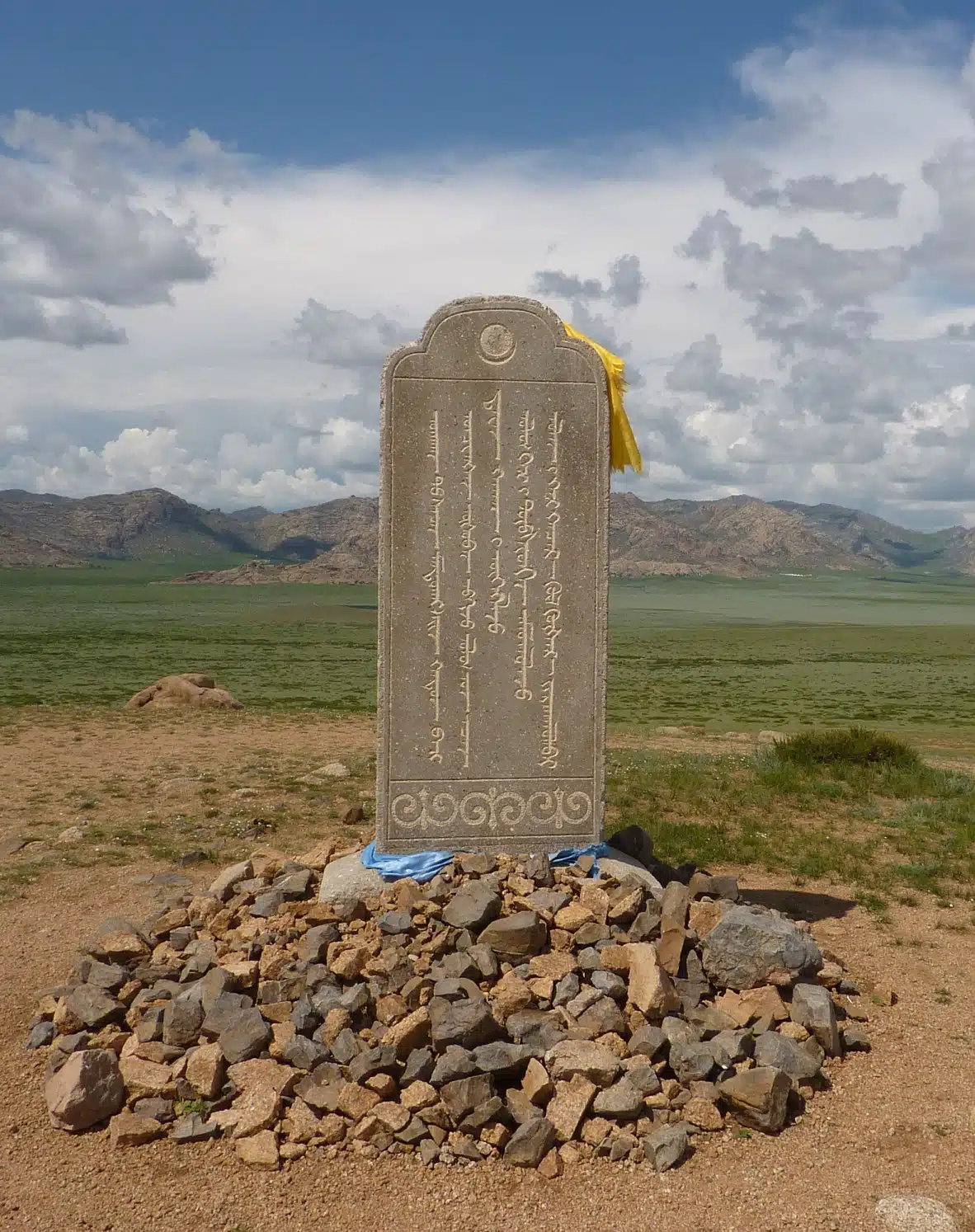
She combined military strategy with political leadership to reunite divided peoples, preserving a royal lineage and securing influence in a world shaped by warfare.
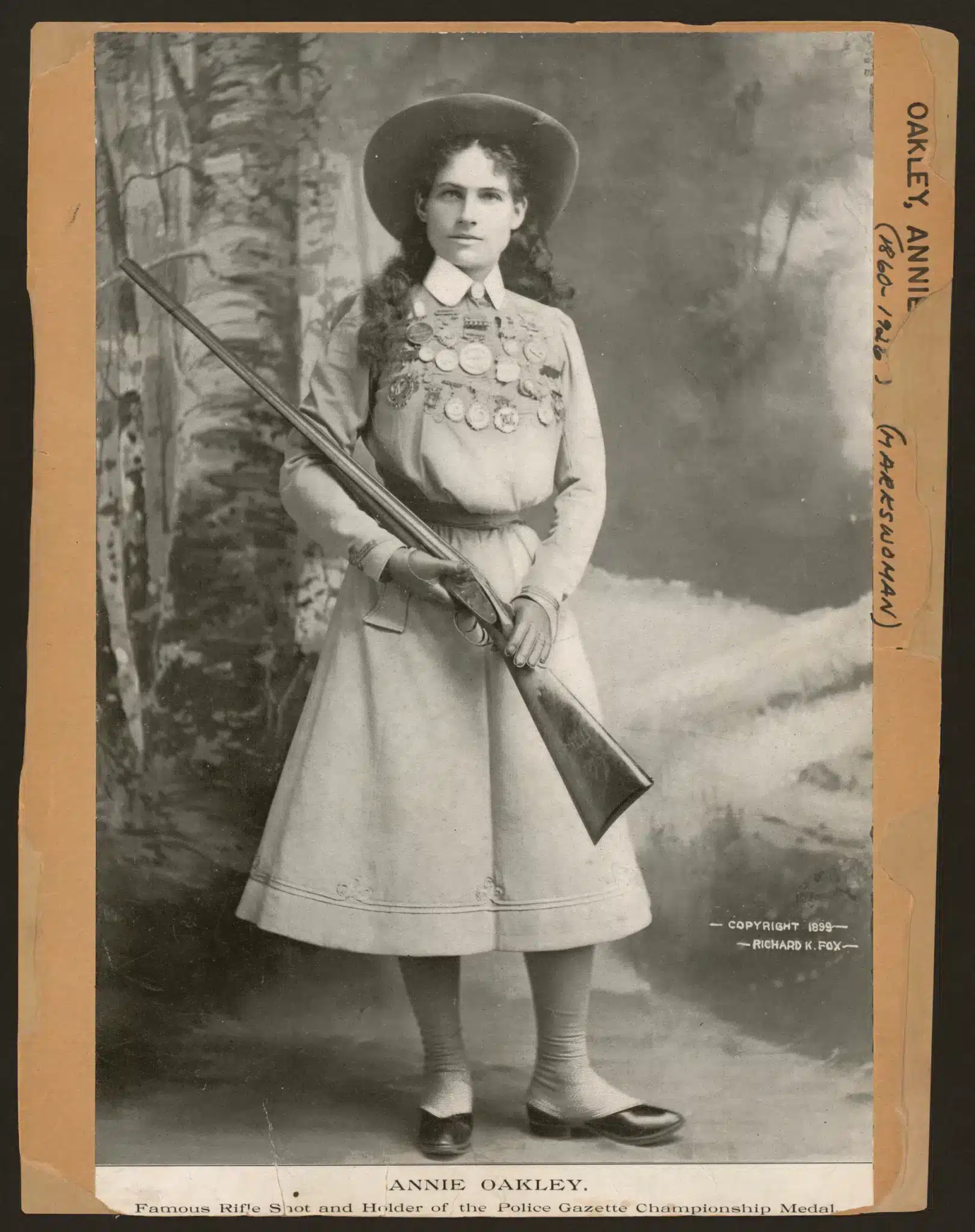
Women rode, ranched, competed, and defended their communities on the frontier, building lives of skill and independence that challenged expectations of what women could do.

The campaign for constitutional equality divided allies over labor protections, legal strategy, and women’s rights, sustaining a struggle that outlasted generations of activists.
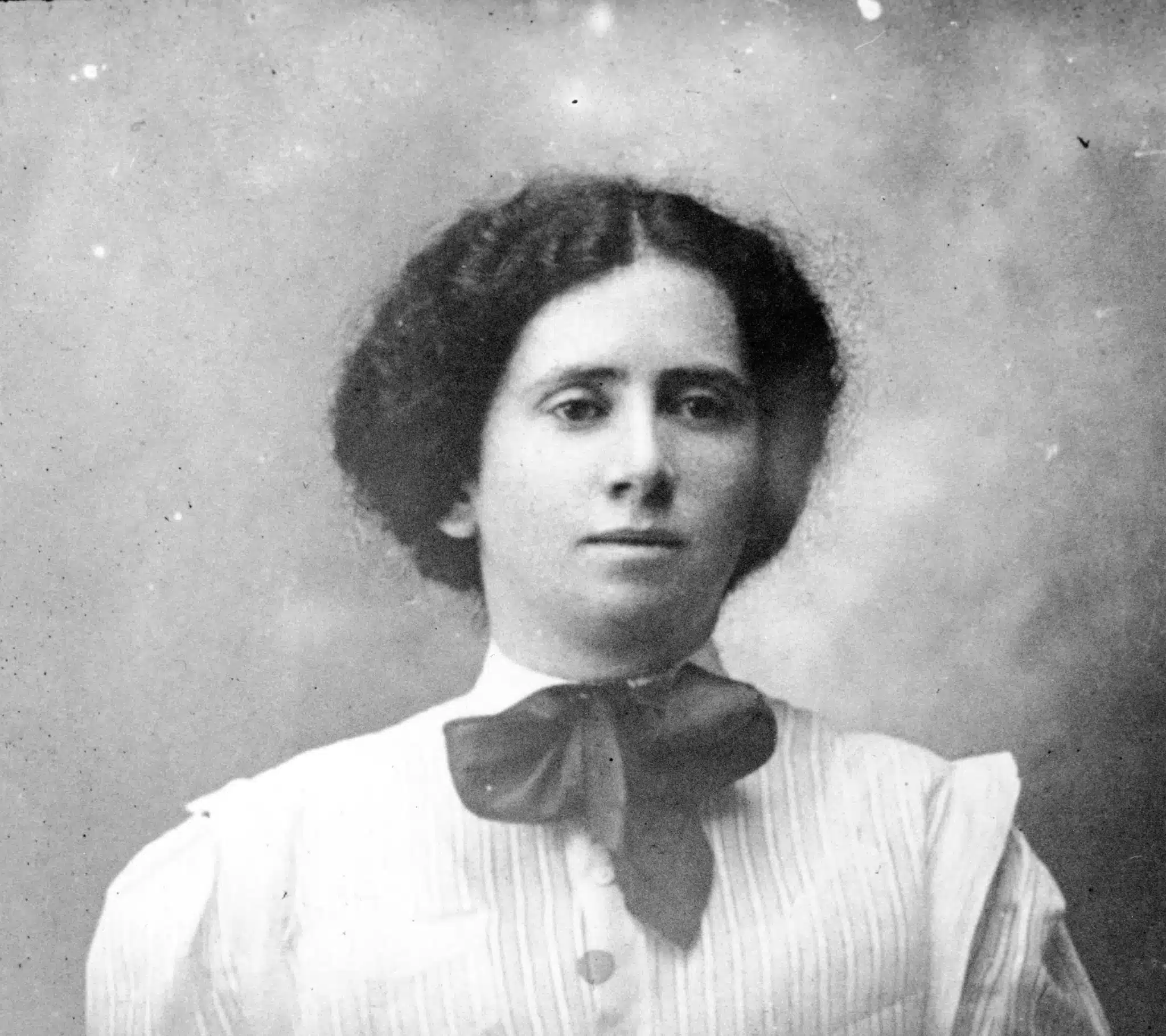
She turned factory experience into a powerful voice for working women, organizing unions and demanding the safer conditions, fair treatment, and recognition their labor deserved.
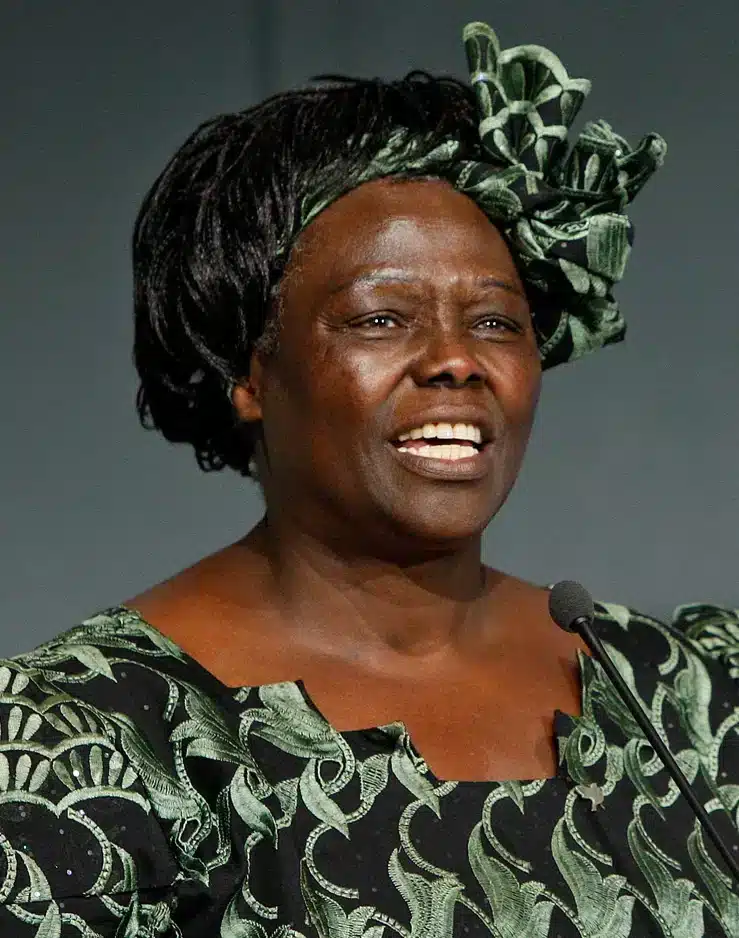
Women advanced climate research, defended forests, and built conservation movements, combining science with grassroots action to change how societies understood and protected nature.

She turned observations of flowers and plants into intricate textile designs, building a successful creative career and leaving rare evidence of women’s work in the industry.

Her move from science into politics brought convictions about technology into conflict with environmental campaigners, exposing tensions between expertise and public decision-making.
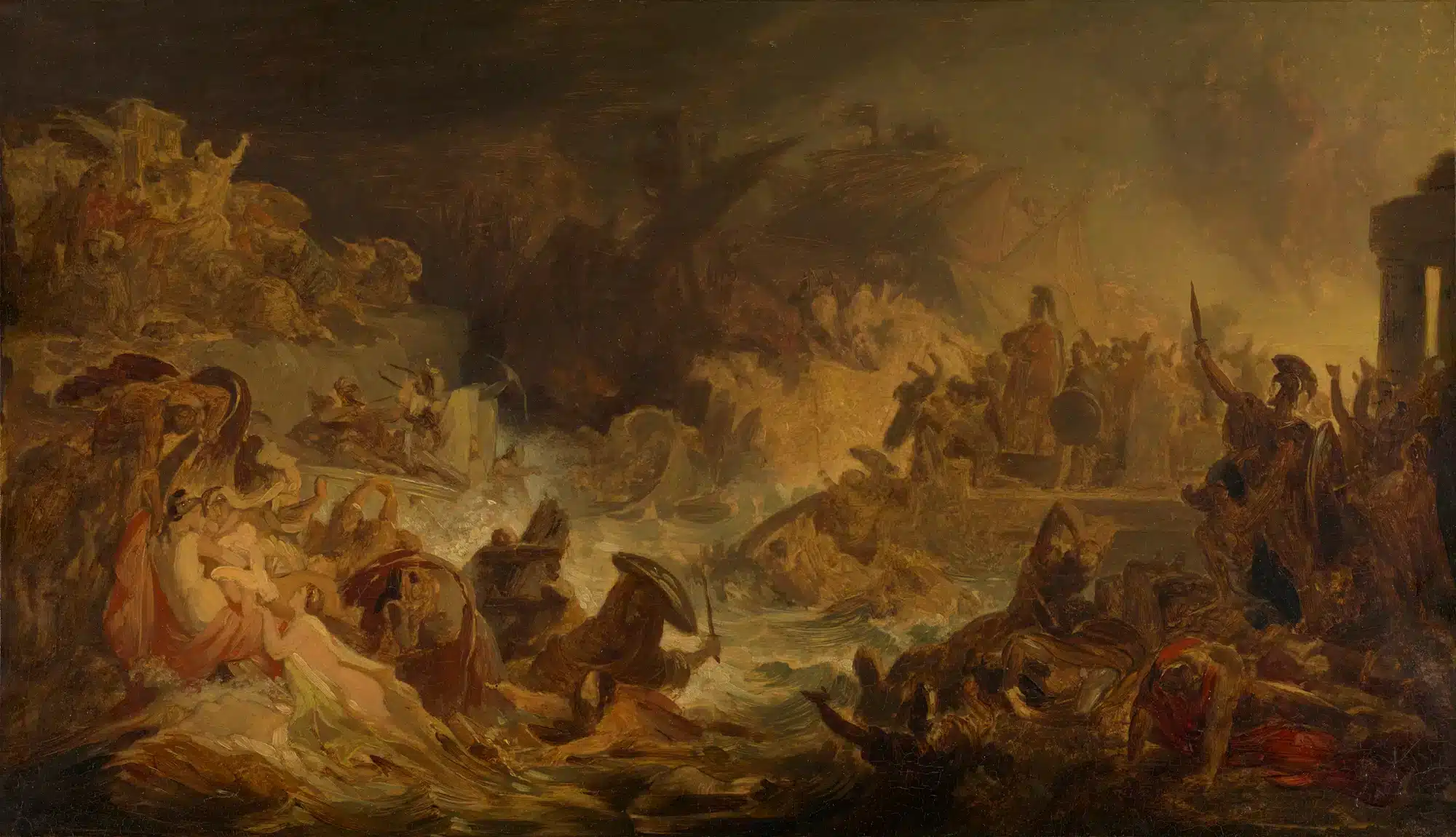
Artemisia I commanded five ships in Xerxes’ invasion of Greece. Her bold counsel, escape at Salamis and private audience with the king reveal the trust she earned during the campaign.

Women’s discoveries transformed understanding of matter, heredity, and life, advancing scientific fields even as exclusion and discrimination limited access to research and recognition.

She broke barriers in the legal profession and used her expertise to challenge segregation, carrying community organizing into the courtroom and expanding the fight for civil rights.
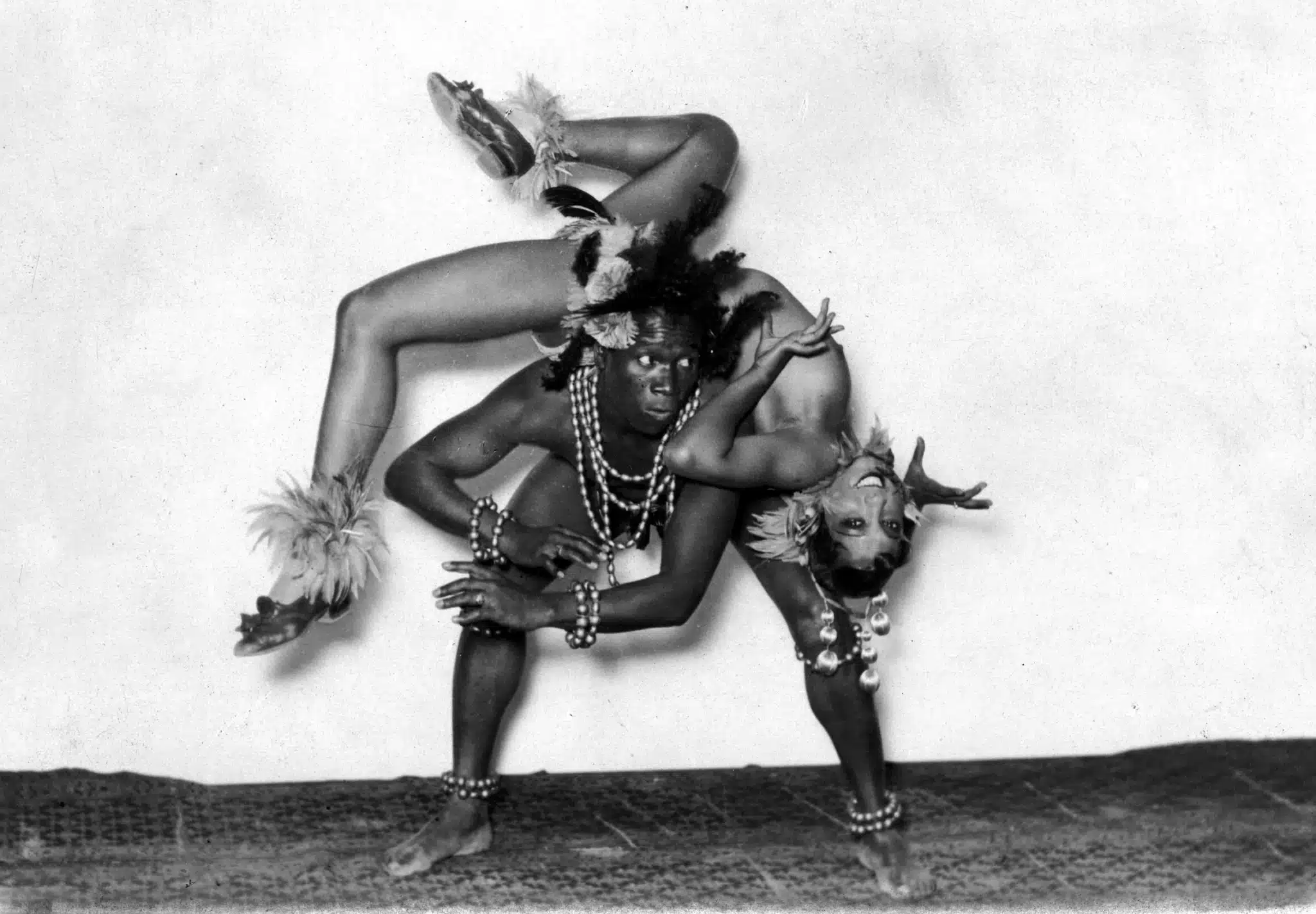
She used celebrity to support wartime resistance and challenge racism, turning the access granted by fame into a means of gathering intelligence and demanding justice.
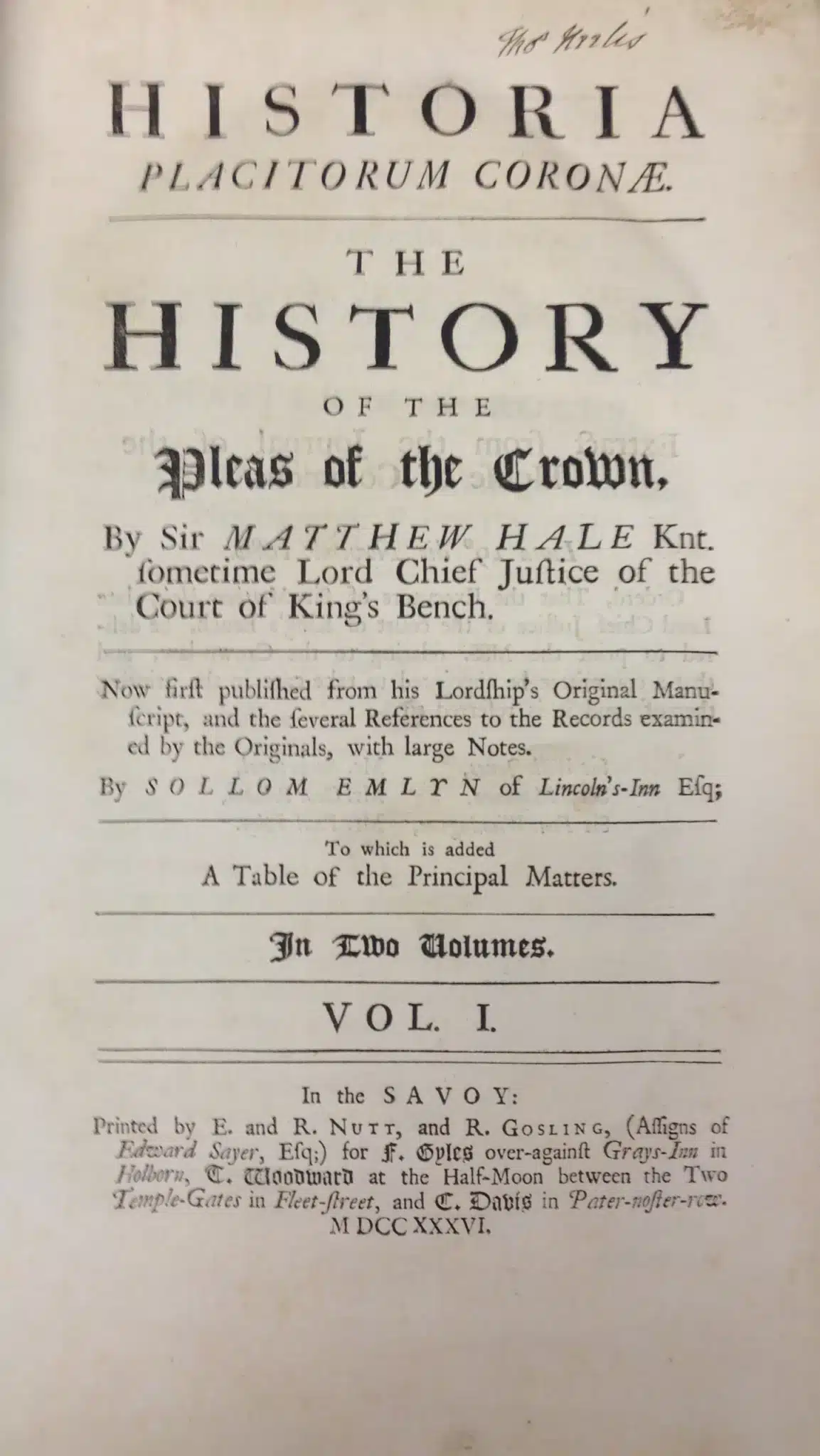
The fight to recognize consent within marriage challenged laws that protected husbands from prosecution, transforming the legal understanding of sexual violence and women’s autonomy.
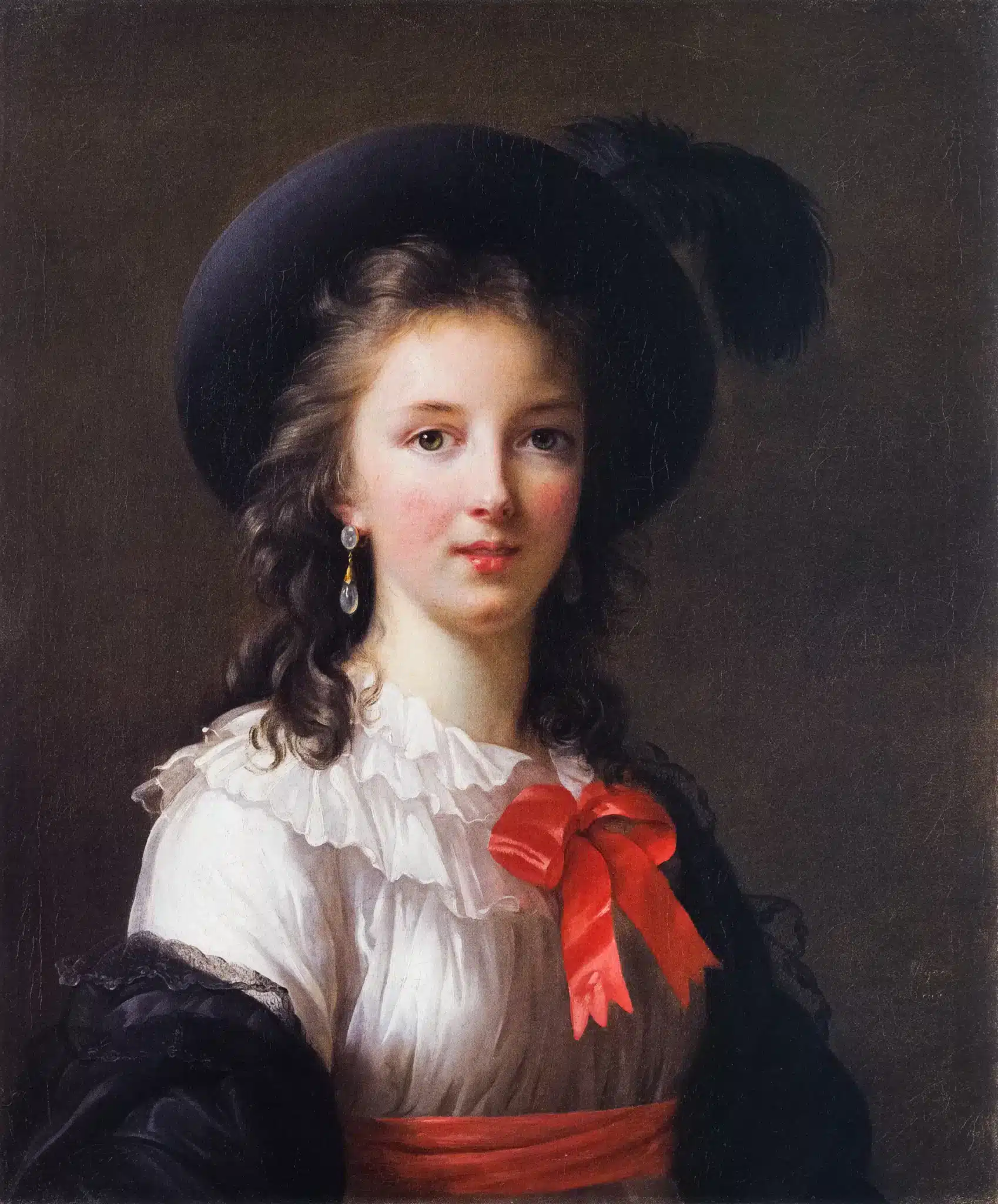
She built a celebrated portrait career despite barriers to formal training, using artistic skill and determination to earn recognition across courts and countries.
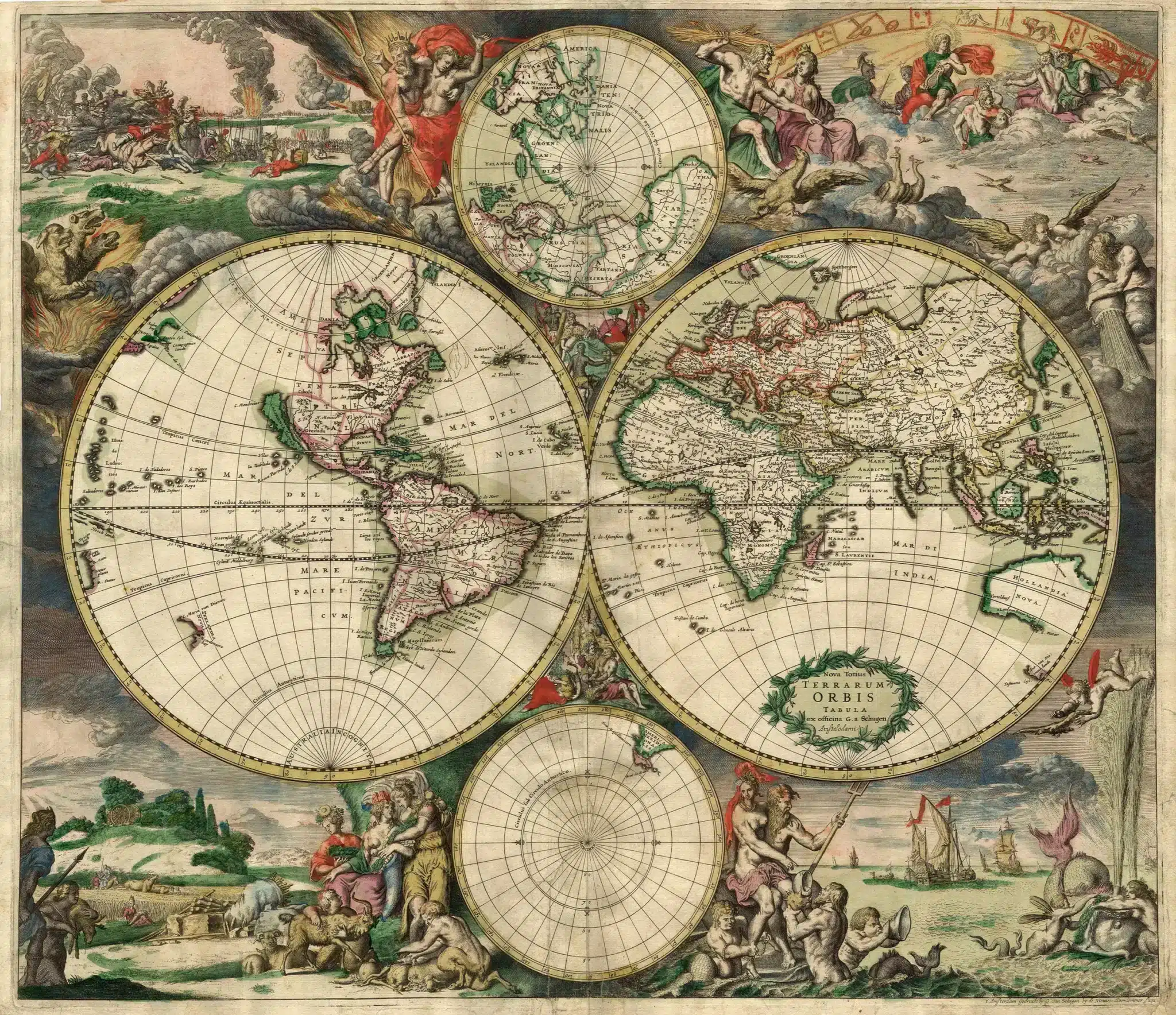
Women mapped unfamiliar terrain, investigated the environment, and rethought how places shape our lives, expanding geographical knowledge and its role in understanding social change.

Her determination to preserve and promote an artist’s work helped turn a neglected legacy into worldwide recognition, changing which paintings found their place in art history.

She combined surgical skill with dangerous rescue flights, reaching wounded people in combat zones and helping establish a new approach to emergency care on the battlefield.

She used journalism to argue for political rights and practical clothing, linking women’s ability to move freely with their right to participate in public life.