Grace Dalrymple Elliott, Courtesan and Spy
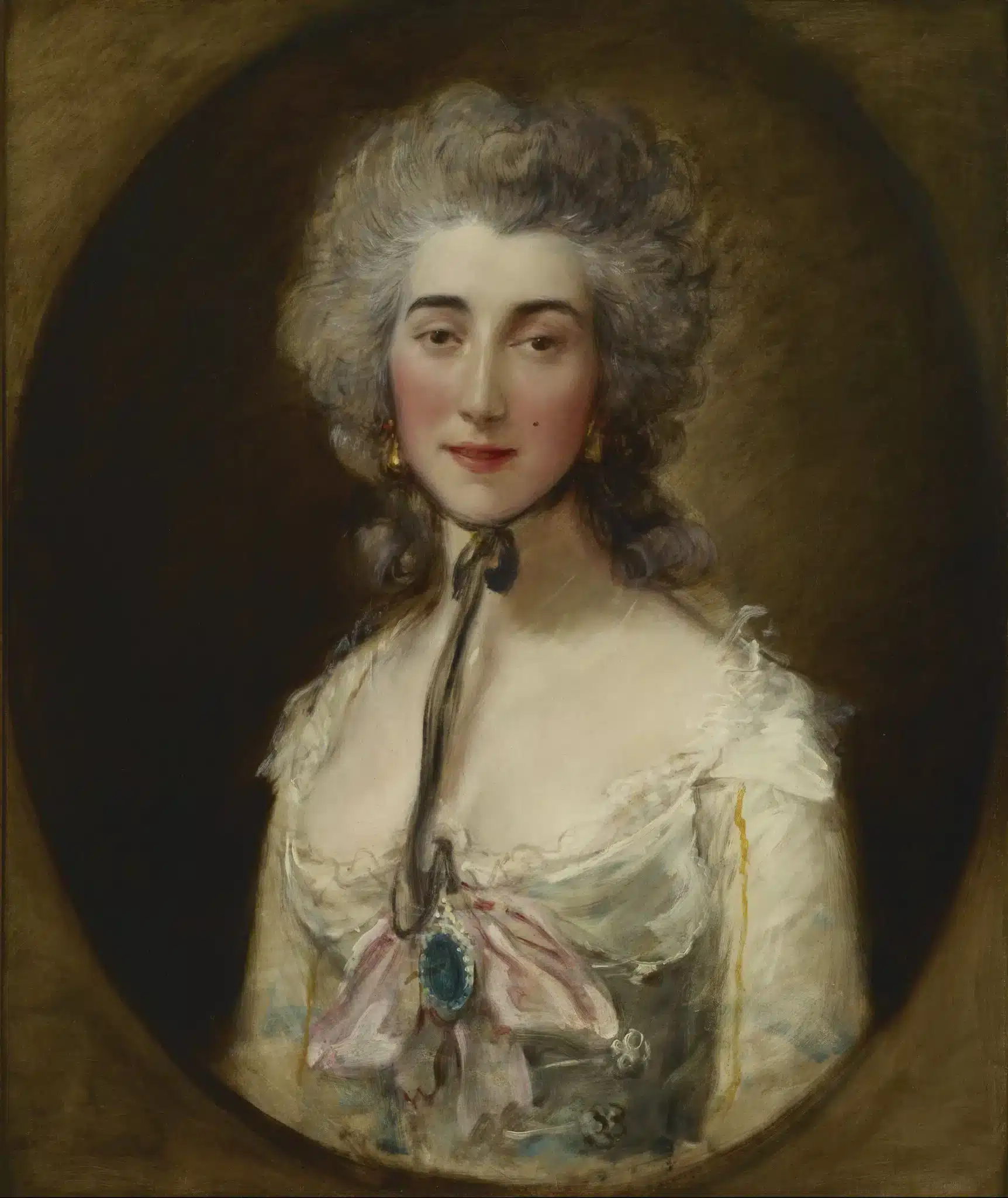
She risked her life to help others during a revolution, leaving a memoir that preserves a woman’s perspective on political upheaval and the struggle to survive it.

Women worth knowing
Extraordinary women, overlooked stories, and a more complete history. Explore the lives, ideas, and achievements that changed the world.
She risked her life to help others during a revolution, leaving a memoir that preserves a woman’s perspective on political upheaval and the struggle to survive it.

She entered a distance race women were forbidden to run, challenging restrictions that kept female athletes off the starting line and out of serious competition.

She stood by her account of an abduction while powerful enemies attacked her reputation, holding her ground through court cases, public hostility, and intense pressure.

Her meticulous observations earned the respect of leading scientists and challenged established ideas, demonstrating how much careful study of the natural world could uncover.

Denied a partnership and told to become more feminine, she challenged workplace discrimination in a legal battle that helped expose the consequences of sex stereotyping.
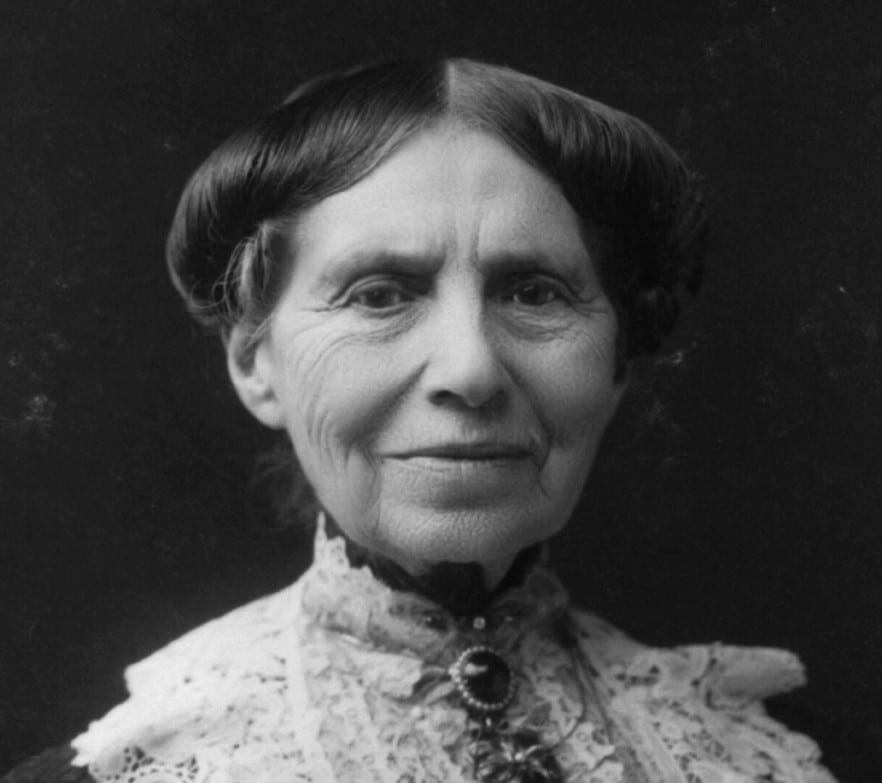
She brought care to wartime battlefields, then built a relief organization that extended its work to communities facing floods, famine, epidemics, and other disasters.
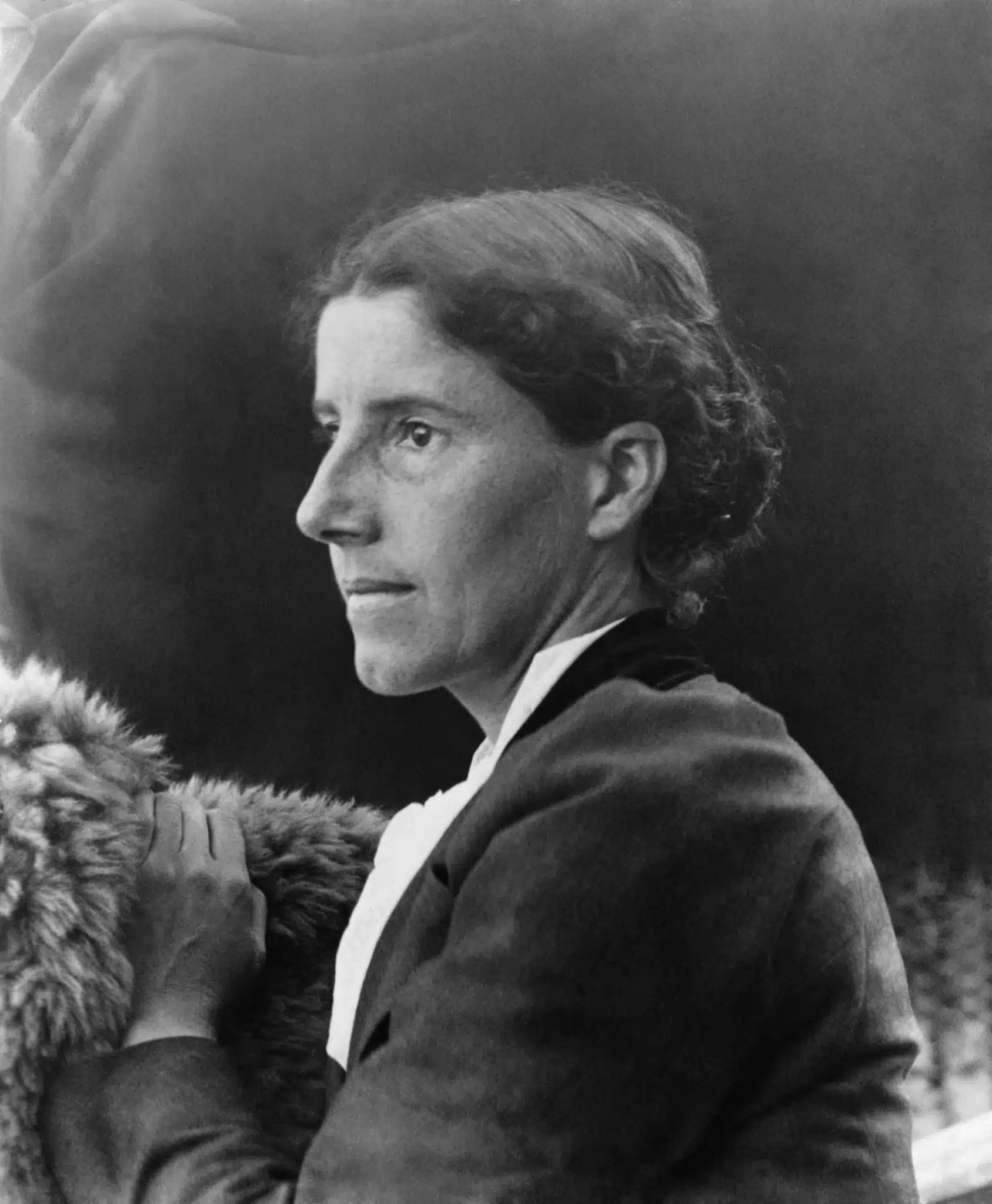
Her fiction and arguments for economic independence challenged restrictive ideas about women’s lives, helping readers imagine alternatives to the roles society expected them to accept.
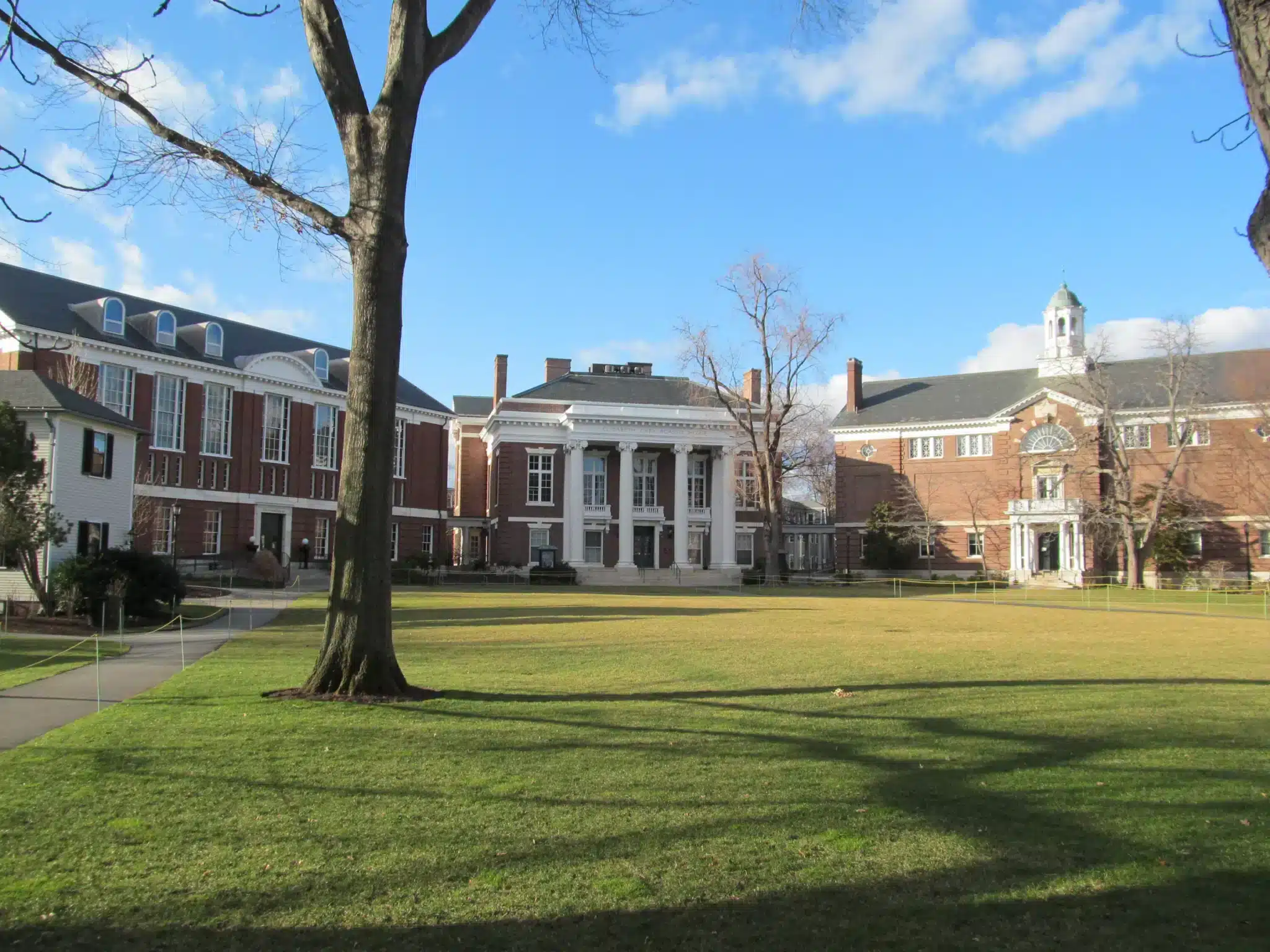
She challenged the limits placed on women’s education, building opportunities for students of different ages and changing expectations of who belonged at leading universities.
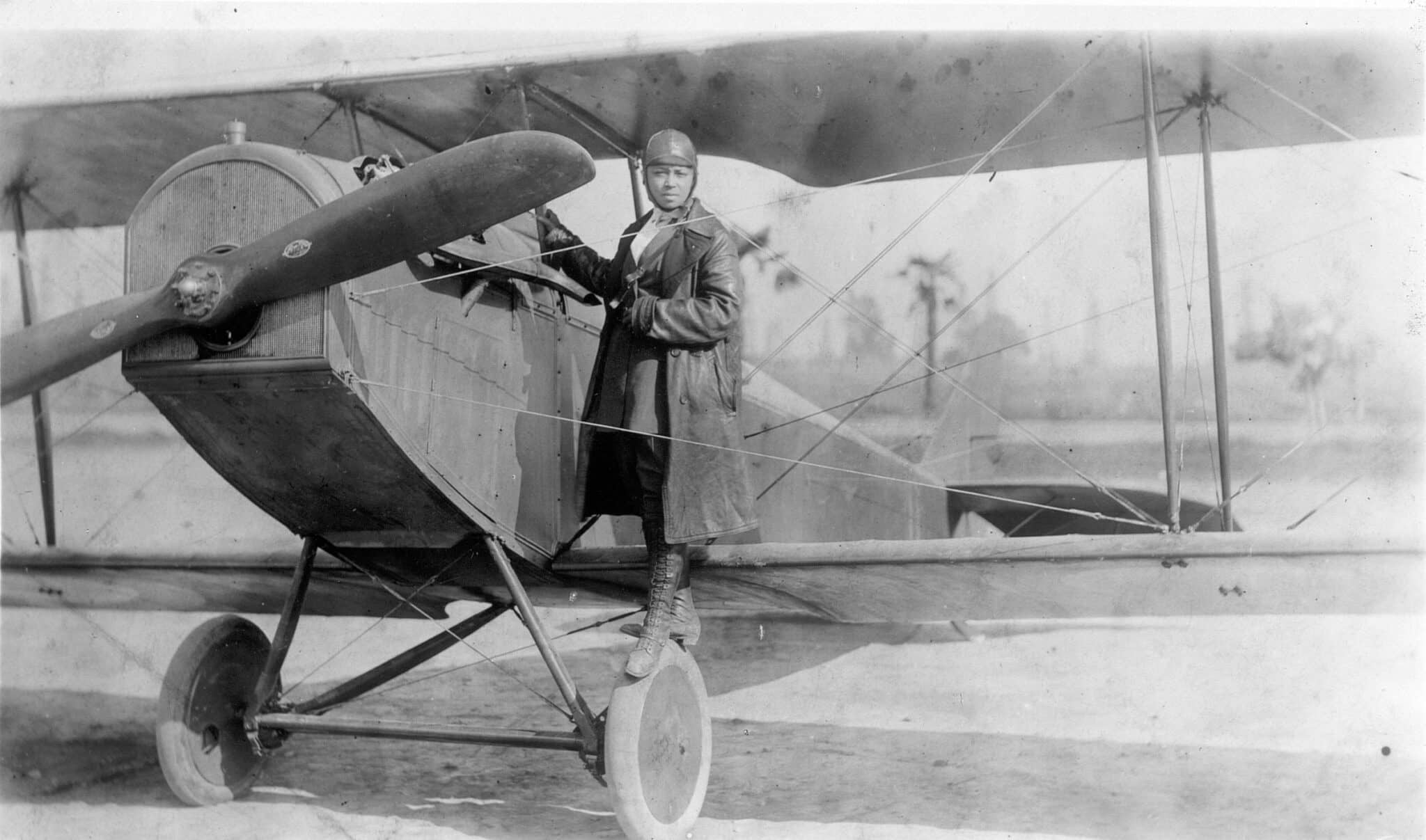
Denied flight training at home, she traveled abroad to earn her pilot’s license, then thrilled audiences with aerial stunts while challenging segregation on the ground.
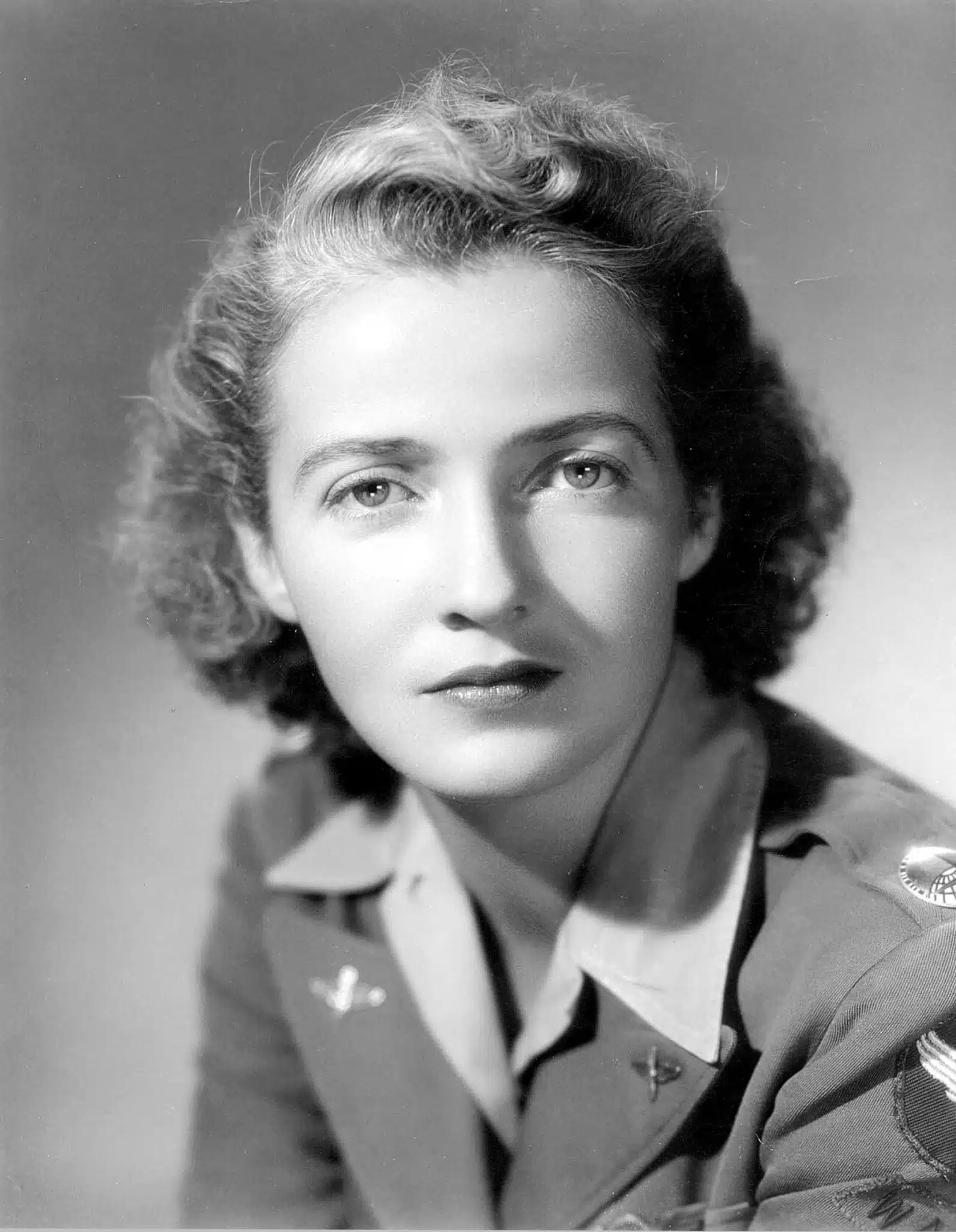
She recruited and led women pilots during wartime, demonstrating their ability to fly military aircraft and expanding the responsibilities they were allowed to take on.
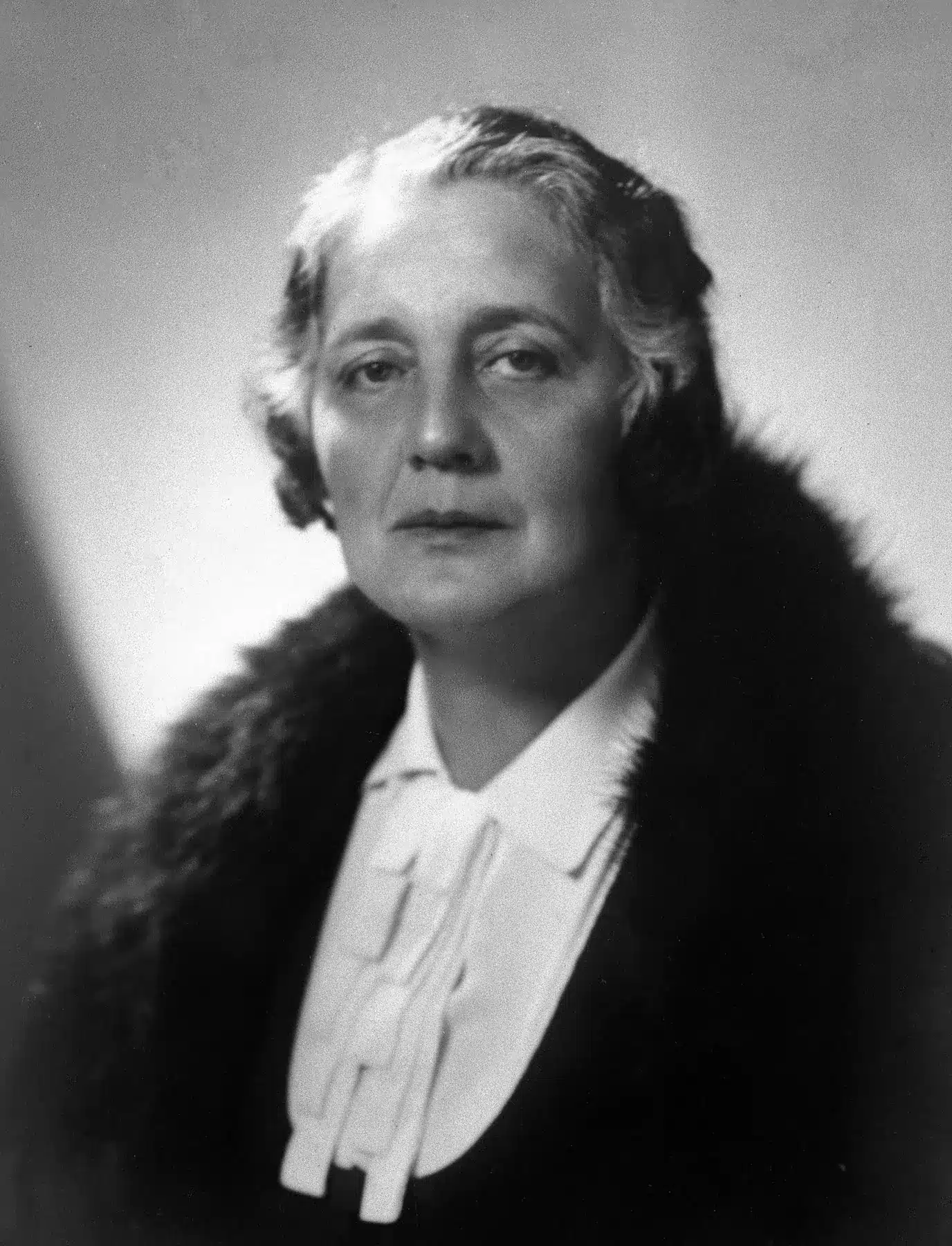
She took children’s inner lives seriously, developing theories that challenged her peers and helped reshape psychoanalysis despite her unconventional path into the profession.

Her team’s software kept an overloaded spacecraft computer focused on landing, helping protect a historic mission and establish new standards for reliable software engineering.
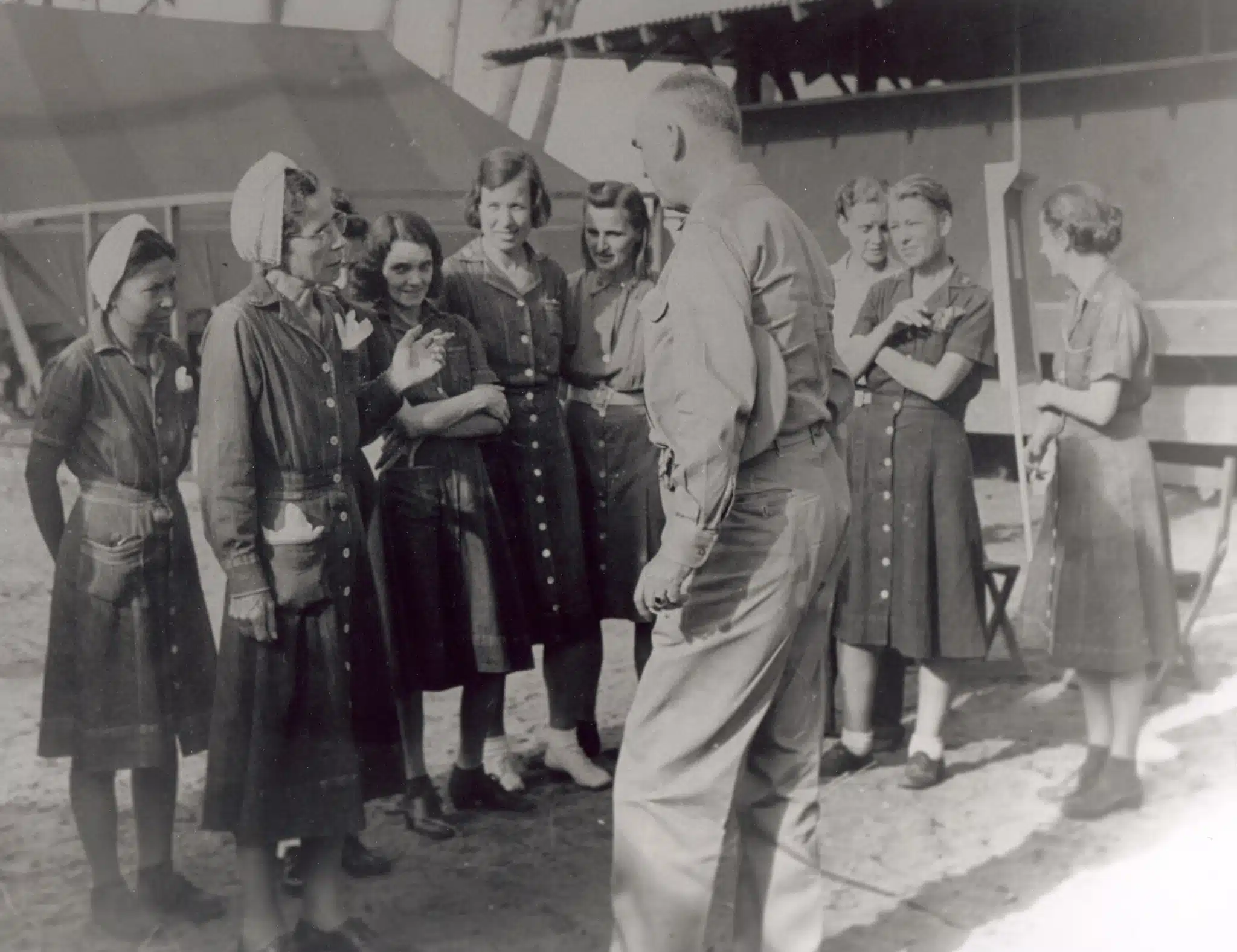
She nursed fellow prisoners through disease and near-starvation in a wartime camp, then survived to continue caring for patients and teaching others to do the same.
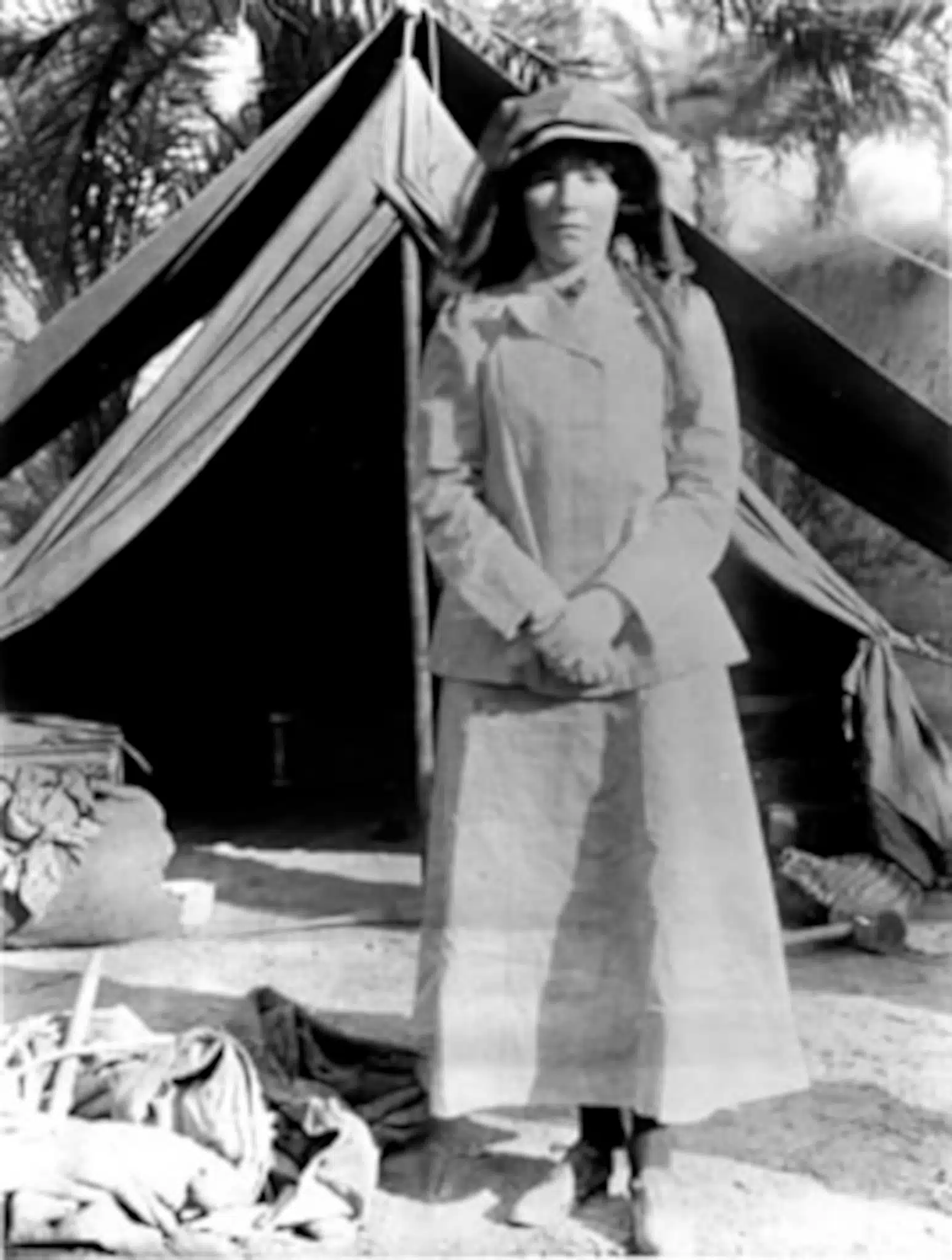
Her expertise in the region carried her from archaeology into wartime intelligence and state-building, where her political influence and museum work helped shape a country’s future.
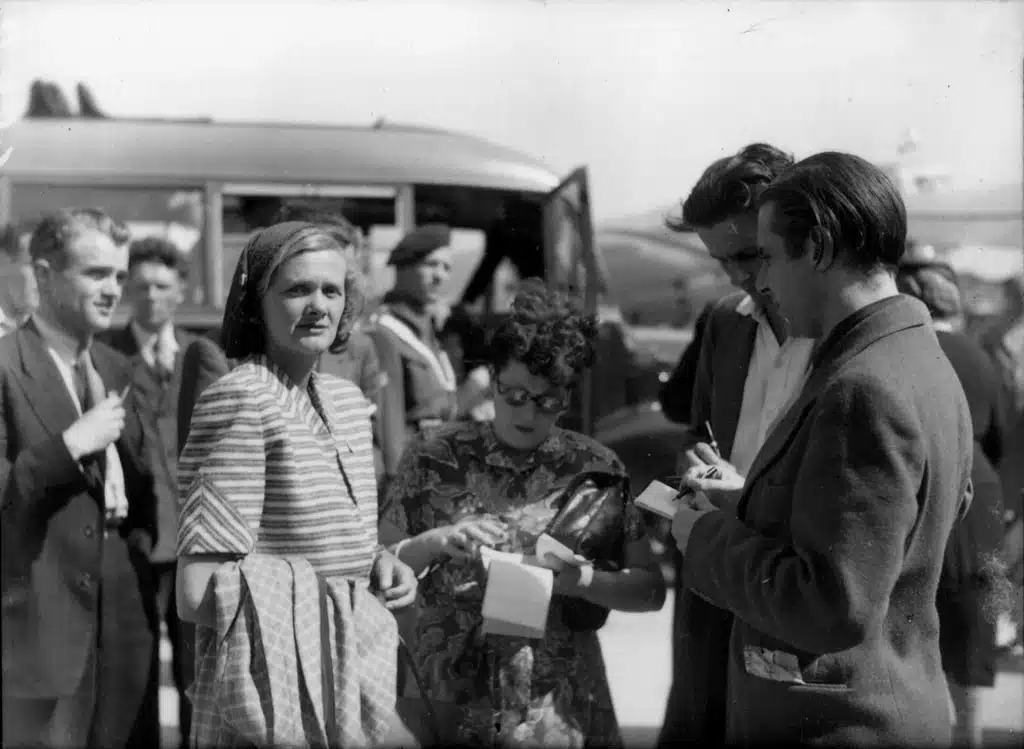
Her fiction turned familiar landscapes into settings for unforgettable suspense, inspiring classic films and unsettling readers with stories that went well beyond conventional romance.
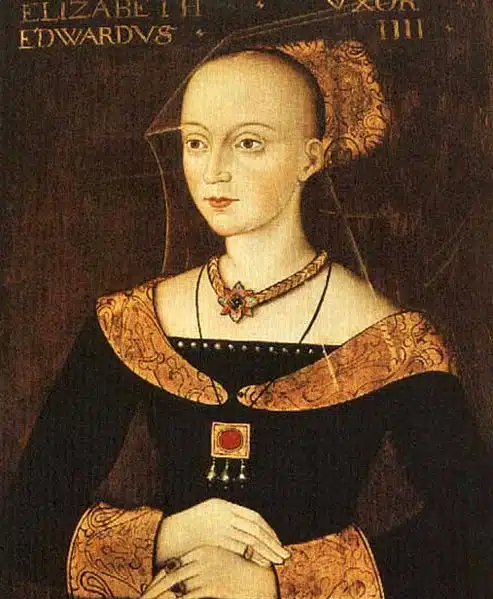
She navigated a royal marriage, civil war, and threats to her children, using family ties and political alliances to protect their place in a dangerous court.
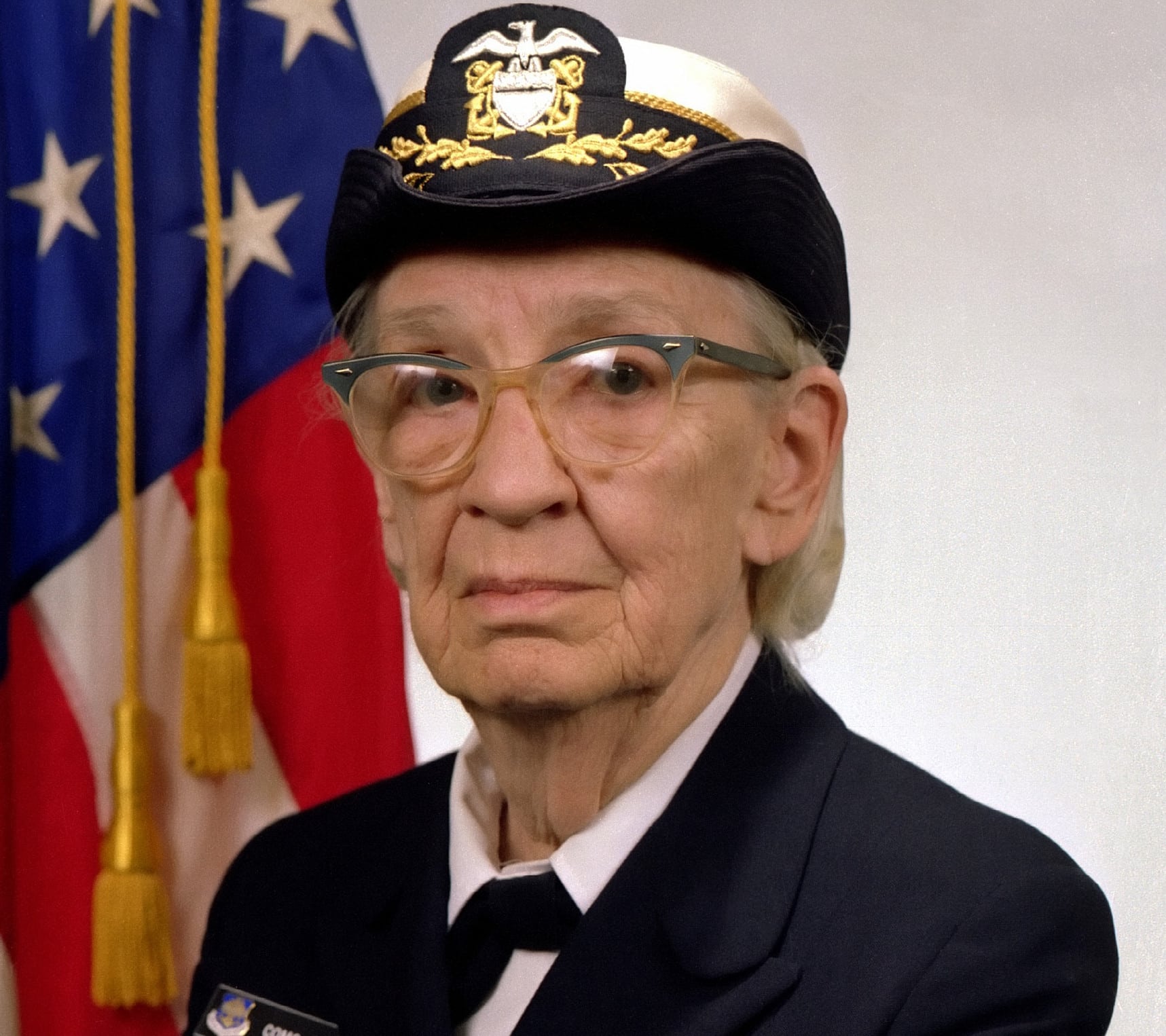
She helped make computer programming more accessible through readable instructions, transforming how people communicated with machines and opening new possibilities for building software.
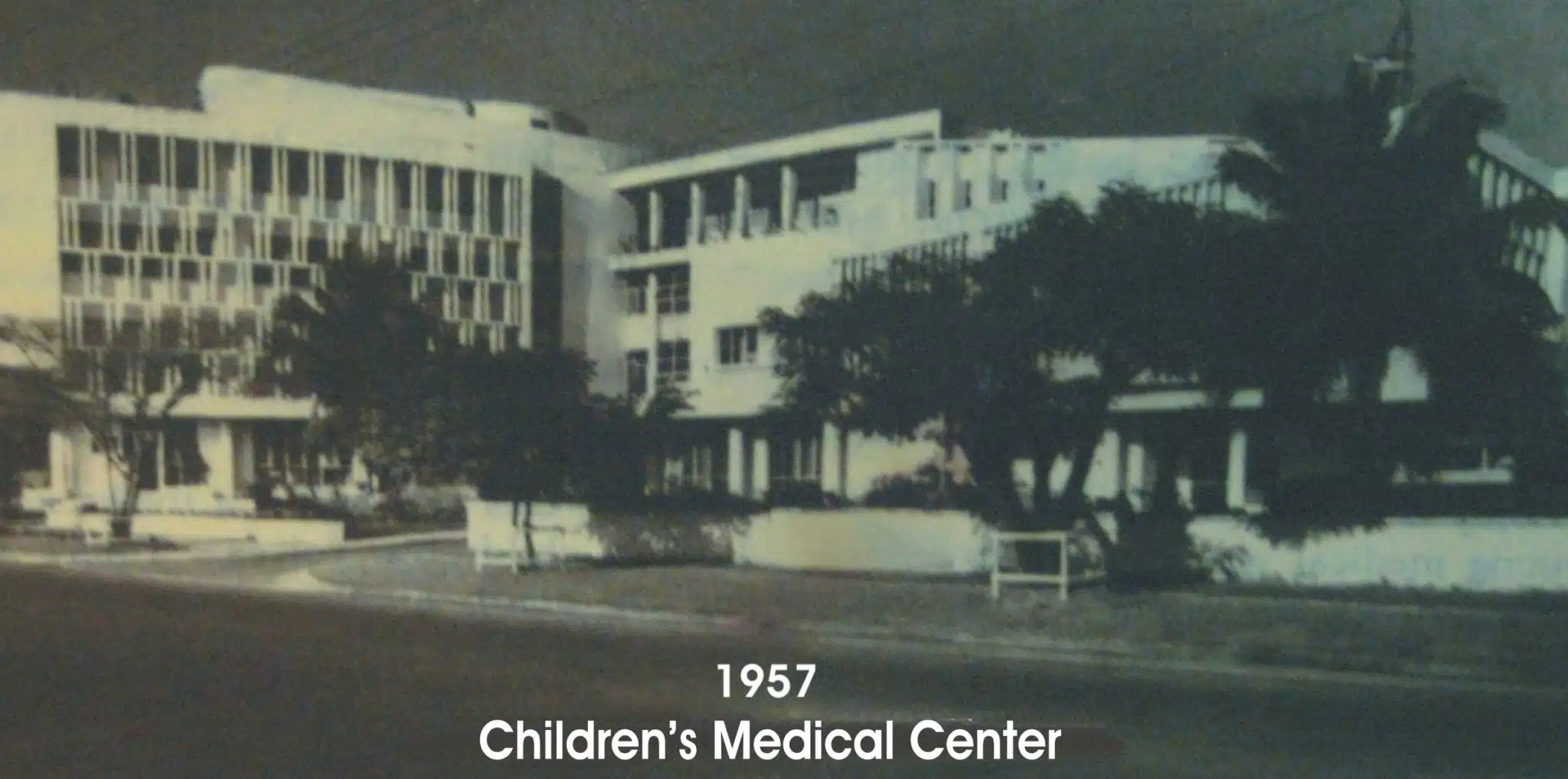
She sold her home to build a children’s hospital, then devoted her career to improving care and reaching families poorly served by existing services.
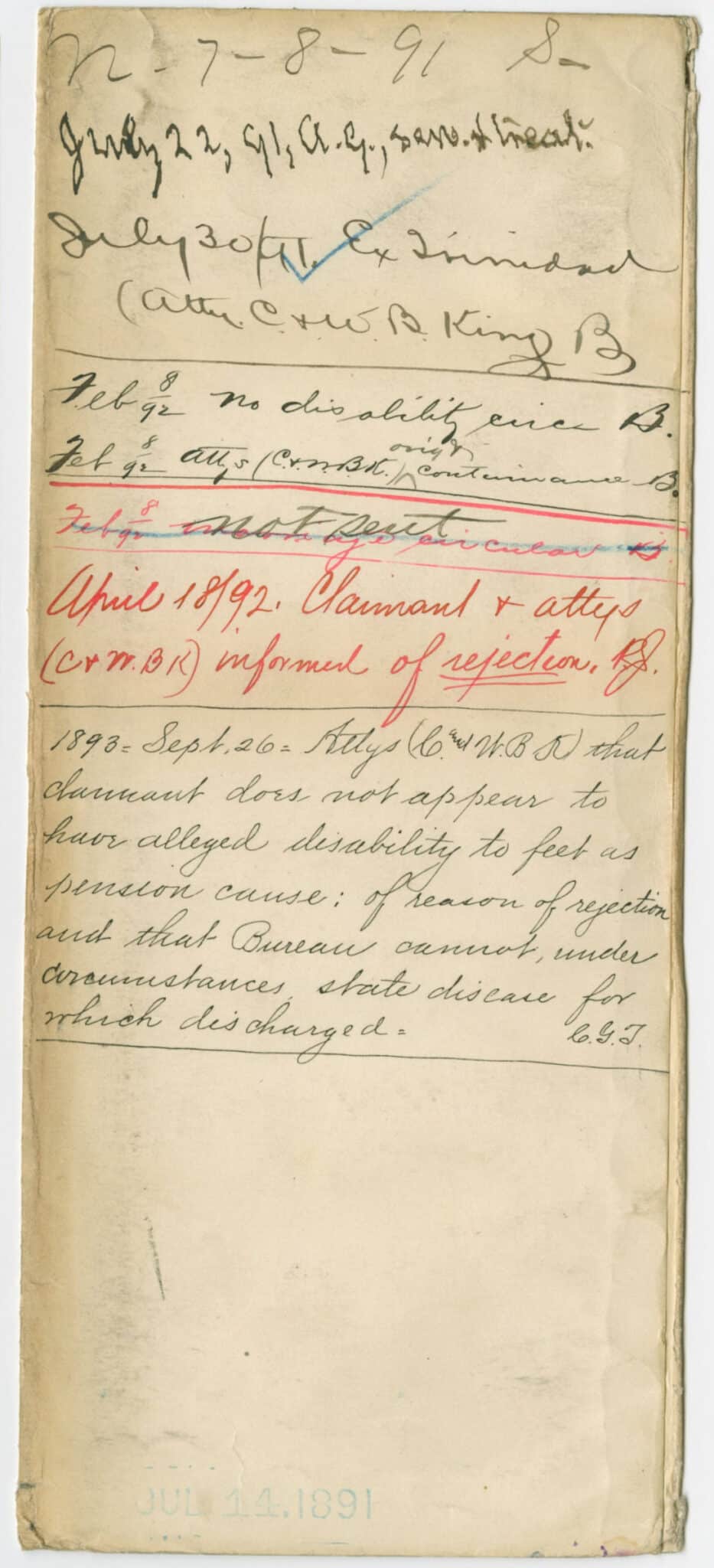
She enlisted under a male name when the army excluded women, claiming a place in military service despite the racism and restrictions surrounding her.
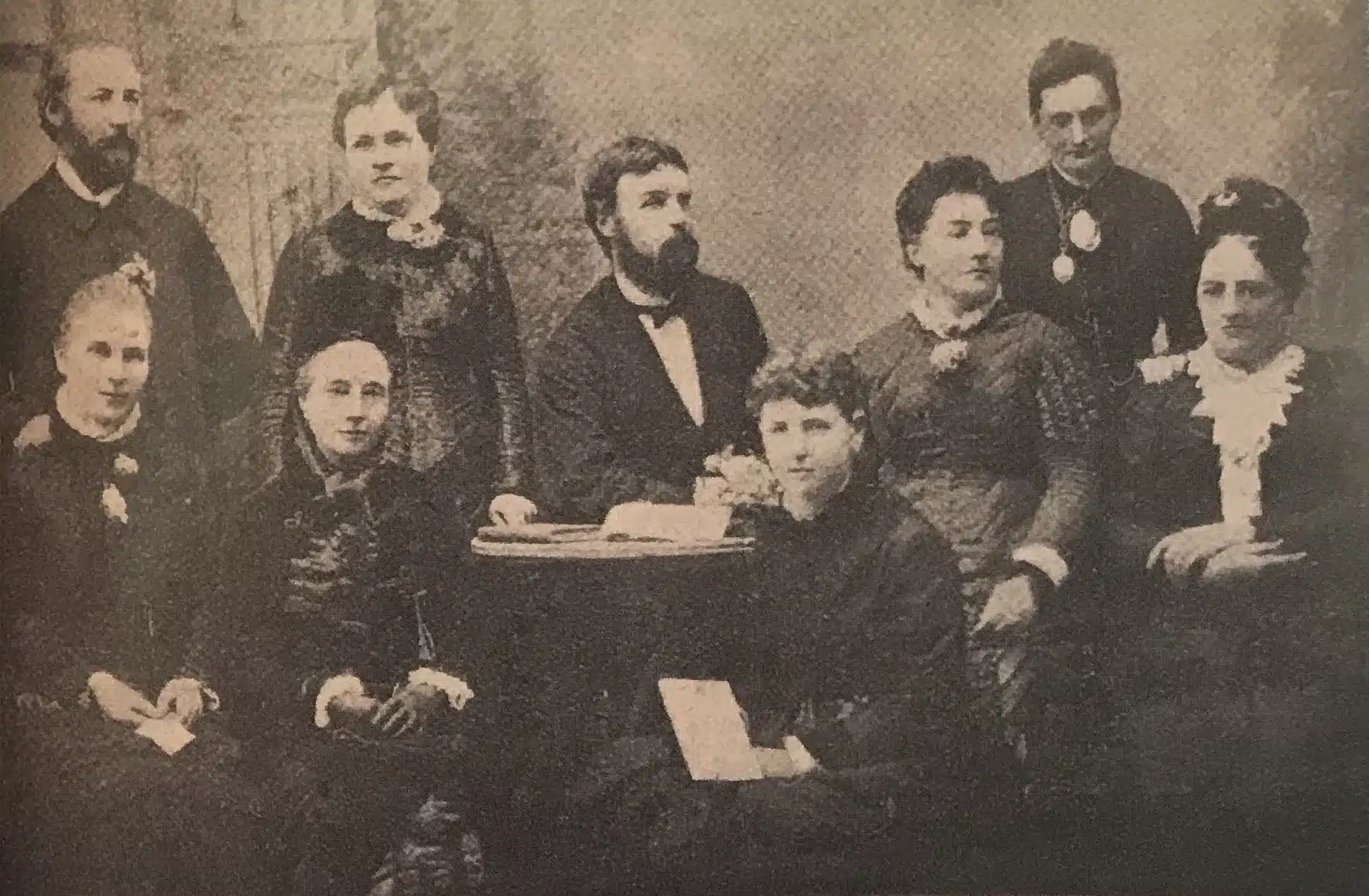
Her writing and organizing helped build a women’s suffrage movement, turning anger at inequality into sustained pressure for the right to participate in politics.