
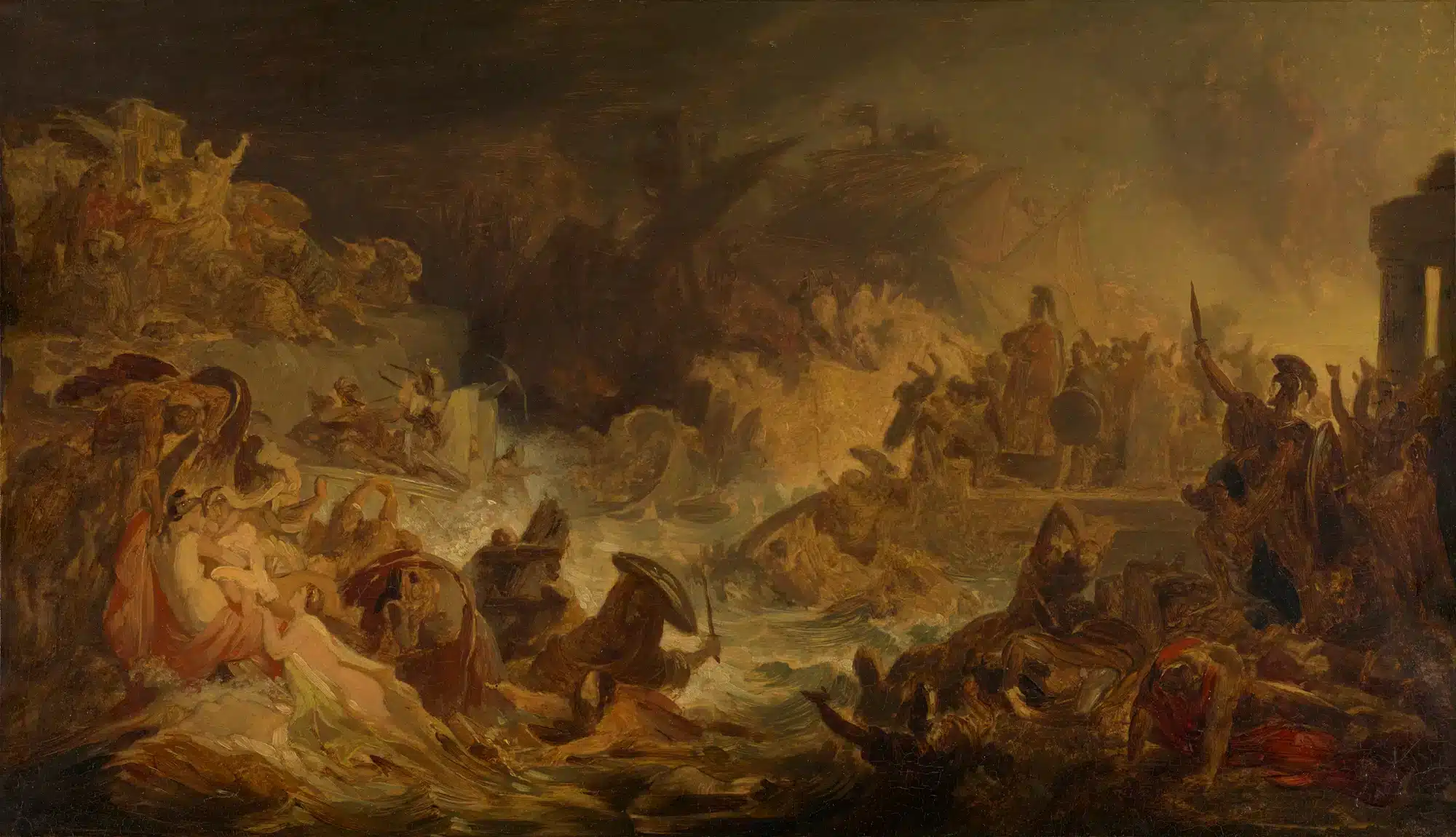
Artemisia I was a Greek queen and naval commander who joined the Persian king Xerxes’ invasion of Greece in 480 BCE. She brought five ships to his fleet and advice he respected. Her warning against fighting at Salamis, her ruthless escape from the battle, and her role in its aftermath made her one of the campaign’s most memorable commanders.
A Queen Brings Five Ships to War
Artemisia ruled Halicarnassus, a Greek city on the coast of what’s now Turkey, after her husband’s death. Her authority also extended to the nearby islands of Cos, Nisyros, and Calymnos. When Xerxes gathered forces for his invasion, she joined him in person, commanding five ships.
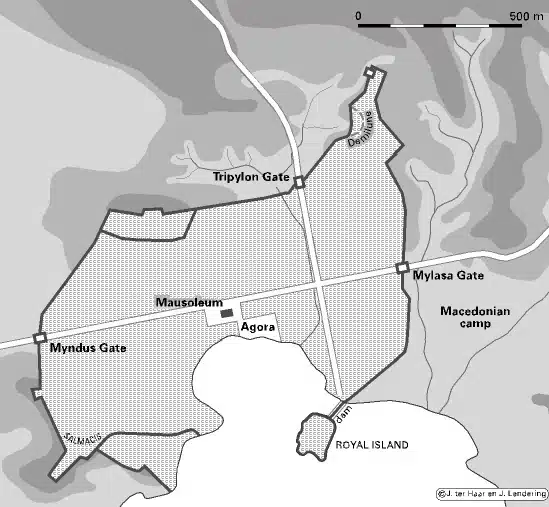
Being Greek didn’t mean she fought for the same side as Athens or Sparta. The Greek world consisted of separate cities with their own governments and interests. Halicarnassus was under Persian rule.
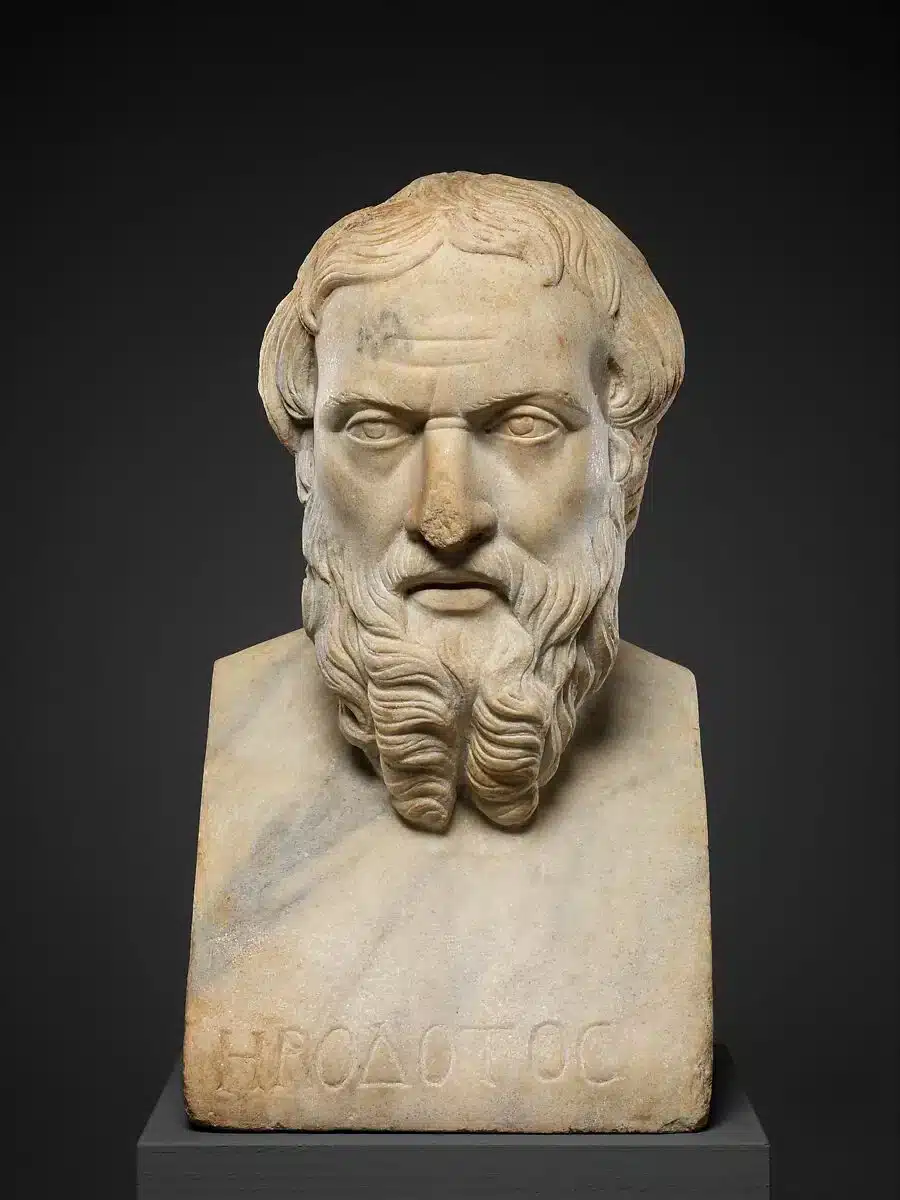
Her contingent was small, but it had a formidable reputation. Herodotus, the Greek historian who also came from Halicarnassus, ranked her ships second only to those of Sidon and praised her counsel above that of Xerxes’ other allies.
Xerxes already held her in high regard before she warned him against fighting at Salamis. Alongside the praise for her counsel, that suggests she had been advising him over time and had earned his trust.
Xerxes Praises Her Advice, Then Rejects It
By the time Xerxes consulted his naval commanders near Athens, Artemisia had already fought in the sea battles off the island of Euboea. The Persian army had taken Athens, but a fleet from Athens and other Greek cities remained near the island of Salamis, just off the mainland.
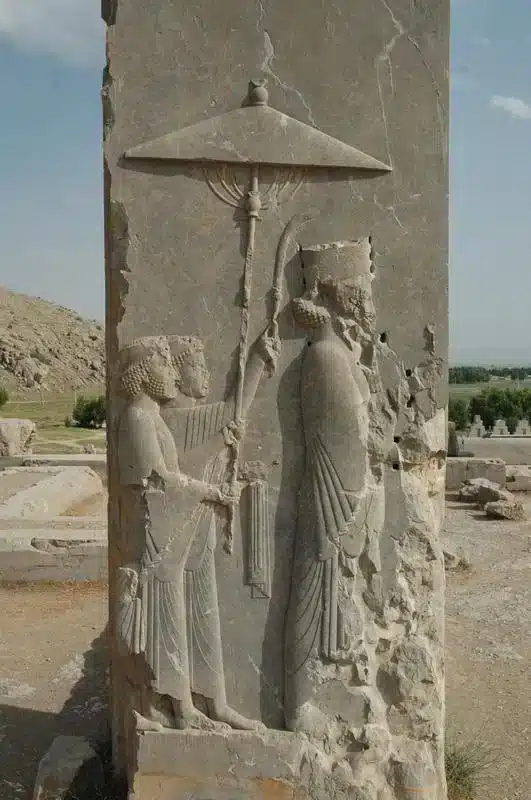
Xerxes wanted to know whether his fleet should attack. He sent Mardonius, one of his commanders, around the assembled leaders to ask their opinions. In Herodotus’s account, written decades after the invasion, everyone recommended battle except Artemisia.
She began by reminding Mardonius of her service at Euboea. She had already shown her courage in action; now she would give the king the advice she thought would serve him best.
She gave a blunt recommendation:
Spare your ships, and offer no battle at sea.
Artemisia, as recorded by Herodotus; translated by A. D. Godley
Artemisia argued that the opposing sailors were stronger at sea and Xerxes had little to gain by risking a battle. He already held Athens. Instead, he could wait or advance with his army toward the Peloponnese, the southern part of mainland Greece. The men defending Salamis came from different cities. If their own homes were threatened, she expected them to leave rather than stay to defend Athens. She also warned that losing the fleet could harm the land campaign.
She was proposing another way to win the war.
Her friends feared that contradicting the others would bring punishment. Those who envied her standing with Xerxes hoped she had finally ruined herself. But the king was delighted by her answer and respected her more than before.
Then he ordered the fleet to fight anyway.
Xerxes believed his sailors hadn’t fought hard enough in the earlier battles because he wasn’t there to watch them. This time, he would see their performance for himself.
An Escape at an Ally's Expense
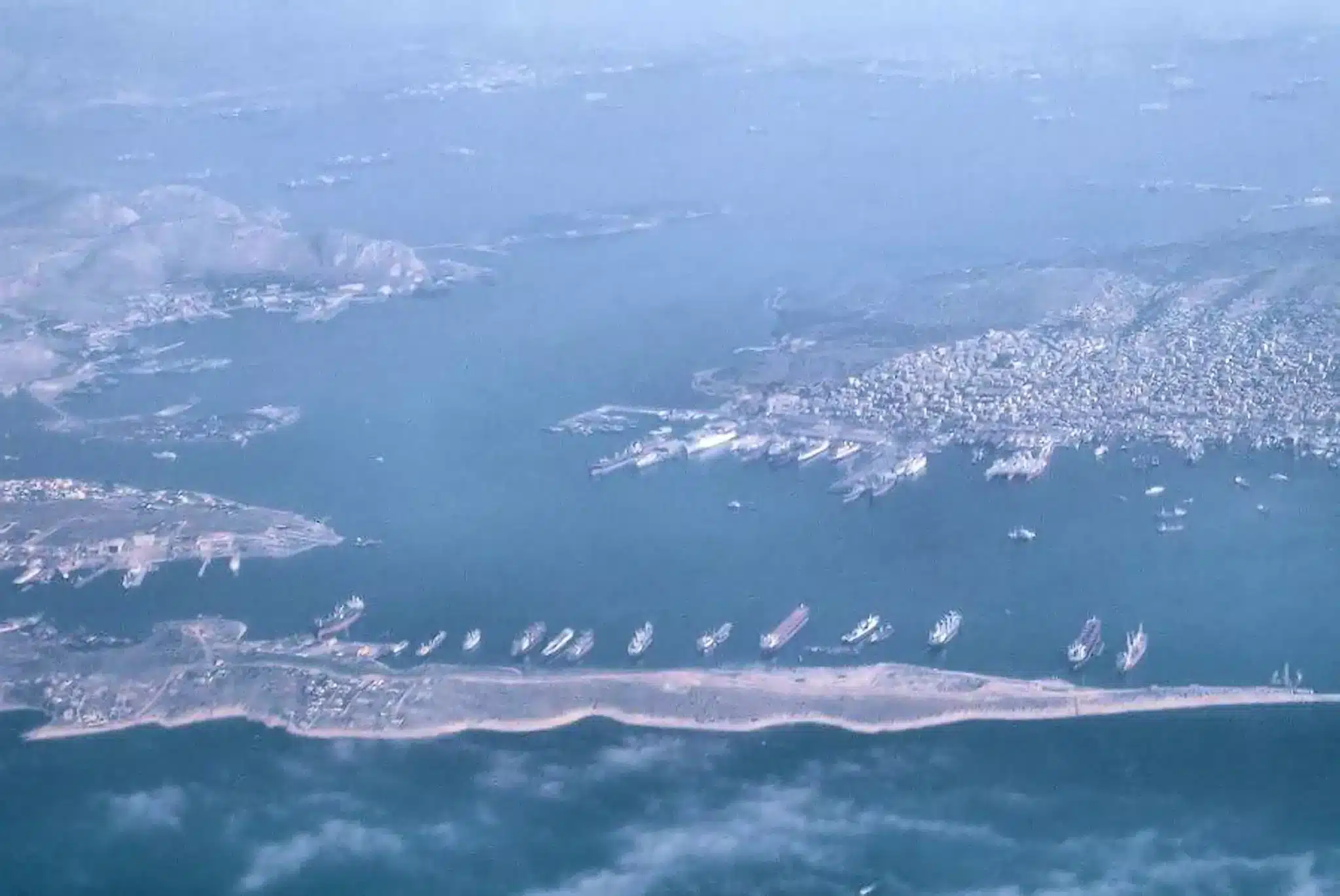
Artemisia fought in the battle she had advised against. The fighting took place in the narrow channel between Salamis and the mainland, where the larger Persian fleet had little room to move. When ships at the front turned to flee, they collided with ships behind them still trying to reach the battle.
Herodotus tells how an Athenian warship pursued Artemisia’s vessel. Other ships on her own side blocked her escape. With the pursuer closing in behind her, she rammed and sank a friendly ship from the city of Calynda. Its king, Damasithymus, was aboard.
The Athenian captain saw her attacking a ship on the Persian side and concluded that her vessel must be Greek, or had deserted to the Greeks. He broke off the chase and went after other ships.
Artemisia escaped. The people aboard the ship she sank didn’t. Herodotus says no one survived to accuse her.
Herodotus didn’t know whether she’d had a quarrel with Damasithymus or had simply found his ship in her way.
Meanwhile, Xerxes and the people watching with him saw something very different. They recognized Artemisia’s ship but mistook the vessel she sank for an enemy. The act that cost him a ship and an ally won her still more of his admiration.
Her Athenian pursuer hadn’t recognized her. According to Herodotus, the Athenians had offered 10,000 drachmas for her capture alive because they were furious that a woman had come to attack their city. He believed the captain would never have abandoned the chase if he’d known whom he was pursuing.
Xerxes Asks for Her Advice Again
The Persian fleet was defeated, but Xerxes still had an army in Greece. Mardonius urged him to continue the invasion. If the king wanted to leave, Mardonius offered to remain with a force of selected troops and finish the conquest himself.
Xerxes summoned Artemisia again. This time, Herodotus says, he dismissed the other advisers and guards before asking which course she recommended. He recognized that she had been right to oppose the naval battle.
Her answer put the king’s safety first. Xerxes should return to Asia and leave Mardonius to carry out his proposal. If Mardonius succeeded, Xerxes would receive the credit, since his forces had won. If Mardonius failed, the king and his household would still be safe. She even offered him a reason to present his departure as a success: he had taken and burned Athens.
This time, Xerxes accepted her advice.
The invasion continued under Mardonius, whose army was defeated at Plataea the following year. Artemisia’s last recorded assignment took her away from that campaign soon after Salamis, when Xerxes entrusted her with escorting some of his sons to Ephesus, on the coast of Asia Minor.
Xerxes had sought her judgment in private and then trusted her with his children. What happened to Artemisia afterward, including when and how she died, remains unknown.
Sources and Further Reading
- Herodotus, Histories, Book VII, chapters 97-99. Translated by A. D. Godley. LacusCurtius.
- Herodotus, Histories, Book VIII, chapters 67-69 and 87-93. Translated by A. D. Godley. LacusCurtius.
- Herodotus, Histories, Book VIII, chapters 100-107. Translated by A. D. Godley. LacusCurtius.
- Rüdiger Schmitt, “Artemisia.” Encyclopaedia Iranica.
- Christopher Tuplin, “Salamis.” Encyclopaedia Iranica.
- Violaine Sebillotte Cuchet, Queen, Warrior, Captain: The Story of Artemisia of Halicarnassus. Translated by Jody Gladding. Published excerpt, Yale University Press, 2026.


Beyond the article
Join the Conversation
Share your perspective, ask a question, or add something to the story.