

Ask anyone what they know about Sri Lanka and chances are, they may tell you that it’s the source of some of the world’s best tea. You may also hear that the country is famous for its love of cricket and for its stunning landscapes and scenery.
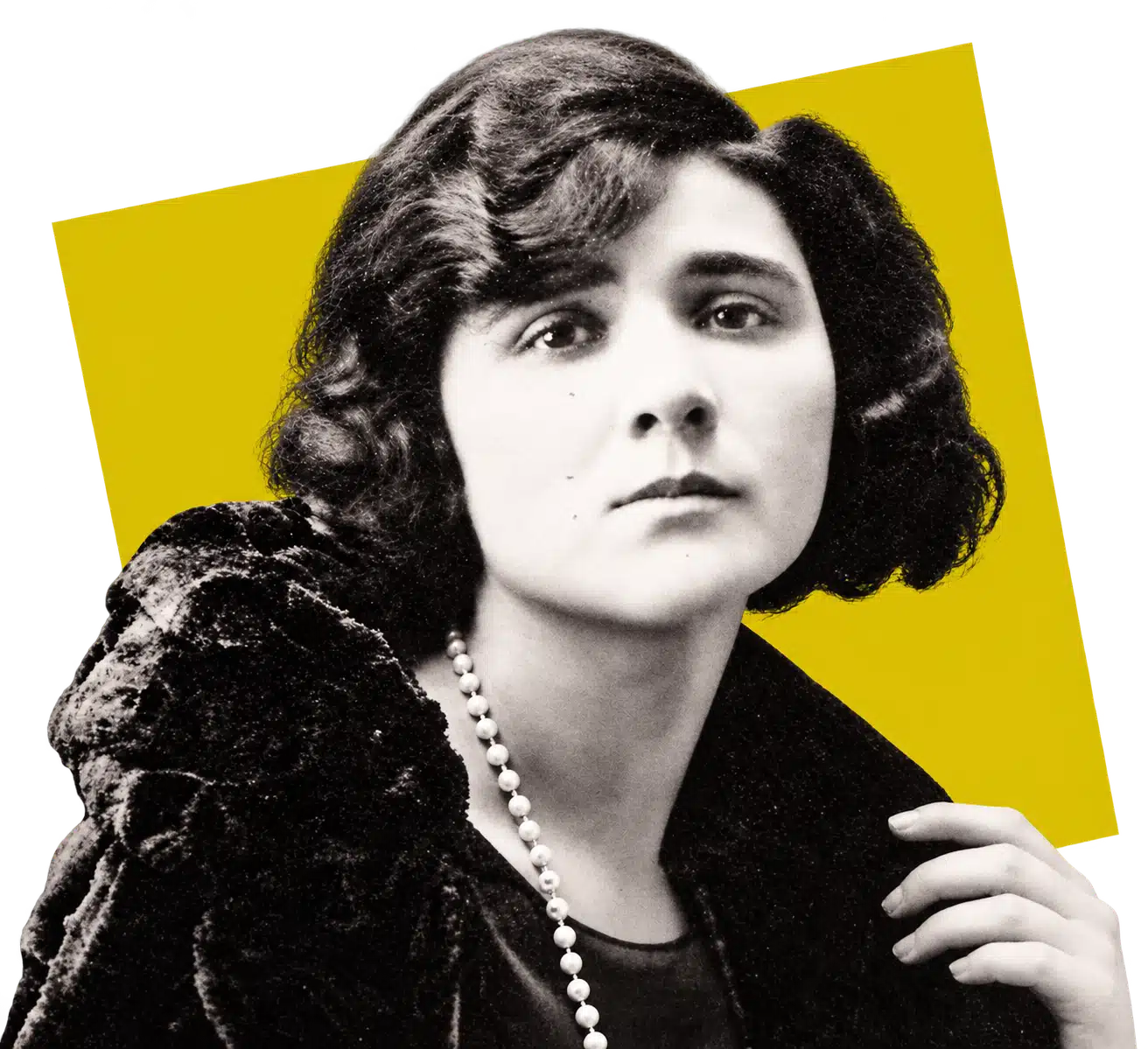
But you will rarely, if ever hear, that this little island nation in the Indian ocean broke the glass ceiling for women in politics. That’s exactly what happened in 1960 when Sirimavo Bandaranaike became the world’s first female prime minister.
While there are controversies relating to her time in power, Sirimavo’s overall contributions to women’s capabilities remains undeniable.
Early Years

Sirimavo was born in Sri Lanka in 1916 to a wealthy Sinhalese family. This was during the time when the country was still under the British and known as Ceylon. The eldest in a family of six, she distinguished herself with her love for education, particularly in literature and science, and demonstrated a sharp wit and insight from an early age.
After completing her schooling, Sirimavo became heavily involved with social work. Ceylon was a poor country, one that was facing turmoil with the onset of World War II. The social and economic inequalities that existed were glaring, especially in rural villages. Sirimavo became the treasurer of the Social Service League, a position she held until 1940.
During this time, she became actively involved with working to reduce these inequalities, an area she would revisit in the future.
Marriage and Family
In 1940, as was the custom of the time (and still is today in many traditional families), Sirimavo’s family arranged her marriage. The man they chose, S.W.R.D. Bandaranaike, was initially considered unsuitable by her family as he was from a low-country family who had served the colonial rulers for decades.

Conversely, Sirimavo’s family had an aristocratic background and were from Kandy, the location of the last kingdom of Sri Lanka. He was deemed not good enough for her. In any case, family obstacles were overcome, and the couple eventually married in 1940.
After her arranged marriage to S.W.R.D. Bandaranaike, Sirimavo spent her time raising her family. Her husband was active in politics, and Sirimavo often accompanied him on his trips. As he began to ascend the political ladder in Ceylon, she became more involved, albeit indirectly. S.W.R.D. respected her judgement and often consulted with her when making decisions.
Thrust into Politics
S.W.R.D. was a strong leader but he also attracted a lot of vitriol for his policies and strong stance on issues. When her husband was shot by a Buddhist monk in 1959, Sirimavo was asked to be the leader of the political party established by her husband.
Although reluctant initially, she decided to take his place and to carry forward his policies. Following a landslide victory, in 1960, Sirimavo was elected the first female prime minister in the world.
Achievements

Sirimavo would go on to serve the country as Prime Minister for three separate terms.
While her policies weren’t always well-received, some of the most impactful actions taken by her during this period included the following.
- Sirimavo is credited for leading Ceylon away from its colonial past and into a new future as a politically independent republic called Sri Lanka. This gave the country new legs to stand on and helped it make the transition to becoming independent.
- She and her party nationalized several important sectors of the economy, including banking, education, media, industry and trade.
- She promoted the use of Sinhalese as the state language and pushed for Buddhism to take prominence as the main religion. While this was well-received by most Sinhalese (who make up the majority of the country’s population), it naturally alienated minority groups such as the Tamils, which would go on to cause rifts between the communities.
- She passed several land reforms which benefited Sri Lankans. The aim was to prioritize the native population over the portion of Western-educated class who until then had enjoyed elite status.
- She was also known for her diplomacy, opposition to nuclear expansion and efforts to create alliances between countries in the Global South.
- The children of Sirimavo and S.W.R.D. would go on to become major political figures in the country, with her daughter Chandrika becoming the first female president of Sri Lanka. During Chandrika’s tenure as president, Sirimavo served her third term as prime minister. This was the first time that two women held the positions of president and prime minister at the same time in Sri Lanka (and possibly in the world).
Sirimavo’s Legacy

Sirimavo died in 2000 from a heart attack. The entire country went into two days of mourning and there was a general feeling of the end of an era.
Today, Sirimavo’s legacy is controversial. In her own country, there are those who love her and see her as a matriarchal figure and a champion of women’s rights and capabilities, while others see her as one who contributed to social and economic tensions through ill thought-out policies.
However, regardless of this, Sirimavo demonstrated that a woman could lead a country. At the time of her appointment, only two other women had been appointed or elected as chief executives of their respective countries – including Khertek Anchimaa-Toka of Tannu Tuva and Sukhbaataryn Yanjmaa of Mongolia.
In this respect, Sirimavo defied stereotypes that exist even today about the capabilities of women. She is credited for having raised the world’s perceptions of what a woman can do, namely, leading a nation which until then, had been considered unthinkable.

Beyond the article
Join the Conversation
Share your perspective, ask a question, or add something to the story.