Louise-Élisabeth Vigée Le Brun, Marie Antoinette’s favorite portraitist
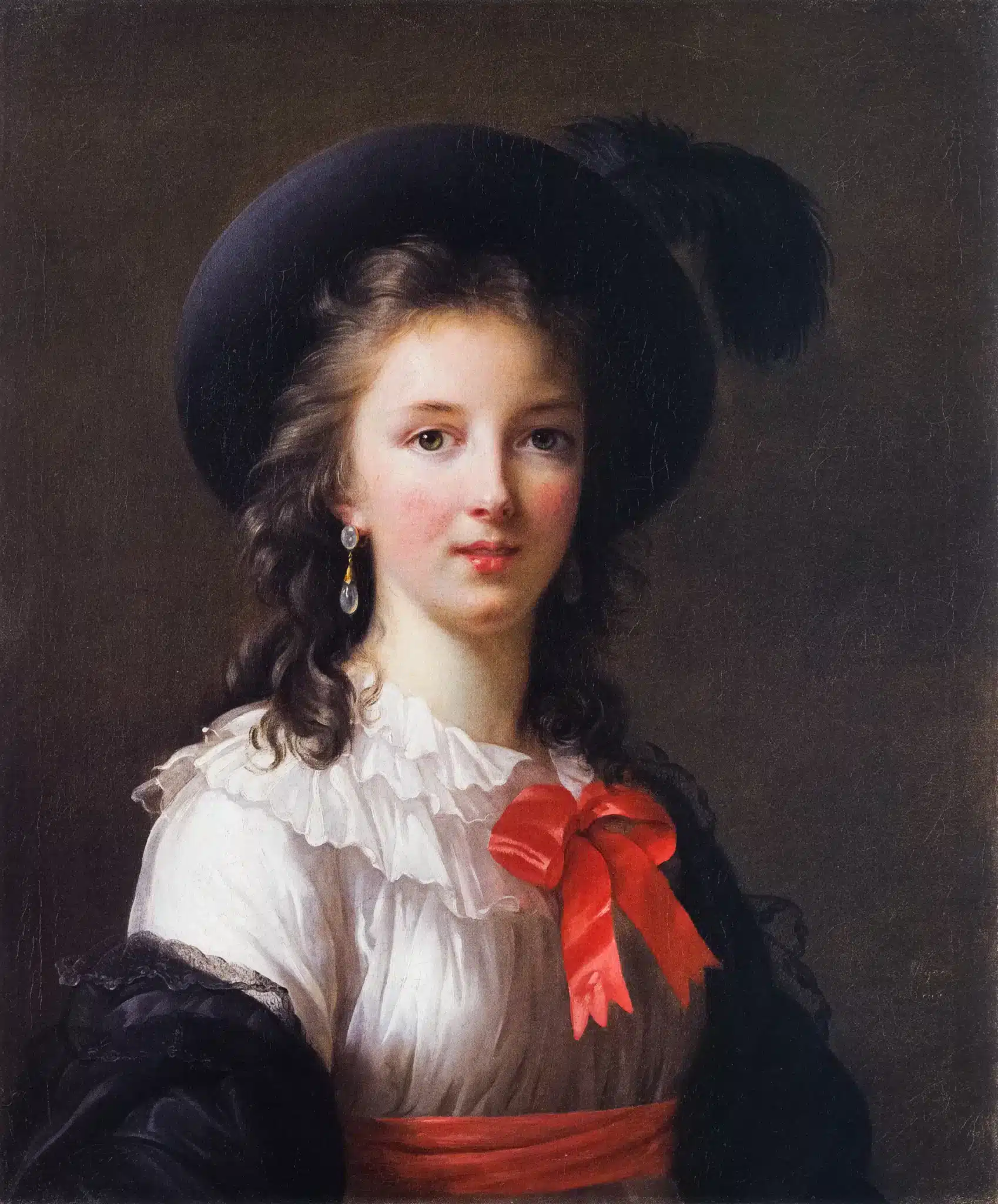
She built a celebrated portrait career despite barriers to formal training, using artistic skill and determination to earn recognition across courts and countries.

Women worth knowing
Extraordinary women, overlooked stories, and a more complete history. Explore the lives, ideas, and achievements that changed the world.
Women’s lives, work, and ideas, 1801–1900.
Explore the lives of women who lived during the 19th century. Their stories reveal ambition, creativity, and struggles for change, including lives that crossed into the centuries on either side.
She built a celebrated portrait career despite barriers to formal training, using artistic skill and determination to earn recognition across courts and countries.
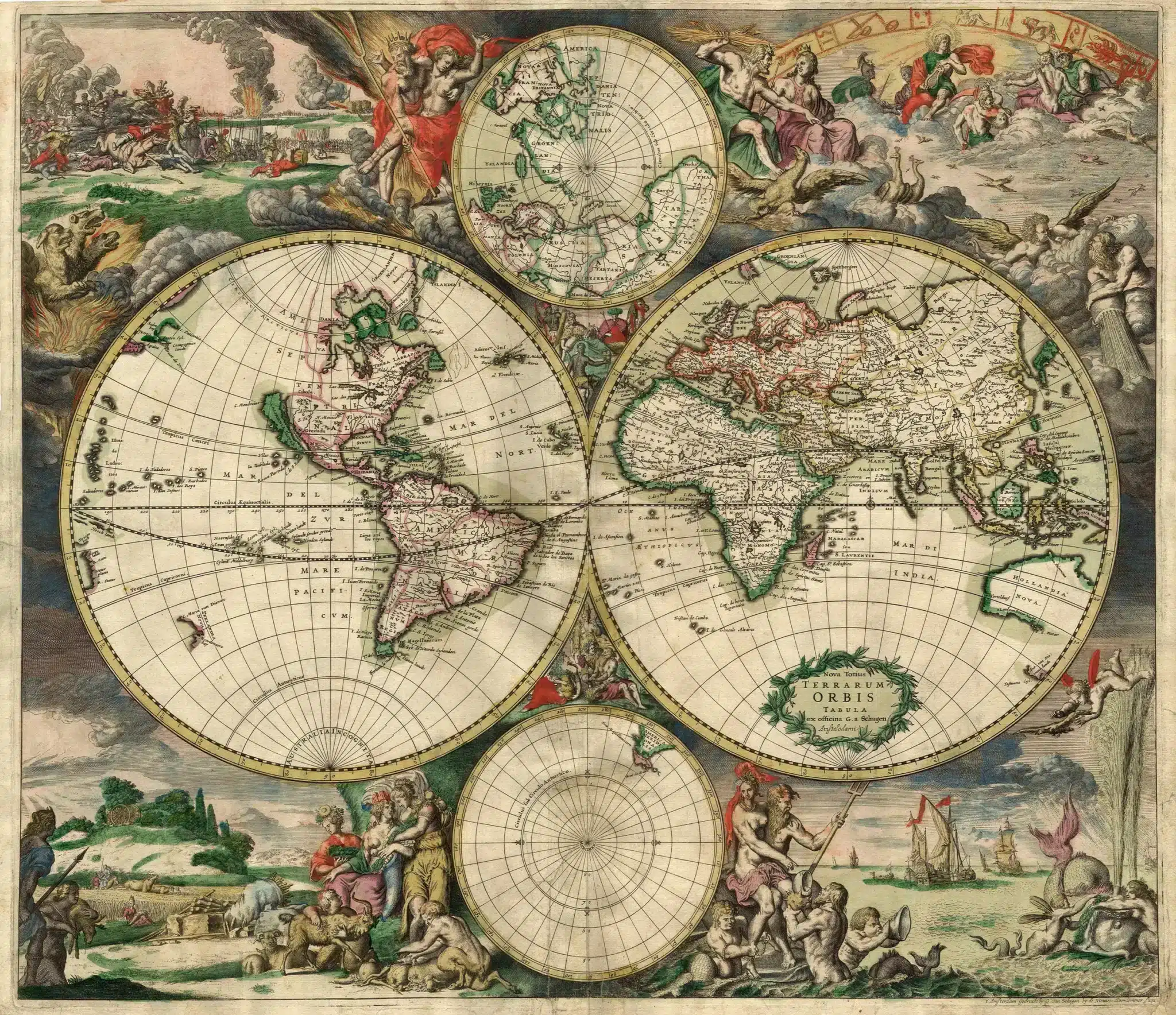
Women mapped unfamiliar terrain, investigated the environment, and rethought how places shape our lives, expanding geographical knowledge and its role in understanding social change.

Her determination to preserve and promote an artist’s work helped turn a neglected legacy into worldwide recognition, changing which paintings found their place in art history.

She used journalism to argue for political rights and practical clothing, linking women’s ability to move freely with their right to participate in public life.

Black women challenged exclusion in medicine, nursing, and research, expanding professional opportunities and improving care for communities neglected by existing institutions.

Heavy skirts and restrictive corsets limited women’s movement. Campaigns for practical clothing linked everyday comfort with greater freedom to participate in public life.

She gathered intelligence inside an enemy leader’s home, then worked to educate formerly enslaved people, continuing the fight for freedom despite threats to her schools.

Black women’s writing and art helped drive a cultural movement, bringing new voices into public life and influencing how communities understood and represented themselves.

Black businesswomen built thriving enterprises despite racism and sexism, creating jobs and supporting education, community institutions, and opportunities others had been denied.

Women’s convictions about religion shaped lives of achievement in science, literature, and philosophy, connecting intellectual independence with debates over belief and freedom of thought.
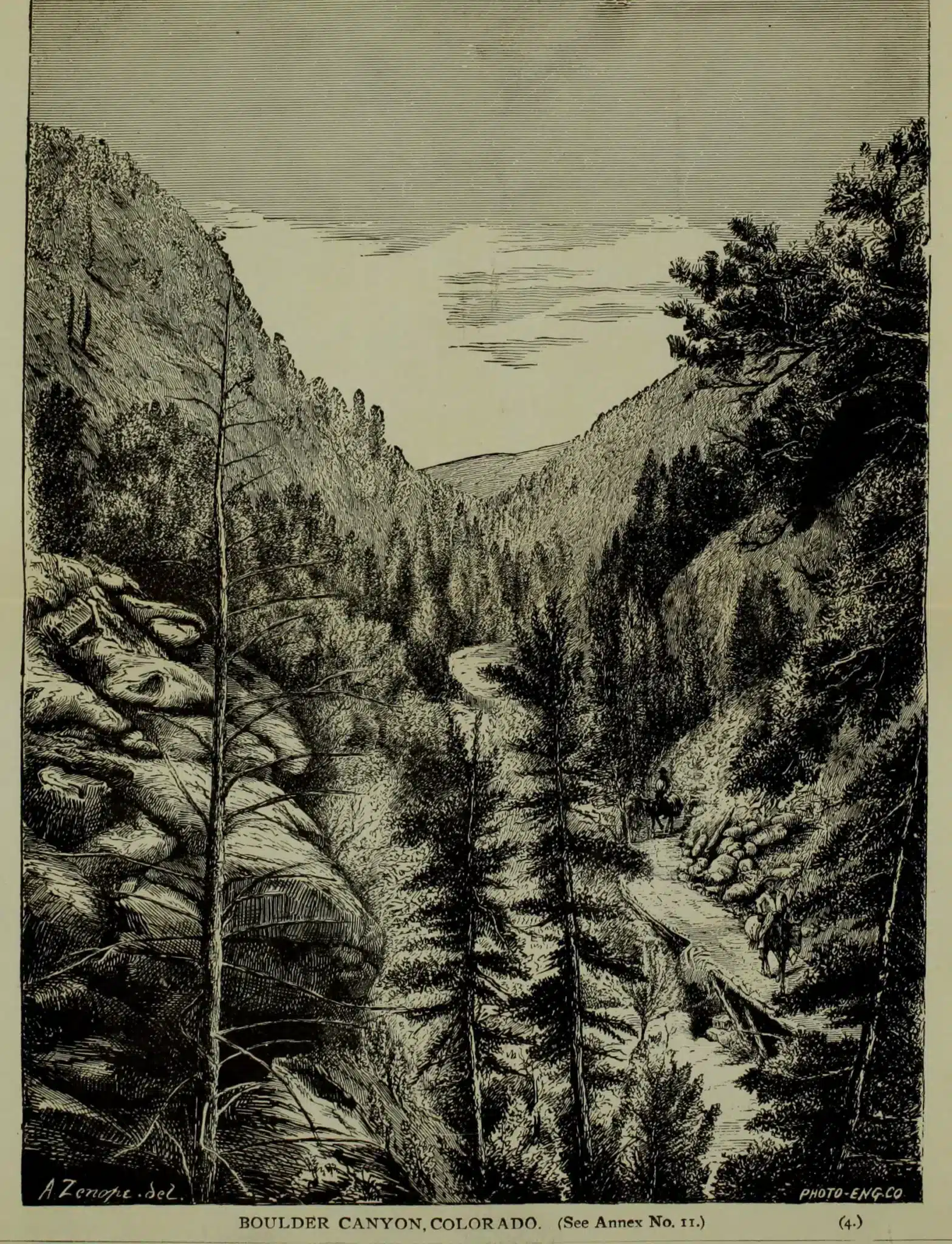
A rush for gold created unusual opportunities for women to earn money, own businesses, and shape frontier communities through enterprise that extended well beyond mining.

A celebrated wartime anthem made her famous, but her poetry and activism also carried demands for abolition, women’s rights, and a broader role in public life.

She fought to defend her people and rescued others in battle, leaving accounts of courage that preserve a woman’s role in resistance to forced displacement.

Windshield wipers began with a woman noticing how snow blocked a driver’s view, turning a frustrating journey into an idea that changed everyday travel.

She challenged rules that barred women from legal practice, securing professional recognition and creating a path for others to enter a male-dominated field.

Her entry into federal law enforcement challenged an all-male profession, while the abrupt end of her career exposed how fragile women’s access could remain.

Enslaved women fought in court for their own freedom and their children’s, using legal claims to challenge a system that treated their families as property.
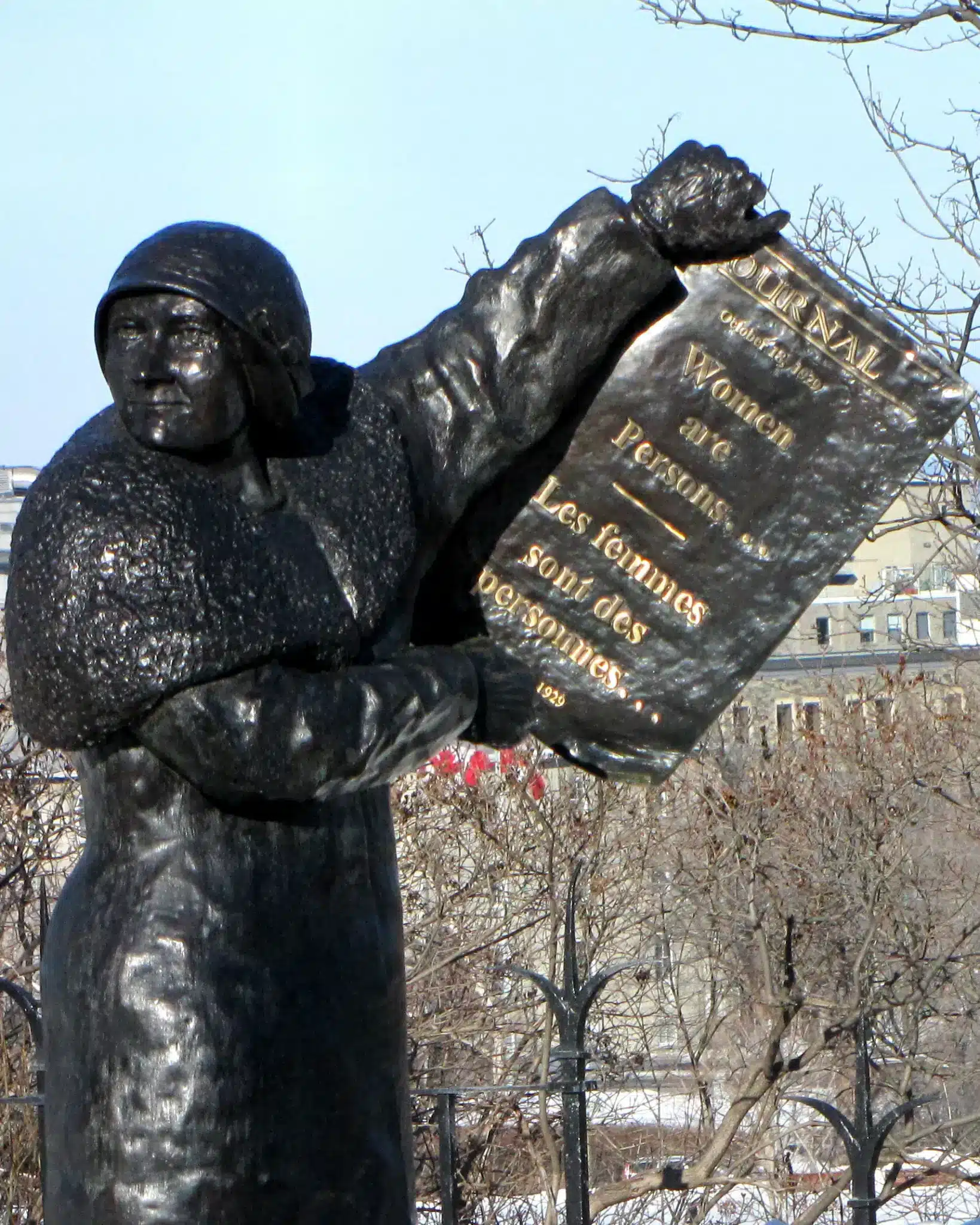
A challenge to women’s exclusion from political office changed how constitutional language was understood, opening opportunities and rejecting a reading of personhood that favored men.

Women created space for serious intellectual conversation in literary societies, challenging expectations of femininity even as a label for learning became a weapon of ridicule.
Her fiction won readers and critics on its own merits, establishing a successful literary career too often overshadowed by her friendship with a more famous male author.