Mary Treat, Victorian Entomologist and Visionary Biologist
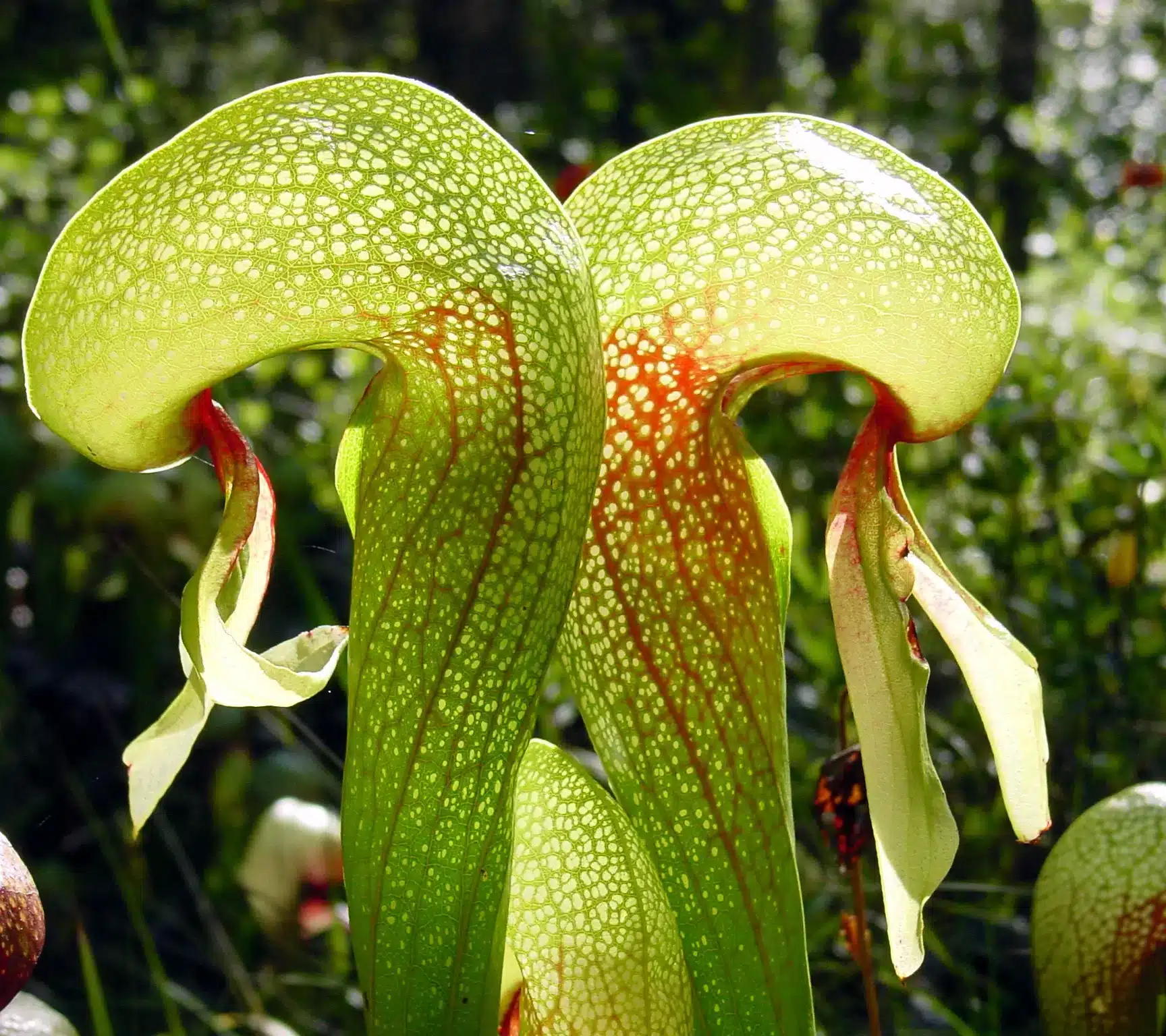
Her meticulous observations earned the respect of leading scientists and challenged established ideas, demonstrating how much careful study of the natural world could uncover.

Women worth knowing
Extraordinary women, overlooked stories, and a more complete history. Explore the lives, ideas, and achievements that changed the world.
Women’s lives, work, and ideas, 1801–1900.
Explore the lives of women who lived during the 19th century. Their stories reveal ambition, creativity, and struggles for change, including lives that crossed into the centuries on either side.
Her meticulous observations earned the respect of leading scientists and challenged established ideas, demonstrating how much careful study of the natural world could uncover.

She brought care to wartime battlefields, then built a relief organization that extended its work to communities facing floods, famine, epidemics, and other disasters.

Her fiction and arguments for economic independence challenged restrictive ideas about women’s lives, helping readers imagine alternatives to the roles society expected them to accept.
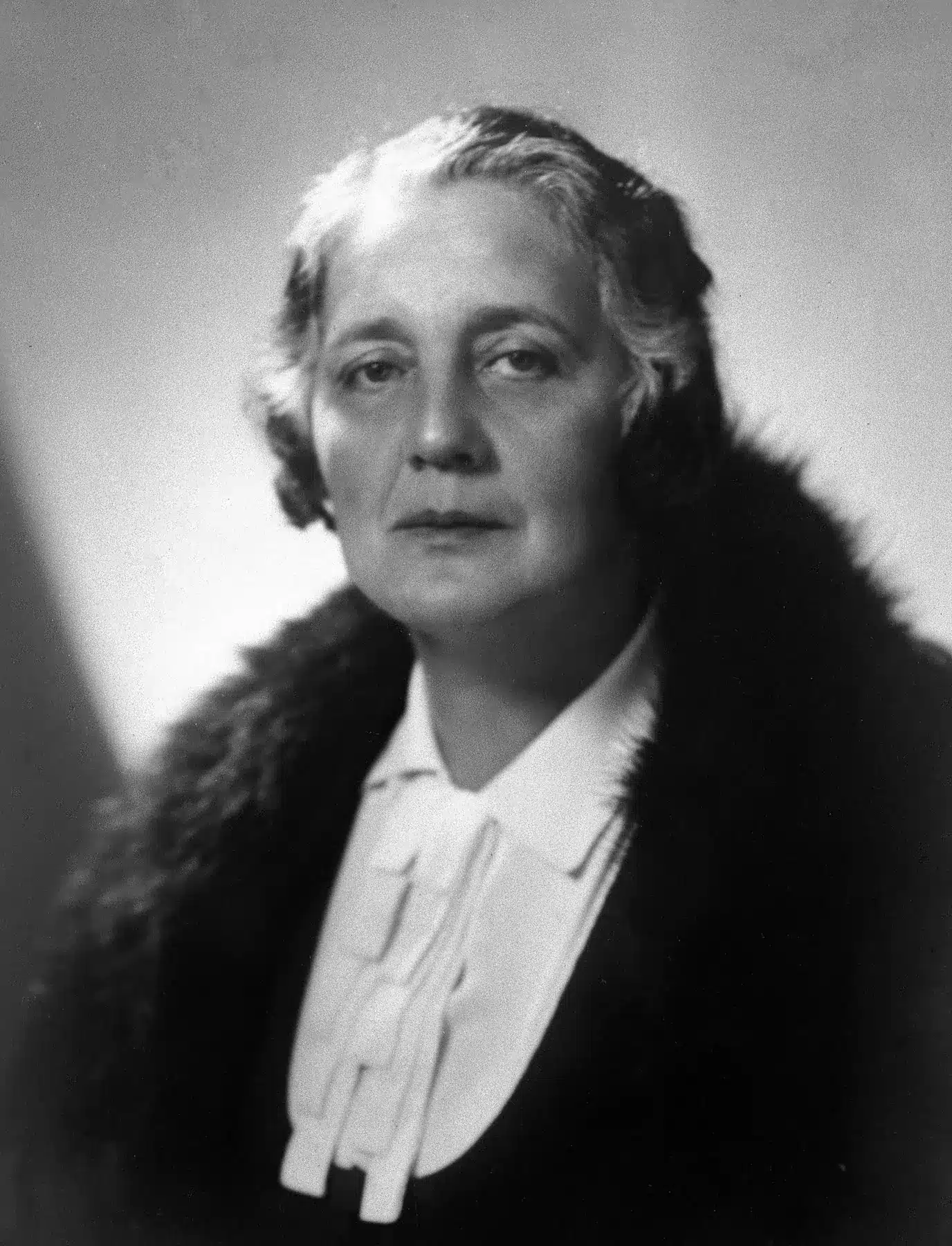
She took children’s inner lives seriously, developing theories that challenged her peers and helped reshape psychoanalysis despite her unconventional path into the profession.

She enlisted under a male name when the army excluded women, claiming a place in military service despite the racism and restrictions surrounding her.

Her writing and organizing helped build a women’s suffrage movement, turning anger at inequality into sustained pressure for the right to participate in politics.

Her election as mayor challenged expectations of women in public office. Fierce opposition exposed how much resistance remained even after women won the vote.
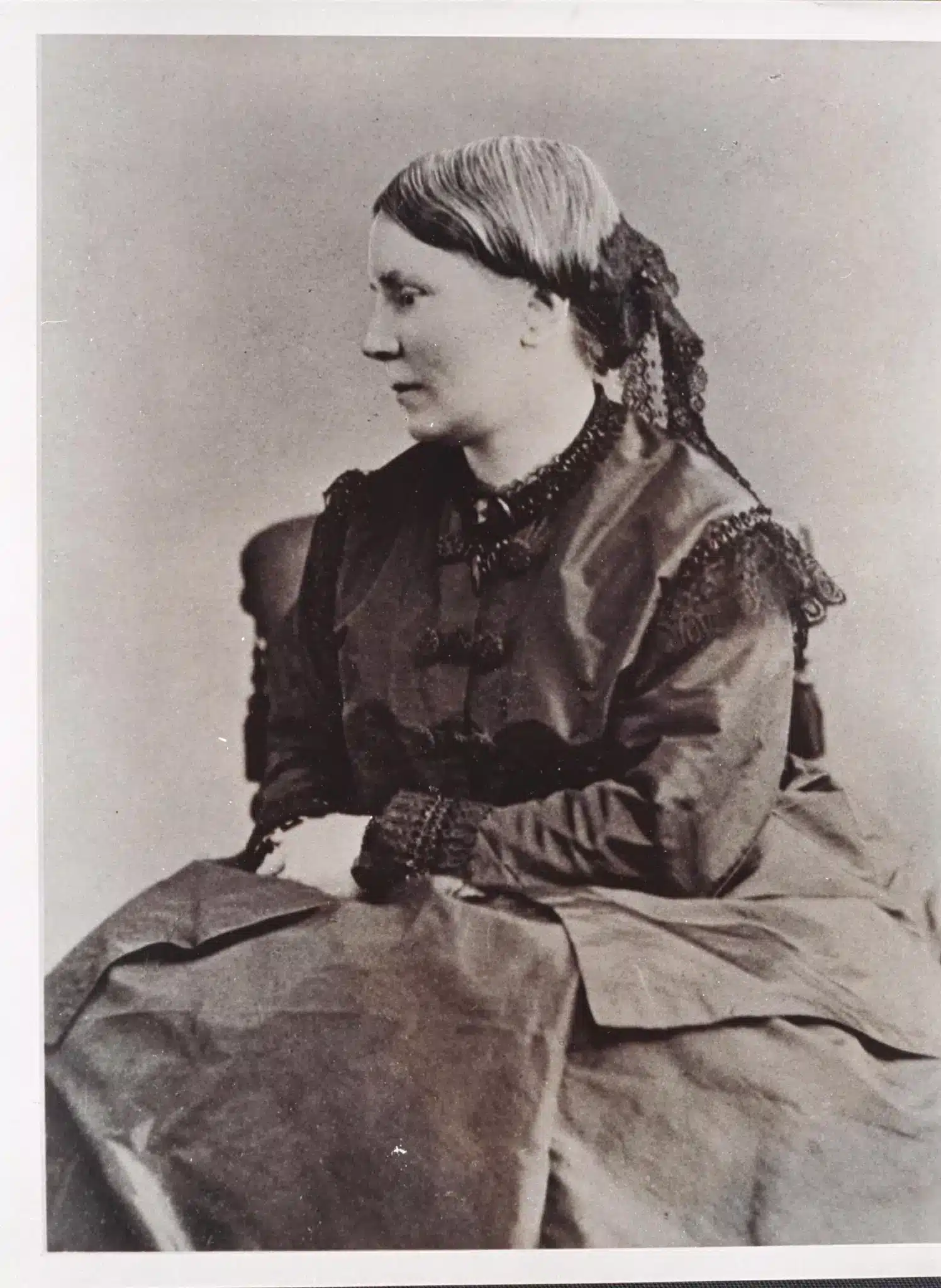
She earned a medical degree when the profession excluded women, then helped build hospitals and schools that made it possible for others to follow.

She used poetry, journalism, and revolutionary organizing to demand education and freedom for women, risking her life to challenge the political and social order.

She defended her people’s sovereignty as foreign interests threatened their kingdom, while her music preserved a love of homeland that political defeat could not erase.

She devised practical inventions for bridges, boats, and the home, pursuing useful solutions when women faced formidable barriers to owning and patenting their ideas.
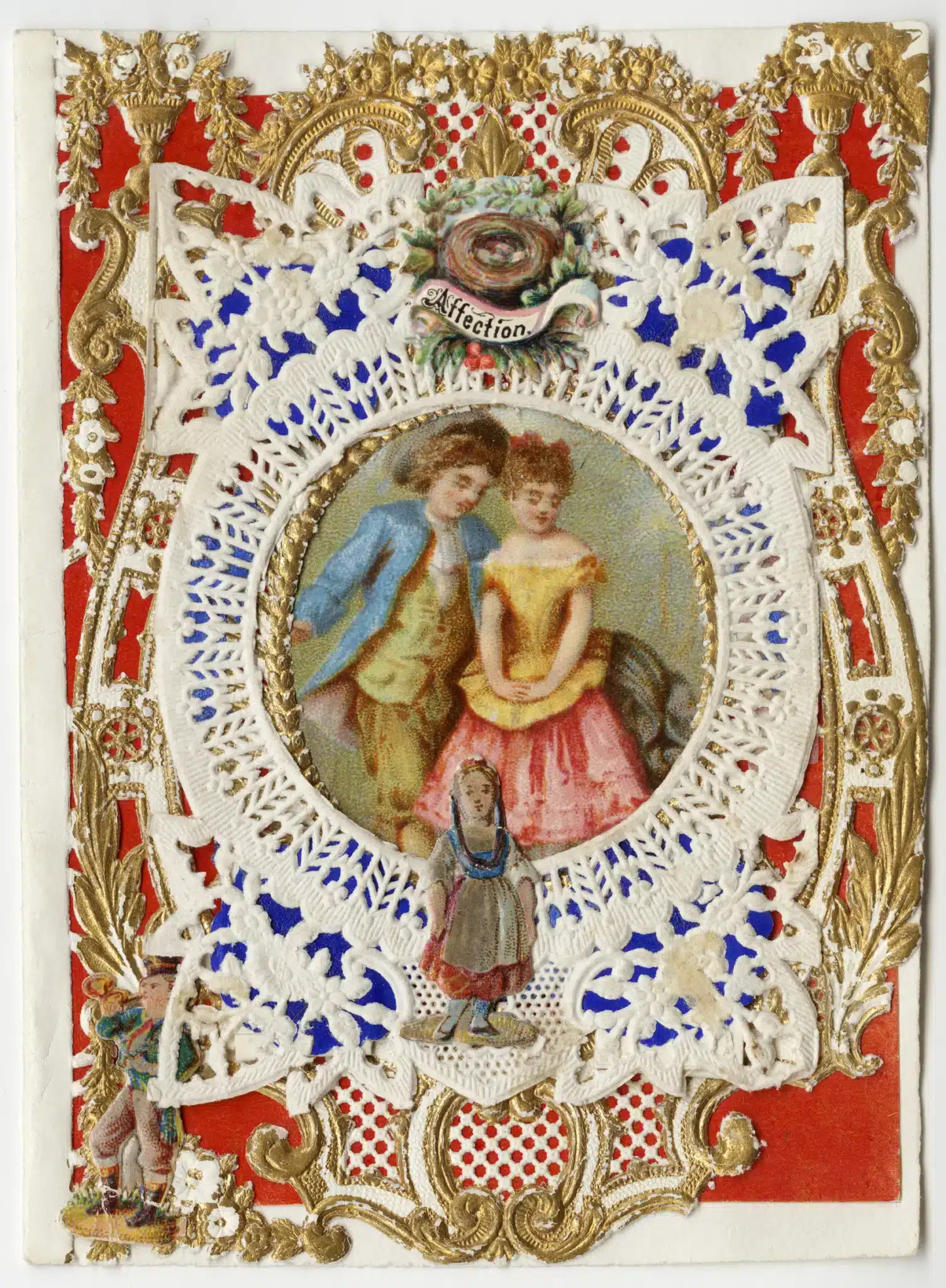
Esther Howland turned paper lace and an upstairs workshop of women into a thriving valentine business, helping Americans send their love.
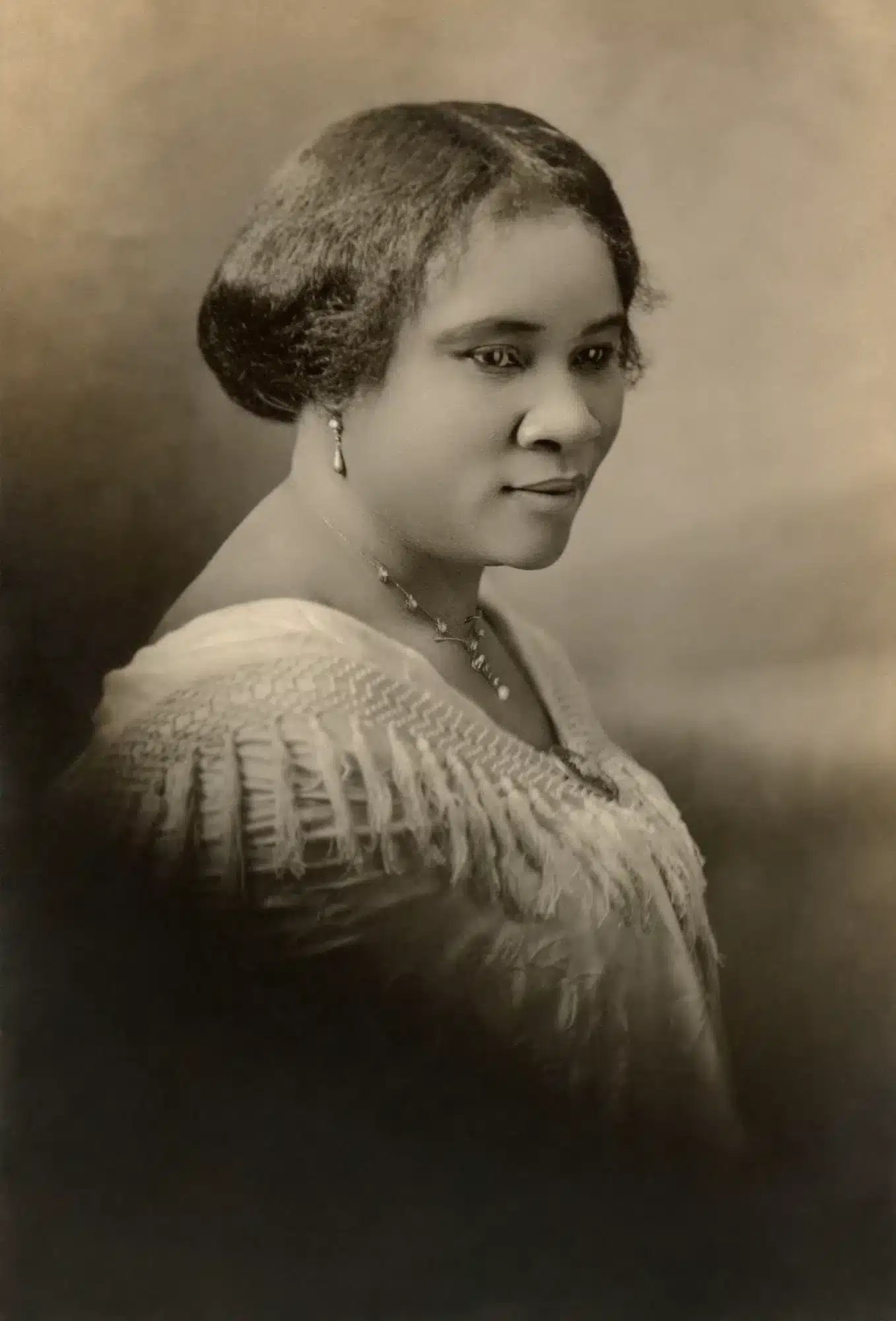
She built a haircare business that created jobs for Black women, then used her wealth to support education, community institutions, and resistance to racism.
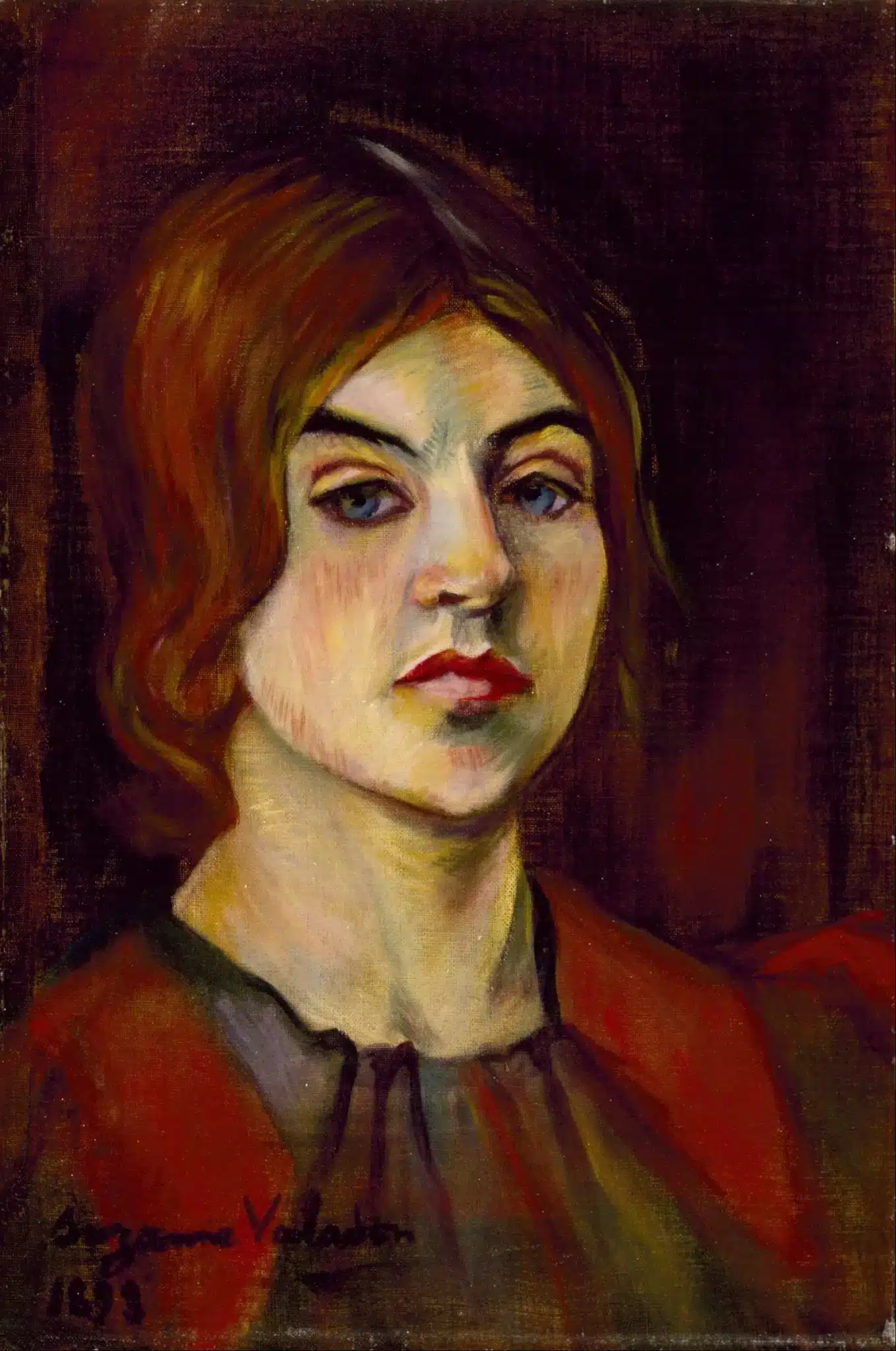
She learned to paint while modeling for other artists, then built a celebrated career of her own with bold work that challenged artistic conventions.

She built an internationally celebrated sculpture career despite racism and sexism, creating art that inspired other Black and Indigenous artists to pursue their ambitions.

She turned poetry into a powerful tool for women’s education, training traveling teachers who carried knowledge into communities and helped other women become educators.

Her photographs preserved everyday life that might otherwise have disappeared. Their rediscovery brought recognition and helped lift the photographer herself out of poverty.