Amelia Bloomer: Temperance, Suffrage, and Rational Dress Advocate

She used journalism to argue for political rights and practical clothing, linking women’s ability to move freely with their right to participate in public life.

Women worth knowing
Extraordinary women, overlooked stories, and a more complete history. Explore the lives, ideas, and achievements that changed the world.
American women.
She used journalism to argue for political rights and practical clothing, linking women’s ability to move freely with their right to participate in public life.

Black women challenged exclusion in medicine, nursing, and research, expanding professional opportunities and improving care for communities neglected by existing institutions.

Heavy skirts and restrictive corsets limited women’s movement. Campaigns for practical clothing linked everyday comfort with greater freedom to participate in public life.

She gathered intelligence inside an enemy leader’s home, then worked to educate formerly enslaved people, continuing the fight for freedom despite threats to her schools.

Women’s discoveries have too often been credited to men, obscuring the work behind scientific advances and shaping whose achievements later generations are taught to remember.

Black women’s writing and art helped drive a cultural movement, bringing new voices into public life and influencing how communities understood and represented themselves.

Black businesswomen built thriving enterprises despite racism and sexism, creating jobs and supporting education, community institutions, and opportunities others had been denied.

She recognized promise in an unusual laboratory solution, developing a remarkably strong fiber whose use in protective equipment helped save lives and reshape industrial materials.

Women’s convictions about religion shaped lives of achievement in science, literature, and philosophy, connecting intellectual independence with debates over belief and freedom of thought.
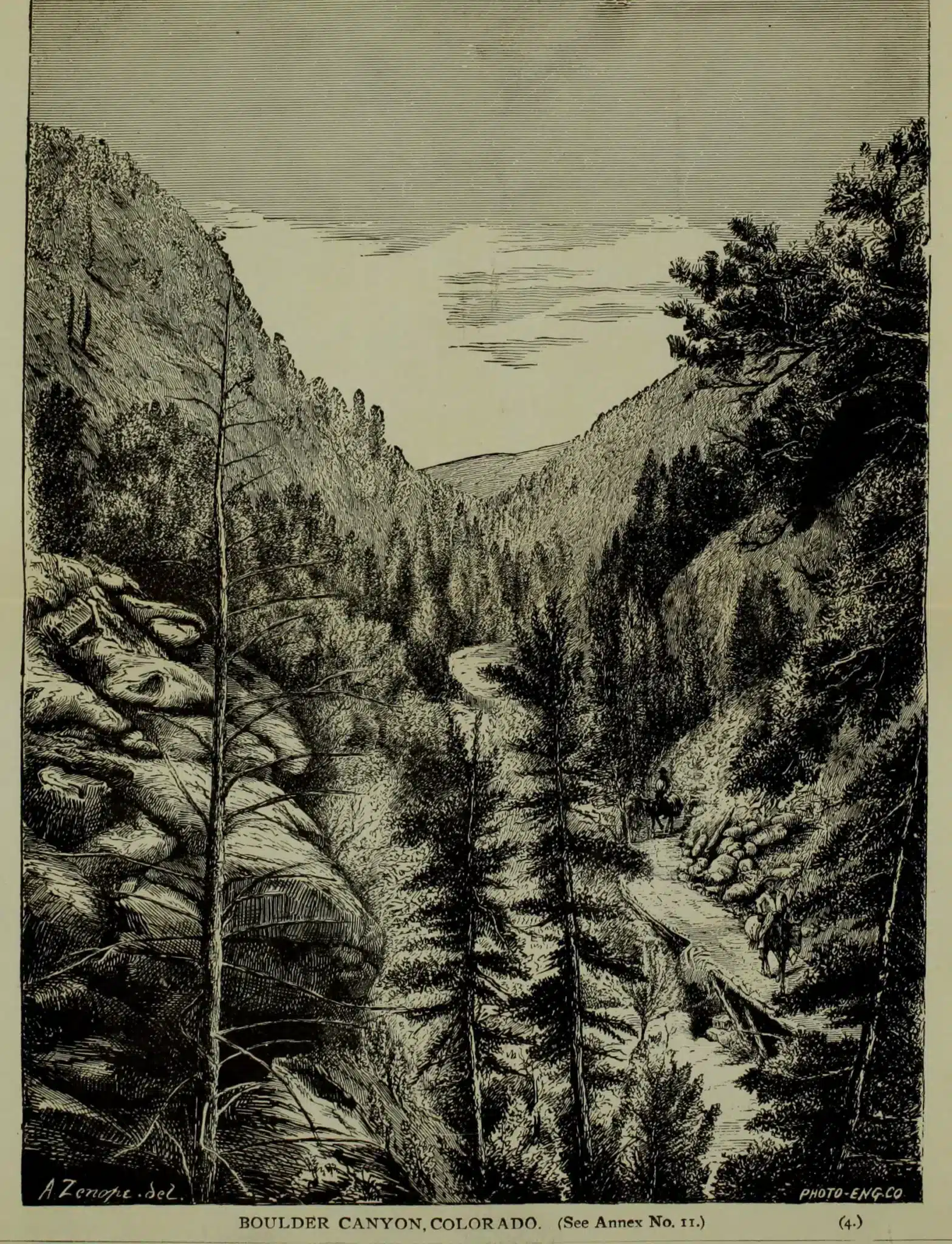
A rush for gold created unusual opportunities for women to earn money, own businesses, and shape frontier communities through enterprise that extended well beyond mining.

A celebrated wartime anthem made her famous, but her poetry and activism also carried demands for abolition, women’s rights, and a broader role in public life.
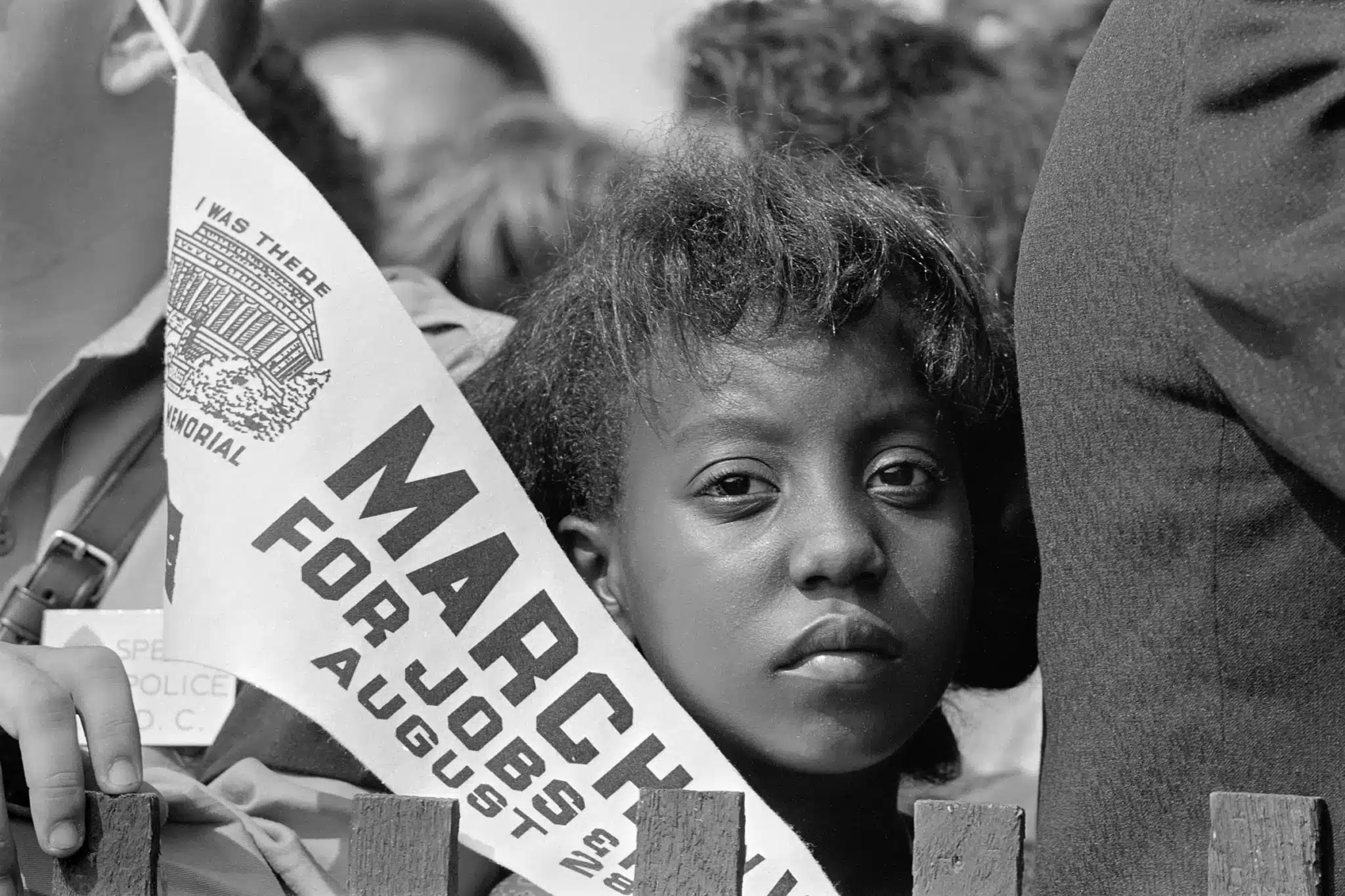
Women helped organize a defining civil rights demonstration while facing exclusion from its public platform, exposing the gap between their essential work and the recognition they received.

Windshield wipers began with a woman noticing how snow blocked a driver’s view, turning a frustrating journey into an idea that changed everyday travel.

She challenged rules that barred women from legal practice, securing professional recognition and creating a path for others to enter a male-dominated field.

Her entry into federal law enforcement challenged an all-male profession, while the abrupt end of her career exposed how fragile women’s access could remain.

Enslaved women fought in court for their own freedom and their children’s, using legal claims to challenge a system that treated their families as property.

She won international acclaim while confronting racist casting and stereotypes, using a screen career to challenge the narrow roles available to performers of color.
Her fiction won readers and critics on its own merits, establishing a successful literary career too often overshadowed by her friendship with a more famous male author.

Black women mathematicians broke barriers in education, led institutions, and widened opportunities for others, changing expectations of who could study, teach, and lead in the field.

She fused poetry with raw musical energy, helping shape a new rock movement and creating an artistic voice that influenced performers across generations.