Who Invented Windshield Wipers? Mary Anderson

Windshield wipers began with a woman noticing how snow blocked a driver’s view, turning a frustrating journey into an idea that changed everyday travel.

Women worth knowing
Extraordinary women, overlooked stories, and a more complete history. Explore the lives, ideas, and achievements that changed the world.
Women who lived during the 20th century.
Windshield wipers began with a woman noticing how snow blocked a driver’s view, turning a frustrating journey into an idea that changed everyday travel.

She challenged rules that barred women from legal practice, securing professional recognition and creating a path for others to enter a male-dominated field.

Her entry into federal law enforcement challenged an all-male profession, while the abrupt end of her career exposed how fragile women’s access could remain.
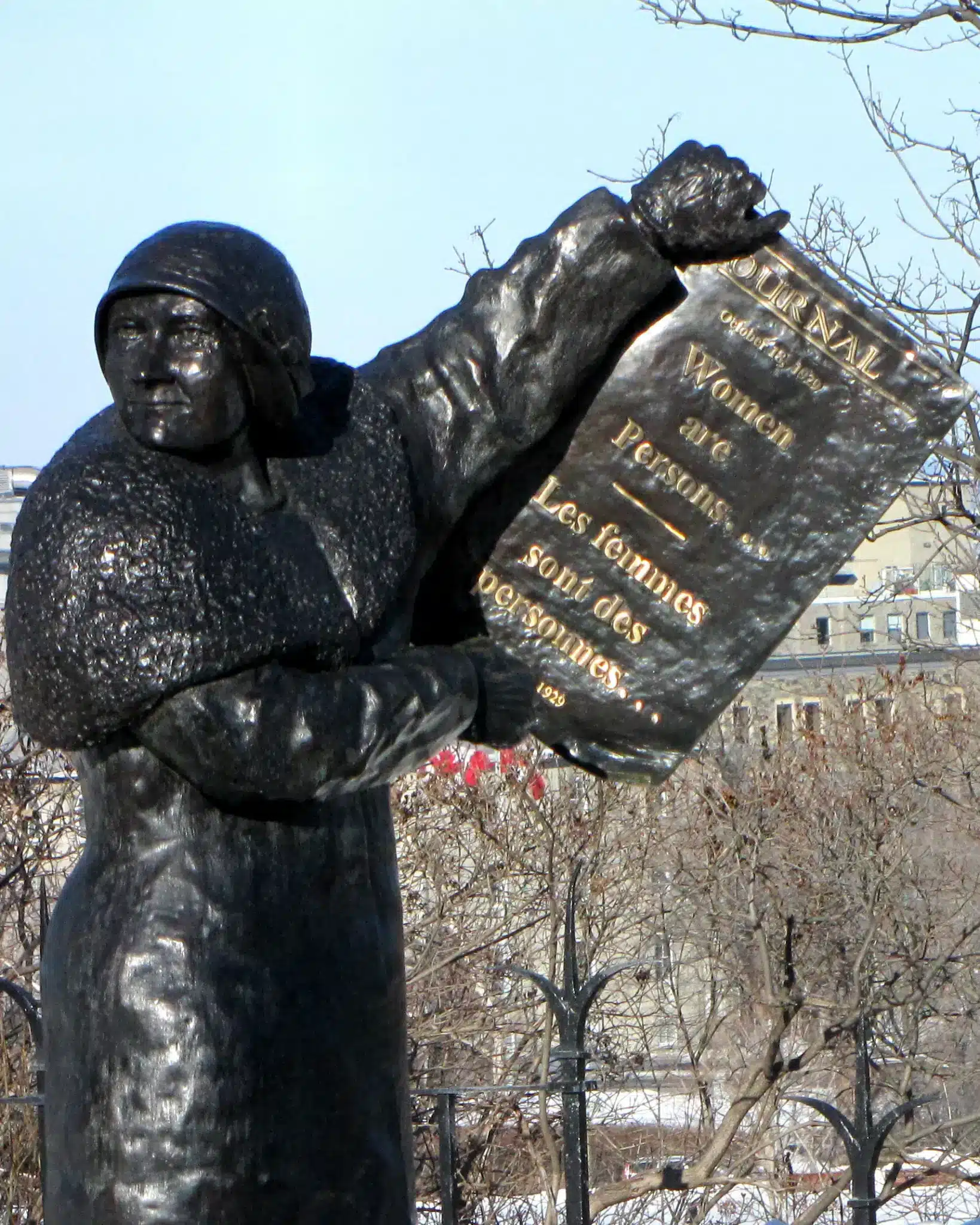
A challenge to women’s exclusion from political office changed how constitutional language was understood, opening opportunities and rejecting a reading of personhood that favored men.

She won international acclaim while confronting racist casting and stereotypes, using a screen career to challenge the narrow roles available to performers of color.

Women organized for education and political rights long before they gained the vote, building a homegrown movement that challenged the restrictions imposed on their public lives.

Black women mathematicians broke barriers in education, led institutions, and widened opportunities for others, changing expectations of who could study, teach, and lead in the field.

She fused poetry with raw musical energy, helping shape a new rock movement and creating an artistic voice that influenced performers across generations.

Her rise to national leadership broke a political barrier for women, placing a woman at the head of government and changing expectations far beyond her country.

Her daring performances pushed dance beyond conventional respectability, bringing provocative expression to the stage and challenging how women’s bodies and sexuality could be represented.
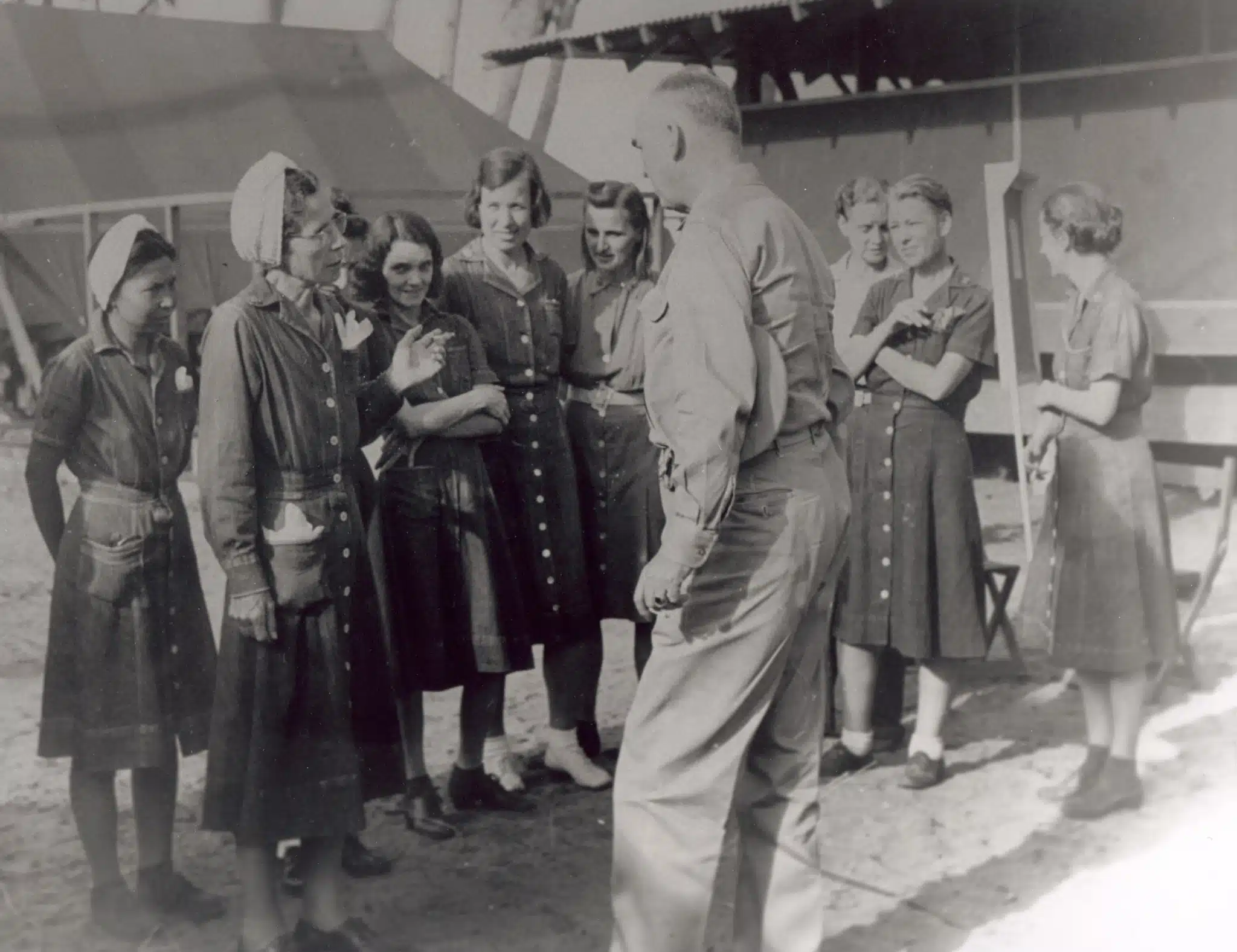
Her fiction imagined women resisting unwanted marriages and restrictive roles, giving literary form to a demand for independence that challenged the expectations of her society.

She helped make recipes reliable by championing precise measurements, bringing a scientific approach to everyday cooking and making successful results easier for home cooks to reproduce.

Her leadership expanded women’s access to higher education, building academic opportunities and challenging assumptions about what educated women could contribute to the wider world.

She put passengers’ safety before her own during a plane hijacking, using quick judgment and extraordinary courage to help others escape a deadly situation.
She excelled at softball and bowling while earning a living outside sport, building championship careers and earning recognition among the best in both fields.
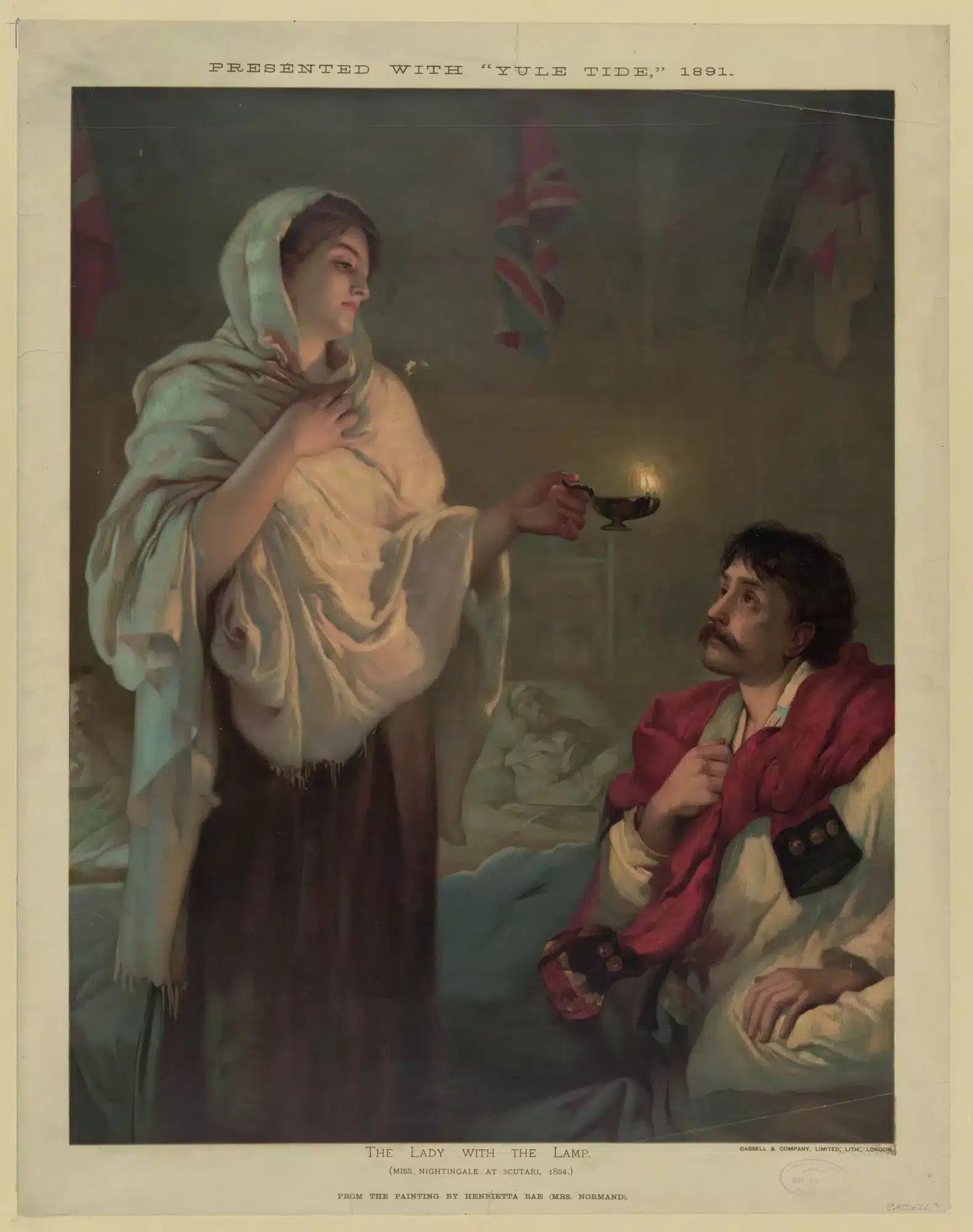
Nurses transformed care through wartime service, public health reform, and disaster relief, changing how institutions served patients and how communities responded to people in need.
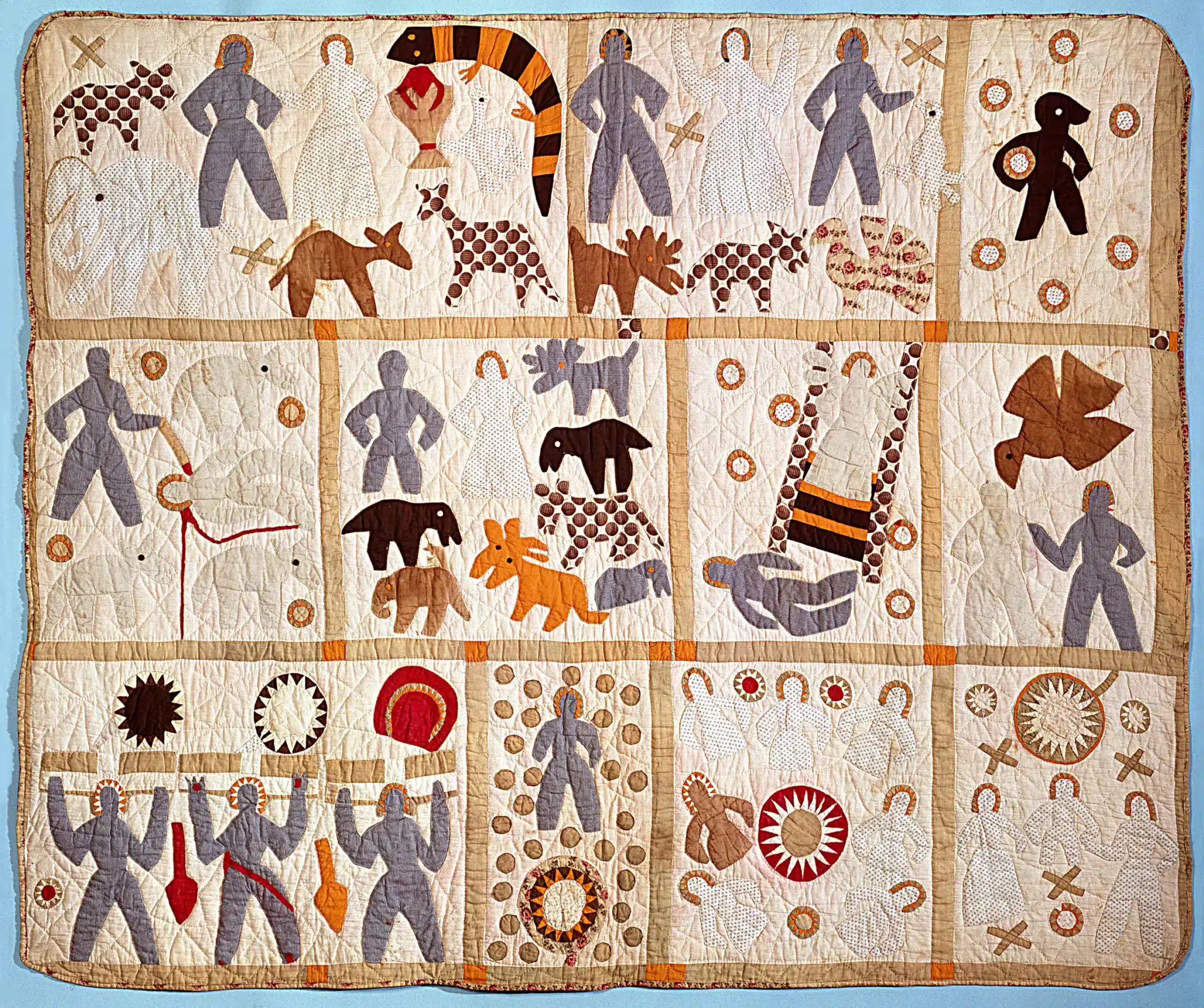
She stitched religious stories into quilts of extraordinary imagination, preserving her voice through fabric and creating artworks that expanded the possibilities of visual storytelling.

Her election to the presidency challenged expectations of who could lead a country, bringing experience in education and the arts into a powerful public role.

Words used for voting-rights campaigners carried arguments about tactics, respectability, and power. An insult reclaimed by activists could express the very defiance it was meant to dismiss.

She helped change how medicines were developed, bringing a more targeted approach to drug research that produced treatments for serious diseases and earned major scientific recognition.