Nettie Stevens: A Discoverer of Sex Chromosomes

Her chromosome research helped explain how biological sex develops, advancing genetics while showing how easily a woman’s contribution could be overshadowed by male colleagues.

Women worth knowing
Extraordinary women, overlooked stories, and a more complete history. Explore the lives, ideas, and achievements that changed the world.
Women who lived during the 20th century.
Her chromosome research helped explain how biological sex develops, advancing genetics while showing how easily a woman’s contribution could be overshadowed by male colleagues.

After risking her home and enduring a brutal jail beating, Fannie Lou Hamer took Mississippi’s fight for Black political representation to the 1964 Democratic convention.

Campaigns for women’s votes and alcohol prohibition once shared organizers and goals, building an unexpected alliance that helped advance demands for sweeping social reform.

She went undercover to expose abuse and used bold reporting to demand change, challenging the belief that women journalists belonged only on society pages.

Determined activists and private funding helped turn the birth control pill from an uncertain research project into a development that transformed women’s reproductive choices.

Women fought fires long before they were widely welcomed into the profession, challenging exclusion as they moved from volunteer work into paid service and leadership.
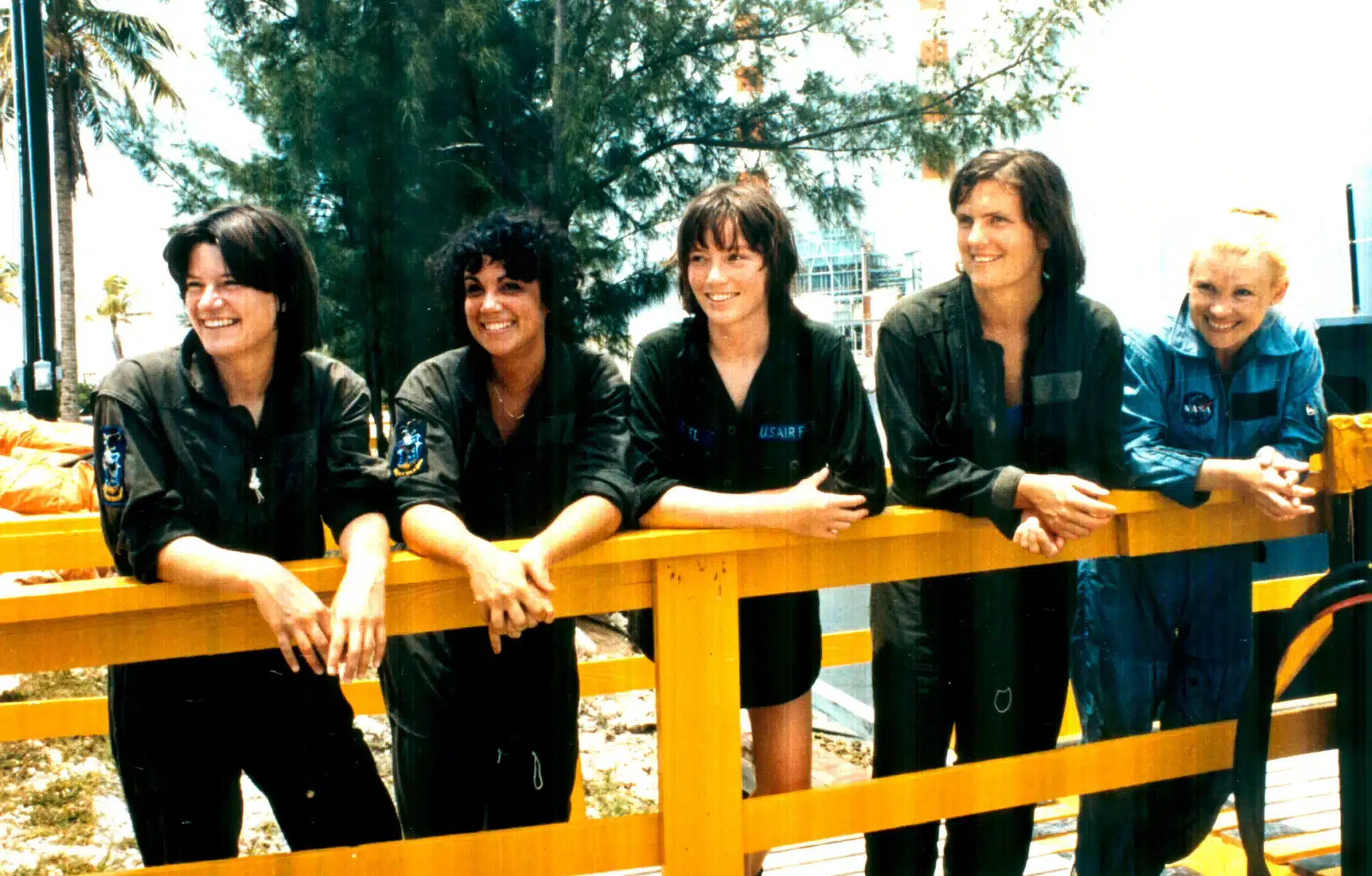
Women pushed beyond discrimination and skepticism to travel into space, expanding the possibilities for space exploration and the ambitions of those who followed them.

Women’s inventions transformed household tasks, industrial materials, and medical research, solving practical problems while challenging a patent system that underestimated their ideas.
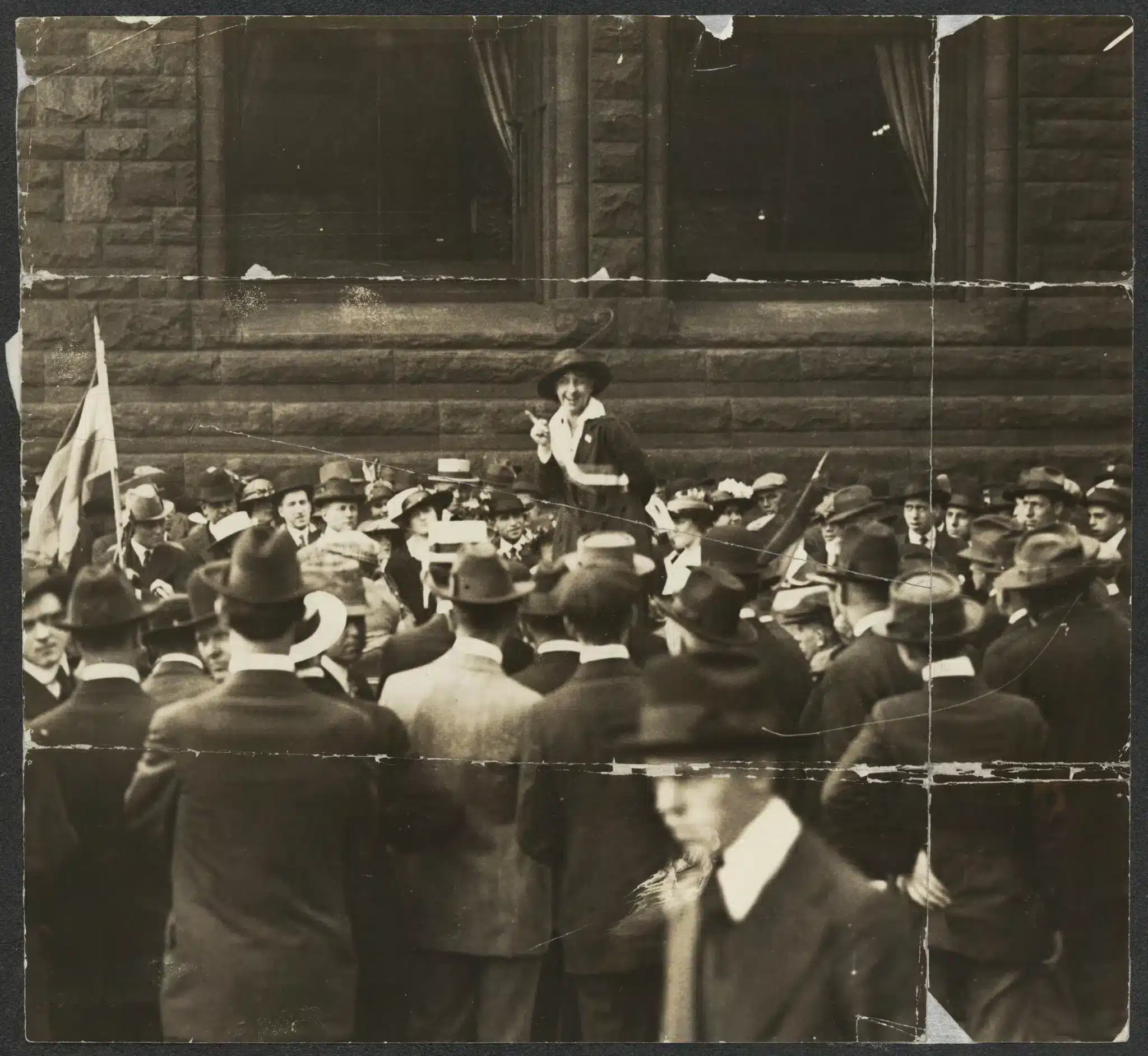
Powerful speeches can rally support, challenge injustice, and change expectations. Women who commanded public attention offer practical lessons in making your own words count.
She entered a distance race women were forbidden to run, challenging restrictions that kept female athletes off the starting line and out of serious competition.

Her meticulous observations earned the respect of leading scientists and challenged established ideas, demonstrating how much careful study of the natural world could uncover.
Denied a partnership and told to become more feminine, she challenged workplace discrimination in a legal battle that helped expose the consequences of sex stereotyping.

Her fiction and arguments for economic independence challenged restrictive ideas about women’s lives, helping readers imagine alternatives to the roles society expected them to accept.
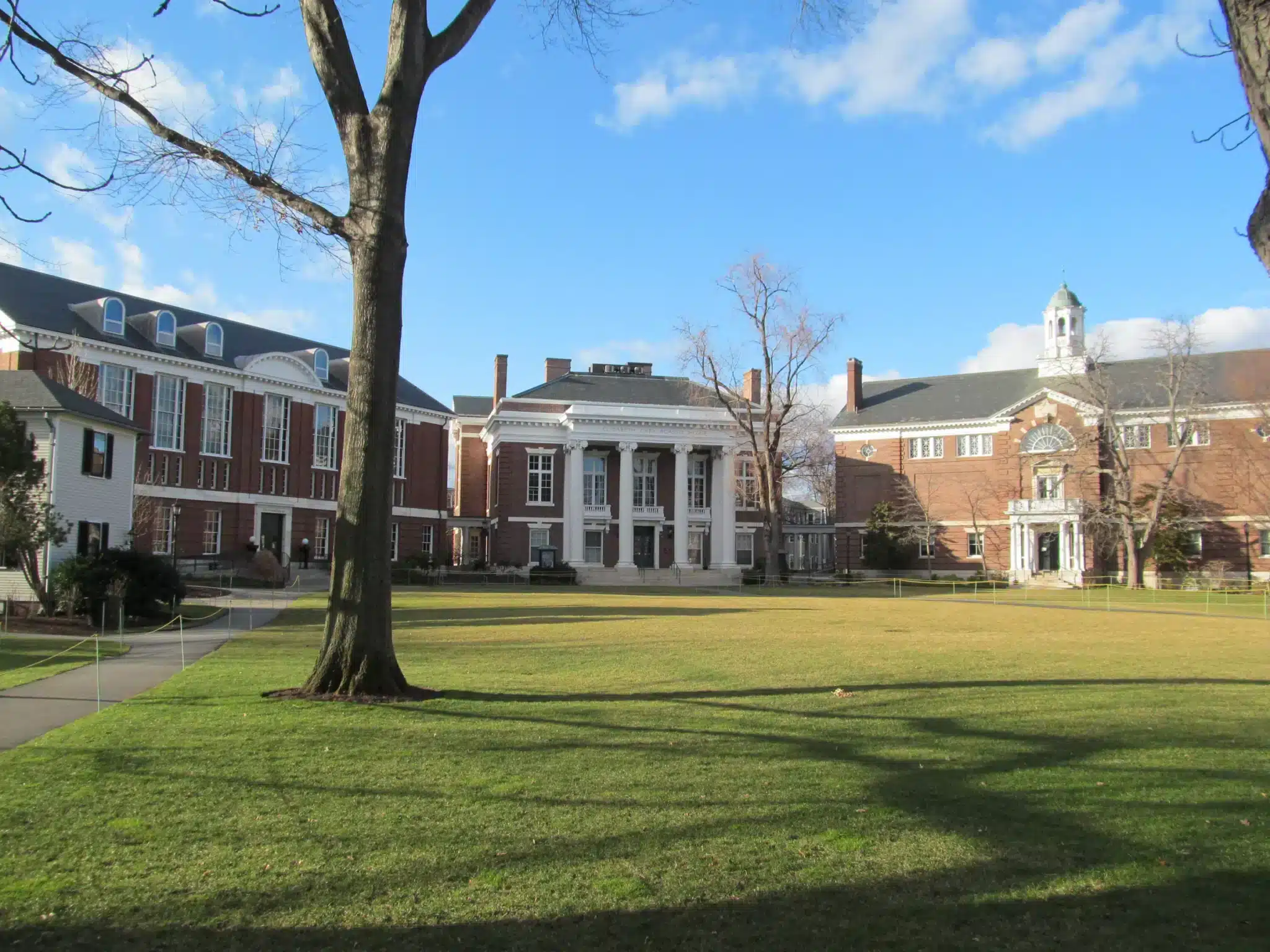
She challenged the limits placed on women’s education, building opportunities for students of different ages and changing expectations of who belonged at leading universities.

Denied flight training at home, she traveled abroad to earn her pilot’s license, then thrilled audiences with aerial stunts while challenging segregation on the ground.

She recruited and led women pilots during wartime, demonstrating their ability to fly military aircraft and expanding the responsibilities they were allowed to take on.
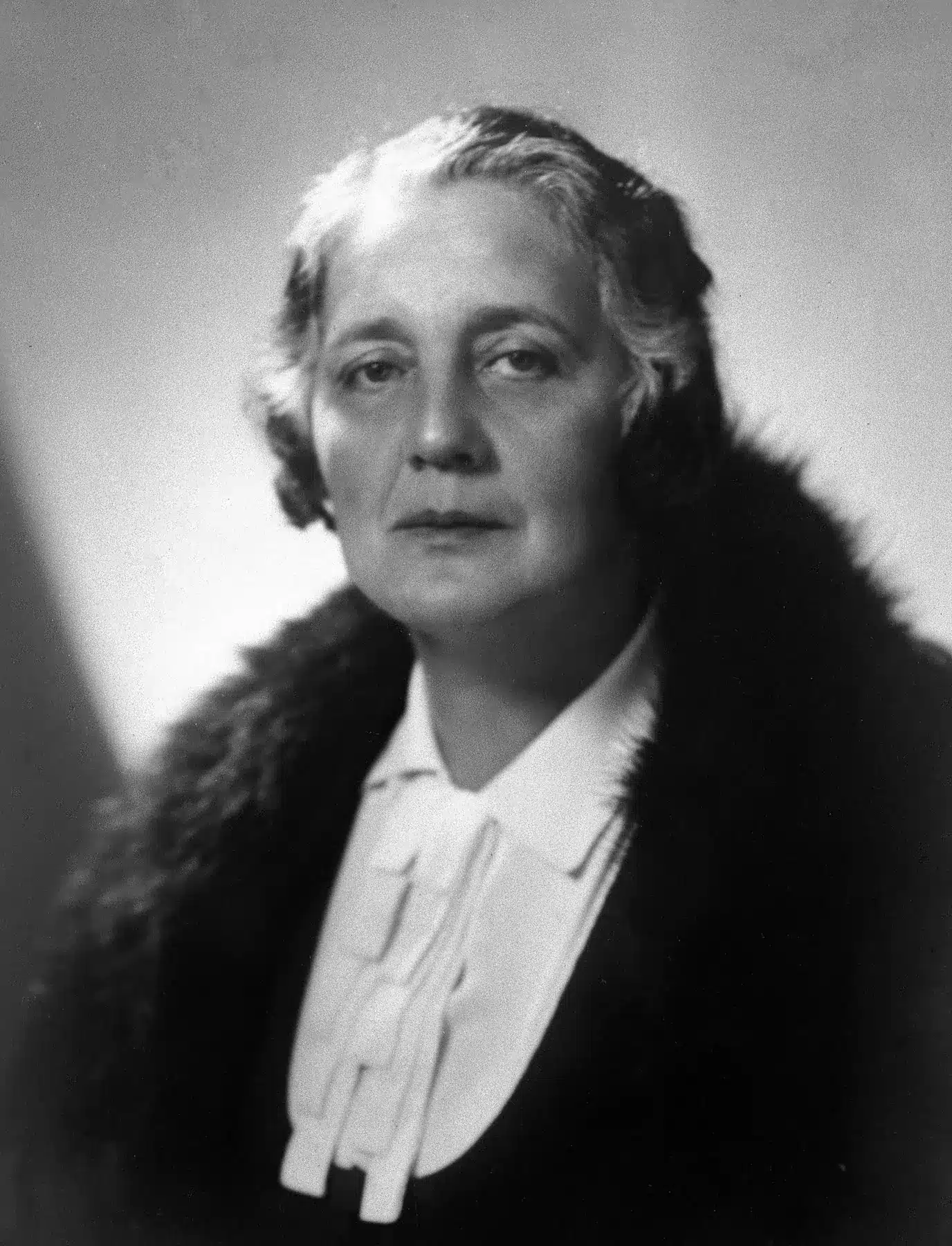
She took children’s inner lives seriously, developing theories that challenged her peers and helped reshape psychoanalysis despite her unconventional path into the profession.

Her team’s software kept an overloaded spacecraft computer focused on landing, helping protect a historic mission and establish new standards for reliable software engineering.
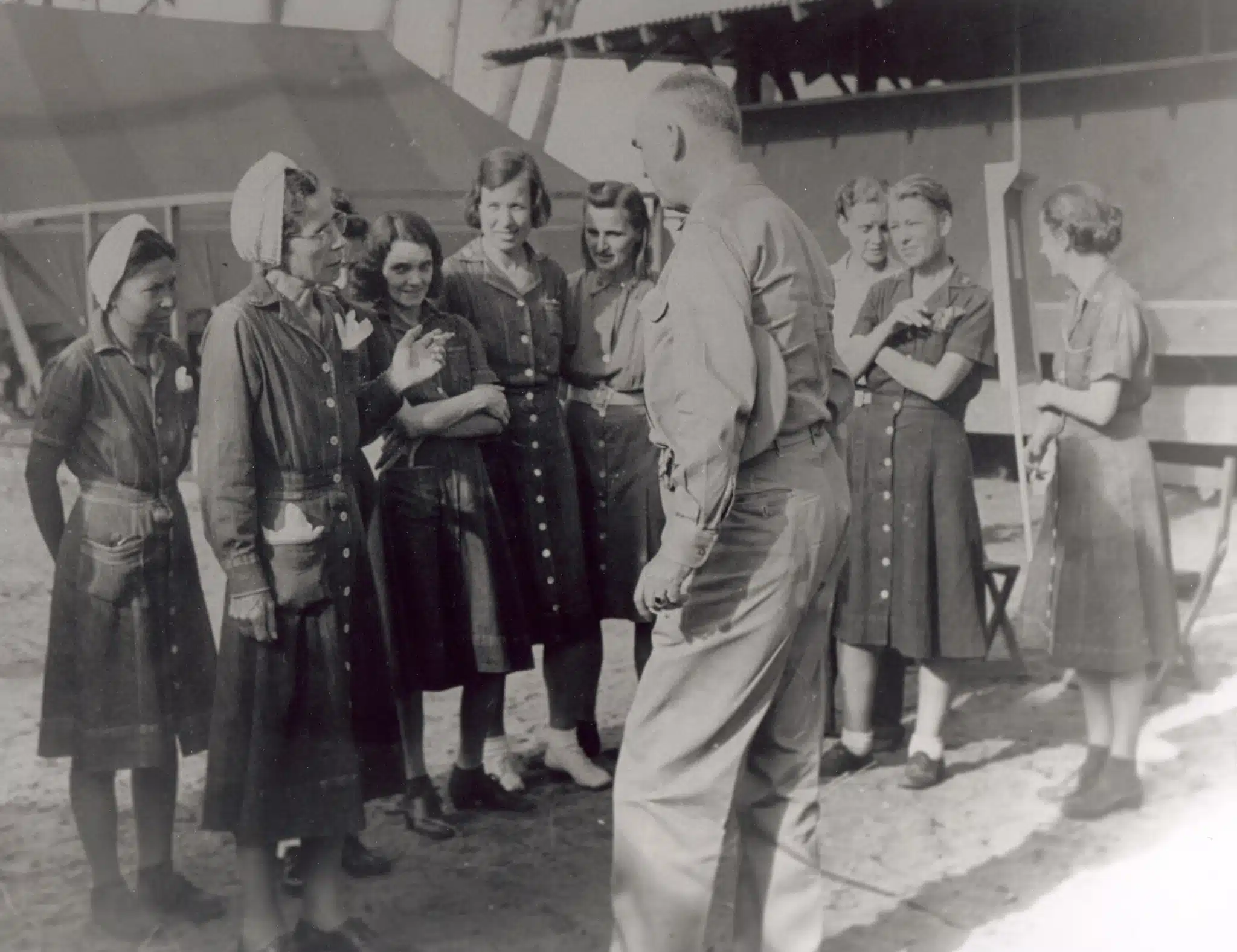
She nursed fellow prisoners through disease and near-starvation in a wartime camp, then survived to continue caring for patients and teaching others to do the same.

Her expertise in the region carried her from archaeology into wartime intelligence and state-building, where her political influence and museum work helped shape a country’s future.