Lucy Parsons, the Anarchist Who Organized Workers and Led Hunger Marches
Lucy Parsons organized working women, fought her husband’s death sentence, and helped build a new union. In 1915, she led unemployed Chicagoans into the streets to demand jobs.
Women worth knowing
Extraordinary women, overlooked stories, and a more complete history. Explore the lives, ideas, and achievements that changed the world.
Women who shaped stories, shared knowledge, and challenged ideas.
Explore women writers in history through their poetry, fiction, journalism, memoir, and nonfiction. Discover the writing they created, the lives behind it, and the barriers they faced in getting their words read and their ideas heard.

Poems and imagined worlds gave women ways to explore desire, belief, and independence. Follow the work and lives behind the words.
Writing could expose injustice and make a case for change. These stories follow women using newspapers and investigative reporting to challenge power.
Writing also carried knowledge beyond a classroom or laboratory. Explore women explaining discoveries, sharing practical knowledge, and developing new ideas.
Lucy Parsons organized working women, fought her husband’s death sentence, and helped build a new union. In 1915, she led unemployed Chicagoans into the streets to demand jobs.
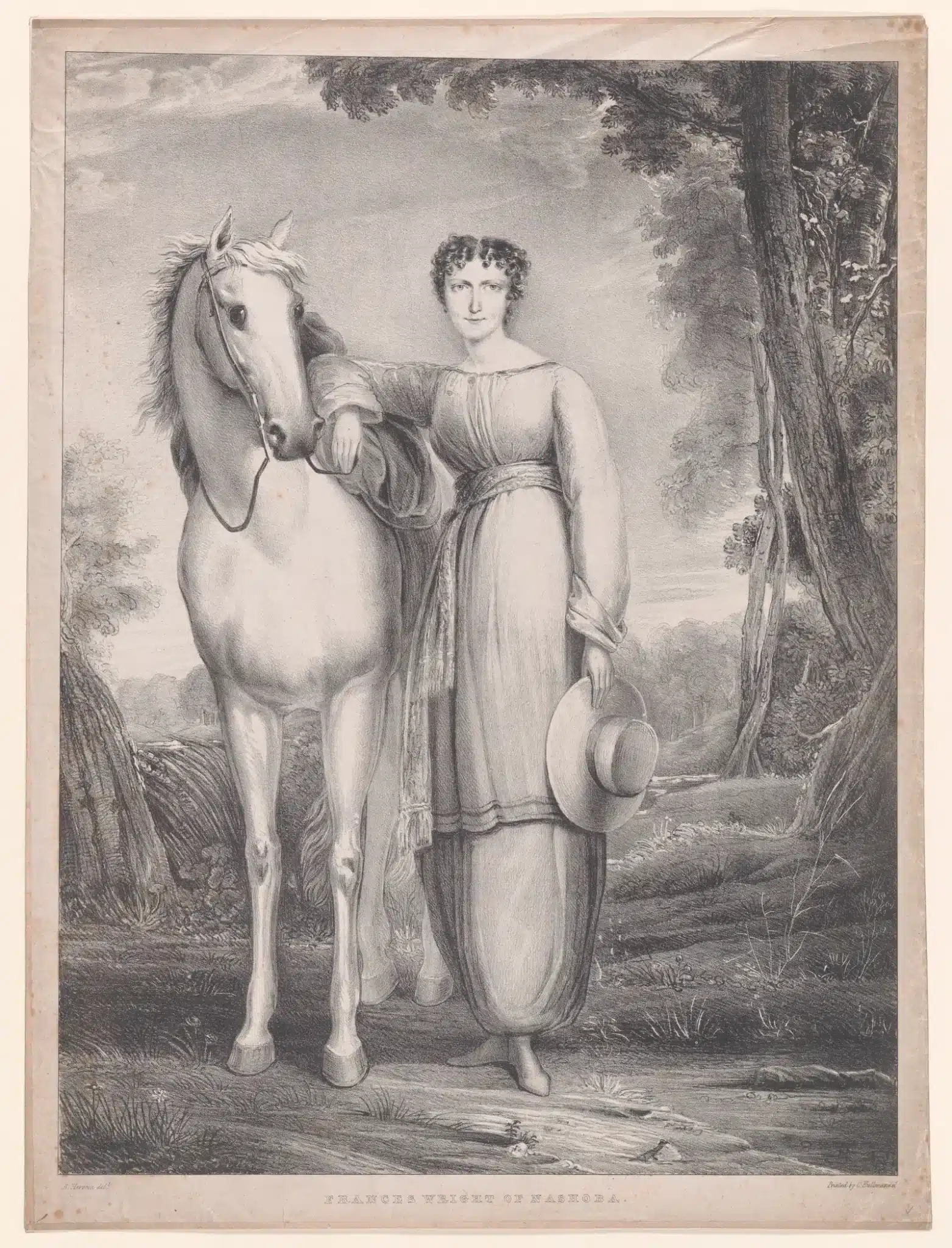
Frances Wright defended women’s right to speak in public and demanded equal education. Her 1828–1829 lecture campaign faced newspaper attacks and arson, but she kept speaking and helped establish New York’s Hall of Science.
Aphra Behn earned her living writing plays for London audiences and published poetry under her own name. Before her literary success, she worked as a spy for Charles II.
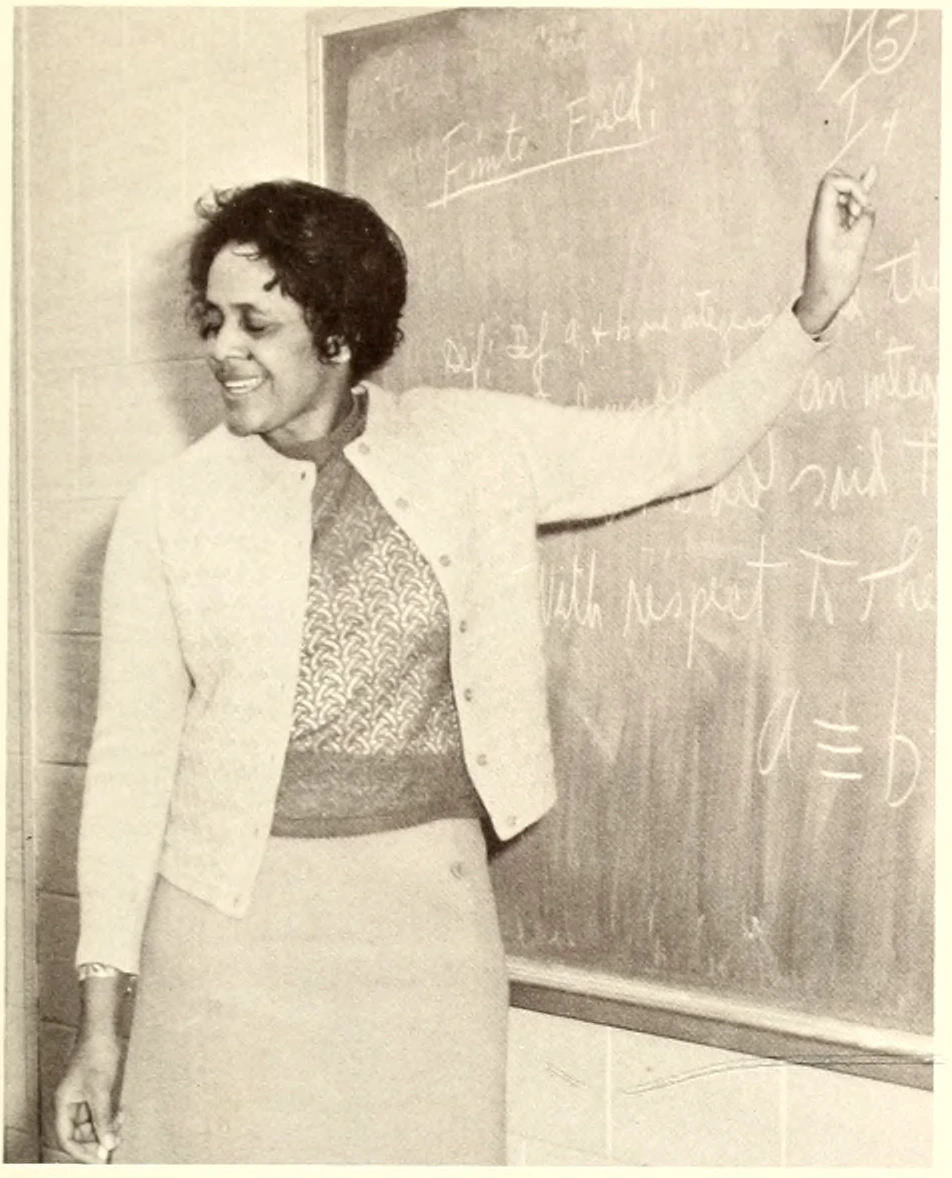
Virginia K. Newell gathered biographies, photographs, and research to document Black mathematicians’ achievements and the discrimination they faced.
Louise Otto-Peters founded a newspaper that invited women to speak for themselves. When Saxony barred women from responsible editorship, she kept the paper going beyond its borders.
Gerda Lerner fought to make women’s lives count as history, gathering their words and building programs that trained others to research and teach them.
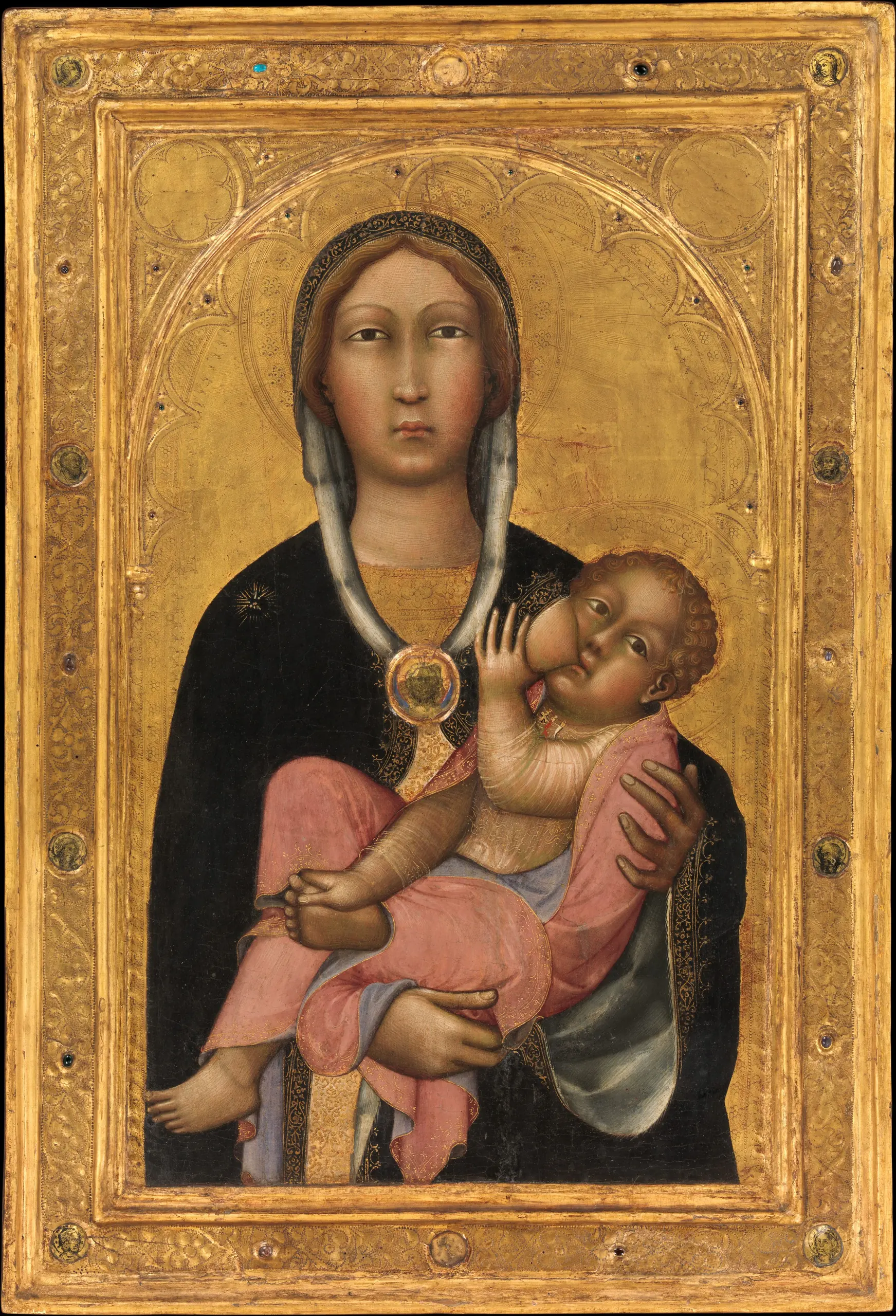
Julian of Norwich and Mechthild of Magdeburg used motherhood to describe divine power, from Christ feeding believers to a woman nourishing him.
Florbela Espanca fought to get her poems into print. Her sonnets won praise for their skill, and condemnation for giving voice to women’s desire.
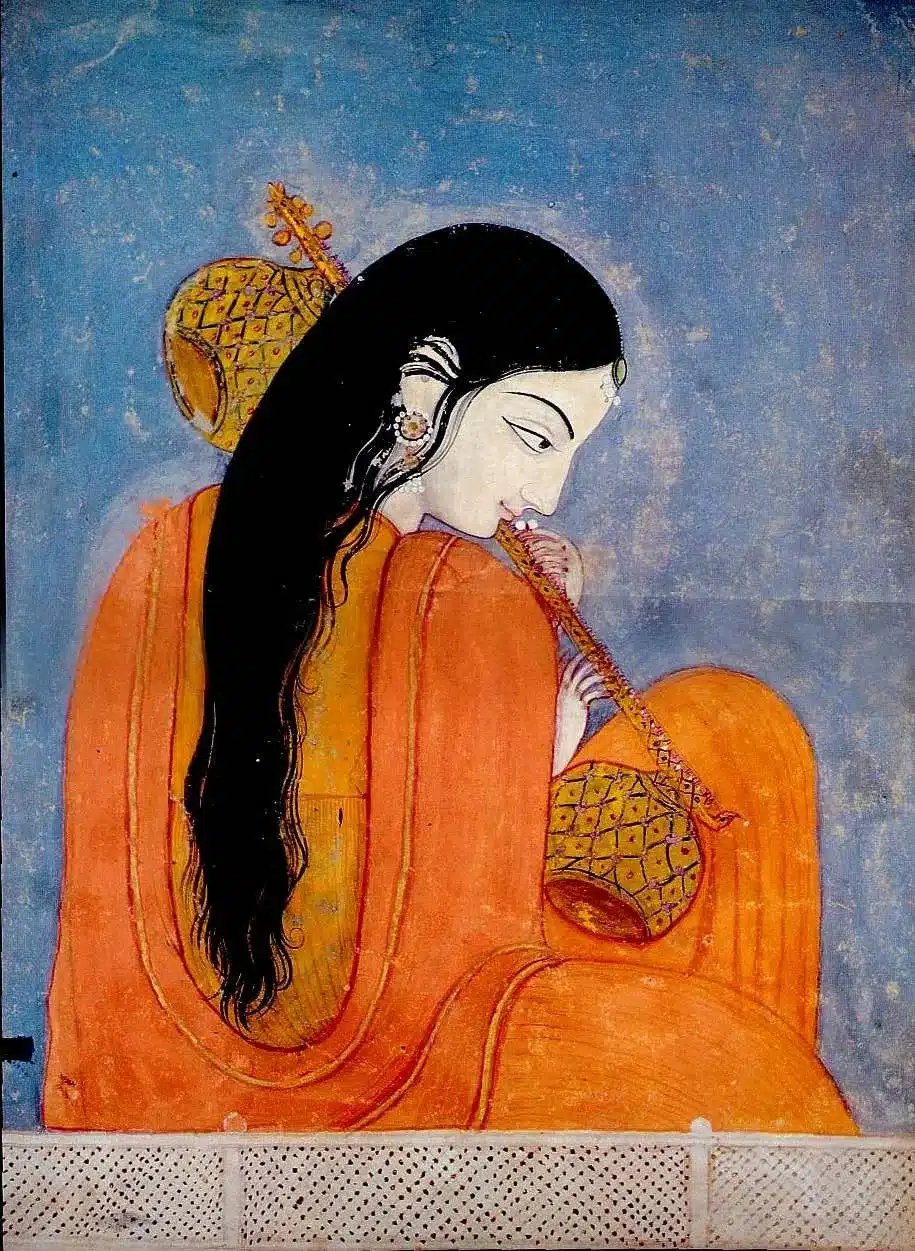
She chose spiritual devotion over royal expectations, expressing independence through poetry and song that challenged social hierarchies and carried her voice far beyond the palace.
Her determination to preserve and promote an artist’s work helped turn a neglected legacy into worldwide recognition, changing which paintings found their place in art history.
She used journalism to argue for political rights and practical clothing, linking women’s ability to move freely with their right to participate in public life.
Black women’s writing and art helped drive a cultural movement, bringing new voices into public life and influencing how communities understood and represented themselves.
Women’s convictions about religion shaped lives of achievement in science, literature, and philosophy, connecting intellectual independence with debates over belief and freedom of thought.
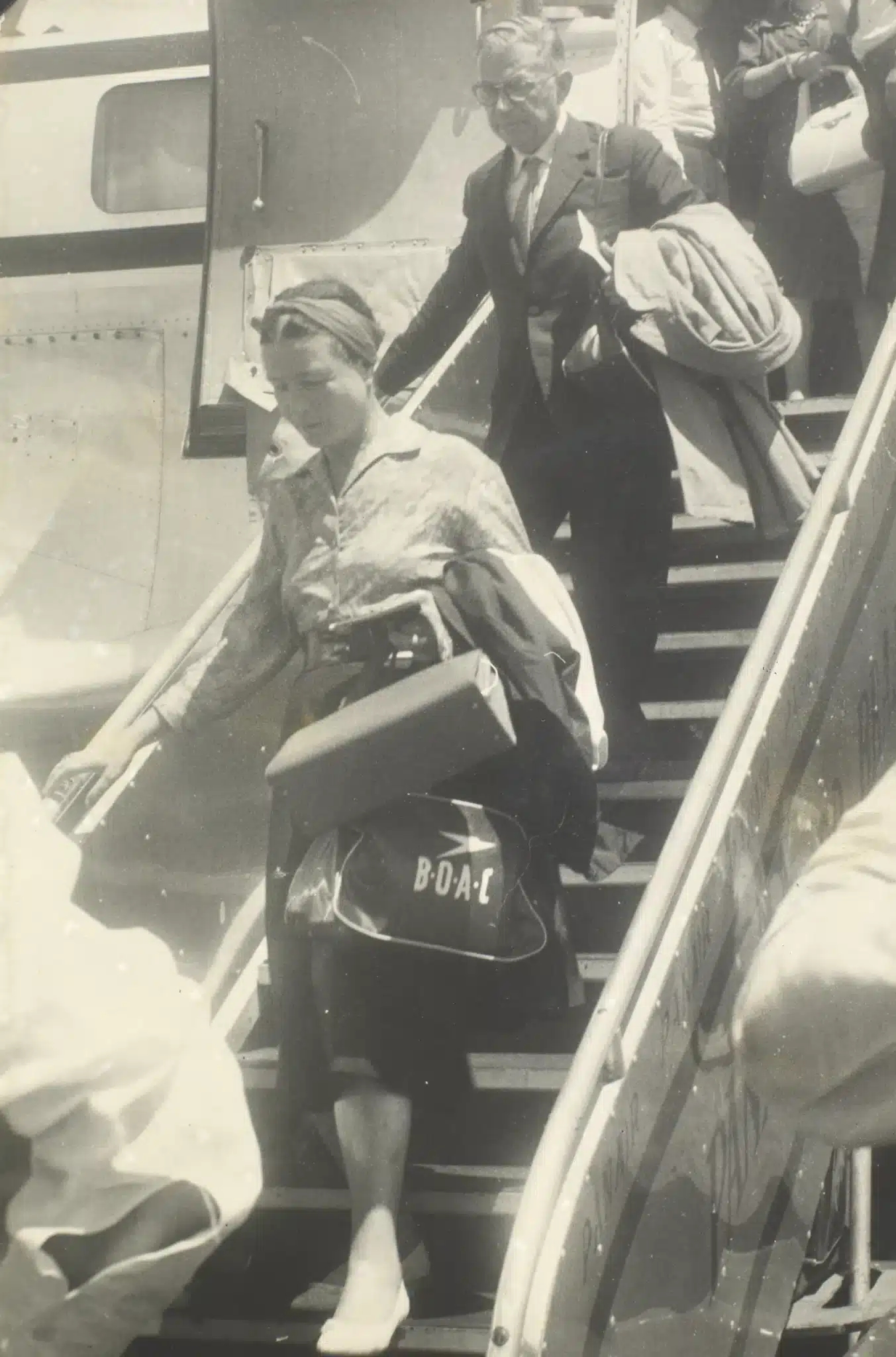
Her analysis of women’s place in society challenged assumptions about femininity, helping reshape feminist thought and establish women’s experiences as a central philosophical concern.
A rush for gold created unusual opportunities for women to earn money, own businesses, and shape frontier communities through enterprise that extended well beyond mining.
A celebrated wartime anthem made her famous, but her poetry and activism also carried demands for abolition, women’s rights, and a broader role in public life.
Her fiction won readers and critics on its own merits, establishing a successful literary career too often overshadowed by her friendship with a more famous male author.
Her fiction imagined women resisting unwanted marriages and restrictive roles, giving literary form to a demand for independence that challenged the expectations of her society.
She helped make recipes reliable by championing precise measurements, bringing a scientific approach to everyday cooking and making successful results easier for home cooks to reproduce.
Royal women could shape an empire through commerce, architecture, and spiritual writing, exercising influence that reaches far beyond the familiar image of life inside a palace.