
• Skip to primary navigation
  • Skip to main content
  • Skip to primary sidebar

Amazing Women In History

all the women the history books left out

  • About
  • Women In History
    • Activists
    • Artists
    • Inventors
    • Leaders & Rulers
    • Scientists
    • Teachers
    • Warriors & Soldiers
    • Writers
    • Women’s Achievements
    • Women Firsts
    • Women’s Rights
    • Women’s Suffrage
  • Books
  • Show Search
Hide Search

Lady Anne Clifford, patron of the arts

Facebook5PinLinkedInEmailShares5

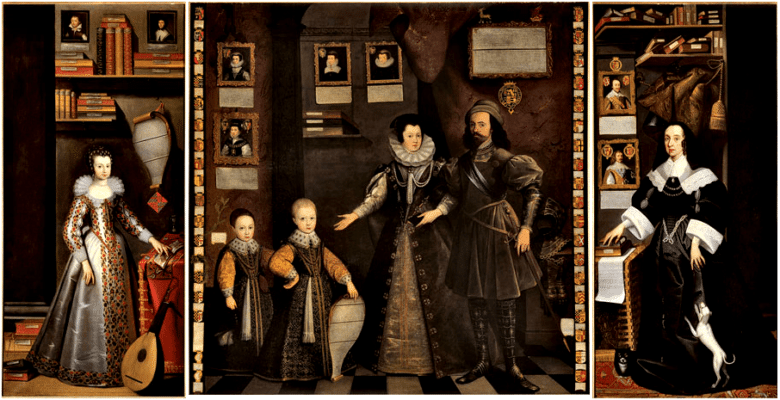
Lady Anne Clifford, (1590–1676) was the only surviving child of George Clifford, 3rd Earl of Cumberland and his wife Lady Margaret Russell, daughter of Francis Russell, 2nd Earl of Bedford. In 1605, she became the 14th Baroness de Clifford in her own right, and hereditary High Sheriff of Westmorland.
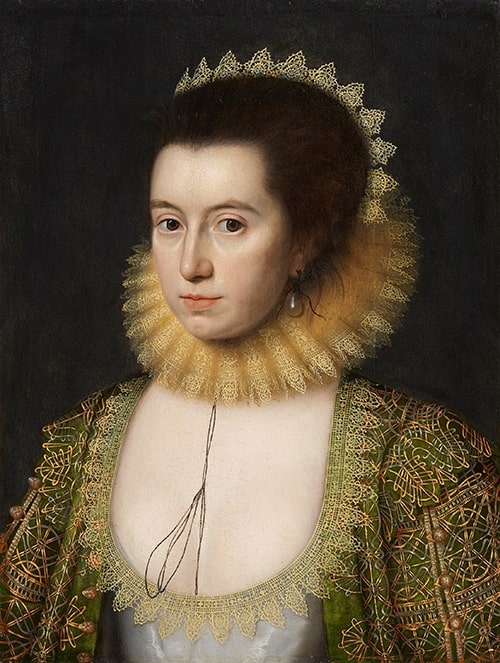
When her father died in 1605, she succeeded to the title of Baroness Clifford, but her father had willed his earldom and estates to his brother Francis Clifford, 4th Earl of Cumberland. Starting at the age of only 15, she became involved in a long and complex legal battle to obtain the family estates, instead of the £15,000 her father had willed to her.

Because her marriage to her first husband (Richard Sackville, 3rd Earl of Dorset) was reportedly difficult, contemporaries blamed Lady Anne’s unyielding personality as a cause, even though the Earl’s first marriage before Lady Anne was also a difficult one. Lady Anne’s cousin Edward Russell, 3rd Earl of Bedford, compared her to the Rhone River, so we can guess that she had a willful and unyielding personality which was not viewed favorably in women at the time.

Lady Anne was an important patron of authors and literature; and her many letters and diary, which she kept from 1603 through 1616, made her a literary personage in her own right. John Donne is reported to have said that she could “discourse of all things from Predestination to Slea-silk.”

In 1656, she erected the Countess Pillar in memory of her late mother. During her lifetime, she restored several churches at Appleby-in-Westmorland, Ninekirks, Brougham and Mallerstang. She was also responsible for the improvement and expansion of many of the Clifford family’s castles across Northern England, including those at Pendragon, Brough, Skipton and Appleby (her home).
Why Did Victorian Men Hate Women on Bicycles?
Trending
Why Did Victorian Men Hate Women on Bicycles?

“Lady Anne’s Way” is a 100 mile walk through places associated with Lady Anne Clifford. It starts at her birth place, Skipton, goes through Wharfedale and Wensleydale and finishes in Cumbria at Brougham Castle near Penrith, where she died.

Keri Lynn Engel

Keri is a blogger and digital marketing professional who founded Amazing Women In History in 2011.

kerilynnengel.com
  • Why Did Victorian Men Hate Women on Bicycles?
    Why Did Victorian Men Hate Women on Bicycles?
  • Neerja Bhanot, the Flight Attendant Whose Courage Saved Hundreds of Lives
    Neerja Bhanot, the Flight Attendant Whose Courage Saved Hundreds of Lives

Facebook5PinLinkedInEmailShares5

Thoughts:
No comments yet

Categories: Leaders & Rulers, WritersTags: 17th century women, english women, european women, women of the nobility

About Keri Lynn Engel

Keri is a blogger and digital marketing professional who founded Amazing Women In History in 2011.

Reader Interactions

Leave a Reply Cancel reply

Your email address will not be published. Required fields are marked *

Primary Sidebar

Keep In Touch

  • Facebook
  • Substack
  • YouTube

Search

Article Categories

  • Activists
  • Artists
  • Athletes
  • Entrepreneurs
  • Inventors
  • Leaders & Rulers
  • Musicians
  • Other
  • Performers
  • Quotes by Women
  • Religious Leaders
  • Scientists
  • Suffragists
  • Teachers
  • Uncategorized
  • Warriors & Soldiers
  • Women Firsts
  • Women's Achievements
  • Women's Rights
  • Women's Suffrage
  • Writers

Tags

16th century women 17th century women 18th century women 19th century women 20th century women 21st century women african american women american indian women american women asian women autodidactic women black women british women canadian women chinese women civil war women english women european women french women indian women middle eastern women modern women mothers native american women princess queens suffragists victorian era women activists in history women actors women doctors women entrepreneurs women in civil rights women in medicine women in the military women lawyers women novelists women nurses women of the nobility women philosophers women pioneers in education women poets women politicians women scientists women writers

Footer

Keep In Touch

  • Facebook
  • Substack
  • YouTube
  • Home
  • About
  • Affiliate Disclosure
  • Women’s History Books
  • Submit a Guest Post
  • Contact