Nancy Harkness Love, WWII Pilot & Commander

She recruited and led women pilots during wartime, demonstrating their ability to fly military aircraft and expanding the responsibilities they were allowed to take on.

Women worth knowing
Extraordinary women, overlooked stories, and a more complete history. Explore the lives, ideas, and achievements that changed the world.
She recruited and led women pilots during wartime, demonstrating their ability to fly military aircraft and expanding the responsibilities they were allowed to take on.
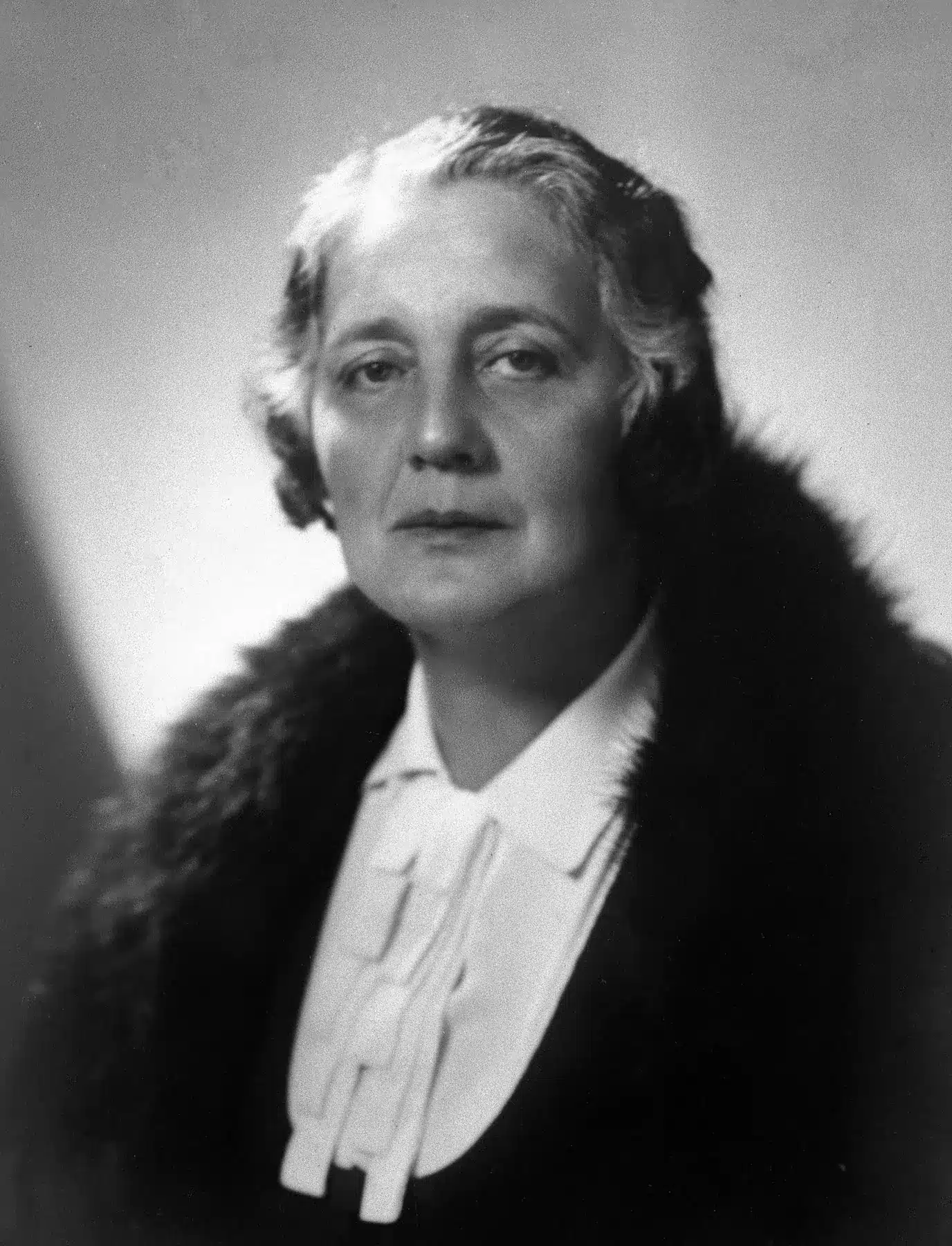
She took children’s inner lives seriously, developing theories that challenged her peers and helped reshape psychoanalysis despite her unconventional path into the profession.
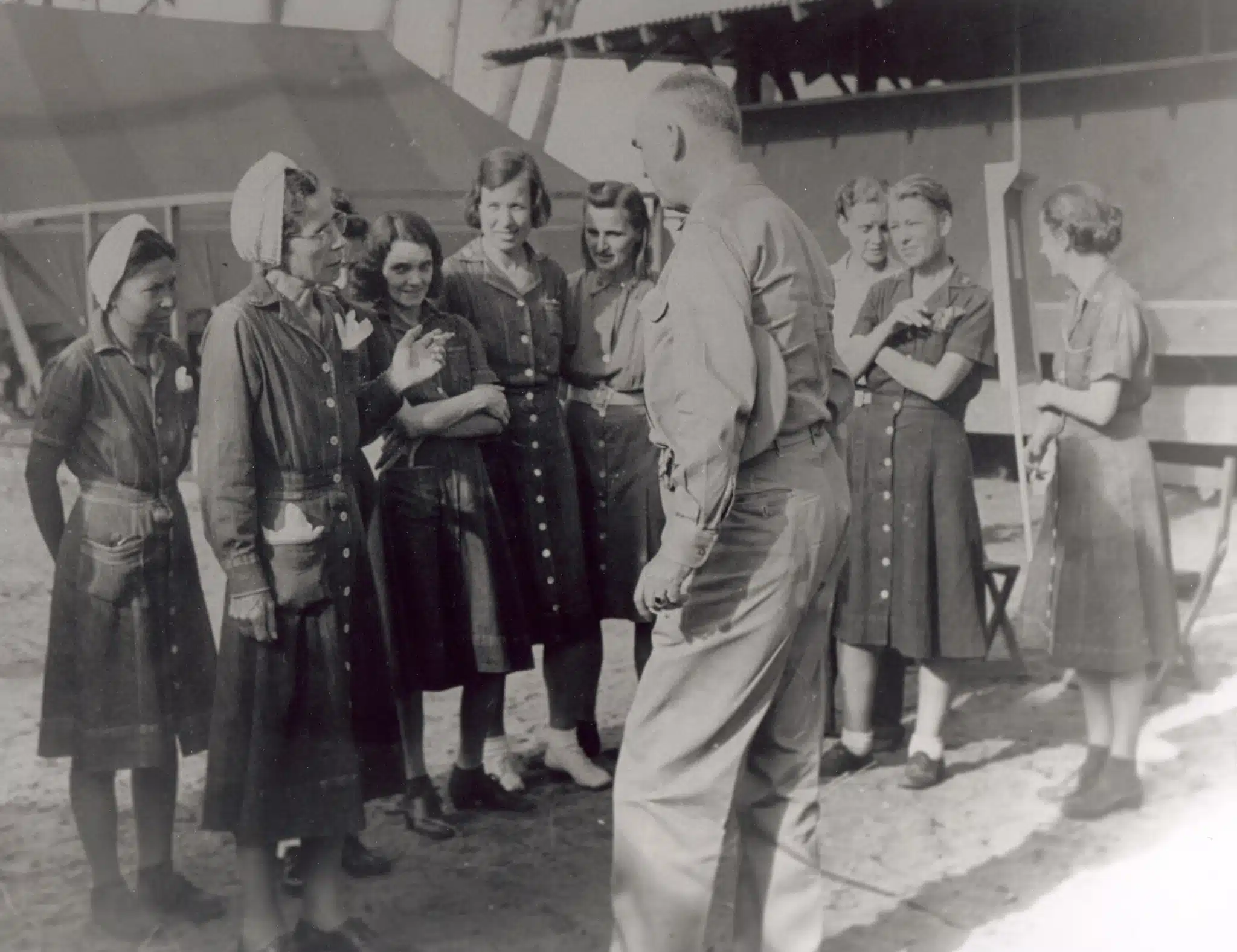
She nursed fellow prisoners through disease and near-starvation in a wartime camp, then survived to continue caring for patients and teaching others to do the same.

Her expertise in the region carried her from archaeology into wartime intelligence and state-building, where her political influence and museum work helped shape a country’s future.

Her writing and organizing helped build a women’s suffrage movement, turning anger at inequality into sustained pressure for the right to participate in politics.

She built an ambitious architectural career and pushed for women’s place in the profession, combining design talent with a determination to see buildings completed.

She adapted a spiritual tradition centered on reconciliation and shared it internationally, building a following around forgiveness, personal reflection, and the repair of relationships.
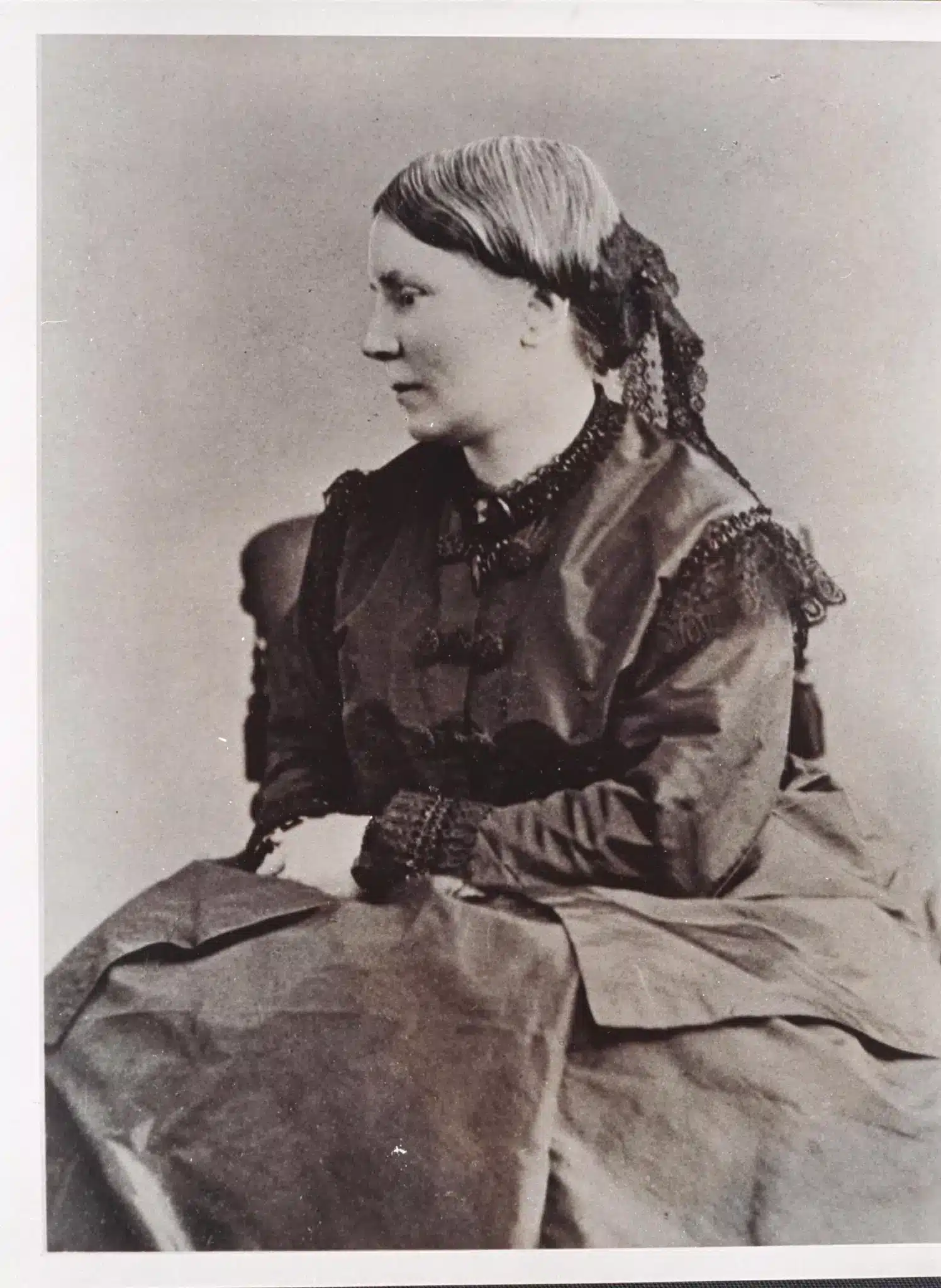
She earned a medical degree when the profession excluded women, then helped build hospitals and schools that made it possible for others to follow.

She pushed into a yoga tradition dominated by men, then carried its practice across continents, helping new audiences find a place in an ancient discipline.

Her study of allegory influenced literary scholarship, while her poetry turned a deep love of language into work that reached readers beyond academia.

She managed women in a sugar factory with authority they remembered long afterward. Their recollections capture the lasting influence of a formidable workplace leader.

She put her fortune behind women’s ability to choose when to have children, funding research that helped make the birth control pill a reality.
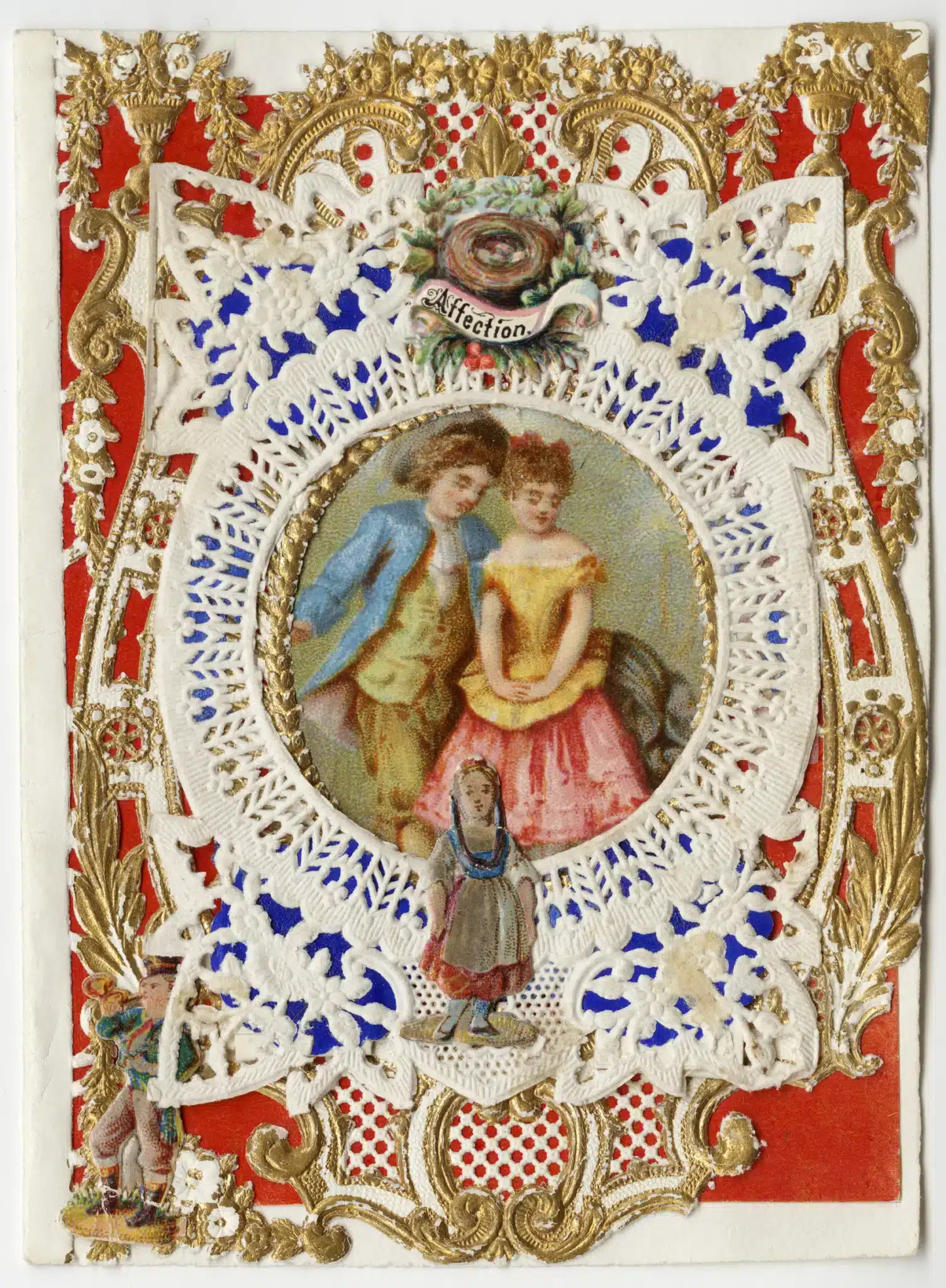
Esther Howland turned paper lace and an upstairs workshop of women into a thriving valentine business, helping Americans send their love.
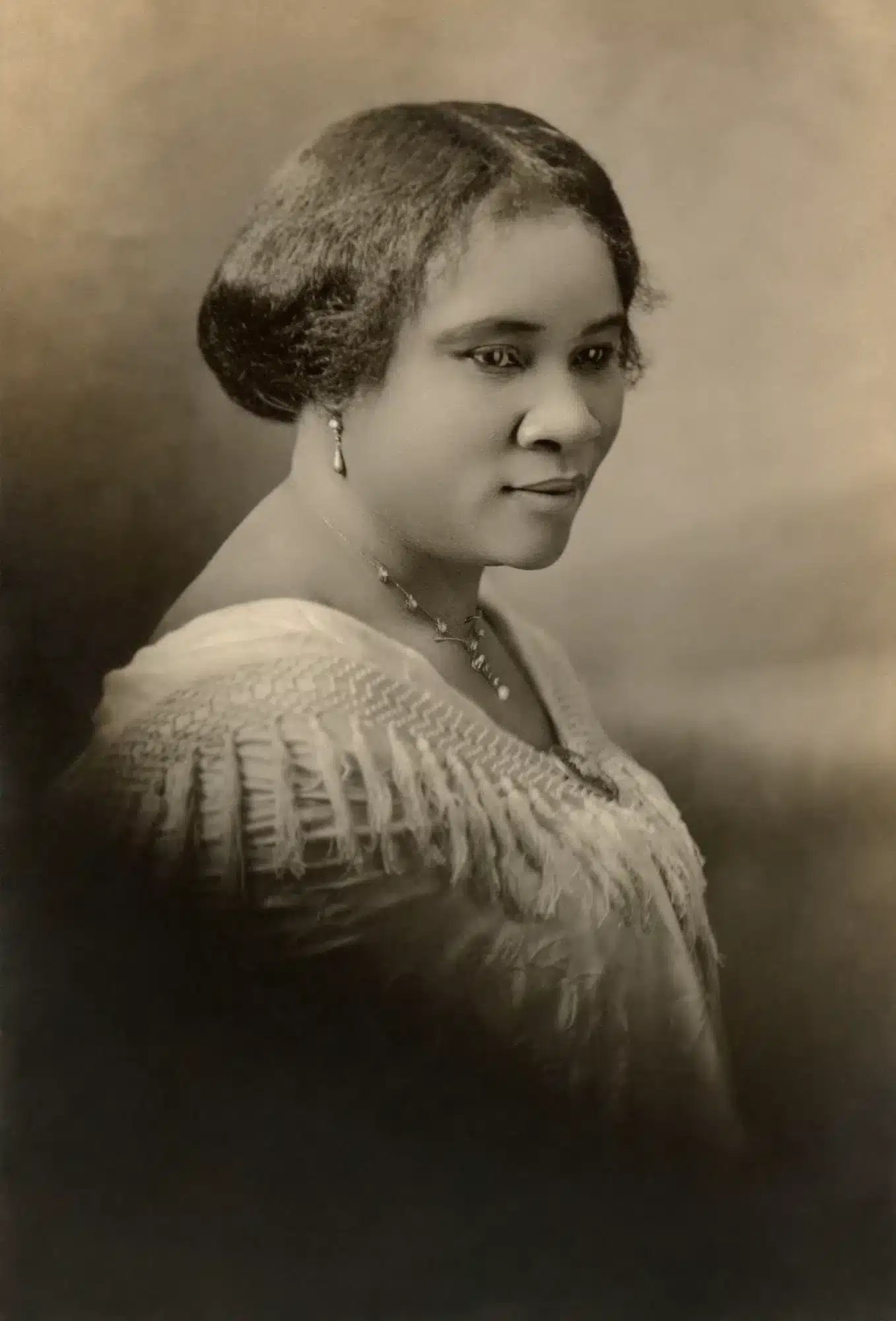
She built a haircare business that created jobs for Black women, then used her wealth to support education, community institutions, and resistance to racism.
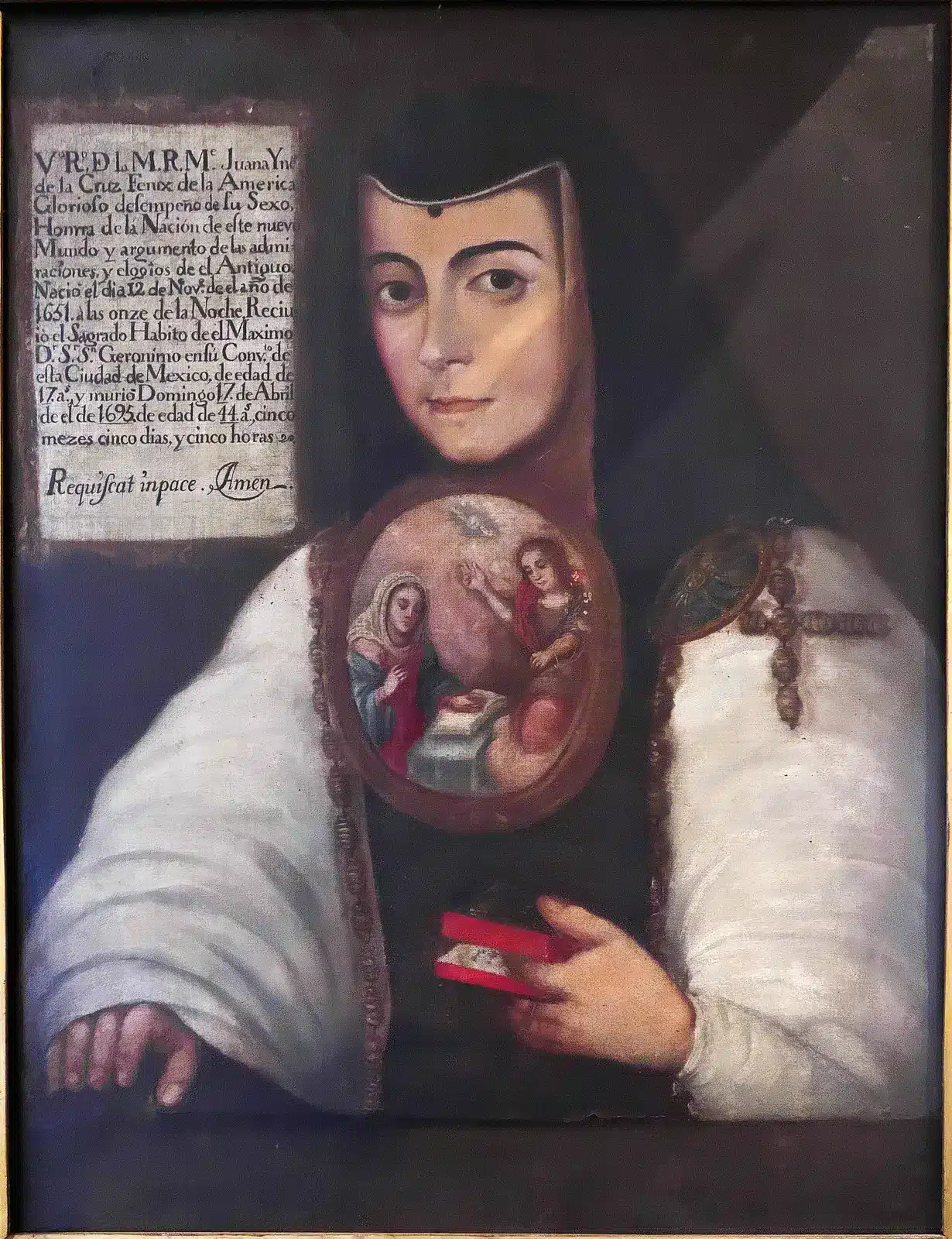
When religious authorities challenged her intellectual pursuits, she answered with a bold defense of women’s education, turning personal criticism into an enduring argument for equality.