Julia Chase-Brand, Breaking Down Barriers for Women Athletes
She entered a distance race women were forbidden to run, challenging restrictions that kept female athletes off the starting line and out of serious competition.

Women worth knowing
Extraordinary women, overlooked stories, and a more complete history. Explore the lives, ideas, and achievements that changed the world.
American women.
She entered a distance race women were forbidden to run, challenging restrictions that kept female athletes off the starting line and out of serious competition.

Her meticulous observations earned the respect of leading scientists and challenged established ideas, demonstrating how much careful study of the natural world could uncover.
Denied a partnership and told to become more feminine, she challenged workplace discrimination in a legal battle that helped expose the consequences of sex stereotyping.

She brought care to wartime battlefields, then built a relief organization that extended its work to communities facing floods, famine, epidemics, and other disasters.

Her fiction and arguments for economic independence challenged restrictive ideas about women’s lives, helping readers imagine alternatives to the roles society expected them to accept.
She challenged the limits placed on women’s education, building opportunities for students of different ages and changing expectations of who belonged at leading universities.

Denied flight training at home, she traveled abroad to earn her pilot’s license, then thrilled audiences with aerial stunts while challenging segregation on the ground.

She recruited and led women pilots during wartime, demonstrating their ability to fly military aircraft and expanding the responsibilities they were allowed to take on.

Her team’s software kept an overloaded spacecraft computer focused on landing, helping protect a historic mission and establish new standards for reliable software engineering.
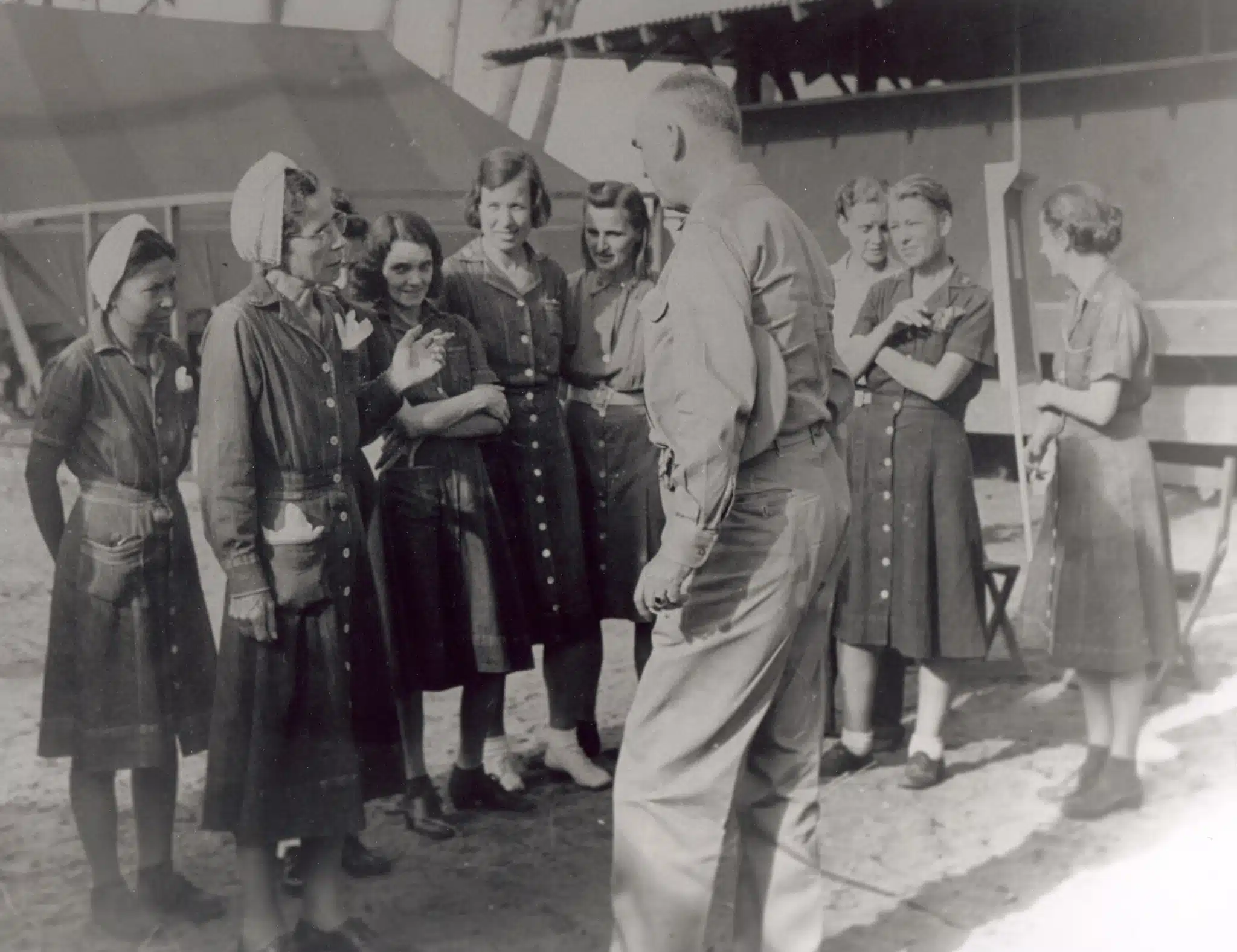
She nursed fellow prisoners through disease and near-starvation in a wartime camp, then survived to continue caring for patients and teaching others to do the same.

She helped make computer programming more accessible through readable instructions, transforming how people communicated with machines and opening new possibilities for building software.

She enlisted under a male name when the army excluded women, claiming a place in military service despite the racism and restrictions surrounding her.
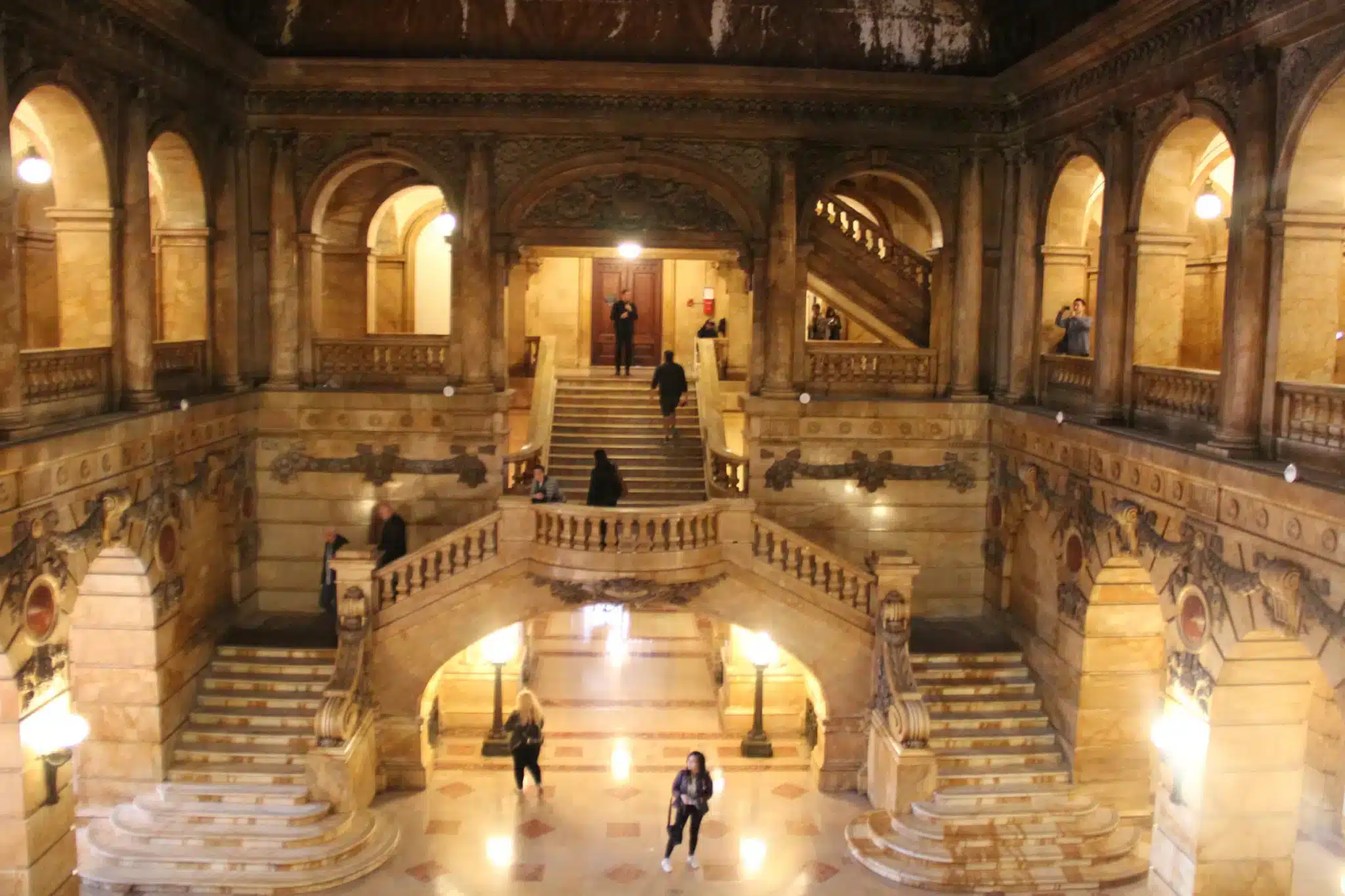
She built an ambitious architectural career and pushed for women’s place in the profession, combining design talent with a determination to see buildings completed.
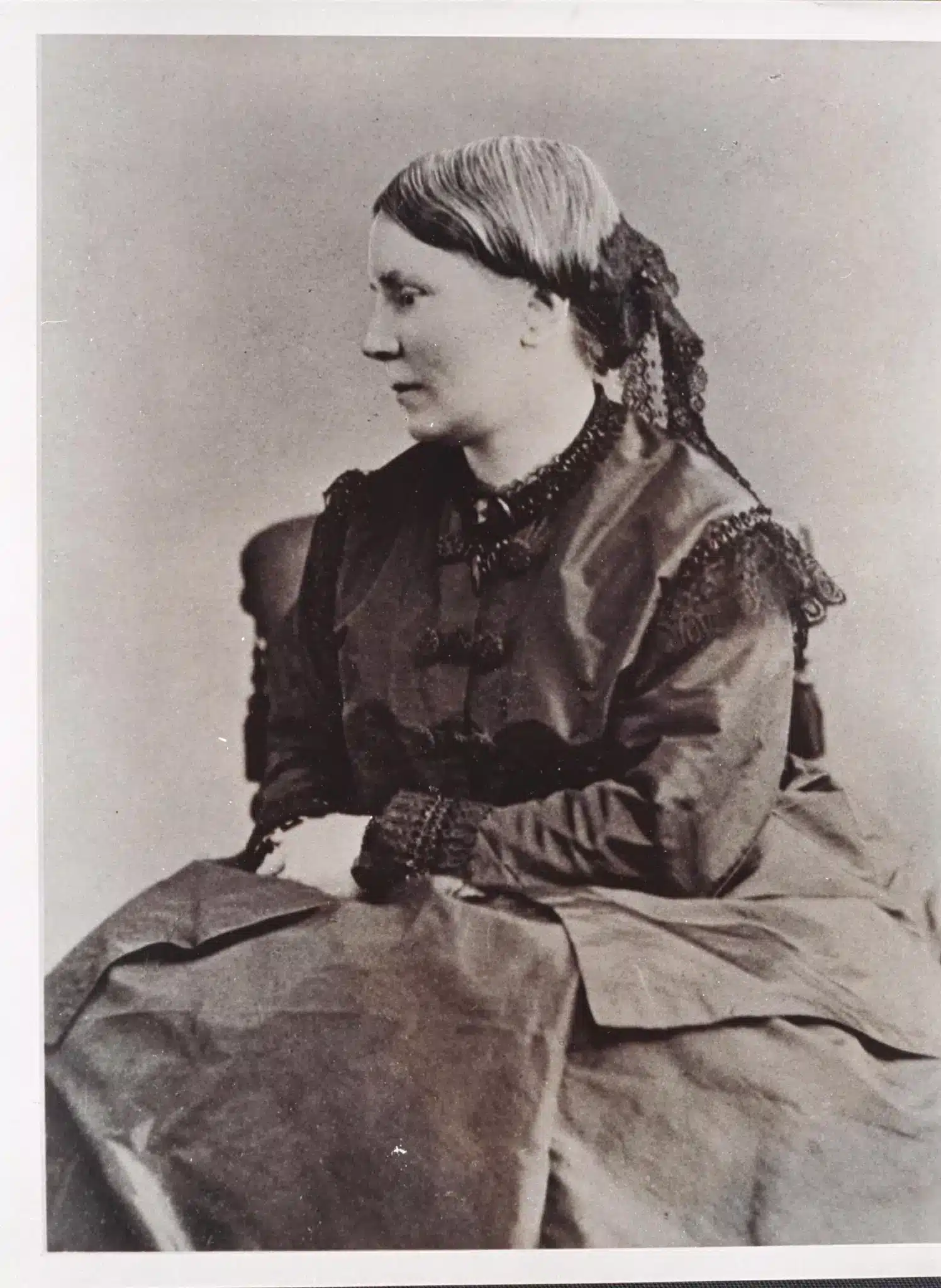
She earned a medical degree when the profession excluded women, then helped build hospitals and schools that made it possible for others to follow.
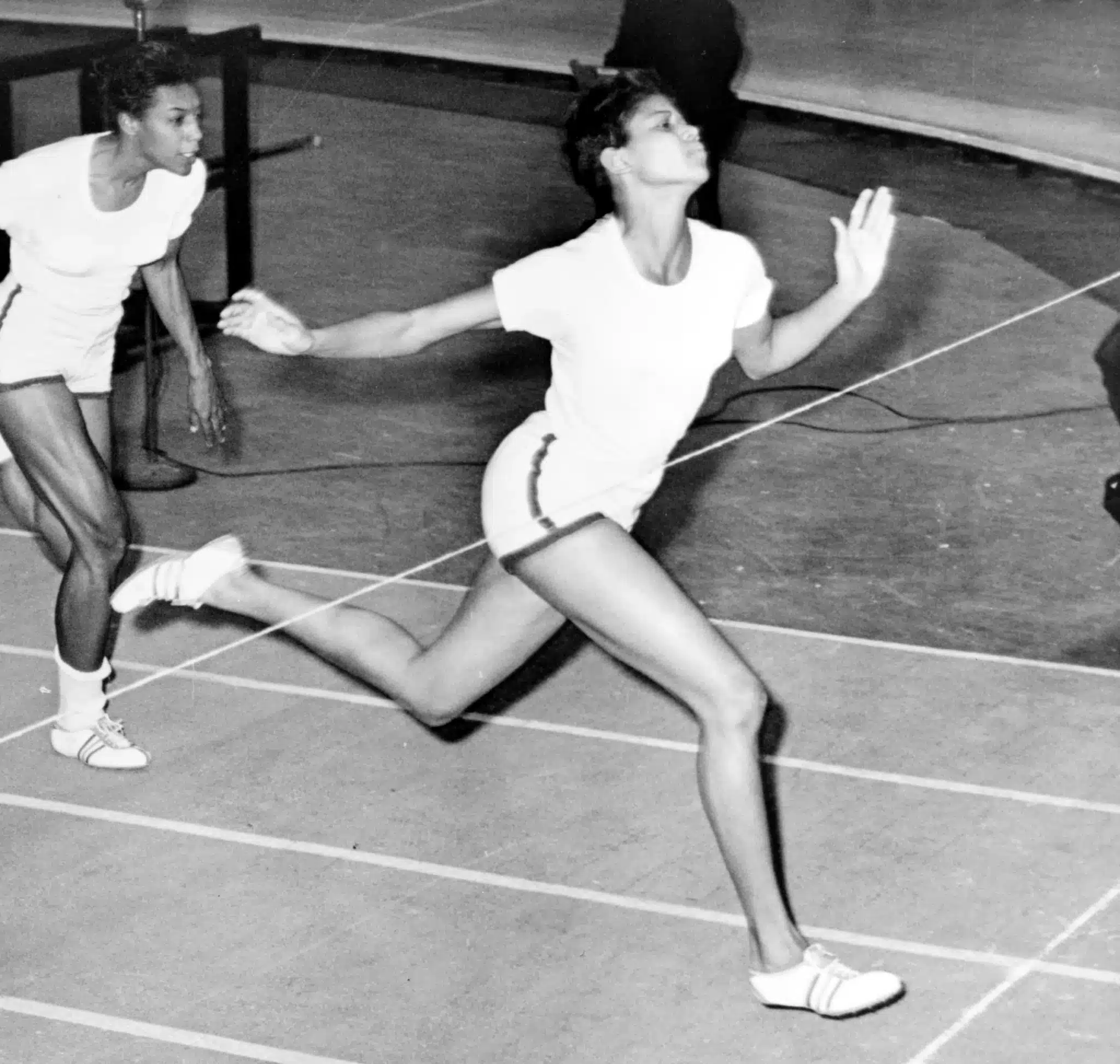
Olympic victories gave her a platform she used to challenge segregation, turning athletic fame into a powerful example for women athletes and civil rights campaigners.

She put her fortune behind women’s ability to choose when to have children, funding research that helped make the birth control pill a reality.
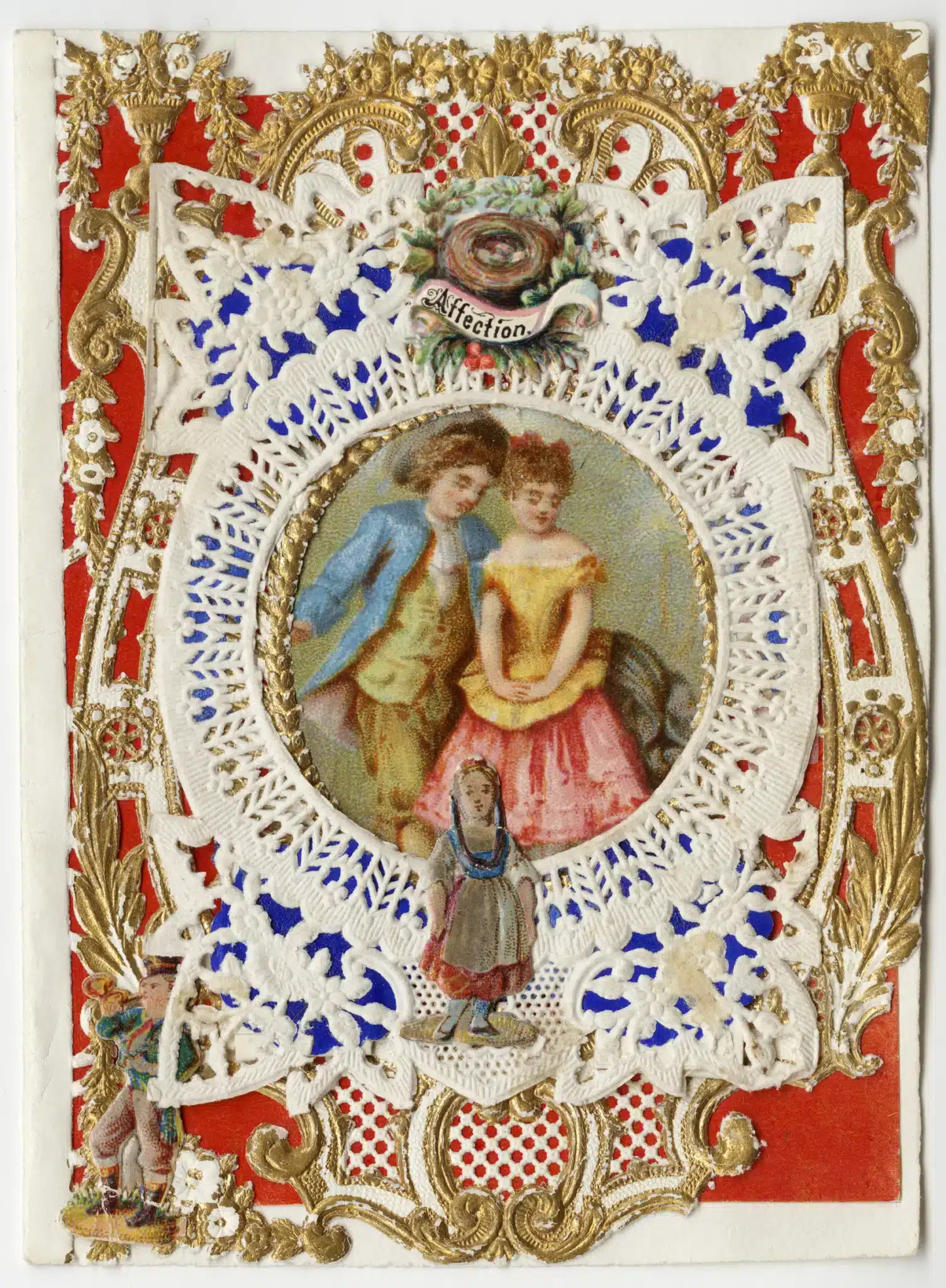
Esther Howland turned paper lace and an upstairs workshop of women into a thriving valentine business, helping Americans send their love.
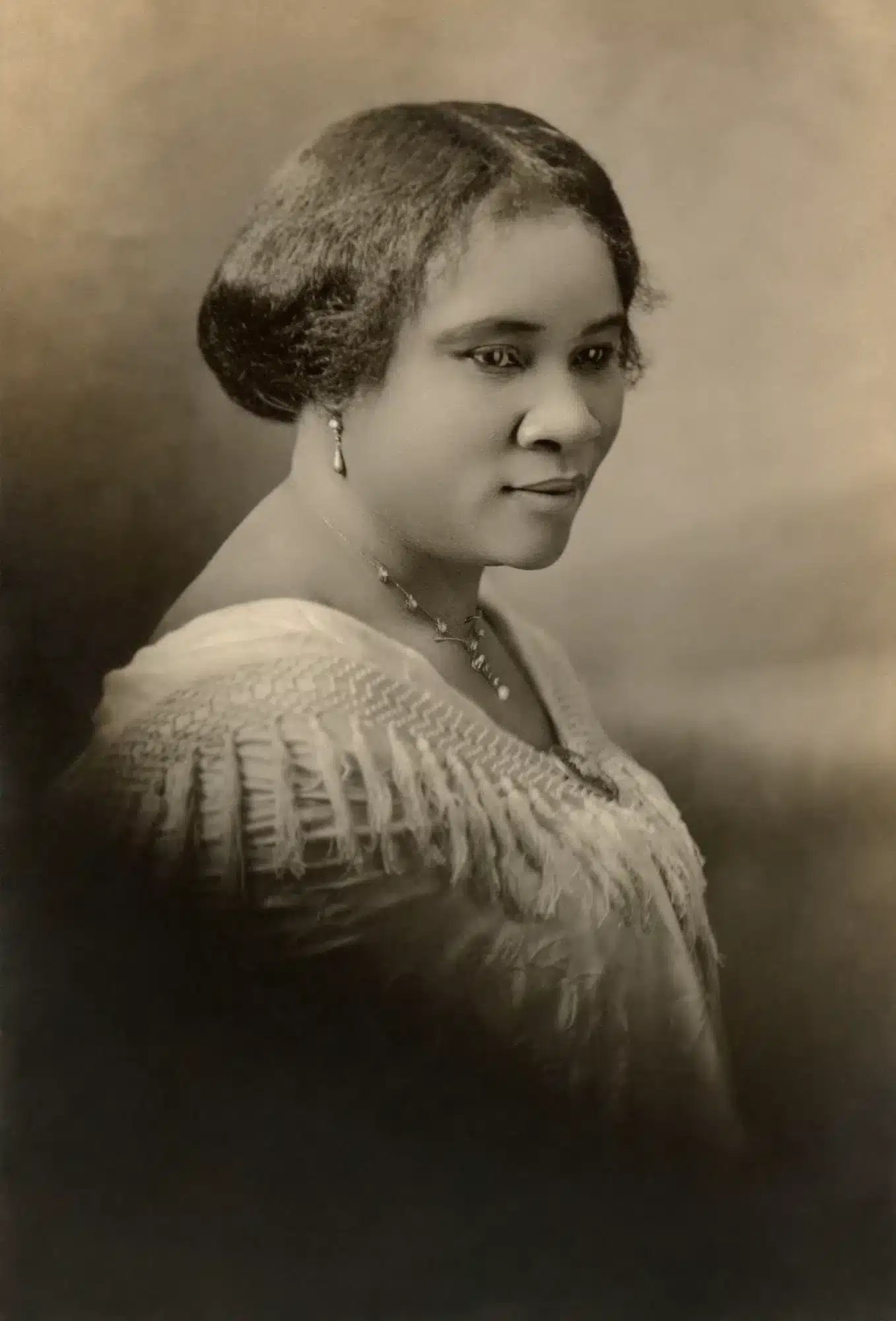
She built a haircare business that created jobs for Black women, then used her wealth to support education, community institutions, and resistance to racism.

She built an internationally celebrated sculpture career despite racism and sexism, creating art that inspired other Black and Indigenous artists to pursue their ambitions.

Her skill on bucking horses won championships and challenged expectations of women in rodeo, earning recognition in a sport built around strength and daring.